What "Stress Fitness" Means (and Why It's Trainable)
Stress fitness is the trained capacity of your HPA axis and vagal tone to handle a stressor and recover from it quickly, measurable the same way physical fitness is: through capacity under load and recovery speed. It is not the absence of stress. Like physical fitness, it responds to structured, progressive training, not to a single technique used once.
That comparison to physical fitness is deliberate, not just a turn of phrase. Exercise physiologists measure fitness through capacity under load (how much your VO2 max can handle) and recovery speed (how fast your heart rate drops after exertion). Stress fitness works the same way: capacity is how much a stressor disrupts your cortisol and heart-rate-variability baseline, and recovery speed is how fast that baseline returns to normal afterward. Someone with high stress fitness isn't someone who never feels stressed. They're someone whose system snaps back quickly.
This is also where "stress fitness" and "resilience" start to mean different things, even though people often use them interchangeably. Resilience usually describes an outcome: did you get through the hard period, did you bounce back. Stress fitness describes the specific, trainable physiological capacity underneath that outcome, the actual HPA axis and vagal tone mechanics that determine how fast the bounce-back happens. Research on physiological resilience in athletes backs this distinction: training consistency and progressively larger training volumes over time, layered with progressive increases in intensity, appear to build this kind of capacity (1). That's a training-plan finding, not a single-technique finding, and it's the reason this guide is built around a sequenced plan instead of a list of methods to try in whatever order appeals to you.
The Training Principle Behind Stress Fitness

Stress fitness is built the same way physical fitness is: progressively larger, well-recovered doses of a controlled stressor. Sports science calls this dose-response training, the idea that a training stimulus produces adaptation only when it is followed by adequate recovery. Too little dose produces no adaptation; too much without recovery produces breakdown, not fitness.
"Dose" here means exposure to a controlled stressor, whatever form that takes, tracked and followed by recovery time. Sports scientists have spent the last decade formalizing this: training load functions like an exposure, and the resulting adaptation functions like a dose-response effect, borrowed directly from how epidemiology and pharmacology think about exposure and outcome (3). Applying that same framing to stress training with a controlled stressor, whether it's a breathing session, a cold shower, or a hard workout, is the exposure; how well your system recovers before the next one determines whether it builds capacity or just accumulates fatigue.
It's worth being direct about a real debate inside sports science here rather than glossing over it. Periodization theory, the idea of structuring training into progressive phases, originally leaned on Hans Selye's general adaptation syndrome as its scientific foundation. That foundation has been substantially challenged since: the stress science periodization was built on has moved on, and a widely cited 2017 analysis argues periodization theory needs to be re-evaluated against contemporary stress research rather than its original 1950s framing (4). What survives that critique is the practical pattern: progressive load followed by recovery still produces measurable adaptation, even if the original theoretical explanation for why has been revised. A study monitoring competitive tennis players through a periodized pre-season training block found exactly that pattern show up physiologically. Cortisol and stress-symptom scores rose during the two heaviest loading weeks, then returned to baseline during a subsequent tapering week, tracking the training load itself (2). That's the logic behind the four-phase plan below, each phase adds load, and each phase assumes you keep recovering, not just keep adding.
The Step-by-Step Stress Fitness Training Plan
The plan runs four phases across roughly eight weeks: Phase 1 builds a physiological foundation with paced breathing and HRV biofeedback, Phase 2 adds controlled exposure through cold and structured exercise, Phase 3 adds a cognitive layer through reappraisal and social co-regulation, and Phase 4 shifts to progressive overload and maintenance. Each phase keeps the ones before it; nothing gets dropped as you advance.
This is a practical sequencing guide built from real training-load principles, not a clinically validated protocol that's been tested as a single packaged intervention. Think of it the way you'd think of a beginner's strength-training program: it borrows well-evidenced principles (progressive overload, adequate recovery, layered skill-building) and applies them in a specific order, but the four-phase sequence itself hasn't been run as one study.
Phase 1: Build the Foundation (Weeks 1-2)
Start with daily paced breathing (roughly six breaths per minute) or HRV biofeedback, five to ten minutes, at the same time each day. This phase is the one that overlaps most with the physiological mechanism covered in depth in this guide's companion piece on training your stress response, so the focus here is sequencing and dosing rather than re-explaining how or why it works. The goal for these two weeks is consistency, not intensity: you're building the habit before you add anything on top of it.
That consistency matters more than it might sound like it should. A brief resilience-training intervention delivered to military officer cadets produced a measurably lower cortisol increase during a subsequent high-stress exercise, five weeks after the training itself had ended (5). The training was brief. The effect showed up weeks later, under real stress, not immediately after a single session. That's the foundation phase working as intended: building capacity that holds up later, not producing an immediate feeling of calm that fades by the next stressful day.
Phase 2: Add Controlled Exposure (Weeks 3-4)
Once the foundation habit is steady, layer in one controlled-exposure method while keeping Phase 1 running underneath it. A 30 to 60 second cool-water finish to your regular shower is a reasonable, low-risk entry point, and two to three structured exercise sessions a week works just as well if cold exposure isn't for you. Either way, this is the progressive-overload step, a slightly harder, still-recoverable dose stacked on top of the foundation you already built.
Phase 3: Add the Cognitive Layer (Weeks 5-6)
By week five, add cognitive reappraisal, consciously reinterpreting a stressor's meaning rather than just enduring it, and, where you can arrange it, deliberate social co-regulation: spending in-person time with someone whose nervous system is calm. Combining a physiological method with a cognitive one tends to produce stronger effects than either alone, which is part of why this phase comes after the foundation and exposure work rather than on day one. Trying to reframe your relationship to stress before your body has any practice actually recovering from it is a harder, slower way to get the same result.
Phase 4: Progressive Overload and Maintenance (Weeks 7-8+)
From week seven, the increases get smaller and more deliberate. A slightly longer breathing session. A slightly colder or longer exposure. Or, for anyone who wants less to actively manage at this stage, a structured, hands-free option, like a vagus nerve stimulator.
Somewhere in this phase, the goal shifts from building to maintaining. A 28-day digital resilience program with twice-daily sessions produced a moderate improvement in resilience (d = 0.6) and a substantial reduction in perceived stress (d = 1.4) in healthcare staff compared to a waitlist control group (6), roughly the same timeframe as this plan's first six weeks. Once you're seeing changes like that, the work isn't to keep escalating. It's to hold the plateau.
Pulsetto and Phase 4
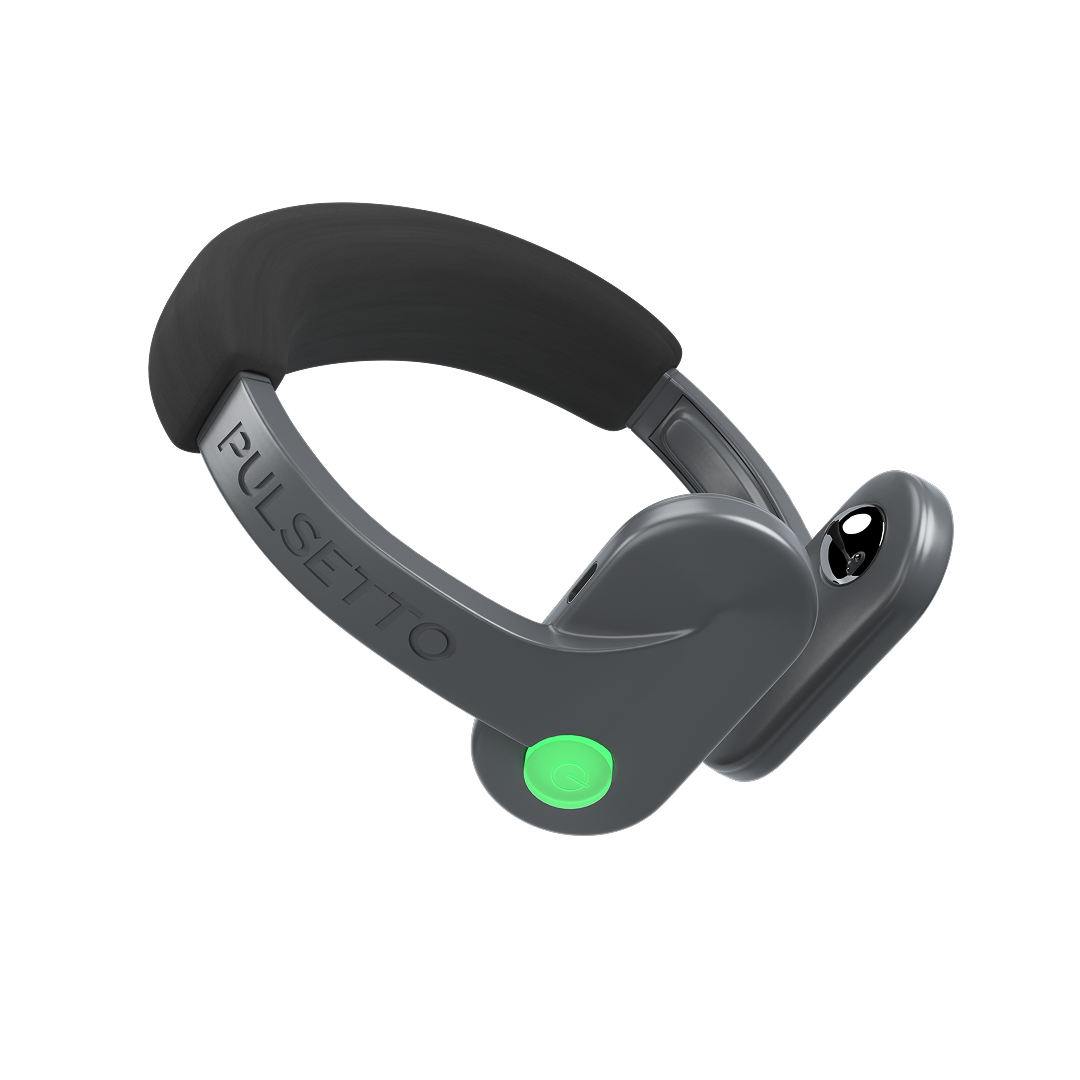
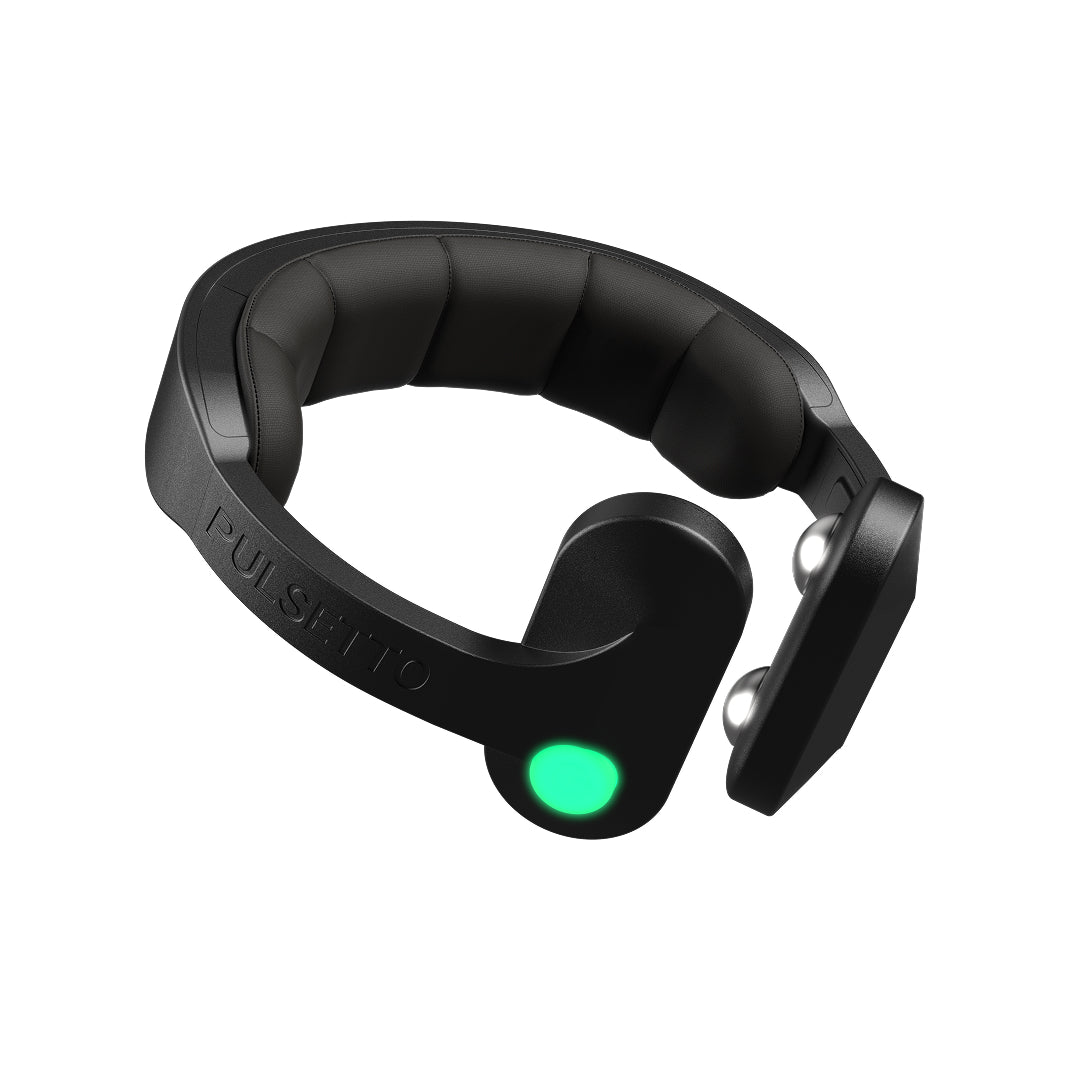
Pulsetto is the hands-free option Phase 4 makes room for. It's a bilateral cervical vagus nerve stimulator, built for people who'd rather not track a breathing count or a cold-water timer once the earlier habits are already in place. A session runs about 4 minutes, worn on the neck, engaging vagal afferent signaling directly instead of through breath or cold exposure. The Free Lifetime App logs each session alongside the rest of this plan, so Phase 4's shift from building to maintaining shows up in one place instead of several.
In Pulsetto's own randomized, open-label pilot study (n = 40, 4 weeks), bilateral cervical stimulation was associated with a 45.3% reduction in GAD-7 anxiety scores and a 47.5% reduction in hair cortisol, a biomarker of chronic stress. Pulsetto is a general wellness device, not FDA-cleared. It doesn't replace Phases 1 through 3; it's what Phase 4 adds once those are already working.
Disclaimer: Pulsetto is a general wellness product and is not intended to diagnose, treat, cure, or prevent any disease or medical condition
How to Know the Plan Is Working
Progress on this plan shows up as faster recovery, not fewer stressors: shorter time to calm down after something stressful, better sleep onset, and, if tracked, a rising resting HRV trend across the eight weeks. Expect subjective changes first, often within 1 to 2 weeks, and measurable HRV shifts later, often 3 to 8 weeks in.
Tie your expectations specifically to the phase you're in rather than to a general resilience checklist. By the end of Phase 2, you should notice the controlled-exposure dose feeling more routine and less like an event. By the end of Phase 4, the combination of methods should feel maintainable rather than like a growing list of things to keep up with. A 5-month structured military resilience-training program, evaluated against a waitlist control group, produced medium-to-very-large effect sizes across adaptive resources (d = 0.99), resilience (d = 0.53), and perceived stress (d = 0.49), with every gain still intact at a 3-month follow-up (7). That program ran longer than this plan's eight weeks, which is the honest takeaway: eight weeks builds the foundation, and the effect sizes tend to keep growing the longer the training stays consistent past that point.
When the Plan Needs Professional Support
Self-directed stress fitness training is not a substitute for professional care. If symptoms are persistent, worsening, interfering with daily functioning, or accompanied by thoughts of self-harm, loop in a licensed therapist or physician regardless of which phase you're in. These techniques support general wellness; they are not designed to diagnose, treat, cure, or prevent any medical condition.
There's a useful overtraining analogy here. Pushing through pain during physical training is a warning sign, not dedication, and the same logic applies to this plan. Pushing through worsening symptoms is a signal to stop and get support, not a signal to advance to the next phase anyway.
Add a Device to Phase 4
![]()

![]()
Except for Pulsetto, everything through Phase 3 works without hardware. If Phase 4's device-assisted option appeals to you, Pulsetto is a hands-free vagus nerve stimulator built for this exact use case, with Pulsetto Lite and Pulsetto FIT both available, each with the Free Lifetime App included.
Both devices run 4-minute sessions across Stress, Sleep, Calm, Release, and Focus modes, and are CE and FCC certified with a 2-year warranty. Add Pulsetto to Phase 4 today.
Frequently Asked Questions
How long does it take to build stress fitness?
Roughly 8 weeks for the full 4-phase plan. Subjective changes, like falling asleep faster, often show up within 1 to 2 weeks. Measurable HRV shifts typically take 3 to 8 weeks of consistent practice.
Can you overtrain your stress response?
Yes, conceptually the same as overtraining a muscle. Stacking every method at once from week one, or skipping recovery between harder training doses, can backfire rather than accelerate progress.
What's the difference between stress fitness and resilience?
Stress fitness refers to the specific, trainable physiological capacity, how fast your HPA axis and vagal tone recover. Resilience is often used more broadly to describe the outcome of that capacity in real life.
Do you need special equipment to follow this plan?
No. Phases 1 through 3 need no equipment beyond an optional HRV app. Phase 4 is where an optional device fits, for people who want a more hands-free option; Pulsetto's reviews page has more on what a typical session looks like for people who choose that route.
Can you skip phases or do them in a different order?
The plan is built cumulative and progressive. Skipping the foundation phase to jump straight to harder exposure is the training equivalent of skipping a base-fitness phase before sprint training.
Is this the same as exposure therapy?
No. Exposure therapy is a clinical treatment for specific fears or trauma, delivered by a licensed provider. This plan is a general-wellness training structure for everyday stress capacity.
Who shouldn't do controlled stress exposure, like cold or intense exercise?
People with a pacemaker or other implantable medical device, epilepsy, or who are pregnant should check with a physician first, the same contraindications that apply to vagus nerve stimulation. Anyone with underlying cardiovascular conditions should also check with a physician before starting cold exposure specifically.
Scientific research
[1] Physiological Resilience: What Is It and How Might It Be Trained? (Jones et al., 2025, Scandinavian Journal of Medicine & Science in Sports, 27 citations)
[2] Monitoring Training Loads, Stress, Immune-Endocrine Responses and Performance in Tennis Players (Gomes et al., 2013, Biology of Sport, 75 citations)
[3] Understanding Training Load as Exposure and Dose (Impellizzeri et al., 2023, Sports Medicine, 111 citations)
[4] Periodization Theory: Confronting an Inconvenient Truth (Kiely, 2017, Sports Medicine, 143 citations)
[5] Effects of Resilience Training on Mental, Emotional, and Physical Stress Outcomes in Military Officer Cadets (Zueger et al., 2022, Military Psychology, 53 citations)
[6] Resilience Among Healthcare Staff: A Randomized Controlled Trial of a Digital Training Program (Bock et al., 2025, Journal of Clinical Psychology in Medical Settings, 9 citations)
[7] Psychological Intervention Programme for Developing Resilience in the Military Personnel: A Randomized Controlled Trial (Turliuc et al., 2024, Stress and Health, 10 citations)