Best Wearable Devices for Anxiety: Quick Comparison
We find that the most effective way to choose is to decide if you need immediate relief, long-term tracking, or daily relaxation support. This table highlights how these wearable anxiety relief devices function differently to help you find the right fit, with treatment-focused tools like Pulsetto leading the list for active regulation.
|
Device
|
Best For
|
Category
|
How It Helps Anxiety
|
Price Range
|
|
Pulsetto
|
Fast, clinically backed anxiety relief
|
Treatment
|
Stimulates vagus nerve to trigger "rest-and-digest"
|
$$
|
|
Apollo Neuro
|
Passive, vibration-based stress calming
|
Relaxation
|
Sends safety-signaling vibrations to the brain
|
$$$
|
|
Muse S
|
Guided meditation & brainwave feedback
|
Relaxation
|
Provides real-time audio cues for mental state
|
$$$
|
|
Oura Ring
|
Discreet, 24/7 stress & sleep monitoring
|
Tracking
|
Monitors HRV to identify hidden stress patterns
|
$$$
|
|
Fitbit Sense
|
Electrodermal stress detection
|
Tracking
|
Uses EDA sensors to detect sweat-based tension
|
$$
|
|
Apple Watch
|
Ecosystem-integrated mindfulness
|
Tracking
|
Prompts breathing cycles and habit awareness
|
$$$
|
|
Lief Patch
|
HRV-based biofeedback training
|
Treatment
|
Vibrates to prompt corrective deep breathing
|
$$$
|
|
TouchPoints
|
Raping in-the-moment grounding
|
Treatment
|
Uses bilateral vibrations to disrupt panic spikes
|
$$
|
|
Sensate
|
Sound-based vagus nerve toning
|
Relaxation
|
Uses infrasonic chest vibrations for deep calm
|
$$
|
9 Best Wearable Devices for Anxiety

Finding the best wearable devices for anxiety requires a clear understanding of your goals. In our experience, these tools generally fall into two categories: those that actively treat anxiety by changing your physiological state and those that track symptoms to support better habit awareness. Whether you need a wearable device for anxiety to stop a panic attack in its tracks or a discreet tracker for 24/7 monitoring, this list covers the most effective options available today.
1. Pulsetto (Vagus Nerve Stimulation - Top Recommendation)

Best for: Fast, clinically backed anxiety relief
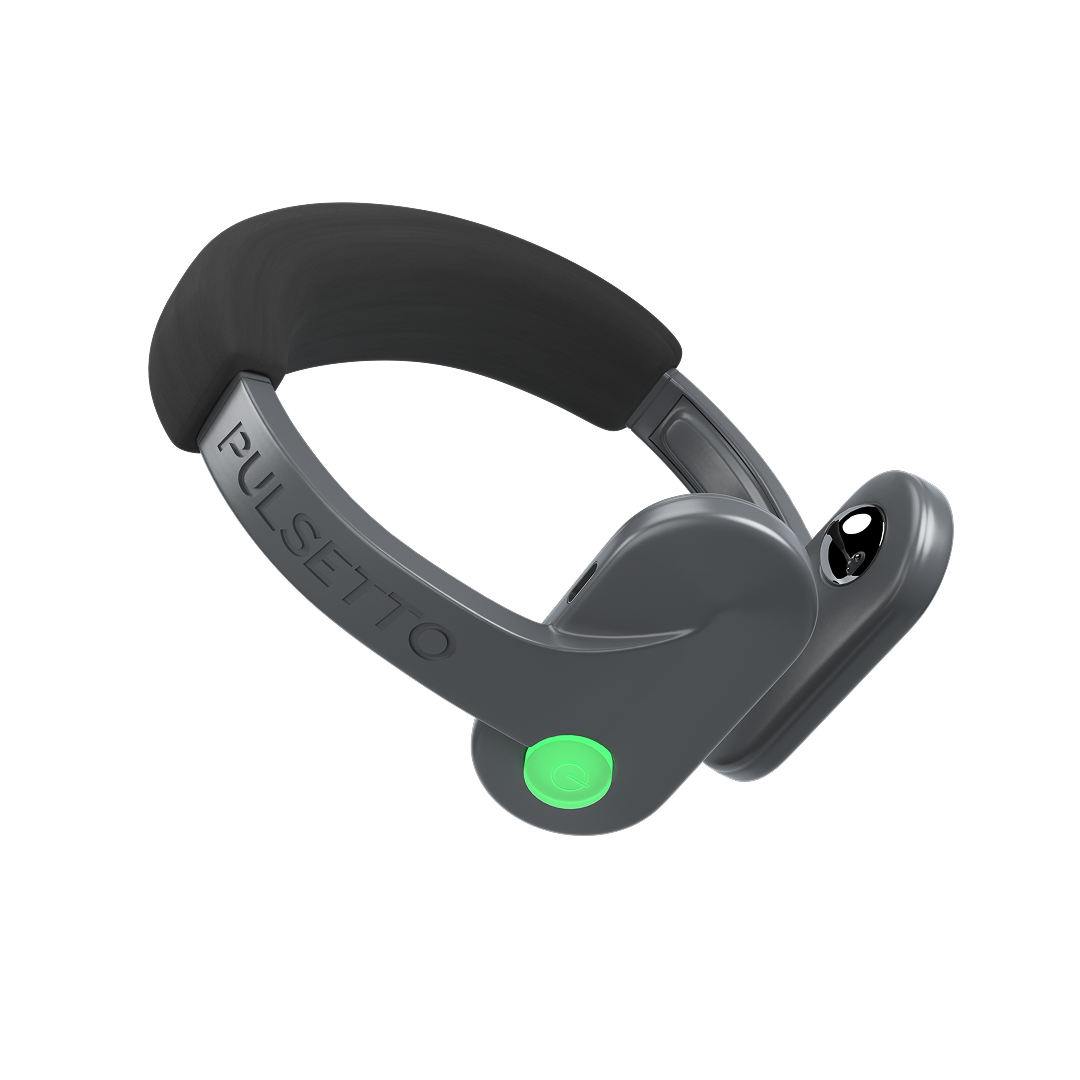
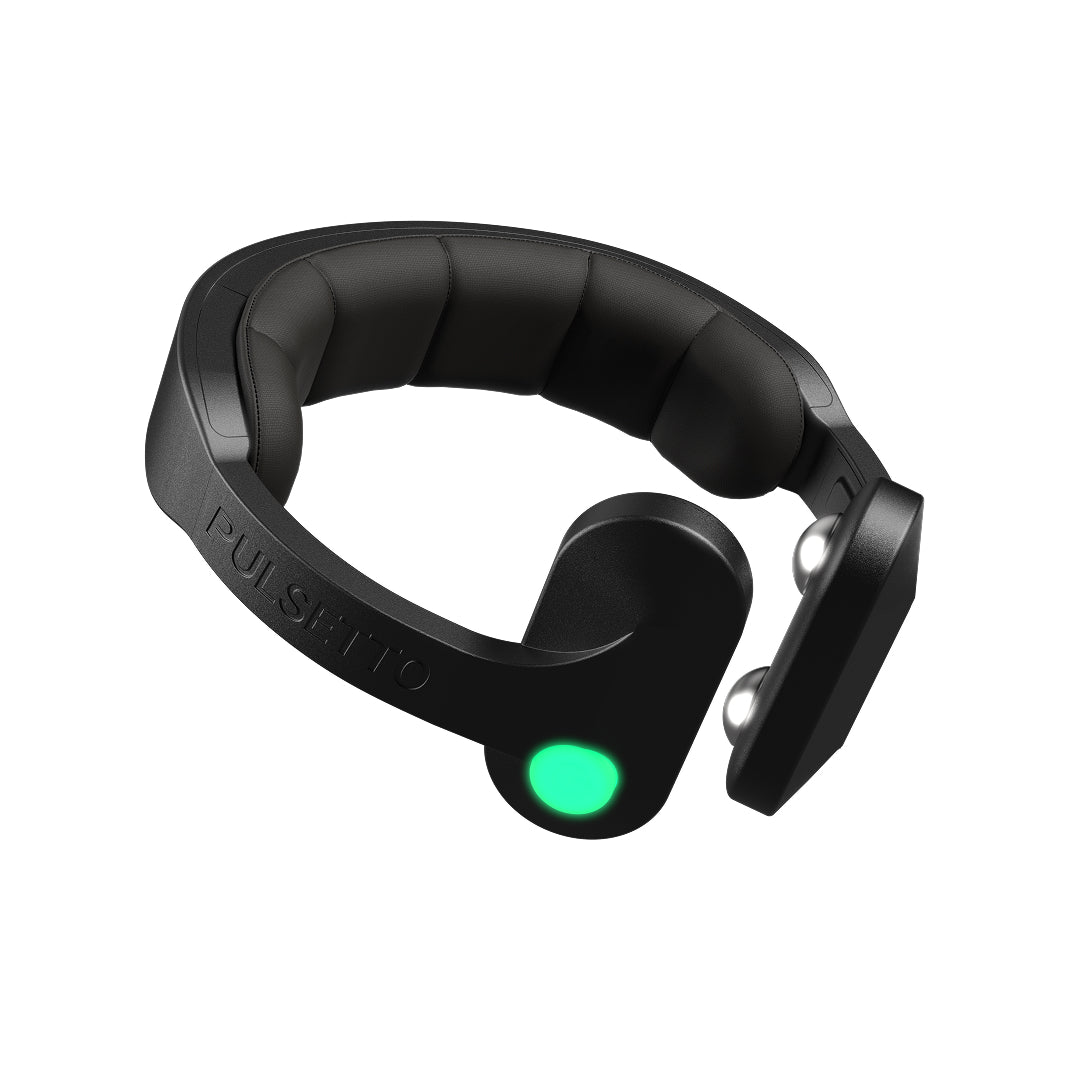
We consider Pulsetto the most effective wearable anxiety reducer because it doesn't just watch your stress, it stops it. This vagus nerve stimulation device wears around the neck and sends mild electrical pulses to activate the parasympathetic nervous system. Clinical data shows a 64.5% reduction in anxiety, with 89% of users reporting an immediate effect. It provides a non-invasive, drug-free solution through 4-minute sessions that fit perfectly into a busy workday, making it one of the best wearable anxiety relief devices for real-world use.
2. Apollo Neuro (Nervous System Regulation Wearable)

Best for: Passive, vibration-based stress calming throughout the day
The Apollo Neuro uses silent, soothing vibrations to signal safety to the brain, helping to rebalance the nervous system. Unlike other wearable anxiety relief devices, this tool works passively in the background while you work, travel, or sleep. We see it used effectively by teams who need to stay composed under pressure without stopping for a dedicated breathing exercise or treatment session.
3. Muse S (EEG Meditation Headband)

Best for: Guided meditation and real-time brainwave feedback
Muse S is a specialized anxiety wearable devices option that uses EEG sensors to monitor brain activity. It provides real-time neurofeedback by translating your brainwaves into weather sounds, like stormy when you are distracted and calm when you are focused. This immediate feedback helps you understand exactly how to reach a meditative state, making it a powerful tool for long-term emotional regulation.
4. Oura Ring (Sleep & Stress Tracking)

Best for: Discreet, 24/7 stress and sleep monitoring
If you want a wearable device for anxiety that is nearly invisible, the Oura Ring is the standard. It tracks sleep quality and Heart Rate Variability (HRV) to provide a daily readiness score. While it is a tracker rather than a treatment tool, it helps users identify specific lifestyle triggers that drive their anxiety, allowing for data-backed adjustments to daily routines.
5. Fitbit Sense (Stress Tracking Smartwatch)

Best for: Electrodermal stress detection with smartwatch convenience
The Fitbit Sense is one of the top wearable devices for anxiety because of its dedicated EDA (electrodermal activity) sensor. By placing your palm over the watch face, it detects small electrical changes in your skin's sweat levels, a clear indicator of physical stress. This helps you identify hidden tension and prompts you to use the built-in mindfulness tools before a stress response escalates.
6. Apple Watch (Mindfulness & Stress Tracking)

Best for: Ecosystem-integrated mindfulness and breathing reminders
The Apple Watch is a widely used anxiety wearable devices choice that excels at habit formation. Through the Mindfulness app, it provides haptic nudges to remind you to breathe or reflect. While it lacks the active stimulation of a device like Pulsetto, its seamless integration into your daily digital life makes it an excellent entry point for staying aware of stress levels.
7. Lief Therapeutics Patch (Biofeedback Device)

Best for: HRV-based biofeedback training for long-term stress control
Lief is a clinically focused wearable anxiety relief devices option that adheres directly to your chest. It monitors your HRV in real-time and vibrates when it detects your stress levels rising. This biofeedback loop trains you to use your breath to regulate your heart rate, providing an active way to maintain composure during high-stress situations.
8. TouchPoints (Bilateral Stimulation Wearable)

Best for: Rapid in-the-moment grounding during anxiety spikes
TouchPoints are a unique wearable anxiety reducer consisting of two units worn on opposite sides of the body. They use Blast Technology (bilateral alternating stimulation) to shift the brain's focus away from a fight-or-flight response. We find these are particularly effective for rapid grounding during sudden spikes of anxiety or panic.
9. Sensate (Vagus Nerve Relaxation Device)

Best for: Sound-based vagus nerve toning for deep relaxation
Sensate is a pebble-like device that uses infrasonic vibrations and specialized audio to calm the nerves. When comparing Pulsetto vs Sensate, Sensate focuses more on a sensory relaxation experience. It is among the best wearable devices for anxiety for those who prefer a vibration and sound-based approach to toning the vagus nerve and achieving a deep state of calm.
Tracking vs Treating Anxiety: What Most Wearables Get Wrong
A major challenge in the wellness tech market is the confusion between gathering data and providing solutions. Many people invest in a wearable device for anxiety only to receive a notification confirming their stress levels are high. While data helps with awareness, a tracker that simply reports a spiking heart rate lacks the mechanism to halt the physical sensation of panic.
The best wearable devices for anxiety prioritize active treatment to bridge this gap. A treatment-focused tool, such as Pulsetto, intervenes by physically stimulating the vagus nerve to override the "fight-or-flight" response. Choosing technology that interacts with your biology, while also exploring practical ways to reduce stress and anxiety, ensures you receive real-time physiological relief rather than just a report on your discomfort.
How Wearable Devices Help Reduce Anxiety
Modern wearable anxiety relief devices operate through specific biological pathways that rebalance the body’s internal state. These tools use nervous system regulation to physically signal the brain to calm down, or biofeedback to help you visualize your stress levels in real-time. For instance, biofeedback devices for anxiety teach you to control your heart rate through rhythmic breathing, which builds long-term resilience by making you more aware of your body's physical tension.
By interacting directly with your biology, these wearables provide a sustainable way to manage the physical symptoms of stress. We see this work most effectively when a user understands that their device is a training tool for their nervous system. Regular use helps the body become more efficient at returning to a calm state after a stressful event.
The Role of the Nervous System
Your nervous system manages two primary modes: "fight-or-flight" (the sympathetic system) and "rest-and-digest" (the parasympathetic system). Chronic anxiety often keeps the body stuck in a state of high alert, even when no immediate danger is present. Using a wearable anxiety reducer provides a direct signal to the brain that it is safe to shift back into a restorative mode.
This physiological shift occurs when technology targets the vagus nerve, which act as a primary highway for relaxation signals. When you use stimulation to activate this pathway, you achieve instant anxiety relief by manually lowering your heart rate and cortisol levels. This process uses hard science to reset your internal chemistry and restore emotional balance.
How to Choose the Right Wearable for Anxiety
Selecting the best wearable anxiety relief devices for your setup involves matching the technology to your specific lifestyle and symptoms. We recommend starting with your primary goal, whether that involves stopping a panic attack in the moment or tracking your recovery over several months. You should also consider how often you are willing to use the device, as the top wearable devices for anxiety deliver the best results through consistent application.
When evaluating your options, consider these key factors:
-
Treatment vs. Tracking: Determine if you want a tool that actively changes your state or one that provides data for habit changes.
-
Portability: Choose a form factor (like a ring, watch, or neckband) that stays comfortable during your most stressful hours.
-
Ease of Use: Look for devices with intuitive apps and quick session times to ensure the technology stays a support tool rather than a source of stress.
Combining these tools with the best relaxation techniques like breath work helps you maximize the impact of your wearable.
Questions to Ask Before Buying
Before investing in a wearable device for anxiety, we recommend asking a few practical questions to ensure the technology fits your lifestyle. These questions help you filter through the noise and focus on tools that provide genuine physiological benefits.
-
Does this device offer active treatment or passive tracking? Decide if you need a tool that changes your body’s state or one that simply provides data.
-
Is the session time manageable for my schedule? Look for devices that offer short, effective sessions to ensure you use the tool consistently.
-
Are the safety certifications (FCC/CE) clearly visible? Verified certifications ensure the device operates within safe electrical and vibration limits.
-
Does the form factor work for my daily activities? Consider if you prefer a discreet ring for all-day wear or a specialized neckband for targeted relief sessions.
-
What specific biological pathway does the device target? Understanding whether the tool focuses on the vagus nerve, brainwaves, or heart rate helps you match it to your needs.
What to Avoid When Choosing Anxiety Wearables
We recommend being cautious of the best wearable devices for anxiety that make "miracle" claims without providing transparent scientific data. Many low-cost trackers use inconsistent sensors that might provide misleading stress alerts, which can unintentionally increase your anxiety levels. Always prioritize brands that emphasize nervous system health and provide clear guidance on how their technology interacts with your body.
When evaluating your options, avoid tools that lack official safety certifications or hide their clinical study results. A reliable device should offer a clear explanation of its biological mechanism, whether that involves vagus nerve stimulation or biofeedback. By focusing on verified technology, you ensure that your investment leads to genuine physiological relief rather than just another digital distraction.
Choose a Wearable That Actually Reduces Anxiety
Managing chronic stress requires a tool that provides real-time physiological change rather than just a report on your discomfort. The best wearable devices for anxiety allow you to move beyond passive observation and take an active role in your recovery. We see the most success when people choose a fast, science-backed solution like Pulsetto to manage their daily stress and improve their long-term resilience. Using wearable anxiety relief devices that fit into your life makes it possible to maintain a calm, focused state regardless of what the day throws at you.
Try Pulsetto to see how active regulation can transform your mental well-being.
FAQs: Best Wearable Devices for Anxiety
What is the best wearable device for anxiety?
Pulsetto is the top choice for those needing fast, active relief through vagus nerve stimulation. For those prioritizing passive calming, Apollo Neuro is excellent, while Muse S leads for meditation-focused feedback. The best device ultimately depends on whether you need immediate physiological intervention or long-term habit tracking.
Do wearable devices actually reduce anxiety?
Yes, but effectiveness depends on the technology. While many trackers only provide data, active wearable anxiety relief devices use vagus nerve stimulation or biofeedback to physically lower heart rate and cortisol. These tools interact with your nervous system to move your body from a stressed state to relaxation.
Are anxiety wearables safe to use daily?
Most non-invasive best wearable devices for anxiety are very safe for daily use. You should ensure any device you choose carries FCC or CE certifications, which confirm the technology meets strict safety standards for electrical output or vibration levels, protecting your skin and nervous system.
What’s the difference between tracking and treating anxiety?
Tracking involves monitoring data like heart rate or sleep to identify when you are stressed. Treating involves a physical intervention, such as the electrical pulses used by Pulsetto, to actively lower those stress levels. Tracking provides awareness, while treatment-focused devices provide a direct biological reset.
Can wearable devices replace medication for anxiety?
Many users find success using a wearable device for anxiety as a drug-free alternative or supplement to traditional treatments. However, technology should complement your healthcare plan rather than replace it. Always consult with a medical professional before making changes to any prescribed anxiety medication or clinical protocols.
How quickly do anxiety wearables work?
Active devices like Pulsetto can deliver noticeable calm in just 4 minutes by stimulating the vagus nerve. In contrast, tracking and biofeedback tools typically require several weeks of consistent use to help you build the habit of self-regulation and see a long-term improvement in your baseline stress.