Quick Comparison
|
Tool
|
Category
|
Price (Aug 2026)
|
Best for
|
|
Pulsetto
|
Bilateral cervical vagus nerve stimulation
|
Lite $269, FIT $296
|
Direct nervous-system down-regulation
|
|
WHOOP 5.0
|
Wearable + membership
|
Device plus ongoing membership starts from $199/yr
|
24/7 strain, recovery, and HRV tracking
|
|
HeartMath Inner Balance Coherence Plus
|
HRV biofeedback sensor + app
|
$249
|
Real-time HRV coherence training
|
|
Muse S Athena
|
EEG + fNIRS meditation headband
|
$474.99
|
Biofeedback-guided meditation and sleep
|
|
Apollo Neuro
|
Haptic vibration wearable
|
€389
|
Passive nervous-system vibration therapy
|
|
Calm
|
Meditation and sleep app
|
$79.99/yr
|
Guided meditation and breathwork
|
|
Nike Training Club
|
Structured workout app
|
Free
|
Structured exercise programming
|
1. Pulsetto

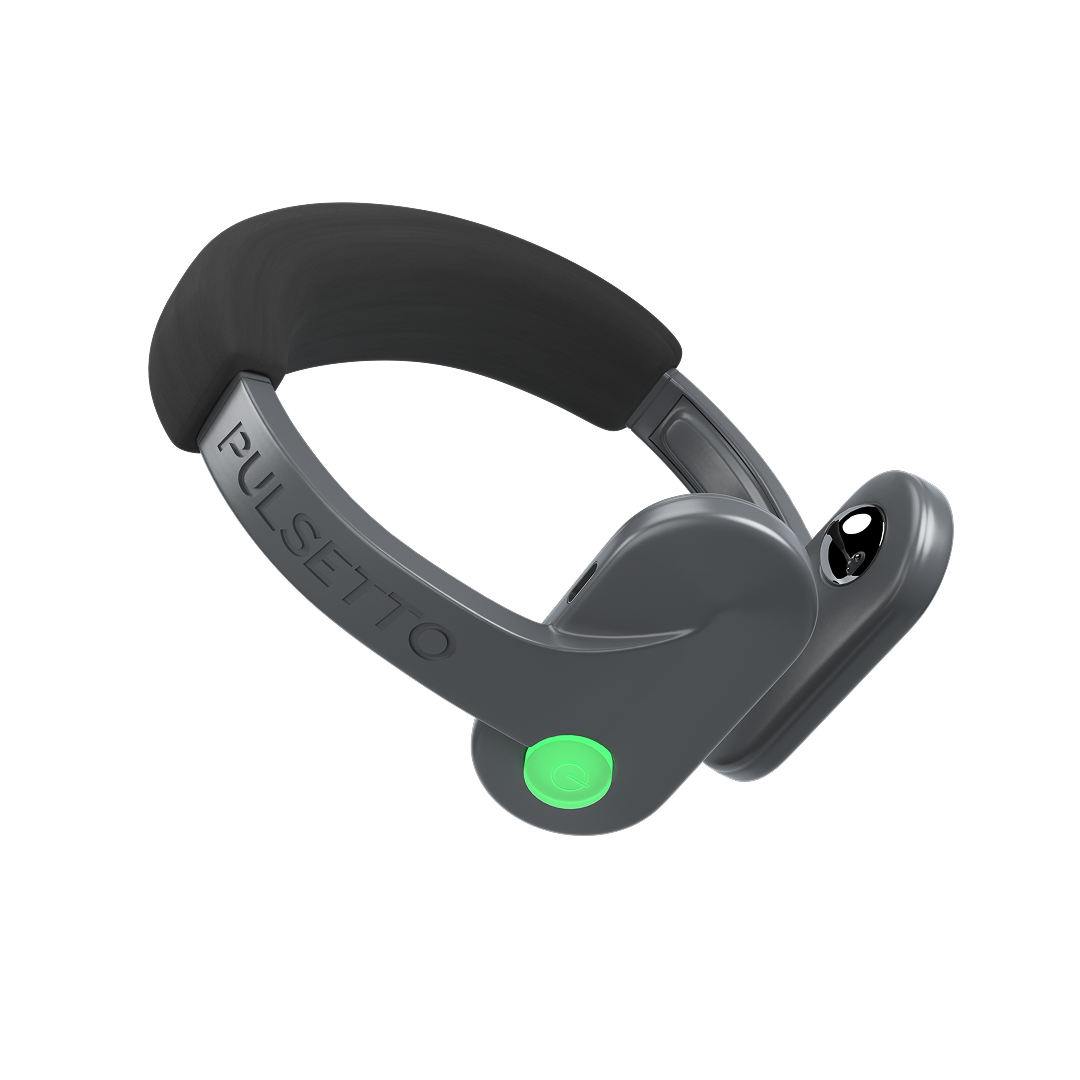
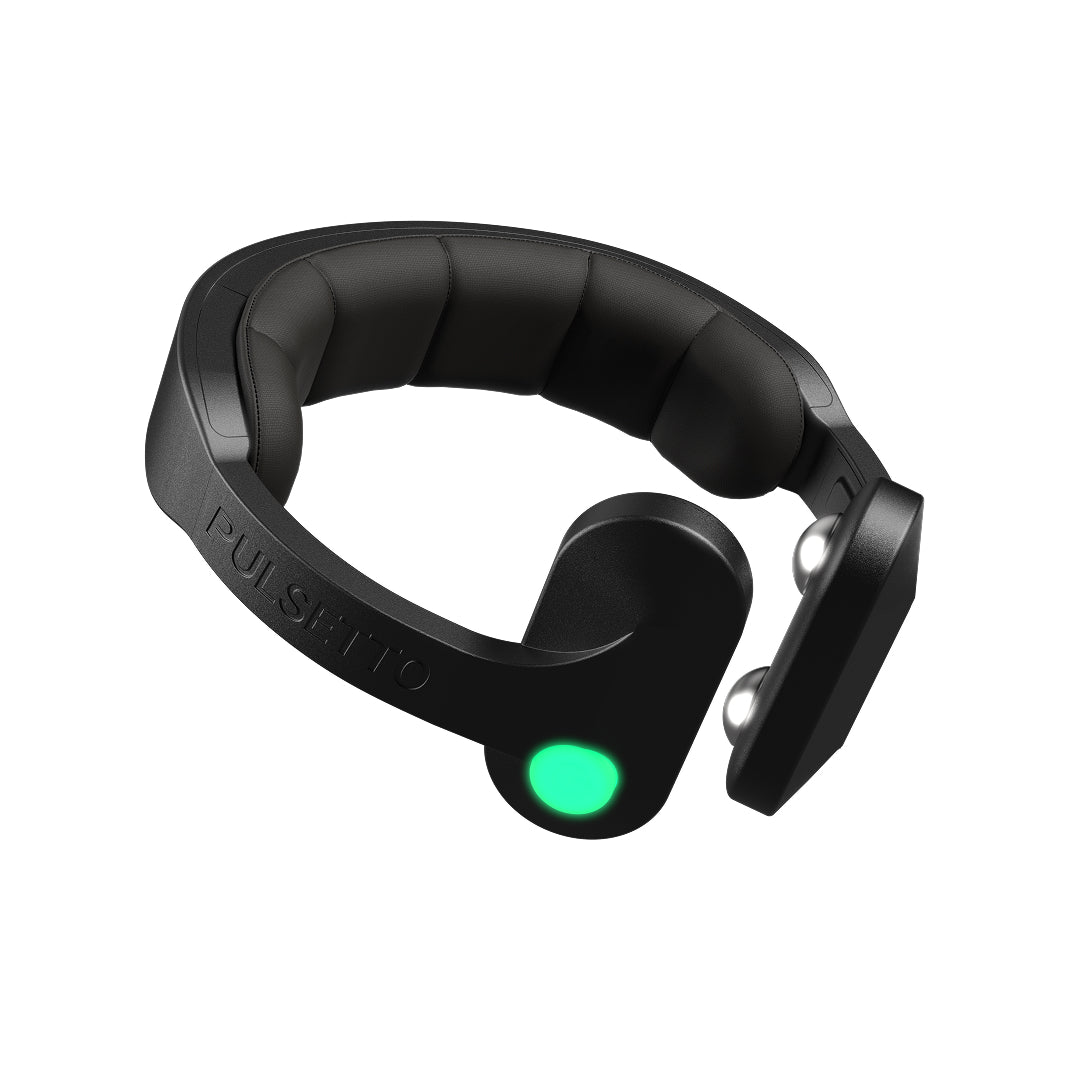
Pulsetto is a hands-free vagus nerve stimulator that delivers bilateral cervical stimulation, both sides of the neck at once, in 4 to 10 minute sessions depending on the program. Where most of the other tools on this list measure what's happening in the body or structure a behavior around it, Pulsetto acts on the nervous system directly, closer in mechanism to a light switch than a thermostat.
Pulsetto tested that bilateral design in a randomized, open-label pilot study of 40 adults over 4 weeks, comparing bilateral against unilateral cervical stimulation. Hair cortisol, a chronic-stress biomarker, fell 47.5% in the bilateral group against 31.4% in the unilateral group. Anxiety measured with the GAD-7 dropped 45.3%, and sleep quality measured with the PSQI improved 41.0%, both at the same 4-week mark.
The Free app runs five unlimited programs, Sleep, Stress, Calm, Release, and Focus, along with wearable integration for Apple Health, Garmin, WHOOP, and Oura, and offline mode. Pulsetto Lite is $269 and FIT is $296 as of August 2026, both FCC certified, neither FDA-cleared, positioned as a general wellness device rather than a medical one.
Compared with the wearables and apps on the rest of this list, Pulsetto is the one tool here designed to change the stress response directly rather than track it or coach around it, which makes it a natural complement to, rather than a replacement for, the measurement and training tools below.
2. WHOOP 5.0

WHOOP 5.0 is a wrist or bicep-worn wearable providing continuous monitoring of strain, recovery, HRV, and sleep, sold through an ongoing membership starting from $199.99/yr (currently structured as One, Peak, and Life tiers) rather than a one-time device price. WHOOP cites members averaging 91 more minutes of weekly activity and over 10% higher HRV compared with before they started. It's the strongest pure-measurement tool on this list for someone who wants a continuous read on training load and recovery, though most of its insight sits behind the active membership rather than the hardware alone.
3. HeartMath Inner Balance Coherence Plus

HeartMath's Inner Balance Coherence Plus pairs a Bluetooth ear-clip pulse sensor with an app that displays real-time HRV feedback, guiding a five-minute daily practice toward what HeartMath calls a coherent, calm-and-focused state. This general category, HRV biofeedback, has real evidence behind it: a meta-analysis of 24 controlled studies found it produces a large reduction in self-reported stress and anxiety [1].
Inner Balance is priced at $249 and includes lifetime access to the app rather than a subscription. It's a good fit for someone who specifically wants to see their own HRV shift in real time while practicing a breathing or focus technique, rather than reviewing the data after the fact.
4. Muse S Athena

Muse S Athena is a headband combining EEG and fNIRS sensors to track brain activity, priced at $474.99, the most expensive tool on this list. It provides live biofeedback during meditation, categorizing brain states as active, neutral, or calm, and also tracks sleep. Consumer EEG neurofeedback for meditation is a genuinely mixed evidence picture rather than a settled one: a meta-analysis of 16 randomized trials, most using the Muse device itself, found only a modest reduction in psychological distress compared with controls, with no measurable improvement in cognition, mindfulness scores, or physiological health [2]. It's a good fit for someone who wants meditation biofeedback specifically and finds it personally motivating, at the highest price point here, rather than the lower-cost HRV-based options.
5. Apollo Neuro

Apollo Neuro is a wrist, ankle, or clip-on wearable delivering gentle vibration patterns rather than electrical or EEG-based stimulation, currently priced at €389. The company cites 40% less stress and anxiety and an 11% increase in HRV with consistent use, and this general mechanism, vibroacoustic stimulation, has independent research behind it showing measurable reductions in psychological and physiological stress markers [3]. It's a good fit for someone who wants a passive, wear-it-and-forget tool that doesn't require an active session the way Pulsetto or HeartMath do.
6. Calm

Calm is a subscription meditation and sleep app offering guided meditations, breathwork exercises like its Breathing Bubble tool, and over 500 sleep stories, with content from figures like clinical psychologist Dr. Julie Smith. It requires no hardware at all. It's a good fit for someone building the habit and mindset side of stress fitness training before or alongside adding a hardware tool from higher up this list.
7. Nike Training Club

Nike Training Club is a free app offering more than 185 guided workouts across strength, yoga, and bodyweight training, with structured multi-week programs that include recovery and mindset guidance alongside the workouts themselves. It requires no subscription and no equipment for most sessions. It's a good fit for the exercise side of stress fitness training specifically, complementing the nervous-system and measurement tools above rather than competing with them.
How to Choose
Start with what you're actually missing. If you have no read on your own stress load, a measurement tool, WHOOP, HeartMath, or Muse, comes first. If you already track your data but haven't found a way to act on it directly, Pulsetto or HeartMath's guided practice targets the nervous system itself rather than just reporting on it. If the gap is consistent exercise or a meditation habit, Calm and Nike Training Club solve that without requiring any hardware purchase at all.
Then weigh active against passive. Pulsetto, HeartMath, and Muse all ask for a dedicated few minutes of attention during a session. Apollo Neuro and WHOOP are built to run in the background with no separate session required. Neither approach is more correct, they solve different parts of a routine, and combining one active tool with one passive or app-based tool tends to cover more ground than doubling up on either type alone.
Finally, check what's actually included versus gated behind a subscription. WHOOP's core insight and Calm's full library sit behind ongoing membership fees. Pulsetto's core stress, sleep, and wearable-integration features are part of its free app, with only the deeper protocol and scoring features gated to Premium. HeartMath and Muse are one-time hardware purchases with the core app functionality included. None of these structures is wrong, they just mean the real cost of a tool isn't always the number on the box.
Who Should Get Medical Guidance First
Of the 8 tools on this list, only Pulsetto delivers electrical stimulation to the vagus nerve, so it's the one that carries specific contraindications: anyone with a pacemaker or other implantable device, epilepsy or a seizure disorder, or who is pregnant should get medical guidance before using it, along with anyone with an active cardiac arrhythmia, a recent neck or throat injury or surgery, or a carotid artery condition [4]. The other seven tools, wearables, passive vibration, EEG and HRV sensors, and the two apps, don't carry the same electrical-stimulation contraindications, though anyone with a pacemaker should confirm with a manufacturer before wearing any device with electronics near the chest or neck.
Start Building Your Stress Fitness Toolkit Today
Pulsetto pairs bilateral vagus nerve stimulation with a free app that already covers stress, sleep, and wearable data, a reasonable place to start before layering in a measurement or habit-building tool from the rest of this list. Start your first session, or see what real users say first.
Frequently Asked Questions
Do I need all 8 of these tools?
No. Most people get real value from combining just two, one that measures or trains the nervous system directly and one that structures exercise or a mindfulness habit. Adding more than that tends to produce more data than anyone actually acts on.
What's the difference between Pulsetto and a wearable like WHOOP?
WHOOP measures and reports on strain, recovery, and HRV; it doesn't change the nervous-system response itself. Pulsetto delivers vagus nerve stimulation intended to shift the stress response directly. They measure different things and work well together, since Pulsetto's app can already display data pulled from a WHOOP or other connected wearable.
Is it safe to use a vagus nerve stimulation device alongside these other tools?
For most healthy adults, yes, but anyone with a pacemaker or other implantable device, epilepsy, or who is pregnant should get medical guidance first, along with anyone with an active cardiac arrhythmia, a recent neck or throat injury or surgery, or a carotid artery condition.
Which of these tools is free?
Nike Training Club is fully free. Calm and WHOOP both require a paid subscription or membership to unlock most of their features. Pulsetto, HeartMath, and Apollo Neuro are one-time hardware purchases, and Pulsetto's core app features are included free with the device.
Scientific Research
[1] The effect of heart rate variability biofeedback training on stress and anxiety: a meta-analysis (Goessl et al., 2017, Psychological Medicine, 497 citations)
[2] Consumer-Grade Neurofeedback With Mindfulness Meditation: Meta-Analysis (Treves et al., 2024, Journal of Medical Internet Research, 8 citations)
[3] Effects of Vibroacoustic Stimulation on Psychological, Physiological, and Cognitive Stress (Fooks et al., 2024, Sensors, 11 citations)
[4] Safety and tolerability of transcutaneous vagus nerve stimulation in humans: a systematic review (Redgrave et al., 2018, Brain Stimulation, 215 citations)