How the Gut and Vagus Nerve Are Connected
The gut-brain axis is a two-way communication system connecting the central nervous system and the enteric nervous system of the gut. The vagus nerve anatomy shows why it is central to this system: approximately 80% of vagus nerve fibers are afferent, meaning they carry signals upward from the gut to the brain rather than downward. This makes the gut one of the most significant sources of sensory input the brain receives.
Gut microbiota communicate with the brain through the vagus nerve by producing short-chain fatty acids including butyrate and propionate, which interact with receptors along the gut wall and influence brain function bidirectionally. A review published in Frontiers in Endocrinology found that gut microbiota communicate with the brain via the vagus nerve, producing short-chain fatty acids that interact with receptors along the gut-brain axis and influence brain function (Coelho et al., PMC, 2020). The same microbiota can produce neurotransmitter precursors including GABA and serotonin, adding a second signaling channel alongside the short-chain fatty acid pathway. Gut dysbiosis can disrupt this communication, increase systemic inflammation, and impair vagal tone, which is why vagus nerve function is closely linked to heart rate variability and overall autonomic health.
How Probiotics Influence the Vagus Nerve
Certain probiotic strains produce metabolites including short-chain fatty acids and neurotransmitter precursors that interact with vagal nerve endings in the gut wall, essentially sending signals upward to the brain via the vagus nerve. Butyrate producers are particularly associated with better vagus nerve function because butyrate directly nourishes colonocytes and supports the gut barrier integrity that makes consistent vagal signaling possible. Multispecies probiotic formulations may enhance vagus nerve function more broadly than single-strain products by providing wider coverage of these metabolic pathways. Improvements from probiotics typically take 2 to 8 weeks to appear and require consistent daily use to be effective.
Do Probiotics Affect the Vagus Nerve?
Yes, certain probiotic strains can influence vagus nerve activity through the gut-brain axis. Bifidobacterium longum can activate the vagus nerve to reduce anxiety-like behaviors in animal models, and Lactobacillus rhamnosus can influence the vagus nerve to help manage anxiety and depression, with effects that disappear when the vagus nerve is severed, confirming the neural pathway involved. These findings come primarily from animal studies and early human research, so claims should be kept carefully qualified when applying them to human outcomes.
Best Probiotic Strains for Vagus Nerve Support

Not all probiotics are equal for vagus nerve support. Strain specificity matters: the research below refers to specific named strains rather than probiotics in general, and the effects documented for one strain do not automatically apply to others of the same species. Improvements typically take 2 to 8 weeks of consistent use. These are the best vagus nerve probiotics supported by the most directly relevant evidence for probiotics for vagus nerve function.
1. Lactobacillus Rhamnosus
Best for: Anxiety reduction and vagus nerve pathway activation
Lactobacillus rhamnosus is one of the most studied strains for gut-brain axis effects. Research suggests it may reduce anxiety symptoms through vagal signaling, specifically by influencing GABA receptor expression in the brain via the vagus nerve. A landmark study published in PNAS found that chronic ingestion of Lactobacillus rhamnosus JB-1 reduced anxiety-related behavior and stress hormones in mice, and crucially, these effects disappeared entirely when the vagus nerve was severed, confirming the vagus as the key communication pathway (Bravo et al., PNAS, 2011). This makes L. rhamnosus particularly relevant to vagus nerve health specifically, since its anxiolytic effects require vagus nerve integrity to function.
2. Bifidobacterium Longum
Best for: Vagus nerve activation and stress resilience
Bifidobacterium longum can activate the vagus nerve to reduce anxiety-like behaviors and may support relaxation and mood. It is often studied alongside Lactobacillus helveticus R0052 in the combined formulation L. helveticus R0052 and B. longum R0175, which has been researched for mood management support in human subjects. A randomized clinical trial found that a 30-day course of combined Lactobacillus helveticus R0052 and Bifidobacterium longum R0175 produced significant reductions in anxiety, depression scores, and urinary free cortisol in healthy human volunteers compared to placebo (Messaoudi et al., British Journal of Nutrition, 2011).
3. Lactobacillus Helveticus
Best for: Anxiety relief and cortisol reduction
Lactobacillus helveticus is studied for anxiety relief and, when combined with Bifidobacterium longum, has shown measurable reductions in psychological distress in healthy volunteers. The combination L. helveticus R0052 and B. longum R0175 supports mood management by reducing free cortisol and self-reported anxiety over a consistent 30-day protocol, as shown by the Messaoudi et al. 2011 trial cited in the Bifidobacterium longum section above. Keeping stress and cortisol low also creates a more favorable environment in which vagal tone can recover. Learning how to reduce anxiety alongside probiotic supplementation addresses both the microbial and behavioral inputs to the gut-brain axis simultaneously.
4. Lactobacillus Plantarum
Best for: Stress and anxiety symptom improvement
Lactobacillus plantarum is linked to improvements in stress and anxiety and is commonly found in fermented foods including kimchi, sauerkraut, and sourdough. A 12-week randomized, double-blind, placebo-controlled study found that Lactobacillus plantarum P8 significantly reduced stress and anxiety scores in stressed adults compared to placebo, alongside improvements in memory and cognition (Lew et al., Clinical Nutrition, 2019). It appears to work through modulation of the gut microbiome composition and the production of neurotransmitter precursors that interact with vagal nerve endings.
5. Lactobacillus Reuteri
Best for: Heart rate regulation and vagal tone
Lactobacillus reuteri can decrease heart rate in individuals with PTSD, which is significant because heart rate variability is a direct marker of vagal tone. Improved heart rate regulation is one of the clearest physiological indicators of healthier vagus nerve function, and L. reuteri is the most directly relevant probiotic strain for anyone learning how to improve HRV through gut-based approaches.
6. Akkermansia Muciniphila
Best for: Gut barrier integrity and mood support
Akkermansia muciniphila is linked to improved mood and is associated with a healthy gut lining. A healthy gut lining supports the vagus nerve signaling pathway by reducing systemic inflammation that can impair gut-brain communication. It is not yet widely available as a standard probiotic supplement but appears in some next-generation probiotic formulations. Its primary contribution is supporting the structural integrity of the gut environment in which other probiotic strains and vagal signaling operate.
7. Multispecies Probiotic Formulations
Best for: Broad vagus nerve and gut-brain axis support
For those researching the best vagus nerve probiotics, multispecies formulations may offer broader gut-brain axis coverage than single-strain products by providing wider coverage of the metabolic pathways that contribute to vagal signaling. Combining Lactobacillus and Bifidobacterium species covers both the short-chain fatty acid and neurotransmitter precursor routes through which the gut communicates with the vagus nerve.
Look for formulations that include at least one clinically studied strain at an effective dose rather than products with many strains at subclinical amounts. Supporting vagus nerve health through a multispecies approach gives the gut-brain axis the widest microbial coverage available in a single supplement.
Probiotic Foods That Support the Vagus Nerve
Alongside supplements, fermented probiotic-rich foods can support gut microbiome diversity and vagus nerve health. Kefir and yogurt are among the most probiotic-rich foods that support the vagus nerve, and regular consumption of fermented foods is associated with greater gut microbiome diversity across multiple population studies. Learning how to improve gut health alongside probiotic supplementation gives the strains a more receptive gut environment to colonize and sustain their effects.
Fermented Foods Worth Including
The most widely available probiotic food sources are kefir, yogurt, kimchi, sauerkraut, miso, tempeh, and kombucha. Each contains live bacterial cultures that survive digestion and interact with the gut-brain axis, with fermented dairy options typically delivering the highest concentrations of Lactobacillus and Bifidobacterium species. Including at least one fermented food daily alongside a probiotic supplement provides both supplemental and dietary sources of gut-supporting bacteria.
What Supplements Calm the Vagus Nerve?
Beyond probiotic strains, several other supplements are studied for vagus nerve and nervous system support.
-
Magnesium supports parasympathetic tone and is one of the most widely recommended non-probiotic supplements for nervous system regulation.
-
Omega-3 fatty acids are studied for their anti-inflammatory effects on vagal function.
-
Zinc is associated with gut barrier integrity and immune regulation, which supports the inflammatory environment in which vagal signaling operates.
These supplements are complementary to probiotics rather than alternatives, addressing the structural and inflammatory inputs to vagus nerve health alongside the microbial inputs.
Probiotics, Sleep, and the Vagus Nerve
Probiotics may improve sleep quality in some individuals, with effects taking 2 to 8 weeks to emerge with consistent daily use. A systematic review and meta-analysis of randomized controlled trials found that probiotic supplementation significantly improved sleep quality scores at both 4 to 6 weeks and 8 to 16 weeks of intervention, with consistent effects seen across both healthy adults and those with poor baseline sleep quality (Liu et al., PMC, 2024). Some studies have also found reductions in sleep medication use in populations taking daily probiotics over three or more months.
The link between gut health and sleep runs through the vagus nerve: better vagal tone is associated with improved parasympathetic regulation at night, which supports the autonomic conditions for restorative sleep.
The connection between vagus nerve music and sleep and probiotic-supported vagal tone reflects the same underlying principle: both approaches support the parasympathetic environment that sleep requires.
Special Considerations: GLP-1 and Hashimoto's
Should You Take Probiotics With GLP-1?
GLP-1 receptor agonists such as semaglutide affect gut motility and the gut-brain axis. Some early research suggests probiotics may support gut health during GLP-1 use by maintaining microbiome diversity during periods of altered gut transit. Anyone taking a GLP-1 medication should discuss probiotic supplementation with their prescribing physician before starting, as interactions between gut-altering medications and probiotic strains are not yet fully characterised.
Should People With Hashimoto's Take Probiotics?
Hashimoto's thyroiditis is an autoimmune condition linked to gut dysbiosis in some research, and some people with Hashimoto's report benefits from probiotic supplementation. The evidence is preliminary and individual responses vary significantly. Consulting a healthcare professional before starting probiotics for Hashimoto's management is strongly recommended, as probiotic effects in autoimmune conditions require clinical oversight.
Stimulating the Vagus Nerve Directly: Beyond Probiotics
Probiotics support the vagus nerve indirectly through the gut-brain axis, a process that takes weeks to months to produce measurable effects. For people who want more immediate vagus nerve activation, direct stimulation offers a complementary route. A study published in Brain Stimulation demonstrated that non-invasive vagus nerve stimulation in healthy humans measurably reduced sympathetic nerve activity, providing direct physiological evidence of parasympathetic activation, the mechanism that distinguishes direct VNS from probiotic-based gut-brain approaches (Clancy et al., Brain Stimulation, 2014).
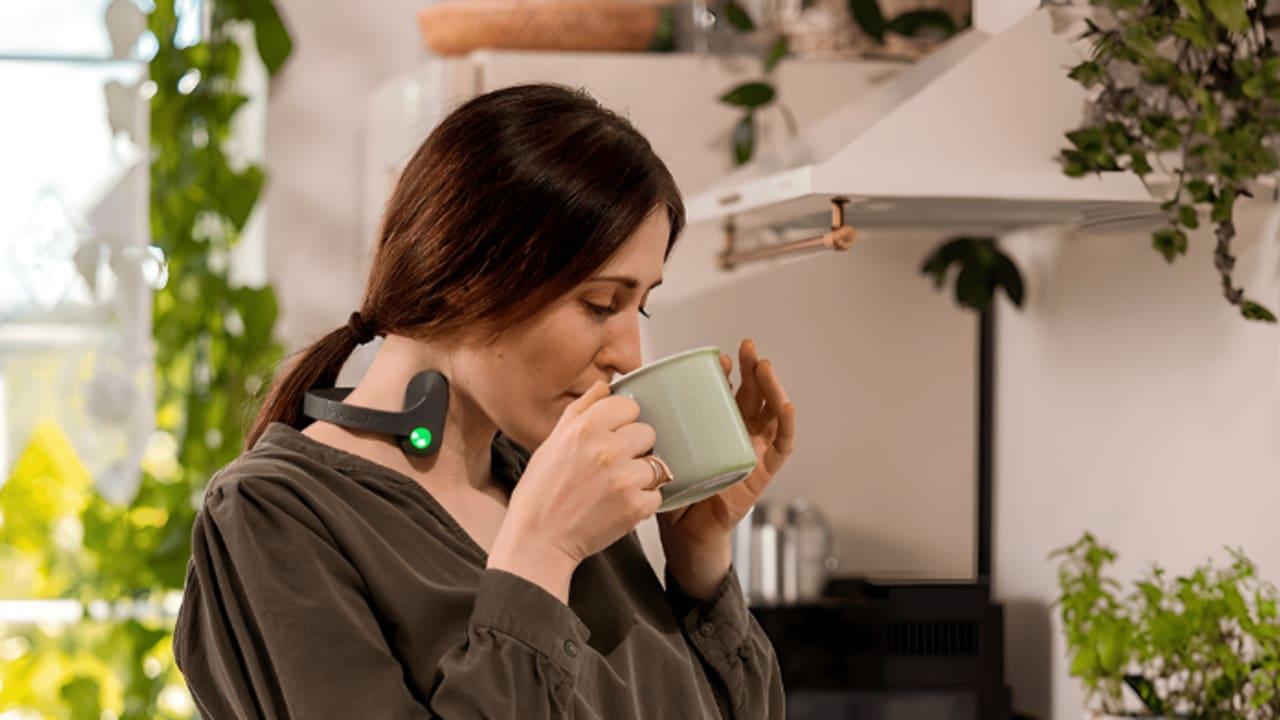
Those wanting non-invasive vagus nerve stimulation explained before starting will find the mechanism differs fundamentally from dietary approaches: electrical pulses delivered to the vagus nerve at the neck produce an immediate parasympathetic response rather than a gradual microbiome-mediated one. The full range of vagus nerve stimulation benefits extends beyond anxiety reduction to include improved HRV, sleep quality, and stress resilience, reinforcing why it complements rather than replaces gut-based approaches.
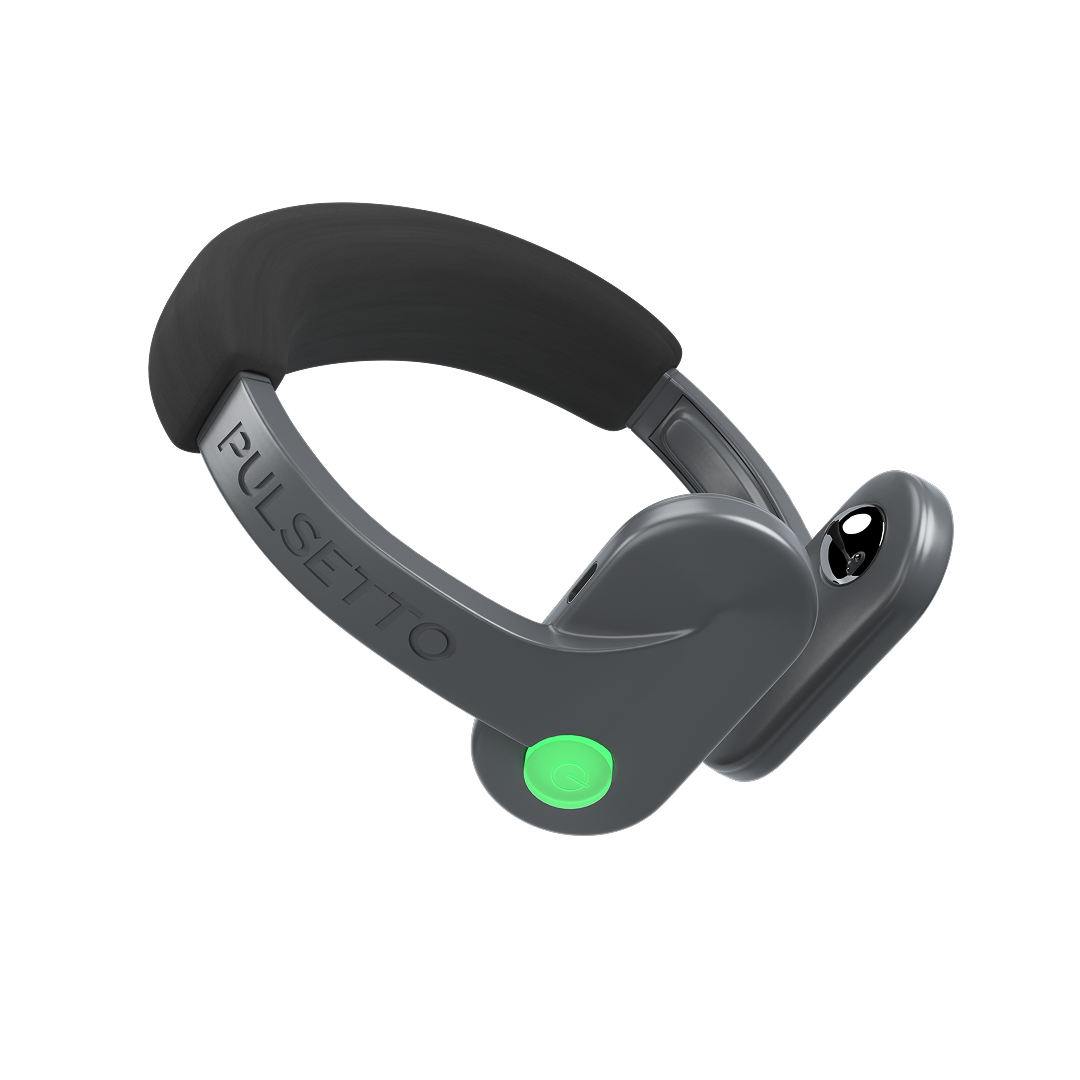
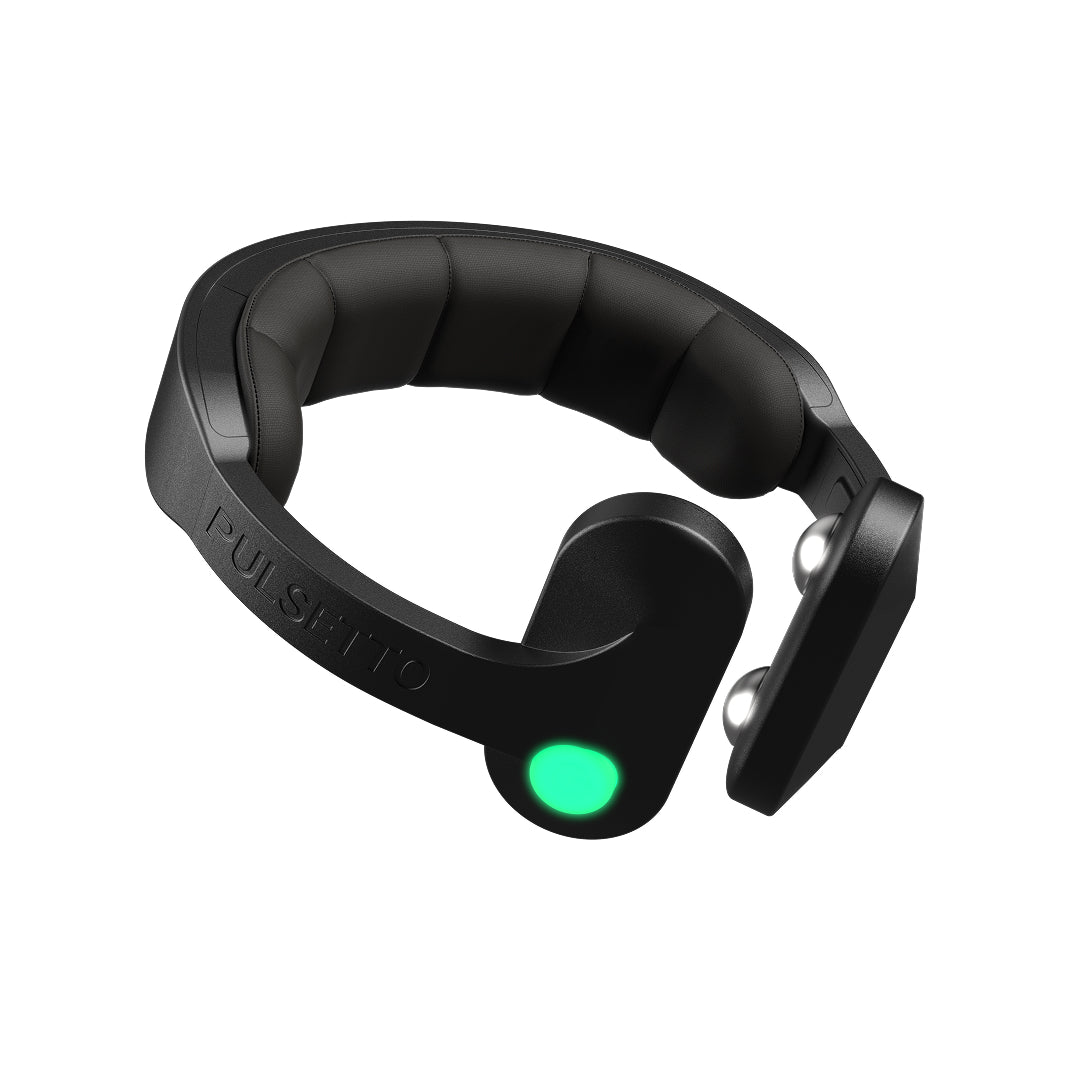
Pulsetto is a bilateral cervical vagus nerve stimulation device, CE certified for general wellness use, delivering 4-minute hands-free sessions through electrodes placed on the neck. While probiotics build the gut microbiome environment that supports vagal signaling over time, Pulsetto activates the parasympathetic pathway directly during each session. In Pulsetto's own randomized open-label pilot study (n=40, 4 weeks), GAD-7 anxiety scores improved by 45.3% in the bilateral group.
Disclaimer: Pulsetto is a general wellness product and is not intended to diagnose, treat, cure, or prevent any disease or medical condition. People with pacemakers, implantable cardiac devices, epilepsy, or who are pregnant should consult a physician before using any electrical stimulation device.
How to Build a Vagus Nerve Support Routine
Combining probiotics, fermented foods, lifestyle habits, and direct VNS into a daily routine gives the vagus nerve support at multiple levels simultaneously. Here's a routine you can try:
-
Take a daily probiotic with breakfast consistently. Consistency matters more than dose, the same time each day builds the habit and supports steady microbiome colonization.
-
Include at least one fermented food per day. Kefir, yogurt, kimchi, or sauerkraut alongside supplemental probiotics provides both dietary and supplemental sources of gut-supporting bacteria.
-
Practice a breathing technique or body scan before bed. Slow-paced breathing directly stimulates vagal tone and supports the parasympathetic conditions needed for restorative sleep.
-
Use a vagus nerve stimulation device as part of a morning or evening routine. Direct vagal activation on a session-by-session basis complements the slower gut-mediated pathway that probiotics build over weeks.
Learning how to stimulate vagus nerve through multiple approaches, including breathing, cold exposure, and direct nVNS, makes the routine more adaptable to different days and energy levels. Pairing these habits with nervous system reset strategies gives the gut-brain axis both the microbial environment it needs and the top-down regulation that complements it.
Ready to Support Your Vagus Nerve From Both Directions?
The best probiotics for vagus nerve health and direct vagus nerve stimulation are not competing approaches. They work at different speeds and through different mechanisms, and combining them covers both the slow-build microbiome pathway and the immediate parasympathetic activation route.
Probiotics build the gut environment that makes vagal signaling more efficient over time. Pulsetto activates the vagus nerve directly during each session for more immediate support. Together, they make a practical two-pronged approach to vagus nerve wellness that fits into a daily routine without complexity.
In the Pulsetto reviews, pairing the device with probiotic supplementation and lifestyle habits is a recurring theme. If you'd like to dive deeper, the vagus nerve stimulation ultimate guide covers the full range of direct activation approaches that complement probiotic gut support.
FAQs: Best Probiotics for Vagus Nerve
These answers cover common questions about probiotics for vagus nerve, vagus nerve function, and gut-brain health.
Which probiotic is best for vagus nerve health?
Lactobacillus rhamnosus and Bifidobacterium longum have the most direct research linking them to vagus nerve signaling. The combination L. helveticus R0052 and B. longum R0175 has also been studied for mood and stress support in human subjects. When choosing between the best vagus nerve probiotics, look for supplements containing at least one of these named strains at a clinically studied dose, ideally 1 to 10 billion CFU daily, rather than products that list strain species without specifying the researched strain designation.
How long do probiotics take to affect the vagus nerve?
Improvements from probiotics may take 2 to 8 weeks to appear with consistent daily use. Gut microbiome changes take time because colonisation, metabolic adjustment, and sustained neurotransmitter precursor production all require weeks of consistent exposure. Results also vary depending on the individual's existing microbiome composition, diet, and lifestyle habits.
Can you stimulate the vagus nerve without probiotics?
Yes. The vagus nerve can be stimulated directly through breathing exercises, cold exposure, humming, singing, and non-invasive vagus nerve stimulation devices, all of which work through different pathways than probiotics and can be used alongside them. Knowing how to stimulate vagus nerve through these approaches allows for immediate vagal activation rather than the gradual gut-mediated pathway that probiotics require. People with pacemakers, implantable cardiac devices, epilepsy, or who are pregnant should consult a physician before using any electrical stimulation device.
Are probiotics safe for vagus nerve support?
Probiotics are generally considered safe for healthy adults. People with compromised immune systems, serious digestive conditions, or those taking immunosuppressant medications should consult a healthcare professional before starting. Probiotics are not a replacement for mental health treatment and should be used as a complementary support tool rather than a standalone intervention for anxiety, depression, or sleep conditions. Those interested in the safety profile of vagus nerve stimulation devices can review the Pulsetto side effects for a full list of contraindications before starting.
Scientific Research
[1] The Role of Short-Chain Fatty Acids From Gut Microbiota in Gut-Brain Communication (Coelho et al., Frontiers in Endocrinology, PMC, 2020)
[2] Ingestion of Lactobacillus Strain Regulates Emotional Behavior and Central GABA Receptor Expression in a Mouse via the Vagus Nerve (Bravo et al., PNAS, 2011)
[3] Assessment of Psychotropic-Like Properties of a Probiotic Formulation (Lactobacillus helveticus R0052 and Bifidobacterium longum R0175) in Rats and Human Subjects (Messaoudi et al., British Journal of Nutrition, 2011)
[4] Association Between Probiotic Intervention and Sleep Quality in the General Adult Population: A Systematic Review and Meta-Analysis (Liu et al., PMC, 2024)
[5] Non-Invasive Vagus Nerve Stimulation in Healthy Humans Reduces Sympathetic Nerve Activity (Clancy et al., Brain Stimulation, 2014)
[6] Probiotic Lactobacillus plantarum P8 Alleviated Stress and Anxiety While Enhancing Memory and Cognition in Stressed Adults: A Randomized, Double-Blind, Placebo-Controlled Study (Lew et al., Clinical Nutrition, 2019)