Sleep is the single highest-return brain biohack because the brain physically clears waste products during deep sleep that accumulate with cognitive decline.
Chronic stress keeps the nervous system locked in a mode that actively degrades focus, memory, and emotional regulation over time.
The vagus nerve is a direct physiological pathway between the body and the brain, and stimulating it may support cognitive clarity and stress resilience.
Consistency with small daily inputs, not occasional large efforts, is what separates people who experience lasting cognitive improvement from those who plateau.
Rated 4.5/5 by 20,137+ Customers
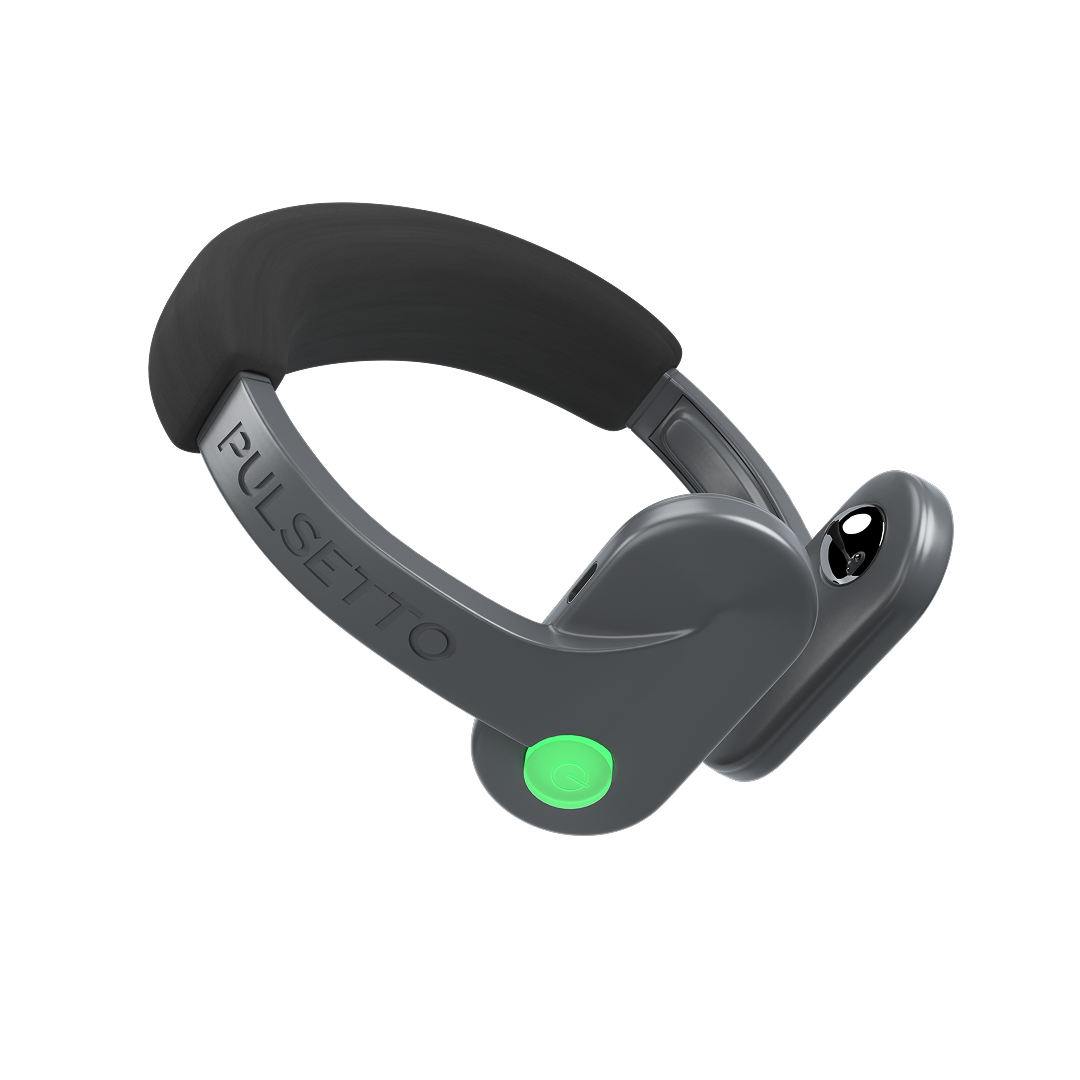
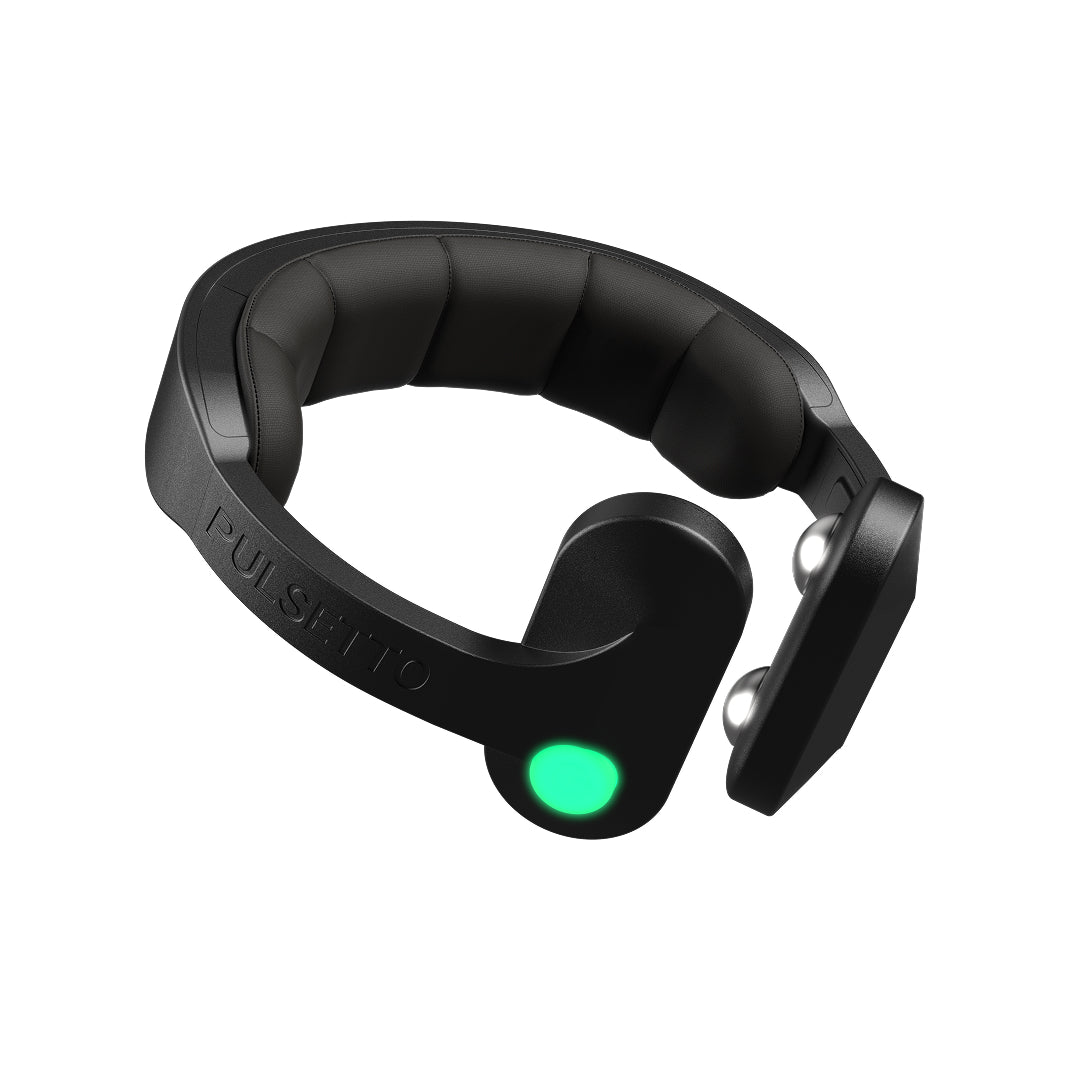
Pulsetto vagus nerve stimulator: feel calmer and sleep better in just 4 minutes a day
Experience immediate relaxation with the Pulsetto vagus nerve stimulator.
Sit back, close your eyes, and immerse yourself in the soothing Pulsetto experience, designed to gently promote a state of calmness and well-being.
Best Value Deal!
FREE WORLDWIDE SHIPPING
Select your device:
Pulsetto Lite vs Pulsetto FIT
Which one is right for you?
PULSETTO FIT
PULSETTO LITE
Dual-technology, hands-free stimulation
Yes
Yes
New wave-like stimulation (more engaging)
Yes
No
Battery life
Up to 12 days (20% longer)
Up to 10 days
Fits all necks for consistent stimulation
Yes
No
Stays secure no matter what you're doing
Yes
No
Great for sharing (adjusts to any neck size)
Yes
No
Free lifetime wireless updates
Yes
No
Premium all-black design with medical-grade materials
Best if you wear size S or smaller tops. Only with FIT
New stimulation that rises and falls, which feels more fun (coming July–Aug 2025). Only with FIT
20% longer battery life for fewer recharges. Only with FIT
Free lifetime Pulsetto App with 5 expert-designed programs for Stress, Anxiety, and More.
One 60g gel tube (can be used up to a month), USB-C charging cable, user guide included
Extra gift: Pulsetto Premium Free Trial. 3 extra stimulations, 11 unique guided meditations, 54 breathing exercises, 1200 positive affirmations, and more.
$296/$546
How to Biohack Your Brain for Peak Performance
What Does It Mean to Biohack Your Brain?
Brain biohacking refers to the practice of using intentional, evidence-informed lifestyle interventions to optimize cognitive function, mood, and mental resilience. Rather than relying on pharmaceuticals, it works with inputs the body already responds to: sleep quality, nutrition, movement patterns, breathwork, and nervous system regulation. The underlying science is neuroplasticity, the brain's documented ability to physically adapt and reorganize in response to repeated inputs.
Neuroplasticity is not a metaphor. The brain forms and prunes neural connections based on the signals it receives consistently over time. This means that deliberate choices around sleep, stress, and stimulation are not just habits. They are biological inputs that shape how the brain performs day to day and over the long term.
Unlike wellness trends built on vague promises, brain biohacking techniques are rooted in fields including neuroscience, sleep science, nutrition research, and autonomic nervous system biology. The goal is not to override the brain's natural systems but to support and optimize them. For anyone exploring a broader approach to physical performance alongside cognitive health, the guide on how to biohack your body offers a useful parallel framework.
Sleep: The Most Underrated Brain Biohack
Why Deep Sleep Is When Real Brain Repair Happens
Most people accept that sleep affects how they feel, but the mechanism goes deeper than tiredness. During deep sleep, the brain's glymphatic system (a waste-clearance network that runs through the brain's fluid channels) becomes highly active, flushing out metabolic byproducts that accumulate during waking hours. Some of these byproducts are associated with cognitive decline when they build up over time.
Sleep deprivation is one of the most well-documented impairments to nearly every cognitive function that matters: focus, working memory, emotional regulation, and decision-making. Even moderate, chronic sleep restriction, the kind that comes from routinely getting six hours instead of eight, compounds into measurable cognitive deficits over days and weeks.
Practical Sleep Biohacks to Implement Tonight
The good news is that sleep is highly responsive to consistent behavioral inputs. The following changes are low-cost and grounded in solid sleep science:
Set a fixed wake time and protect it even on weekends. This anchors the body's circadian rhythm (the internal clock that governs sleep-wake cycles) more effectively than any supplement.
Limit blue light exposure in the two hours before bed. Blue wavelength light suppresses melatonin production, which delays sleep onset.
Cool the sleep environment to around 65-68 degrees Fahrenheit. Core body temperature drops naturally during sleep onset, and a cool room supports that process.
Avoid alcohol within three hours of bed. While alcohol may accelerate sleep onset, it disrupts the deeper, restorative sleep stages significantly.
Addressing sleep in isolation, however, only gets someone so far. Chronic stress is one of the primary disruptors of deep sleep, which creates a feedback loop where poor sleep worsens stress reactivity the following day. Resolving one without addressing the other limits the results of either. The Pulsetto page on improving sleep explores this intersection in more detail.
Stress Management and the Brain-Body Connection
How Cortisol Affects Cognitive Performance
Stress is not just an emotional experience. It is a full-body physiological state with direct consequences for how the brain performs. When the stress response activates repeatedly over days, weeks, or months, the body releases elevated levels of cortisol (the primary stress hormone). Over time, chronically elevated cortisol may impair function in the prefrontal cortex, the region of the brain responsible for focus, planning, rational decision-making, and emotional regulation.
This is thought to be one reason why people experiencing chronic stress often describe feeling mentally foggy, reactive, and unable to concentrate, even when they are technically rested. The problem is not a lack of effort. It is a nervous system that has been held in a state of high alert for too long.
Techniques to Shift Your Nervous System
The autonomic nervous system has two primary operating modes. The sympathetic branch (commonly called fight-or-flight) mobilizes the body for threat response. The parasympathetic branch (rest-and-digest mode) governs recovery, digestion, and calm cognitive processing. Many people with chronic stress are functionally stuck in sympathetic dominance, and their thinking suffers for it.
Biohacking stress means deliberately and repeatedly activating the parasympathetic branch through evidence-informed techniques:
Cold water face immersion for 30-60 seconds activates the dive reflex, which slows heart rate and shifts nervous system tone quickly.
Slow, extended exhale breathing (inhaling for four counts, exhaling for six to eight) directly stimulates the vagus nerve, which is the main highway of the parasympathetic system.
Regular aerobic exercise reduces baseline cortisol levels and builds resilience to future stress responses over time.
Understanding how biohacking stress works as a system, rather than treating individual stressors, is what separates sustainable cognitive improvement from short-term relief. The key pathway connecting stress regulation to brain function is the vagus nerve, explored in detail in the section that follows. Learning more about the vagus nerve and stress provides useful background for anyone ready to go deeper.
The Vagus Nerve: A Direct Pathway to Brain Optimization
How the Vagus Nerve Connects Body and Brain
The vagus nerve is the longest cranial nerve in the body, running from the brainstem down through the neck, chest, heart, lungs, and gut. It is the primary communication channel of the parasympathetic nervous system, and it carries signals in both directions: from the brain to the organs and from the organs back up to the brain.
This bidirectional signaling is why the vagus nerve is central to brain biohacking. When vagal tone (how active and responsive the vagus nerve is) is high, the nervous system shifts more readily toward the calm, focused state associated with clear thinking and emotional stability. When vagal tone is low, as it often is in people with chronic stress or disrupted sleep, the nervous system struggles to exit fight-or-flight mode, and cognitive performance suffers.
Non-Invasive Vagus Nerve Stimulation for Cognitive Support
Non-invasive vagus nerve stimulation (nVNS) is the practice of applying gentle electrical stimulation to the skin of the neck to activate the vagus nerve without surgery or medication. The stimulation travels through the nerve to the brainstem, which then communicates with higher brain regions including the prefrontal cortex.
This approach is gaining significant traction among cognitive biohackers for a specific reason: it does not require sustained willpower or behavioral change in the moment. Unlike breathwork or meditation, a wearable nVNS device delivers its input passively, which means consistency is less vulnerable to the fatigue, stress, or distraction that interrupts most behavioral practices.
Wearable devices in this category, including Pulsetto, apply this mechanism through a device worn at the neck for short daily sessions. Users commonly report improvements in mental clarity, reduced anxiety, and more restful sleep with consistent use. It is important to note that vagus nerve stimulation for brain fog and vagus nerve stimulation for poor focus are active areas of wellness research, and while many users report positive experiences, results vary and this is a wellness support approach rather than a medical treatment.
For those interested in building a broader nervous system regulation practice, this guide on how to calm your nervous system covers complementary techniques in practical detail.
Nutrition and Movement: Foundational Brain Biohacks
Foods That Support Cognitive Function
The brain consumes roughly 20 percent of the body's total energy despite representing only about two percent of body weight. That energy demand makes it highly sensitive to what goes into the body. Blood sugar stability is particularly important: sharp spikes and crashes in blood glucose (the sugar the brain runs on) are associated with fluctuations in attention and working memory throughout the day.
Diets high in ultra-processed foods and refined sugars are associated with increased neuroinflammation (low-grade inflammation in brain tissue), which may impair cognitive function over time. Conversely, diets rich in omega-3 fatty acids (found in fatty fish, walnuts, and flaxseed), antioxidants (found in berries, leafy greens, and dark chocolate), and adequate hydration are associated with better cognitive performance and brain tissue health.
Practical starting points include replacing refined carbohydrates with whole food sources, prioritizing fatty fish twice per week, and ensuring consistent water intake throughout the day, particularly in the morning before caffeine.
Why Exercise Is One of the Best Brain Biohacks
Aerobic exercise is one of the most evidence-supported cognitive biohacking methods available, and it costs nothing. Physical activity increases production of BDNF (brain-derived neurotrophic factor), a protein that supports neuroplasticity, the growth of new neurons in memory-related brain regions, and improved mood regulation.
Even short bouts of moderate movement, specifically 20-30 minutes of brisk walking, have been shown to acutely improve focus and working memory in the hours that follow. The effect is not just long-term. Regular exercisers often notice sharper thinking on the same day they train.
Resistance training and high-intensity interval training also contribute to cognitive health through overlapping but slightly different mechanisms, including reduced cortisol response and improved insulin sensitivity in the brain. For readers interested in how these inputs connect to metabolic health, the articles on biohacking products and how to biohack your metabolism offer complementary perspectives.
Breathwork and Mindfulness: Low-Tech Cognitive Biohacks
Breathwork is one of the most direct and accessible ways to influence brain state, and it works through a well-understood mechanism. Slow, deliberate breathing patterns, such as box breathing (four counts in, four counts hold, four counts out, four counts hold) or the 4-7-8 method (inhale for four, hold for seven, exhale for eight), slow the heart rate and activate the vagus nerve through mechanical pressure changes in the chest and abdomen. This directly triggers the parasympathetic nervous system response.
Consistent mindfulness practice is associated with measurable structural changes in the brain. Long-term practitioners show differences in the thickness of the prefrontal cortex and reduced reactivity in the amygdala (the brain's threat-detection center), which helps explain why regular practice supports calmer, clearer thinking even under pressure.
Even five to ten minutes of daily breathwork or focused attention practice may support reduced cortisol levels and improved sustained attention over time. The commitment required is low, but the consistency required is real, which is where many people struggle.
These techniques work because they deliberately regulate the nervous system, the same underlying system that vagus nerve stimulation devices target through a different and more passive delivery mechanism. For readers dealing with anxiety as a primary concern, the resource on biohacking anxiety provides targeted techniques alongside the foundational approaches covered here.
Biohacking Tools and Wearables for Brain Health
The biohacking wearable market has expanded significantly, offering tools that span passive monitoring, active neurostimulation, and recovery support. Understanding what each category actually does helps readers choose tools that match their specific cognitive goals.
Key categories include:
Sleep trackers and HRV monitors. Devices that measure heart rate variability (HRV, which reflects how flexibly the nervous system responds to stress) give users data on their baseline autonomic state. This is useful for identifying patterns but does not directly change the underlying state.
Neurofeedback headbands. These devices train the brain to produce specific brainwave patterns associated with focus or calm by giving real-time feedback through sound or light. They require active engagement during sessions.
Red light therapy panels. Used primarily for cellular energy support and inflammation reduction, with some users reporting cognitive benefits, though the mechanism for brain-specific effects is less directly established than for sleep or skin applications.
Non-invasive vagus nerve stimulators. Devices like Pulsetto occupy a distinct category: they do not just measure nervous system state but actively support a shift toward parasympathetic tone through gentle electrical stimulation. This makes them uniquely positioned within the biohacking wearable landscape as a tool that bridges measurement and intervention.
When selecting any biohacking wearable, the most important factors are a credible safety profile, practical ease of daily use, and whether the underlying mechanism is supported by established biological science rather than marketing claims alone.
After working through the layers of brain biohacking, most people arrive at the same realization. The methods that work best are the ones that get done consistently. That is the core challenge. Breathwork is free and effective, but it requires focus and habit. Cold exposure is powerful but demands willpower. Mindfulness works but takes months of practice before it feels natural.
Pulsetto was designed to address exactly this gap. As a wearable vagus nerve stimulator, it delivers gentle, targeted stimulation to the vagus nerve through a device worn at the neck for short daily sessions, typically 4 to 20 minutes. The process is passive. There is no technique to master and no session to mentally prepare for.
The mechanism is the same one activated by extended exhale breathing or cold water immersion: vagal activation shifts the nervous system toward parasympathetic dominance, which may support reduced anxiety, clearer thinking, and improved sleep quality over time. Many users describe noticing a shift in mental clarity and tension within the first few sessions, with more sustained effects reported after consistent use over several weeks.
For anyone who has tried behavioral approaches to stress reduction and found them difficult to maintain, or who wants a non-pharmaceutical tool to complement sleep, nutrition, and movement habits, Pulsetto offers a practical and scientifically grounded starting point. The detailed resource on vagus nerve stimulation for stress explains how it works and what to realistically expect.
Frequently Asked Questions 💬
What is biohacking your brain?
Brain biohacking is the practice of using deliberate, science-informed lifestyle inputs to improve cognitive performance, mood, and mental resilience. It draws on fields including neuroscience, nutrition, sleep science, and nervous system research. The goal is to optimize the brain's existing biological systems rather than override them. Common methods include sleep optimization, stress management, breathwork, targeted nutrition, aerobic exercise, and nervous system regulation through tools like vagus nerve stimulation.
What is the fastest way to rewire your brain?
Neuroplasticity responds to repeated inputs over time, so genuinely fast rewiring is relative. That said, sleep, aerobic exercise, and stress reduction consistently produce the most rapid measurable cognitive improvements. Breathwork and vagus nerve stimulation may support faster shifts in nervous system state, which many people experience as improved mental clarity within days. Consistency matters more than intensity. Small daily inputs compound more effectively than occasional large efforts.
What kills brain cells the most?
Chronic sleep deprivation, excessive alcohol consumption, and prolonged psychological stress are among the most well-documented threats to neuronal health. Neuroinflammation driven by poor diet, physical inactivity, and chronic stress is thought to accelerate cognitive decline over time. The encouraging reality is that many of these factors are addressable through lifestyle-based brain biohacking techniques, and the brain's neuroplasticity means it can support recovery when the inputs change.
Is there a brain supplement that really works?
Some supplements including omega-3 fatty acids, magnesium, and lion's mane mushroom have a reasonable evidence base for supporting cognitive health, though individual results vary widely. No single supplement produces dramatic or guaranteed cognitive results, and many products marketed as brain boosters carry weak or mixed evidence. Lifestyle foundations, specifically sleep, exercise, stress management, and nervous system support, consistently outperform supplementation as a cognitive optimization strategy when directly compared.
Can vagus nerve stimulation improve cognitive function?
Vagus nerve stimulation is thought to support cognitive function by reducing stress-related interference with prefrontal cortex activity, the region governing focus, planning, and emotional regulation. Users of non-invasive VNS devices often report improvements in focus, mental clarity, and sleep quality with consistent use. It is a wellness support tool and not a medical treatment. Individual experiences vary, and it works most effectively as part of a broader lifestyle-based brain biohacking approach.