What Is Non-Invasive Vagus Nerve Stimulation?

Non-invasive vagus nerve stimulation is a method of activating the vagus nerve by delivering low-level electrical signals through the skin, without surgery, implants, or clinical procedures. It targets points on the body where the vagus nerve runs close to the surface, allowing electrical stimulation to reach the nerve from the outside. Unlike surgical VNS, which requires an implanted device, non-invasive versions are designed for independent use at home.
The Role of the Vagus Nerve in the Autonomic Nervous System
The vagus nerve is the longest cranial nerve in the body. It travels from the brainstem down through the neck, chest, and abdomen, connecting the brain to the heart, lungs, gut, and other major organs. It serves as a two-way communication highway between the brain and the body's internal systems.
Its most important function, from a wellness perspective, is regulating the autonomic nervous system (the system that controls automatic body functions like heart rate, breathing, and digestion). Specifically, the vagus nerve is the primary driver of the parasympathetic nervous system, often described as the body's "rest and digest" mode. When vagal activity is high, the body tends toward calm, recovery, and restoration. When it is low, the sympathetic nervous system (the "fight or flight" response) can dominate.
Vagal tone refers to how active and responsive the vagus nerve is. Higher vagal tone is generally associated with better stress resilience, more stable mood, and healthier autonomic regulation. This is why activating the vagus nerve has become a focus of both clinical research and everyday wellness practice.
How Non-Invasive VNS Differs from Surgical Implants
Surgical VNS involves implanting a small pulse generator under the skin, usually near the collarbone, with a lead wire that wraps around the vagus nerve in the neck. It has been used clinically for decades, primarily for epilepsy and treatment-resistant depression. The device delivers electrical pulses directly to the nerve on a programmed schedule.
Non-invasive VNS achieves a comparable effect without any of that. It works by applying electrical stimulation through the skin at locations where the vagus nerve is close enough to the surface to be reached externally. No incision, no anesthesia, no hospital visit, and no ongoing clinical management are required.
The practical difference is significant. Surgical VNS is a medical procedure with associated risks, costs, and gatekeeping. Non-invasive VNS removes those barriers, making it accessible as a daily wellness practice. To understand more about what this unlocks in terms of vagus nerve stimulation benefits, the distinction between these two approaches is the starting point.
Methods of Non-Invasive Vagus Nerve Stimulation
Understanding the different delivery methods available helps readers choose the approach that fits their lifestyle and comfort level. Three main categories exist: auricular (ear-based) electrical stimulation, cervical (neck-based) electrical stimulation, and manual self-stimulation techniques. Each has its own mechanism, evidence base, and practical tradeoffs.
Transcutaneous Auricular VNS (taVNS)
Transcutaneous auricular VNS, often abbreviated as taVNS, delivers low-level electrical stimulation to the outer ear. The specific target is the cymba conchae, a small hollow area in the upper part of the ear where the auricular branch of the vagus nerve (sometimes called Arnold's nerve) runs close to the skin surface. This branch is one of the most accessible points of the vagus nerve on the human body.
taVNS devices typically look like modified earbuds with small electrode clips that make contact with the cymba conchae area. The stimulation is gentle and, for most users, produces only a mild tingling sensation. Because the auricular branch connects back to the central vagal pathway, stimulating it is thought to produce effects similar to those of deeper vagal activation. Research into taVNS has grown considerably over the past decade, with investigations into its potential role in supporting heart rate variability, mood regulation, and autonomic balance. Comfort and tolerability tend to be good for most users, though some find ear placement fiddly to maintain consistently.
Transcutaneous Cervical VNS (tcVNS)
Transcutaneous cervical VNS, abbreviated as tcVNS, targets the vagus nerve as it travels through the neck inside a protective channel called the carotid sheath. Electrodes are placed on the side of the neck, and a low-level electrical current is delivered through the skin to stimulate the nerve below.
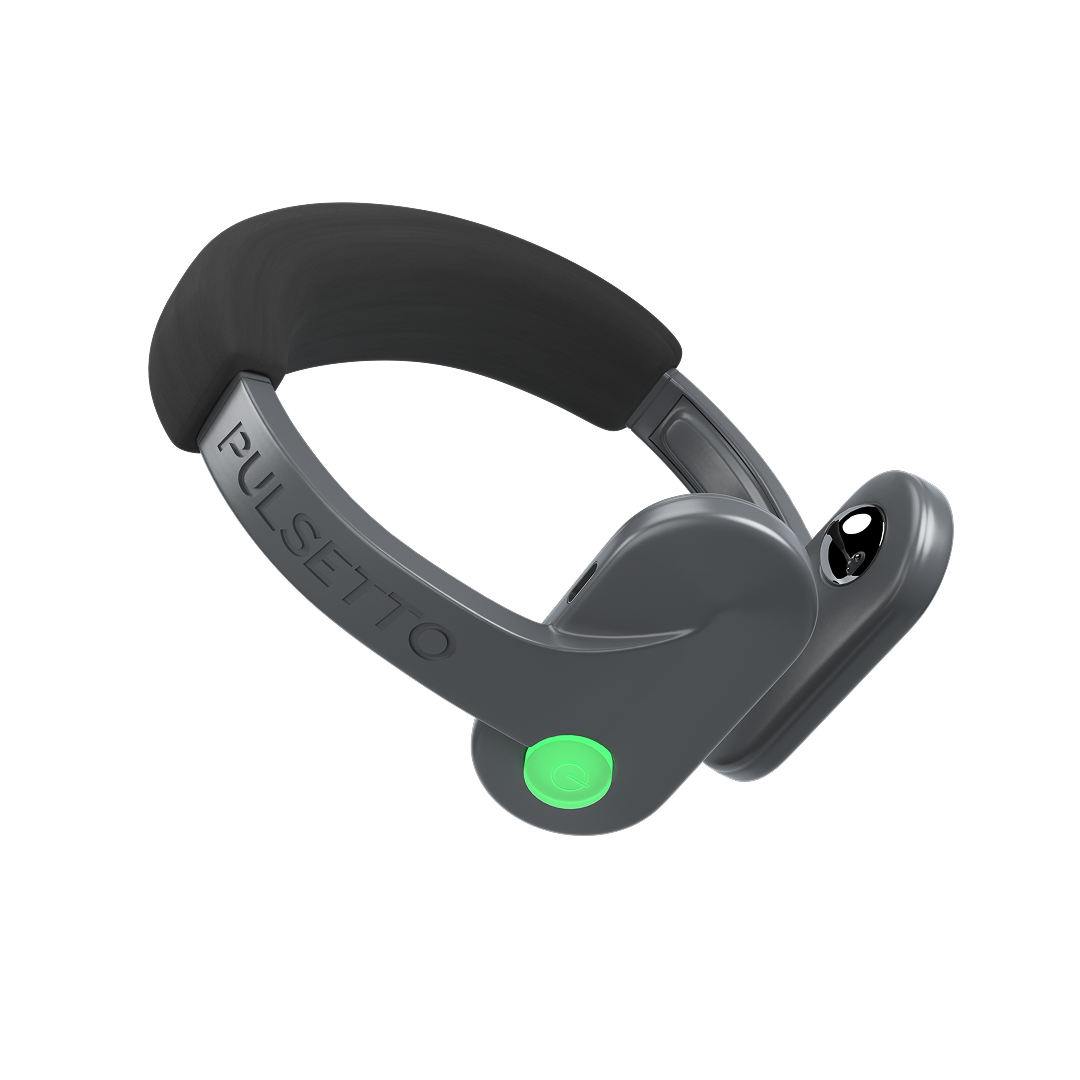
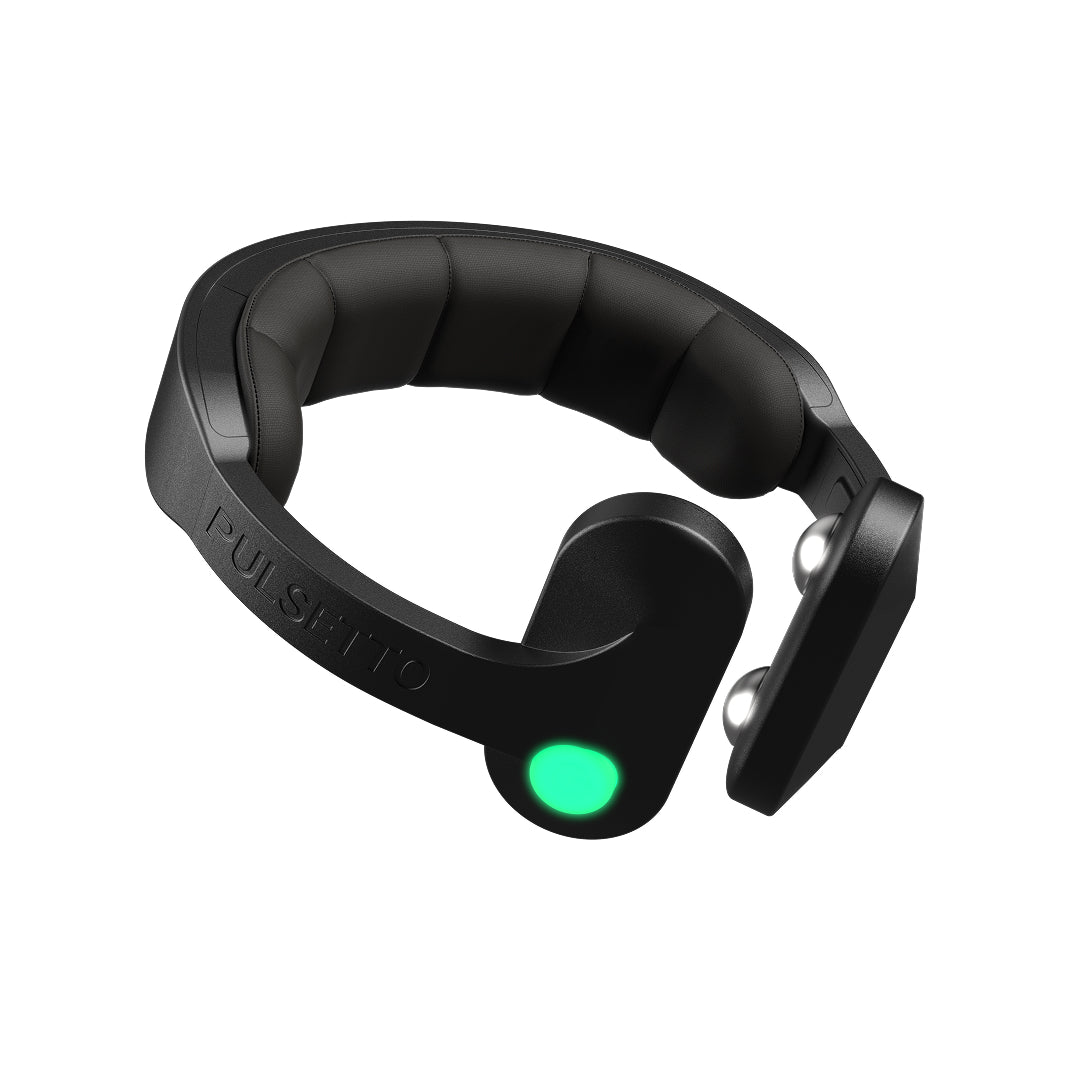
This approach is used by several consumer wearable devices, including Pulsetto, which delivers guided cervical VNS sessions via a neck-worn device paired with a smartphone app. tcVNS tends to be straightforward to set up and is easy to use consistently because the neck placement is intuitive and comfortable for most people. The cervical location also targets the main trunk of the vagus nerve rather than a peripheral branch, which may offer a broader stimulation profile. For people exploring vagus nerve stimulation for stress, tcVNS wearables represent a practical and repeatable option that can be integrated into daily routines.
Manual and Behavioral Techniques
Not every approach to vagal stimulation requires a device. Several behavioral and physical techniques are thought to activate the vagus nerve through natural physiological pathways.
Slow diaphragmatic breathing (breathing deeply into the belly with a longer exhale than inhale) is one of the most studied manual techniques. It directly activates vagal afferent fibers and is associated with measurable increases in heart rate variability. Humming and gargling create vibrations in the throat near the vagus nerve and may trigger a mild parasympathetic response. Cold water exposure to the face or the back of the neck activates the diving reflex, which involves vagal signaling and can produce a rapid shift toward parasympathetic tone. Moderate aerobic exercise is also associated with improved vagal tone over time.
These techniques are free, accessible, and carry almost no risk. Their limitation is consistency: the stimulation parameters vary each time, and the effect is generally more transient than device-based approaches. For people managing vagus nerve stimulation for anxiety, combining manual techniques with a consistent device-based routine may offer the most practical results.
Device-based methods provide a repeatable and measurable stimulation experience that manual techniques cannot fully replicate. This is a key reason why consumer wearables have gained traction in the wellness market.
How Non-Invasive VNS Works in the Body
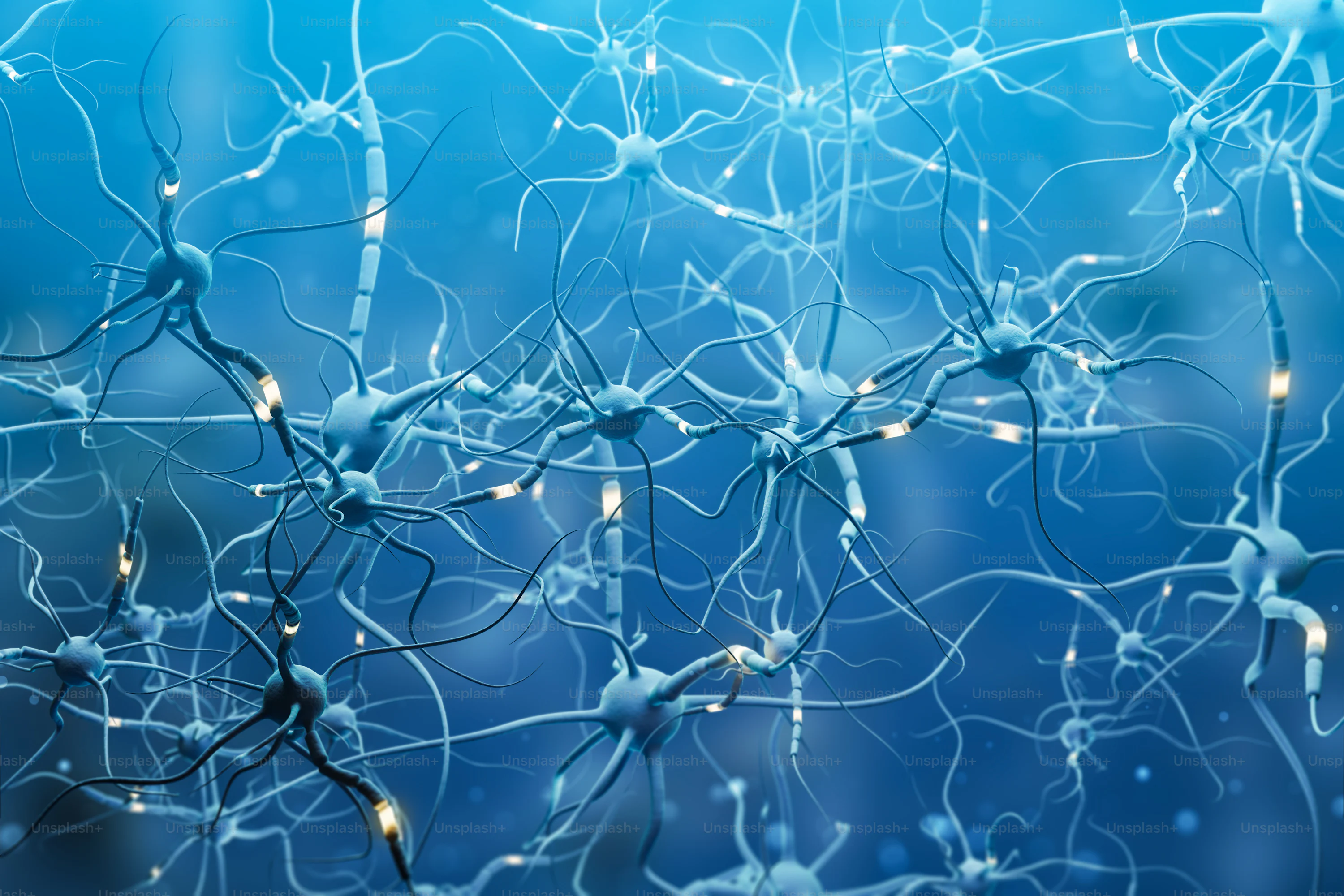
Non-invasive vagus nerve stimulation works by delivering a gentle electrical current through the skin to the vagus nerve, triggering a chain of signals that travel to the brainstem and influence the autonomic nervous system. The core mechanism involves activating sensory nerve fibers that carry information from the body to the brain, which then shifts the balance between the stress response and the recovery response. This process is thought to support calmer physiological states and improved autonomic regulation over time.
Afferent vs. Efferent Vagal Signaling
The vagus nerve carries signals in two directions, and understanding the difference helps explain why non-invasive stimulation works at all.
Afferent fibers carry sensory information from the body's organs upward to the brain. They make up roughly 80 percent of the fibers in the vagus nerve. Efferent fibers carry motor signals downward from the brain to the body's organs, telling the heart to slow down, the gut to contract, and so on.
Non-invasive VNS primarily activates afferent fibers. Think of it like pressing a button that sends a message up the line to the brain, rather than waiting for the brain to send instructions down. When those afferent signals arrive at the brainstem, they land in a region called the nucleus tractus solitarius (the brain's primary receiving station for vagal input). From there, signals branch out to areas involved in mood regulation, arousal, and the autonomic control of heart rate and breathing.
This is why stimulating the vagus nerve externally can influence how the brain regulates the body's stress systems, even though the stimulation itself happens on the skin surface.
The Parasympathetic Response and Heart Rate Variability
When afferent vagal fibers are activated, the nucleus tractus solitarius communicates with other brain regions to increase parasympathetic output. The practical result is a shift away from sympathetic dominance (the alert, stressed state) toward parasympathetic activity (the calm, restorative state).
One measurable marker of this shift is heart rate variability (HRV), which refers to the natural variation in time between heartbeats. Higher HRV generally reflects greater parasympathetic activity and is associated with better stress resilience and autonomic flexibility. Non-invasive VNS is thought to increase HRV by boosting parasympathetic tone, which is why many consumer VNS devices include HRV tracking as a companion metric.
The cholinergic anti-inflammatory pathway is another mechanism worth noting. Vagal activation triggers the release of a neurotransmitter called acetylcholine, which is thought to modulate the body's inflammatory response. This pathway connects vagal activity to vagus nerve stimulation for heart rate regulation and has broader implications for systemic health. Research into vagus nerve stimulation for inflammation has drawn significant scientific interest for this reason.
These interconnected mechanisms explain why non-invasive VNS is being explored across such a wide range of wellness and health contexts, from stress and sleep to digestion and cognitive function.
Potential Wellness Applications of Non-Invasive VNS
The physiological pathways activated by non-invasive VNS connect to several systems in the body simultaneously, which is why its potential wellness applications are broad. It is important to frame these as areas of ongoing exploration rather than guaranteed outcomes. Individual responses vary, and non-invasive VNS is best understood as a supportive tool within a broader approach to health, not a standalone solution.
Stress, Anxiety, and Sleep
Stress regulation is the most commonly cited wellness use case for non-invasive VNS. By shifting autonomic balance toward parasympathetic dominance, regular VNS practice may help reduce the physiological signature of chronic stress, including elevated heart rate, shallow breathing, and sustained muscle tension. For people who feel stuck in a state of low-grade alertness or find it hard to switch off at the end of the day, this shift toward "rest and digest" is the core appeal.
Anxiety is closely related. The autonomic nervous system plays a central role in the physical symptoms of anxiety, and improving vagal tone may help reduce the frequency or intensity of those sensations over time. Many users report feeling calmer and more grounded after regular VNS sessions, though individual results vary considerably.
Sleep quality is another area where the parasympathetic effects of VNS are relevant. Falling asleep requires the body to shift out of sympathetic dominance. Higher vagal tone and lower baseline arousal may support easier sleep onset and more restorative sleep architecture. This is an area of growing interest, and some users find that a VNS session in the evening becomes a useful part of a wind-down routine.
Cognitive Function and Focus
The vagus nerve connects to a brain region called the locus coeruleus, which releases norepinephrine, a neurotransmitter (a chemical messenger in the brain) involved in alertness, attention, and cognitive flexibility. VNS is thought to influence norepinephrine release through this pathway, which may support concentration and mental clarity.
For people dealing with vagus nerve stimulation for brain fog, this connection is particularly interesting. When the nervous system is chronically stressed or under-recovered, cognitive performance often suffers. By supporting autonomic balance, VNS may create conditions in which the brain functions more effectively, though this is an area where the evidence in wellness contexts is still developing.
Gut Health, Inflammation, and Pain
The vagus nerve is the primary anatomical link in the gut-brain axis (the two-way communication system between the digestive system and the brain). It regulates gut motility, the secretion of digestive enzymes, and the signaling of hunger and fullness. When vagal activity is suppressed by chronic stress, digestive function can suffer. Supporting vagal tone through regular stimulation may benefit vagus nerve stimulation for gut health by helping restore more balanced gut-brain communication. Some users report improvements in digestive comfort with consistent use, though this varies significantly.
The cholinergic anti-inflammatory pathway connects vagal activation to the body's inflammatory response. This has led researchers to investigate non-invasive VNS in the context of chronic inflammation and vagus nerve stimulation for chronic pain, including migraine management. These are promising areas of research, though the evidence for consumer-grade devices in these specific applications is still emerging.
Choosing a Non-Invasive VNS Device: What to Look For
The consumer market for non-invasive VNS devices has grown considerably, and the options now range from simple auricular clip devices to sophisticated neck-worn wearables with companion apps. Choosing the right device requires thinking clearly about stimulation location, usability, features, and realistic expectations.
Stimulation Site and Delivery Method
The first decision is whether to use an auricular (ear-based) or cervical (neck-based) device. Both target the vagus nerve but from different access points and with different comfort profiles.
Auricular devices are compact and discreet, but some users find maintaining consistent electrode contact in the cymba conchae area requires practice. Cervical devices tend to be more intuitive to position correctly and are designed to be worn comfortably for the duration of a session, typically 10-20 minutes. Pulsetto is an example of a cervical VNS wearable, designed to be placed on the neck and paired with a smartphone app that guides users through timed sessions with adjustable intensity levels.
Different devices also use different waveforms and stimulation frequencies. These parameters influence the user experience and potentially the physiological response, though consumer devices generally operate within ranges considered safe and comfortable for healthy adults.
Key Features to Compare Across Devices
When evaluating specific products, several factors are worth comparing directly.
Adjustable intensity is important because vagal nerve sensitivity varies between individuals. A device with multiple intensity levels allows users to find a comfortable and effective setting without committing to a fixed protocol. Devices that offer no adjustment are harder to tailor to individual needs.
Session guidance through a companion app can meaningfully improve consistency. Features like session timers, progress tracking, and HRV integration help users build a habit and monitor their progress over time. The Pulsetto app, for example, offers structured programs for specific goals like stress reduction and sleep support, which lowers the barrier to consistent use.
Build quality and wearability affect whether the device gets used regularly. A device that is uncomfortable to wear or complicated to set up is less likely to become a daily habit, regardless of its technical specifications.
Other notable devices in the consumer wellness space include Sensate, which uses infrasonic vibration on the chest rather than electrical stimulation, and Apollo Neuro, a wrist-worn device that delivers vibration patterns designed to influence the autonomic nervous system. These use different mechanisms from electrical VNS and may suit users who prefer vibration-based approaches.
For a practical starting point, looking at the range of available options through a best tens unit for vagus nerve stimulation lens can help ground the decision in stimulation method and intended use. For those specifically focused on recovery and rest, exploring how different devices approach vagus nerve stimulation for sleep can also clarify which features matter most for that goal.
Safety, Limitations, and Who Should Consult a Doctor First
Non-invasive vagus nerve stimulation has a favorable safety profile for most healthy adults. Because it delivers stimulation through the skin at low intensity levels, the risks associated with surgical VNS, including infection, lead failure, and anesthesia, simply do not apply.
The most commonly reported effects are mild and localized. Some users experience a tingling sensation at the stimulation site, minor skin irritation from electrode contact, or slight discomfort if the intensity is set too high. These effects typically resolve quickly when the device is removed or the intensity is reduced.
There are specific groups who should consult a healthcare provider before using any VNS device. People with pacemakers or other implanted electrical devices should avoid electrical stimulation near the chest or neck without medical clearance, as there is potential for interference. People with a diagnosis of epilepsy should seek guidance because VNS has clinical applications in epilepsy management and any self-administered approach warrants medical supervision. Those who are pregnant are also advised to speak with a healthcare provider first, as a precaution.
It is also worth being honest about the evidence. Most consumer VNS devices are positioned as wellness tools, not FDA-cleared medical devices for treating specific conditions. The research base for non-invasive VNS is growing but is more established in clinical populations than in general wellness contexts. For people managing conditions like vagus nerve stimulation for high blood pressure, professional guidance before starting any VNS practice is sensible.
For healthy adults without the conditions listed above, starting with a low-intensity setting and following the manufacturer's guidance is a reasonable and generally well-tolerated approach. Treating VNS as one element of a broader wellness routine, rather than a replacement for medical care or other healthy habits, is the most balanced perspective.
Getting Started with Non-Invasive Vagus Nerve Stimulation
Beginning a VNS practice does not require an immediate investment in a device. Starting with free manual techniques is a low-barrier way to experience what vagal activation feels like and to begin building a habit before deciding whether a device is worth exploring.
A simple starting point is slow diaphragmatic breathing: inhaling through the nose for a count of four, and exhaling slowly through the mouth for a count of six or eight. Practicing this for five to ten minutes in the morning or before sleep costs nothing and can produce a noticeable shift in how the body feels. Adding a cold water splash to the face or gargling with water for 30 seconds after brushing teeth are other easy ways to incorporate vagal activation into an existing routine.
For users who want a more consistent and convenient approach, a consumer wearable like Pulsetto offers guided sessions that can be completed in under 20 minutes, without requiring any background knowledge of stimulation parameters or anatomy. The app takes care of the protocol, and users simply follow the session guidance.
Consistency is the most important variable. Short, regular sessions, five days a week, are thought to produce more meaningful changes in HRV and autonomic tone over time than occasional longer sessions. Tracking HRV through a smartwatch or the Pulsetto app gives users a concrete way to observe how their nervous system responds to regular practice over weeks and months.
For people managing vagus nerve stimulation for fatigue, establishing a consistent routine is especially relevant, since the relationship between autonomic dysregulation and low energy is often gradual and cumulative. Starting simply, tracking progress, and adjusting over time is the most practical approach for most users.
Experience Nervous System Wellness on Your Terms
For adults who want to support their stress response, sleep quality, and overall autonomic balance without surgery, prescription devices, or clinical gatekeeping, non-invasive VNS represents a meaningful step forward in what is possible at home.
Pulsetto is designed specifically for this purpose. It is a cervical vagus nerve stimulator that delivers guided electrical stimulation through the neck, paired with an app that makes it easy to build a consistent daily practice. Sessions are short, the intensity is adjustable, and the device is designed to fit into a real routine rather than require one.
Pulsetto is a wellness wearable, not a medical device. It is intended to support the body's natural regulatory systems rather than to treat or diagnose any condition. For adults looking for a science-grounded, accessible way to engage with their nervous system every day, it offers a practical and well-designed starting point.
Whether the goal is calmer evenings, better sleep onset, or a more resilient response to daily stress, the underlying principle is the same: consistent, gentle activation of the vagus nerve, over time, may support the autonomic balance that modern life often disrupts. Exploring vagus nerve stimulation for anxiety is a natural next step for anyone whose stress response feels like the main challenge to address.
Frequently Asked Questions 💬
What is the best non-invasive vagus nerve stimulator?
The best device depends on individual preferences around stimulation site, ease of use, companion app quality, and budget. There is no single answer that fits everyone.
For cervical (neck-based) VNS, Pulsetto is widely regarded as one of the most accessible and well-designed consumer options available. It offers adjustable intensity, app-guided sessions, and structured programs for specific wellness goals like stress and sleep support, making it a practical choice for daily use.
For auricular (ear-based) stimulation, several clip-style devices are available, though the consumer market is less developed in this category compared to cervical wearables.
Other notable devices in the broader autonomic wellness space include Sensate, which uses infrasonic vibration on the chest and is particularly popular for relaxation and sleep preparation, and Apollo Neuro, a wrist-worn device that delivers touch-based vibration patterns to influence nervous system state. These use different mechanisms from electrical VNS and suit users who prefer a non-electrical approach.
Comparing these options based on stimulation method, session length, and app integration will point most users toward the right fit for their lifestyle.
Do non-invasive vagus nerve stimulators work?
Non-invasive VNS can produce measurable changes in autonomic nervous system activity. Heart rate variability, the most commonly used objective marker of vagal tone, has been shown to shift meaningfully with consistent VNS use in a range of research contexts.
Clinical investigations have demonstrated promising results for specific conditions, including epilepsy, depression, and cluster headache, using both surgical and non-invasive methods. For general wellness applications like stress and sleep, the evidence base is still developing, but user-reported outcomes have been consistently positive across the consumer market.
Individual results vary considerably. Factors like baseline vagal tone, consistency of use, device quality, and lifestyle context all influence what any individual experiences. Approaching VNS with realistic expectations and building it into a broader wellness routine gives it the best chance of producing meaningful results over time.
How to stimulate the vagus nerve non-invasively?
There are two main categories: manual techniques and device-based approaches.
Manual techniques include:
-
Slow diaphragmatic breathing, with a longer exhale than inhale (for example, a four-count inhale and a six-count exhale).
-
Humming, singing, or gargling, which creates vibration near the vagus nerve in the throat.
-
Cold water exposure to the face or the back of the neck, activating the diving reflex.
-
Moderate aerobic exercise, which is associated with improved vagal tone over time.
Device-based approaches include taVNS (transcutaneous auricular VNS, delivered via the ear) and tcVNS (transcutaneous cervical VNS, delivered via the neck). Consumer wearables like Pulsetto provide consistent, guided cervical VNS that can be integrated into a daily morning or evening routine without any clinical supervision.
Combining both approaches, using manual techniques as a daily baseline and a device for more consistent stimulation, is a practical strategy for most adults.
Can I stimulate my own vagus nerve?
Yes. Several of the most effective techniques for vagal activation are safe, free, and require no equipment at all. Slow breathing, cold exposure, humming, gargling, and regular exercise can all be practiced independently at home.
Consumer VNS wearables extend this further by making self-administered electrical stimulation possible without clinical supervision. Devices like Pulsetto are designed specifically for independent home use, with built-in guidance to ensure the experience is safe, comfortable, and consistent.
People with pacemakers, implanted electrical devices, epilepsy, or those who are pregnant should speak with a healthcare provider before starting any electrical VNS practice. For most healthy adults, self-administered VNS using a well-designed consumer device or manual techniques is a reasonable and accessible approach.
How long does it take to feel the effects of vagus nerve stimulation?
This depends on the type of effect being sought.
Immediate effects are reported by some users during or shortly after a session. A sense of calm, slower breathing, or reduced tension can sometimes be noticed within the first few minutes of a VNS session, particularly when combined with slow breathing.
Cumulative effects, including changes in baseline HRV, sleep quality, stress resilience, and overall autonomic tone, are thought to develop over several weeks of consistent use. Most users who track HRV begin to notice meaningful trends after two to four weeks of regular sessions.
Setting realistic expectations matters here. Non-invasive VNS is a wellness tool that supports the body's regulatory systems over time. It is not an immediate fix, and its effects are best evaluated across a sustained period of consistent practice rather than after a single session.
Stress isn’t the problem. Capacity is.
Most advice about stress is advice about managing it: meditate, breathe, sleep more, take a break. That treats the symptom. The underlying issue is an untrained nervous system — and unlike stress itself, that is something you can change. Pulsetto calls this Stress Fitness™: the ability to stay calm under pressure, recover faster and build resilience over time. The future isn’t tracking stress. It’s training resilience.
What’s new in Pulsetto FIT X
FIT X is the current generation of the Pulsetto platform, and the changes are mostly about removing the variables the earlier device left to the user. Intensity adapts while the session runs instead of being set once at the start. Intelligent contact sensing checks electrode contact rather than leaving it to guesswork. The electrodes are angled to form an X across the neck, creating a crossed field that reaches both vagus nerve pathways instead of one side at a time. Vibro-tactile feedback confirms the device is responding, and offline mode plus improved battery life remove the two most common reasons people skip a session. Pulsetto FIT and Lite remain available as lower-cost entry points.
What does the X mean? Two things. First, geometry: the electrodes are angled so they form an X across the neck. Second, multiplication. FIT X is not a cosmetic refresh of Pulsetto FIT but the next generation of the same platform.
Train your nervous system. Build your stress resilience. Meet Pulsetto FIT X.