What Is Sensory Overload?
What is a sensory overload? It occurs when the brain receives too much sensory input from one or more sources and cannot process it all effectively, triggering a fight-or-flight stress response that can feel intense and disorienting. It can disrupt daily functioning and cause significant distress.
What causes sensory overload varies by person and context, but it is not limited to any one group. Sensory symptoms are reported across the vast majority of people with autism spectrum disorder, with estimates ranging from 69% to 93% across children and adults (Cascio et al., Autism, 2016). More recent adult-focused data puts the figure at approximately 94% of autistic adults (PMC, 2022). Sensory overload also affects people with anxiety, PTSD, ADHD, and sensory processing differences, and anyone exposed to an acutely overwhelming environment.
What Does Being Overstimulated Feel Like?
Okay but, what is a sensory overload from the inside? Most people describe it as a sudden wave of overwhelm that arrives faster than they can mentally prepare for. Sights, sounds, textures, or smells that were manageable moments ago become unbearable. The ability to think clearly drops, and the urge to escape or shut down intensifies.
Physical Symptoms
Physical symptoms can include headaches, nausea, increased heart rate, muscle tension, dizziness, and heightened skin sensitivity. These can appear quickly after entering a triggering environment. Some people also notice a feeling of physical heaviness or unusual sharpness in their senses.
Emotional and Behavioral Symptoms
Emotional symptoms can include heightened anxiety, irritability, emotional shutdown, crying, and withdrawal. Behavioral symptoms may involve avoiding specific environments or tasks that have previously caused overload. Sensory overload can escalate to panic attacks if the triggering input is not reduced. Because anxiety and sensory overload share the same autonomic stress response, learning how to reduce anxiety often transfers directly to managing overstimulation as well.
What Causes Sensory Overload?
Sensory overload is triggered when one or more senses receive more input than the nervous system can process. Common triggers include loud noises, bright lights, certain textures, crowded spaces, and strong smells. Crowded environments such as shopping centres can quickly lead to sensory overload. A narrative review found that individuals with autism show atypical multisensory integration, where signals filtered automatically in neurotypical brains can remain amplified, contributing to frequent sensory overload (Germani et al., PMC, 2023).
Environmental Triggers
The most common environmental contributors are noise, light, crowds, and smell. Busy shopping centres, open-plan offices, concerts, and fluorescent lighting are among the most frequently reported settings. The combination of multiple sensory inputs arriving at once tends to accelerate the onset significantly.
Neurological and Sensory Processing Factors
Some people have nervous systems that are inherently more sensitive to sensory input. This includes people with autism, ADHD, anxiety disorders, PTSD, and fibromyalgia, among others. Heightened sensory sensitivity is a neurological difference in how the brain processes incoming signals, not a personal failing.
Sensory Overload in Autism
Sensory reactivity is present in up to 94% of autistic adults, making it one of the most common day-to-day experiences in autism spectrum disorder. Children with autism are also particularly prone to sensory overload, and everyday environments such as classrooms, supermarkets, and public transport can become overwhelming quickly. What causes sensory overload in this population is a distinctive pattern of sensory processing that benefits from understanding and accommodation rather than correction.
What Causes Sensory Overload in Autism?
In autism, the brain processes sensory input differently, often amplifying signals that neurotypical brains filter out automatically. Certain clothing textures, background sounds, or lighting conditions that most people do not consciously notice can become genuinely distressing. Everyday environments such as schools, supermarkets, and public transport can reach overload threshold faster and with less input than most people would expect.
How Can I Help My Child With Sensory Overload?
Creating a low-stimulation quiet zone at home gives the child a reliable retreat when overload hits. Weighted blankets, consistent daily routines, and gradual exposure to triggering environments rather than full avoidance all support long-term regulation. Keeping a simple journal to track which specific inputs most frequently cause overload helps build a personalized plan over time. Consulting a licensed occupational therapist or behavioral health specialist is strongly recommended when a child's overload is frequent, severe, or affecting school and social development.
Learning relaxation techniques for kids alongside these sensory coping strategies gives parents and children a shared toolkit for building calming routines together. Professional support is the most important step for anyone working on how to help sensory overload in a child.
How to Stop Sensory Overload in the Moment
Knowing what to do when you have sensory overload starts with having a practiced response ready before it strikes. Immediate techniques can reduce the intensity of the experience by calming the nervous system directly. How to stop sensory overload in the moment centers on three actions: reduce input, ground the body, and find a safe space.
Remove Yourself From the Trigger
The fastest relief usually comes from physically leaving the overwhelming environment. Step outside, move to a quieter room, or find a low-stimulation space wherever you are. Having a designated calming space at home, set up in advance with dim lighting and minimal clutter, makes this step faster when overload arrives suddenly.
Use Noise-Canceling Headphones and Sunglasses
Noise-canceling headphones are one of the most practical tools for managing sensory overload in public. They reduce auditory input immediately without requiring a full change of environment. Polarized sunglasses reduce visual clutter and ease light-triggered overwhelm, making them useful in bright or crowded outdoor settings.
Practice the 3-3-3 Breathing Method
The 3-3-3 breathing method gives the nervous system a direct signal that the threat has passed. Inhale for 3 counts, hold for 3 counts, exhale for 3 counts. Repeat until the wave of overwhelm begins to settle. Practicing deep breathing consistently, not only during overload episodes, builds the automatic response over time. Going deeper on how to calm your nervous system builds a toolkit that extends well beyond any single overload episode.
Use Weighted Blankets for Pressure Relief
Weighted blankets provide deep pressure input that may help calm the nervous system during overload by mimicking the effect of a firm, grounding hold. A study published in PMC found that weighted blankets may reduce insomnia severity and anxiety in adults with above-average sensory sensitivity (Turocy et al., 2023). Weighted blankets are among the best relaxation tools for adults with sensory sensitivity, alongside noise-canceling equipment and low-stimulation lighting.
How to Cope With Sensory Overload Long-Term
Managing sensory overload requires proactive strategies built into daily life, not just reactive responses when overload is already underway. Knowing how to cope with sensory overload over time means establishing three foundations: routine, environment, and nervous system regulation. Knowing how to handle sensory overload consistently is what separates people who manage it well from those who stay in a reactive cycle.
Build Predictable Routines
Predictable routines minimize sudden transitions and reduce the baseline anxiety that makes overload more likely. Keeping mealtimes, sleep schedules, and social commitments consistent lowers the nervous system's overall arousal level. Building a relaxing bedtime routine is one of the highest-leverage long-term habits for sensory-sensitive people, since sleep quality directly affects the nervous system's threshold for stimulation the following day.
Track Your Triggers With a Journal
Keeping a journal to track sensory overload triggers and patterns helps identify the specific inputs, times of day, and environments most likely to cause overload for you personally. Recognizing early warning signs such as low-level irritability or slight sound sensitivity makes it possible to intervene before a full episode develops. Note the environment, time of day, sensory inputs present, and your emotional state each time overload occurs.
Adjust Your Environment
Practical environmental changes reduce baseline stimulation and lower the likelihood of overload. Dimming lights, using rugs to absorb sound, removing visual clutter, working in quieter spaces, and applying screen filters all help manage sensory overload by reducing the total sensory load the nervous system carries throughout the day.
Drug-Free Nervous System Support for Sensory Overload
For people whose sensory overload is closely linked to chronic stress and an overactive nervous system, supporting parasympathetic regulation may help reduce sensitivity over time. The vagus nerve is the main component of the parasympathetic nervous system, and stimulating it has been shown to increase vagal tone and inhibit stress-related responses, making it an emerging area of interest for nervous system regulation and sensory overload treatment (Breit et al., Frontiers in Psychiatry, 2018). A double-blind, randomized, sham-controlled trial found that transcutaneous cervical vagus nerve stimulation reduced sympathetic physiological responses to stress, supporting its potential as a drug-free autonomic regulation tool (Gurel et al., Neurobiology of Stress, 2020).
The full range of vagus nerve stimulation benefits extends beyond stress reduction to include improved HRV and stronger parasympathetic tone, both of which may reduce sensory reactivity over time. Those seeking non-invasive vagus nerve stimulation explained before committing to a routine benefit from understanding the parasympathetic activation pathway before selecting a device.
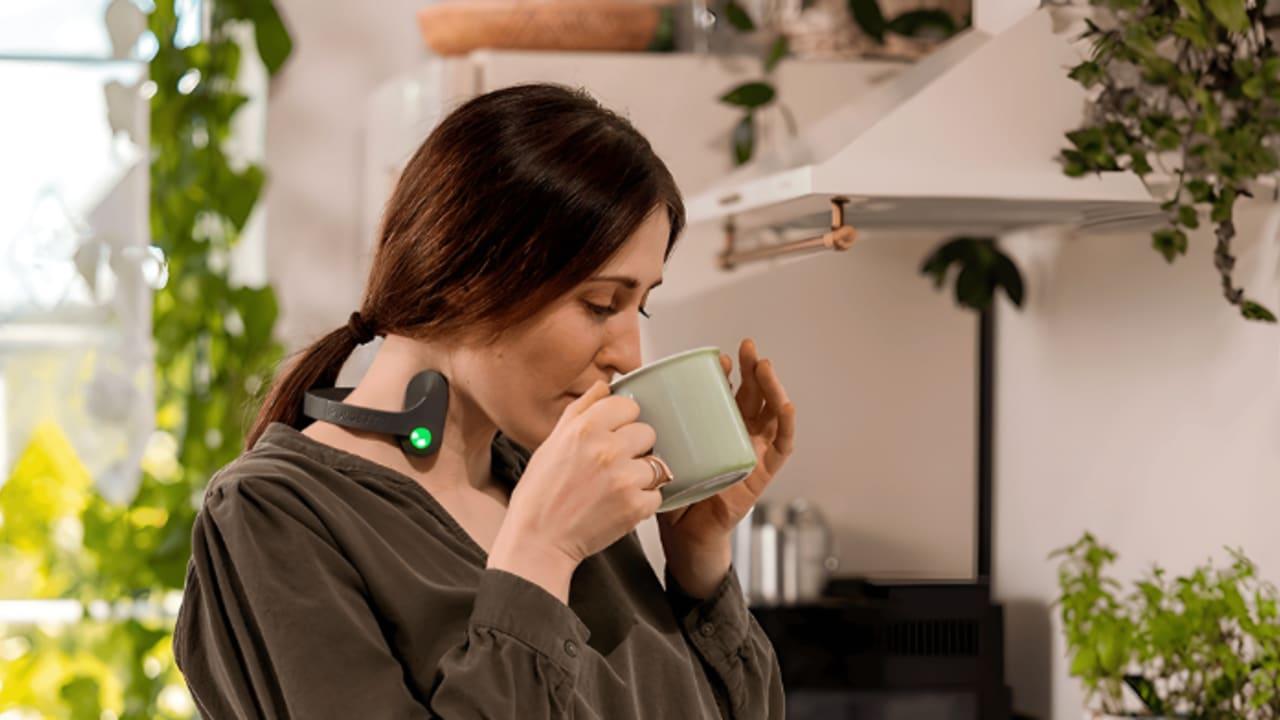
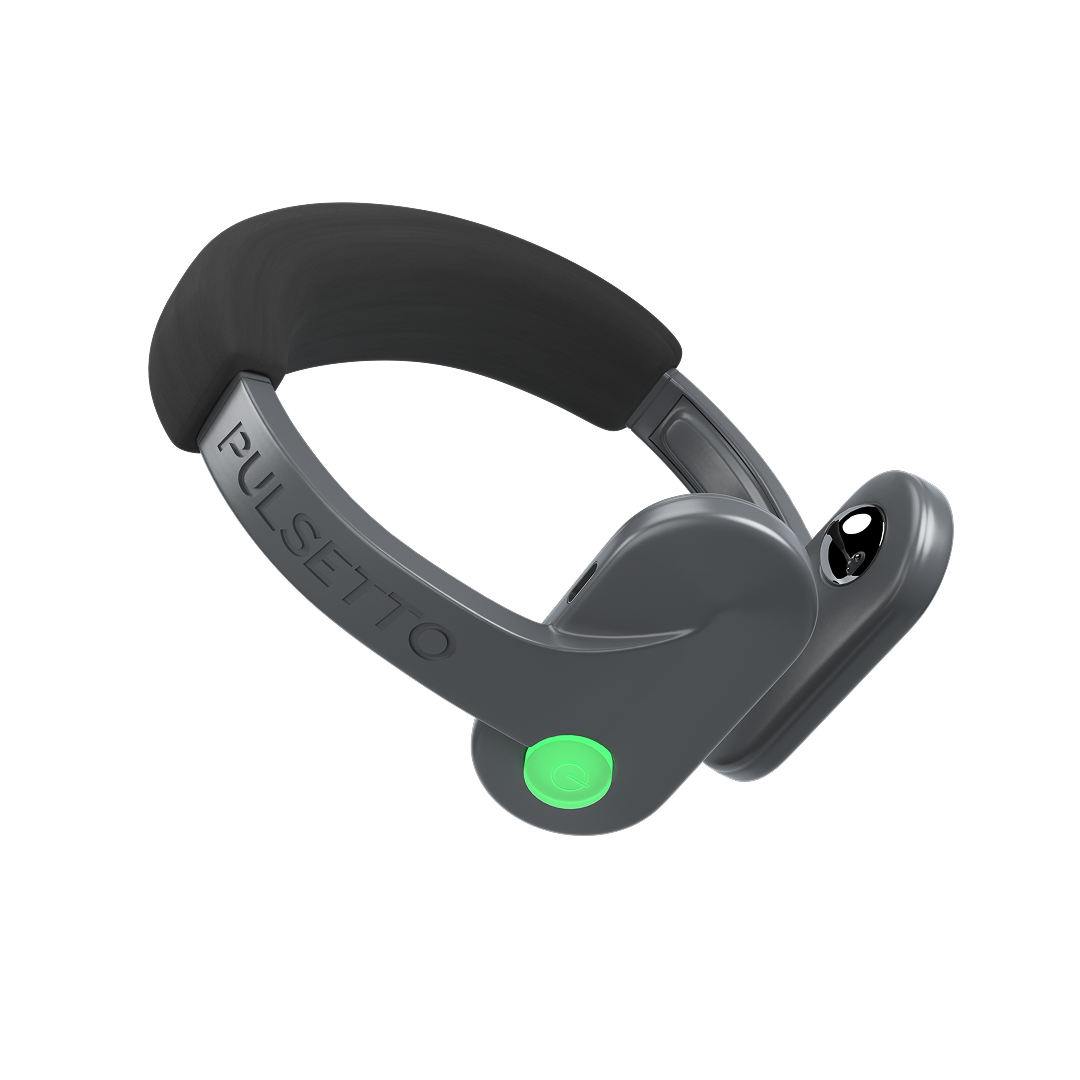
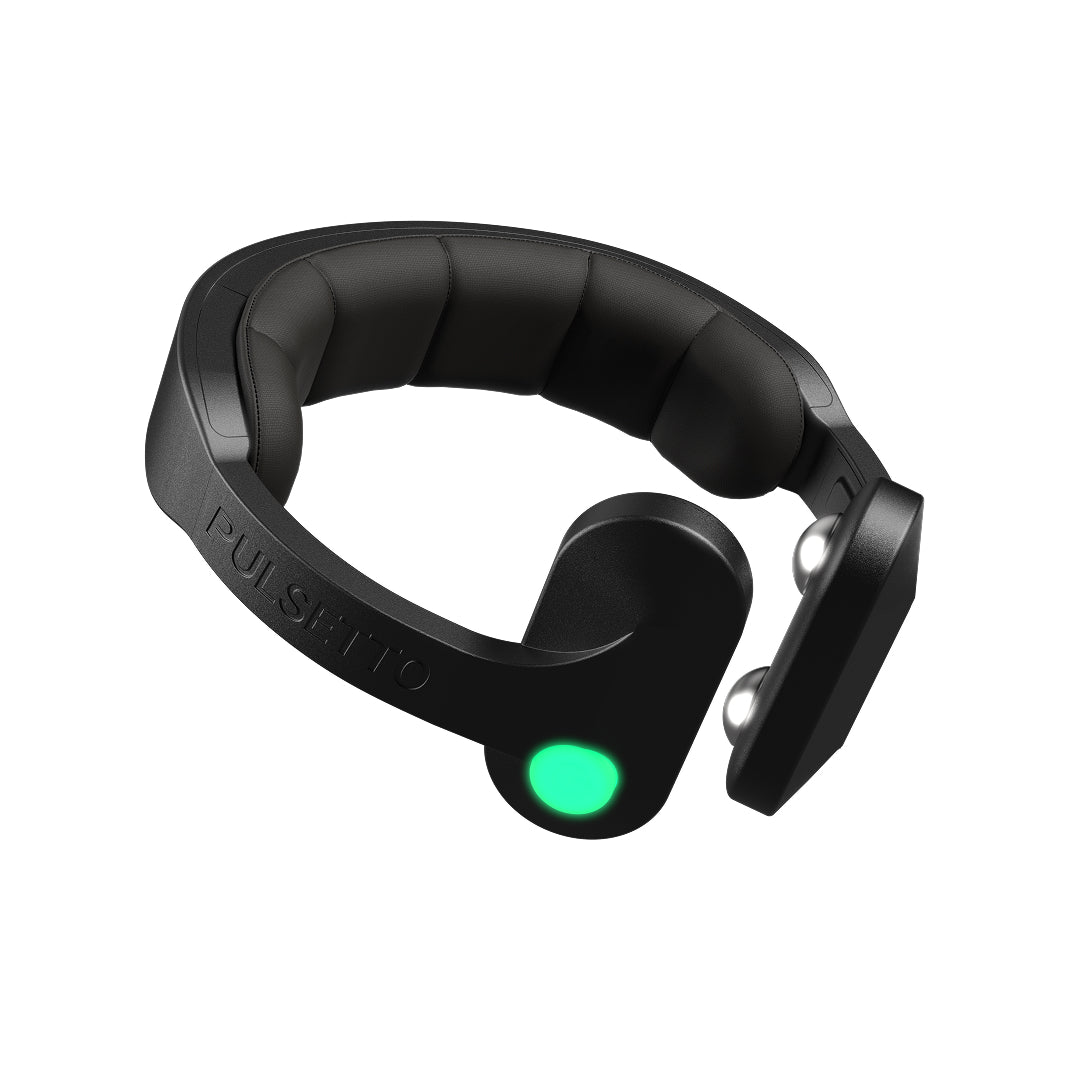
Pulsetto is a CE-certified bilateral cervical vagus nerve stimulation device, designed for general wellness use including stress reduction and nervous system calming. In Pulsetto's own randomized open-label pilot study (n=40), the bilateral stimulation approach produced positive outcomes in stress and anxiety, two of the most significant contributors to sensory overload sensitivity. For people trying to understand how to deal with sensory overload at a physiological level rather than purely through behavioral strategies, tools like Pulsetto may offer an additional layer of support.
Pulsetto is a general wellness product and is not intended to diagnose, treat, cure, or prevent any disease or medical condition. People with pacemakers, implantable cardiac devices, epilepsy, or who are pregnant should consult a physician before using any electrical stimulation device.
Is There a Medication for Sensory Overload?
There is no medication specifically approved for sensory overload itself. Doctors may sometimes prescribe medications to address underlying conditions such as anxiety, ADHD, or autism-related symptoms that contribute to sensory sensitivity. Sensory overload treatment most often involves a combination of behavioral therapy, environmental strategies, and where appropriate, medical support for the underlying condition. How to treat sensory overload effectively means building a personalized plan with professional input rather than relying solely on self-directed strategies. Consulting a licensed behavioral health specialist is the appropriate starting point for anyone whose overload is affecting daily functioning.
Ready to Support Your Nervous System?
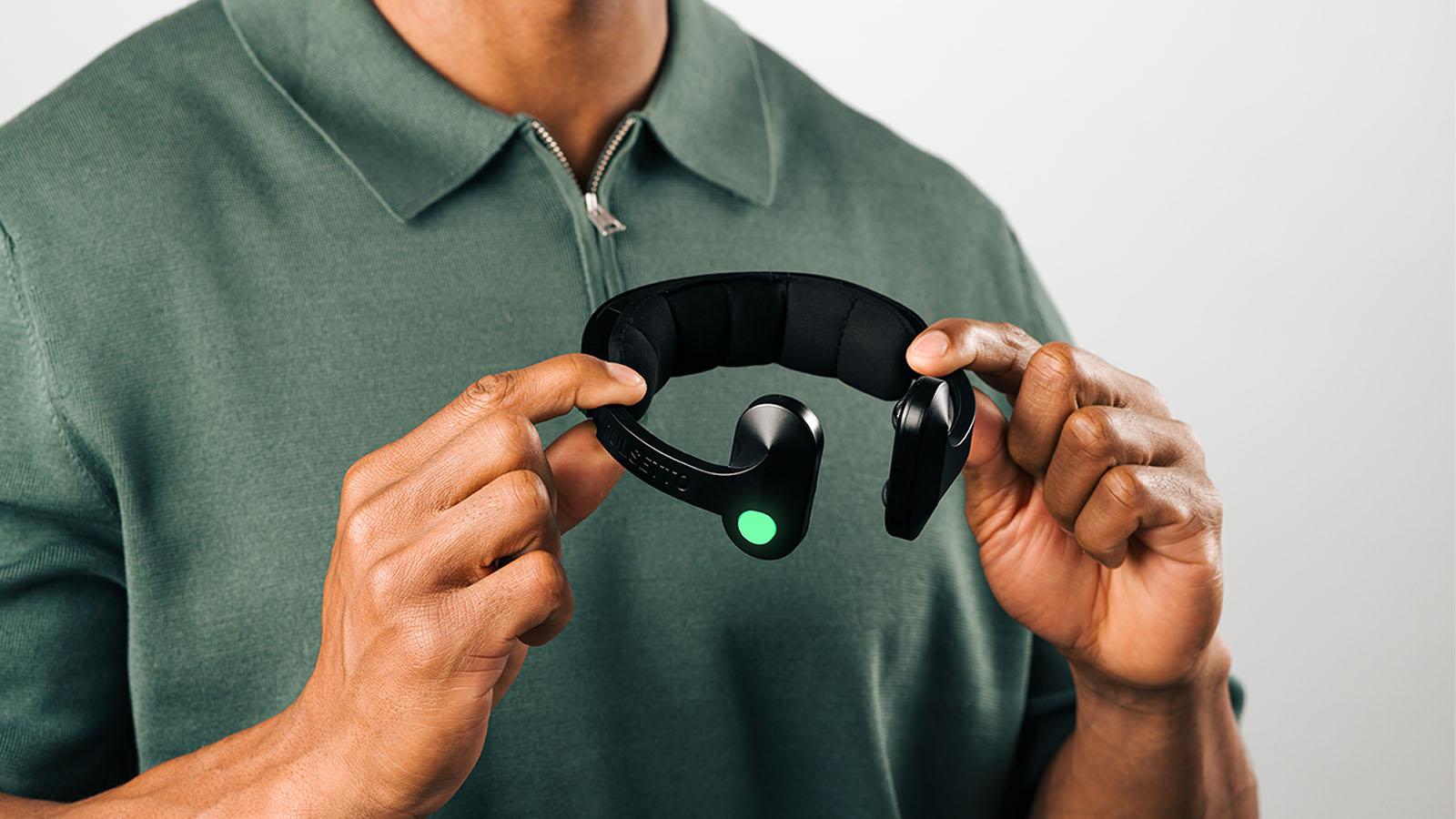
Managing sensory overload well means combining environmental strategies, grounding techniques, and nervous system regulation into a consistent daily approach. For people who want to add a drug-free physiological layer to how to deal with sensory overload, Pulsetto may support parasympathetic calming as part of a broader management routine. It is designed to complement professional guidance and lifestyle strategies, not replace them. In Pulsetto reviews, pairing the device with a consistent sensory management routine is a common theme. Those also researching the best calming device for anxiety will find the autonomic mechanism overlaps directly with sensory overload management.
FAQs: How to Deal With Sensory Overload
These answers cover common questions about sensory overload causes, symptoms, coping strategies, and treatment options. Whether you are asking how to deal with sensory overload or how to fix sensory overload in everyday situations, the answers below address the most searched scenarios.
What does sensory overload feel like?
What is a sensory overload from the inside? Most people describe it as a sudden wave of overwhelm that arrives faster than they can mentally prepare for. Physical symptoms include nausea, increased heart rate, headache, and dizziness. Emotional and physical symptoms often arrive together, making the experience feel both physically and mentally intense at the same time.
What causes sensory overload?
Common causes include loud noises, bright lights, crowded spaces, certain textures, and strong smells. Underlying neurological differences such as autism, ADHD, and anxiety disorders increase sensitivity to these triggers, meaning inputs that are tolerable for most people can reach overload threshold much faster for those affected.
How do you stop sensory overload quickly?
Remove yourself from the trigger immediately if possible. Use noise-canceling headphones or sunglasses to reduce input in public. Practice the 3-3-3 breathing method to ground the nervous system. How to stop sensory overload and how to fix sensory overload both depend on speed of response, and combining several techniques works better than relying on any one alone.
Is vagus nerve stimulation safe for people with sensory sensitivity?
Non-invasive vagus nerve stimulation is a CE-certified general wellness approach designed to support nervous system calming. Contraindications include pacemakers, implantable cardiac devices, epilepsy, and pregnancy. Anyone with these conditions should consult a physician before using any electrical stimulation device. Those who want to review Pulsetto side effects before starting should do so alongside consultation with a healthcare professional, particularly for people with underlying neurological conditions.
When should I see a professional about sensory overload?
Professional support is appropriate when sensory overload is frequent, severe, significantly affecting daily functioning, or linked to an underlying condition that has not been formally assessed. A licensed behavioral health specialist or occupational therapist is a good starting point for sensory overload treatment. Reaching out early rather than waiting for overload to become unmanageable consistently produces better outcomes.
Scientific Research
[1] Sensory symptoms in children with autism spectrum disorder, other developmental disorders and typical development: A longitudinal study (Cascio et al., 2016)
[2] In Our Own Words: The Complex Sensory Experiences of Autistic Adults (PMC, 2022)
[3] Sensory Processing Differences in Individuals With Autism Spectrum Disorder: A Narrative Review of Underlying Mechanisms and Sensory-Based Interventions (Germani et al., 2023, PMC)
[4] The Impact of Weighted Blanket Use on Adults with Sensory Sensitivity and Insomnia (Turocy et al., 2023, PMC)
[5] Vagus Nerve as Modulator of the Brain–Gut Axis in Psychiatric and Inflammatory Disorders (Breit et al., 2018, Frontiers in Psychiatry)
[6] Transcutaneous cervical vagal nerve stimulation reduces sympathetic responses to stress in posttraumatic stress disorder: A double-blind, randomized, sham controlled trial (Gurel et al., 2020, Neurobiology of Stress)