What Stress Tolerance Means

Stress tolerance, in the research literature, usually goes by a more specific name: distress tolerance, defined as the ability to effectively withstand psychological discomfort [1]. That's a narrower claim than it might sound. It isn't about eliminating the discomfort or not feeling stressed in the first place, it's about your capacity to stay present and functional while the discomfort is happening, rather than escalating into panic or shutting down to avoid it. Two people can feel an identical spike of stress and differ enormously in what happens next: one stays functional through it, the other's system tips into overwhelm.
Build the Psychological Half: Distress Tolerance Skills
The psychological half of stress tolerance is trained mostly through exposure to discomfort itself, learning to stay with an uncomfortable feeling rather than immediately trying to escape, suppress, or fix it. A systematic review of 106 papers on interventions targeting distress intolerance found that mindfulness and acceptance-based approaches sit at the core of most of the treatments that worked, with reductions in distress intolerance associated with decreased avoidance and greater psychological flexibility [2]. In practice, that looks like noticing an urge to check your phone, leave the room, or argue your way out of a hard conversation, and deliberately staying for another thirty seconds instead. It's uncomfortable by design. That discomfort is the training stimulus, not a sign it isn't working.
Build the Physiological Half: Circuit-Breaker Techniques
The physiological half works faster and more directly: interrupting the body's alarm response while it's still firing, rather than working through it psychologically. Cold exposure to the face specifically triggers the mammalian diving reflex, a rapid parasympathetic activation that measurably calms the nervous system. A study testing cold facial immersion found it produced significant reductions in both physiological symptoms and self-reported anxiety and panic, within the same session [3]. Splashing cold water on your face or holding an ice pack against your cheeks for thirty seconds during a genuinely overwhelming moment works on this same mechanism, a physiological override you can use mid-stressor rather than only in a dedicated recovery window afterward.
Raise Your Threshold Through Controlled Exposure
Both halves above help you get through a single moment of high stress. Raising your baseline threshold, so the same stressor takes more to overwhelm you next time, takes repeated, controlled exposure instead. A study using repeated cold-pressor exposure found measurable habituation in heart rate, blood pressure, and cardiac output reactivity across sessions, evidence that the acute stress response itself adapts with deliberate, repeated practice [4]. The training principle is the same one behind cold showers or ice baths done consistently rather than once: each controlled dose that stays within a manageable range teaches the system that this level of activation is survivable, which is what actually moves the threshold.
How Stress Tolerance Differs from Stress Endurance
It's easy to conflate this with stress endurance, but they answer different questions. Stress tolerance is about the intensity you can handle in any single moment, the ceiling before a stressor tips you into overwhelm. Stress endurance is about sustaining functional performance across a longer stretch of repeated stressors, built through a structured training program rather than in-the-moment techniques. A useful shorthand: tolerance raises how much a single wave can hold before it breaks over you, endurance is how many waves in a row you can keep swimming through.
Accelerating the Physiological Half: Vagus Nerve Stimulation

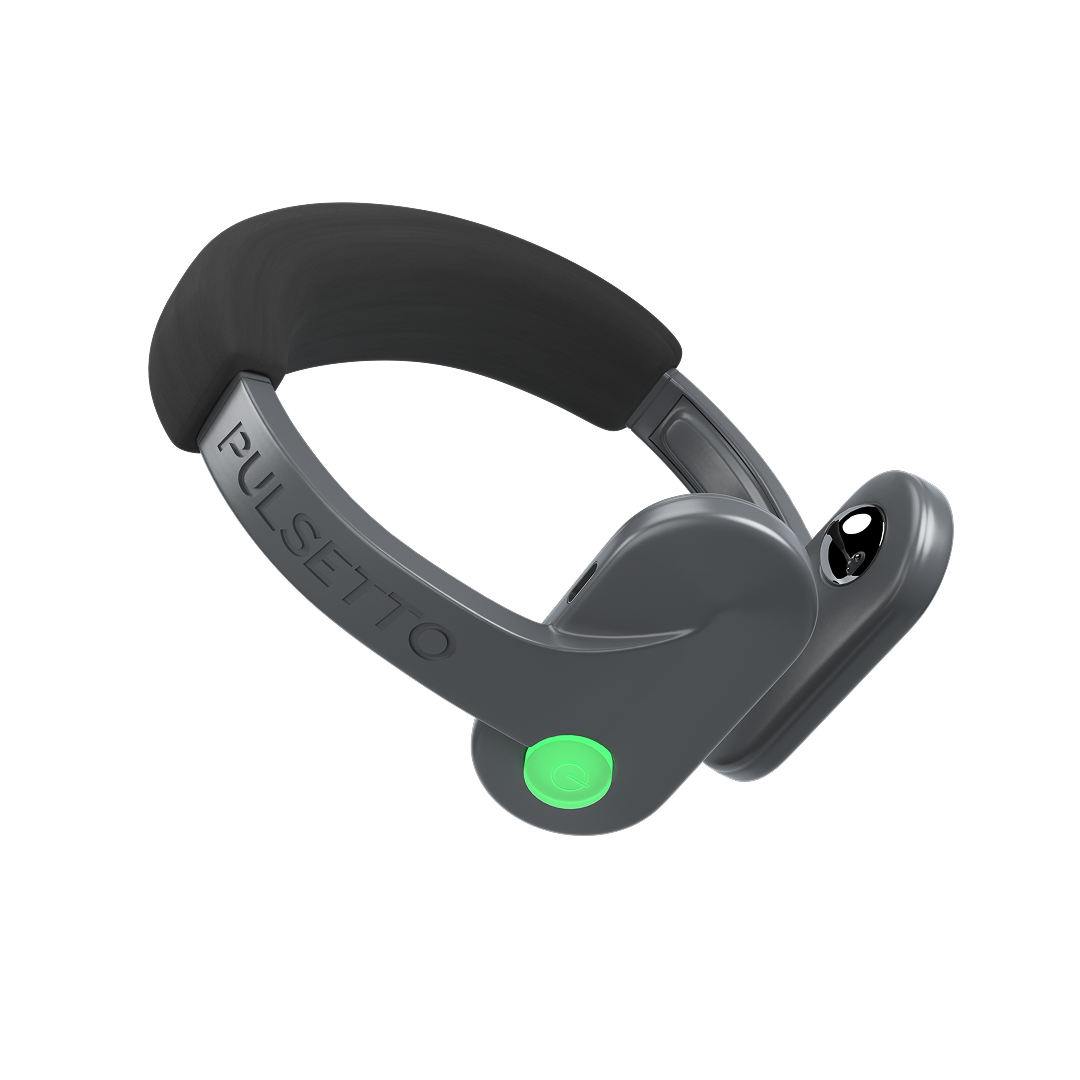
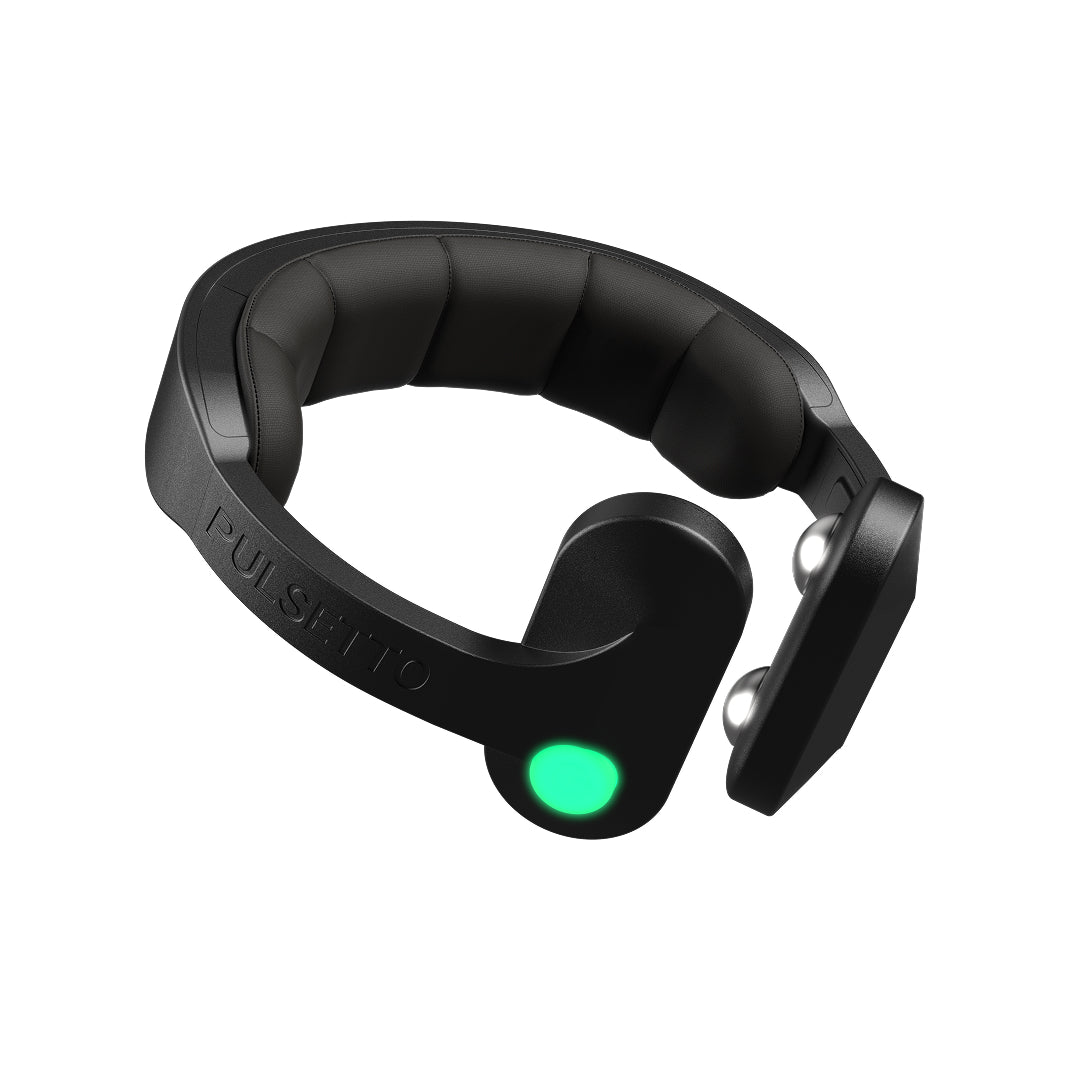
Pulsetto works on the same physiological half that cold exposure and breath control target, activating the parasympathetic nervous system directly through bilateral cervical vagus nerve stimulation, a 4 to 10 minute session with nothing to get right technique-wise.
Pulsetto tested this in a randomized, open-label pilot study of 40 adults over 4 weeks, comparing bilateral against unilateral cervical stimulation. Participants in the bilateral group reported a 45.3% reduction in anxiety symptoms (GAD-7) from baseline at the 4-week mark.
It's built more for the dedicated-session use case, a few minutes set aside to bring the nervous system down, than for the split-second moment a stressor actually hits, where cold water or a breath technique is faster to deploy. Used consistently, though, it contributes to the same threshold-raising effect that controlled exposure produces elsewhere in this guide.
Disclaimer: Pulsetto is a general wellness product and is not intended to diagnose, treat, cure, or prevent any disease or medical condition.
When to Get Professional Guidance First
Distress tolerance skills and cold-water-to-the-face techniques carry no special risk for a healthy adult, though anyone with an existing cardiovascular condition should check with a physician before making cold exposure a regular practice. Vagus nerve stimulation carries its own contraindications: anyone with a pacemaker or other implantable device, epilepsy or a seizure disorder, or who is pregnant should get medical guidance first, along with anyone with an active cardiac arrhythmia, a recent neck or throat injury or surgery, or a carotid artery condition [5]. If distress tolerance skills consistently surface overwhelming or persistent distress rather than something that passes, that's a signal to bring in a mental health professional rather than keep pushing through alone.
Try Pulsetto
When a dedicated few minutes of nervous-system reset is what you need rather than an in-the-moment intervention, the Pulsetto vagus nerve stimulator does the physiological half of stress tolerance for you. Read what real users experienced before trying it yourself.
Frequently Asked Questions
What's the difference between stress tolerance and stress resilience?
Resilience is the broader outcome, staying mentally healthy despite adversity over time. Stress tolerance is narrower and more immediate: your capacity to stay functional through a single stressful moment without it tipping into overwhelm.
How long does it take to build stress tolerance?
The physiological circuit-breaker techniques, cold exposure and breath control, work within the same session you use them. Raising your actual threshold through controlled exposure typically takes several weeks of consistent, repeated practice.
Is stress tolerance the same as not reacting to stress?
No. A tolerant nervous system still registers stress, a racing heart, a spike of adrenaline, it just has more room before that response tips into overwhelm. The goal isn't eliminating the reaction, it's widening how much of it you can handle.
Can I build stress tolerance without cold exposure?
Yes. Cold exposure is one of the fastest physiological circuit breakers, but distress tolerance skills, paced breathing, and vagus nerve stimulation all work on the same underlying capacity through different mechanisms.
Scientific Research
[1] Distress Tolerance and Stress-induced Emotion Regulation Behavior (Larrazabal, Naragon-Gainey & Conway, 2022, Journal of Research in Personality, 24 citations)
[2] Reductions in Distress Intolerance via Intervention: A Review (Heiland & Veilleux, 2023, Cognitive Therapy and Research, 12 citations)
[3] The Implications of the Diving Response in Reducing Panic Symptoms (Kyriakoulis et al., 2021, Frontiers in Psychiatry, 9 citations)
[4] Habituation of the stress response multiplex to repeated cold pressor exposure (Bullock et al., 2023, Frontiers in Physiology, 19 citations)
[5] Safety and tolerability of transcutaneous vagus nerve stimulation in humans: a systematic review (Redgrave et al., 2018, Brain Stimulation, 215 citations)