How Diet Influences Vagus Nerve Function
Gut bacteria influence vagus nerve function and neurotransmitter production, and a balanced microbiome helps keep inflammation at bay. The connection between vagus nerve and gut health runs through three dietary mechanisms: reducing inflammation, supporting microbiome diversity, and providing the nutrients required for neurotransmitter synthesis.
Choline is one of the most important of these nutrients. It is essential for the production of acetylcholine, the primary neurotransmitter of the parasympathetic nervous system. Dietary choline comes from eggs, liver, fish, and soybeans, making these among the most directly relevant vagus nerve foods to eat for neurotransmitter support specifically.
Chronic stress can also inhibit vagus nerve signals and cause gastrointestinal issues, creating a cycle in which poor vagal function worsens gut health and poor gut health further impairs vagal function. A diet rich in these foods that stimulate vagus nerve activity helps break this cycle by addressing gut inflammation and microbiome quality simultaneously.
Best Foods for Vagus Nerve Health
No single food stimulates the vagus nerve directly. A diet consistently rich in the categories below supports the gut environment that vagal signaling depends on. The best vagus nerve foods to eat work through the gut-brain axis over weeks of consistent intake rather than producing immediate effects.
1. Omega-3 Rich Foods
Best for: Reducing inflammation and supporting nerve cell membranes
Omega-3 fatty acids reduce inflammation and support nerve cell membranes, making them one of the most directly relevant nutrient categories for vagus nerve health. Healthy fats help maintain vagal tone by reducing the systemic inflammation that can impair gut-brain communication. A review published in Frontiers in Physiology found that omega-3 polyunsaturated fatty acids may modulate autonomic control of the heart by influencing cardiac and nervous tissue, with higher intake linked to improved heart rate variability, a key marker of vagal tone (Christensen, PMC, 2011).
Key sources include salmon, mackerel, sardines, walnuts, flaxseed, and chia seeds. Aiming for at least two portions of oily fish per week is a practical starting point for building omega-3 intake through diet rather than supplements.
2. Fermented Foods
Best for: Supporting gut microbiome diversity and vagal signaling
Fermented foods help maintain gut bacteria equilibrium, and gut microbiome alterations can affect vagus nerve function. Regular consumption of fermented foods is associated with greater microbiome diversity, which supports the vagal nerve endings in the gut wall. A randomized trial from Stanford University found that a diet high in fermented foods steadily increased gut microbiota diversity and decreased 19 markers of inflammation across a 10-week period, supporting the role of fermented foods in maintaining the gut environment that vagal nerve endings depend on (Wastyk et al., Cell, 2021).
The most accessible fermented food sources are kimchi, yogurt, kefir, sauerkraut, miso, tempeh, and kombucha. Learning how to improve gut health alongside a fermented food-rich diet gives the microbiome both the diversity it needs and the structural support that makes vagal signaling more effective.
3. Prebiotic Foods
Best for: Feeding beneficial gut bacteria that interact with the vagus nerve
Prebiotics feed the beneficial bacteria that produce short-chain fatty acids and neurotransmitter precursors sensed by vagal nerve endings in the gut wall. Eating a diverse range of vegetables supports gut health, and antioxidant and fiber-rich produce prevents the toxic build-up in the gut that can disrupt the vagus nerve signaling pathway.
The most readily available prebiotic sources are garlic, onions, bananas, asparagus, oats, and leeks. Including at least two to three of these in daily meals is a low-effort way to consistently feed the microbial communities that produce the metabolites the vagus nerve responds to.
4. Tryptophan-Rich Foods
Best for: Supporting serotonin production along the gut-vagus nerve pathway
Tryptophan is a precursor to serotonin, around 95% of which is produced in the gut and influences vagal signaling directly. Foods that stimulate vagus nerve activity through the serotonin pathway include eggs, spinach, nuts, poultry, and seeds.
A review published in the International Journal of Molecular Sciences found that gut-derived serotonin, synthesized from dietary tryptophan by enterochromaffin cells, directly activates vagal afferent fibers and transmits signals to the brain, making dietary tryptophan a meaningful contributor to gut-vagus nerve communication (Hwang & Oh, PMC, 2025).
Getting adequate tryptophan through food supports the neurotransmitter environment that the vagus nerve operates within, which is why protein-rich whole foods feature consistently in any list of best foods for vagus nerve health.
5. Bitter Greens
Best for: Directly stimulating vagal activity in the digestive tract
Bitter greens can stimulate the vagus nerve through bitter receptors in the gut lining, which send signals via the vagus nerve to the brain. This is one of the more direct dietary mechanisms for vagal stimulation, though the effect is subtle compared to active stimulation methods. Practical examples include rocket, dandelion greens, radicchio, and endive, all of which are available in most supermarkets and work well as salad bases or side dishes.
Vagus Nerve Foods to Avoid
Limiting inflammatory foods supports vagus nerve signaling, and the gut environment can be disrupted as much by what is removed from the diet as by what is added. Those wondering how to reduce inflammation in the body will find the answer maps closely to protecting gut-vagus nerve communication: the same dietary changes serve both goals.
The main categories worth limiting are ultra-processed foods high in refined sugar and seed oils, excessive alcohol, and highly processed meat. Diet influences vagus nerve function by reducing inflammation, and a chronically inflammatory diet can impair the gut-brain communication the vagus nerve depends on. Vagus nerve foods to avoid are primarily those that feed harmful bacteria, raise systemic inflammation, and reduce the gut microbiome diversity that vagal nerve endings rely on for their signaling environment.
What Vitamins Support Vagus Nerve Health?
Several micronutrients are particularly linked to vagus nerve and nervous system health. The key ones are vitamin B12, magnesium, zinc, and vitamin D.
Vitamin B12 is essential for nerve myelin sheath integrity. Low B12 can directly impair nerve conduction, including along the vagus nerve. Found in meat, fish, eggs, and dairy, it is one of the most important micronutrients for best foods for vagus nerve health planning.
Magnesium supports parasympathetic tone and is one of the most commonly deficient minerals in modern diets. Leafy greens, legumes, nuts, and seeds are reliable sources.
Zinc is linked to neurotransmitter function and immune regulation. Pumpkin seeds, beef, chickpeas, and cashews are good dietary sources.
Vitamin D is associated with reduced inflammation and improved vagal tone. Oily fish, eggs, and fortified foods cover dietary vitamin D, though sun exposure remains the primary source.
A varied whole-food diet is the most reliable way to cover these micronutrient needs without supplements. Anyone considering supplementation for health conditions should speak with a healthcare professional before starting.
Eating Well Is Only Half the Picture

A gut-supportive diet builds vagal signaling capacity the way training builds athletic capacity: gradually, cumulatively, over weeks. Most research on probiotic and dietary interventions shows meaningful microbiome changes emerging after four to eight weeks of consistent intake. Most dietary changes operate on similar timescales. For someone whose stress response needs support today rather than in four weeks, that lag matters.
Direct vagus nerve stimulation works differently. Rather than building the gut environment that vagal nerve endings respond to, it sends the parasympathetic signal electrically. A review in Frontiers in Psychiatry found that the vagus nerve is the primary parasympathetic conduit between gut and brain, and that stimulating it directly increases vagal tone more immediately than gut-mediated approaches can achieve (Breit et al., PMC, 2018). Another study in Brain Stimulation confirmed that non-invasive vagus nerve stimulation measurably reduced sympathetic nerve activity in healthy humans, producing the same autonomic shift that the gut-brain pathway works toward through weeks of dietary input (Clancy et al., 2014).
For those who want non-invasive vagus nerve stimulation explained in the context of gut health specifically, the key distinction is the entry point: diet works from the gut upward through the vagus nerve, while electrical stimulation works at the nerve itself. The vagus nerve stimulation benefits including improved HRV, reduced anxiety, and better sleep quality are the same outcomes a well-supported gut-brain axis produces, just through a faster route.
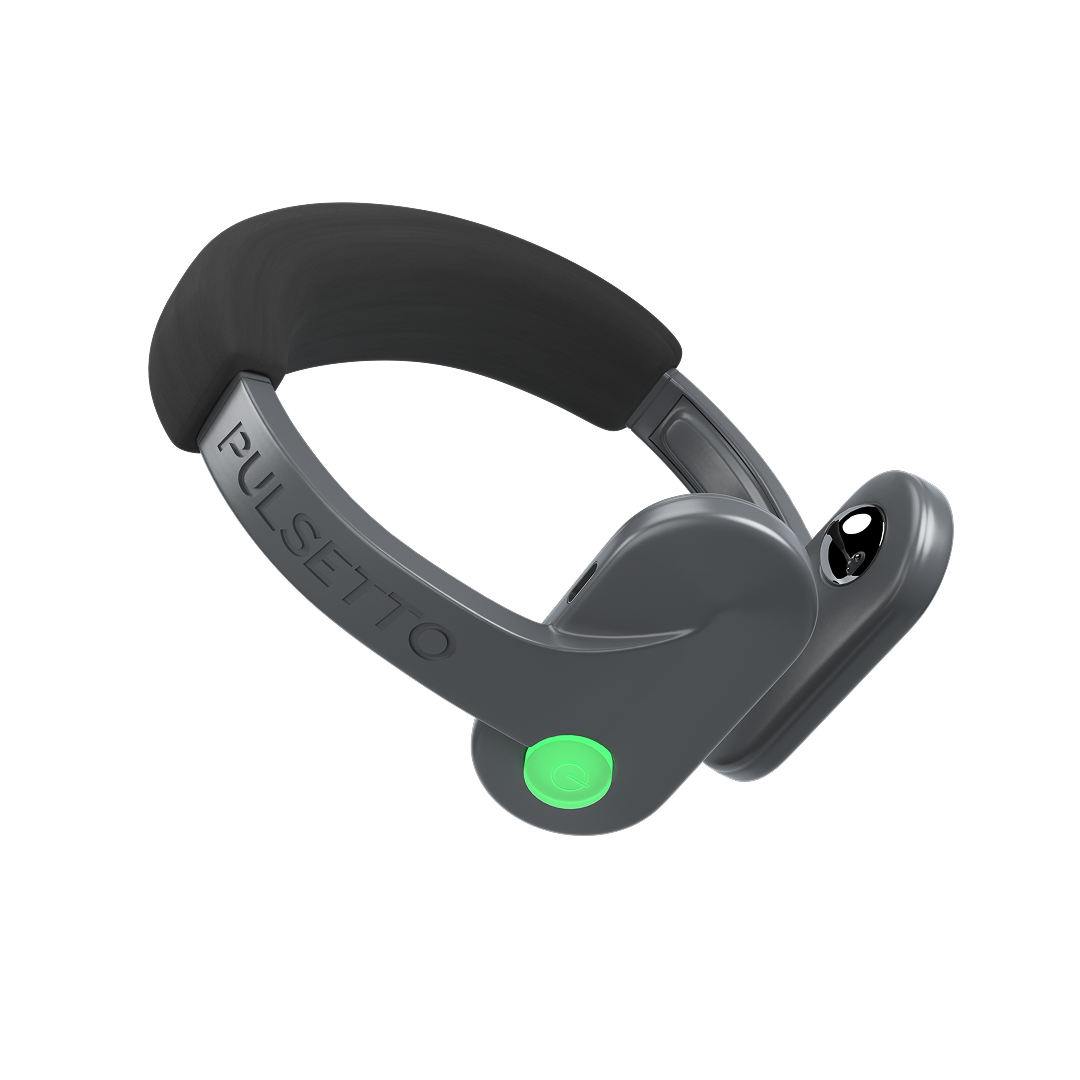
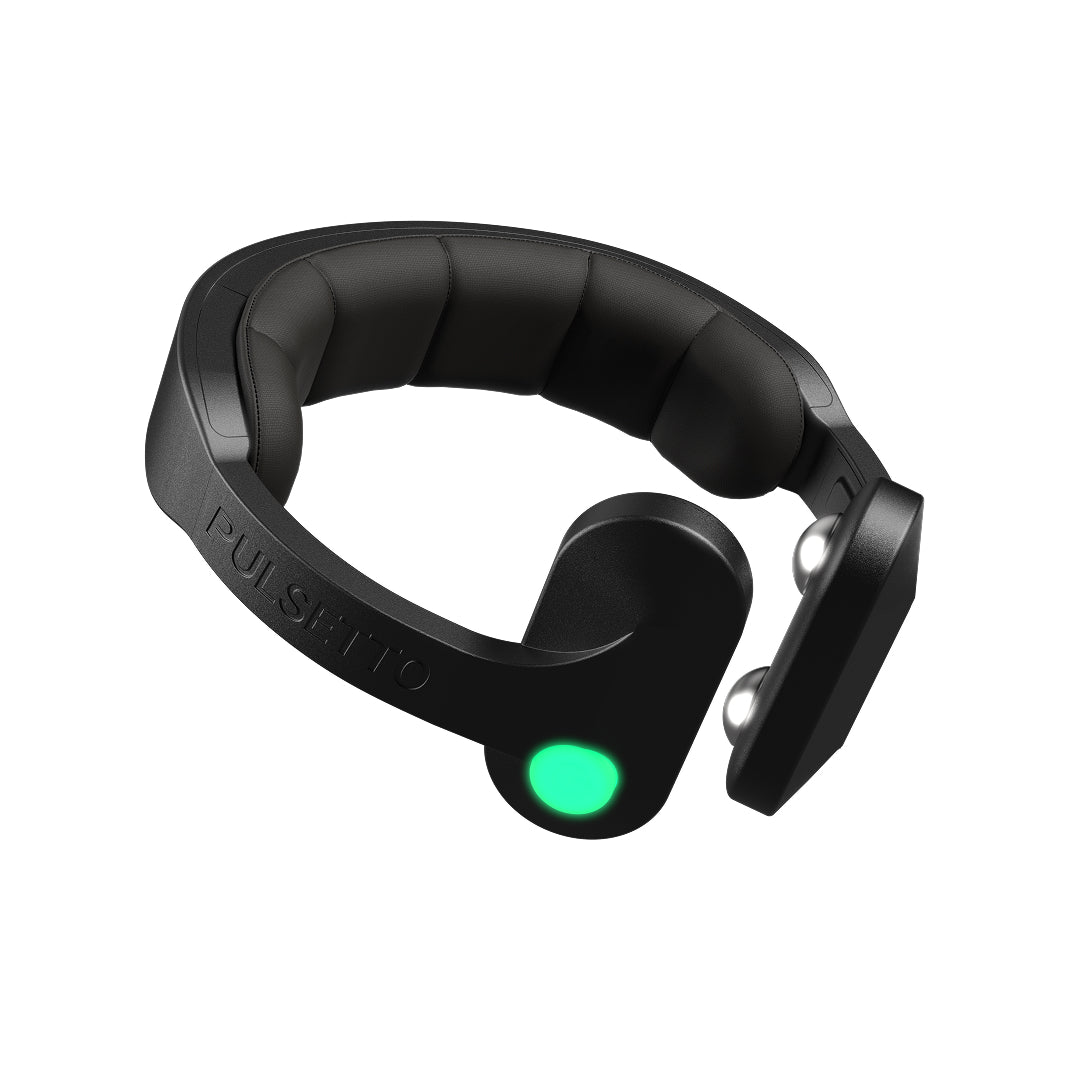
Pulsetto delivers those outcomes through a bilateral cervical vagus nerve stimulation device, CE certified for general wellness use, with 4-minute hands-free sessions designed to activate the parasympathetic pathway directly. It works best alongside the dietary and lifestyle habits covered above, rather than as a replacement for them, and the results reflect that combined use: in Pulsetto's own randomized open-label pilot study (n=40), GAD-7 anxiety scores improved by 45.3% in the bilateral group.
Disclaimer: Pulsetto is a general wellness product and is not intended to diagnose, treat, cure, or prevent any disease or medical condition. People with pacemakers, implantable cardiac devices, epilepsy, or who are pregnant should consult a physician before using any electrical stimulation device.
Ready to Support Your Vagus Nerve From the Inside Out?
A gut-supportive diet and active vagus nerve stimulation work through different timescales and different pathways, which is why they complement each other. Consistent intake of omega-3 rich foods, fermented foods, prebiotics, and tryptophan sources builds the microbiome environment that vagal signaling depends on over weeks. Pulsetto provides the direct parasympathetic activation that dietary approaches build toward but cannot deliver in a single session. Both work best alongside an overall healthy lifestyle and professional guidance where needed.
In Pulsetto reviews, pairing the device with a gut-supportive diet and breathing practice is a recurring theme, which reflects how the two approaches reinforce each other. Those who want to go further on the direct stimulation side of that combination can find the full breakdown in the vagus nerve stimulation ultimate guide.
FAQs: Best Foods for Vagus Nerve
These answers cover common questions about vagus nerve nutrition, lifestyle habits, and natural support strategies. They address foods for vagus nerve health, natural approaches, and vagus nerve foods to eat as part of a broader routine.
Which foods are best for vagus nerve health?
Omega-3 rich foods, fermented foods, prebiotic vegetables, tryptophan sources, and bitter greens are the best vagus nerve foods categories for vagal support. Consistency matters more than any single food, and a diverse whole-food diet is the most reliable foundation for maintaining the gut environment that vagal signaling depends on.
How do you fix your vagus nerve naturally?
Natural approaches to supporting vagal function include a gut-friendly diet, regular slow breathing, cold exposure, singing or gargling, mild exercise, and meditation. High vagal tone is linked to better stress recovery, and these habits support it over time rather than producing immediate effects. Learning how to stimulate vagus nerve through multiple approaches gives a complete picture of natural vagal support beyond diet alone.
What signs suggest the vagus nerve may not be functioning well?
Signs of low vagal tone can include increased anxiety and stress, difficulty recovering from stress, digestive issues, poor heart rate variability, and low mood. These signs are non-specific and overlap with many other health factors. A healthcare professional should be consulted if symptoms are persistent or worsening rather than attributing them to vagal function without a clinical assessment.
Is vagus nerve stimulation safe alongside dietary changes?
Non-invasive VNS and dietary changes work through different mechanisms and can be used together as part of a broader vagus nerve support routine. Pulsetto is CE certified for general wellness use. Contraindications include pacemakers, implantable cardiac devices, epilepsy, and pregnancy. Those who want to review Pulsetto side effects before starting should do so alongside consultation with a healthcare professional.
Scientific Research
[1] Omega-3 Polyunsaturated Fatty Acids and Heart Rate Variability (Christensen JH, 2011, Frontiers in Physiology, PMC)
[2] Gut-Microbiota-Targeted Diets Modulate Human Immune Status (Wastyk HC, Fragiadakis GK, Perelman D et al., 2021, Cell, Stanford University)
[3] Interaction of the Vagus Nerve and Serotonin in the Gut–Brain Axis (Hwang YK, Oh JS, 2025, International Journal of Molecular Sciences, PMC)
[4] Vagus Nerve as Modulator of the Brain–Gut Axis in Psychiatric and Inflammatory Disorders (Breit S, Kupferberg A, Rogler G, Hasler G, 2018, Frontiers in Psychiatry, PMC)
[5] Non-Invasive Vagus Nerve Stimulation in Healthy Humans Reduces Sympathetic Nerve Activity (Clancy JA, Mary DA, Witte KK, Greenwood JP, Deuchars SA, Deuchars J, 2014, Brain Stimulation)