Why Athletes Struggle to “Switch Off” After Hard Training
A tough session doesn’t just tax your muscles.
It also pushes your nervous system into a higher-alert state - what most people call fight-or-flight.
That’s normal during training. The problem happens when the body doesn’t return to baseline.
This is especially common for athletes who train across:
-
Endurance sports (Ironman, triathlon, cycling, running)
-
High-intensity competition formats (Hyrox, CrossFit-style training)
-
Mixed training blocks (strength + conditioning + long cardio)
When you stay stuck in “on” mode, recovery gets messy.
Common signs of poor down-regulation in athletes
-
You feel wired but tired
-
Sleep quality drops even if you’re exhausted
-
You struggle to relax after sessions
-
Your HRV trends downward
-
You feel irritable, restless, or mentally “overcaffeinated”
-
Your performance plateaus despite doing “everything right”
This isn’t a motivation issue - it’s often a nervous system regulation issue.
What Vagus Nerve Stimulation Is (And What It Isn’t)
The vagus nerve is one of the key pathways involved in your body’s parasympathetic response - often called the rest-and-digest system.
In athlete terms, it’s the system that helps you:
-
calm down after intense stress
-
transition into recovery mode
-
support relaxation and sleep readiness
So what is vagus nerve stimulation?
Vagus nerve stimulation (VNS) is a method used to influence the nervous system through targeted stimulation - typically aiming to support relaxation and parasympathetic activity.
In the context of consumer wellness, it’s used as part of a recovery routine - similar to how athletes use breathwork, mobility work, or meditation.
Important note
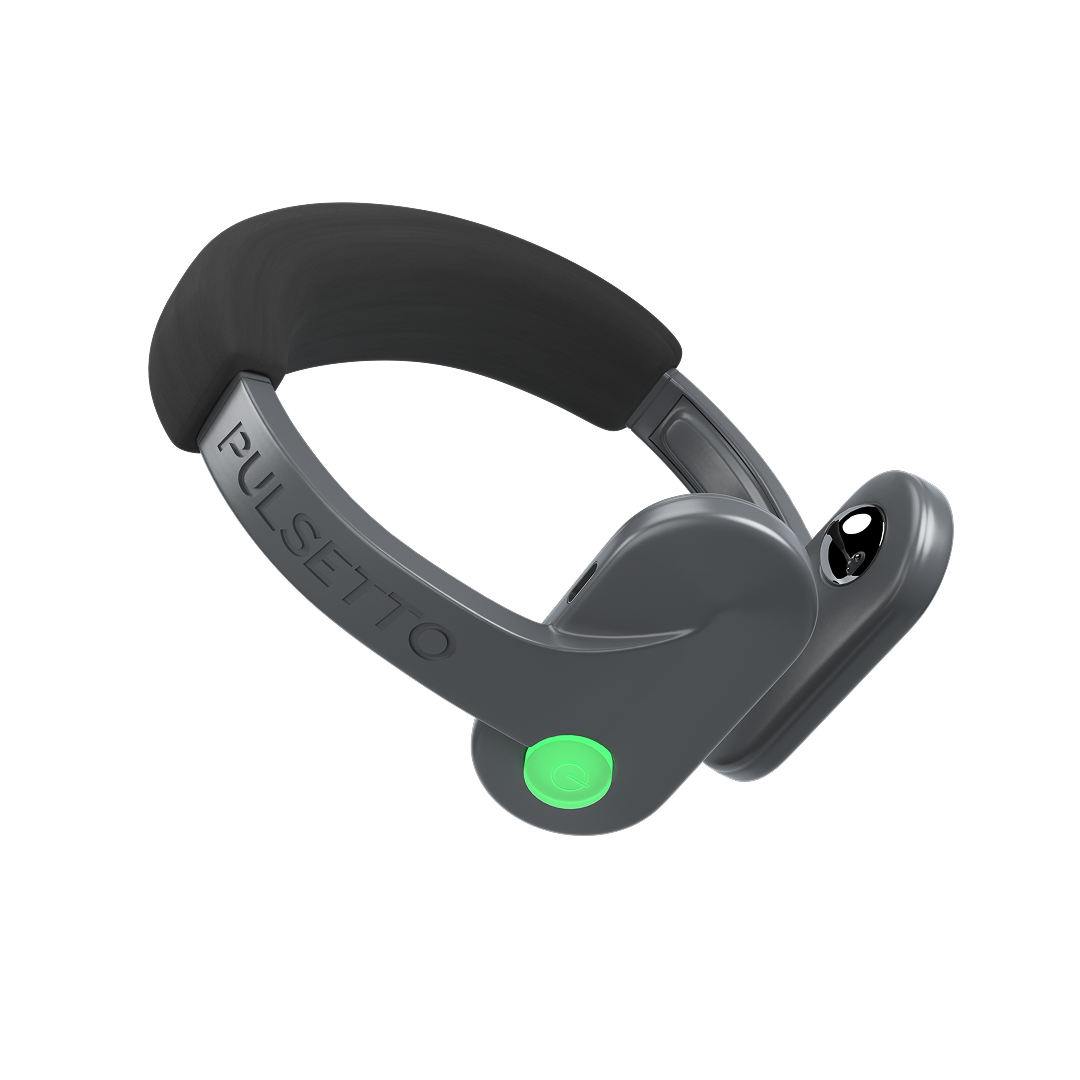
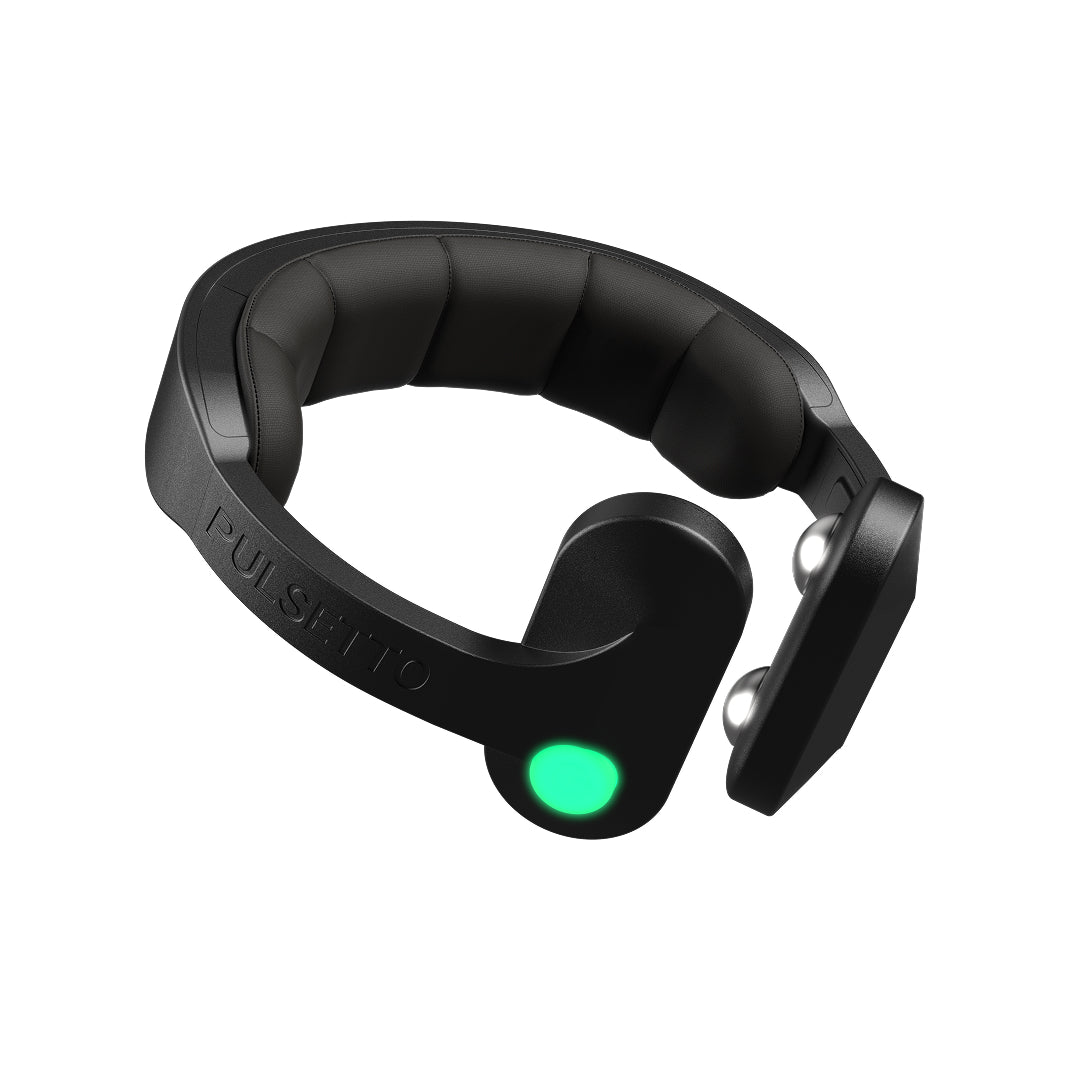
Pulsetto is a consumer wellness device designed to support relaxation and stress reduction. It is not a medical treatment and is not intended to diagnose, treat, cure, or prevent disease.

Recovery Isn’t Just Rest - It’s Down-Regulation
Most athletes already know the basics:
-
eat enough
-
sleep more
-
hydrate
-
take rest days
-
manage volume
But here’s the issue:
Even if you do all of that, you can still fail to recover if your nervous system stays in high gear.
That’s why down-regulation matters.
Down-regulation is the missing recovery step
Down-regulation is the process of shifting out of “performance mode” and into “recovery mode.”
This shift is critical for:
For high-output athletes, it’s often the difference between training hard for 8 weeks… versus burning out in 3.
Scott Brits’ Training Reality: Ironman + Hyrox + Elite Training Load
Some athletes only train hard.
Others train hard and compete constantly.
Scott Brits is in the second category - balancing Ironman racing, Hyrox, and elite-level training demands where intensity and volume overlap.
And that combination can hit the nervous system fast.
Long endurance sessions can create deep fatigue.
Hyrox-style training adds repeated intensity spikes.
Competition pressure adds an extra layer of mental stress.
That’s why Scott focuses heavily on recovery - not just physical recovery, but nervous system recovery.
Scott Brits on Why Pulsetto Became Part of His Recovery Routine
Here’s how Scott explains it:
“With the amount of training and fitness events I take part in, recovery is something I have to stay on top of. Pulsetto has become a simple tool I use to help down-regulate after intense sessions and busy days. I don’t see it as a magic fix, but it’s a practical way to support my nervous system, switch out of fight-or-flight, and feel more settled before sleep or between training blocks. For anyone balancing high training loads, stress, and performance, it’s a solid addition to a recovery routine.”
Scott Brits’ Routine: How He Uses Pulsetto for Recovery
Every athlete has their own rhythm.
But Scott’s use case is simple - and that’s what makes it realistic.
He uses Pulsetto:
-
after intense training sessions
-
after competition days
-
between heavy training blocks
-
before sleep, especially on high-stress days
The goal isn’t “instant transformation.”
The goal is to support the transition from:
high output → calm state → recovery → sleep
That’s the nervous system reset athletes often miss.
How Athletes Can Use Vagus Nerve Stimulation (Simple Protocols)
If you’re an athlete and you’re curious about vagus nerve stimulation, the best approach is to keep it practical.
Here are three athlete-friendly ways to build it into a routine.
After Training: The Post-Session Downshift
This is ideal after:
Why it matters:
A lot of athletes finish training and go straight into life - work, errands, social stress, screens.
That’s like doing a second workout for your nervous system.
Goal: downshift quickly so recovery starts sooner.
Before Sleep: Switch Off Faster
This is the most common reason athletes explore vagus nerve stimulation.
Even when physically tired, many athletes struggle with:
-
racing thoughts
-
restless body feeling
-
delayed sleep onset
-
shallow sleep
Goal: support calm and relaxation before bed.
Between Training Blocks: When Fatigue Builds Up
This is where high-level athletes get strategic.
During heavy training blocks (Ironman prep, Hyrox build phases, peak weeks), the nervous system can stay elevated for days.
You might still train, but you’ll feel:
Goal: support consistency and long-term sustainability.
What to Combine It With (So Recovery Actually Improves)
The biggest mistake athletes make is trying to find one tool to solve everything.
The best results come when vagus nerve stimulation is used alongside real recovery fundamentals.
Pair it with:
-
good sleep hygiene (dark room, consistent time, less late-night screens)
-
breathwork (especially long exhales)
-
nutrition + carbs around training (especially endurance athletes)
-
hydration + electrolytes
-
mobility and low-intensity movement
-
stress management outside sport (the part nobody wants to talk about)
Pulsetto fits best when it supports a complete recovery system - not when it tries to replace it.
Signs Your Nervous System Needs More Recovery
If you’re training for Ironman, Hyrox, or doing elite mixed training, these are common signals that your nervous system needs more down-regulation:
-
You can’t fully relax even on rest days
-
You wake up tired despite sleeping “enough”
-
Your HRV stays low for multiple days
-
You feel emotionally flat or unusually irritable
-
Your resting heart rate is trending upward
-
You feel anxious before sessions you normally enjoy
-
Your motivation disappears mid-block
These aren’t signs you’re weak.
They’re signs you’re overloaded.
Final Take: Performance and Longevity Depend on Nervous System Recovery
If you train hard, you already know discipline.
But long-term performance isn’t only built through training.
It’s built through recovery - and recovery depends heavily on how well you can shift out of fight-or-flight.
Scott Brits’ approach is a strong example of what modern athlete recovery looks like:
-
realistic
-
consistent
-
not hype-driven
-
focused on longevity
Pulsetto isn’t positioned as a miracle solution.
It’s positioned as a practical tool that supports nervous system down-regulation - especially for athletes balancing Ironman endurance loads, Hyrox intensity, and high-pressure performance routines.
FAQs: Vagus Nerve Stimulation for Athletes
Is vagus nerve stimulation good for athletes?
It can be a helpful addition to an athlete’s recovery routine, especially for supporting relaxation, down-regulation, and stress management after intense training.
Can vagus nerve stimulation improve recovery after training?
Some athletes use vagus nerve stimulation as part of a recovery routine to help calm the nervous system after hard sessions. It’s best used alongside sleep, nutrition, hydration, and proper programming.
Does vagus nerve stimulation help with sleep after workouts?
Many athletes use vagus nerve stimulation before bed to support relaxation and improve the transition into sleep, especially after late or high-intensity training sessions.
Can vagus nerve stimulation increase HRV?
HRV is influenced by many factors (sleep, training load, stress, nutrition). Some athletes track HRV trends when using recovery tools, but results vary and should be viewed as part of a bigger recovery picture.
How often should athletes use vagus nerve stimulation?
Most athletes benefit from consistency. Many use it after intense training, before sleep, or during heavy training blocks. The best routine is the one you can realistically maintain.
Is Pulsetto a medical device?
Pulsetto is a consumer wellness device designed to support relaxation and stress reduction. It is not intended as a medical treatment.
Can Ironman athletes benefit from nervous system down-regulation?
Yes - endurance athletes often deal with cumulative fatigue and stress. Down-regulation supports recovery and sleep, which are critical during long training blocks.
What’s the best recovery routine for Hyrox athletes?
Hyrox athletes often benefit from a recovery routine that includes sleep optimization, hydration, mobility, lower-intensity aerobic work, and nervous system down-regulation tools - especially during high-intensity build phases.