Stress fitness vs. stress management: the core difference

The two terms get used almost interchangeably in casual conversation, which is part of why the distinction is easy to miss. Stress management is anything that reduces the felt experience of stress once it's underway: the racing thoughts, the tight chest, the short temper. Stress fitness is different. It's the underlying capacity of your autonomic nervous system to mount a stress response when a real demand shows up, then shut that response back down efficiently once the demand passes.
|
Dimension
|
Stress management
|
Stress fitness
|
|
Primary goal
|
Reduce distress from a stressor that's already happening
|
Reduce how intensely the nervous system reacts to future stressors
|
|
When you use it
|
During or right after a stressful event
|
Consistently, whether or not anything stressful is happening today
|
|
Time to see a change
|
Minutes to hours
|
Roughly 4 to 8 weeks of consistent practice
|
|
What it targets
|
The felt experience of stress: mood, tension, racing thoughts
|
The nervous system's capacity to activate and then recover
|
|
Typical tools
|
Deep breathing, journaling, therapy, exercise as an outlet, time off
|
Structured nervous system training, graduated stress exposure, vagus nerve stimulation, consistent sleep as a baseline
|
|
Question it answers
|
"How do I feel better right now?"
|
"Why does the same amount of stress wear down some people faster than others?"
|
Neither approach is more legitimate than the other. They just answer different questions, and most stress advice only ever answers the first one.
What stress management actually does
Stress management is reactive by design, and that's not a criticism. A five-minute breathing exercise before a difficult meeting, a walk after a hard conversation, or an hour of therapy processing a bad week are all doing real work: lowering the felt intensity of a stress response that's already active. Regular exercisers report smaller drops in mood after a lab-induced stressor than non-exercisers do, even when their heart rate and cortisol responses look similar on paper [1]. Exercise intensity matters here too: a single 30-minute bout at a higher intensity produces a faster cortisol recovery after a subsequent stressor than the same duration at a lower intensity [2].
That's the ceiling of what stress management can do, though. It shortens the recovery window for the stressor you're dealing with today. It does very little to change how your nervous system will respond to the stressor you haven't met yet.
What stress fitness actually trains
Stress fitness borrows a concept from immunology: controlled, moderate exposure to a stressor can leave a system better equipped to handle a bigger version of that stressor later. Researchers call this stress inoculation, and animal studies show it produces broader protective effects than a single coping skill would predict, showing up across multiple, unrelated stress contexts well beyond the one the training targeted [3]. The underlying mechanism is hormetic: moderate, intermittent stress triggers adaptive changes, while chronic, unrelenting stress overwhelms those same systems and produces the wear-and-tear pattern known as allostatic load [4]. Stress fitness training sits deliberately on the moderate side of that curve.
In practice, this usually means training the parasympathetic side of the nervous system, the part responsible for shutting the stress response back down, on a fixed schedule, independent of whether anything has gone wrong that day. Heart rate variability biofeedback is one well-studied version of this: a meta-analysis of 24 studies found a large reduction in self-reported stress and anxiety among people who trained with it across multiple sessions over time [5].
Why the difference matters in practice
Knowing which one you need in a given moment changes what's actually worth doing.
Reach for stress management when:
-
You're minutes or hours from a specific stressful event and need to feel calmer now
-
A stressful period has already passed and you're processing it
-
The goal is relief, not a lasting change in how you respond next time
Invest in stress fitness when:
-
The same category of stressor keeps producing an outsized reaction, week after week
-
You notice you're not fully recovering between stressful events, even during quiet stretches
-
You want next month's version of this problem to feel smaller than this month's
These aren't mutually exclusive, and most people benefit from running both at once: stress management for today's specific demand, stress fitness as the slower background project that changes what "today's demand" costs you six months from now.
Where active vagus nerve stimulation training fits

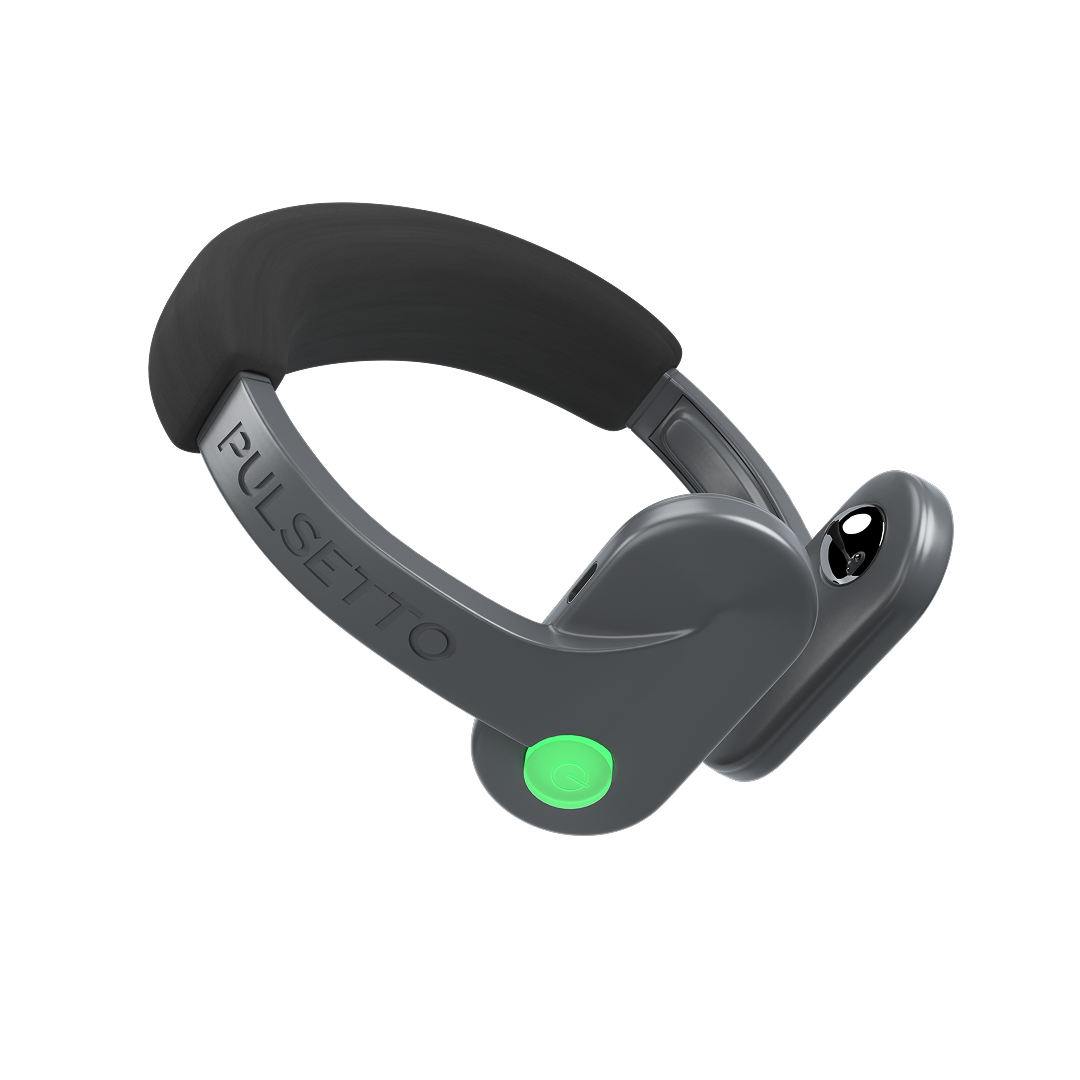
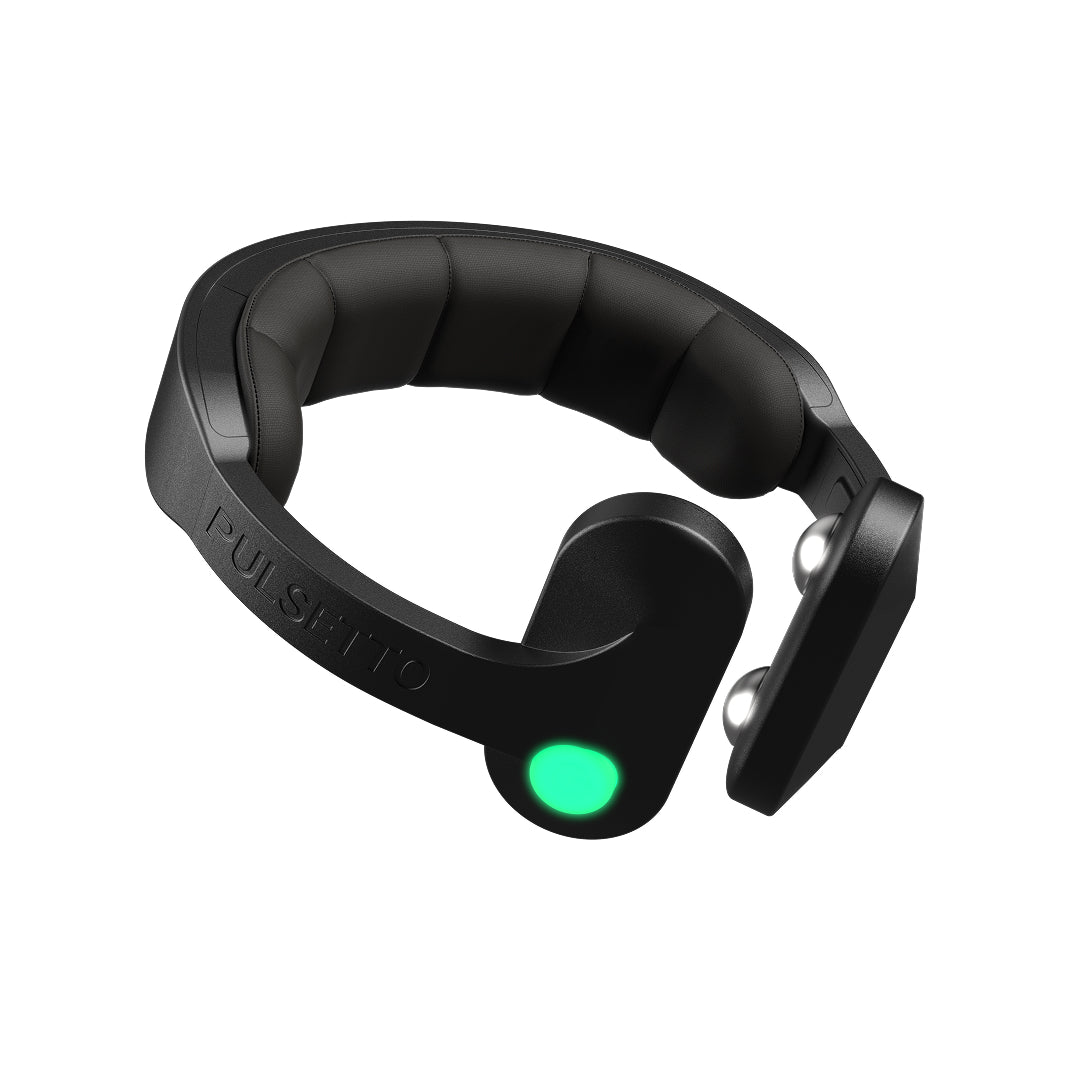
A vagus nerve stimulator is built specifically for the stress fitness side of this comparison. Instead of talking you down after a stressful moment, it delivers bilateral transcutaneous stimulation to the vagus nerve through the neck, training the shutdown half of the stress response directly instead of waiting for it to strengthen on its own.
A systematic review of transcutaneous auricular vagus nerve stimulation in healthy subjects found consistent improvements in heart rate variability and baroreflex sensitivity, both markers of a stronger parasympathetic brake [6]. In Pulsetto's own pilot study, users reported measurable reductions in perceived stress after regular use.
Real-world usage data adds a second, self-reported layer to that picture. In Pulsetto's own in-app wellbeing check-ins, 73% of users reported lower stress, with the average reported reduction growing from 23% at their two-week check-in to 26% by the next one.
This is also where stress management and stress fitness stop competing for your attention and start working together. A hard week still calls for whatever gets you through it: a walk, a conversation, a night of actual sleep. Training the vagus nerve alongside that doesn't replace any of it. It changes how much the next hard week costs you before it even starts. Try Pulsetto and see whether four minutes a day shifts how quickly your body settles after the moments that used to keep you wound up.
Frequently asked questions
Is stress management a waste of time if I'm doing stress fitness training?
No. Stress fitness changes your baseline capacity over weeks, but it doesn't eliminate the need for in-the-moment relief when something genuinely stressful happens. The two complement each other; neither one replaces the other.
How long does it take to build stress fitness?
Most people notice a shift within four to eight weeks of consistent practice, whether that's structured nervous system training, graduated exposure work, or daily vagus nerve stimulation. This is slower than stress management's minutes-to-hours timeline because it targets an underlying capacity instead of a single moment's feeling.
Is Pulsetto FDA approved?
Pulsetto is registered as a general wellness device, which is the FDA category for products that don't make specific medical claims. It is CE certified for sale in the EU and follows applicable electrical safety standards. It is not a medical device and is not intended to diagnose, treat, cure, or prevent any disease.
Who shouldn't use a vagus nerve stimulator like Pulsetto?
People who are pregnant, have a pacemaker or other implanted electronic medical device, have a diagnosed seizure disorder, or have a known vagus nerve condition should talk to a doctor before using any vagus nerve stimulation device. The same applies to anyone currently being treated for a cardiac arrhythmia.
Can I do stress management and stress fitness training on the same day?
Yes. They're not in tension with each other. A breathing exercise before a stressful meeting and four minutes of vagus nerve stimulation later that evening address two different layers of the same system, and doing both on the same day is standard practice.
Scientific research
[1] Regular exercise is associated with emotional resilience to acute stress in healthy adults (Childs & de Wit, 2014, Frontiers in Physiology, 242 citations)
[2] The effects of exercise intensity on the cortisol response to a subsequent acute psychosocial stressor (Caplin et al., 2021, Psychoneuroendocrinology, 129 citations)
[3] Seeding Stress Resilience through Inoculation (Ashokan et al., 2016, Neural Plasticity, 66 citations)
[4] Physiological aspects of hormesis (Kawamoto et al., 2025, Progress in Brain Research, 3 citations)
[5] The effect of heart rate variability biofeedback training on stress and anxiety: a meta-analysis (Goessl et al., 2017, Psychological Medicine, 503 citations)
[6] A systematic review of the effects of transcutaneous auricular vagus nerve stimulation on baroreflex sensitivity and heart rate variability in healthy subjects (Soltani et al., 2023, Clinical Autonomic Research)