What Is Migraine Postdrome?

Postdrome is the final phase of a migraine attack. It begins after the main head pain has improved or ended and can leave people feeling foggy, drained, nauseous, and sensitive long after the intense pain has passed. The AMF notes that postdrome is part of the migraine attack itself, not simply a reaction to pain. People commonly call it a migraine hangover because the aftermath can feel recognizable in how wiped out and unlike themselves they feel.
Why Is Postdrome Called a Migraine Hangover?
The term migraine hangover describes the experience well. After an attack, the brain and body are still recovering from a significant neurological event, which can leave a person feeling mentally slow, physically sore, and sensitive to sensory input. It has no connection to alcohol. The name simply reflects how disruptive and familiar that post-attack exhaustion feels to the people who experience it.
How Long Can Postdrome Last?
Duration varies from person to person and even between attacks. Some people feel better within a few hours of the pain ending, while others notice symptoms persisting for one or more full days. AMF notes that postdrome can last hours or several days, which means allowing time for recovery is reasonable rather than pessimistic.
Common Migraine Hangover Symptoms
Migraine hangover symptoms can affect the body, the mind, and the senses all at once. AMF lists fatigue, nausea, light sensitivity, dizziness, body aches, and difficulty concentrating as common postdrome symptoms. Mood changes, neck tension, and brain fog are also frequently reported. Knowing what to expect can help people stop questioning why they still feel unwell when the worst pain is over.
Physical Symptoms
The most common migraine hangover symptoms on the physical side include deep fatigue, body aches, neck soreness, nausea, dizziness, and a lingering tenderness around the head that is different from the migraine pain itself. Many people describe feeling like they have run a race they do not remember running. The absence of severe head pain does not mean the body feels anywhere close to normal.
Cognitive and Mood Symptoms
Brain fog is one of the most disruptive aspects of postdrome for many people. It can make it hard to concentrate, follow conversations, read, or make basic decisions. Some people also experience low mood, irritability, or a general sense of emotional flatness during this phase. Work, driving, screen time, and social plans can all feel significantly harder to manage as a result.
Sensory Symptoms
Light sensitivity, sound sensitivity, and smell sensitivity can all continue into the postdrome phase even after head pain has eased. Many people also find screens uncomfortable or overwhelming during this window. Staying in a low-stimulation environment is not weakness. It is an appropriate response to a brain that is still recovering.
What Causes Migraine Postdrome?
The exact cause of the migraine hangover, or postdrome, is not fully understood. AMF explains that it is linked to ongoing changes in brain activity and blood flow that may continue even after the pain phase ends. These are the same neurological processes involved in the broader migraine attack, not a separate event.
Your Brain May Still Be Recovering
Migraine is a neurological event, not just a headache. The brain goes through significant changes during an attack, and it may need time to return to its usual baseline afterward. Postdrome is, in part, that recovery window. Treating it as such, rather than pushing through it, tends to support a faster return to normal.
Postdrome Severity Can Vary
Not every migraine leads to postdrome, and the severity of an attack does not always predict how draining the aftermath will be. AMF notes that a milder migraine can still leave a person feeling significantly drained, while a severe one does not always produce an intense postdrome. Tracking each episode individually is more useful than assuming a consistent pattern.
What to Do First During Migraine Hangover Recovery
The first priority after migraine pain fades is to keep things simple. Water, rest, quiet, gentle food, and low light are the foundations of a sensible migraine hangover recovery plan. Avoid the urge to immediately catch up on tasks missed during the attack. The postdrome phase is still part of the migraine, and the body needs care just as it did during the main pain phase.
Drink Water and Replenish Gently
Sipping water steadily throughout recovery supports the body as it returns to baseline. Adding electrolytes may help if dehydration was a factor in the attack or if food is not yet tolerated. AMF recommends staying well hydrated as the body recovers after a migraine, though hydration alone will not resolve postdrome symptoms for everyone.
Rest Without Guilt
Postdrome is not laziness. It is part of the migraine attack itself, which means rest is part of recovery, not avoidance. Reducing tasks, lying down when needed, taking regular breaks, and avoiding overcommitment during this window are all reasonable responses to an ongoing neurological event.
Eat Small, Nutritious Meals
If nausea allows, gentle foods can help stabilize blood sugar and give the body some fuel for recovery. Soup, oatmeal, toast, eggs, rice, bananas, and smoothies are commonly well tolerated. AMF recommends nutritious meals and additional sleep during postdrome recovery, so eating when possible is worth prioritizing even when appetite is low.
Reduce Screens, Light, and Noise
Continuing to limit sensory input during postdrome helps prevent symptoms from spiking again. Dim lighting, quiet rooms, sunglasses if needed, and screen breaks all reduce the load on a brain that is still recovering. AMF notes that some people report fewer and shorter postdrome experiences when they actively avoid electronic devices during this phase.
Drug-Free Ways to Support the Nervous System After a Migraine
Postdrome is a good window to focus on calming the body and reducing stimulation rather than returning to regular activity. AMF mentions calming practices such as yoga, meditation, sleep, and relaxation techniques as possible supportive habits during this phase. Non-invasive vagus nerve stimulation is another option some people include as part of their migraine hangover recovery to support nervous system balance.
Try Slow Breathing or Meditation
Slow, exhale-focused breathing can help the body shift out of a heightened state after an attack. Sit or lie comfortably, breathe in for four counts, and breathe out slowly for six. There is no pressure to do this perfectly. A quiet space and a few minutes of deliberate breathing is enough to start.
Use Gentle Movement Only If It Feels Right
Light stretching, gentle yoga, or a short slow walk may feel supportive during postdrome for some people. For others, any movement worsens symptoms. The practical rule is simple: if it feels wrong, stop. Intense exercise should be avoided until all postdrome symptoms have fully cleared.
Consider Vagus Nerve Stimulation for Migraine Support
The vagus nerve plays a central role in the parasympathetic system, which governs the body's rest-and-digest response. Supporting it non-invasively may help shift the body toward a calmer state when it feels overstimulated after a migraine. Those already incorporating vagus nerve stimulation for migraines into their care routine may find postdrome a particularly relevant window to use it.
How Pulsetto May Fit Into a Postdrome Recovery Routine
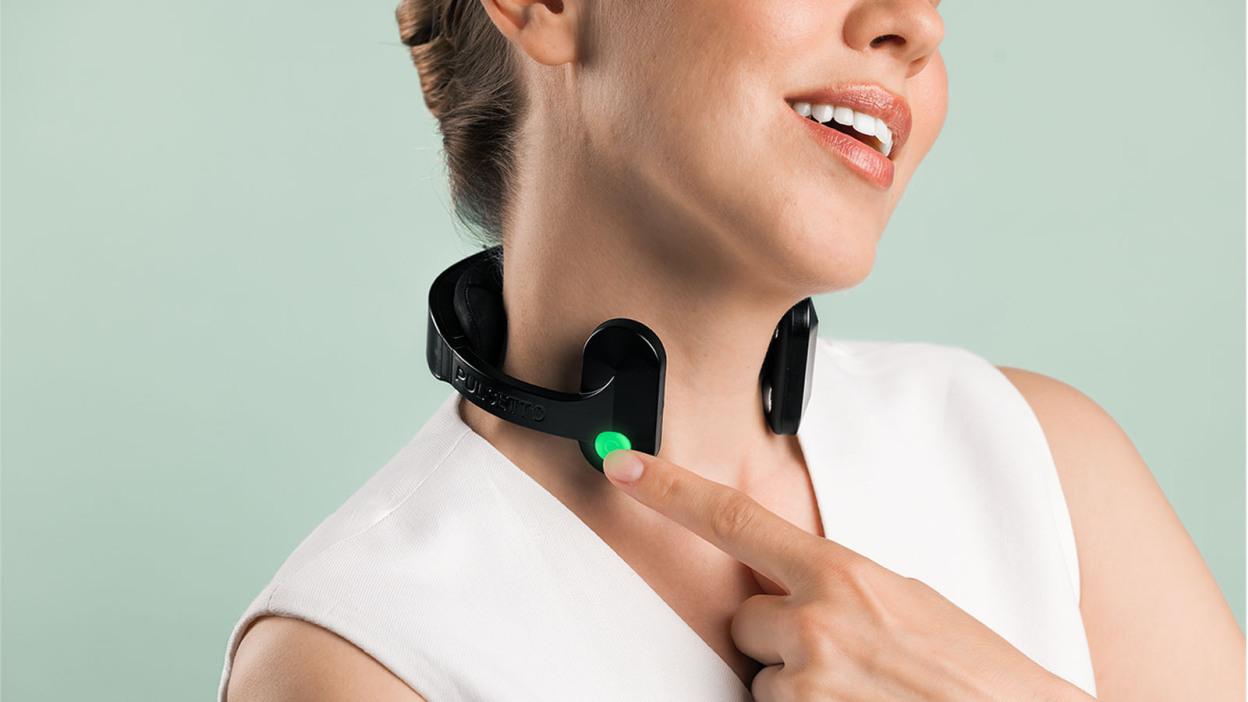
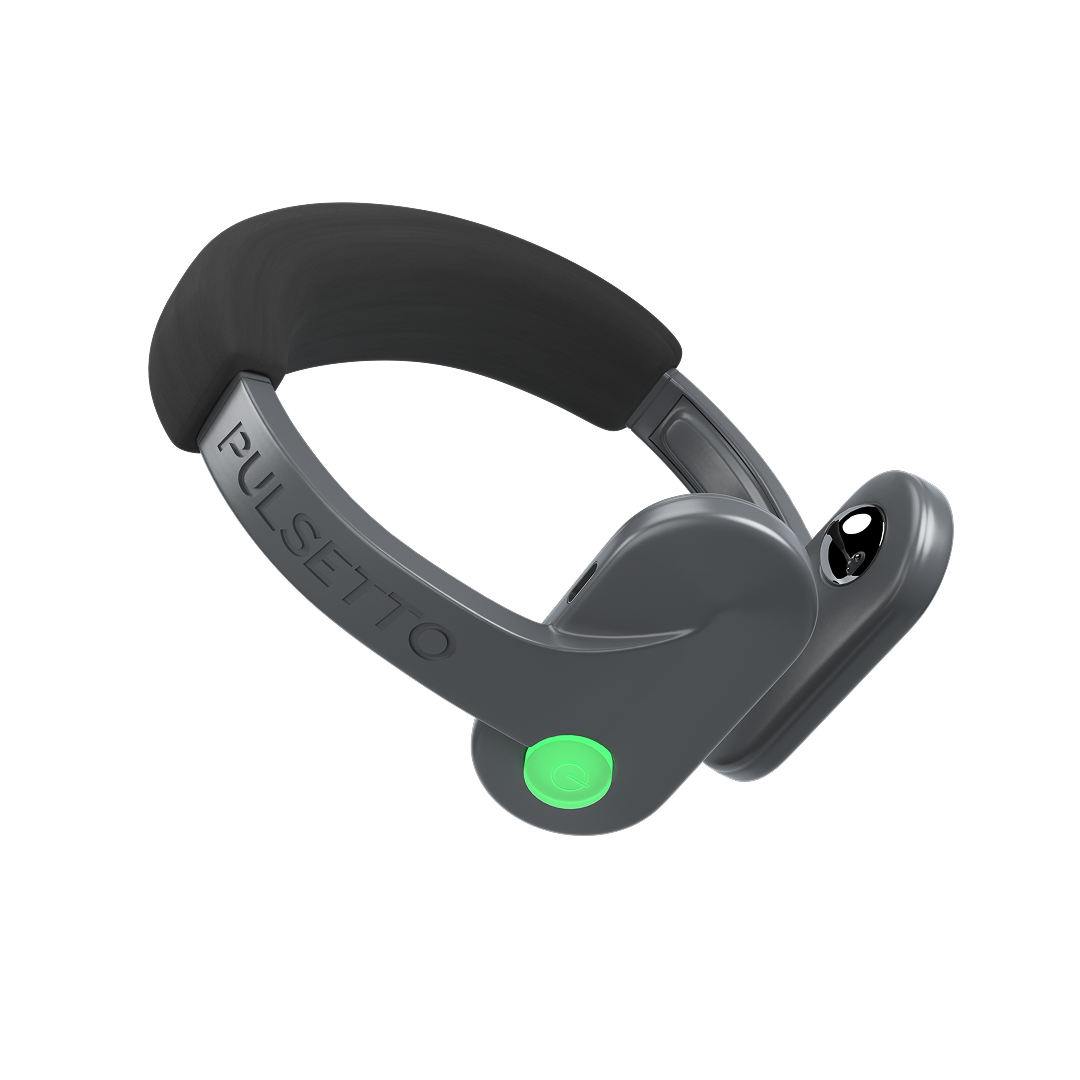
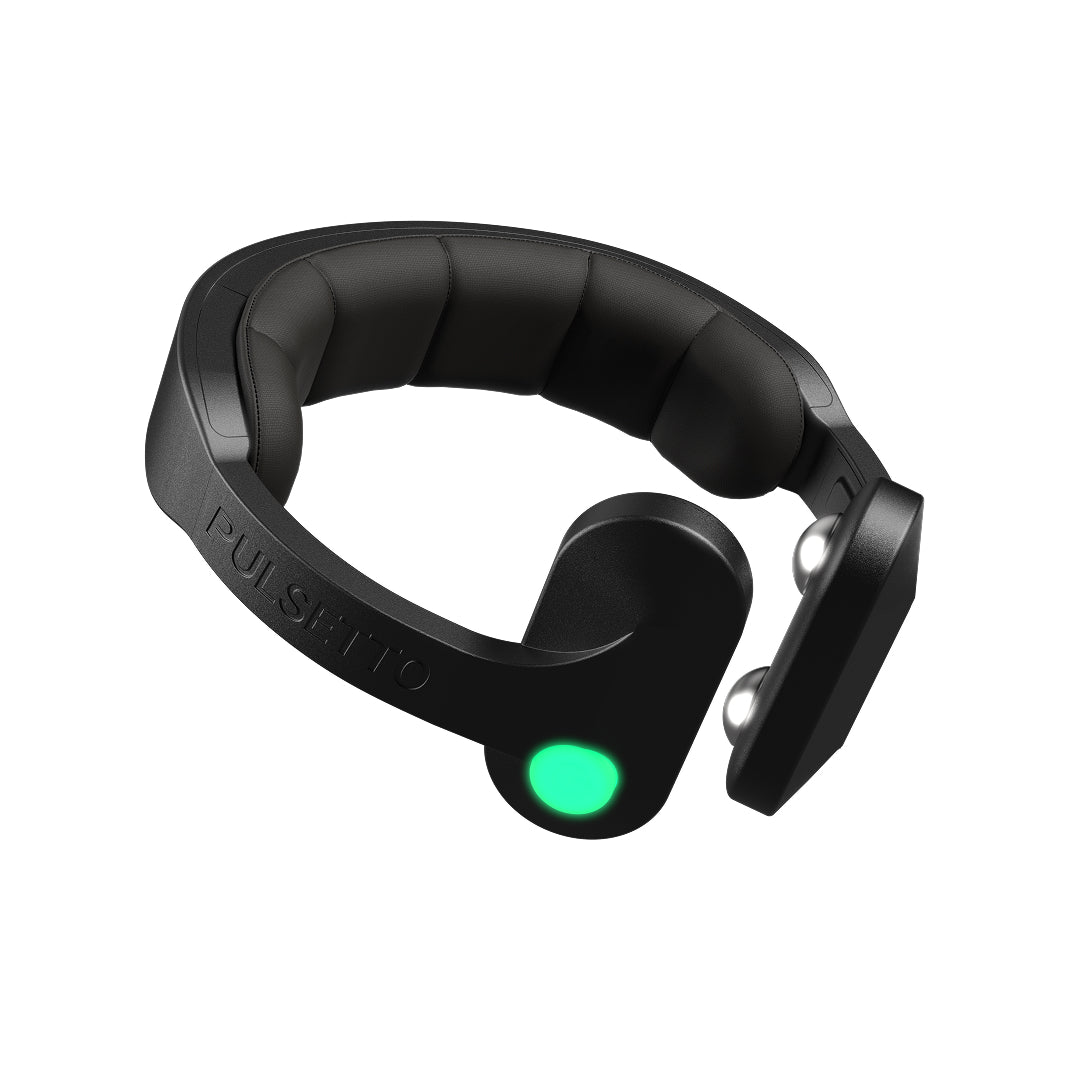
Pulsetto is a wearable neck device that uses non-invasive electrical pulses to stimulate the vagus nerve through the skin. It is designed to support relaxation and nervous system calming as part of a daily wellness habit, and it should not replace medical care, prescribed medication, or advice from a headache specialist. For people managing a migraine hangover, the low-effort, wearable format makes it a practical option during a phase when most people want to do as little as possible.
Pulsetto is a general wellness device and is not intended to diagnose, treat, cure, or prevent any disease or medical condition. Adding vagus nerve stimulation to help relieve pain to a migraine care plan works best when introduced alongside guidance from a headache specialist.
Why a Wearable Approach Can Be Useful During Postdrome
During postdrome, many people feel nauseous, fatigued, and light-sensitive, which makes taking additional oral supplements or medications less appealing. A wearable device that delivers gentle stimulation while the person rests quietly in a dark room adds no extra sensory load and fits naturally into a low-effort recovery environment.
What to Avoid During Postdrome
Returning to normal activity too quickly is one of the most common ways postdrome gets extended. AMF notes that avoiding known migraine triggers during this phase may reduce its likelihood, duration, or severity, and may help prevent another full attack. A migraine hangover is still a vulnerable window, and the body benefits from being treated with care accordingly.
Do Not Push Through Too Soon
Postdrome is the final stage of the migraine, not the aftermath of it. Rushing back into intense work, exercise, or social commitments before symptoms have cleared can extend recovery time or trigger a rebound attack. Returning to normal activities gradually is both safer and, for most people, faster overall.
Avoid Known Migraine Triggers
This is not the moment to test personal limits. Skipping meals, poor sleep, bright lights, loud environments, stress, and personal food triggers can all extend postdrome or spark another attack. Tracking personal triggers over time makes it easier to know which ones need the most protection during recovery.
Be Careful With Screens and Workload
Shorter work blocks, regular breaks, dim screen settings, and audio alternatives where reading feels difficult are all practical adjustments during postdrome. Non-urgent tasks are worth delaying. The aim is to keep cognitive and sensory load low until symptoms have fully cleared.
When to Get Medical Help for Migraine Postdrome
Most postdrome experiences are uncomfortable but not dangerous. However, some symptoms require urgent attention. Seek immediate medical care if you notice sudden severe headache unlike anything you have experienced before, weakness, confusion, fainting, vision loss, fever, stiff neck, symptoms following a head injury, or other symptoms that feel very different from your usual pattern.
Anyone whose migraine attacks are becoming more frequent, more disabling, or whose postdrome is lasting significantly longer than usual should speak with a healthcare professional.
Signs You Should Not Ignore
-
A sudden headache that feels like the worst pain you have ever had
-
Confusion, slurred speech, or difficulty understanding others
-
Weakness or numbness on one side of the body
-
Vision loss or sudden significant changes in vision
-
Fever combined with a stiff neck
-
Headache following a head injury or fall
-
Symptoms that feel very different from your usual migraine pattern
These situations may require urgent medical evaluation. When in doubt, seek care promptly.
Why a Headache Specialist Can Help
A headache specialist can identify migraine patterns, assess postdrome severity, and build a treatment plan that addresses the full migraine cycle rather than just the pain phase. AMF recommends working with a headache specialist to better understand personal migraine experiences and patterns, particularly for people with frequent or disabling attacks.
Ready to Make Postdrome Recovery Feel More Manageable?
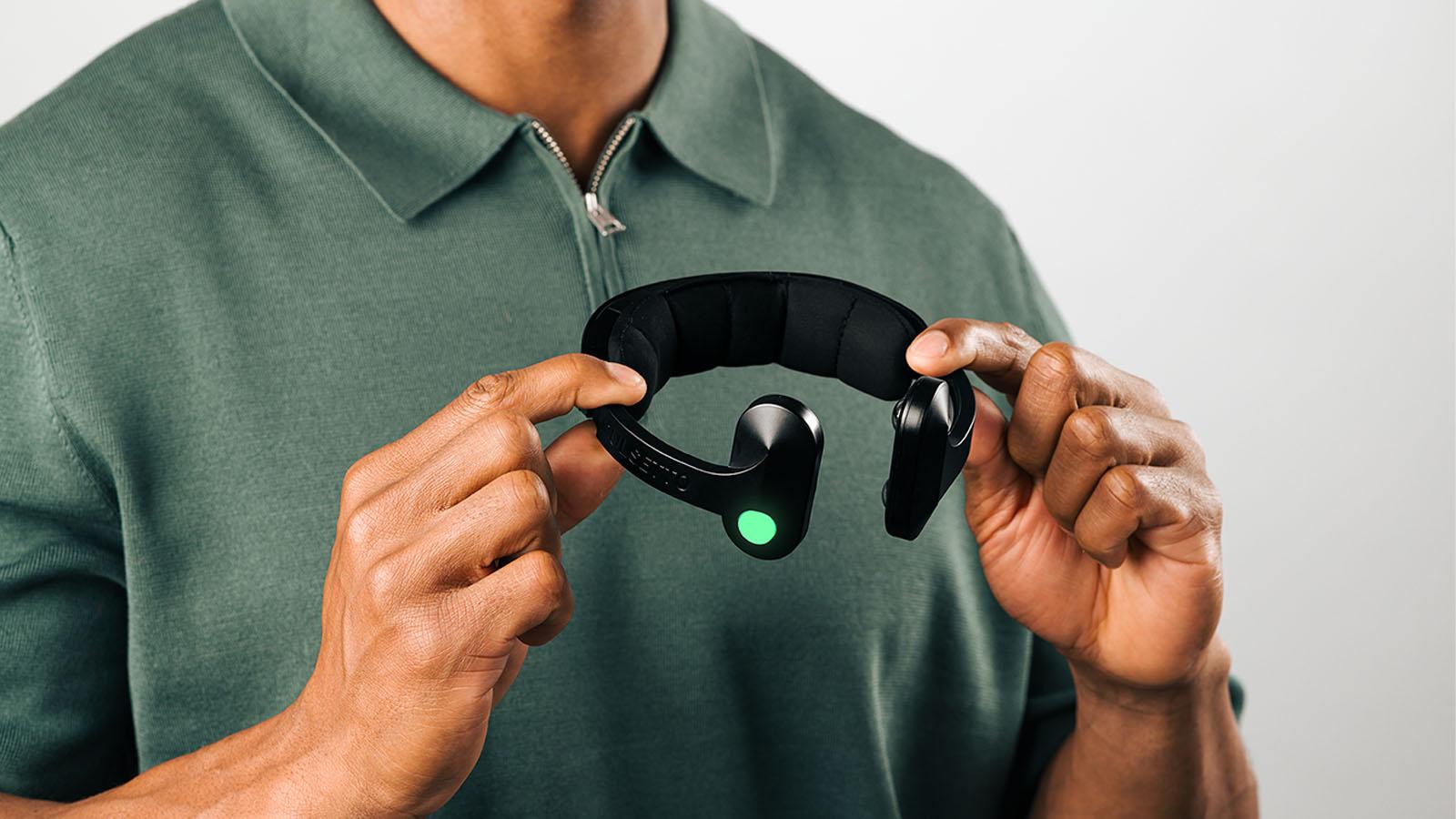
Managing a migraine hangover takes patience, low stimulation, and consistent care. Pairing rest, hydration, gentle food, low light, and trigger tracking with a nervous system calming tool can give the body the conditions it needs to recover more comfortably. Pulsetto is a drug-free wearable designed to support relaxation and autonomic balance as part of a daily wellness habit, and it fits naturally into a low-effort postdrome routine.
With that in mind, Pulsetto is a general wellness device and is not intended to diagnose, treat, cure, or prevent any disease or medical condition. Combining it with guidance from a healthcare professional gives the most complete approach, especially for anyone managing frequent or severe migraines. That real-world balance comes through in what Pulsetto users report and their reviews, where most describe pairing it with rest and professional guidance as part of a consistent postdrome routine.
Migraine Hangover FAQs
These questions cover common concerns about migraine postdrome, including migraine hangover symptoms, duration, recovery strategies, and nervous system support.
Why do I feel exhausted after a migraine?
Exhaustion after a migraine is a core part of postdrome, the final phase of a migraine attack. The brain goes through significant neurological changes during an attack, and the fatigue afterward reflects the body working to return to baseline. For many people, exhaustion is one of the most disruptive migraine hangover symptoms they experience across the full attack cycle.
Can postdrome happen without severe migraine pain?
Yes. Postdrome can follow even milder attacks. AMF notes that migraine severity does not always predict postdrome intensity, so a person may experience significant fatigue, brain fog, or nausea even after a migraine that was less painful than usual.
What helps postdrome go away faster?
Rest, hydration, gentle food, low light, limited screens, and calm surroundings are the most consistent supports. AMF notes that avoiding known triggers during postdrome may also help reduce its duration. There is no shortcut, but reducing stimulation and meeting the body's basic needs tends to support the fastest natural recovery from a migraine hangover.
Should I rest during a migraine hangover?
Yes. Postdrome is still part of the migraine attack, and rest is part of recovery rather than avoidance. Treating the migraine hangover with the same care as the pain phase supports faster overall recovery. Pushing through too soon is one of the most common reasons migraine hangover symptoms last longer than they need to.
Can vagus nerve stimulation support migraine recovery?
Non-invasive vagus nerve stimulation is a drug-free neuromodulation approach that some people include as part of their migraine care routine. It may help support nervous system calming and parasympathetic activation during the post-migraine recovery window. It is not a replacement for medical treatment, and anyone managing frequent migraines should speak with a headache specialist about appropriate care options.