30+ Long Haul Flight Essentials Checklist
1. Comfort Essentials for Long Plane Rides
When it comes to long plane ride essentials, comfort is not optional. It is the foundation of how you feel when you land. Hours of sitting compress the spine, slow circulation, and increase swelling in the legs and feet. For true essentials for long haul flights, posture support and blood flow should be the priority.
Neck pillow. Memory foam versions outperform inflatable options because they mold to your neck and prevent your head from dropping forward. Proper neck alignment reduces strain and improves your chances of sleeping upright.
Compression socks. Prolonged sitting slows venous return, increasing lower-leg swelling and raising the risk of deep vein thrombosis on long routes. Graduated compression socks help maintain circulation and reduce fatigue.
Oversized scarf or travel blanket. Cabin temperatures fluctuate. A large scarf doubles as insulation and adds comfort during rest.
Lumbar support cushion. Even a compact inflatable cushion helps preserve spinal alignment and reduces lower back pressure.
Loose clothing layers. Tight waistbands restrict circulation, while breathable layers adapt to cabin changes.
Slip-on shoes. Slip-on shoes accommodate foot swelling and make movement easier.
Among the best things for long flights, protecting posture and circulation delivers the biggest comfort return.
2. Sleep and Overnight Flight Essentials
Strong overnight flight essentials do more than block light and noise. Crossing time zones disrupts your circadian rhythm, and the airport environment keeps your nervous system alert long after boarding. Without intentional downregulation, your body may resist sleep even when the cabin lights dim. The right travel essentials for long flights help create conditions where real rest becomes possible.
Contoured eye mask. A 3D contoured design creates complete darkness without pressing against your eyelids. This improves comfort and allows longer, uninterrupted wear compared to flat masks.
Noise-canceling headphones. Active noise cancellation reduces the low-frequency engine hum that standard earplugs cannot fully eliminate, creating a quieter sleep environment.
Earplugs. A high-NRR foam pair works as backup or layered protection when you want maximum sound reduction.
Melatonin. When appropriate and taken at your destination’s bedtime, a low dose can help shift your internal clock toward the new time zone. It works best when paired with darkness and limited screen exposure.
Wind-down routine. Among the most overlooked essentials for a long flight, this includes dimming screens, slowing your breathing, and reducing stimulation before takeoff. Nervous system downregulation improves sleep quality by signaling the body that it is safe to rest.
For deeper optimization, explore curated options among the best sleep devices designed to support restorative sleep at home and while traveling.
3. Stress and Nervous System Regulation
A standard packing list becomes truly complete when it addresses physiology. Airports elevate cortisol, and crowds, turbulence, and cabin noise keep the nervous system on alert. Over long flights, this leads to exhaustion and poor sleep. Modern long-haul essentials now include tools that directly regulate the nervous system.
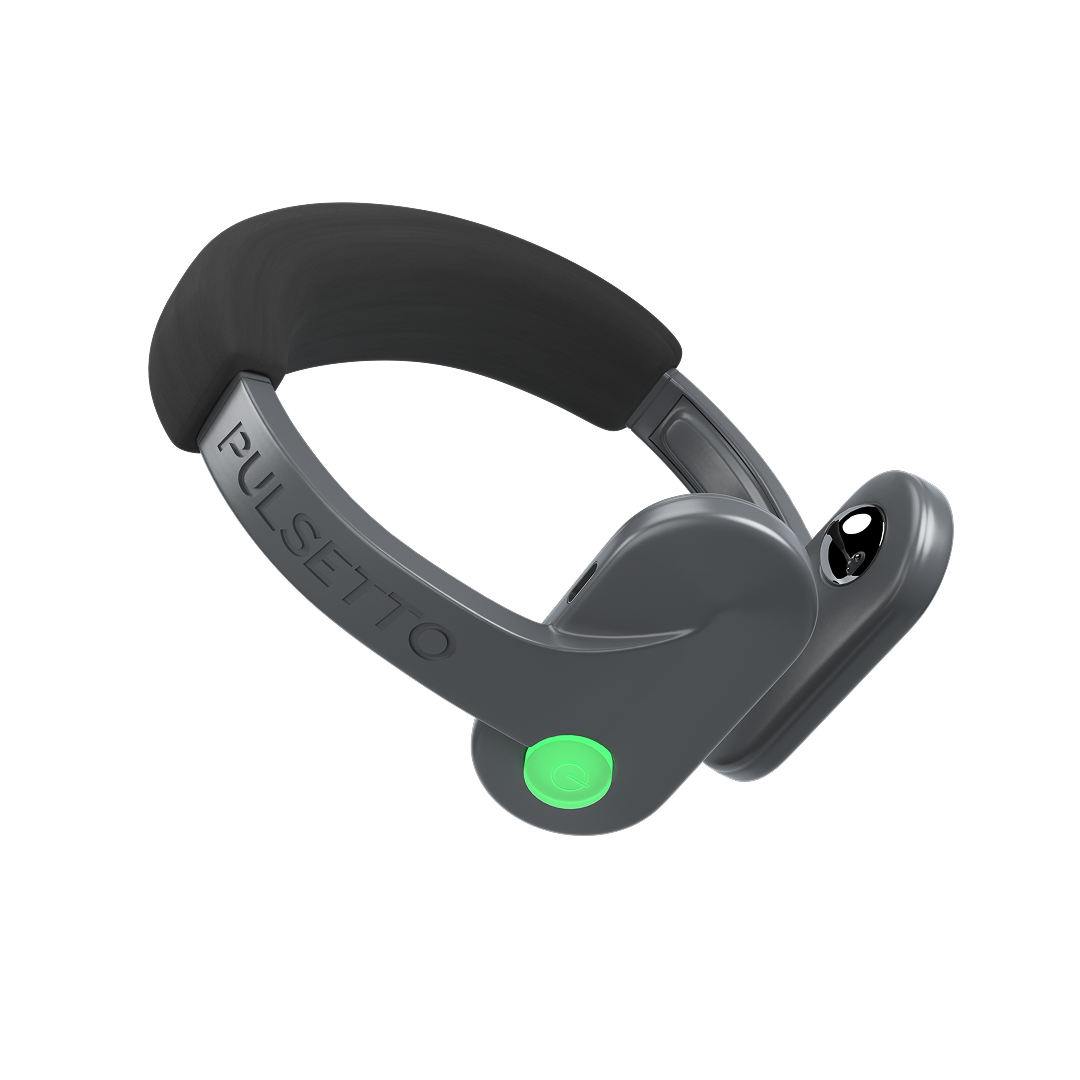
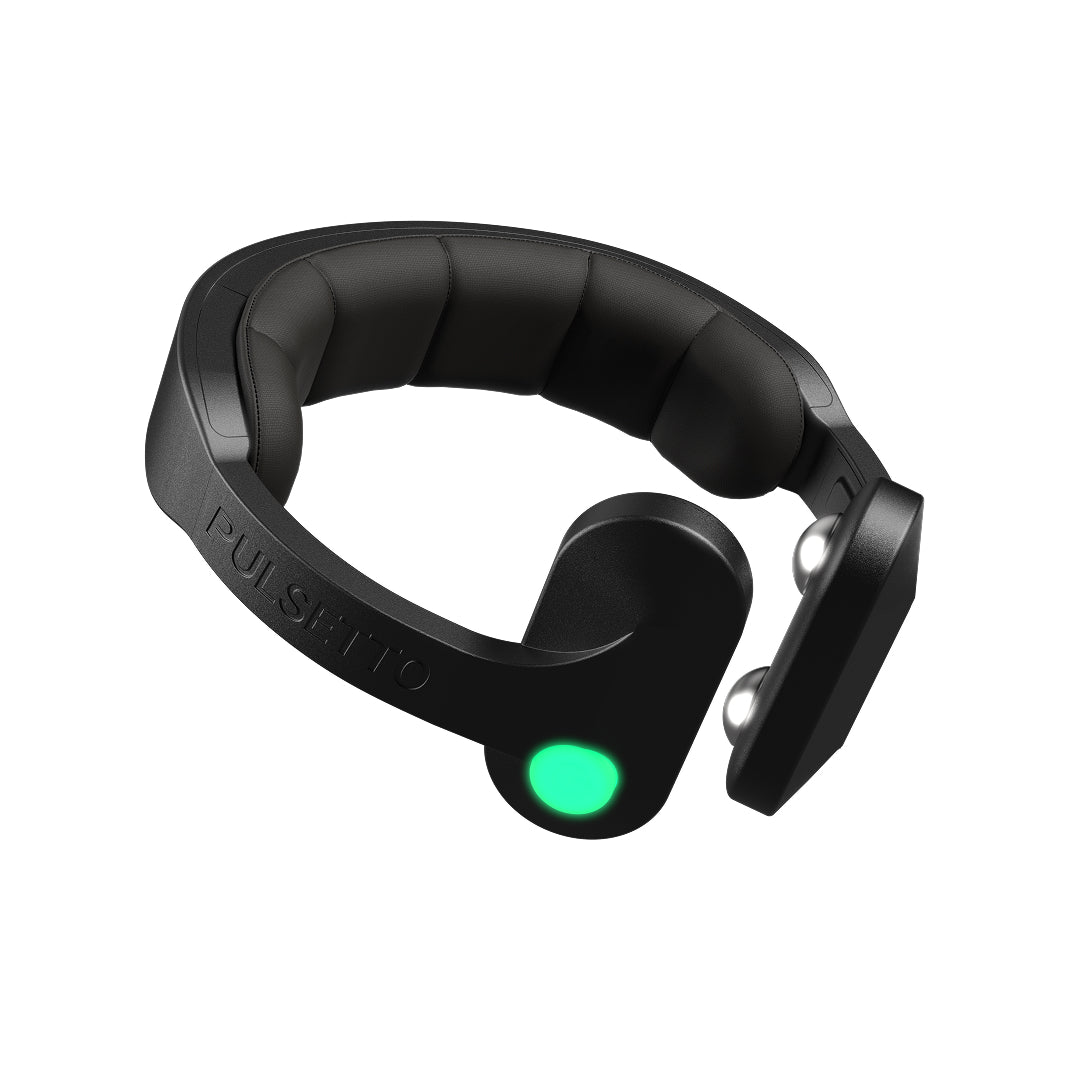
Pulsetto Vagus Nerve Stimulator - it's a wearable device worn around the neck that delivers gentle, app-controlled electrical pulses to the vagus nerve. Sessions run four to ten minutes. The sensation is a mild tingling, and most users feel a shift toward calm within a single session. By activating the parasympathetic nervous system, Pulsetto counters the cortisol-driven stress response that builds during airports and long flights. Use it during boarding, at cruising altitude before sleep, and after landing. The companion app includes programs for stress, sleep, burnout, and anxiety. It fits in a dedicated travel case that keeps everything organized in your carry-on. A quick note: consult your healthcare provider before use if you have low blood pressure or cardiac conditions.
Explore the best stress relief products for additional portable options that complement this approach.
4. Carry-On Essentials for Long Flights
Smart carry on essentials for long flights protect your energy, hydration, and focus from takeoff to landing. Cabin humidity typically drops to 10–20 percent, far below normal indoor levels. That dry air accelerates dehydration, dries skin and nasal passages, and contributes to headaches and fatigue that worsen jet lag. Choosing the right long flight essentials helps counter these effects directly.
Hydration bottle. Bring it empty through security and refill it at the gate. Aim to sip regularly throughout the flight instead of relying only on cabin service.
Electrolytes. Water alone is not always enough. Electrolyte tablets or powder help maintain fluid balance and reduce brain fog linked to dehydration.
Protein-focused snacks. Nuts, protein bars, or jerky stabilize blood sugar better than refined, high-carb airline meals and prevent mid-flight energy crashes.
Skincare kit. A compact moisturizer and lip balm reduce dryness caused by low humidity and make you feel more comfortable on arrival.
Toothbrush and toothpaste. Freshening up mid-flight improves alertness and helps reset your body clock on longer routes.
Hand sanitizer and wipes. Quick surface cleaning adds a layer of protection in high-contact areas.
Power bank. Not all seats have reliable charging ports, so a backup battery ensures your devices last the entire journey.
Knowing what to bring on long flight routes turns your carry-on into a functional recovery kit rather than just storage.
5. Productivity and Entertainment Essentials
The best travel essentials for long flights include a clear plan for the hours you are not sleeping. Without structure, mental fatigue builds quickly. Sensory overload, limited movement, and lack of control can drain focus faster than actual work. Smart long flight travel essentials help you stay engaged without exhausting your brain.
Tablet or Kindle. Lighter than a laptop and easier on your neck than leaning toward a seatback screen, these devices make reading or watching content more comfortable.
Downloaded content and offline work setup. In-flight Wi-Fi is inconsistent. Download movies, podcasts, documents, and key files before boarding so you are not dependent on connectivity.
Blue light glasses. Extended screen exposure suppresses melatonin and can make it harder to sleep later in the flight. Blue light blockers reduce that impact and support smoother transitions into rest.
Notebook. Long flights provide uninterrupted time for journaling, planning, or creative thinking without digital distraction.
Stretch timer reminder. Setting an alarm every 60-90 minutes encourages brief movement breaks, reducing stiffness and helping prevent mental fatigue.
Used intentionally, these tools turn downtime into productive recovery instead of cognitive overload.
6. Health and Circulation Must-Haves for Long Distance Flights
Smart long distance flight essentials protect circulation and reduce stiffness during hours of limited movement. Sitting for extended periods slows blood flow, tightens hip flexors, and increases lower back pressure. The right airplane essentials for long flights help counter these effects without requiring special equipment or space.
Mini stretching routine. Simple movements such as ankle rolls, seated spinal twists, shoulder circles, and neck tilts can be performed in your seat. Pair them with a timer to stay consistent.
Magnesium spray. Applied to calves or shoulders, magnesium can help relax tight muscles and reduce restlessness that interferes with sleep.
Resistance band. A lightweight band fits easily in a carry-on and allows deeper stretching during standing breaks, especially for hips and hamstrings.
Regular standing breaks. Walking the aisle every 60–90 minutes restores circulation and reduces prolonged spinal compression.
Breathwork. Slow breathing with a longer exhale than inhale activates the vagus nerve and lowers stress. That's why external vagus nerve stimulation can be a complementary support to breathwork. When combined with structured practices or supportive meditation tools, the calming effect becomes more consistent and easier to sustain mid-flight.
How to Stay Calm on a Long Flight
Staying calm on a long flight is mostly about lowering your body's stress response before it builds — not talking yourself out of anxiety mid-air. These steps work in sequence:
1. Decide your schedule before boarding. Set your watch to destination time and choose when you'll sleep, eat, and watch something. A plan removes the open-ended feeling that fuels restlessness on 10+ hour routes.
2. Slow your exhale. Breathe in through your nose for about four counts and out for six to eight. A longer exhale activates the vagus nerve — your body's main brake on the stress response — and works anywhere, including during turbulence.
3. Cut the noise. Constant cabin roar keeps your nervous system scanning for threat even when you're not consciously anxious. Noise-canceling headphones or high-NRR earplugs remove that input.
4. Give your mind one job. Anxiety thrives on idle scanning. One absorbing task at a time — a downloaded film, a puzzle, a journal — beats switching between five.
5. Move every 60–90 minutes. Stand, walk the aisle, roll your ankles and shoulders. Movement discharges the physical restlessness that builds while sitting still.
6. Regulate the nervous system directly. A 4-minute Pulsetto session at boarding, before sleep, or when turbulence spikes activates the parasympathetic "rest and digest" response instead of relying on willpower alone.
7. Skip alcohol and go easy on caffeine. Both fragment sleep and amplify the jittery, dehydrated feeling that reads as anxiety at altitude.
If flying itself is the trigger — not just the duration — the pre-flight window matters as much as the flight. Arrive early, eat something with protein, and run your first calming session at the gate rather than waiting for the seatbelt sign.
How to Choose the Best Long Haul Flight Essentials
The best options depend entirely on your traveler profile. There is no universal list because no two people experience long haul flights the same way.
Business travelers prioritize functional arrival. Sleep quality and stress regulation are paramount, making noise-canceling headphones and vagus nerve stimulation the core of their kit.
Vacation travelers care more about comfort and enjoying the journey. Comfort essentials, hydration tools, and entertainment options take priority.
Anxious flyers benefit most from the stress and nervous system regulation category. A structured protocol of breathwork and vagus nerve stimulation gives them agency in a situation that can otherwise feel out of their control.
Digital nomads fly frequently enough that cumulative nervous system wear becomes a genuine health concern. Building consistent in-flight rituals protects their wellbeing across many trips.
Red-eye travelers need a sleep-first kit: eye mask, noise-canceling headphones, timed melatonin, and a vagus nerve stimulation session at takeoff to begin downregulation early. The goal is to land as close to rested as possible.
Why Nervous System Regulation Is the Missing Travel Essential
Most long haul packing lists focus on comfort, hydration, and entertainment. Few address the deeper physiological impact of travel stress. Airports, time zone shifts, poor sleep, and sustained alertness elevate cortisol for hours at a time. That stress response does not stop when the plane lands. Ongoing elevation of stress hormones can affect immune resilience, which helps explain why frequent flyers often feel run down after trips.
Sleep disruption adds another layer. Fragmented rest increases inflammation and delays full recovery, even after returning home. Digestive discomfort during flights is also common. Changes in cabin pressure, disrupted routines, and stress influence gut function, which is closely connected to vagal tone and the gut-brain axis.
The vagus nerve is a central pathway of the parasympathetic nervous system. It helps regulate stress response, digestion, and the transition into restorative sleep. Supporting vagal tone during travel can encourage a calmer physiological state rather than prolonged fight-or-flight activation.
Portable nervous system tools such as Pulsetto offer a practical way to support this shift. By promoting parasympathetic activation in short sessions, travelers can address stress at its root and arrive feeling more balanced without relying solely on comfort accessories.
Frequently Asked Questions
What are the most important long haul flight essentials?
The essentials fall into four categories: comfort, sleep, hydration, and stress regulation. Comfort includes a neck pillow, compression socks, and lumbar support. Sleep requires an eye mask and noise-canceling headphones. Hydration means water, electrolytes, and protein snacks. Stress regulation involves breathwork and a portable vagus nerve stimulator.
What should I bring on a 10-plus-hour flight?
On flights over ten hours, prioritize sleep and physical wellbeing. Compression socks become essential. Create a full in-seat sleep setup with an eye mask, earplugs or noise-canceling headphones, timed melatonin, and vagus nerve stimulation. Stay structured with hydration and protein snacks, treating the cabin as a recovery space.
How do you survive an overnight long flight?
Set your watch to destination time before takeoff and align your routine accordingly. If it’s nighttime there, start winding down during boarding. Avoid bright screens, use an eye mask and headphones after takeoff, and run vagus nerve stimulation at cruising altitude. Skip alcohol and get natural light on arrival.
How can I reduce anxiety during long flights?
Flight anxiety stems from a physiological stress response, so regulate the nervous system rather than relying on willpower. Use slow breathing with extended exhales to activate the vagus nerve. Vagus nerve stimulation with Pulsetto can enhance parasympathetic activation. Add a structured routine and noise-canceling headphones. Repetition builds resilience.