Why Your Brain Feels So Busy at Bedtime

It often feels like racing thoughts wait specifically for the lights to go out before they get louder. This happens because the constant noise, tasks, and distractions of the day finally disappear at night, leaving your brain completely alone with unresolved stress, lingering anxiety, and elevated cortisol levels. When you work late, stare at stimulating screens, or jump straight from an unfinished task list into bed without a transition period, your mind remains stuck in a high-alert processing state.
A busy brain at night is an incredibly common experience, not a personal failure. Without intentional moments of quiet during the day, your mind simply saves its mental processing for the first quiet moment it gets, which happens to be when your head hits the pillow. Recognizing this physical reality is reassuring because it means your brain is just doing its job. You can gently interrupt this cycle by introducing repeatable evening cues that signal to your body that it is finally safe to downregulate and rest.
Stress Keeps the Body in “Fight-or-Flight”
Your thoughts are directly tied to your physiology. When daily pressures pile up, your sympathetic nervous system stays engaged, keeping your heart rate elevated and your mind alert. If your body believes it is under threat, it will deliberately prevent you from falling asleep. To turn your brain off to sleep, you must focus on calming your physical body first, allowing your mental state to follow its lead.
Trying to Force Sleep Can Make You More Alert
One of the biggest mistakes you can make is trying to command yourself to sleep. This pressure creates immediate performance anxiety around bedtime. Watching the clock tick forward triggers a frustrating mental loop of, "If I don't drop off right now, tomorrow will be ruined." Sleep medicine research emphasizes that you cannot force sleep; you can only invite it by creating an environment where your body feels secure enough to let go.
Start With a Brain Dump Before Bed
You think of ways on how to clear your mind for sleep? One of the easiest ways is getting your thoughts out of your head and onto paper. Externalizing your mental clutter proves to your brain that your obligations are safely stored, meaning it can stop actively rehearsing them while you try to rest.
Make a Worry List Earlier in the Evening
Do not wait until you are under the blankets to address your stress. Spend 5 to 10 minutes sitting at a desk or kitchen table earlier in the evening to draft a dedicated worry list. Writing down your anxieties outside of the bedroom helps your mind understand that the bed is reserved exclusively for relaxation.
Turn Each Worry Into One Small Action
Vague anxieties keep the brain locked in a state of hyper-vigilance. To break the loop, look at your list and assign a single, actionable next step to each item. For example, change a broad worry like "I am incredibly stressed about my work project" into a concrete task: "I will draft the introductory email to the team at 9:00 a.m. tomorrow." Defining the very first step satisfies the brain's need to problem-solve, allowing it to relax for the night.
Use Breathing to Tell Your Nervous System It Is Safe
Slow, controlled breathing is the fastest way to communicate directly with your autonomic nervous system. When you consciously alter your breath pattern, you lower your heart rate and trigger parasympathetic activation, which naturally overrides cognitive alertness and teaches you how to turn your brain off to sleep.
Try 4-6 Breathing
This simple, highly effective technique shifts your body away from an alert state:
-
Inhale gently through your nose for a count of 4 seconds.
-
Exhale slowly and completely through your mouth for a count of 6 seconds.
-
Repeat this cycle continuously for 3 to 5 minutes.
When practicing this method to assist clearing your mind for sleep, remember that physical comfort matters far more than keeping perfect mathematical timing. Focus on making the exhalation longer than the inhalation to maximize the calming effect.
Add a Body Scan
Once your breathing settles, transition your focus away from your thoughts by conducting a progressive body scan. Start at your toes, noticing any tightness or discomfort, and slowly move your attention upward through your legs, torso, shoulders, and face. The goal of this exercise is simply to notice where you are holding stress, rather than actively fighting the tension.
Try Cognitive Shuffling When Thoughts Will Not Stop
If your mind continues to replay past conversations or organize future schedules, you can use a technique called cognitive shuffling. Popularized by modern sleep science researchers, this method disrupts internal rumination by forcing the brain to process random, non-threatening mental images, which naturally mimics the chaotic thought patterns that occur right before you drift off.
How to Do Cognitive Shuffling
Choose a base word (e.g., "C-L-O-U-D") and visualize neutral, unrelated items starting with each letter. Once you run out of items for each letter, move on to the next one. Keep the exercise light and low-effort.:
C -> Candle, Camel, Clover, Cactus
L -> Leaf, Lantern, Lizard, Lemon
O -> Ocean, Owl, Onion, Opal
U -> Umbrella, Unicorn, Urn
D -> Dog, Door, Dolphin, Daisy
Why Random Thoughts Can Help
Your brain is naturally wired to stay awake when it is actively processing linear, logical stories or solving complex problems. When you deliberately feed it completely disconnected, neutral imagery, you disrupt those stubborn internal worry loops. This shifts your attention away from pressing daytime anxieties by mimicking the non-linear, chaotic thinking patterns that happen right before you naturally drift off.
It is important to look at this technique as a practical mental tool to try, rather than a guaranteed clinical fix for insomnia. Everyone's mind operates a bit differently, but introducing a stream of light, low-effort images can act as a helpful circuit breaker for an overactive imagination, giving your cognitive control centers a chance to relax and let go for the night.
Create a Wind-Down Routine That Starts Before You Get Into Bed
Your brain cannot instantly shift from a high-stress workday into deep sleep without a clear buffer zone. Establishing a consistent 30 to 60-minute transition period introduces predictable habits that signal to your biological clock that it is safe to downregulate. Incorporating a dedicated wind-down routine is a cornerstone strategy for clearing your mind for sleep. For those interested in optimizing this transition, utilizing the best technology to improve sleep quality can help streamline your evening habits.
Lower Light and Screen Stimulation
Staring at bright smartphones or engaging with stimulating work emails late at night keeps your mental processing speeds high. A non-judgmental approach to media use is best: if you aren't ready to give up electronics entirely, try switching to calm audiobooks, reading physical paper books, practicing light stretching, or listening to ambient music under dim household lighting. This prevents sensory overload and stops you from wondering how to turn off your brain so you can sleep once your head hits the pillow.
Keep the Same Sleep and Wake Times
While your routine does not need to be mathematically perfect every single day, keeping a stable wake time trains your circadian rhythm to anticipate rest. When your internal clock is properly aligned, your body will naturally begin dropping its core temperature and releasing melatonin at the same time each evening, making your mental transition smoother.
Use the Bed Only for Sleep and Rest
In sleep medicine, this concept is known as stimulus control. If you lie awake in bed for more than 15 to 20 minutes feeling frustrated, you must get up. Move to a dimly lit room and engage in a quiet, low-stimulation activity until you feel genuinely drowsy. This prevents your brain from forming a strong subconscious link between your mattress and mental stress, making it easier to learn how to turn your brain off to sleep when you return to bed.
Calm the Body First When Your Mind Feels Too Loud
A racing mind is rarely just a psychological issue; it is almost always anchored by a physically tense body. To clear your mind for sleep, you can use physiological techniques to calm your autonomic nervous system from the "body up." If you experience physical restlessness alongside evening worries, exploring VNS to reduce anxiety can provide valuable insight into how targeting nerve pathways can downregulate systemic tension.
Progressive Muscle Relaxation
To practice this method when you are trying to figure out how to turn off your brain so you can sleep, follow these quick steps directly in bed:
-
Inhale deeply and tightly tense the muscles in your feet for 5 seconds.
-
Exhale completely and release all the tension instantly, noticing the sensation of relaxation.
-
Move upward through your calves, thighs, stomach, hands, shoulders, and jaw, repeating the process for each muscle group.
This brief exercise helps you identify and release subconscious physical tightness that might be fueling your mental alertness.
Gentle Stretching or a Warm Shower
Taking a warm shower or performing basic, restorative stretches before bed serves as an excellent physical cue that the day is over. It helps loosening tight muscles and encouraging your core body temperature to drop as you cool down, which naturally initiates the sleep cycle.
Vagus Nerve Support Before Sleep

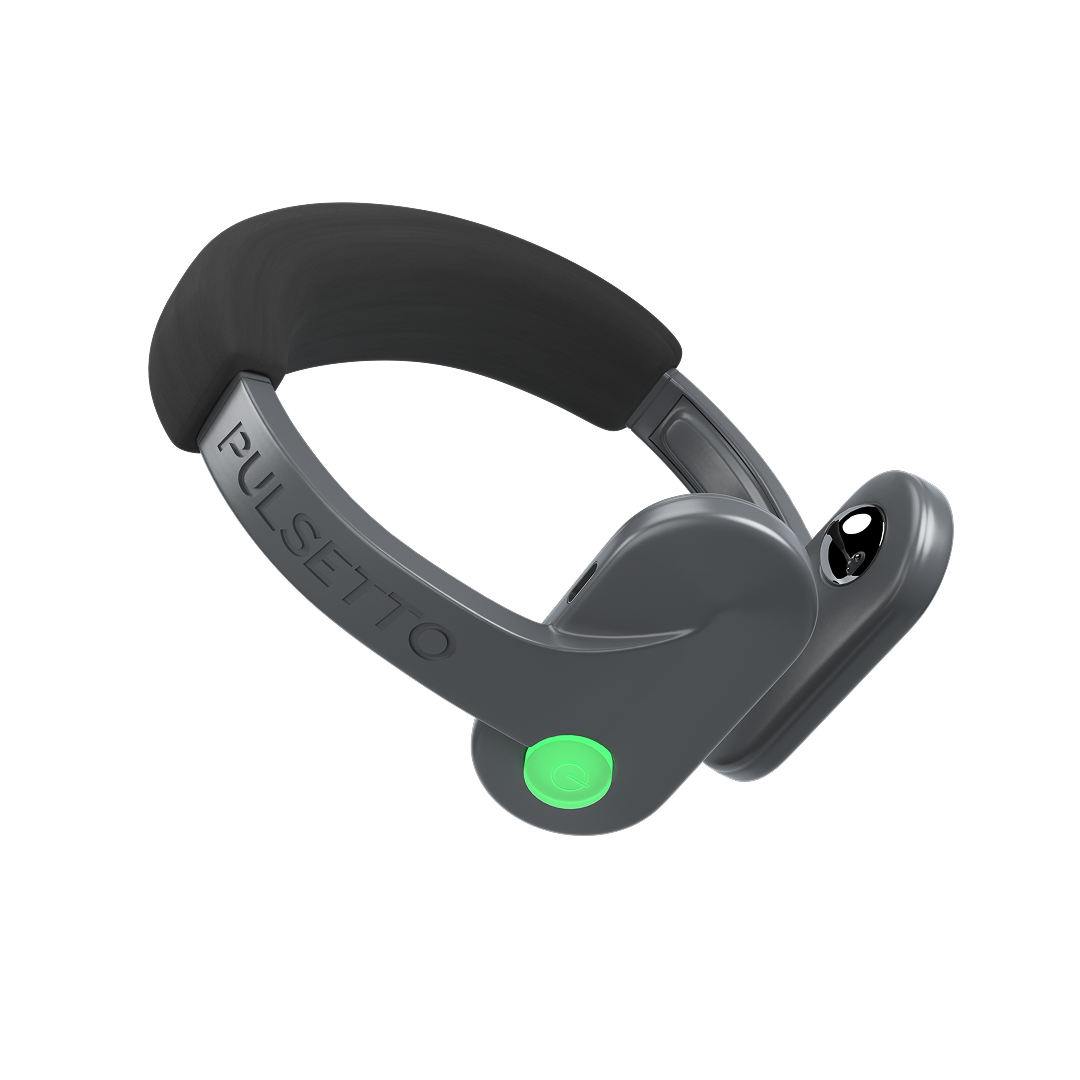
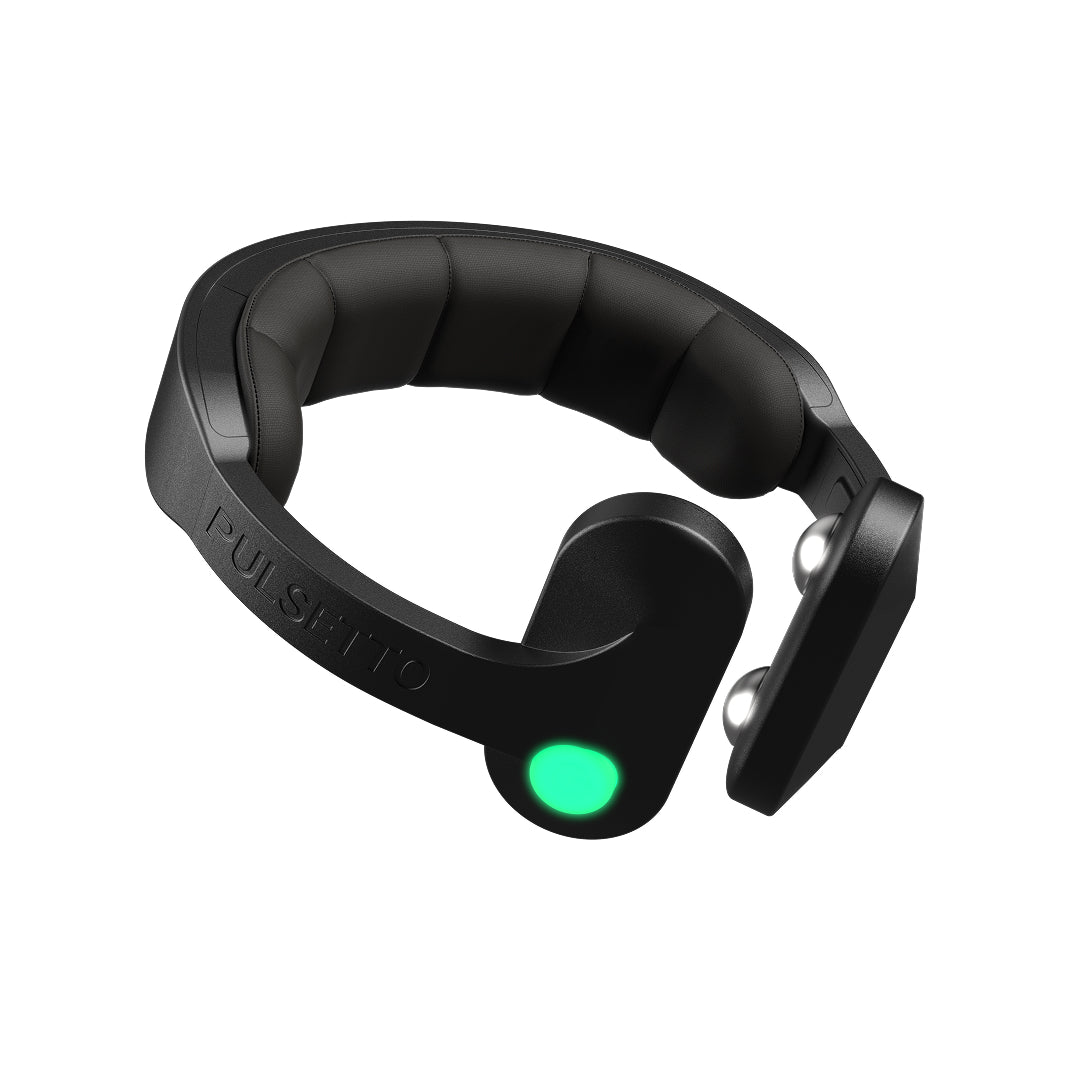
The vagus nerve serves as the primary communications highway for your parasympathetic nervous system, acting as the physical brake pedal for your heart rate and stress responses. When you support this nerve pathway, you make it much easier to transition out of a high-alert state. Incorporating non-invasive VNS through a wearable device like Pulsetto into your pre-bed routine allows you to target these physiological pathways directly, helping you discover how to turn your brain off to sleep by shifting your body into a calm state before rest.
Adjust Daytime Habits That Make Nighttime Thoughts Worse
A chaotic night is frequently the result of an unmanaged day. Learning how to clear your mind for sleep requires taking a brief look at your daily habits to make sure you aren't accidentally sabotaging your evening recovery.
Set a Caffeine Cutoff
Because caffeine can remain active in your bloodstream for many hours after your last sip, establish a firm afternoon cutoff time. This helps sensitive individuals avoid chemical alertness that can cause an overactive mind at bedtime.
Get Morning Light and Movement
Stepping outside for a short walk or catching natural daylight soon after waking up helps lock your circadian rhythm in place. This daytime movement builds up healthy sleep pressure, ensuring your body is physically tired and ready for rest when the evening arrives.
Give Your Mind Time to Process Before Bed
If you spend your entire day running from one task to the next without a single pause, your brain will naturally save its required processing time for when you finally lie still in bed. To stop this from happening, build small processing gaps into your day. Take a quiet walk without your phone, spend five minutes journaling after work, or use voice notes to externalize your thoughts before dinner. This ensures you can successfully practice clearing your mind for sleep without a day's worth of mental backlog arriving all at once.
When Sleep Tech Can Help Clear Your Mind
Modern wellness devices can be incredibly supportive when they are used to reinforce healthy behavioral habits. If you are struggling with chronic bedtime tension, finding the right tool can help you automate your relaxation process. When searching for solutions, looking into the most reliable sleep tech brands will ensure you select a device that aligns safely with your specific wellness goals.
Passive Sleep Tracking vs. Active Nervous System Support
Many popular consumer wearables focus entirely on passive sleep tracking, meaning they simply generate a chart showing you how poorly you slept after the fact. For people dealing with a racing mind, this data can sometimes cause extra bedtime anxiety. Active neurotechnology, on the other hand, focuses on changing your physiological state before you go to sleep, using non-invasive stimulation to actively ease your body into a restful state.
How Pulsetto Fits Into a Bedtime Routine

To integrate active support into your evening, try building a predictable, tech-assisted habit stack. Start by dimming your lights and completing your written brain dump. Next, put on your Pulsetto device and run a sleep or relaxation program while sitting comfortably. Pairing the device's gentle electrical pulses with your 4-6 breathing practice creates a reliable, repeatable physical cue that tells your brain it is time to stop wondering how to turn your brain off and go to sleep. You can look through what Pulsetto users report and their reviews to see how others have successfully used this technology to calm their evening thoughts.
What Not to Do When You Cannot Clear Your Mind
When your thoughts are spinning, it is incredibly easy to fall into bad habits that accidentally keep your brain awake even longer. Avoiding these common pitfalls will protect your nightly recovery.
Do Not Scroll Until You Feel Sleepy
Reaching for your smartphone to scroll through social media or watch videos introduces blue light, unexpected notifications, and fresh cognitive stimulation. This input keeps your mind engaged. Instead, look for low-stimulation alternatives like listening to a boring podcast, reading a printed book, or focusing entirely on your breathing exercises.
Do Not Stay in Bed Frustrated for Hours
Lying in the dark while feeling angry or anxious about your insomnia creates a bad psychological loop, teaching your brain to associate your mattress with stress. If you cannot drop off after 20 minutes, get out of bed, move to a different room under dim light, and do a quiet activity until you feel genuinely sleepy.
Do Not Treat One Bad Night as a Failure
Altering how your nervous system handles stress takes time and consistent practice. Treat yourself with self-compassion if you experience a restless night.
Important Medical Disclaimer: This article is intended for general educational and wellness purposes only. If you are dealing with chronic, long-term insomnia, severe daytime exhaustion, symptoms of sleep apnea, or clinical anxiety, you should schedule a consultation with a certified doctor or healthcare professional rather than attempting to self-diagnose.
Ready to Calm Your Mind Before Sleep?
You don't have to spend your nights locked in a frustrating battle with a racing mind. If you have already tried tracking your habits, practicing breathwork, and writing down your worries but still find yourself stuck in a state of high bedtime alertness, focusing on your physical nervous system balance is the next logical step. Utilizing a non-invasive vagus nerve stimulation device alongside your standard evening routine provides a practical, gentle way to support your body's natural relaxation pathways.
How to Clear Your Mind for Sleep FAQs
Why does my brain start racing as soon as I get into bed?
Your mind starts racing because the physical distractions of the day finally disappear at night, allowing your brain to process unresolved stress, unfinished tasks, and elevated cortisol levels in the quiet of your room.
How do I turn off my brain so I can sleep?
You can successfully manage turning off your brain for sleep by writing down a brief worry list before bed, practicing a 4-6 breathing pattern, keeping a strict screen curfew, and using non-invasive VNS to physically lower your body's stress response.
Does journaling before bed help with racing thoughts?
Yes, creating a written brain dump or worry list helps clear your mind by moving your thoughts out of your head and onto paper, satisfying your brain's need to organize problems so it can rest.
What breathing technique is best for sleep?
The 4-6 breathing method, where you inhale through your nose for 4 seconds and exhale slowly for 6 seconds, is highly recommended for clearing your mind for sleep because an extended exhalation directly activates your parasympathetic nervous system.
Should I get out of bed if I cannot fall asleep?
Yes. If you are awake and feeling frustrated for more than 15 to 20 minutes, you should get out of bed and do a quiet, low-light activity elsewhere. This keeps you from subconsciously linking your bed with stress.
Can anxiety make it harder to clear your mind at night?
Absolutely. Anxiety keeps your sympathetic nervous system locked in a "fight-or-flight" state, which floods your body with alert signals that make it incredibly difficult to quiet your thoughts at bedtime. If chronic anxiety keeps you awake for weeks, you should seek professional support from a clinician.
How long should a wind-down routine be?
An ideal bedtime transition should last between 30 to 60 minutes, giving your brain and body a predictable, low-stimulation window to naturally lower your heart rate and prepare for deep rest.