How the exercise families rank on evidence
The table below compares the four families of exercise that have been studied with HRV as the outcome. Device-based stimulation sits in its own section further down because it works differently.
|
Family
|
What the research measured
|
Strength of evidence
|
Where it fits best
|
|
Slow, paced breathing
|
HRV during, right after and after multi-week practice
|
Strongest: 223 studies pooled
|
Daily practice, any setting
|
|
Cold exposure
|
HRV during and after face or body cooling
|
Moderate effect during exposure, none afterward
|
Short, deliberate resets
|
|
Aerobic exercise
|
Resting HRV after weeks of training
|
Pooled from 16 randomized trials
|
A long-term foundation
|
|
Voice work (humming, toning, singing)
|
HRV and breathing rate during vocalizing
|
Small studies, effect tied to breathing pace
|
Anyone who finds breathing drills dull
|
Slow breathing: the best-supported option
![]()

A systematic review and meta-analysis of 223 studies pooled the evidence on voluntary slow breathing. It found increases in vagally mediated HRV at three points: during the breathing session (172 studies), immediately after one session (16 studies), and after multi-session programs (49 studies) [1]. No other exercise on this list has that breadth of data behind it.
Heart rate speeds up as you inhale and slows as you exhale, and the slower and more regular you breathe, the larger that swing becomes. Slow breathing, then, trains a reflex that already runs every minute of your day.
Slow breathing also suits a very specific need: calming down in the next two minutes, before a meeting or a hard conversation. That job calls for a short stress-calming breathing pattern done on the spot, since a six-week program cannot help in the next two minutes. For the daily baseline, the practical version is simple: breathe in through the nose for about four seconds and out for about six, with the exhale longer than the inhale, for several minutes.
Cold exposure: a real effect with the wrong timing
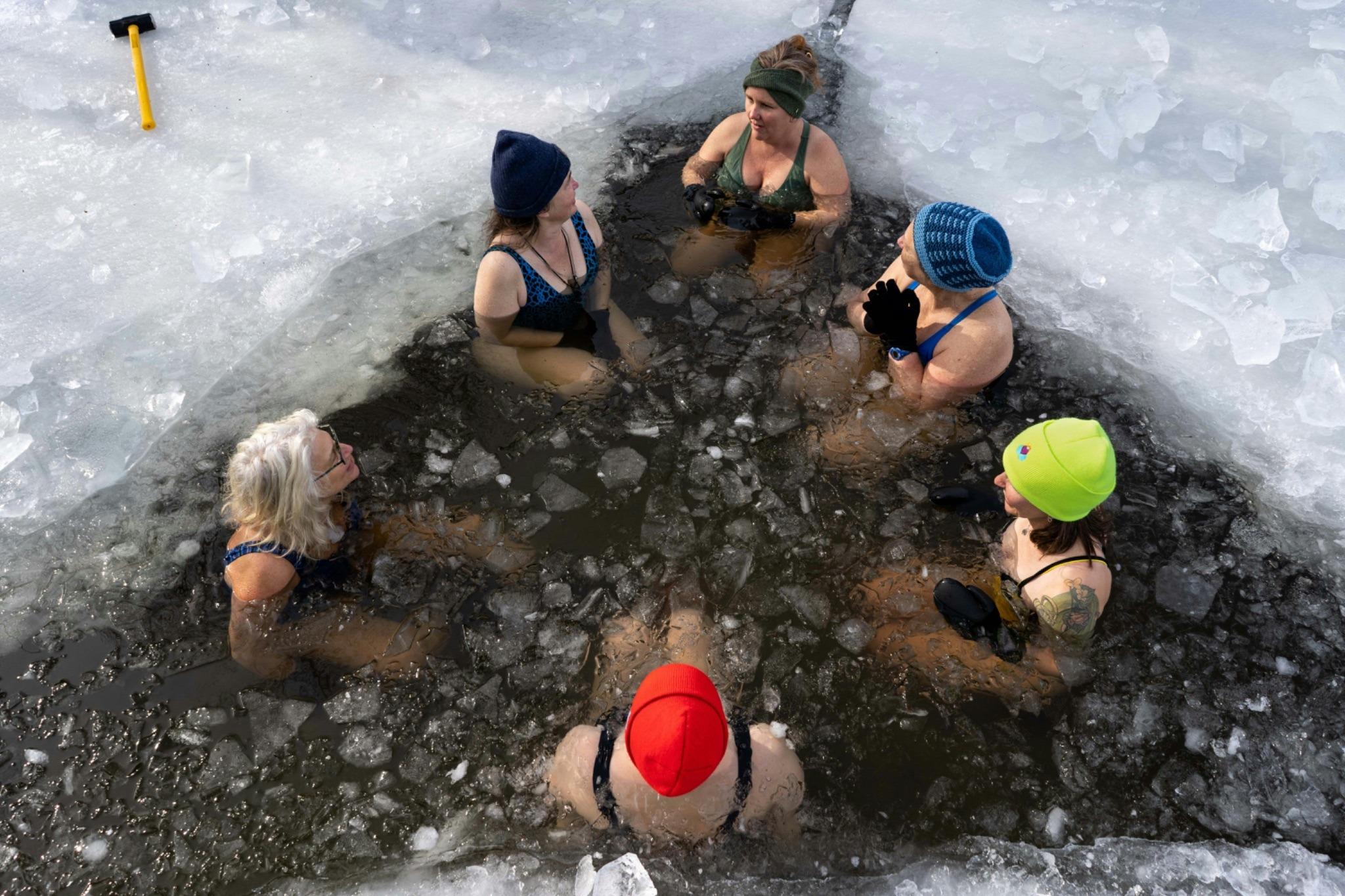
Splashing cold water on the face or immersing the body triggers the diving response, which slows the heart through the vagus nerve. A meta-analysis of 17 studies (311 participants) found a moderate to large rise in vagally mediated HRV during exposure (Hedges' g = 0.59), and no significant change afterward (g = 0.11) [2]. Whole-body immersion produced a larger effect than forehead cooling alone, though the authors flagged the small number of studies and low quality of the evidence.
The practical reading is that cold gives you a vagal boost while it lasts. It does not appear to carry that boost into the next hour. Cold exposure is also a stressor in its own right, which is why a cold plunge behaves like training: the shock arrives first, and any benefit comes hours later during recovery.
Aerobic exercise: the slow foundation
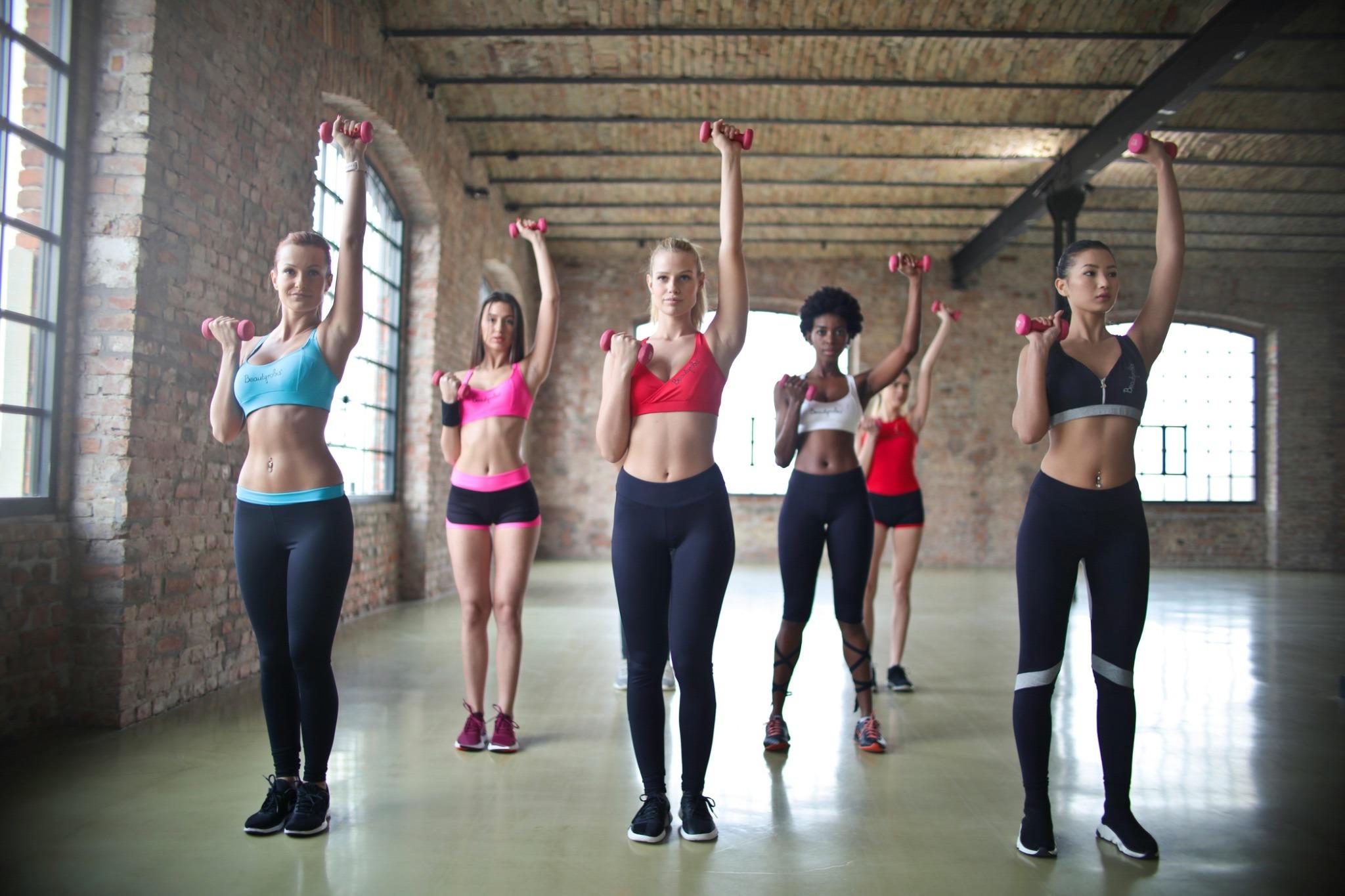
Moving your body for weeks at a time changes the resting baseline. A meta-analysis of 16 randomized controlled trials (623 healthy adults) found that exercise training increased RMSSD (SMD 0.84) and high-frequency power (SMD 0.89), both vagal-related HRV measures, compared with controls [3]. The authors described the evidence base as limited and noted that exercise type, age and sex influenced the results.
Aerobic work will not calm you in the moment. Its value shows up in your resting heart rate and how quickly your pulse settles after effort, which is why it makes a poor quick fix and a good long-term habit.
Humming, toning and singing: mostly a breathing story

Humming and singing are popular because they feel like they should stimulate the throat branches of the vagus nerve. The data point somewhere more modest. In a study of 20 healthy adults, toning (sustained vowel sounds) slowed breathing to about six breaths per minute and improved HRV, but matched breathing-only conditions produced similar changes, and silent breathing even raised HRV more than its sung counterpart [4].
That makes voice work a legitimate way to slow your exhale, particularly if you find counting breaths tedious. It does not show that the vibration itself does anything extra. Treat it as a pleasant delivery system for slow breathing.
How Pulsetto approaches vagus nerve stimulation
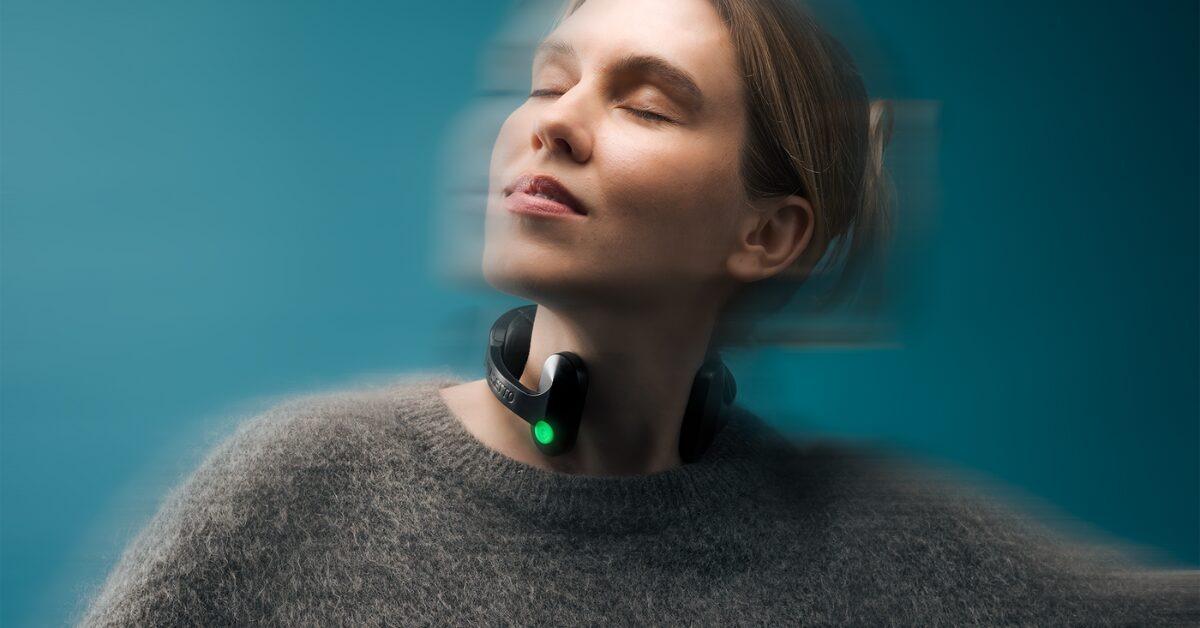
Every exercise above works from the inside out: you change your breathing, temperature or effort, and your brainstem responds. The effect depends on your doing the exercise correctly, in the right setting, at the right time. Electrical stimulation reverses that order by delivering a gentle signal to the nerve itself, with no technique to get right.
The research on that approach is separate from the research on exercise. A study of 48 healthy adults found that stimulating the ear's vagal branch with a TENS-style device lowered sympathetic nerve activity, recorded directly from nerves with microneurography, and raised HRV [6].
Pulsetto is a hands-free vagus nerve stimulator designed for general wellness use, and it sits alongside the exercises above. You can breathe slowly while it runs, or use it on days when you cannot manage a drill. A device does not replace the aerobic habit, which changes your resting baseline in a way nothing else on this list has shown.
Which family fits which situation
You do not need all four families. Match the tool to the moment:
-
You need to settle quickly. Slow breathing with a longer exhale is the fastest option with the strongest evidence, and it needs no equipment.
-
You want a short reset and can tolerate cold. Splashing cold water on your face gives a vagal bump during the exposure, so use it before something demanding, not as a way to feel calmer for the rest of the afternoon.
-
You want a lower resting baseline. Regular aerobic exercise is the only option here with randomized-trial evidence for lasting change in resting HRV, though it takes weeks.
-
You dislike counting breaths. Humming or toning gives you the slow exhale without the counting, and you lose nothing by choosing it.
-
You want a technique-free option. A device removes the need to perform anything correctly, which matters most on tired or scattered days.
A short safety note
Stop any breathing drill that makes you dizzy or lightheaded, and go back to normal breathing. Cold exposure raises blood pressure briefly, so people with heart conditions should check with a doctor before trying it. If you notice palpitations, fainting or chest discomfort during any of these, stop and seek medical advice.
Run one experiment first
Pick a single family and run it daily for two weeks before you add anything else. Choose one number to watch, such as how fast you fall asleep, how tense you feel at 3 p.m., or your morning HRV reading if you wear a tracker. Change one thing at a time, so you know what moved the number. If you want a hands-free option next to your practice, Pulsetto is built for exactly that, so try it for those two weeks and judge it against your own numbers.
Best Vagus Nerve Stimulation Exercises FAQs
Does 4-7-8 breathing stimulate the vagus nerve?
4-7-8 breathing is slow, paced breathing with a long exhale, so it moves in the direction the research supports. The reviewed studies, however, tested a range of slow rhythms, and none of the evidence cited here tests 4-7-8 specifically. If you like it and it calms you, keep using it, and do not expect it to beat a simpler four-in, six-out pattern.
Do vagus nerve exercises help with stress and anxiety?
The HRV studies above measure a body signal, so a separate set of trials asks about how people feel. A meta-analysis of 12 randomized trials with 785 adults found that breathwork was associated with lower self-reported stress than control conditions, with a small-to-medium effect (g = -0.35), and a similar-sized effect on anxiety across 20 trials [7]. Most of those studies were at moderate risk of bias, and the authors urged caution about a gap between hype and evidence [7]. A systematic review of brief, single-session techniques found that breathing-based exercises alone gave inconsistent results for state anxiety, from large effects to none depending on the technique [8]. The practical reading is that regular practice has the better evidence, and one calming session is a less certain bet.
What is a good HRV number?
No single number qualifies. A systematic review of 44 studies with 21,438 healthy adults found large differences between individuals and between studies, partly because of how the data were recorded and edited [9]. A review of HRV norms stresses that recording length, age and sex shape baseline values, and that norms from 24-hour, five-minute and ultra-short recordings are not interchangeable [10]. The useful comparison is your own readings, taken the same way at the same time of day, across several weeks.
How accurate is the HRV reading on my wearable?
Reasonably accurate for trends, with some error. A meta-analysis of 23 studies and 301 effects found that portable devices differed from electrocardiogram readings by a small but variable amount (effect size 0.23), and that the error depended on which HRV metric was used, the body position and the person's biological sex [11]. The authors judged the error acceptable given how much easier portable devices make regular measurement [11]. Treat a single reading as approximate and judge the pattern over time.
Who should not do vagus nerve stimulation exercises or use a device?
Breathing drills are low-risk for most healthy adults, but stop if you feel faint. For device-based stimulation, do not use Pulsetto if you have a pacemaker, an implantable medical device, or epilepsy, and do not use it while pregnant unless a healthcare provider has cleared you. Talk to a doctor first if you have a cardiovascular condition, recent neck or throat surgery, or carotid artery problems.
Is Pulsetto FDA approved?
It has not received FDA approval as a medical device. Pulsetto is a general wellness product and is not intended to diagnose, treat, cure, or prevent any disease or medical condition. It is FCC certified. If you are exploring options for a specific health condition, speak with a healthcare provider first.
How much does Pulsetto cost?
Pulsetto Lite is $269 and Pulsetto FIT is $296, with a newer FIT X model listed at $368. Every device carries a 2-year warranty and a 30-day money-back guarantee. Check the product page for current pricing, since it changes.
Scientific research
-
Effects of voluntary slow breathing on heart rate and heart rate variability: A systematic review and a meta-analysis(Laborde et al., 2022, Neuroscience & Biobehavioral Reviews)
-
The diving response and cardiac vagal activity: A systematic review and meta-analysis (Ackermann et al., 2023, Psychophysiology)
-
Effects of exercise training on heart rate variability in healthy adults: A systematic review and meta-analysis of randomized controlled trials (Amekran et al., 2024, Cureus)
-
Cardiorespiratory optimization during improvised singing and toning (Bernardi et al., 2017, Scientific Reports)
-
Does transcutaneous auricular vagus nerve stimulation affect vagally mediated heart rate variability? A living and interactive Bayesian meta-analysis (Wolf et al., 2021, Psychophysiology)
-
Non-invasive vagus nerve stimulation in healthy humans reduces sympathetic nerve activity (Clancy et al., 2014, Brain Stimulation)
-
Effect of breathwork on stress and mental health: A meta-analysis of randomised-controlled trials (Fincham et al., 2023, Scientific Reports)
-
A systematic review of brief respiratory, embodiment, cognitive, and mindfulness interventions to reduce state anxiety(Chin et al., 2024, Frontiers in Psychology)
-
A quantitative systematic review of normal values for short-term heart rate variability in healthy adults (Nunan et al., 2010, Pacing and Clinical Electrophysiology)
-
An Overview of Heart Rate Variability Metrics and Norms (Shaffer and Ginsberg, 2017, Frontiers in Public Health)
-
The Accuracy of Acquiring Heart Rate Variability from Portable Devices: A Systematic Review and Meta-Analysis(Dobbs et al., 2019, Sports Medicine)