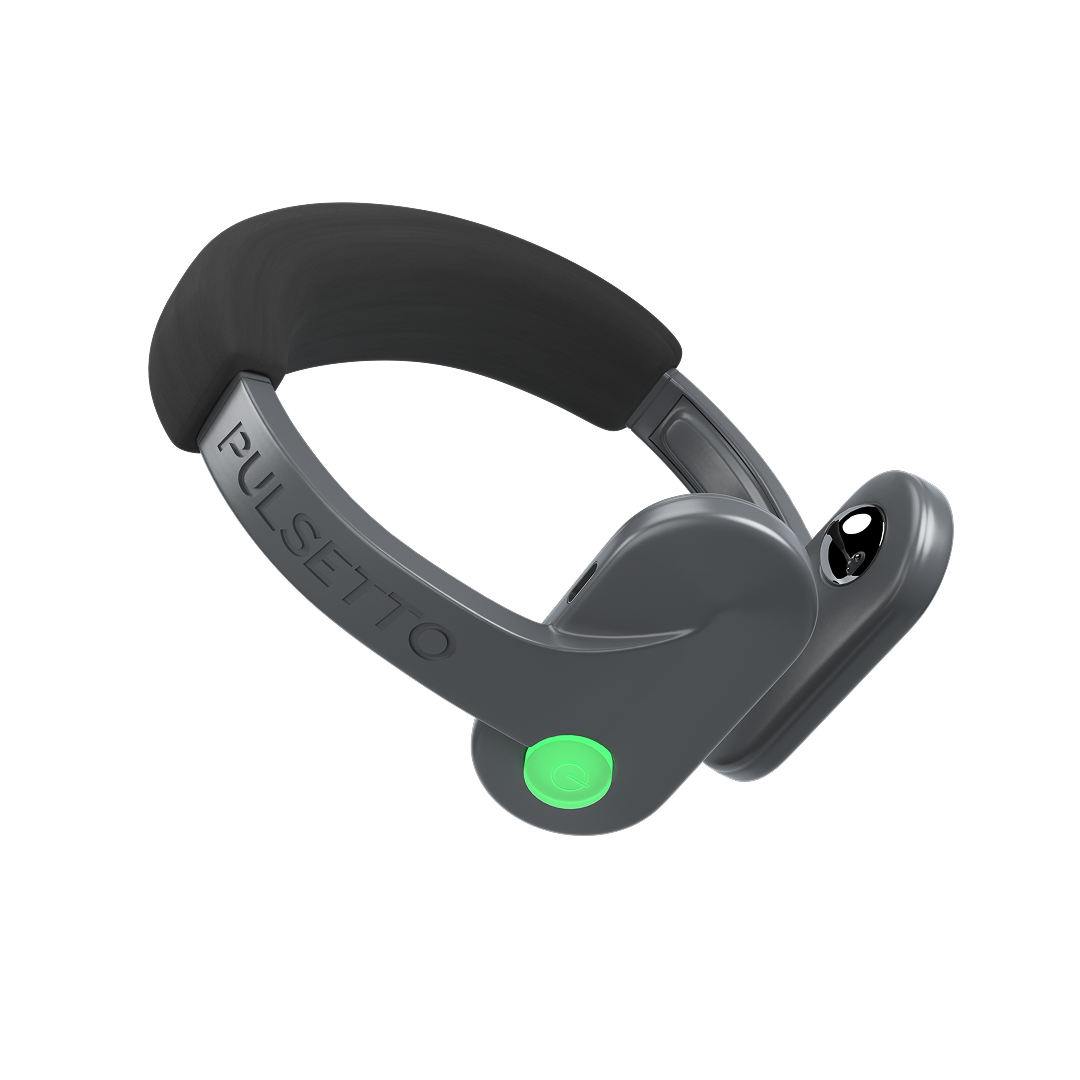
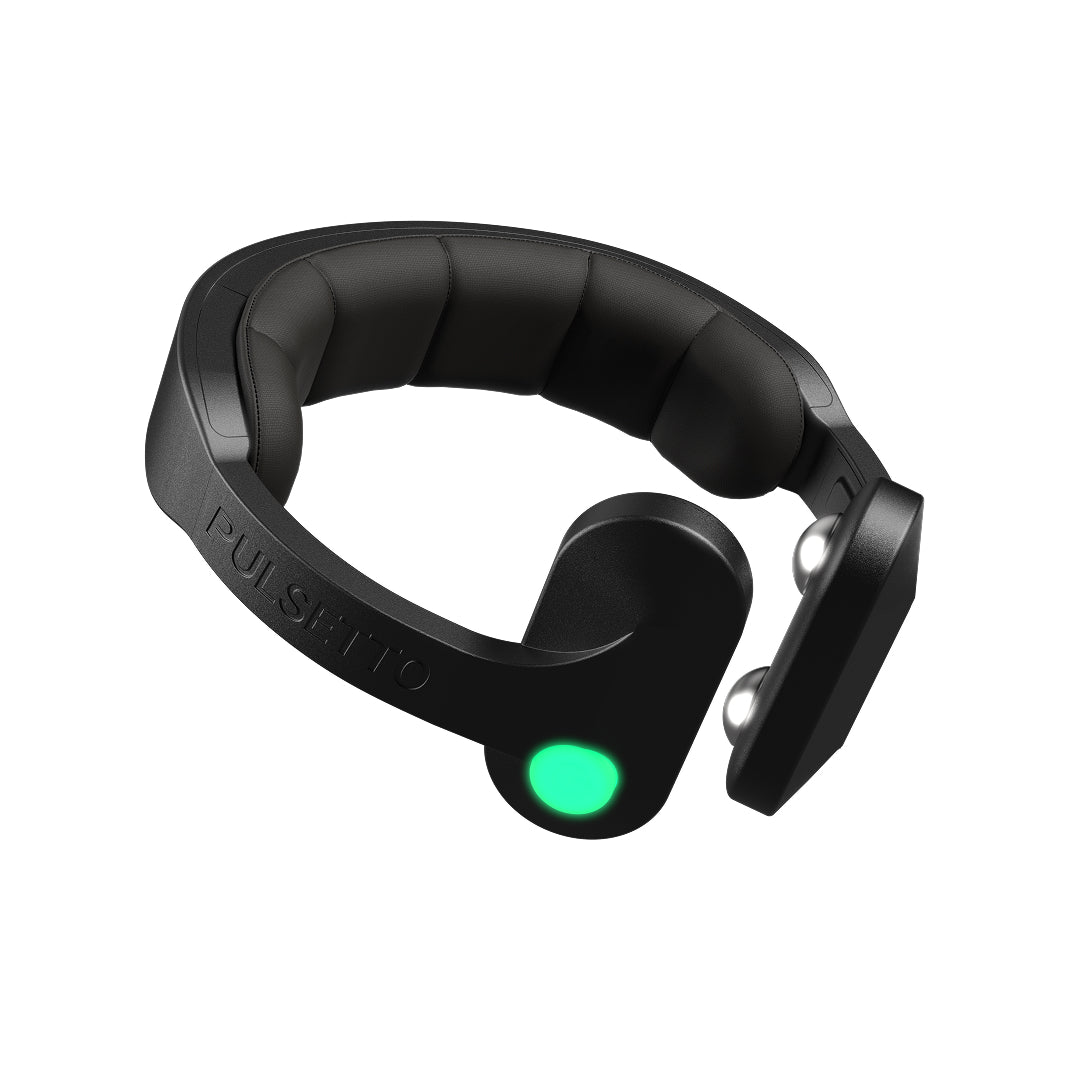
Pulsetto - The Best Neurotechnology Accessory for Sleep Preparation
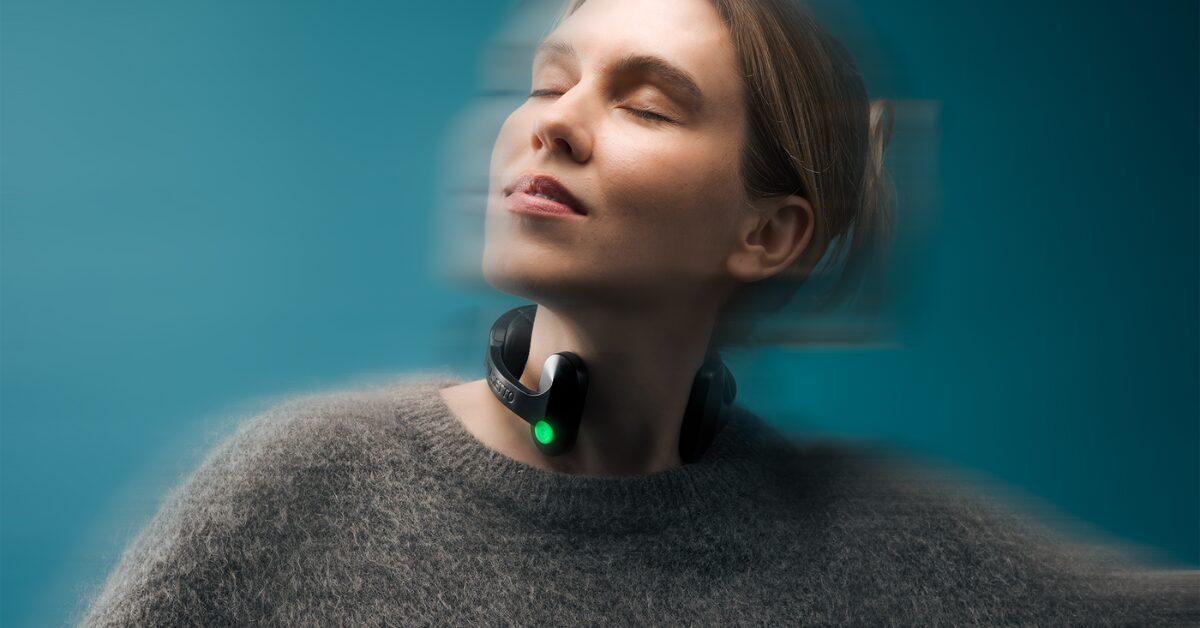
Most sleeping accessories work on the environment around you. The Pulsetto vagus nerve stimulator works on the body itself, making it a different category of sleep tool entirely.
Non-invasive vagus nerve stimulation sends gentle electrical impulses through the skin of the neck to the vagus nerve, the body's primary parasympathetic pathway. The signal tells the nervous system the threat has passed, triggering a drop in heart rate, a reduction in cortisol, and a shift from alert to rest. That shift is what most people struggling with bedtime stress or racing thoughts actually need before sleep becomes possible.
For people who fall asleep fast once they are relaxed but cannot get there on their own, Pulsetto addresses the physiological barrier directly. A session before bed while reading or winding down gives the body a concrete biological reason to let go of the day.
Practical examples of when it earns its place in a sleep routine:
-
After a high-pressure day when the mind will not stop reviewing conversations or tomorrow's tasks
-
During travel, when unfamiliar environments keep the nervous system on low-level alert
-
For anyone whose anxiety peaks at bedtime and resists breathing techniques or mindfulness alone
The device connects to an app with five programs and is CE certified for general wellness use. Hands-free, quiet, and quick, it fits into any existing wind-down habit without adding complexity.
Weighted Blankets for Stress Reduction
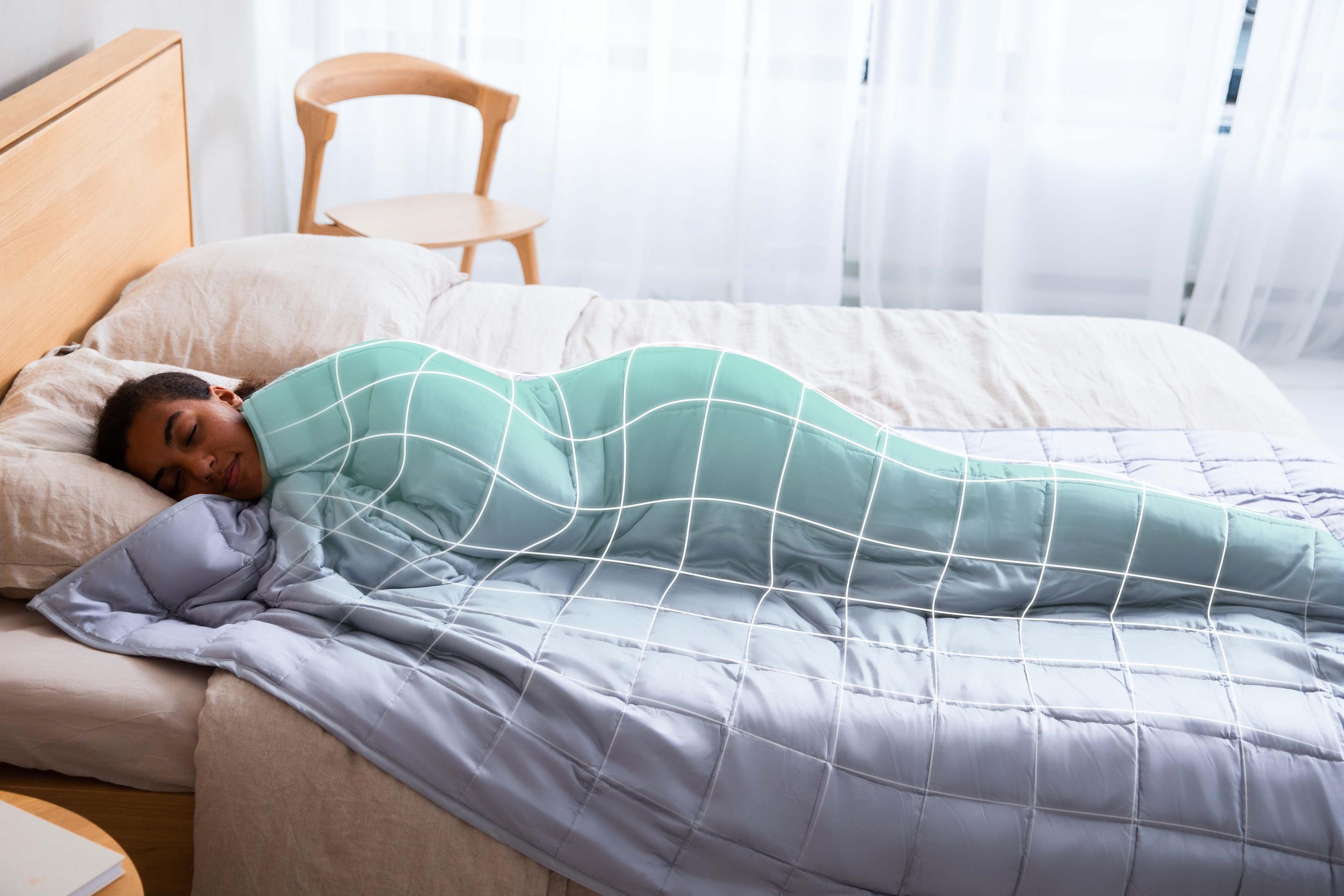
Weighted blankets are one of the most widely used sleep gadgets for stress reduction, using deep pressure stimulation to produce a calming effect on the nervous system. The gentle compression activates the parasympathetic system and may support a sense of security and calm at bedtime.
They work particularly well for people who feel restless or anxious when lying still, those with sensory sensitivity, and anyone who finds physical comfort a more reliable route to relaxation than mental techniques.
Key practical considerations:
-
Weight typically ranges from 7 to 25 lbs; most adults find 10% of body weight a useful starting point
-
Most effective when used consistently as part of a nighttime routine rather than occasionally
-
Available in cooling fabrics for warmer sleepers
White Noise Machines and Sleep Sound Devices
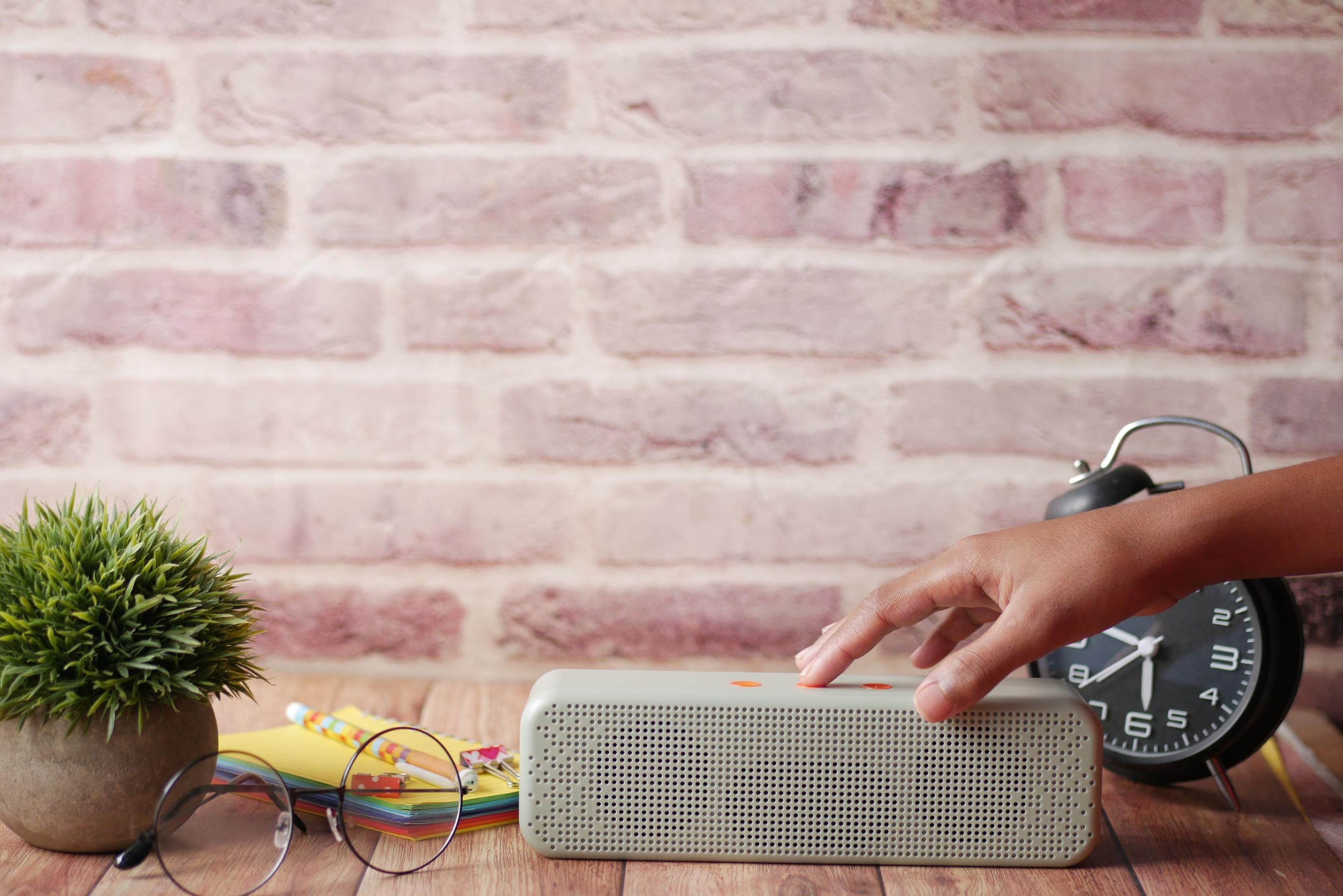
White noise machines are among the most practical sleep gadgets for environmental sound management. As sleep technology goes, they are also among the most straightforward: they work by masking irregular sounds like a door closing, traffic, or a neighbor's television, that would otherwise trigger micro-arousals during sleep. The consistent acoustic environment gives the brain something predictable to habituate to, reducing the number of times it surfaces toward wakefulness.
Beyond white noise, many devices now offer rain sounds, fan frequencies, brown noise, and pink noise as alternatives. Each produces a slightly different acoustic texture; brown noise tends to be preferred by people who find white noise too sharp.
These devices are particularly useful for:
-
Apartment living with noise from adjacent units
-
Parents whose sleep is disrupted by household sounds
-
Light sleepers whose issue is environmental rather than internal
Sleep Masks and Light-Blocking Accessories
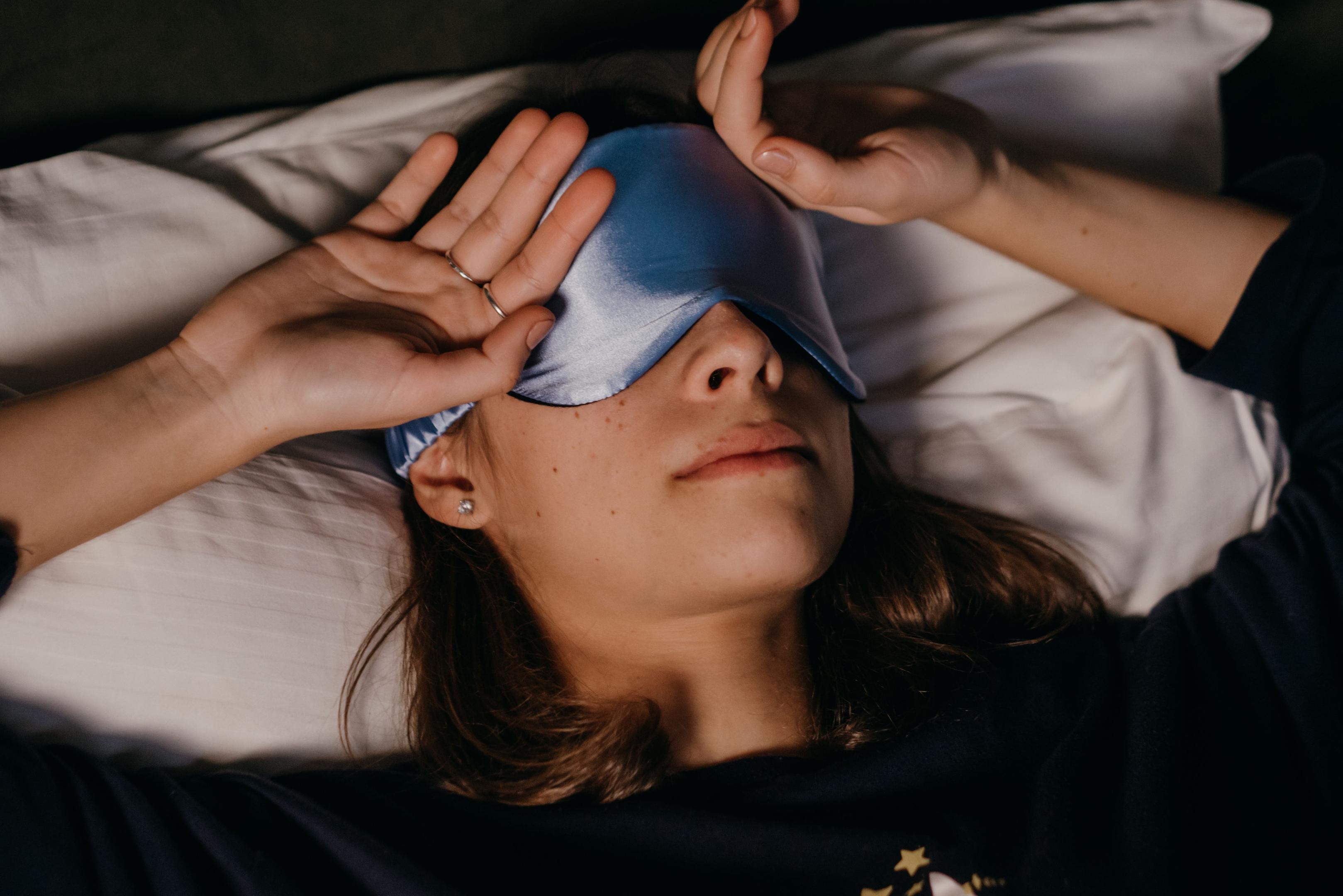
Sleep masks are among the simplest best sleeping accessories with a direct physiological effect. Darkness is one of the most reliable triggers for melatonin production, and even small amounts of light reaching the retina can suppress melatonin and delay sleep onset or reduce sleep depth.
A good sleep mask solves this completely. Modern options range from simple contoured designs to masks with integrated audio for guided sleep content or relaxing sounds.
What to look for:
-
Contoured design that sits away from the eyelids, reducing pressure
-
Secure fit that does not shift during movement
-
Adjustable straps for different head sizes
-
Breathable material for comfort in warmer climates
Cooling Pillows and Temperature-Regulating Bedding
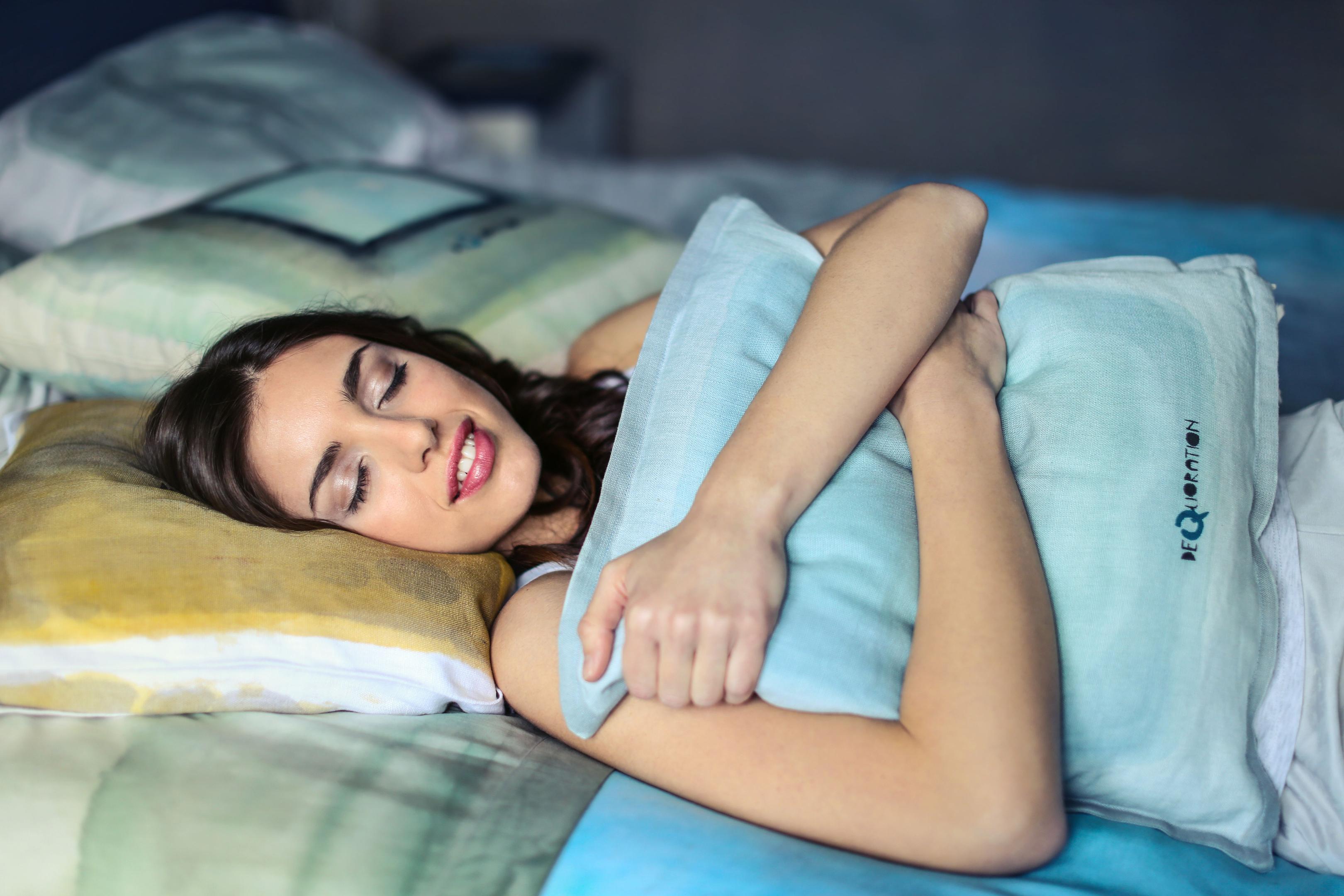
The body's core temperature needs to drop by one to two degrees for sleep onset to occur. Sleeping too warm disrupts this process and can cause frequent waking, shallow sleep, and reduced time in deep sleep stages.
Cooling pillows, breathable mattress pads, and moisture-wicking bedding materials support the temperature drop passively throughout the night. Phase-change materials, which absorb and release heat to maintain a consistent surface temperature, have become a popular upgrade for hot sleepers.
These accessories work best when the primary sleep problem is thermal, waking up warm, night sweats, or struggling to fall asleep in summer months. They complement other sleep technology by removing one physiological barrier without requiring any behavioral change.
Relaxation Gadgets That Help You Unwind Before Bed
The hour before sleep matters more than most people realise. A nervous system that stays elevated through the evening is not primed for the quality of sleep that rest and recovery require.
Among the relaxation devices and sleep gadgets gaining traction in wellness routines, the most practical ones share a common feature: they reduce physiological arousal rather than simply creating a relaxing atmosphere. Aromatherapy diffusers and soft lighting set a mood. Breathing trainers, biofeedback wearables, and VNS devices change the body's actual state.
Working on destressing for better sleep is where most of the tools in this section earn their place. The consistent nightly habit of reducing arousal before bed, rather than trying to sleep through it, is what separates people who sleep well from those who rely on exhaustion to get there.
Practical relaxation tools worth adding to a bedtime routine:
-
Breathing trainers that pace exhalation to stimulate vagal tone
-
Guided meditation apps paired with a wearable heart rate monitor
-
Dim, warm-toned lighting on a timer to begin 90 minutes before bed
-
A VNS device like Pulsetto for direct parasympathetic activation
What to Look for in the Best Sleeping Accessories
Not every sleep technology product or sleep gadget will make a meaningful difference. These criteria help separate useful tools from novelty purchases:
Addresses your actual sleep problem. A cooling pillow does not help someone whose sleep is disrupted by racing thoughts. Matching the tool to the problem is the most important buying decision.
Easy to use consistently. A sleep accessory only works if it is used every night. Complicated setup, charging requirements that interrupt the routine, or discomfort during use all reduce adherence.
Portable if your sleep varies. For frequent travelers or people with variable schedules, portability matters as much as effectiveness. A white noise app and a wearable VNS device travel more reliably than a sound machine and a heavy weighted blanket.
Has a physiological basis. The most effective sleep accessories do something real to the body, like they reduce cortisol, block light, lower temperature, or calm the nervous system. Tools that simply feel nice without changing anything physiologically tend to produce inconsistent results over time.
Improve Your Sleep Routine With Smarter Sleep Technology

Better sleep rarely comes from one change. It comes from addressing the environment, the body, and the habits that frame each night. The best sleeping accessories listed here cover all three layers from the darkness that signals the brain it is time to rest, to the temperature that supports sleep onset, to the nervous system state that determines whether rest is actually possible.
For people whose primary barrier is stress, anxiety, or a mind that will not stop at bedtime, Pulsetto is the layer most standard sleep accessories never reach. For buyers comparing VNS options, Pulsetto and Nurosym are the two most commonly considered, the Nurosym vs Pulsetto decision comes down to stimulation location and price: cervical versus auricular, and consumer-accessible versus clinically positioned.
Start with what is standing between you and sleep. Then choose the tool built for that specific problem.
Best Sleeping Accessories FAQs
Do sleep gadgets actually help you sleep better?
The most effective ones do, when matched to the right problem. White noise machines genuinely reduce environmental disruption. Cooling accessories genuinely support the body temperature drop needed for sleep onset. VNS devices genuinely activate the parasympathetic nervous system. The gadgets that do not consistently help are those that create atmosphere without changing anything physiologically, ambient lights, scented candles, and similar comfort items produce a pleasant experience without addressing sleep architecture directly.
How does vagus nerve stimulation support relaxation before bed?
The vagus nerve is the body's primary parasympathetic pathway. Stimulating it sends a signal to the brain to slow heart rate, reduce cortisol, and shift the autonomic nervous system away from sympathetic alert mode. That shift is what allows genuine physical relaxation and sleep preparation to occur. Non-invasive cervical VNS devices like Pulsetto deliver this signal through gentle electrical pulses to the skin of the neck in a short, hands-free session.
Are weighted blankets good for stress and anxiety?
For many people, yes. Weighted blankets use deep pressure stimulation to activate the parasympathetic nervous system, producing a calming effect that is particularly useful for people with bedtime anxiety, sensory sensitivity, or restlessness when lying still. They are not effective for everyone, and they work best as part of a consistent routine rather than as an occasional tool.
Which sleep technology products are worth trying?
The most evidence-backed sleep technology products address specific physiological mechanisms: blue light blocking glasses and smart lighting for melatonin regulation, white noise machines for sleep fragmentation from environmental sound, cooling bedding for temperature-related sleep issues, and vagus nerve stimulation devices for stress-driven sleep difficulty. Products worth trying are those that match the actual problem, not the most marketed or the most expensive.
How can I create a better nighttime routine for deeper sleep?
The most effective nighttime routines address three layers: environment, body, and mind. For environment: dim lights one to two hours before bed, remove screen exposure in the final 30 minutes, and keep the room cool. For the body: avoid caffeine after 2 PM, finish eating three hours before bed, and use a relaxation tool like a weighted blanket or VNS device in the final 10 to 20 minutes before sleep. For the mind: reduce cognitive engagement gradually rather than switching off abruptly, move from active tasks to passive ones, and give the brain a transition period before expecting it to shut down.
What is the difference between sleep comfort products and sleep technology?
Sleep comfort products improve the physical experience of being in bed: softer pillows, better bedding, blackout curtains. Sleep technology products influence physiological processes related to sleep: light management devices affect melatonin, white noise machines reduce neural arousal from sound, and VNS devices activate the parasympathetic nervous system. Both categories have a place in a good sleep routine. Sleep technology tends to produce more measurable physiological effects; sleep comfort products support the environment in which those effects can develop.