Best Neurostimulation Devices: Quick Comparison
Best Neurostimulation Devices: Quick Comparison
This table offers a fast look at how leading neurostimulation devices compare across technology and accessibility. We see a wide range of tools available, from clinical systems to everyday wearables, each serving a different role in brain and nervous system health. Finding the best neurostimulation devices for your specific goals is the first step toward better regulation.
|
Device
|
Best For
|
Category
|
Price Range
|
|
Pulsetto
|
Stress, sleep & VNS
|
Vagus nerve stimulation
|
$$
|
|
Muse
|
Meditation & focus
|
EEG neurofeedback
|
$$$
|
|
Flow
|
Non-drug depression support
|
tDCS
|
$$$
|
|
Alpha-Stim
|
Anxiety & insomnia
|
CES
|
$$$
|
|
Apollo Neuro
|
Vibration-based calming
|
Sensory wearable
|
$$
|
|
Cala Trio
|
Target tremor reduction
|
Neuromodulation
|
On quote
|
|
Freespira
|
Panic & anxiety relief
|
Respiratory/neuro
|
On quote
|
|
BrainsWay
|
Clinical depression
|
Deep TMS
|
On quote
|
|
NeuroPace
|
Seizure prevention
|
Responsive system
|
On quote
|
|
Sensate
|
Sound-based relaxation
|
Vagus nerve (Acoustic)
|
$$
|
10 Best Neurostimulation Devices
Choosing the best nerve stimulation devices for your lifestyle means understanding the tech behind the product and how it fits into your routine. We find that best neurostimulation devices vary significantly depending on your specific goal, whether you are managing chronic pain, depression, or simple daily stress.
This list covers the most effective options currently available for brain and nervous system optimization.
1. Pulsetto (Vagus Nerve Stimulation)

Best for: Everyday stress relief, better sleep, and long-term nervous system regulation.
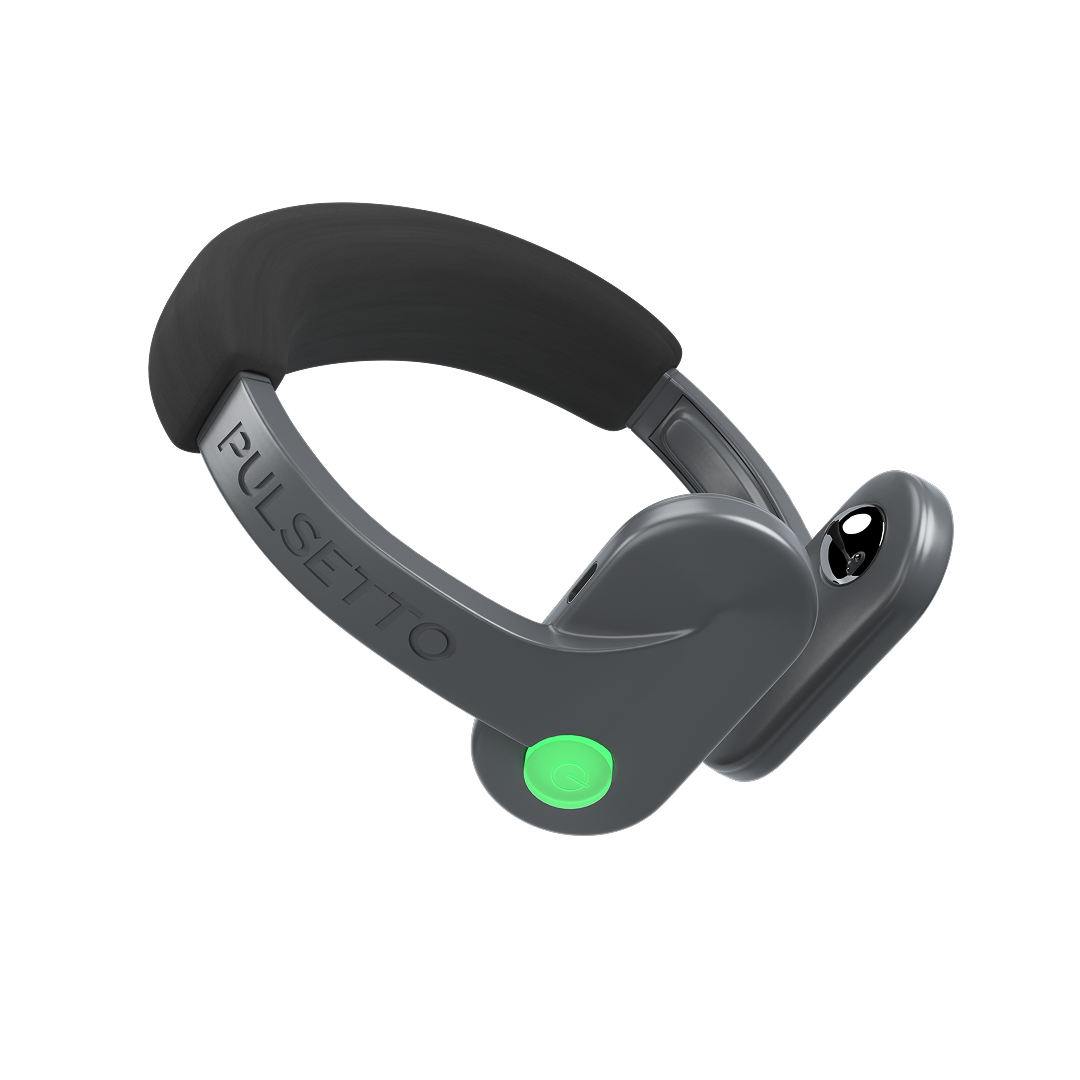
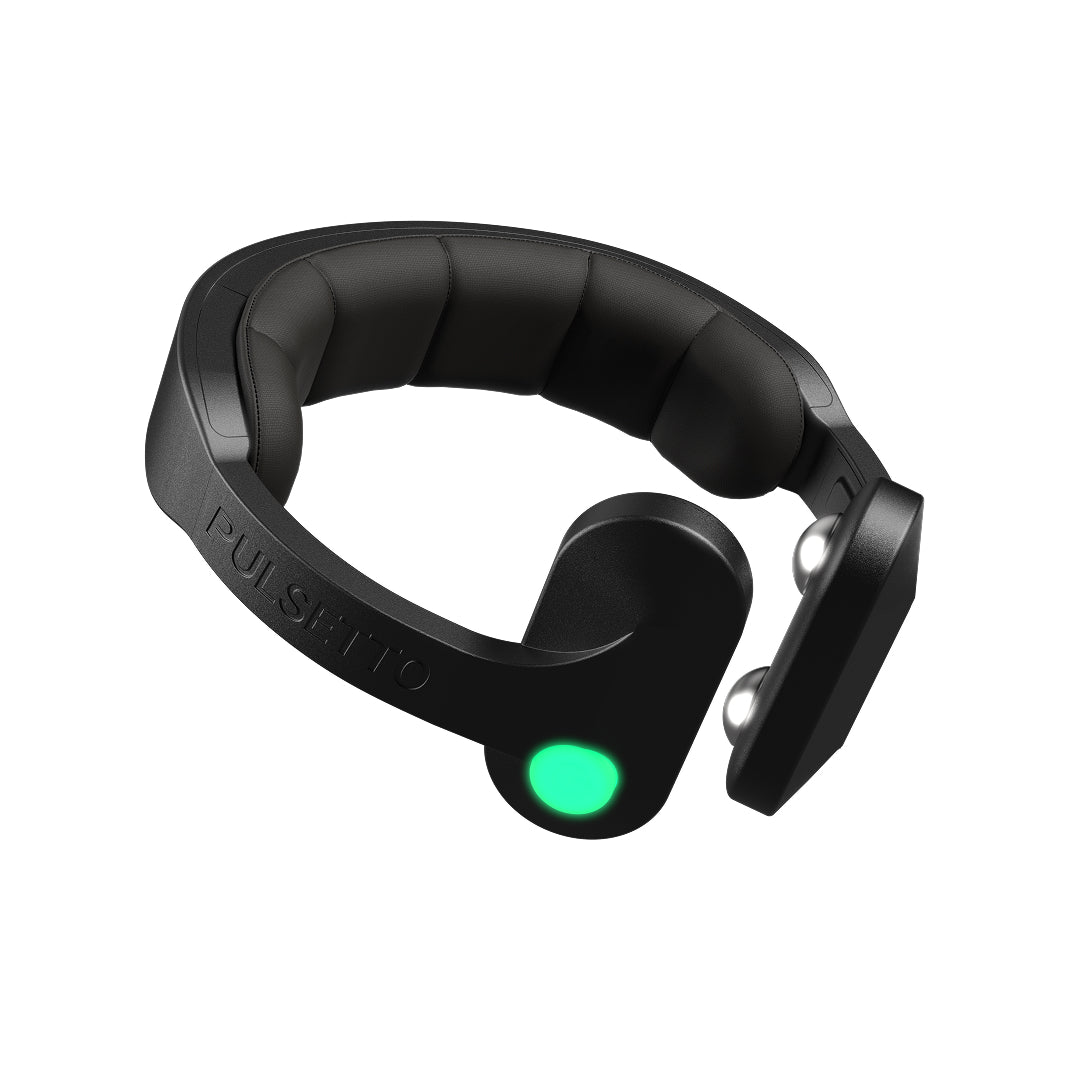
Pulsetto is a consumer-focused vagus nerve stimulation device built to regulate the nervous system and boost mental well-being. The device sends gentle signals to the brain to trigger calming neurotransmitters like acetylcholine and serotonin. We see that this process effectively shifts the body into a relaxed state, making it a powerful nerve stimulation device for those with high-stress lives. Its non-invasive design and 4-minute sessions make it easy to use daily. With FCC and CE certifications and over 1.5 million sessions performed without side effects, it is one of the best neurostimulation tools for consistent, long-term results.
2. Muse (EEG Neurofeedback Device)

Best for: Meditation support and awareness-based brain training.
Muse is a wearable EEG headband that monitors brain activity in real time to provide feedback during meditation. It translates your brain signals into audio cues, helping you understand when your mind is calm or drifting into distraction. While it doesn't directly stimulate nerves, it is one of the best neurofeedback devices for building mindfulness habits. We consider it among the best neurostimulation devices for users who want to improve their focus and meditation practice through data-driven training.
3. Flow Neuroscience (tDCS for Depression)

Best for: Non-drug depression support.
Flow is a transcranial direct current stimulation (tDCS) device designed to support people struggling with depression. It uses gentle electrical stimulation on specific brain areas and usually works alongside a structured app for behavioral therapy. We find that Flow brings clinically studied neuromodulation into a practical home-use format. It sits among the best nerve stimulation devices for mood-related conditions, offering a solid alternative for those seeking drug-free options.
4. Freespira (Respiratory + Neurostimulation Therapy)

Best for: Clinically backed anxiety and panic disorder relief.
Freespira combines guided breathing with neurophysiological regulation to help manage anxiety and panic disorders. The system tracks your breathing patterns and trains you to stabilize carbon dioxide levels, which indirectly calms the nervous system. This structured program is often used under professional guidance. Within the field of neurostimulation devices, Freespira represents a hybrid approach that targets the intersection of physical and neurological stress symptoms.
5. Cala Trio (Neuromodulation for Tremors)

Best for: Targeted tremor reduction.
Cala Trio is a targeted neuromodulation wearable for the wrist that delivers electrical pulses to reduce essential tremors. It sends signals through specific nerves to influence the brain circuits that control movement. This medical-grade application shows how different types of neurostimulators can provide precision relief for very specific physical conditions. It is a prime example of how targeted therapeutic outcomes are becoming more accessible.
6. BrainsWay (Deep TMS System)

Best for: Clinically supervised, deep-brain depression treatment.
BrainsWay uses deep transcranial magnetic stimulation (TMS) to treat depression by reaching deeper brain regions with magnetic pulses. This is a more advanced and intensive form of neuromodulation that is administered in clinical settings. Because it requires professional supervision, it represents the higher end of the best neurostimulation devices in the medical field. It carries strong clinical validation and FDA clearance for those needing more intensive support than consumer tools provide.
7. NeuroPace (Responsive Neurostimulation System)

Best for: Advanced seizure prevention.
NeuroPace is an implantable system designed to monitor and respond to abnormal brain activity in epilepsy patients. It detects irregular patterns and delivers targeted electrical stimulation to stop seizures before they start. As one of the most specialized types of nerve stimulators, it demonstrates the full potential of neurostimulation in a healthcare setting. This system requires surgical implantation and ongoing clinical oversight.
8. Alpha-Stim (CES Device)

Best for: Drug-free anxiety, insomnia, and mood management.
Alpha-Stim uses cranial electrotherapy stimulation (CES) to deliver low-level currents via earclip electrodes. This process helps regulate brain activity related to anxiety and sleep disorders. We see it as one of the best nerve stimulation devices for users who want a non-invasive, drug-free way to manage their mood. It has a long history of use and significant clinical backing for its effectiveness.
9. Apollo Neuro (Wearable Vibration Device)

Best for: Gentle, non-electrical stress relief.
Apollo Neuro is a wearable that uses gentle vibrations to signal safety to the nervous system. It does not use electrical currents; instead, it uses touch-based cues to influence how you respond to stress. We find it to be one of the best neurostimulation tools for people who want subtle, non-electrical support throughout the day. It features easy app integration to help manage stress in real time.
10. Sensate (Vagus Nerve Relaxation Device)

Best for: Gentle, sound-based vagus nerve toning.
Sensate is a relaxation device placed on the chest that uses infrasonic sound vibrations to stimulate the vagus nerve indirectly. When paired with audio sessions, it promotes deep relaxation and helps lower stress levels. Within the world of neurostimulation devices, it is a very user-friendly option for anyone looking to add a calming element to their mindfulness or meditation routine without intensive stimulation.
Types of Neurostimulation Devices
Understanding the different types of neurostimulators helps you navigate a field that ranges from simple relaxation tools to complex clinical systems. We find that categorizing them by how they deliver energy makes it easier to choose the right technology for your goals.
-
Vagus Nerve Stimulation (VNS): This nerve stimulation device uses mild pulses to activate the "rest and digest" response, manually lowering heart rate and stress markers.
-
Transcranial Direct Current Stimulation (tDCS): These types of neurostimulators use low-level currents to nudge brain regions toward better focus or mood regulation.
-
Transcutaneous Electrical Nerve Stimulation (TENS): These types of nerve stimulators primarily manage pain by blocking signals, helping to reduce the physical tension that contributes to stress.
-
Magnetic Stimulation (TMS): Unlike consumer neurostimulation devices, TMS uses magnetic coils to reach deeper brain tissues and is typically used in clinical settings.
Vagus Nerve Stimulation (VNS)
Vagus nerve stimulation uses mild electrical pulses to target the body's longest cranial nerve, which connects the brain to the heart and lungs. This nerve stimulation device technology activates the parasympathetic nervous system to flip the switch from "fight-or-flight" to "rest-and-digest." By stimulating this pathway, you can manually lower your heart rate and reduce physical stress markers in real-time.
We find VNS effective because it bypasses the need for mental effort, relaxing the body even when the mind is racing. While some try a vagus nerve massage to stimulate the vagus nerve, a dedicated device provides the precise frequency required for reliable, lasting results.
Transcranial Direct Current Stimulation (tDCS)
Transcranial Direct Current Stimulation (tDCS) uses a constant, low-level electrical current to modulate the excitability of specific brain regions. By applying electrodes to the scalp, these types of neurostimulators can either increase or decrease the likelihood that neurons will fire. This process does not force the brain to act but rather nudges it toward a more optimal state for certain tasks.
We see this technology used most often to boost cognitive function, improve memory, or support mood regulation. Because it is non-invasive and relatively simple to apply, tDCS is one of the more popular types of neurostimulators for home-based brain training. It offers a subtle but effective way to shift brain activity toward higher focus or improved emotional stability.
Transcutaneous Electrical Nerve Stimulation (TENS)
Transcutaneous Electrical Nerve Stimulation (TENS) is primarily used to manage physical pain by sending electrical pulses through the skin to interfere with pain signals heading to the brain. These types of nerve stimulators work on the "Gate Control Theory," where the non-painful electrical input effectively closes the "gate" to painful sensations. While its main clinical application is for muscle or joint discomfort, we also see a significant overlap with general relaxation.
By reducing chronic physical tension, TENS can help the body exit a state of constant discomfort that often contributes to mental stress. Unlike more specialized types of nerve stimulators that target the brain or major cranial nerves, TENS provides a localized, physical approach to comfort. We find it to be a reliable entry point for anyone whose stress is physically rooted in persistent body aches.
Magnetic Stimulation Devices
Magnetic stimulation, specifically Transcranial Magnetic Stimulation (TMS), uses powerful magnetic coils to induce small electrical currents in specific brain regions. Unlike most consumer neurostimulation devices that rely on direct electrical contact, TMS can reach deeper into the brain tissues to influence neural circuits. This technology is primarily used in clinical settings where a professional can target areas responsible for mood control and depression.
We find that TMS is often reserved for treatment-resistant conditions because of its intensity and the need for specialized equipment. While it is a more advanced form of neuromodulation, it has cleared the path for the lighter, non-invasive neurostimulation devices we use today. It remains a gold standard for clinical-grade brain regulation under medical supervision.
Benefits of Neurostimulation Devices
Using a nerve stimulation device offers several science-backed advantages for both mental and physical health. We see significant results in our teams when these tools are used consistently to regulate the nervous system. By targeting the root cause of physiological imbalance, neurostimulation provides a natural way to shift into a restorative state.
Key benefits include:
-
Stress Reduction: By activating the parasympathetic nervous system, these tools lower cortisol levels and heart rate. For those needing immediate help, we also recommend checking out these tips for instant stress relief.
-
Improved Sleep: Regular use helps regulate circadian rhythms and calms a racing mind, making it easier to fall asleep and stay in deep sleep stages longer.
-
Mood Regulation: Many devices stimulate the release of neurotransmitters like serotonin and acetylcholine, which naturally stabilize mood and reduce anxiety.
-
Enhanced Focus: By quieting the body's "background noise" and stress responses, neurostimulation allows for better concentration and cognitive clarity.
Focusing on these benefits helps you move past temporary fixes. A reliable nerve stimulation device provides a sustainable path toward better nightly recovery and daily performance.
Are Neurostimulation Devices Safe?
Safety is a top priority when choosing neurostimulation devices, and the level of risk depends largely on whether a tool is invasive or non-invasive. We find that consumer-grade, non-invasive devices are exceptionally safe for daily use because they work on the surface of the skin without requiring surgery or medication. To ensure the highest safety standards, always look for tools that carry official certifications like FCC or CE marks, which verify that the electrical outputs are within strictly regulated limits.
While invasive neurostimulation devices, like those surgically implanted for epilepsy, require clinical oversight, modern wearables are designed to be user-friendly and risk-free for the general public. We maintain that sticking to the best non-invasive methods to ease anxiety is a reliable way to support your nervous system without the complications of more intensive medical procedures. By choosing certified and well-tested technology, you can focus on your recovery with complete peace of mind.
How to Choose the Right Neurostimulation Device
Selecting the best neurostimulation devices for your lifestyle starts with a clear understanding of your personal priorities. We find that the most successful users match the technology to their specific physiological roadblocks.
To find the best neurostimulation tools for your needs, we recommend evaluating:
-
Your Primary Goal: Choose vagus nerve stimulators for stress and sleep, or tDCS tools for focus and cognitive performance.
-
Ease of Use: Pick a device that fits into your daily routine (like a quick 5-minute session) to avoid "tech stress."
-
Budget: Compare the cost of one-time purchase home wearables against expensive, supervised clinical sessions.
-
Safety Certifications: Ensure the device carries FCC or CE marks to guarantee the electrical outputs are regulated and safe.
By balancing clinical efficacy with daily convenience, you can select a tool that provides consistent, long-term results.
Experience the Benefits of Neurostimulation Devices
Exploring accessible neuromodulation is a powerful step toward taking back control of your mental and physical well-being. We believe that by moving beyond temporary fixes and addressing the root cause of stress, you can achieve a level of calm that lasts. Among the best neurostimulation devices available today, Pulsetto offers a safe, effective, and incredibly easy-to-use entry point for anyone looking to optimize their nervous system.
When you try Pulsetto, you are choosing a science-backed tool designed to fit seamlessly into your daily life. We encourage you to experience how targeted nerve stimulation can naturally restore your body’s balance and improve your quality of rest. Taking this step toward better health ensures that you are supporting your brain and body with the most practical technology modern neuroscience has to offer.
FAQs: Best Neurostimulation Devices
What are neurostimulation devices?
Neurostimulation devices are specialized tools that use electrical, magnetic, or sound energy to modulate nervous system activity. By sending precise signals to specific nerves or brain regions, they help regulate physiological responses, offering a non-invasive way to manage stress, mood, and chronic pain without relying solely on medication.
Do neurostimulation devices really work?
Yes, clinical studies show that neurostimulation can effectively alter neural firing patterns. Tools like VNS and tDCS are widely recognized for their ability to lower cortisol and shift the body into a restorative state. Results often depend on consistency and matching the specific technology to your unique health goals.
Are neurostimulation devices safe for home use?
Most consumer-grade, non-invasive neurostimulation devices are very safe when they carry FCC or CE certifications. These tools use low-level currents or vibrations designed for public use. Unlike surgical implants, they work on the skin's surface and carry a high safety profile with minimal reported side effects.
What is the best neurostimulation device?
The "best" device depends on your goals. For stress, sleep, and anxiety, Pulsetto is a leading choice due to its ease of use and vagus nerve focus. However, for clinical depression or specific physical tremors, medical-grade systems like Flow or Cala Trio may be more effective specialized options.
What are the different types of nerve stimulators?
Common types of nerve stimulators include VNS (vagus nerve), TENS (pain relief), and tDCS (brain excitability). They vary by delivery method. Some target peripheral nerves in the neck or limbs, while others use transcranial currents or magnetic coils to influence deeper brain circuits for more intensive clinical therapy.
Can neurostimulation improve sleep and anxiety?
Absolutely. By stimulating the vagus nerve or regulating brain waves, these devices help trigger the release of calming neurotransmitters like serotonin. This process reduces the "fight-or-flight" response, making it easier to quiet a racing mind at night and maintain emotional stability throughout the day.