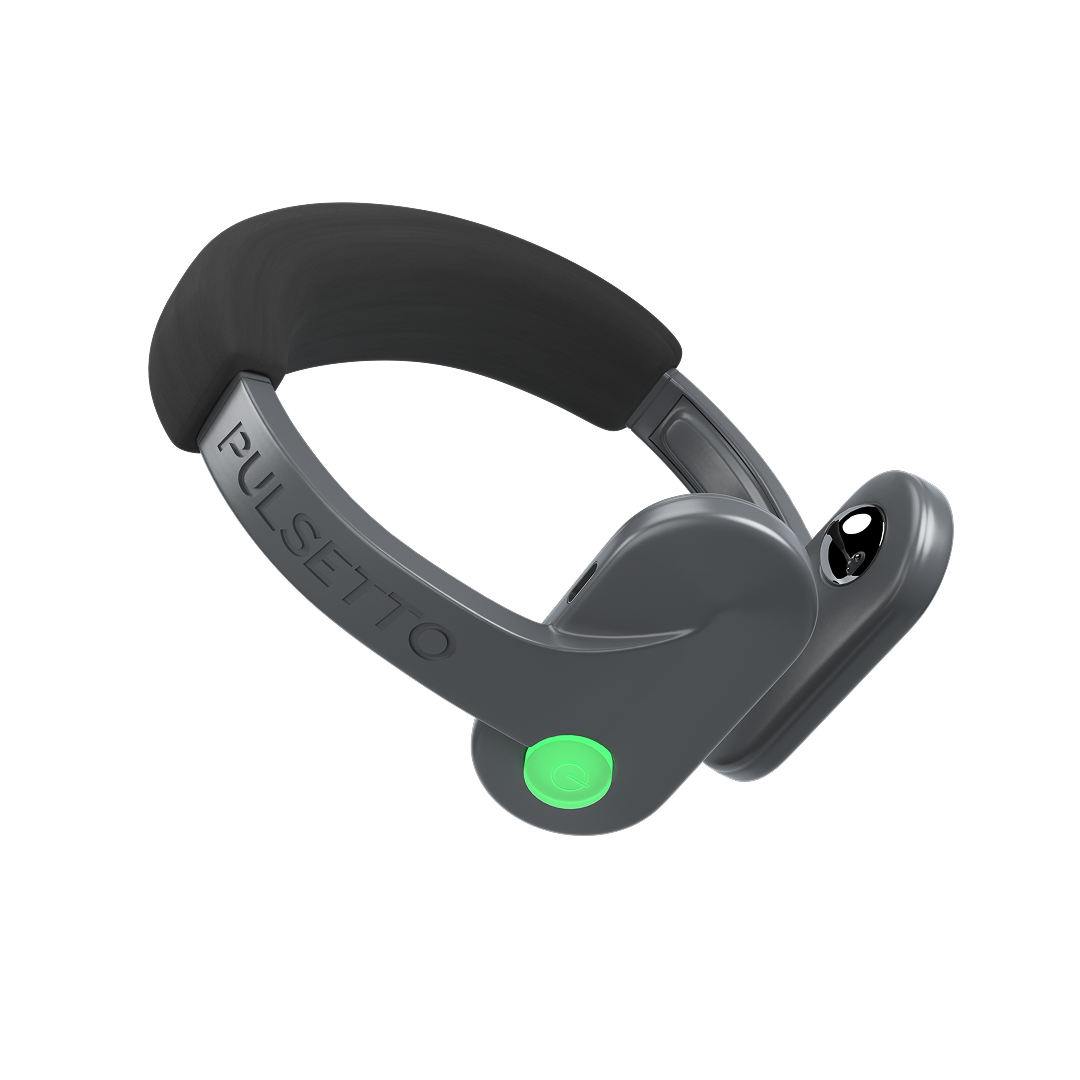
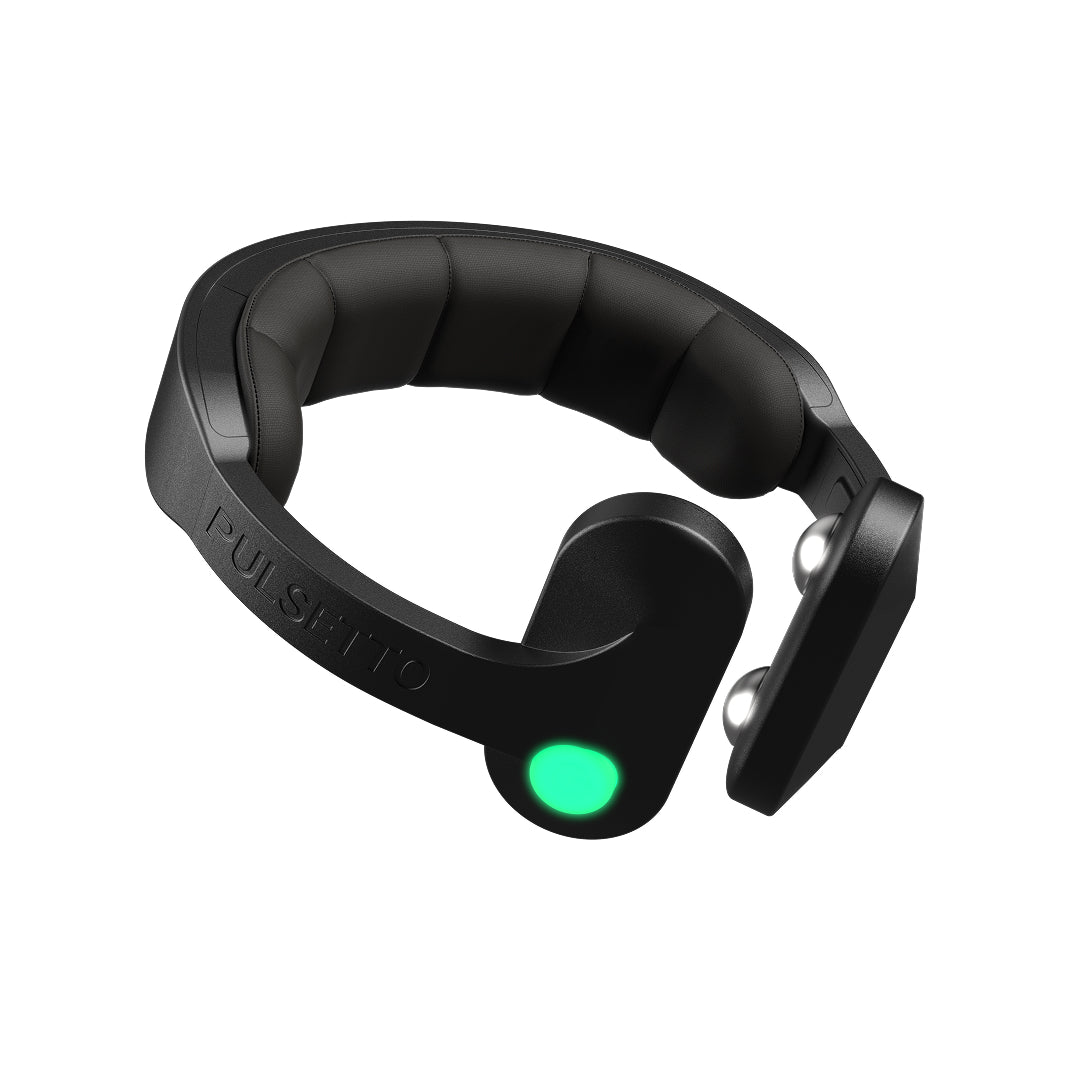
Wearable Devices for Sleep Improvement
The latest generation of wearable sleep devices is designed to help you physically transition into a state of calm. Instead of just documenting your fatigue, this sleep technology works with your body's biology to improve overall sleep quality.
-
Pulse Monitors: Track heart rate variability (HRV) to gauge stress levels.
-
Haptic Wearables: Use gentle vibrations to signal the brain to slow down.
-
Neurostimulation: Actively encourages the "rest and digest" response.
Integrating tools like the Pulsetto vagus nerve stimulator into your evening routine can provide a powerful shortcut to relaxation that traditional lifestyle changes alone might miss.
Vagus Nerve Stimulation Devices
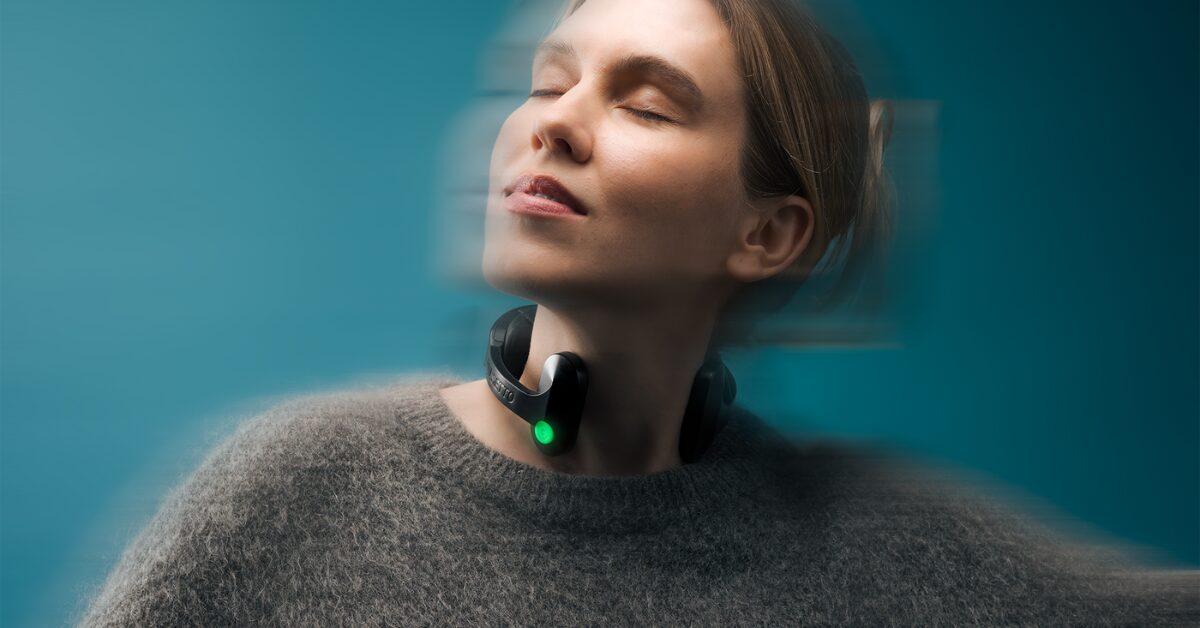
Non-invasive vagus nerve stimulation (VNS) devices like Pulsetto are a breakthrough in sleep technology. By providing gentle electrical impulses to the vagus nerve, these tools activate the parasympathetic nervous system. This tells the body it is safe to rest, lowering heart rates and improving overall sleep readiness. We find that this technology for better sleep is particularly effective for those who experience "tired but wired" feelings at bedtime. For a deeper dive, check out our vagus nerve stimulation guide.
Smart Sleep Headbands
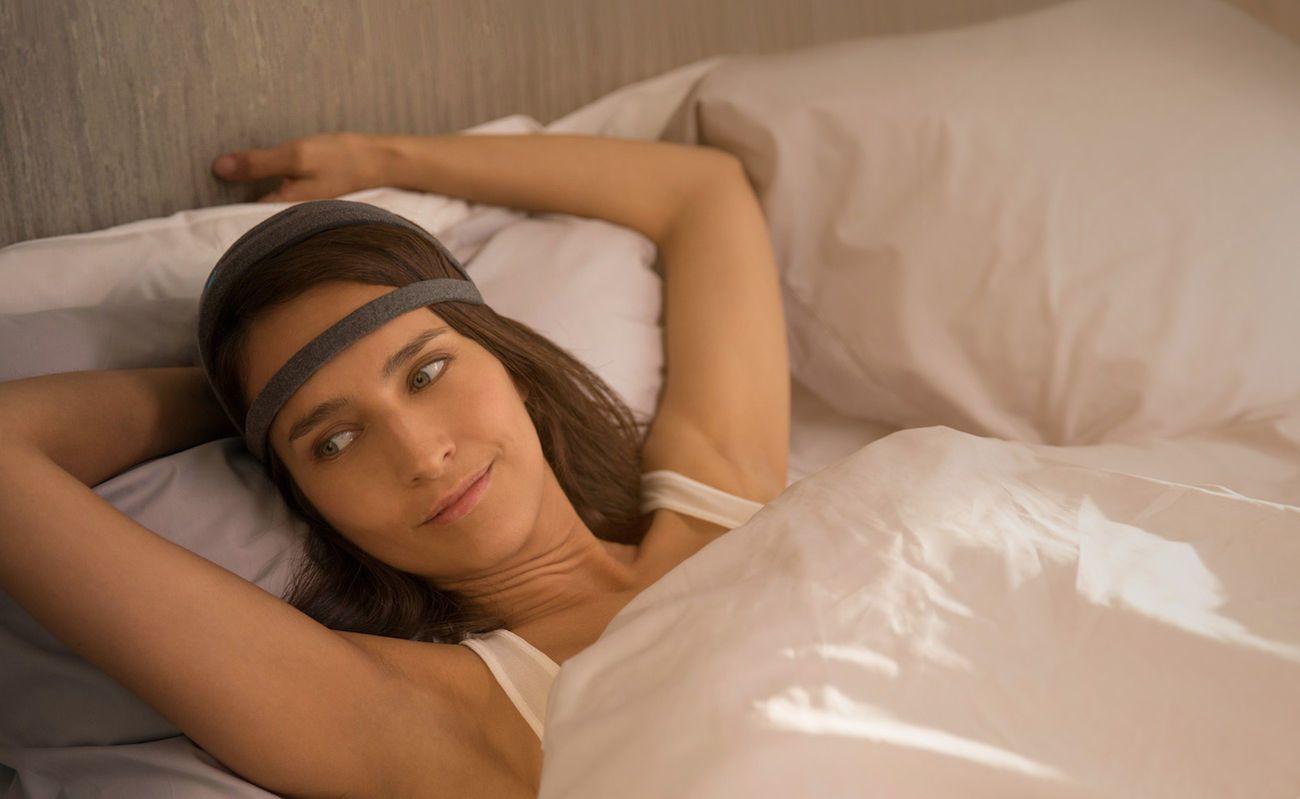
These utilize EEG-based sensors to monitor brainwaves in real-time. By providing auditory feedback such as soothing soundscapes that adjust based on your brain activity, this best sleep tech helps lulls the brain into deeper sleep stages and can even provide data on your specific REM and deep sleep cycles.
Smart Rings and Sleep Trackers
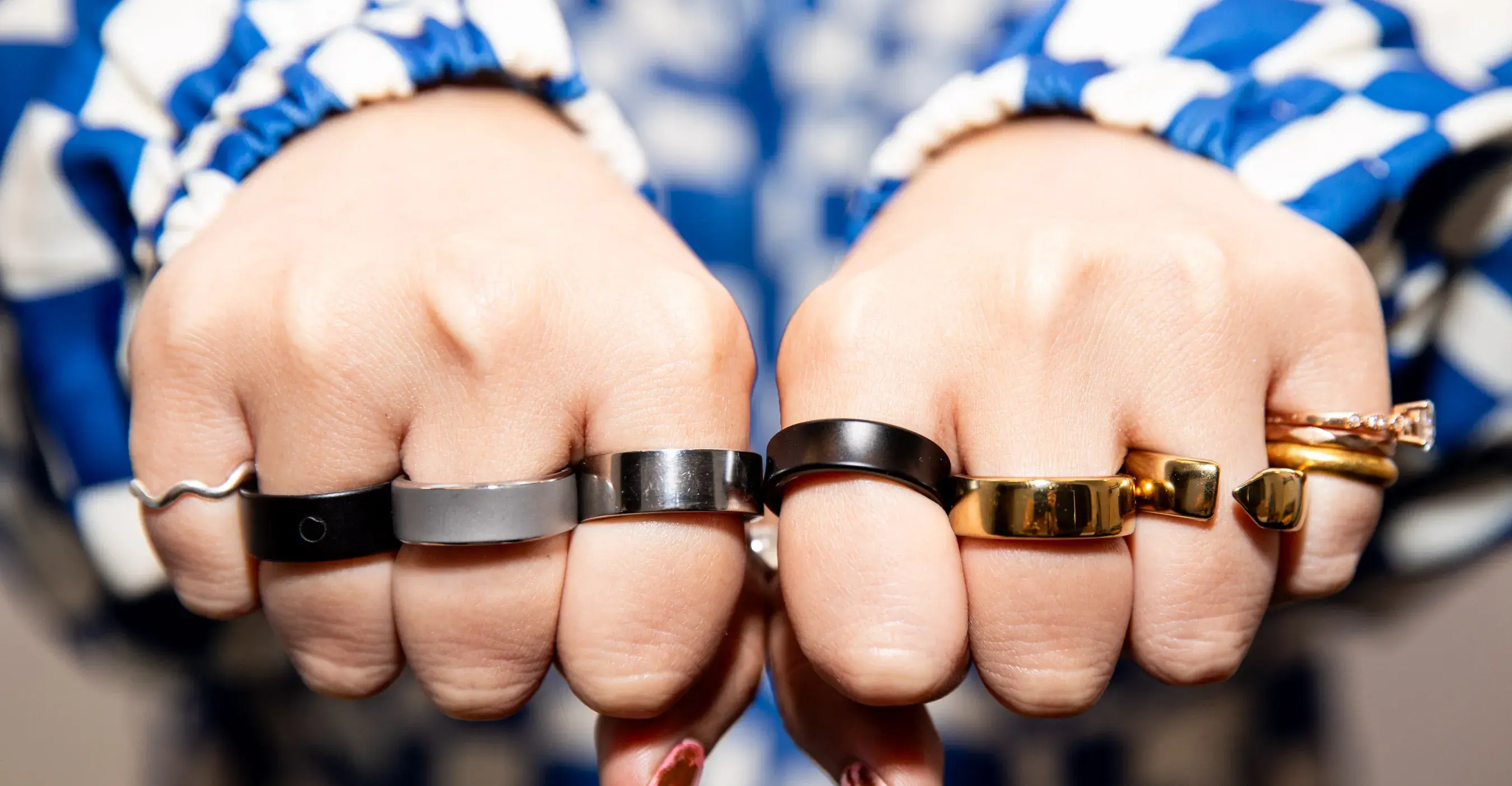
Popular sleep trackers like rings or wristbands provide a wealth of data on heart rate, respiratory rate, and sleep stages. While this sleep technology offers incredible insights into your recovery metrics, it is important to remember that most trackers are passive; they show you the problem but don't always provide the physiological tools to solve it.
Relaxation Technology That Supports Better Sleep
Sometimes the best way to improve rest is to manage the environment. Relaxation devices and smart home integrations help reduce overstimulation, making it easier to maintain a healthy circadian rhythm.
White Noise and Sound Machines
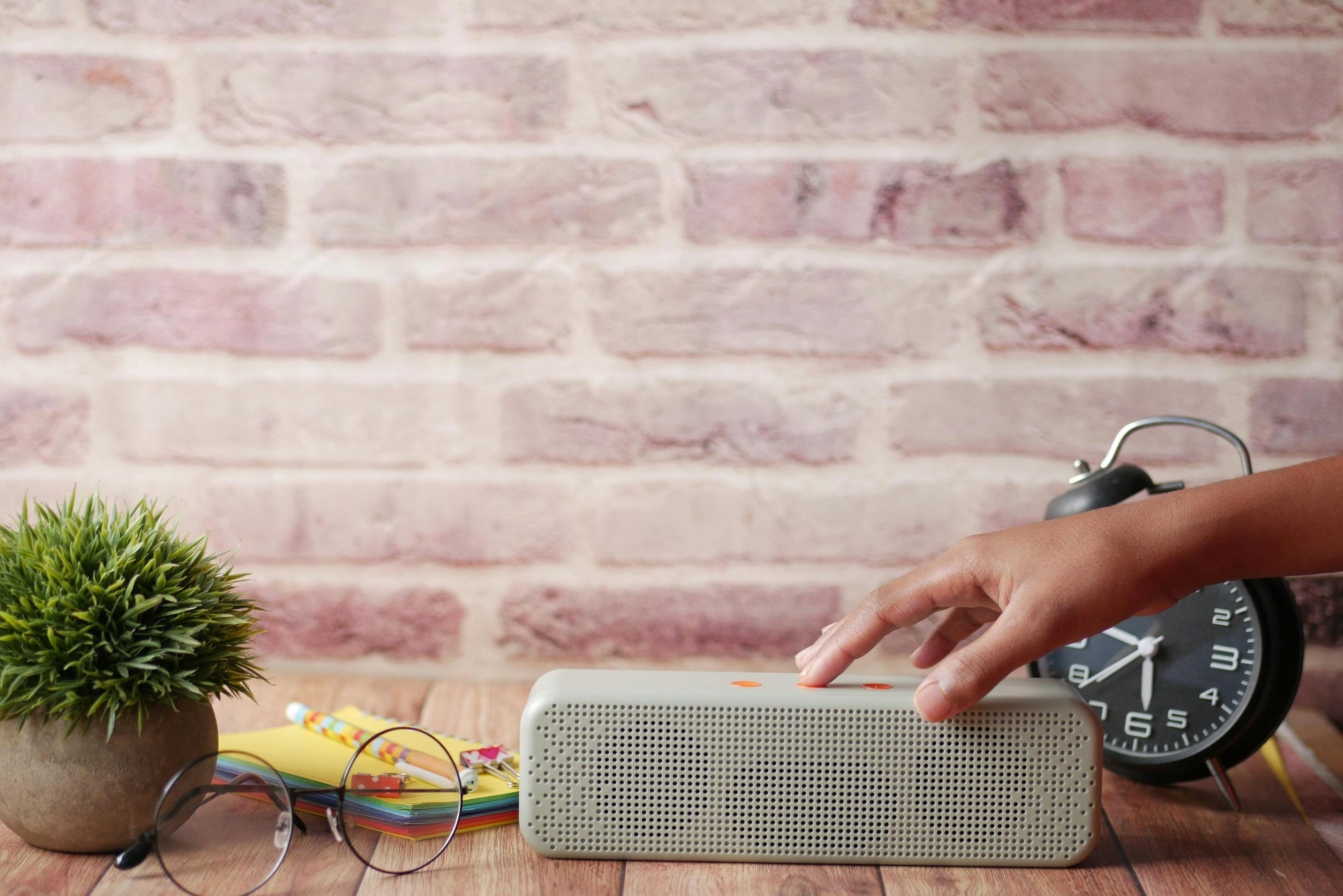
This classic sleep tech remains effective by masking sudden environmental noises that could trigger a wake-up. Modern sleep devices now offer "pink" or "brown" noise, which some users find more soothing and effective for sustaining deep sleep.
Smart Lighting Systems
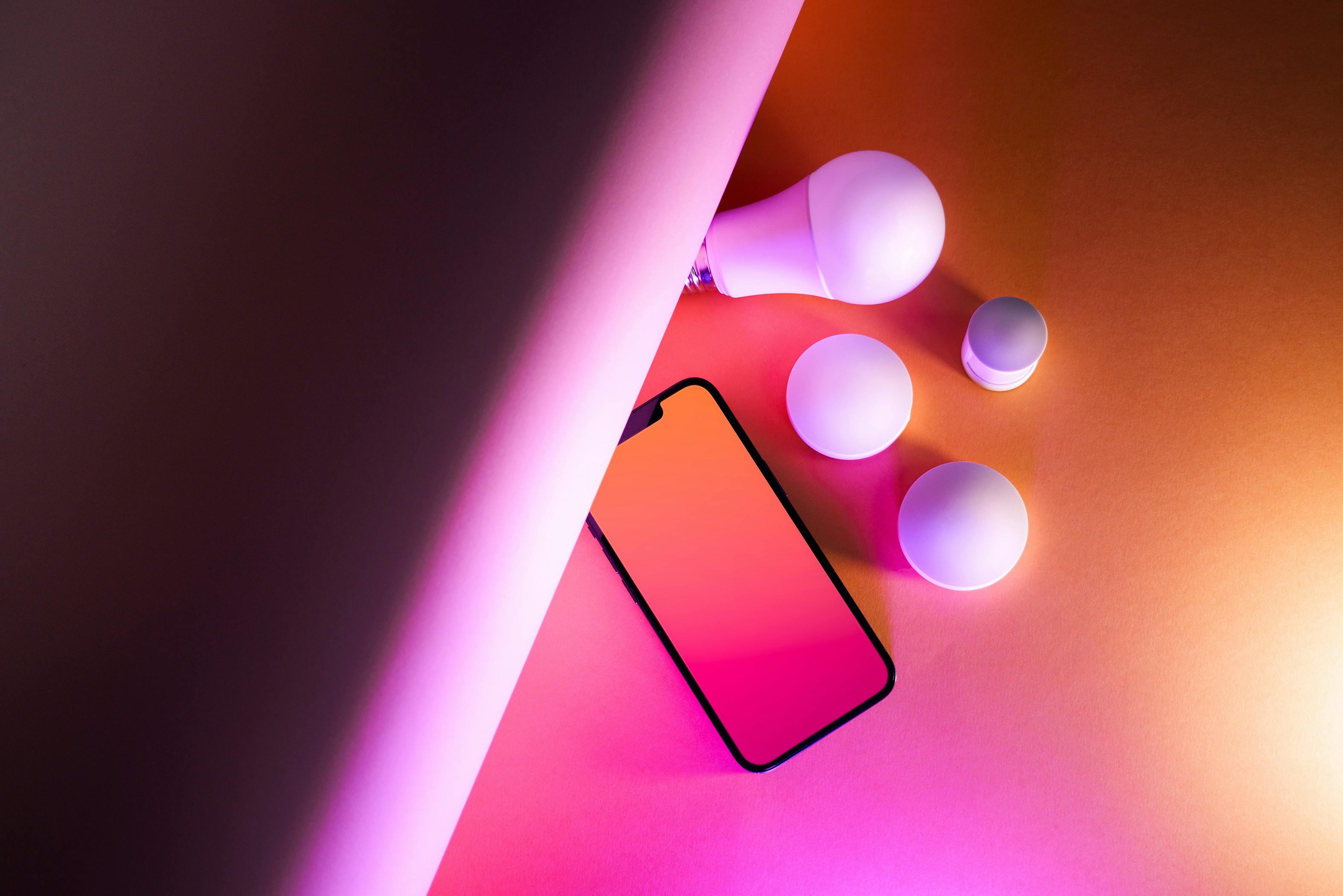
Light is the primary driver of our internal clocks. Smart sleep tech lighting systems gradually dim and shift toward warmer red tones in the evening, which supports natural melatonin production. In our experience, automating this process is one of the easiest ways to improve sleep readiness.
Meditation and Sleep Apps
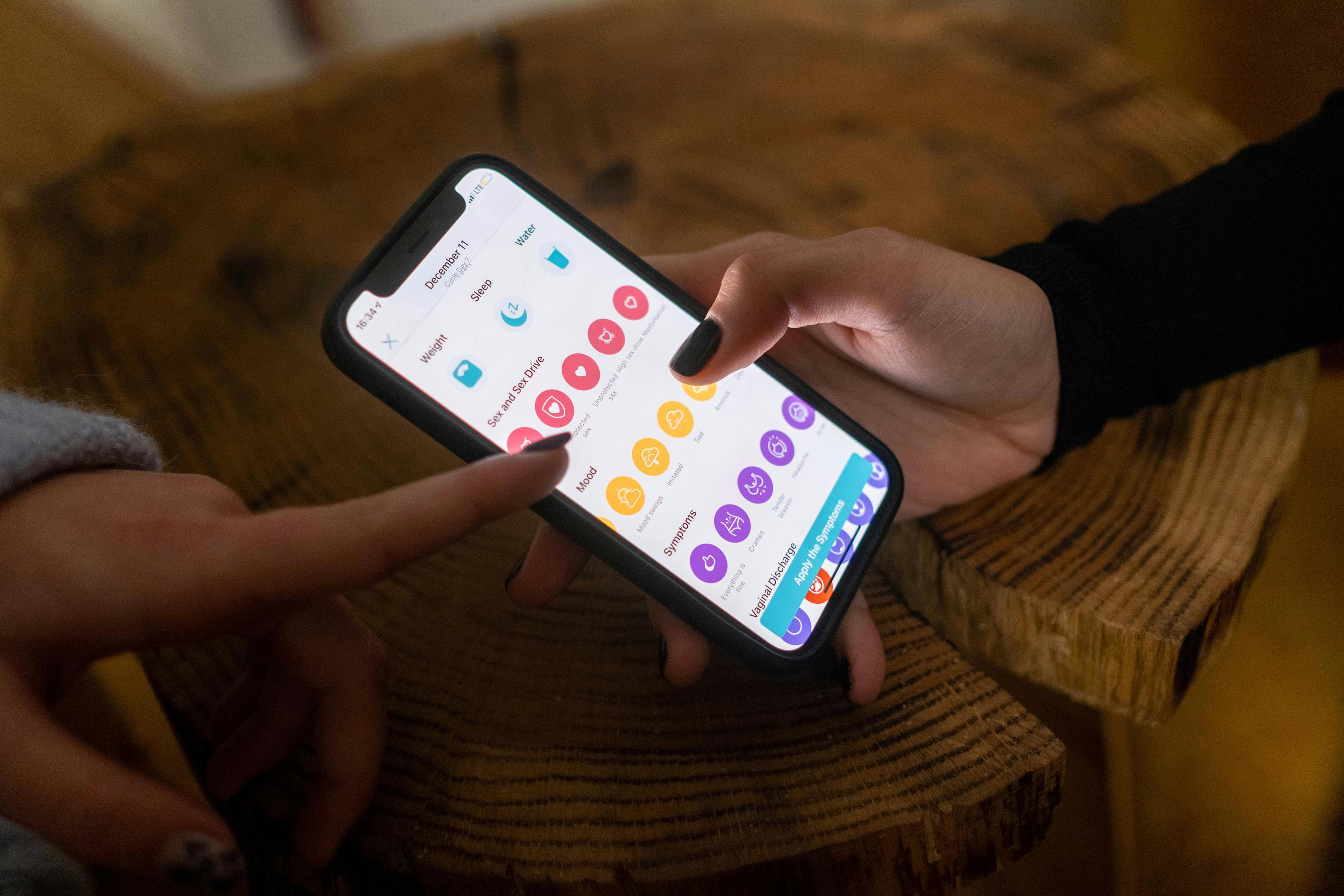
While many avoid screens at night, specific sleep apps focused on breathing exercises and guided meditation can be the best sleep tech for those with racing thoughts. These apps provide a structured "off-ramp" for the mind, helping you disconnect from the day's stressors.
Active vs Passive Sleep Technology
When choosing technology for better sleep, it is vital to understand the difference between monitoring your sleep and improving it.
|
Feature
|
Passive Sleep Technology
|
Active Sleep Technology
|
|
Primary Goal
|
Data collection & insights
|
Physiological intervention
|
|
Example
|
Sleep tracking rings
|
Vagus nerve stimulators
|
|
Benefit
|
Understanding patterns
|
Falling asleep quickly
|
|
User Action
|
Wear and forget
|
Active recovery sessions
|
Passive Sleep Monitoring Tools
These sleep tracking technology tools are fantastic for "diagnostic" purposes. They tell you if your room was too hot or if you had a restless night. However, they don't directly change your nervous system's state.
Active Neuromodulation Devices
In contrast, vagus nerve stimulation and other neuromodulation tools are the best sleep tech for those who need a physical change in their stress response. By destressing for better sleep, these active tools help you manually flip the switch from "fight-or-flight" to relaxation.
How to Choose the Right Sleep Technology
Finding the right sleep technology requires identifying your "sleep bottleneck."
Choose Based on Your Sleep Problem
-
Racing Thoughts? Look for active relaxation tech or guided meditation apps.
-
Nighttime Disruptions? Prioritize white noise machines or smart lighting.
-
Unexplained Fatigue? Use a passive sleep tracker to identify if you are getting enough deep sleep.
-
Chronic Stress? Consider VNS technology for better sleep to regulate your nervous system.
Look for Science-Backed Solutions
In our experience, the most reliable brands always prioritize science-backed sleep technology. Look for companies that reference clinical trials, work with sleep experts, and use technologies like VNS, that have a long history of use in medical and wellness fields.
Improve Your Sleep With Smarter Technology
Modern professionals need more than just a firm mattress; they need tools that address the mental and physiological complexities of rest. While passive trackers are great for awareness, we believe that wearable sleep technologies like Pulsetto focused on active relaxation and vagus nerve stimulation is the most effective way to handle stress-related sleep issues. By utilizing these sleep technology innovations, you can take a proactive, non-invasive approach to recovery that fits seamlessly into your life.
Technology for Better Sleep FAQs
Do wearable sleep devices actually work?
Yes, when used correctly. Passive trackers are highly accurate for data, while active devices like VNS wearables have a measurable impact on heart rate and relaxation.
Can sleep technology reduce stress and anxiety?
Absolutely. Many best sleep tech options specifically target the parasympathetic nervous system to lower the physical markers of anxiety before bed.
Are sleep trackers enough to improve sleep quality?
Usually, no. They provide the "map" (data), but you often need active tools or lifestyle changes to actually reach the "destination" (better sleep).
What sleep technology helps you fall asleep faster?
Active devices like vagus nerve stimulators and guided breathing apps are the most effective for shortening the time it takes to drift off.
Is non-invasive sleep technology safe to use daily?
For the vast majority of healthy adults, yes. Most consumer sleep tech is designed for safe, daily use to help build long-term sleep resilience.