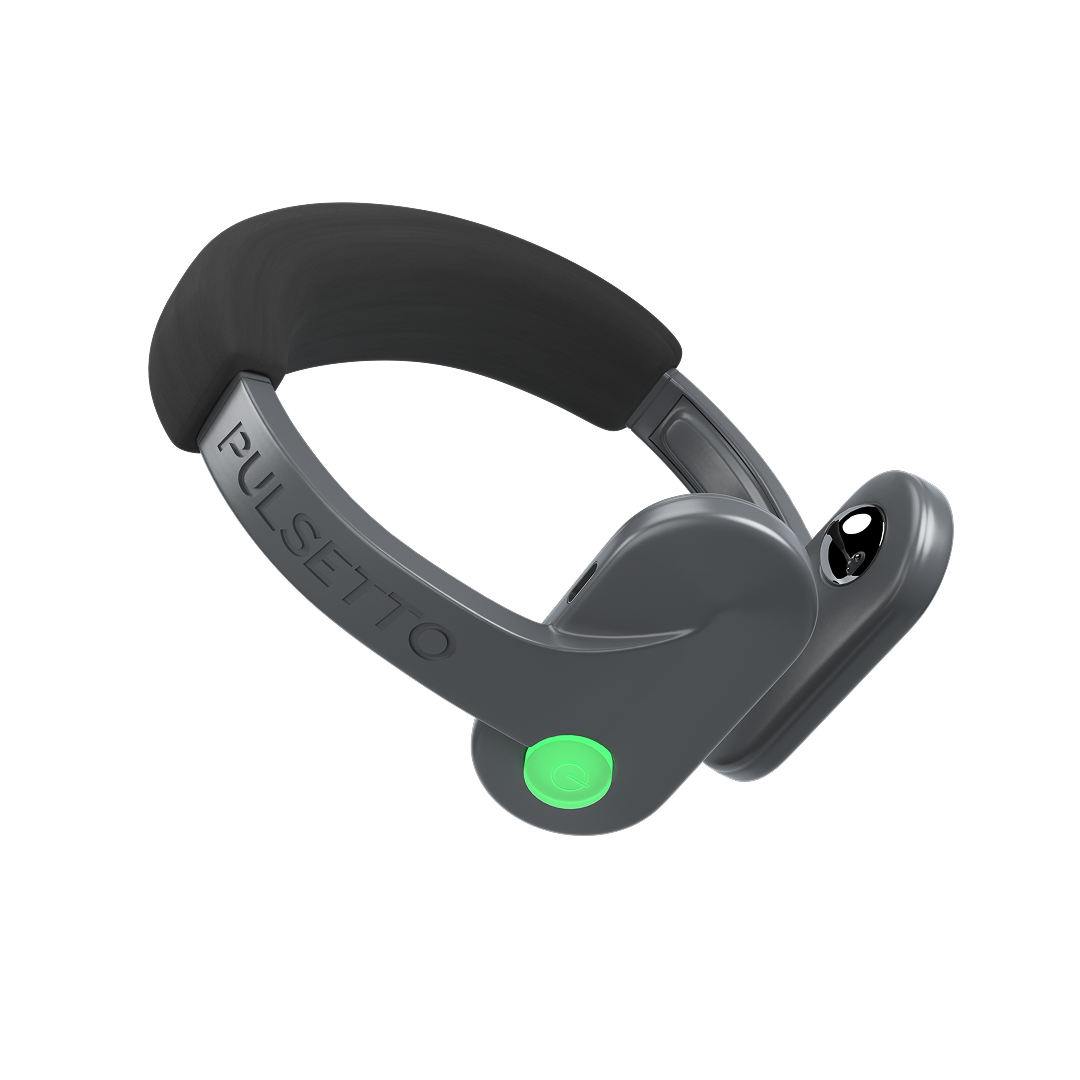
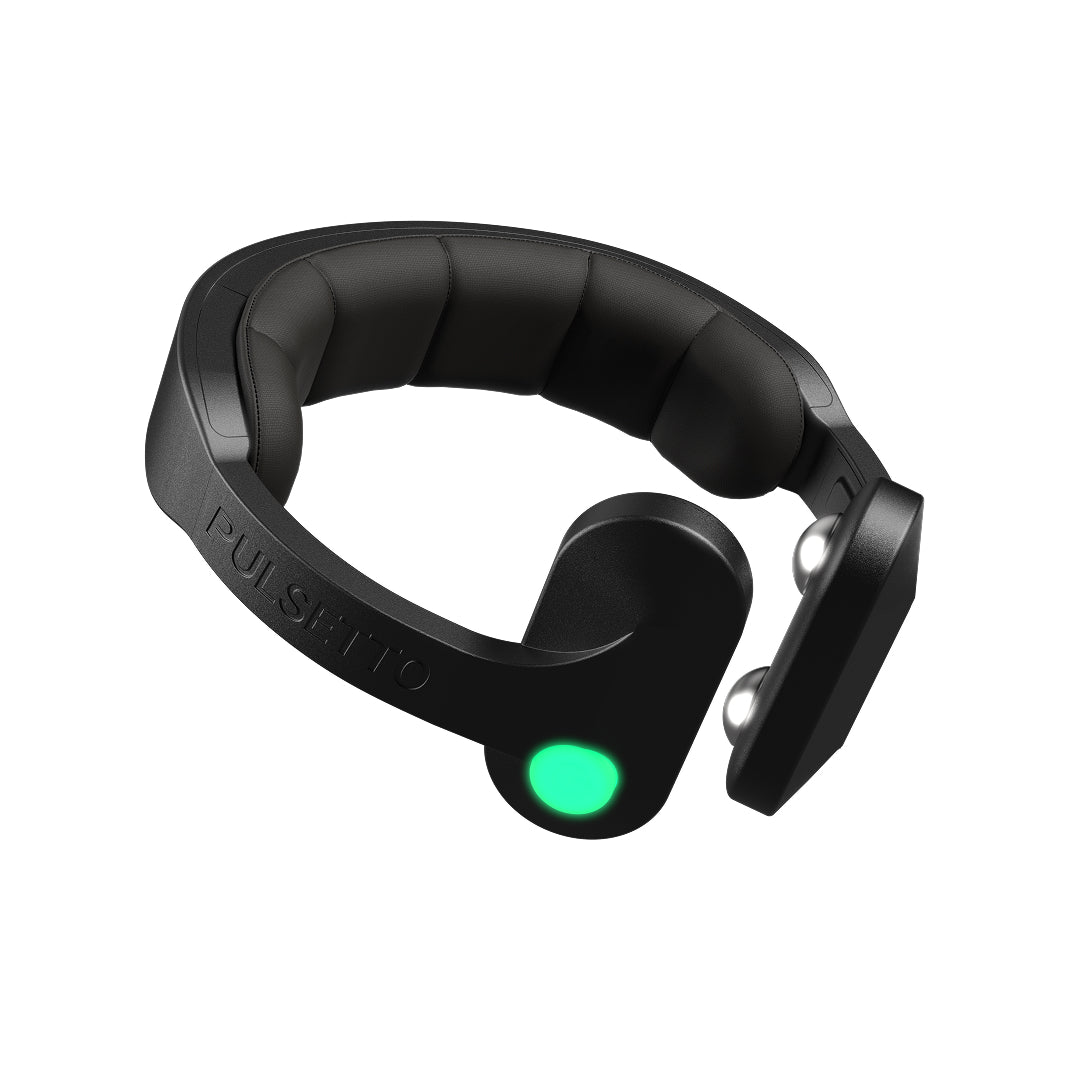
Pulsetto Vagus Nerve Stimulator
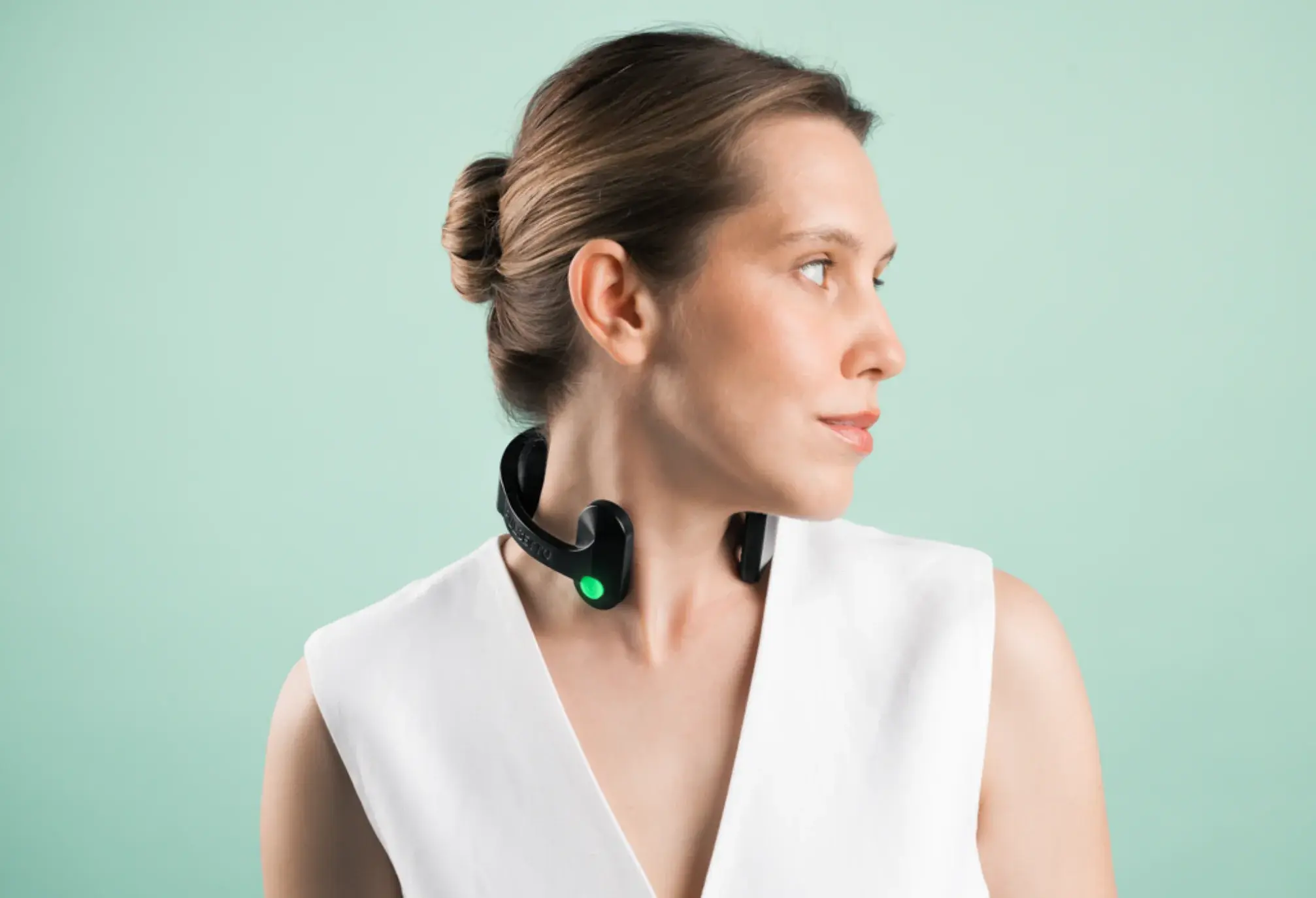
Most tools for better sleep work around the problem. The Pulsetto vagus nerve stimulator works on it directly, targeting the nervous system state that prevents sleep from arriving in the first place.
Non-invasive vagus nerve stimulation sends gentle electrical impulses through the skin of the neck to the vagus nerve, triggering a measurable parasympathetic response: lower heart rate, reduced cortisol, and a shift from fight-or-flight to rest-and-recover. That shift is what most people with stress-driven sleep difficulty actually need before sleep becomes possible.
Among the relaxation devices gaining traction in wellness routines, Pulsetto targets the autonomic nervous system directly rather than creating a relaxing atmosphere. It is most useful for:
-
People lying awake reviewing conversations from the day or running tomorrow's schedule
-
Anyone feeling a low hum of anxiety at bedtime that resists breathing techniques or mindfulness
-
Frequent travelers whose nervous systems stay on alert in unfamiliar environments
The device connects to an app with five programs: Stress, Anxiety, Sleep, Burnout, and Pain Management. Sessions are hands-free, quiet, and complete in minutes.
The science behind this approach is growing. A 2023 sham-controlled trial published in Frontiers in Neuroscience found that transcutaneous cervical vagus nerve stimulation significantly reduced sympathetic arousal during acute stress in healthy adults (Sanchez-Perez et al., 2023). A 2024 randomized controlled trial in Frontiers in Psychology found that non-invasive VNS reduced chronic stress levels and improved sleep quality measured by the Pittsburgh Sleep Quality Index versus a control condition (Dos Reis et al., 2024).
Best for: Stress-driven insomnia, racing thoughts at bedtime, chronic work anxiety, frequent travelers, and anyone who has optimized their sleep environment without lasting results.
White Noise Machines
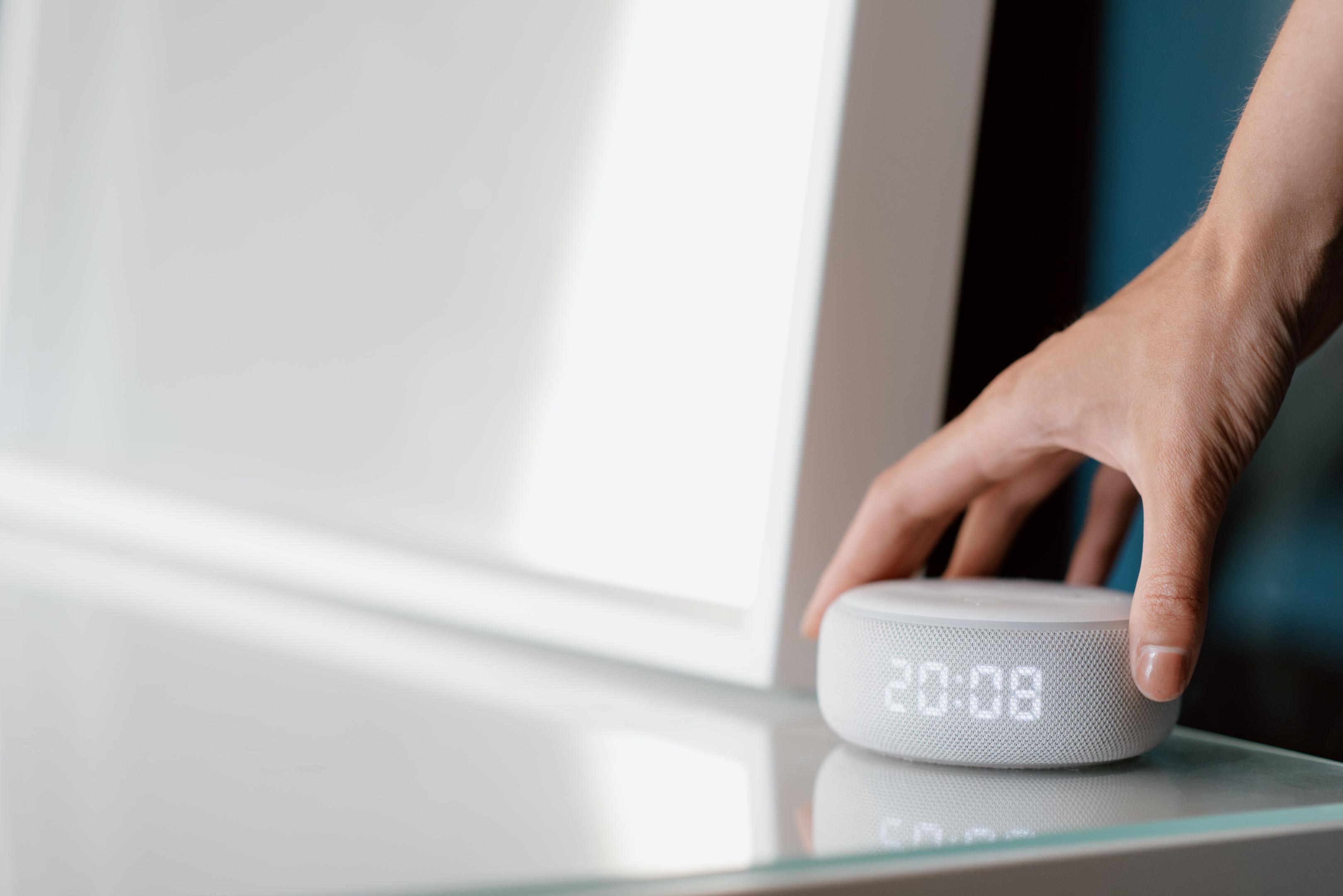
White noise machines are among the most reliable sleeping tools for people whose sleep is disrupted by environmental sound. They work by creating a consistent acoustic layer that masks irregular noises like a door closing, traffic, or a neighbor's television, that would otherwise trigger the brain toward wakefulness.
Modern options go beyond white noise: brown noise, pink noise, fan frequencies, and rain sounds each offer a different acoustic texture. Brown noise, with its lower frequency emphasis, is often preferred by people who find white noise too sharp.
Weighted Blankets
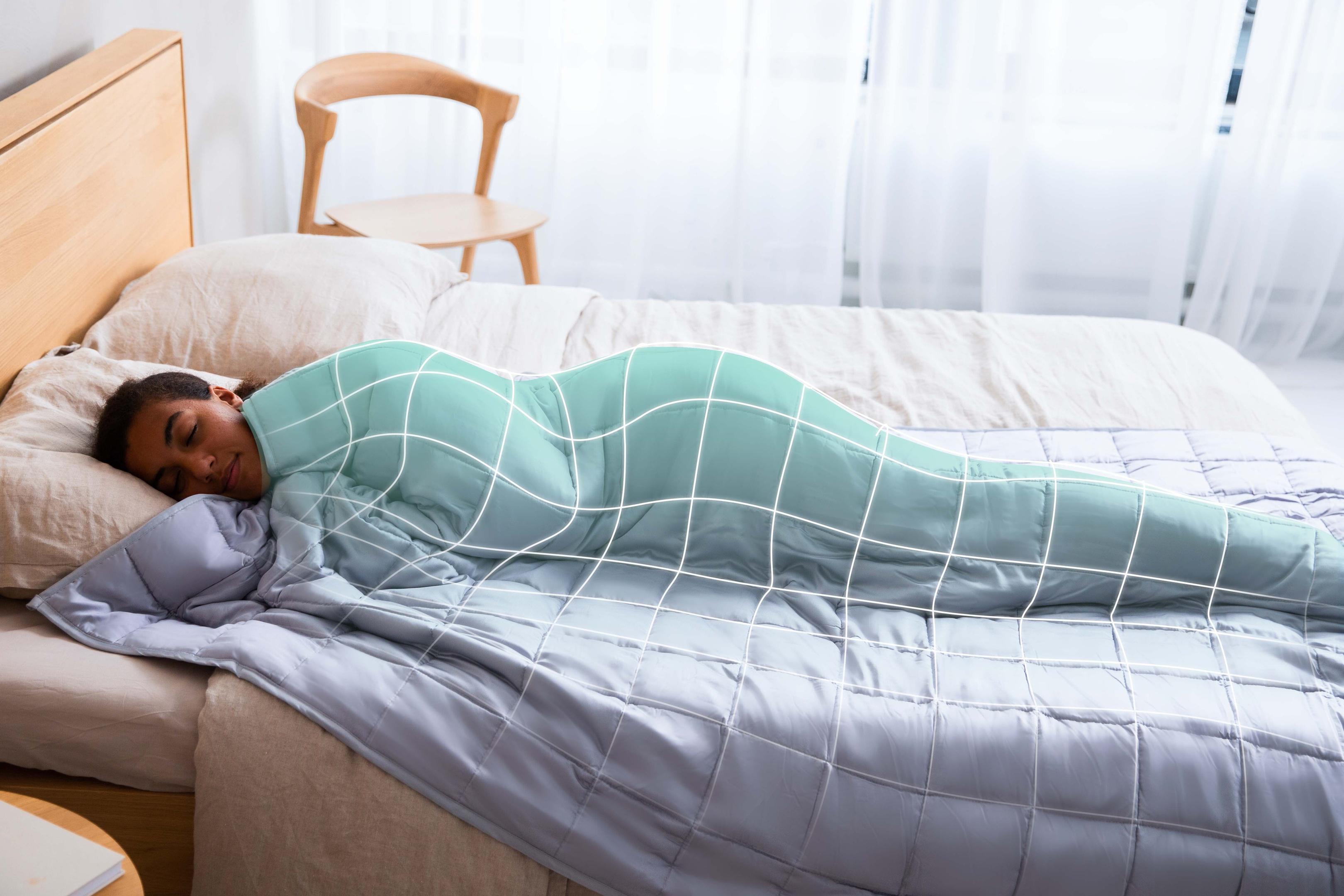
Weighted blankets create deep pressure stimulation that may help the body feel calmer and more settled at bedtime. The firm, even compression mimics the sensation of being held, which activates the parasympathetic nervous system and may reduce the restlessness that prevents sleep onset.
They are particularly useful for people who feel anxious or overstimulated when lying still, and for anyone who finds physical comfort a more reliable route into relaxation than mental techniques. As sleeping tools go, weighted blankets are passive but effective for the right profile.
Blackout Curtains and Sleep Masks
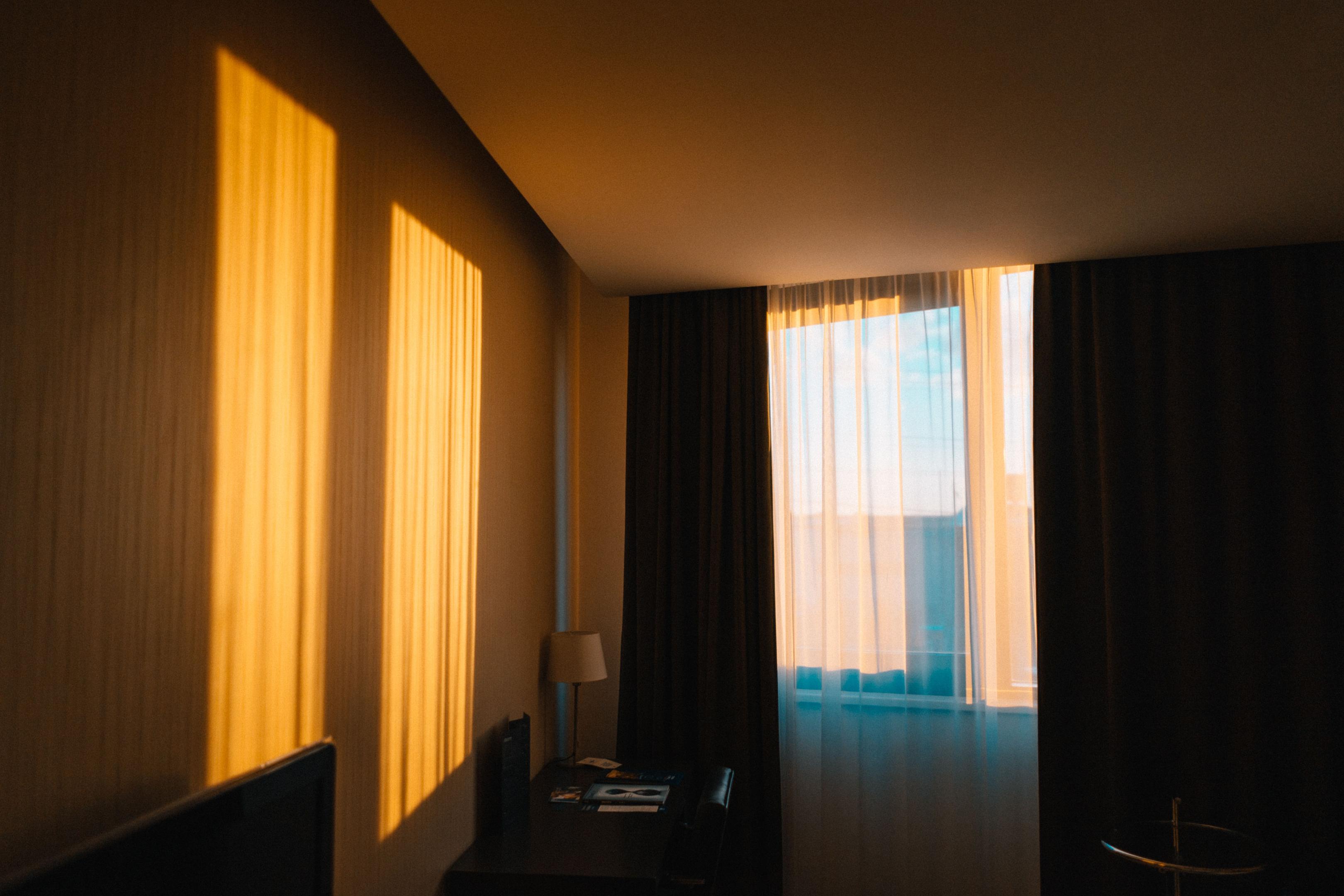
Darkness is the most direct environmental signal for melatonin production. Light can suppress melatonin and delay sleep onset or reduce sleep depth throughout the night.
Blackout curtains eliminate light at the source and work best for people with a fixed bedroom environment. Sleep masks are the portable version: useful for travel, shift work, and sharing a room with a partner on a different schedule. Modern sleep masks with contoured designs eliminate eyelid pressure and some include integrated audio for guided content or ambient sound.
Smart Sleep Trackers
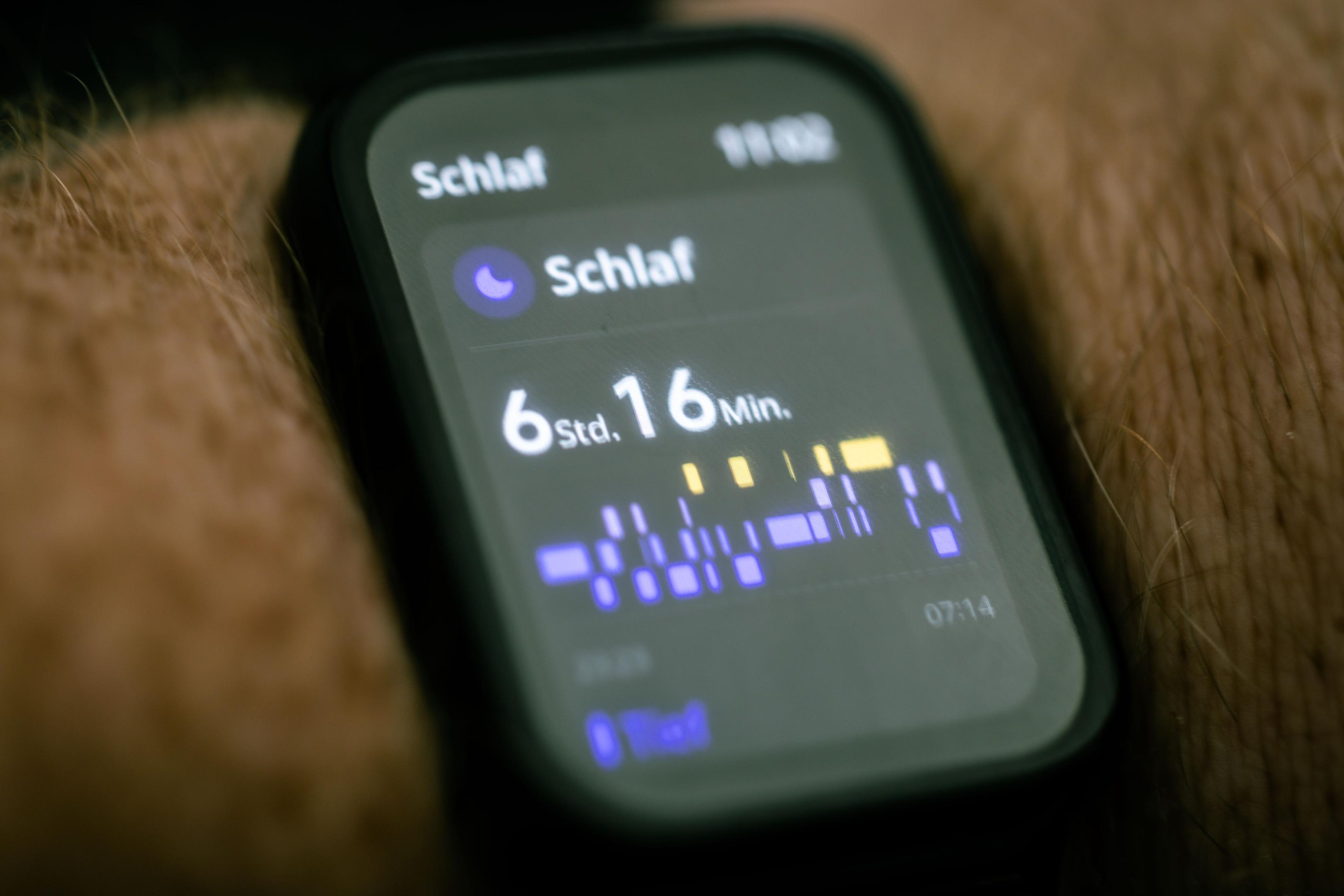
Smart sleep trackers and rings give users visibility into their sleep patterns: how long they sleep, how much time they spend in deep and REM stages, how often they wake, and how lifestyle factors like exercise, alcohol, and stress affect their recovery metrics.
Used well, this data helps identify which sleeping tools and habits are actually moving the needle. The caveat is that tracking sleep can create performance anxiety in some people, which works against the goal. The best approach is to use trackers to identify patterns over weeks rather than scrutinize individual nights.
Aromatherapy Diffusers
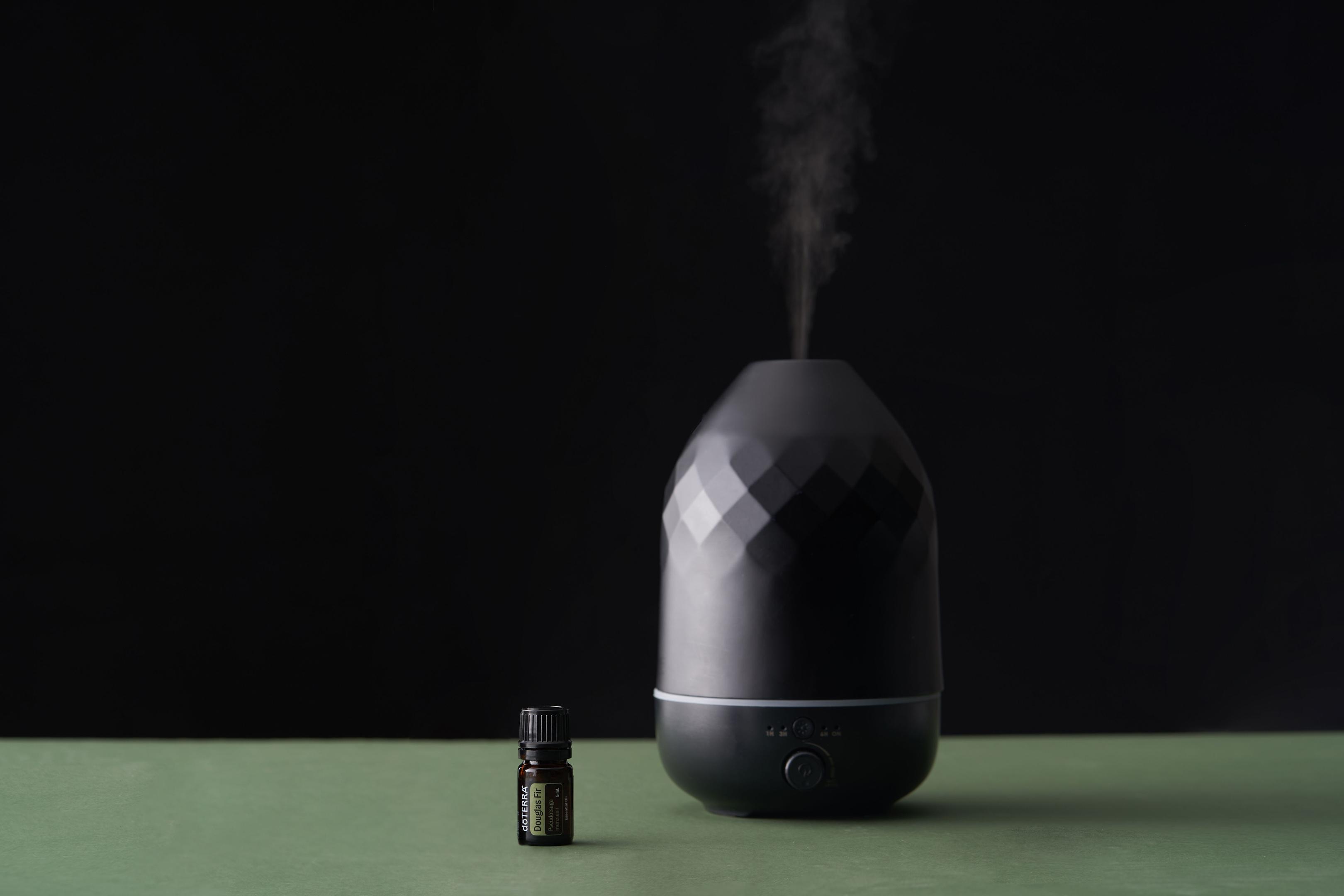
Aromatherapy diffusers disperse calming scents into the bedroom environment and may help create a sensory association with rest and relaxation. Used consistently before bed, they can become part of a conditioned wind-down signal that helps the brain transition toward sleep mode.
The effect is environmental rather than physiological: diffusers set a mood but do not directly regulate the nervous system. They work best as a complement to other sleeping tools rather than as a primary intervention for stress-driven sleep difficulty.
Meditation and Breathwork Apps
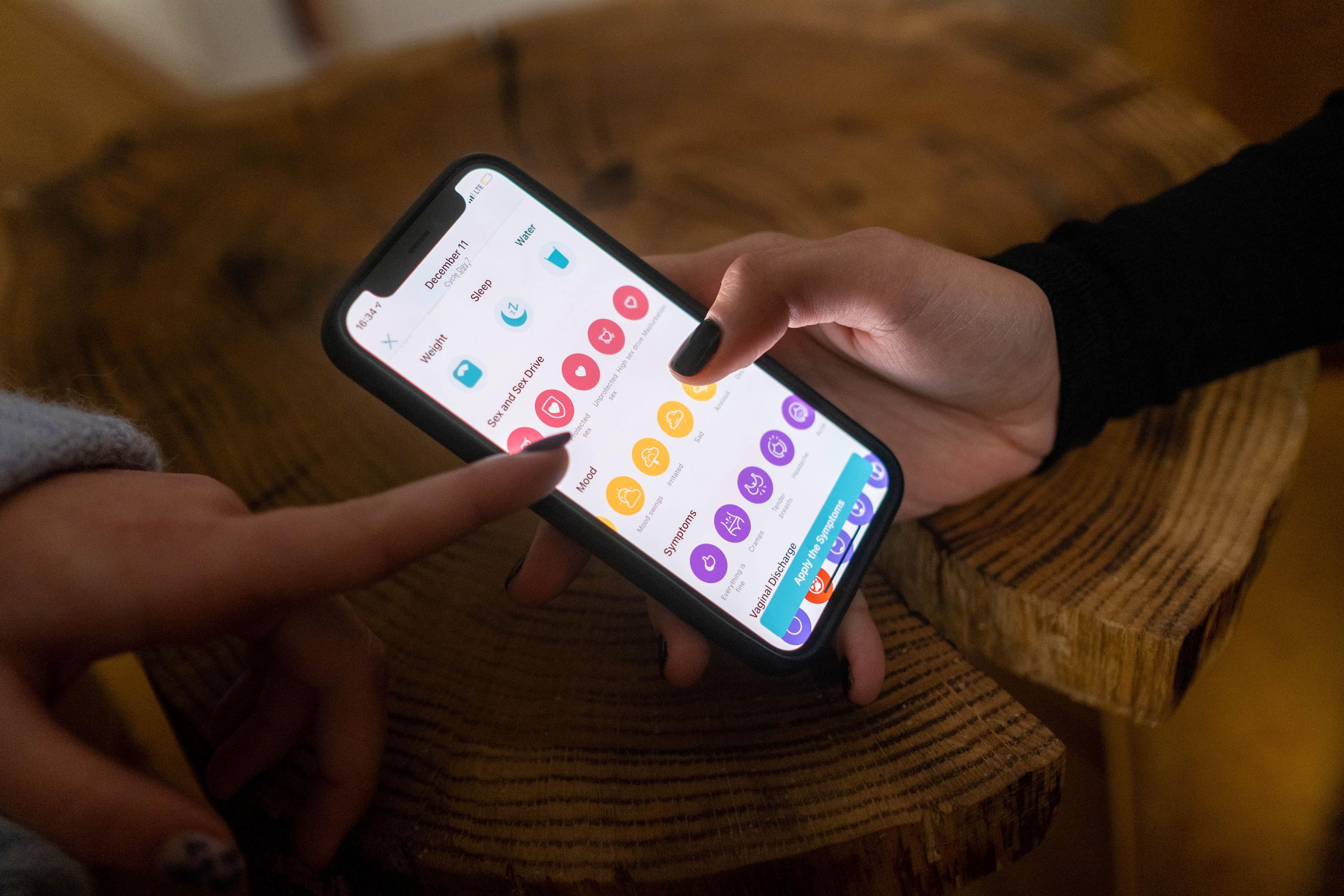
Guided meditation and breathwork apps help the nervous system downregulate before sleep by slowing respiration, extending exhalations, and redirecting attention away from ruminative thought loops. The extended exhale in particular directly stimulates vagal tone, making it one of the most accessible physiological sleep tools available without any hardware.
Working on destressing for better sleep through breathwork is where apps like these earn their place in a sleep routine. The overlap between mindfulness practice and sleep optimization has grown significantly, and apps now offer sleep-specific content ranging from body scans to cognitive shuffle techniques to binaural beat sessions.
Cooling Pillows and Temperature Control Devices
The body's core temperature needs to drop by one to two degrees for sleep onset to occur. Sleeping too warm disrupts this process and reduces time in deep sleep stages, even without causing full waking.
Cooling pillows, phase-change mattress toppers, and moisture-wicking bedding support the temperature drop passively throughout the night. These tools for better sleep work best when the primary issue is thermal like waking up warm, difficulty falling asleep in summer, or night sweats. They remove one physiological barrier to sleep without requiring any behavioral change.
How to Choose the Right Sleep Tools for Your Needs
Matching the tool to the problem is the most important step. The wrong tool (however well-reviewed) will not help if it does not address the specific reason sleep is difficult.
A practical way to identify the right starting point:
-
Stress and racing thoughts: An active sleeping tool that regulates the nervous system is the priority. Pulsetto or a dedicated breathwork app directly addresses sympathetic arousal.
-
Environmental disruption: White noise machines, blackout curtains, or sleep masks handle acoustic and light disturbances.
-
Physical restlessness: Weighted blankets or cooling bedding address thermal or sensory discomfort.
-
Pattern awareness: A smart sleep tracker helps identify which habits and tools are making a measurable difference.
For people comparing nervous system tools specifically, Pulsetto and Nurosym are the most commonly considered options. The Nurosym vs Pulsetto decision comes down to stimulation location and clinical positioning: cervical versus auricular, and consumer-accessible versus research-aligned. Among the best vagus nerve stimulator options for sleep and relaxation, Pulsetto's hands-free format, short session time, and accessible price make it the most practical for daily use.
The strongest sleep routines combine one tool from each relevant category rather than stacking multiple tools targeting the same problem.
Ready to Improve Your Sleep Naturally?
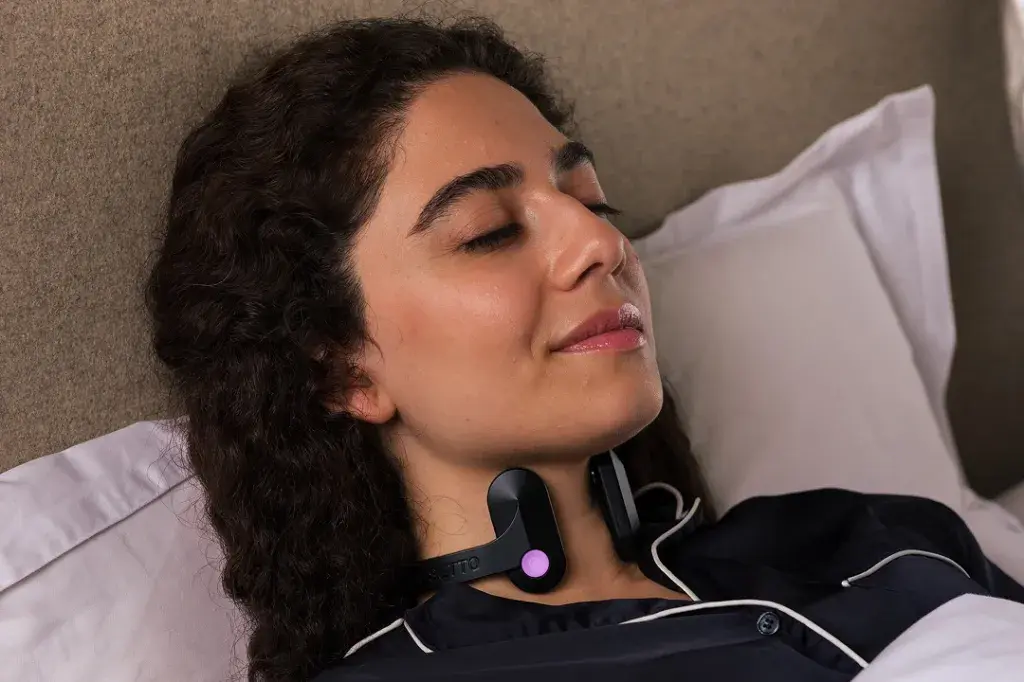
Better sleep comes from addressing the cause, not managing the symptom. For most people, that means pairing environmental tools that remove barriers to sleep with an active tool that helps the nervous system actually get there.
Pulsetto is the active layer that most sleep routines are missing. A few minutes before bed, it gives the body a direct biological reason to stop running and start recovering. Combined with the environmental and behavioral sleeping tools above, it addresses sleep difficulty at both the physiological and contextual level.
If the standard sleep advice has not moved the needle, starting with the nervous system is where the tools for better sleep actually begin.
Tools for Better Sleep FAQs
Do wearable sleep devices actually help improve sleep quality?
The most effective ones do, when matched to the right problem. VNS wearables like Pulsetto have a growing evidence base for reducing stress-related sleep difficulty by activating the parasympathetic nervous system. Smart sleep trackers improve sleep quality indirectly by helping users identify which habits and tools produce measurable changes. Wearables that track without actively changing physiology provide data but not direct improvement.
How does vagus nerve stimulation help with sleep?
The vagus nerve is the body's primary parasympathetic pathway. Stimulating it sends a direct signal to slow heart rate, lower cortisol, and shift the autonomic nervous system from sympathetic to parasympathetic mode. That shift is what allows genuine physical relaxation and sleep onset to occur. For people whose sleep difficulty is driven by stress or anxiety, VNS tools address the physiological state that prevents sleep rather than simply improving the environment around it.
Are sleeping tools better than sleep medication?
They serve different functions. Sleep medication addresses acute sleep failure, often by sedating the nervous system. Sleep tools address the conditions that produce better sleep naturally: reducing arousal, managing environment, improving nervous system regulation, and building consistent habits. The right answer depends on the severity and cause of the sleep problem. For stress-driven sleep difficulty that falls short of a clinical diagnosis, sleep tools often produce better long-term outcomes without dependency risk.
What sleep tools help reduce nighttime anxiety?
The most effective sleeping tools for nighttime anxiety are those that directly reduce sympathetic arousal. A VNS device like Pulsetto activates the parasympathetic nervous system physiologically. Breathwork apps extend the exhalation to stimulate vagal tone. Weighted blankets provide deep pressure stimulation that may reduce anxious restlessness. Used in combination, these tools address the anxiety at the nervous system level rather than distracting from it.
Can white noise machines improve deep sleep?
White noise machines primarily reduce sleep fragmentation from environmental sound rather than directly deepening sleep stages. By reducing the number of micro-arousals caused by irregular noise, they allow the sleep cycle to run more completely, which naturally increases the proportion of deep sleep and REM sleep across the night. The effect is most pronounced for people whose light sleep is frequently disrupted by environmental noise.
What should I use before bed to relax faster?
The most effective pre-sleep tools combine a physiological intervention with a behavioral wind-down. A four-minute Pulsetto session activates the parasympathetic nervous system directly. Dimming lights 60 to 90 minutes before bed reduces blue light suppression of melatonin. A short breathwork or body scan session extends the exhalation and redirects attention from rumination. These three steps, used consistently, address the nervous system, the environment, and the mind simultaneously.
Are smart sleep trackers accurate enough to improve sleep habits?
Smart sleep trackers are accurate enough to identify meaningful patterns across weeks, though night-to-night sleep stage data should not be treated as clinical measurement. Their value is in revealing which lifestyle choices (alcohol, exercise timing, late eating, device use) correlate consistently with better or worse sleep quality. Used as a trend tool rather than a nightly report card, they provide actionable insight that meaningfully supports better sleep habits over time.