Train Your Cardiovascular System
Your cardiovascular system's response to stress, how fast your heart rate spikes and how quickly it comes back down, is trainable through the same aerobic conditioning that builds general fitness. In a randomized controlled trial, 149 men were assigned to 12 weeks of endurance training, a relaxation program, or a waitlist. The exercise group significantly improved cardiorespiratory fitness and showed reduced cortisol, heart rate, and heart rate variability reactivity to a standardized social stress test afterward, with heart rate specifically recovering to baseline faster than in either other group [1]. The relaxation group saw a narrower benefit, lower cortisol reactivity only, and the waitlist group showed no change at all. In practical terms: three sessions a week of moderate-intensity aerobic activity, sustained for at least eight to twelve weeks, is the dose that's actually been tested for this specific outcome, not a single hard workout.
Train Your Vagal Brake
The vagal brake is the part of your nervous system responsible for pulling your body back down after it's been activated, and it responds directly to slow, paced breathing. A systematic review of the mechanism research found that slow breathing techniques, generally under 10 breaths per minute, reliably increase heart rate variability and markers of parasympathetic activity, with downstream effects that include increased comfort and relaxation and reduced markers of arousal and anxiety [2]. This is one of the more mechanically direct entries on this list: you're not hoping for a general wellness effect, you're deliberately practicing the exact physiological skill of downshifting.

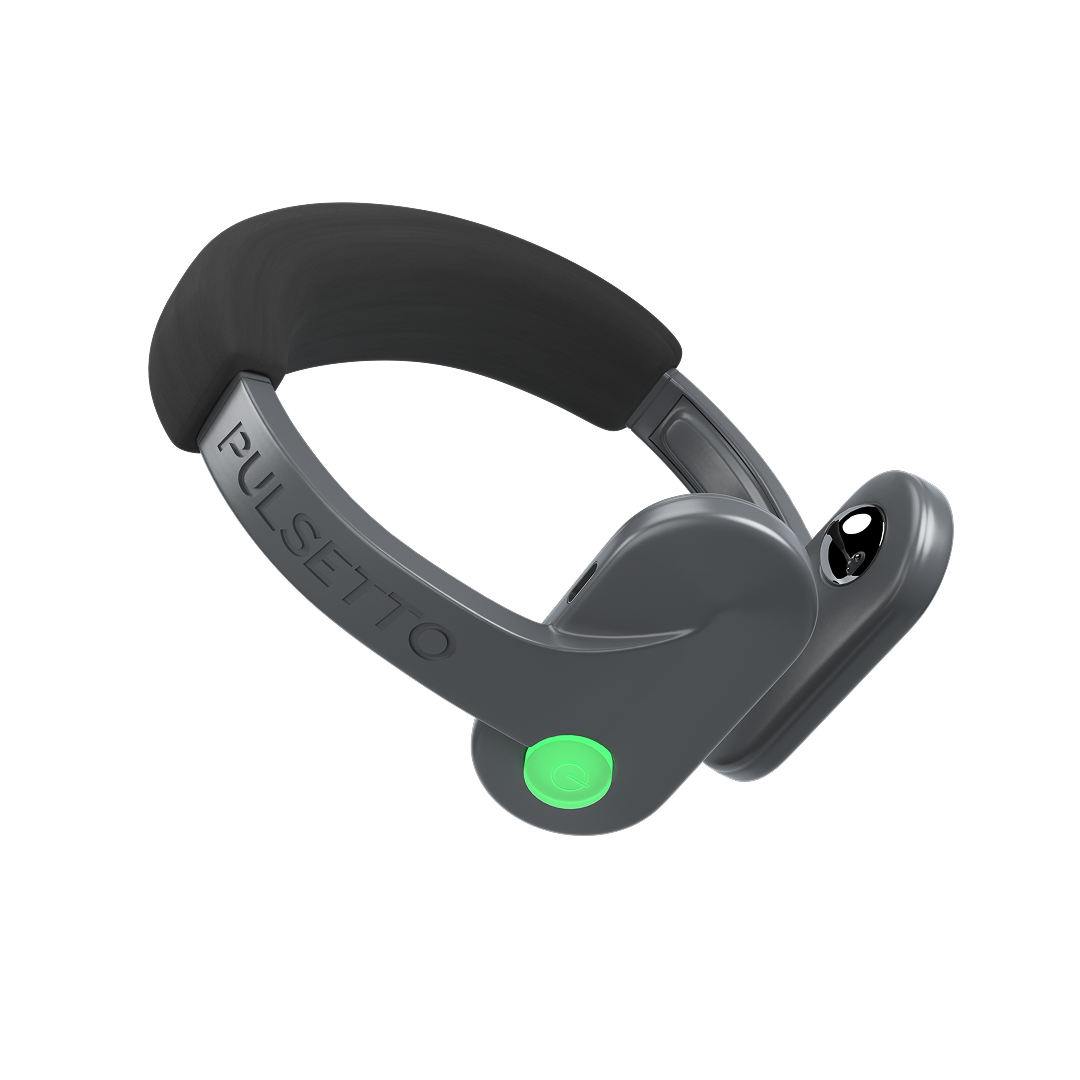
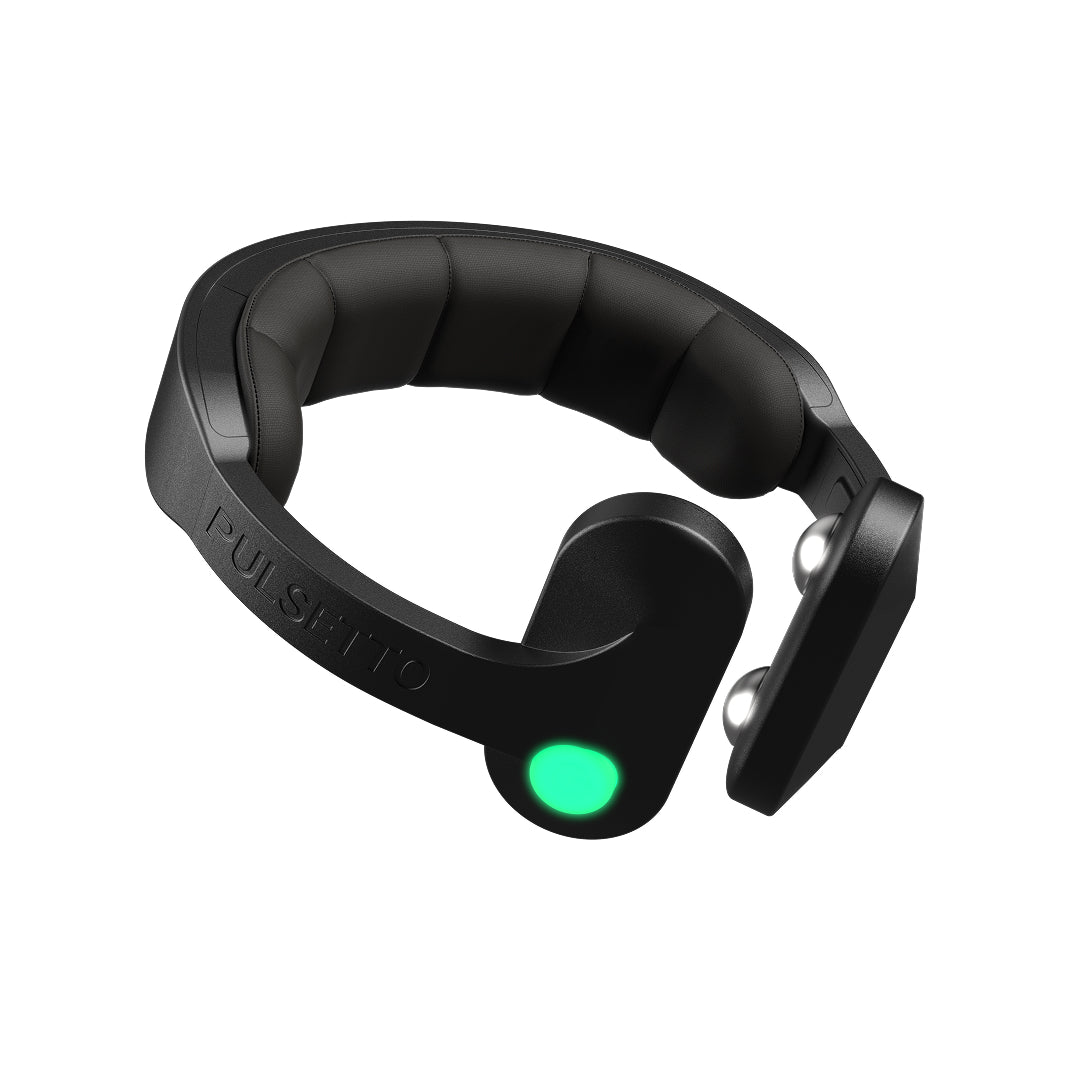
Paced breathing isn't the only way to work this particular system. Pulsetto is a neck-worn device that stimulates the vagus nerve on both sides at once, offering a second route to the same brake without requiring you to hold a breathing pattern for the session to work. In Pulsetto's own randomized, open-label pilot study, 40 adults saw PHQ-9 depressive-symptom scores drop 55.9% and GAD-7 anxiety scores drop 45.3% over four weeks of use. What it adds to vagal-brake training is a fixed, hands-free session, worn and left running, with nothing you need to actively hold your attention on for it to work.
Disclaimer: Pulsetto is a general wellness product and is not intended to diagnose, treat, cure, or prevent any disease or medical condition.
Train Your Tolerance for Controlled Physical Stress
Deliberately exposing your body to a manageable physical stressor, and repeating that exposure, trains a measurable habituation response. In a laboratory study, participants underwent five separate cold-water exposures across two sessions, and their cardiovascular stress response, heart rate, cardiac output, and mean arterial pressure among the markers tracked, showed a smaller reaction with each successive exposure, alongside reduced self-reported pain by the final trial [3]. This is a genuinely different training stimulus than aerobic conditioning or breathing practice: it's teaching your body's acute stress-alarm system that a specific jolt is survivable and doesn't warrant its full initial reaction every time. A practical, low-risk version of this is a short cold-water finish to a regular shower, starting with a few seconds and extending gradually as the response habituates, rather than committing to a full cold plunge on day one. Anyone with a cardiovascular condition should get medical clearance before adding deliberate cold exposure, for the same reason any new cardiovascular stressor warrants a check first.
Train Your Sleep
Sleep is the system that lets the other three consolidate, and it has a direct, measurable relationship with your body's stress chemistry. A systematic review and meta-analysis of physical activity intervention studies found that physical activity was associated with meaningfully lower cortisol levels and improved sleep quality, with the authors noting that stress and sleep appear to be bidirectionally linked, each affecting the other [4]. In practice, this means the cardiovascular and cold-exposure training above isn't separate from sleep, it's one of the more reliable ways to improve it, and a consistent sleep and wake time does more for next-day stress reactivity than almost anything else on this list.
When to Get Professional Guidance First
Aerobic training, breathing practice, and basic sleep hygiene are safe starting points for essentially everyone, though anyone with an existing cardiovascular condition should get medical clearance before starting a new exercise program or adding deliberate cold exposure. Adding an electrical vagus nerve stimulation device carries its own specific list: anyone with a pacemaker or other implantable device, epilepsy or a seizure disorder, or who is pregnant should get medical guidance before using one, along with anyone with an active cardiac arrhythmia, a recent neck or throat injury or surgery, or a carotid artery condition, consistent with the broader safety literature on transcutaneous vagus nerve stimulation [5].
Try Pulsetto
Try the Pulsetto vagus nerve stimulator built for exactly this: hands-free vagal-brake training, no breathing pattern to hold, nothing to do but let it run. Curious how it landed for other people first? Browse real user reviews.
Frequently Asked Questions
How long does it take to train your body to handle stress?
The cardiovascular changes measured in research took 12 weeks of consistent training to show up. Cold-exposure habituation and breathing-practice benefits can appear faster, within days to a few weeks, but all four systems respond to consistency over time rather than a single session.
Do I need to do all four at once?
No. Each system responds independently, so picking one or two to start with, cardiovascular training and breathing practice are the most accessible starting points for most people, still produces real, measurable change. Adding the others later compounds the effect rather than being required from day one.
Is cold exposure actually necessary?
No single method here is mandatory. Cold exposure trains a specific habituation response that aerobic training and breathing practice don't directly address, but someone who only does the other three is still training real, measurable systems.
Is it safe to add a vagus nerve stimulation device to this routine?
For most healthy adults, yes, but anyone with a pacemaker or other implantable device, epilepsy, or who is pregnant should get medical guidance first, along with anyone with an active cardiac arrhythmia, a recent neck or throat injury or surgery, or a carotid artery condition.
Scientific Research
[1] Effects of a 12-week endurance training program on the physiological response to psychosocial stress in men: a randomized controlled trial (Klaperski, von Dawans, Heinrichs & Fuchs, 2014, Journal of Behavioral Medicine, 156 citations)
[2] How Breath-Control Can Change Your Life: A Systematic Review on Psycho-Physiological Correlates of Slow Breathing (Zaccaro et al., 2018, Frontiers in Human Neuroscience, 679 citations)
[3] Habituation of the stress response multiplex to repeated cold pressor exposure (Bullock et al., 2023, Frontiers in Physiology, 19 citations)
[4] The effects of physical activity on cortisol and sleep: A systematic review and meta-analysis (De Nys et al., 2022, Psychoneuroendocrinology, 233 citations)
[5] Safety and tolerability of transcutaneous vagus nerve stimulation in humans: a systematic review (Redgrave et al., 2018, Brain Stimulation, 215 citations)