Start With a Consistent Sleep Routine
Your biological clock thrives on predictability. When you go to bed and wake up at completely different times throughout the week, your body becomes confused, making it difficult to feel tired or alert when you want to. To fix this, pick a realistic wake-up time that fits your schedule and stick to it even on weekends.
Additionally, building a short, 15-to-30-minute wind-down routine helps ease the transition into rest. Excellent, natural options include:
-
Reading a physical book under a dim bedside lamp
-
Doing light, gentle muscle stretches on a rug
-
Writing down your tomorrow-to-do list to clear your thoughts
-
Taking a warm shower or bath to lower your core body temperature
When these activities become a nightly habit, they act as an automatic psychological cue, showing you how to sleep better at night by systematically lowering your evening alert level. Taking a warm bath or shower approximately 90 minutes before bed is particularly effective; clinical data compiled by Dr. Kumar Discovery indicates that this passive body heating triggers an internal cooling response that can decrease sleep onset latency by an average of 36%. Consistent application of these basic tips for better sleep is highly effective for stabilizing an erratic sleep cycle
Create a Bedroom That Helps Your Body Rest
Your immediate surroundings should act as an uncompromised sanctuary for sleep rather than a space that keeps your mind engaged. To accomplish this, organize your room around four basic environmental foundations: keep it cool, dark, quiet, and comfortable.
Simple physical tools can immediately block out the modern distractions that fragment your rest. Hang blackout curtains or wear a soft sleep mask to keep artificial city streetlights from delaying your melatonin production. If neighborhood traffic or household noises cause you to wake up unexpectedly, use foam earplugs or run a steady white noise fan to mask sudden sounds. Finally, move all charging smartphones and glowing tablets away from the mattress, ensuring your sleeping space remains entirely free from active mental stimulation.
Paying close attention to the thermostat is vital; a comprehensive review published in Psychology Today emphasizes that keeping your room within a cool 60°F to 67°F (15°C to 19°C) range aligns with your body's natural nighttime temperature drop, whereas warmer rooms actively suppress slow-wave deep sleep and induce frequent awakenings. Making these quick adjustments is a practical, immediate step toward discovering how to improve sleep quality from the comfort of your own home.
Reduce Sleep Disruptors Before Bed
Many common evening habits can quietly sabotage your rest, leaving you tossing and turning even when you feel thoroughly exhausted. Identifying and eliminating these subtle disruptors is a vital part of learning how to sleep better at night naturally.
-
Late Caffeine: Avoid coffee, energy drinks, and caffeinated teas past midday. According to data consolidated by Mattress Miracle, caffeine has a prolonged half-life of 5 to 7 hours and continues to block adenosine (the brain's natural sleep-pressure signal) long after consumption, meaning a cup consumed at 2:00 PM can still leave a quarter of its stimulant payload circulating in your blood at midnight.
-
Heavy Meals: Stop eating large, high-fat dinners close to bedtime. Digesting a heavy meal forces your body to stay active, frequently causing acid reflux or internal discomfort that breaks up your deep rest.
-
Evening Alcohol: While a nightcap might make you feel drowsy initially, processing alcohol severely fragments your sleep architecture during the second half of the night, leading to frequent, light awakenings.
-
Late-Night Workouts: Swap out intense weight lifting or high-impact cardio sessions late in the evening for gentle stretching or walking, preventing sudden spikes in body temperature and stress hormones.
Consciously replacing these habits with healthier alternatives is an exceptional way to improve sleep quality without introducing unnecessary lifestyle restrictions.
Calm Your Nervous System Before Sleep
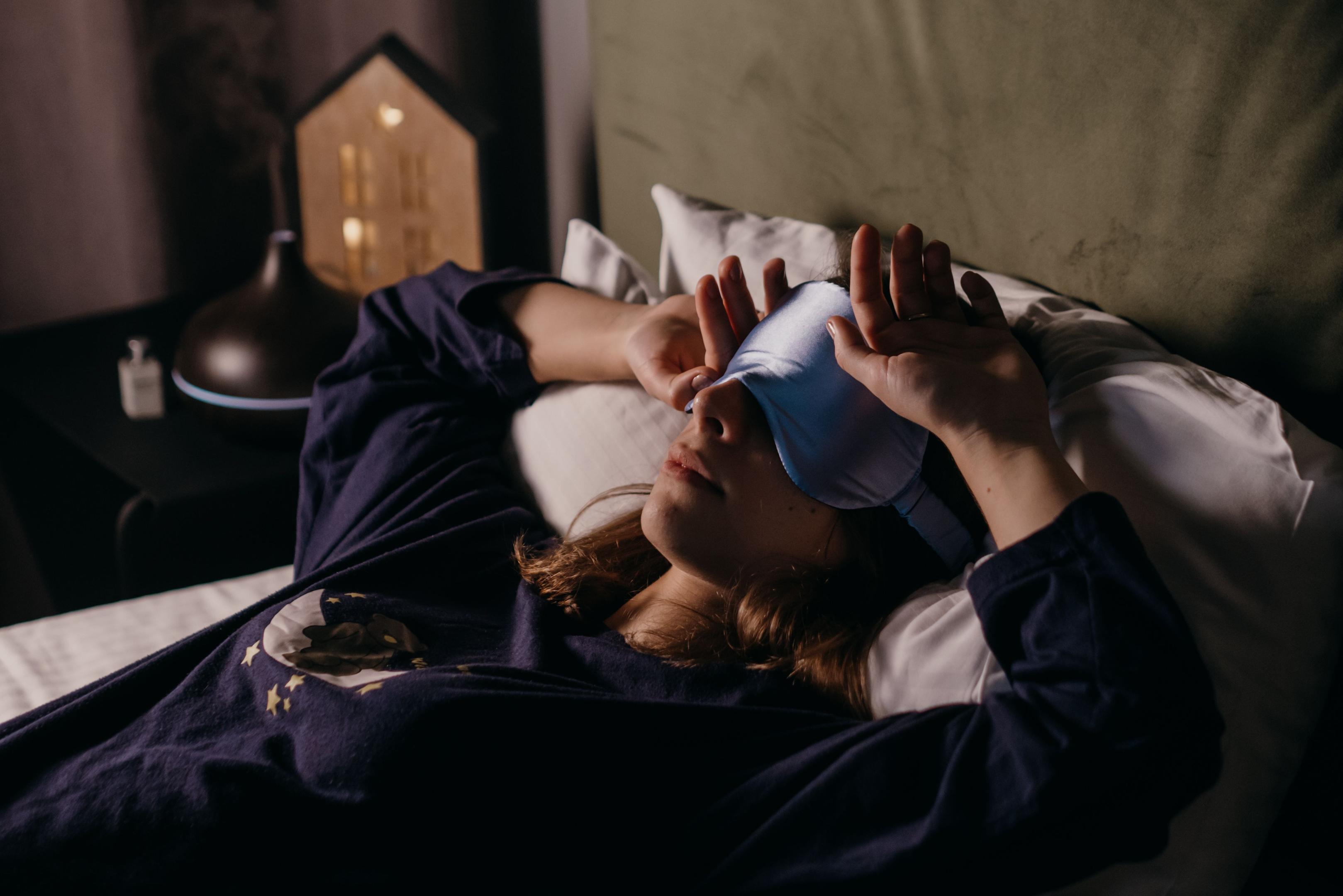
When daily stress or racing thoughts keep your mind active, your body stays locked in a sympathetic "fight-or-flight" survival state. This elevated alertness keeps your heart rate high and your muscles tense, making it incredibly difficult to fall asleep. To counter this, you must consciously shift your body toward a parasympathetic "rest-and-digest" state before climbing under the covers.
Dedicating time to slow abdominal breathing, evening journaling, mindful meditation, or gentle stretching signals to your brain that it is safe to let go of the day's tension. For individuals who find it difficult to settle down using mental exercises alone, choosing a physical intervention like vagus nerve stimulation for stress relief can soothe an overactive nervous system. If your goal is learning how to sleep better at night naturally, addressing this physical arousal is a necessary first step.
Consider Drug-Free Sleep Support Tools
For wellness consumers who want extra assistance beyond passive habits like hot tea, blackout curtains, or basic meditation, incorporating specialized sleep technology can be an excellent option. Helpful devices should focus entirely on active physical relaxation, behavioral consistency, or better sleep awareness rather than generating complex morning data charts that cause bedtime anxiety. When researching the best technology to improve sleep quality, prioritize systems that directly target your body's physiological stress response.
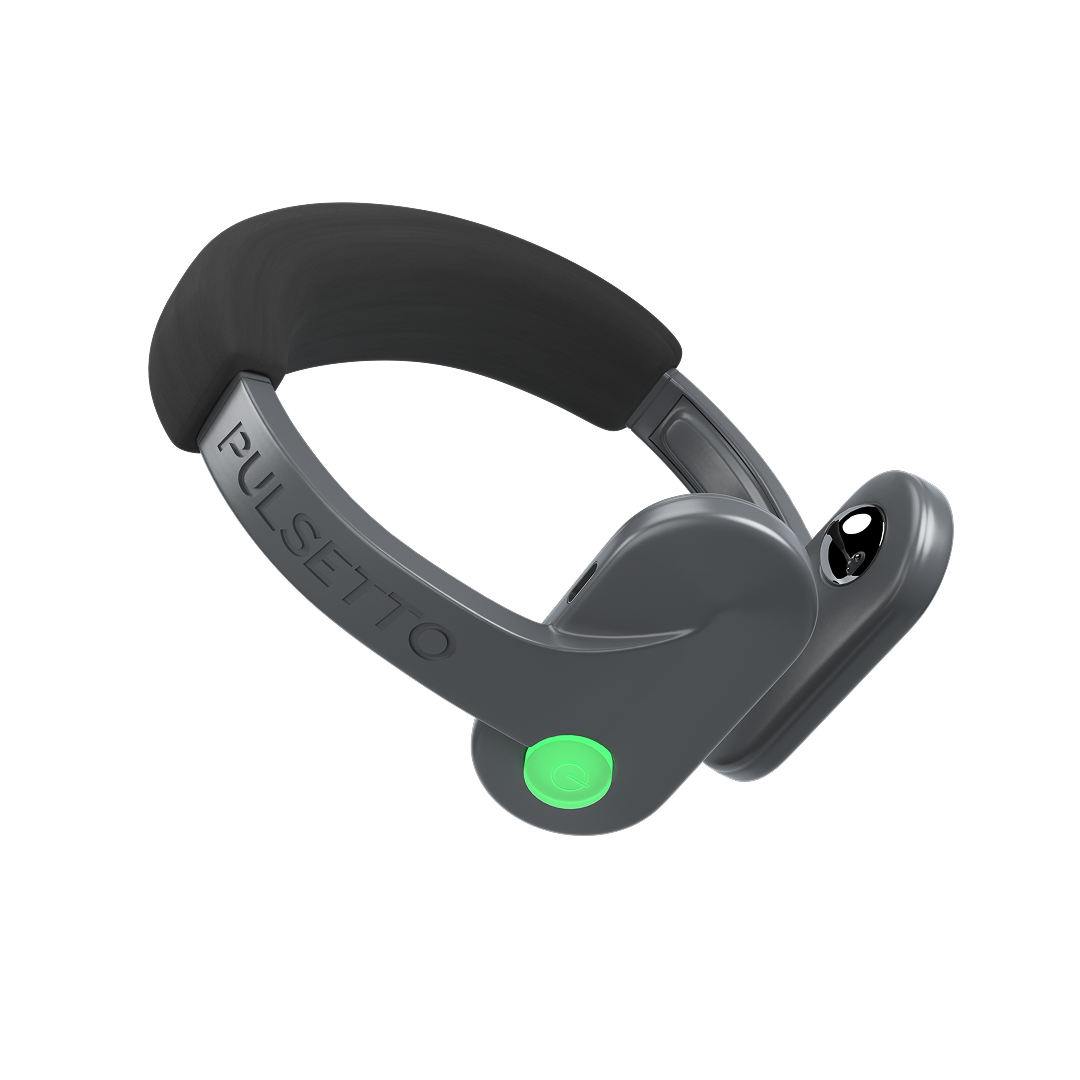
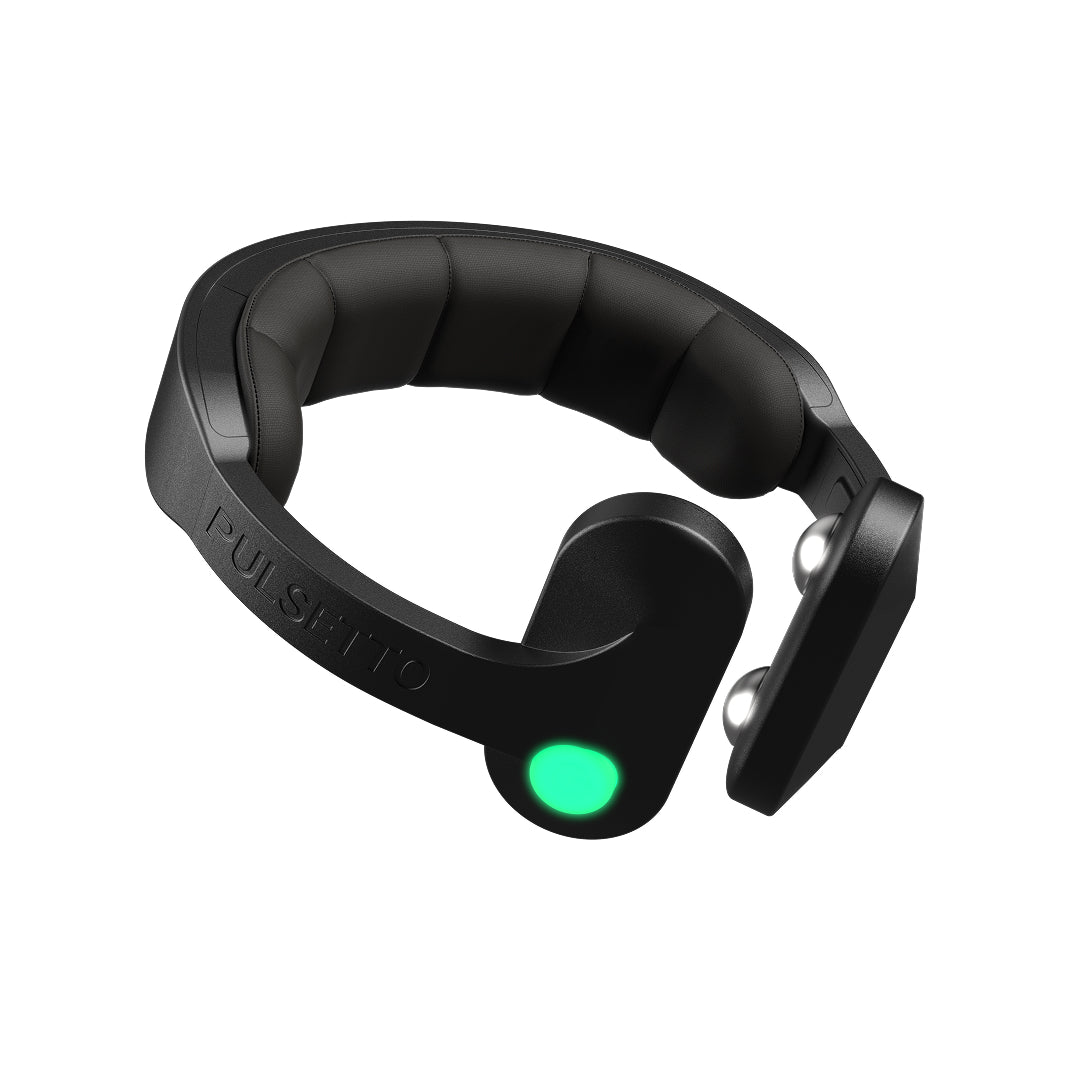
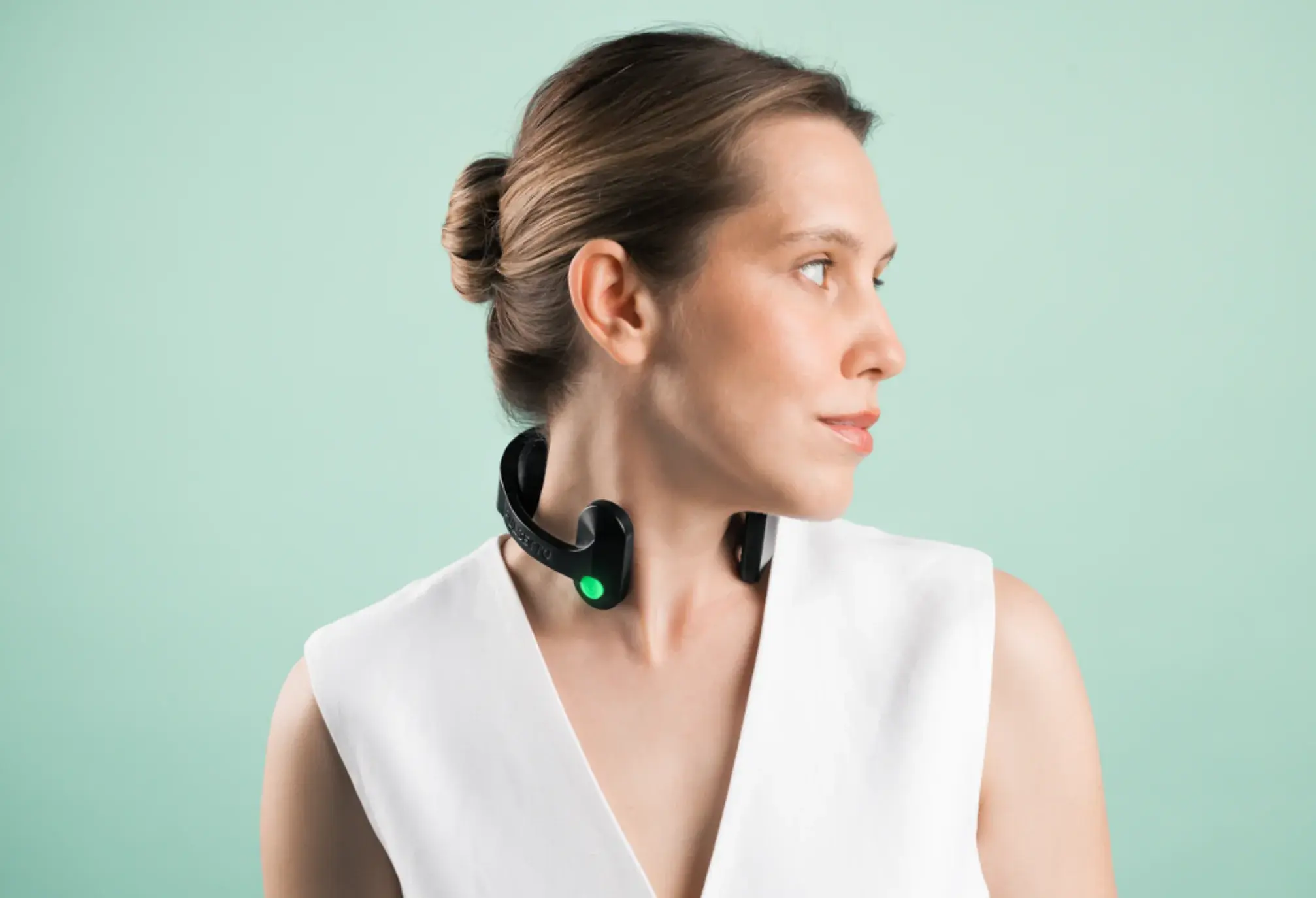
Incorporating a non-invasive vagus nerve stimulation device like Pulsetto into your evening schedule offers a practical, hardware-supported alternative. This wearable neck device pairs with targeted app programs designed to support relaxation, stress reduction, and healthy sleep routines by sending gentle electrical pulses to the vagus nerve. If you are gathering practical tips for better sleep, adding an active nervous system tool is an efficient way to complement your routine while systematically discovering how to improve sleep quality on a completely drug-free timeline.
When Natural Sleep Tips Are Not Enough
While optimizing your environment can fix many common disruptions, behavioral adjustments have distinct limits. Certain long-term sleep complications stem from underlying medical conditions that require specialized clinical care. If you continue to experience ongoing symptoms like loud snoring, sudden choking sensations, or restless legs despite changing your habits, how to sleep better at night becomes a medical question rather than a lifestyle adjustment.
For individuals whose sleep loss is deeply tied to chronic mental tension, a doctor can evaluate VNS to reduce anxiety as a safe, integrated path to physical recovery. Seeking professional guidance is the most responsible step when symptoms are ongoing or worsening. Speaking candidly with a specialist will help you safely reclaim a healthy schedule and provide a permanent solution to how to improve sleep quality.
Build a Better Bedtime Routine Naturally
Reclaiming a peaceful night of rest becomes much easier when you stop fighting your biology and focus on calming your nervous system. If your core goal is how to sleep better at night naturally, focusing on autonomic balance offers a supportive, drug-free way to lower your physical alert levels before your head hits the pillow. You can read what Pulsetto users report and their reviews to see how others have successfully integrated gentle, non-invasive vagus nerve stimulation into their personal evening habits. Exploring options from the most reliable sleep tech brands will ensure you invest in a safe, purpose-built device designed to complement your lifestyle, helping you protect your bedtime environment and steadily improve sleep quality.
How to Sleep Better at Night Naturally FAQs
These expert answers address common questions about achieving restorative rest without medication. Reviewing these facts can guide your daily habits if you are unsure how to sleep better at night naturally or need immediate, practical solutions for how to sleep better at night.
What is the best natural way to sleep better at night?
A consistent sleep schedule, a calming bedtime routine, and a dark, cool, quiet bedroom form the baseline of healthy rest. Prioritizing these physical foundations is the most effective approach for anyone evaluating long-term lifestyle changes.
How can I improve sleep quality without medication?
Optimizing your daily habits, reducing evening stimulation, managing stress, and maintaining a predictable wind-down routine directly enhance deep rest. Addressing these lifestyle factors is a reliable strategy when your goal is waking up refreshed.
Why can’t I sleep even when I feel tired?
High stress, evening anxiety, late caffeine consumption, bright screens, or an erratic schedule can lock your nervous system into an alert state. This physical arousal disrupts your sleep cycle, leaving you wide awake despite your fatigue and making it difficult to wind down.
What should I avoid before bed to sleep better?
Steer clear of late-day caffeine, evening alcohol, heavy meals close to bedtime, intense late-night workouts, long daytime naps, and smartphone use in bed. Eliminating these common disruptors provides highly effective relief from tossing and turning.
Can stress affect sleep quality?
Yes, chronic stress keeps your body in an alert, survival-focused state that increases your heart rate and muscle tension. This continuous internal noise makes it harder to fall asleep, stay asleep, or wake up refreshed, which directly hurts your deep recovery phases.
Can sleep technology help naturally improve sleep?
Specialized wellness tools can provide valuable assistance when they focus on supporting active relaxation, habit consistency, or better bedtime routines. However, specialized hardware is an optional supplement and cannot replace medical care if your personal challenges with chronic exhaustion are severe or ongoing.