What Is REM Sleep?
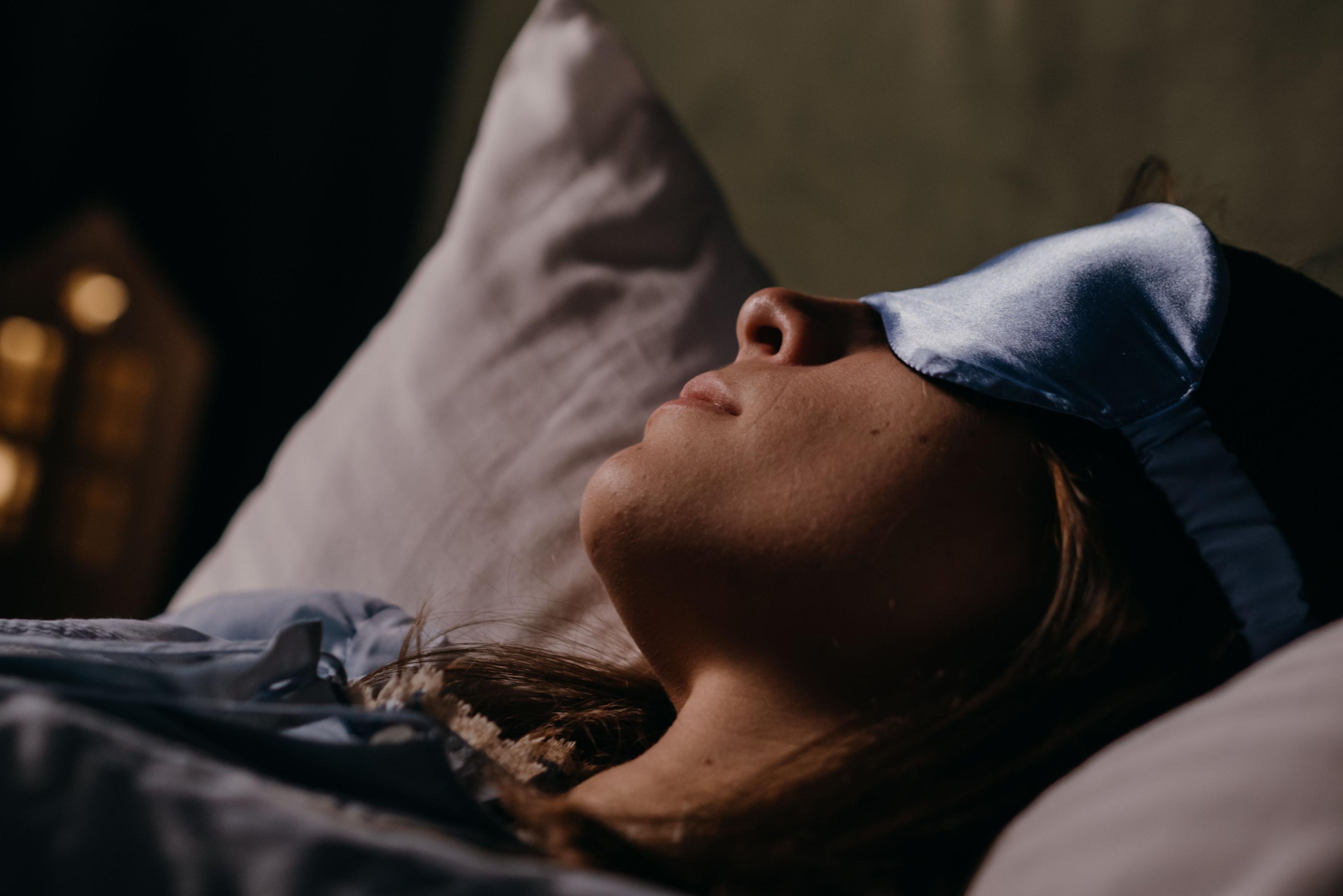
REM stands for rapid eye movement, a distinct stage of rest characterized by heightened brain activity, faster breathing, and temporary muscle immobilization. This is the period where your most vivid dreaming takes place. Rather than being a standalone state that you can switch on manually, REM is the final phase of a complete, multi-stage sleep cycle that repeats several times throughout the night. For your brain to transition into this state smoothly, you have to support your entire sleep architecture, which is why learning how to improve REM sleep is entirely dependent on how well you care for your overall rest.
Why REM Sleep Matters
Without adequate time in this stage, your mental and emotional health can take a serious hit. REM sleep acts as a psychological sorting system, organizing newly acquired information, solidifying learning, and processing the emotional weight of your daily experiences. When you consistently miss out on this phase, you are highly likely to notice real-world consequences the next day, such as waking up with heavy brain fog, feeling unusually irritable, or struggling to maintain focus during complex tasks. Prioritizing habits that show you how to get better REM sleep is essential if you want to protect your long-term mental clarity and emotional resilience.
How Much REM Sleep Do You Need?
For the average adult, REM typically accounts for about 20% to 25% of a normal night's rest. While it can be tempting to stare at your commercial smartwatch data and stress over a low percentage, exact numbers vary naturally from person to person based on age, genetics, and daytime activity. Chasing a flawless score on a digital dashboard often backfires by causing bedtime anxiety. Focus on the broader goal of getting more REM sleep by ensuring you get seven to eight hours of total, uninterrupted rest, letting your brain manage the exact stage allocation naturally.
What Can Reduce REM Sleep?
Your body's ability to reach and sustain deep recovery phases can be easily thrown off. When your sleep window is compressed, your rest is fragmented by frequent wake-ups, or your nervous system remains in a high-alert state, your internal cycles break down. Understanding what actively triggers these disruptions is the first step toward figuring out how to improve REM sleep.
Short or Irregular Sleep
Sleep cycles follow a predictable timeline, with deep non-REM sleep dominating the first half of the night and REM periods expanding significantly during the second half. If you sleep for only four or five hours, or if you consistently wake up hours before sunrise, you are cutting off the exact window where your longest, most restorative REM stages take place. This structural mismatch is why maintaining a predictable, sufficient time block for rest is critical when you are trying to understand how to get more REM sleep without interrupting your body's natural clock.
Alcohol, Caffeine, and Late-Night Stimulation
While a nightcap might make you feel drowsy initially, alcohol acts as a severe sleep disruptor as your body metabolizes it, fragmenting your sleep architecture and delaying your first REM cycle. Similarly, consuming caffeine late in the day, smoking nicotine, or answering stressful work emails under bright household lights keeps your brain chemistry too alert. Making simple, actionable choices, like trading an evening cocktail for an herbal tea or setting a digital curfew, makes a massive difference when you're trying to get better REM sleep without chemical interference.
Stress, Anxiety, and a Restless Nervous System
When daily worries follow you into bed, your sympathetic nervous system stays active, keeping your heart rate elevated and your breathing shallow. This mental and physical restlessness keeps you in a state of hyper-vigilance, causing you to wake up frequently throughout the night. Chronic tension directly fragments your sleep cycles, making it incredibly difficult to improve REM sleep. For individuals looking to address this deep-seated physical alertness, looking into VNS to reduce anxiety can provide helpful context on how downregulating your body's survival responses can pave the way for steadier rest.
How to Get More REM Sleep Naturally
The most reliable path to better recovery involves protecting your natural biological rhythms. Instead of trying to force a specific phase of rest, your goal is to reduce overnight disruptions so your brain has the uninterrupted time it needs to cycle through every stage of sleep. Adopting these baseline habits forms the core foundation if your goal is to figure out how to get more REM sleep through sustainable, long-term changes.
Keep a Consistent Sleep Schedule
Going to bed and waking up at the exact same time every day trains your internal circadian clock to anticipate rest. Try to keep this identical timeline on the weekends, too. When your body clock operates on a predictable rhythm, your brain can coordinate the timely release of melatonin and cortisol. Aligning your internal biological clock this way is one of the most effective strategies for anyone wondering how to get better REM sleep on a regular basis.
Give Yourself Enough Time in Bed
Adequate recovery always comes down to a matter of time. Because your longest REM periods occur toward the end of a full night's rest, your hours under the blankets directly dictate your mental restoration. Cutting your sleep window short by just an hour or two can disproportionately strip away your most restorative sleep stages, leaving your brain without the time it needs to complete its natural cycles.
Avoid REM Disruptors Before Bed
Protecting your sleep cycles requires setting firm boundaries around high-impact lifestyle habits. Consuming alcohol close to bedtime fragments your sleep architecture as it metabolizes, while late-afternoon caffeine blocks chemical sleep pressure. To give your brain a clean transition, establish an early cutoff for heavy meals, dim your screens, and close out stressful work tasks an hour before turning out the lights.
Improve Your Sleep Environment
A bedroom should act as an undisturbed sanctuary that prevents sudden, middle-of-the-night awakenings. Introducing blackout curtains, a comfortable eye mask, or a white noise machine protects your sleep cycles from unexpected sensory interruptions. Keeping the ambient room temperature cool and using highly breathable bedding supports your body's natural thermal drop, which helps maintain the unbroken sleep depth required for getting better REM sleep across the entire night.
Use Technology to Support Better Sleep Habits
Modern consumer devices are most effective when they encourage active lifestyle changes rather than provoking morning anxiety over digital metrics. Utilizing targeted apps or low-stimulation relaxation tools can help you establish predictable evening structures and ease transition anxiety. If you are exploring the best technology to improve sleep quality, prioritize tools that serve as a valuable behavioral anchor, reinforcing healthier and calmer habits before you turn out the lights.
How Nervous System Relaxation Supports Better REM Sleep
Shifting your body out of a sympathetic "fight-or-flight" survival state and into a parasympathetic "rest-and-digest" mode is a physiological prerequisite for deep recovery. When your baseline physical tension remains too high, your heart rate stays elevated and your breathing remains shallow, causing frequent, subtle arousals that shatter your sleep architecture. Systematically lowering this physical stress response reduces nocturnal awakenings, keeping your body stable enough to complete full, unbroken sleep cycles. This metabolic deceleration is the direct physical mechanism behind how to get better REM sleep, as a relaxed body provides the foundation your brain requires to seamlessly transition into deeper restorative cycles.
What the Vagus Nerve Has to Do With Sleep
As the main highway of the parasympathetic nervous system, the vagus nerve coordinates your body's innate downregulation and recovery mechanisms. Actively supporting vagal tone before bed slows your heart rate and encourages muscular relaxation, sending a definitive safety signal to the brain. Incorporating targeted practices that soothe this specific nerve pathway prepares your baseline physiology for rest, offering a practical, body-first path toward improving your REM sleep.
Where Pulsetto Fits Into a REM-Supportive Routine
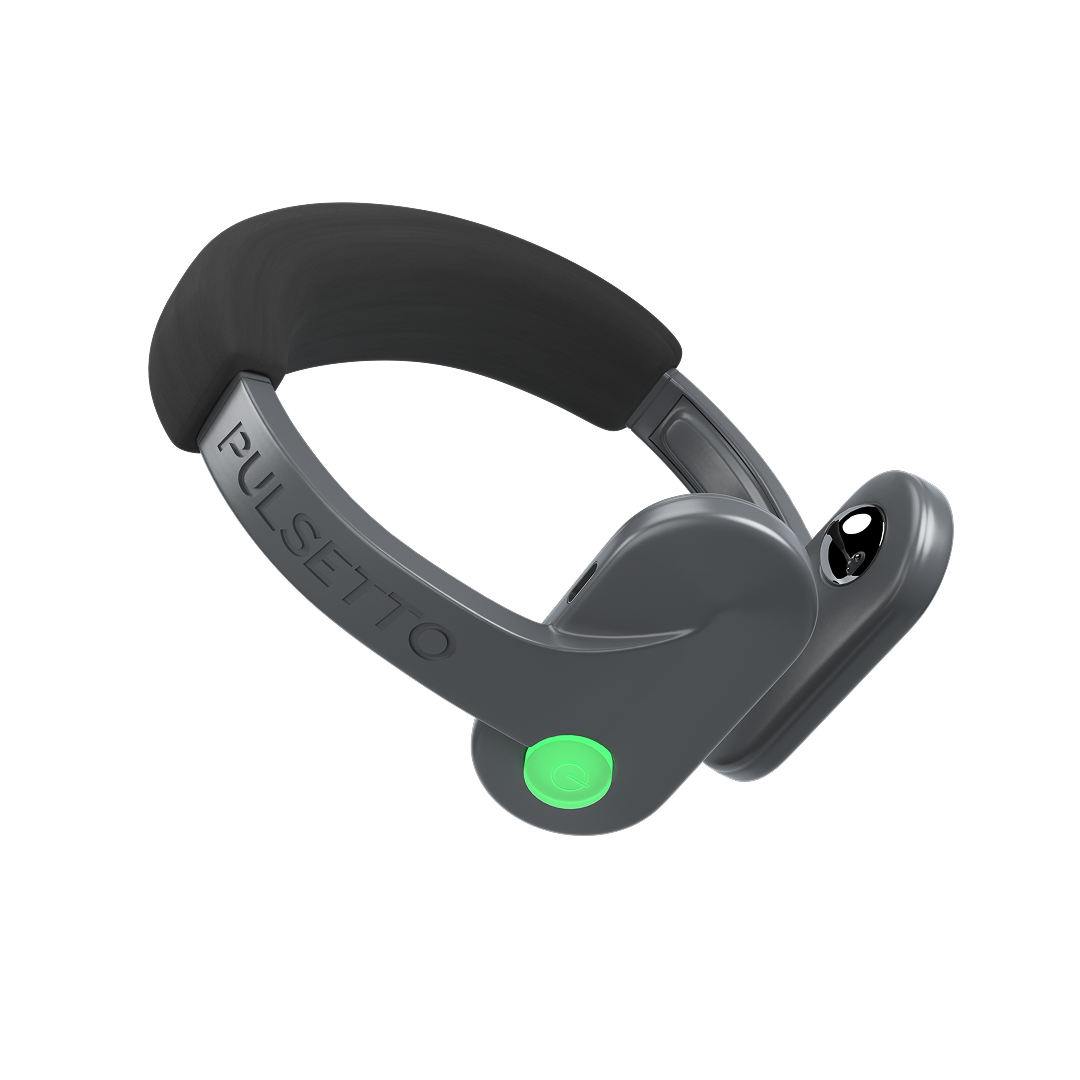
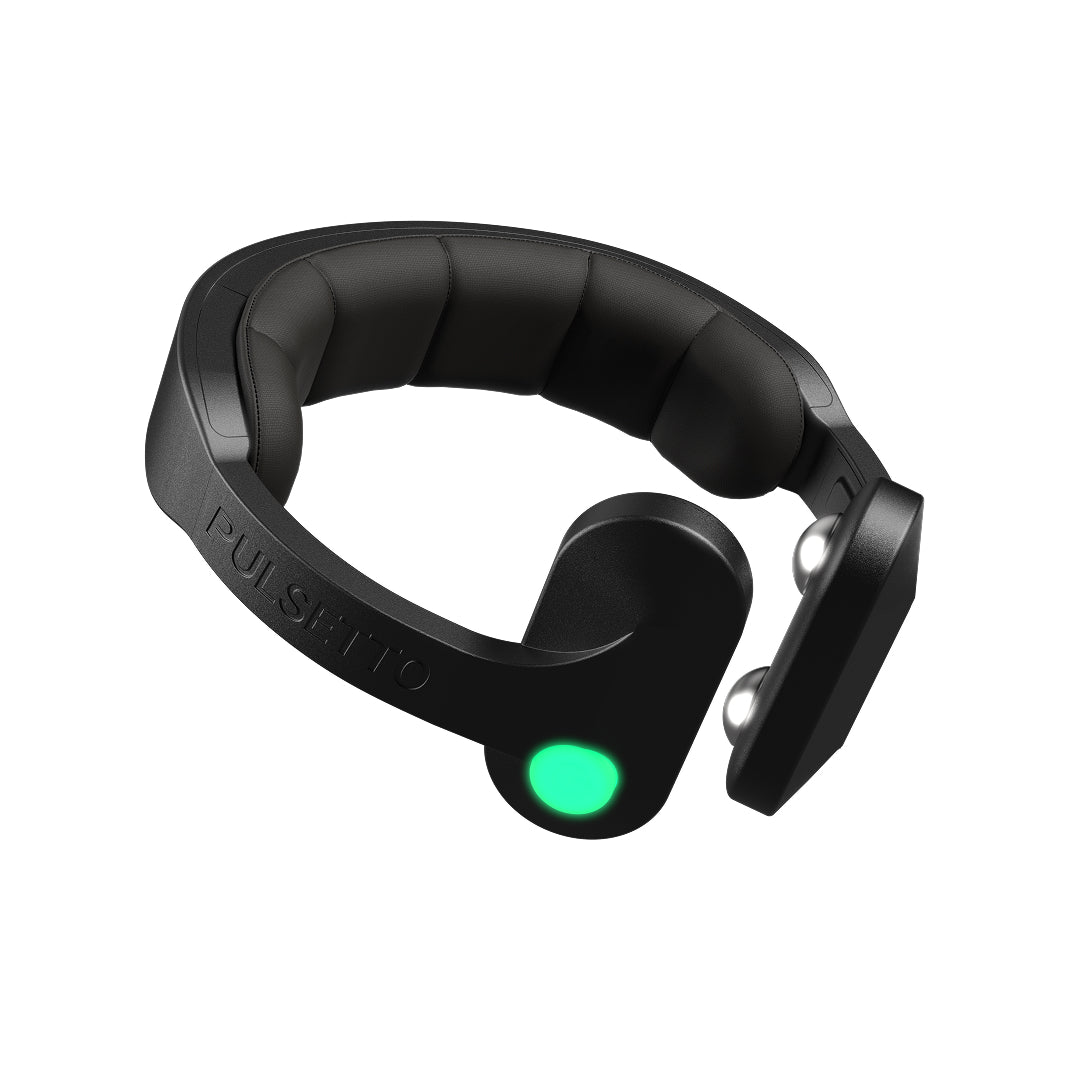
Pulsetto integrates directly into this preparation phase as a wearable wellness device that utilizes non-invasive vagus nerve stimulation to calm systemic physical alertness. By pairing gentle electrical pulses with app-based relaxation programs, it helps ease the physical tension that often cuts sleep cycles short. Rather than acting as a medical cure or guaranteeing an immediate quantitative spike in your sleep tracking data, the vagus nerve stimulation device serves as a dependable, physical habit cue that assists your body’s transition into a deeply relaxed state.
Can Sleep Technology Help Improve REM Sleep?
Incorporating digital tools into your evening routine is highly beneficial if the technology focuses on active preparation rather than passive observation. There is a distinct functional divide between tracking devices that merely report how poorly you slept after the fact and interactive solutions designed to help lower your physical arousal before you turn off the lights. Choosing the right category of support determines whether a device actively helps optimize your evening rest or simply adds to your nighttime overthinking. Ultimately, active intervention is what changes your physical trajectory when you want to achieve deeper, more consistent recovery cycles.
Sleep Trackers vs. Sleep Support Tools
Commercial smart rings and wristbands excel at estimating your sleep stages by analyzing movement and heart rate metrics, but these consumer trackers remain passive observation tools rather than clinical diagnostic instruments. In contrast, active sleep support devices focus on the crucial window before you drop off, using soundscapes, light therapy, or nervous system downregulation to change your immediate physical state. If your goal is to improve your REM sleep, changing your pre-bed biology is far more impactful than just reading a morning data report.
How to Choose Sleep Technology Carefully
When evaluating new wellness tech, bypass exaggerated marketing claims and focus on physical comfort, clear safety standards, transparent app usability, and authentic user feedback. The goal is to pick a targeted tool that solves your specific roadblock (such as a racing heart or an overstimulated mind) rather than chasing a generic wellness trend. Reviewing the most reliable sleep tech brands will ensure you invest in a credible, well-designed device that integrates cleanly into your existing habits.
When Should You Get Medical Help for Poor REM Sleep?
While optimizing your daily lifestyle and evening relaxation habits can fix many common sleep issues, behavioral adjustments cannot resolve deeper medical complications. Severe sleep disruptions often require the diagnostic expertise of a trained medical professional. For anyone experiencing severe sleep fragmentation, a clinical evaluation is necessary to address root causes like sleep apnea or chronic insomnia. Consulting a specialist is the safest way to address these underlying disruptions and get professional guidance on how to improve REM sleep.
Do Not Change Medication Without Medical Advice
Certain prescription formulas and over-the-counter medications can significantly impact your internal sleep architecture, with some actively suppressing specific recovery phases. However, you should never stop, start, or modify any medication dosage without a direct consultation with your prescribing healthcare provider. If you suspect your current prescriptions are interfering with your night, a doctor can review your options and safely help you address how to get better REM sleep without compromising your overall medical treatment plan.
Educational Disclaimer: The information contained in this article is intended strictly for general educational and wellness purposes. It is not a substitute for professional medical advice, diagnosis, or clinical treatment. Always consult a qualified healthcare professional with any questions regarding a medical condition or sleep disorder.
Ready to Build a Calmer Bedtime Routine?
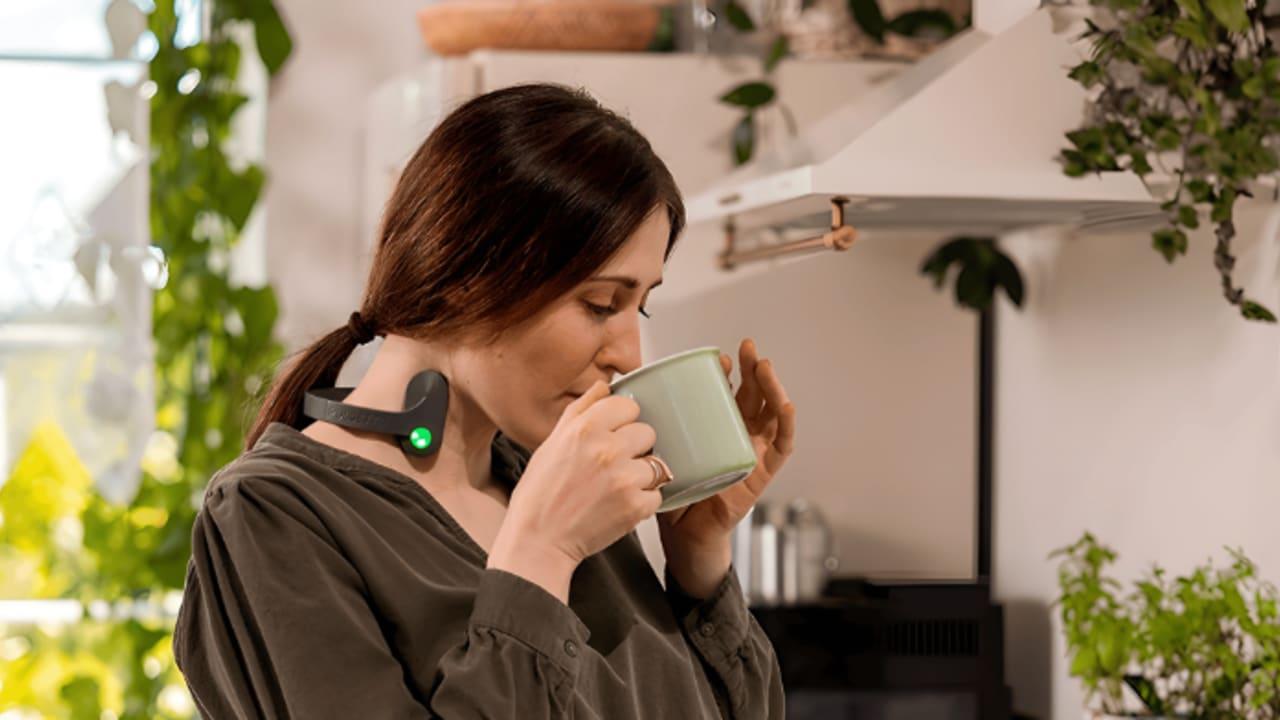
Reclaiming a balanced night of rest becomes possible the moment you stop trying to force your sleep and start supporting your underlying biology. If you have already optimized your bedroom environment, adjusted your evening diet, and set an early caffeine cutoff but still wake up feeling physically tense and mentally foggy, focusing on your autonomic nervous system balance is a practical next step. Incorporating a non-invasive vagus nerve stimulation device into your evening habits offers a gentle, non-medical way to lower your physical arousal and build a reliable transition into rest. To see how optimizing your pre-bed relaxation can help you master the basics of how to get more REM sleep, read through what Pulsetto users report and their reviews to learn how others have successfully used this technology.
How to Get More REM Sleep FAQs
Does waking up early reduce REM sleep?
Yes. Because REM periods naturally lengthen and become more frequent during the final hours of a continuous seven-to-eight-hour sleep window, setting an early alarm or cutting your night short systematically deprives your brain of this vital recovery stage.
Can stress affect REM sleep?
Absolutely. High mental and physical stress activates your sympathetic nervous system, keeping your body on alert and causing frequent micro-awakenings that break up your natural sleep cycles before your brain can complete its deep REM phases.
Does alcohol reduce REM sleep?
Yes. Alcohol alters your natural sleep architecture. While it may induce initial drowsiness, its chemical processing fragments your sleep during the second half of the night, directly delaying or suppressing your regular REM cycles.
Can sleep technology help improve REM sleep?
Active sleep technology can assist your recovery by helping you automate your bedtime routines, optimize your physical room environment, and downregulate your nervous system before bed, though passive tracking devices alone cannot alter your internal sleep stages.
Can vagus nerve stimulation help with sleep?
Supporting your vagus nerve helps activate your parasympathetic nervous system, which lowers physical heart rate, decreases muscular tension, and signals to your body that it is safe to transition into natural, uninterrupted sleep cycles.
When should I talk to a doctor about poor REM sleep?
You should consult a healthcare professional if your poor sleep persists for months, or if it is accompanied by severe daytime sleepiness, loud snoring, choking sensations at night, or the physical acting out of your dreams.