What Is a Biofeedback Device?
A biofeedback device works by making an involuntary physiological process visible, audible, or tangible in real time. That visibility gives you the information needed to consciously influence something the body normally runs on autopilot. The feedback loop works in four steps: a sensor reads a physiological signal, the device converts it into a readable output such as a graph, tone, colour shift, or vibration, the user modifies their behaviour in response (slowing their breathing, relaxing a muscle group, adjusting posture), observes what changes, and repeats.
That feedback loop is the defining principle of the field. Frank et al. (2010, Mental Health in Family Medicine) described biofeedback as a technique in which individuals learn to control their own physiological responses through awareness and practice, with documented applications across stress, pain, rehabilitation, and performance. The signal types those applications target, confirmed by the Mayo Clinic's biofeedback overview, are electrical skin response, heart rate, breathing, muscle activity, and brain waves: the five categories this article covers.
Home-use biofeedback devices typically measure one or two parameters and connect to a smartphone app. Clinical systems track multiple simultaneous signals and require professional interpretation.
The 5 Types of Biofeedback Devices
Each of the five types of biofeedback devices targets a distinct biological signal, and choosing between them depends on what physiological system you need to regulate, not on price or brand recognition. Understanding the types of biofeedback devices before buying is the step most people skip. The sections below carry the detail for each one.
HRV (Heart Rate Variability) Biofeedback
Heart rate variability is the beat-to-beat variation in the interval between heartbeats, measured by an ECG or photoplethysmography sensor. Higher resting HRV generally indicates stronger autonomic flexibility and stress resilience. Lower HRV indicates chronic sympathetic dominance, a nervous system stuck in alert mode that degrades sleep, slows recovery, and raises long-term cardiovascular risk.
HRV biofeedback works by pairing a heart rate sensor with a slow-paced breathing protocol, typically 5 to 6 breaths per minute, known as resonance frequency breathing. This breathing pace synchronises respiration with the heart's natural oscillation rhythm, maximising HRV amplitude and strengthening vagal tone. The device displays coherence in real time, allowing the user to observe the physiological effect of their breathing and adjust accordingly.
A 2017 meta-analysis by Goessl et al. (Psychological Medicine) analyzed 24 studies and found that HRV biofeedback training was associated with a large reduction in self-reported stress and anxiety, with a within-group effect size of Hedges' g = 0.81. Device examples include HeartMath Inner Balance (ear-clip HRV sensor with coherence app) and the Lief Smart Patch (wearable ECG patch worn on the torso).
Limitation: HRV biofeedback requires regular practice over weeks to build lasting effect. Single sessions produce temporary physiological shifts; durable autonomic change develops over 8 to 10 weeks of consistent daily practice.
Best for: Stress and anxiety management, sleep quality improvement, performance recovery, and anyone wanting a measurable marker of autonomic health over time.
EMG (Electromyography) Biofeedback
Electromyography biofeedback uses surface electrodes placed on the skin to detect the electrical activity generated by contracting muscle fibres. When a muscle is tense, the electrical signal is high. When it relaxes, the signal drops. Displaying this signal in real time allows the user to observe muscle tension they cannot normally feel, then learn to consciously reduce it.
EMG biofeedback makes muscle tension visible in two distinct clinical contexts. For tension reduction, it is used for chronic headaches, bruxism, and back pain by training the muscles responsible to release. For rehabilitation, it is used to help stroke patients retrain weakened or damaged muscles by providing feedback on electrical activation that the patient can use to guide recovery.
The StatPearls NCBI biofeedback review (updated January 2025) confirms EMG biofeedback as the most clinically studied biofeedback modality, with established evidence in motor rehabilitation, chronic pain, pelvic floor dysfunction, and tension-type headache. Device examples include the mTrigger wireless sEMG system and clinical-grade ProComp multi-channel systems.
Limitation: EMG biofeedback is primarily validated in supervised rehabilitation settings. Home-use EMG devices exist but are limited in scope and lack the clinical guidance that produces the strongest rehabilitation outcomes.
Best for: Post-stroke motor retraining, physiotherapy support, chronic muscle tension, bruxism management.
EEG (Electroencephalography) / Neurofeedback
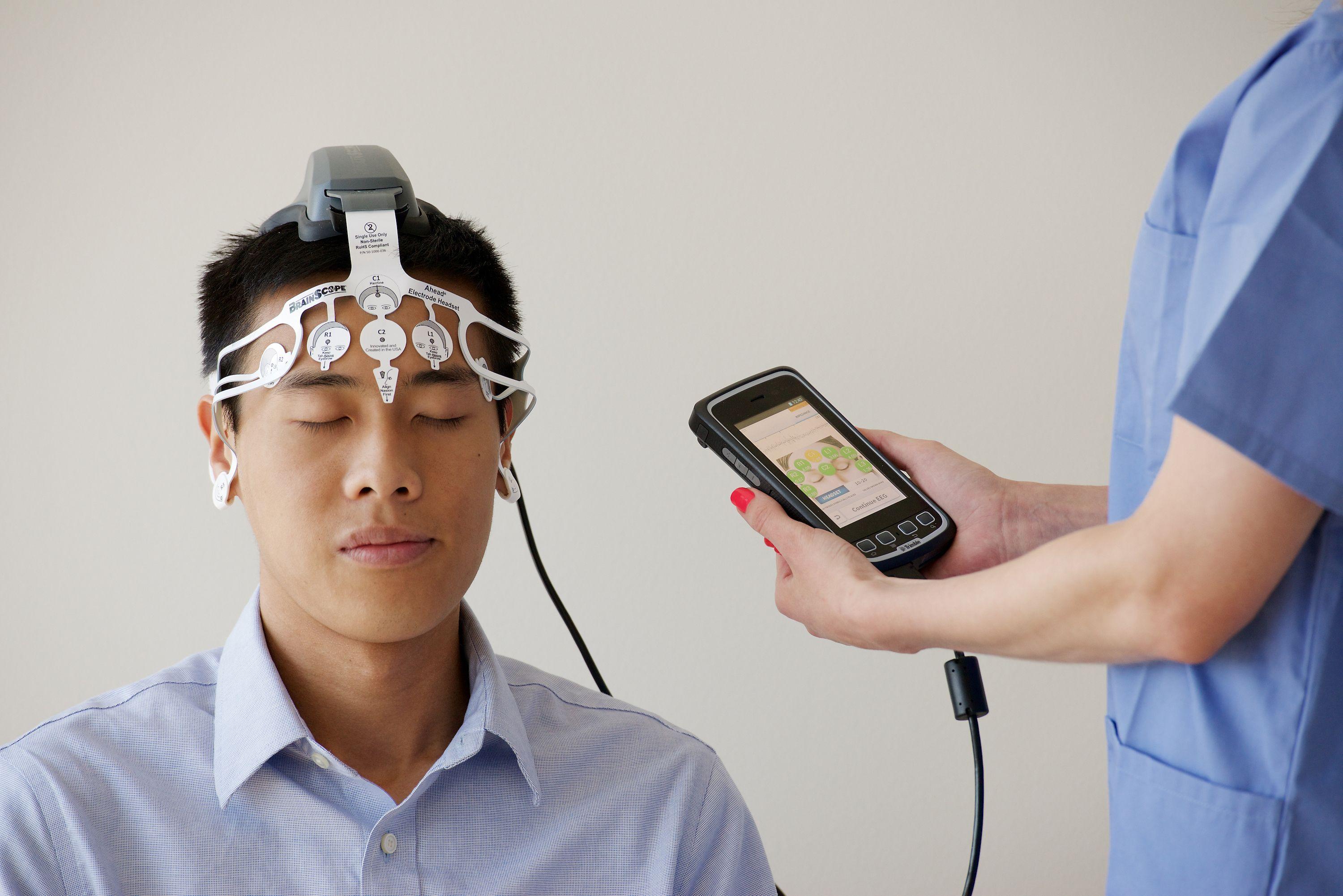
EEG neurofeedback uses scalp electrodes to detect brainwave frequencies, alpha, beta, theta, and gamma, and displays them in real time so the user can learn to shift their brain state toward a desired frequency pattern. Increasing alpha activity is associated with relaxed alertness. Reducing excess theta in frontal regions is associated with improved focus and reduced ADHD symptoms. Training specific frequency ratios over time is the mechanism behind neurofeedback's documented effects.
Consumer devices like the Muse headband and Mendi measure one to four EEG channels, suitable for general relaxation and basic attention training. Clinical-grade neurofeedback systems use 19 or more channels to produce a full quantitative EEG map and deliver targeted training protocols for specific conditions.
Limitation: Consumer EEG accuracy is substantially lower than clinical-grade systems. Results require consistent training over weeks to months. The evidence base for neurofeedback is stronger in clinical populations, particularly ADHD, than in healthy adults seeking general cognitive enhancement.
Best for: Focus and attention training, ADHD management under professional guidance, performance optimization.
Thermal Biofeedback
Thermal biofeedback uses a temperature sensor, typically placed on a fingertip, to detect peripheral blood flow. Under stress, the sympathetic nervous system triggers peripheral vasoconstriction, reducing blood flow to the hands and lowering skin temperature. Learning to warm the hands through relaxation techniques is a direct indicator of sympathetic relaxation and increased peripheral blood flow.
Thermal biofeedback has the longest clinical history of the five types, with established use in tension headache management and Raynaud's disease. Basic thermal biofeedback devices are the most affordable in the category, with functional sensors available under $30.
Limitation: Thermal biofeedback has the lowest evidence base of the five types for general wellness applications. It is primarily studied in clinical headache and pain populations rather than the general stress management market.
Best for: Headache management, Raynaud's disease, anyone wanting a low-cost entry point into biofeedback practice.
Vagus Nerve Stimulation (VNS) as Biofeedback
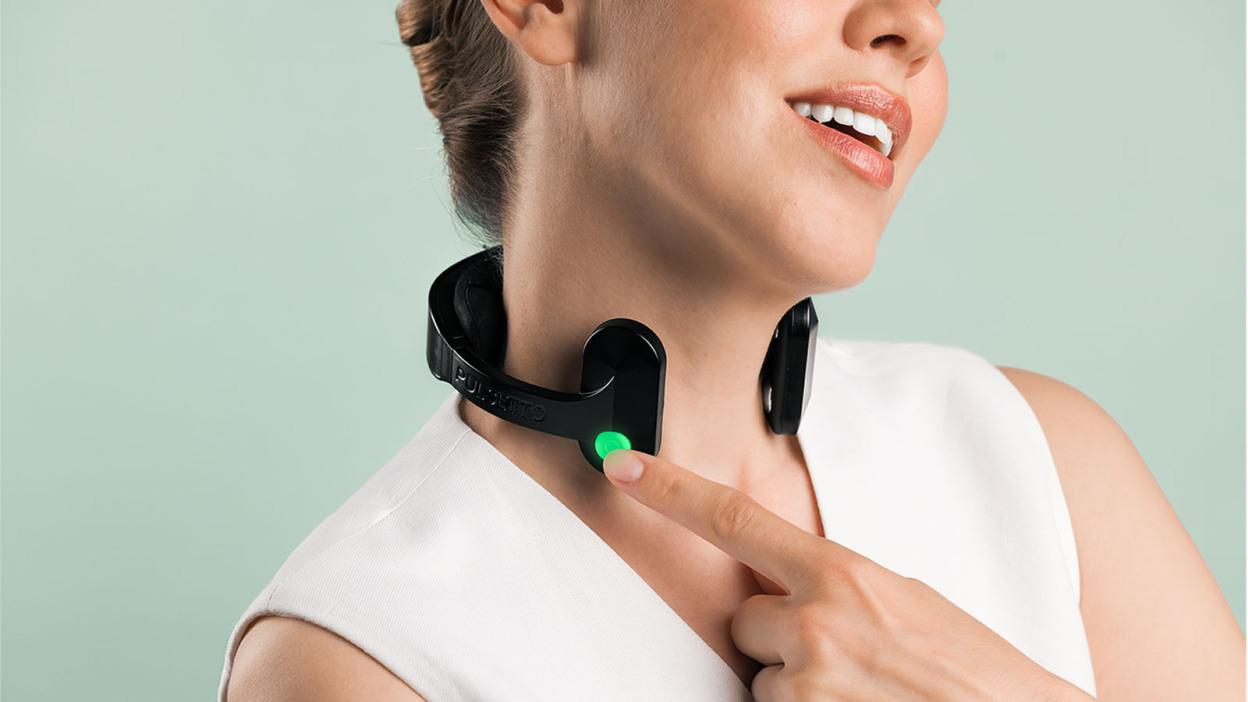
VNS devices differ from the four types above in a fundamental way. Traditional biofeedback devices measure a physiological signal and display it so you can learn to influence it through behaviour. VNS devices skip that loop entirely. Instead of reading a signal and showing it to you, they deliver a gentle electrical stimulus directly to the vagus nerve to activate the parasympathetic nervous system. The goal is the same: better autonomic regulation. The mechanism is direct intervention rather than learned self-regulation.
The vagus nerve is the primary parasympathetic pathway connecting the brainstem to the heart, lungs, and digestive system. Vagal tone correlates directly with HRV, stress resilience, emotional regulation, and sleep quality. Stimulating it electrically produces the same autonomic shift that HRV biofeedback trains the body to achieve through breathing, but without requiring a feedback loop or practice period.
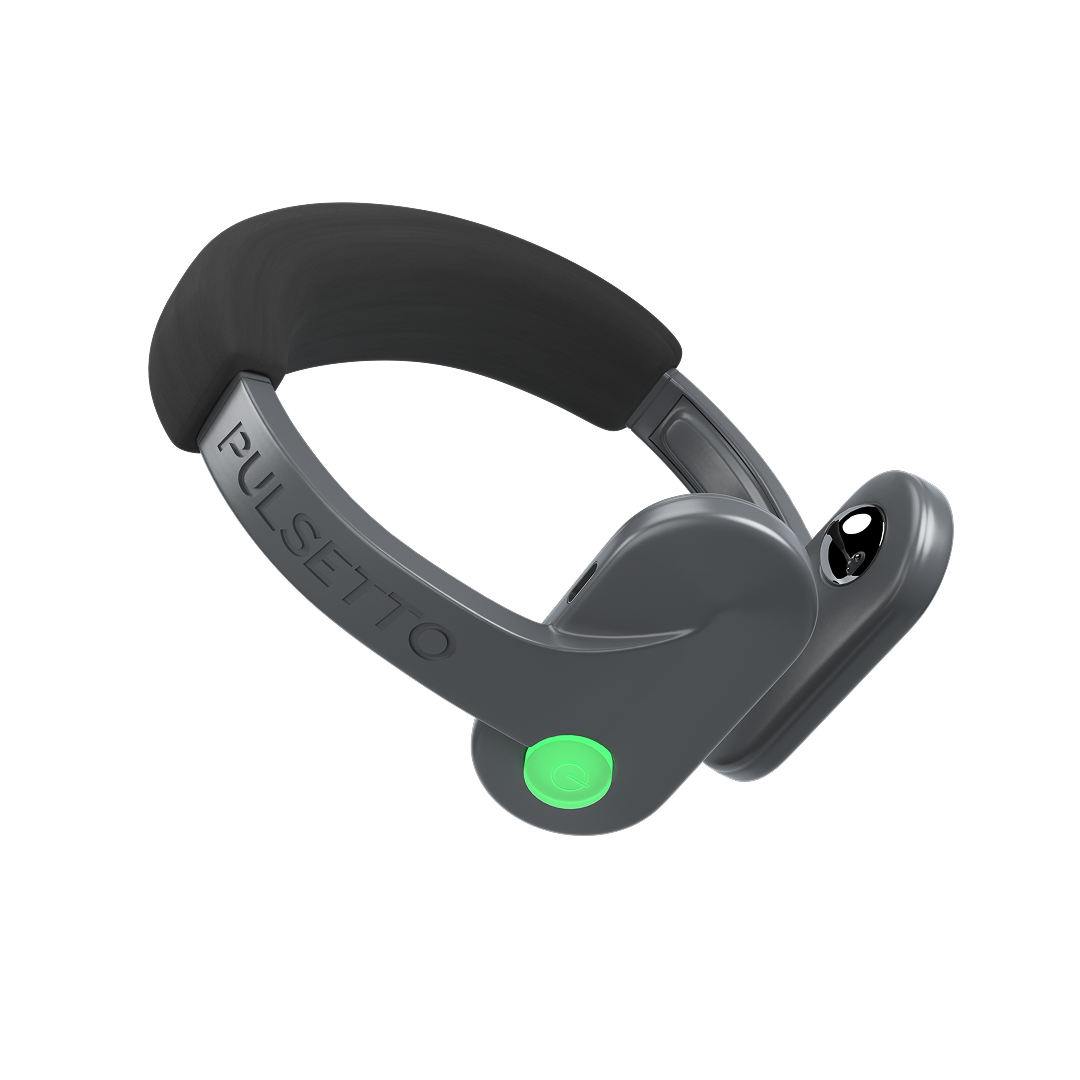
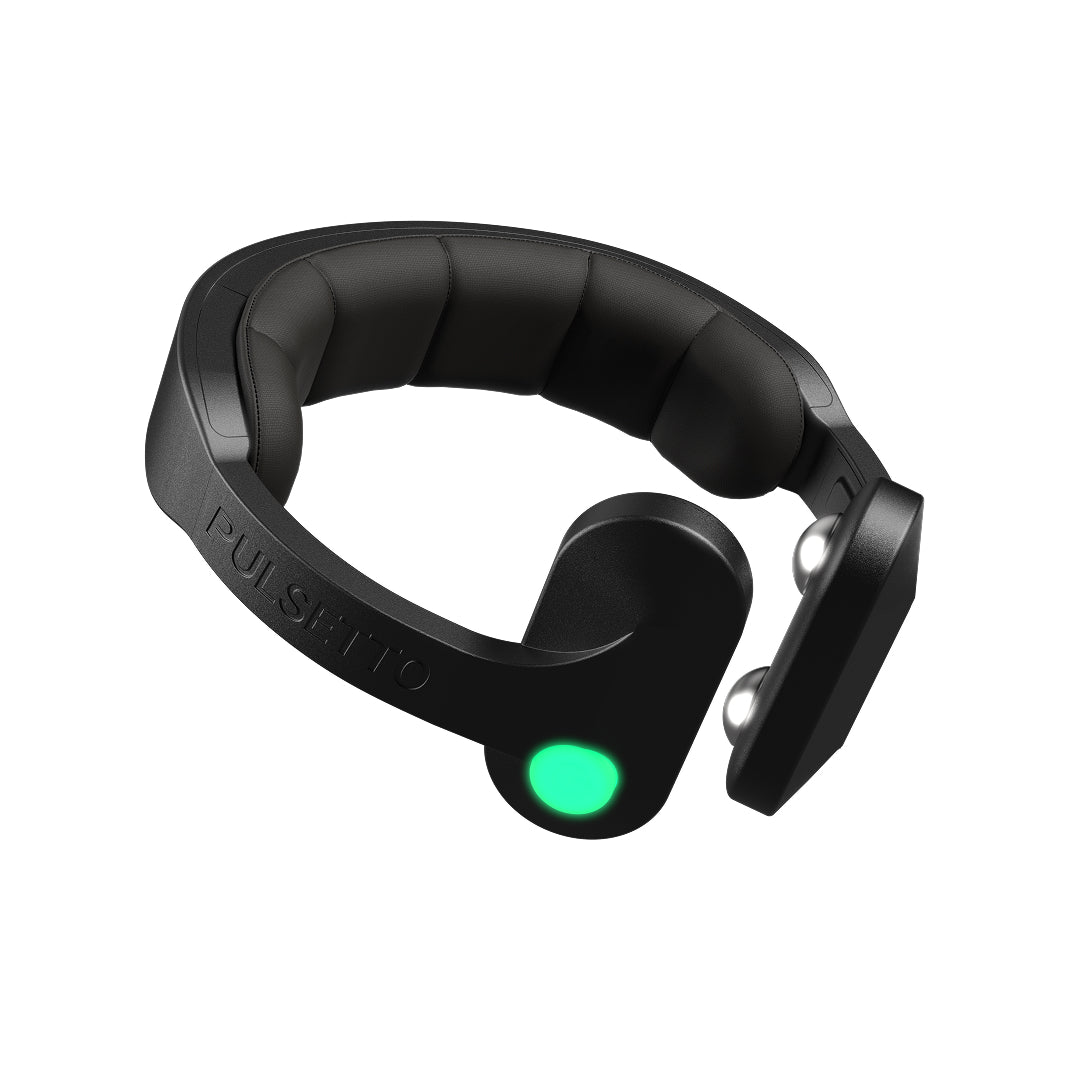
Pulsetto is a bilateral cervical vagus nerve stimulation device, CE certified for general wellness use, that delivers gentle electrical pulses to the vagus nerve via neck electrodes in 4-minute hands-free sessions. The paired app offers 5 programs: stress, anxiety, sleep, burnout, and pain management, plus guided meditations and a breathwork library. Those exploring vagus nerve stimulation for anxiety will find Pulsetto targets the same autonomic pathway as HRV biofeedback through a different entry point.
The case for vagus nerve stimulation for stress as a daily protocol is supported by a study by Clancy et al. (2014, Brain Stimulation), which found that non-invasive vagus nerve stimulation significantly increased HRV and reduced sympathetic nerve activity in healthy adults.
In Pulsetto's own randomized open-label pilot study (n=40, 4 weeks), GAD-7 anxiety scores improved by 45.3% and PSQI sleep scores improved by 41.0% in the bilateral group. This aligns with broader evidence that direct autonomic self-regulation produces measurable improvements in anxiety and stress outcomes: Blase et al. (2021, International Journal of Environmental Research and Public Health) demonstrated that neurophysiological self-control of the stress-related autonomic nervous system produced meaningful improvements in patients with depression, stress, and anxiety.
Best for: People who want direct autonomic support without a practice-based feedback training protocol, those combining physiological support with HRV tracking.
Disclaimer: Pulsetto is a general wellness product and is not intended to diagnose, treat, cure, or prevent any disease or medical condition. People with pacemakers, implantable cardiac devices, epilepsy, or who are pregnant should consult a physician before using any electrical stimulation device.
If autonomic nervous system regulation is your goal, Pulsetto's 4-minute cervical vagus nerve stimulation session is designed to activate the parasympathetic pathway directly. CE certified and used by 100,000+ people. Try Pulsetto
What Biofeedback Devices Are Actually Used For
The five device types above map to five well-researched application areas. Each one has a distinct evidence base and a modality that fits best.
Stress and anxiety reduction. HRV biofeedback has the strongest evidence base in this category. A randomized controlled trial by van der Zwan et al. (2015, Applied Psychophysiology and Biofeedback) found that HRV biofeedback, physical activity, and mindfulness meditation were equally effective at reducing stress, anxiety, and depressive symptoms over 5 weeks, establishing HRV biofeedback as a self-directed intervention with effects comparable to exercise and mindfulness.
Chronic pain and headache management. EMG and thermal biofeedback are the primary modalities for pain applications. The StatPearls NCBI biofeedback review documents established clinical use of EMG biofeedback for tension headache, bruxism, and chronic back pain, and thermal biofeedback for vascular headache and Raynaud's disease.
Physical rehabilitation. EMG biofeedback helps post-stroke patients retrain weakened muscles by providing real-time feedback on muscle activation. A 2024 study by Wang et al. (International Journal of Psychophysiology) found that HRV biofeedback significantly improved cognitive, motor, psychological, and autonomic function in post-stroke rehabilitation patients over six months, with benefits increasing over time.
Sleep quality. HRV biofeedback and VNS both have peer-reviewed evidence for sleep quality improvement. The Clancy et al. 2014 mechanism study (Brain Stimulation) and the Fournié et al. 2021 systematic review (Complementary Therapies in Medicine) both support the autonomic regulation pathway underlying sleep benefits from consistent biofeedback and VNS practice.
Focus and cognitive performance. EEG neurofeedback is the primary modality for attention and cognitive training, with the strongest evidence in clinical ADHD populations. For healthy adults, benefits are more variable and require consistent training over several months.
How to Choose a Biofeedback Device
Three questions narrow the field before any product research begins.
What is the physiological process you want to regulate? Stress and autonomic function point toward HRV biofeedback or VNS. Muscle tension and physical rehabilitation point toward EMG. Brain activity, focus, and attention point toward EEG neurofeedback. Temperature, headache, and peripheral blood flow point toward thermal biofeedback. Sleep quality sits at the intersection of HRV and VNS.
Do you want to measure and learn, or intervene directly? Most biofeedback devices give you data and train you to influence it through practice. VNS devices bypass that loop by delivering the autonomic shift directly, without requiring a feedback training protocol or extended practice period. Neither is better in absolute terms: learning-based biofeedback builds a transferable self-regulation skill; VNS provides immediate session-by-session physiological support.
What is your budget? Home HRV biofeedback devices run $150 to $350. Home EEG devices run $300 to $700. Consumer VNS devices run $250 to $400. Clinical-grade EMG systems run $500 and above. Thermal biofeedback devices start under $30.
If you are unsure which type is right, start with a free HRV measurement using a smartphone camera app for 2 to 4 weeks. The baseline data will reveal whether autonomic dysregulation is the primary issue before any device investment. Many people find that the best biofeedback device and the best home biofeedback device for their situation only becomes clear after seeing their own resting HRV trend.
Frequently Asked Questions
What does a biofeedback device do?
A biofeedback device measures an involuntary body process such as heart rate, muscle tension, brainwave activity, or skin temperature and displays that data in real time. The feedback allows you to observe your physiological state and learn to consciously influence it through breathing, relaxation techniques, or behavioral change. Over time, this builds self-regulation skills that can reduce stress reactivity, improve performance, or support rehabilitation.
What is the best biofeedback device for anxiety?
For anxiety, HRV biofeedback devices have the strongest peer-reviewed evidence base. A 2017 meta-analysis across 24 studies (Goessl et al., Psychological Medicine) found HRV biofeedback training associated with a Hedges' g effect size of 0.81 for stress and anxiety reduction. Vagus nerve stimulation devices like Pulsetto target the same autonomic pathway through direct parasympathetic activation rather than learned self-regulation, and may complement HRV training. Those curious about real-world outcomes can review what Pulsetto users report before choosing between the two approaches.
Can I use a biofeedback device at home?
Yes. Most consumer biofeedback devices are designed for home use without clinical supervision. HRV sensors, temperature sensors, and VNS wearables all function independently. For conditions like diagnosed insomnia, PTSD, or chronic pain, working with a certified biofeedback practitioner alongside a home device produces stronger outcomes than self-directed use alone, as the practitioner provides protocol guidance and progress interpretation that consumer apps cannot replicate.
Are biofeedback devices safe?
Consumer biofeedback devices are generally safe for healthy adults when used as directed. Most are CE or FCC certified for general wellness use. Contraindications for electrical stimulation devices including VNS devices: pacemakers, implantable cardiac devices, epilepsy, and pregnancy all require physician consultation before use. Passive measurement devices such as HRV sensors, EEG headsets, and thermal sensors carry no electrical stimulation risk.
Is vagus nerve stimulation a type of biofeedback?
VNS devices share the same goal as biofeedback: improving autonomic regulation. However, they are technically active intervention tools rather than passive measurement-feedback tools. Traditional biofeedback shows you a physiological signal so you can learn to change it. VNS devices bypass that loop by directly stimulating the vagus nerve to activate the parasympathetic nervous system. Many users combine VNS with HRV tracking to measure the effect of their VNS sessions on resting autonomic state over time.
Ready to Regulate Your Nervous System?
For people whose primary goal is autonomic nervous system regulation, whether for stress, sleep, or daily recovery, a vagus nerve stimulation device sits in its own category among biofeedback tools. Pulsetto delivers 4-minute cervical VNS sessions, CE certified, with 100,000+ users worldwide. Shop Pulsetto
Scientific Research
[1] The effect of heart rate variability biofeedback training on stress and anxiety: a meta-analysis (Goessl et al., 2017, Psychological Medicine, 484 citations)
[2] Physical activity, mindfulness meditation, or heart rate variability biofeedback for stress reduction: a randomized controlled trial (van der Zwan et al., 2015, Applied Psychophysiology and Biofeedback)
[3] Non-invasive vagus nerve stimulation in healthy humans reduces sympathetic nerve activity (Clancy et al., 2014, Brain Stimulation, 459 citations)
[4] Heart rate variability biofeedback enhances cognitive, motor, psychological, and autonomic functions in post-stroke rehabilitation (Wang et al., 2024, International Journal of Psychophysiology)
[5] Heart rate variability biofeedback in chronic disease management: a systematic review (Fournié et al., 2021, Complementary Therapies in Medicine)
[6] Neurophysiological approach by self-control of your stress-related autonomic nervous system with depression, stress and anxiety patients (Blase et al., 2021, International Journal of Environmental Research and Public Health)
[7] Advancing Patient Care with Biofeedback (StatPearls, NCBI, updated January 2025)
[8] Biofeedback in medicine: who, when, why and how? (Frank et al., 2010, Mental Health in Family Medicine)
[9] Biofeedback (Mayo Clinic, updated March 2025)