Why Organizing Sleep Products by Mechanism Matters
Most people buy sleep products based on a recommendation or an advertisement without matching the product to their actual sleep barrier. A cooling mattress topper does nothing for someone whose sleep difficulty is a racing mind at 11 PM. A weighted blanket does not help someone who wakes at 3 AM due to temperature. The mismatch is why many sleep products end up unused after two weeks.
Three questions to ask before buying any sleep product:
Is the barrier falling asleep, staying asleep, or waking unrefreshed? Each maps to different product categories and different biological mechanisms.
Is the root cause temperature, noise, arousal level, or timing? The same symptom can have different causes, and the right product depends on which cause is actually present.
Is feedback needed (data) or intervention (active tool)? Tracking products reveal what is happening. Intervention products do something about it. Buying an intervention product without tracking data first is usually guesswork.
The five categories in this guide map to these three questions. The right approach is to use them to self-diagnose before spending money.
Temperature and Sleep Environment
Core body temperature drops by 1 to 2 degrees Fahrenheit at sleep onset and needs to stay low throughout deep sleep and REM. A 2012 review published in the Journal of Physiological Anthropology (Okamoto-Mizuno & Mizuno)confirmed that thermal environment directly influences sleep onset latency and sleep architecture, with heat exposure reducing slow-wave sleep and REM. Bedroom temperature between 65 and 68 degrees Fahrenheit is the most evidence-supported range for sleep onset.
Eight Sleep Pod 5
The Eight Sleep Pod 5 uses water-based active cooling and heating to regulate mattress surface temperature through the night, adjusting per-side based on sleep stage and biometric data. The dual-zone design allows partners with different temperature needs to use independent profiles on the same mattress, eliminating the compromise that most temperature products require.
Limitation: Starting at $2,999, this is the most expensive product in this guide by a significant margin. It should only be evaluated after lower-cost temperature interventions have been tried.
Best for: Couples with different temperature preferences, anyone who consistently wakes due to heat, and people who have already optimised sleep hygiene without improvement.
BedJet 3
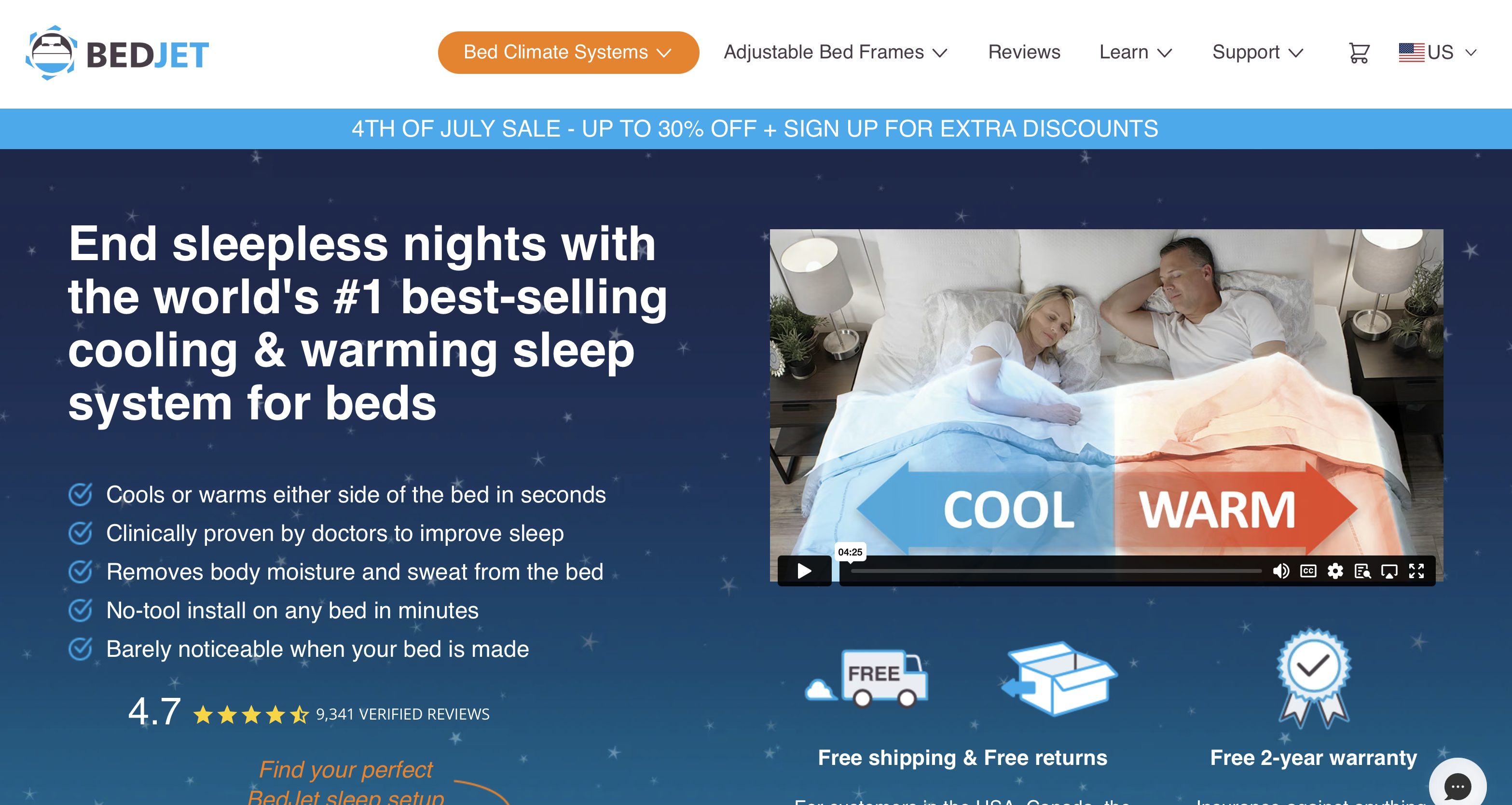
The BedJet 3 blows temperature-controlled air directly under the sheets, achieving active cooling or warming without the complexity or cost of a water-based system. At $498 with no subscription required, it is the most accessible active temperature management option in the category.
Limitation: The fan produces audible noise during operation, which may bother light sleepers or those already sensitive to environmental sound.
Best for: Budget-conscious hot sleepers who want active temperature control without a four-figure investment.
Nest Bedding Cooling Weighted Blanket
Passive temperature regulation through breathable cooling fabric combined with deep pressure input. Under $150, no setup required, no subscription, no noise.
Limitation: Passive cooling provides no active adjustment. Performance depends on ambient room temperature and works best in already-cool environments.
Best for: Those who want a low-cost, low-tech first step toward temperature management alongside the relaxation benefits of weighted pressure.
Sleep Tracking
Sleep trackers do not improve sleep directly. Their value is in producing trend data over 4 to 6 weeks that reveals which specific behaviors are degrading sleep quality: late alcohol, variable wake time, evening screen use, high-stress days. Without that data, most sleep interventions are guesswork targeted at the wrong barrier.
Oura Ring 5
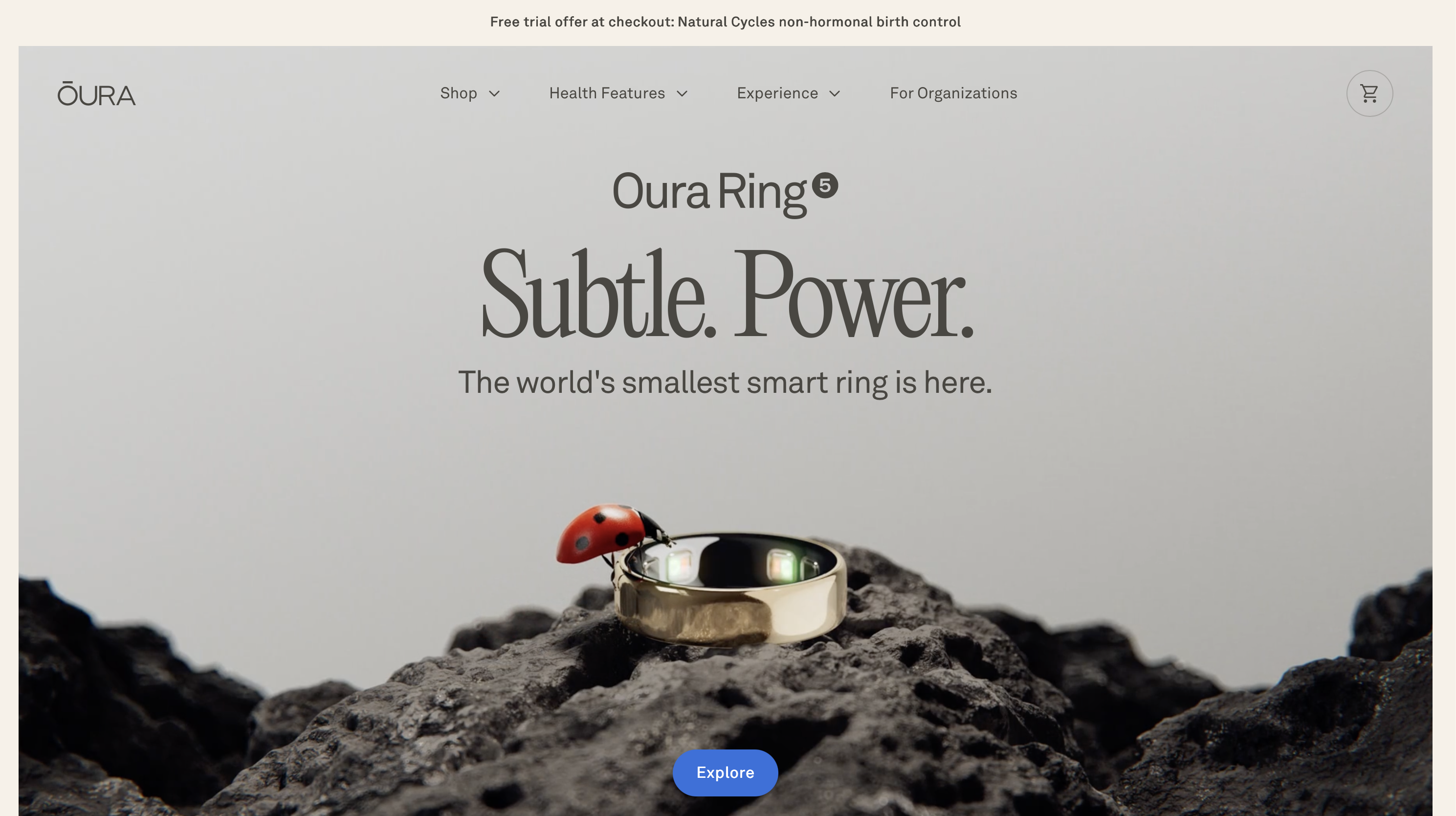
The Oura Ring 5 uses PPG, accelerometer, and skin temperature sensors to generate nightly Readiness, Sleep, and Activity scores. At 40% smaller than its predecessor, it is the most discreet smart ring on the market while retaining full HRV tracking, sleep stage breakdown, and a one-week battery life. The Sleep Score disaggregates into component metrics including REM, deep sleep, latency, and efficiency. Starting at $399, it also adds blood pressure signals and live activity tracking to the core sleep and readiness features.
Honest limitation: Full data access requires the ongoing subscription. Without it, the ring produces limited value from the hardware investment.
Best for: Anyone who wants the most accurate non-clinical sleep tracking available in a wearable, and who will consistently review trend data rather than just checking a nightly score.
WHOOP 5.0
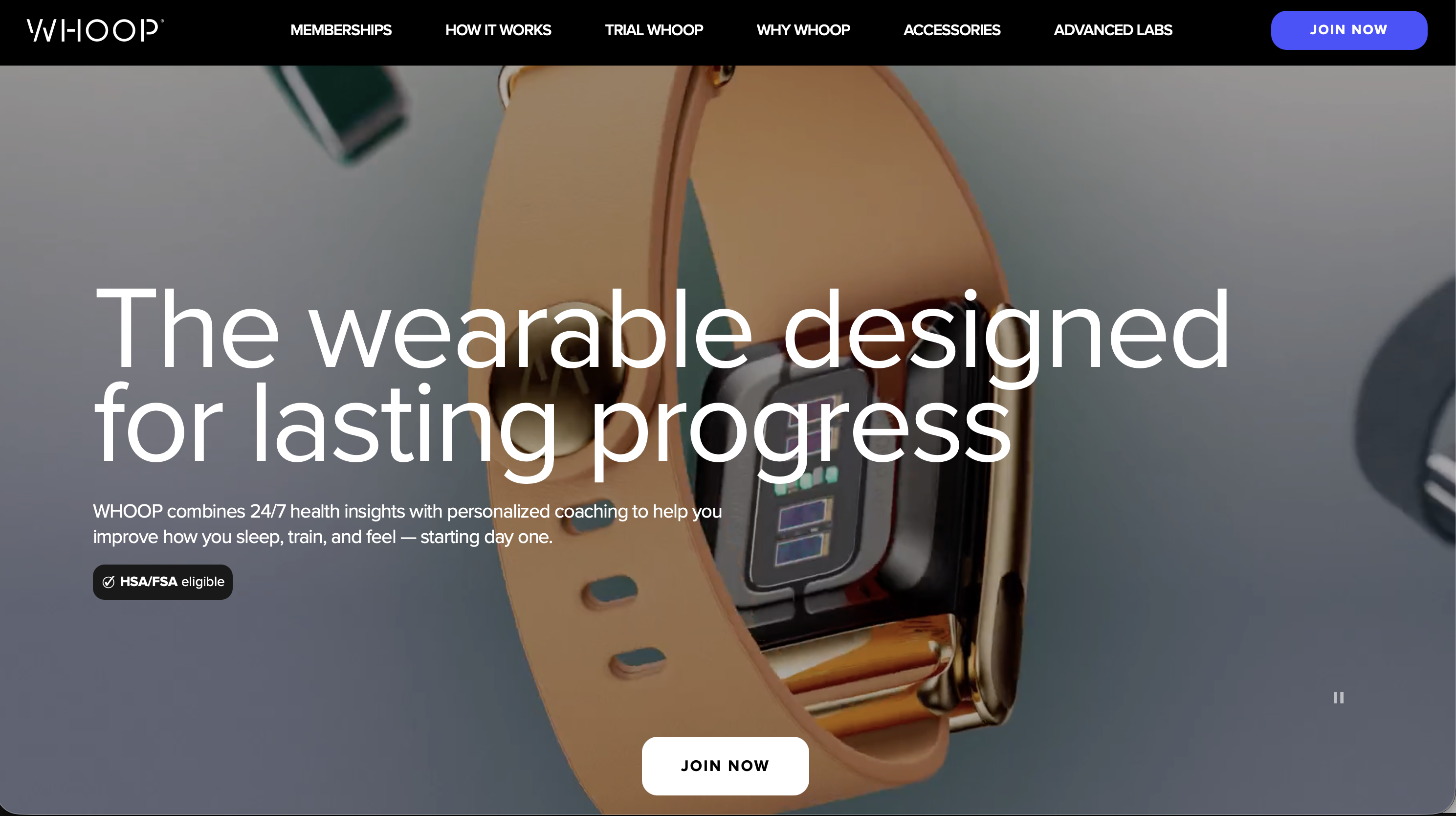
WHOOP combines continuous HRV measurement with a Recovery score that integrates sleep quality, sleep debt, and training load to deliver a daily readiness recommendation. HRV is captured in the 4 to 5 AM window when the autonomic nervous system is at its most stable, making the score more day-to-day comparable than measurements taken during active periods. The subscription model at approximately $30/month includes the device with no upfront hardware cost.
Limitation: The coaching recommendations can feel prescriptive in ways that generate performance anxiety around recovery metrics, particularly for users already prone to sleep anxiety. Using the data as input rather than directive instruction is worth deliberately cultivating.
Best for: Athletes, people with demanding training loads, and anyone who responds well to structured daily guidance rather than raw data analysis.
Sleep Cycle
Sleep Cycle uses the phone microphone or accelerometer to detect sleep stages and trigger a smart alarm during light sleep, producing a less-disruptive waking experience than a fixed alarm. The free tier includes core sleep tracking and the smart alarm, making it the best zero-hardware starting point for sleep data. It is the most accessible sleep technology product in the tracking category.
Limitation: Accuracy is lower than wearable-based trackers, and the phone must remain on the mattress throughout the night, which reduces accuracy for restless sleepers.
Best for: Anyone who wants to start sleep tracking without any hardware investment, and those testing whether sleep data changes their habits before committing to a wearable.
Nervous System and ANS Regulation
Poor sleep driven by a racing mind, high-stress days, or chronic anxiety is not primarily a sleep problem. It is an autonomic nervous system problem. When the sympathetic nervous system stays elevated into the evening, sleep onset is delayed, HRV drops during sleep, and recovery is impaired regardless of how dark and cool the bedroom is.
A two-week randomized trial by Jackowska et al. (2022, Autonomic Neuroscience) found that transcutaneous vagal nerve stimulation improved global sleep outcomes in community-dwelling adults, supporting the case for consistent daily use over a sustained period. Devices targeting the vagus nerve or using vibrational frequency aim to shift the body into parasympathetic dominance before bed, addressing the root cause rather than masking it.
Pulsetto
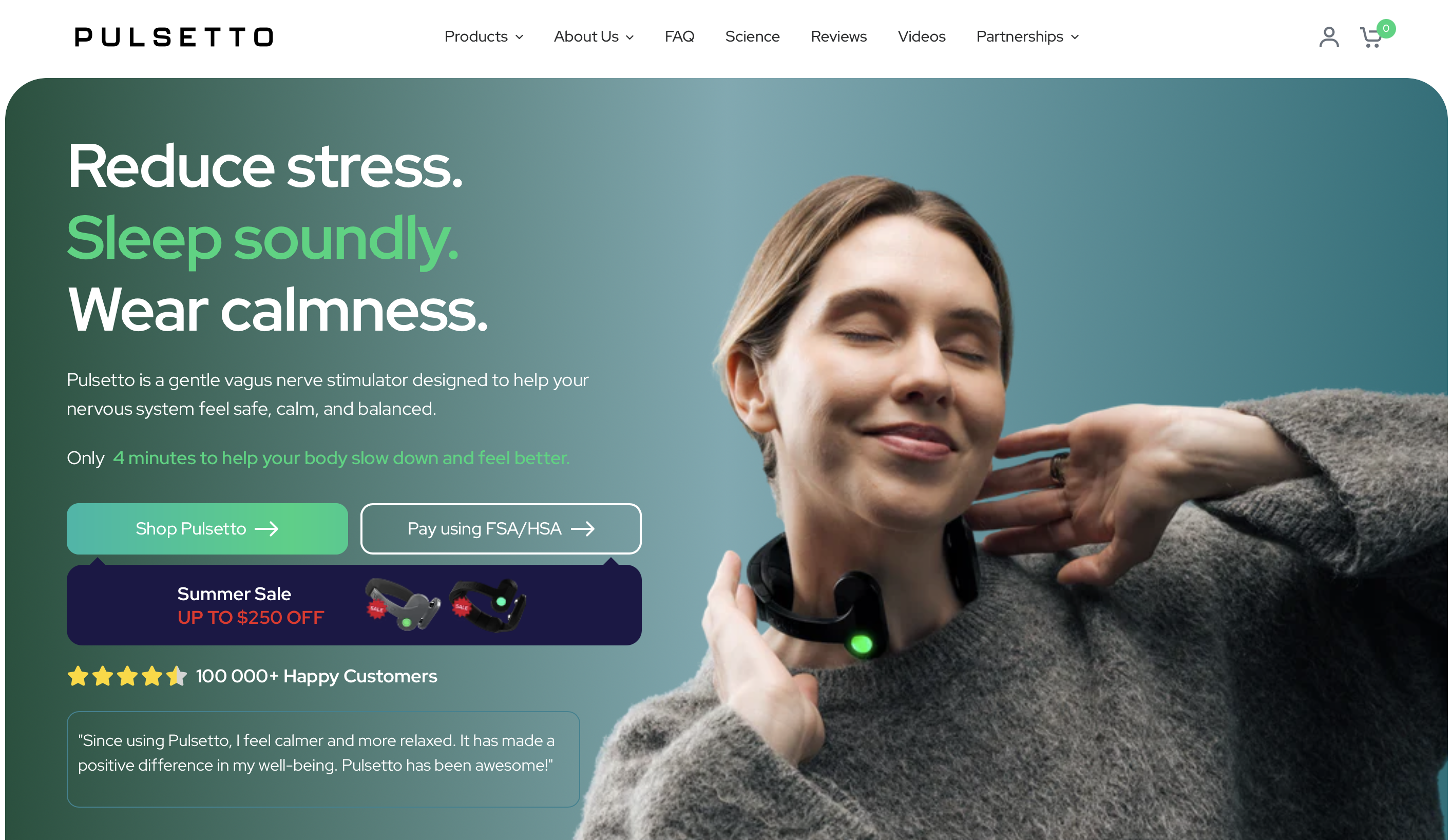
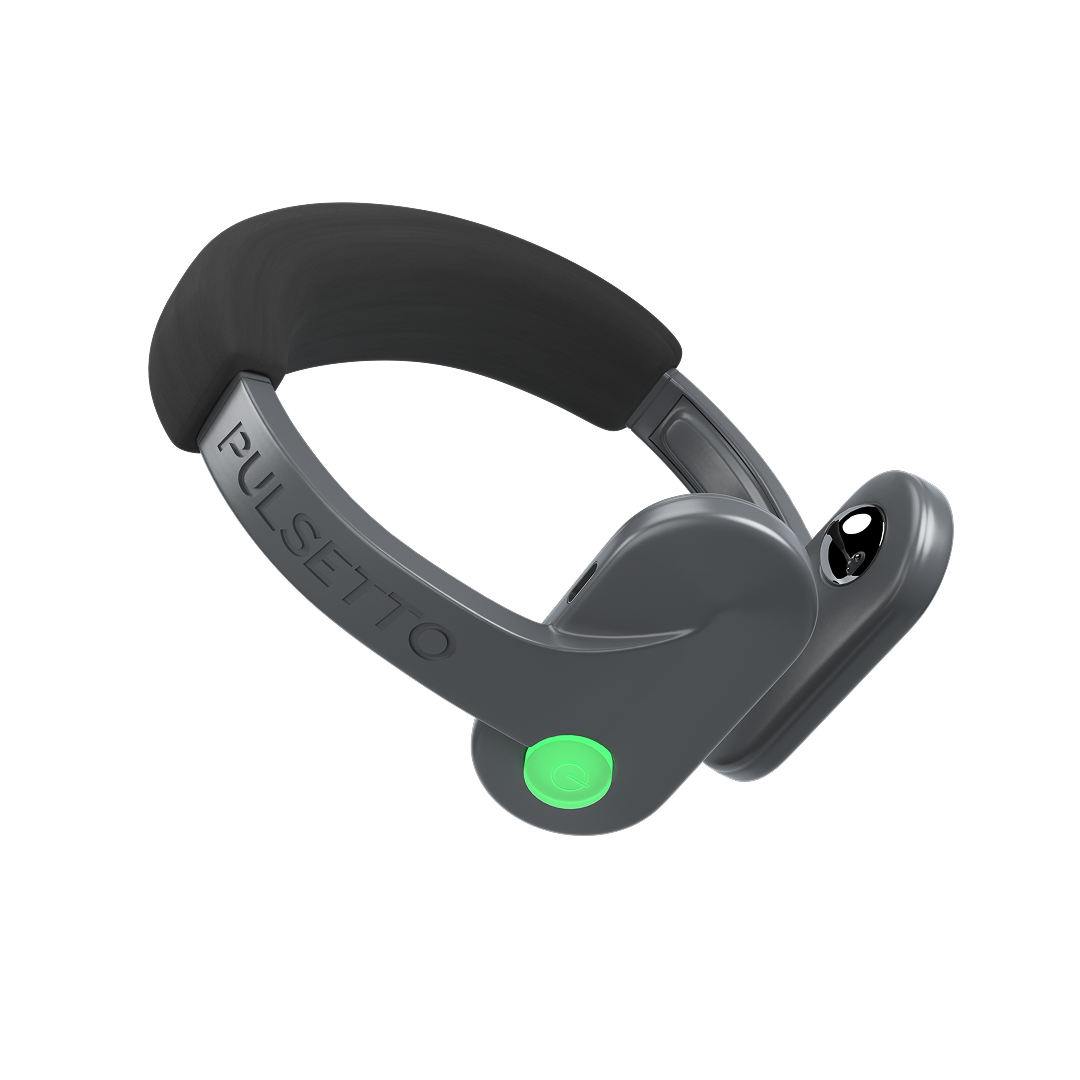
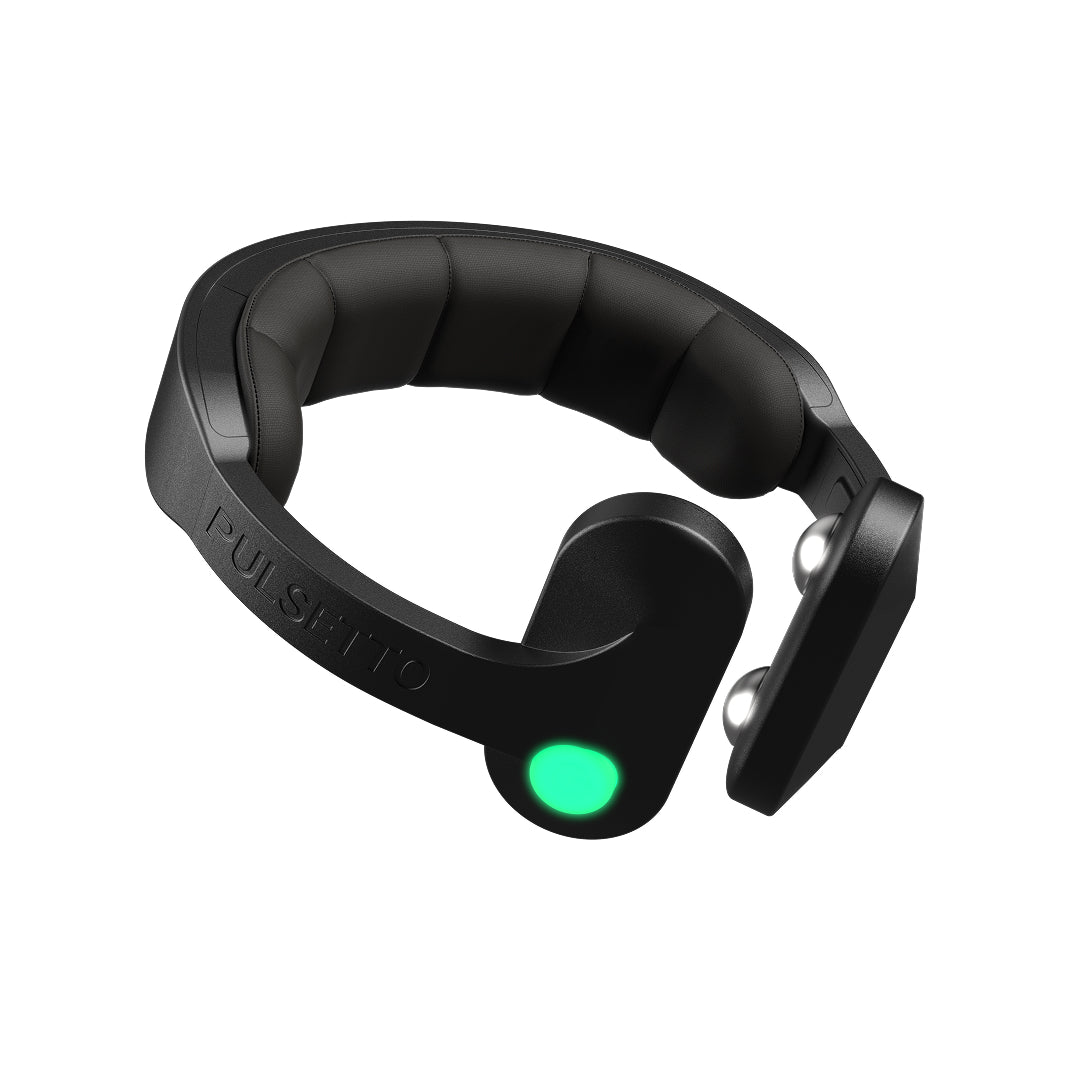
Pulsetto is a bilateral cervical vagus nerve stimulation device, CE certified for general wellness use, delivering hands-free transcutaneous nVNS through electrodes placed on the neck. Sessions run 4 minutes. The companion app offers 5 programs: stress, anxiety, sleep, burnout, and pain management, plus guided meditations and a sleep-specific sound library. 100,000+ users.
The evidence base for vagus nerve stimulation for stress and sleep spans both mechanism research and randomized trial data. A randomized clinical trial published in JAMA Network Open (Zhang et al., 2024) found that transcutaneous auricular VNS produced a 4.2-point greater reduction in Pittsburgh Sleep Quality Index scores versus sham over 8 weeks, with benefits sustained at 20 weeks. A 2025 meta-analysis across 6 trials and 336 patients (de Oliveira et al., Neuromodulation) confirmed statistically significant improvements in both sleep quality and insomnia severity. In Pulsetto's own randomized open-label pilot study (n=40, 4 weeks), PSQI sleep scores improved by 41.0% in the bilateral group.
Pulsetto applies vagus nerve stimulation for anxiety at the physiological level: direct nerve stimulation rather than behavioral redirection, which is what distinguishes it from all other products in this guide.
Best for: People whose primary sleep barrier is stress, chronic nervous system arousal, or anxiety-driven sleep onset difficulty that environmental tools have not resolved.
Disclaimer: Pulsetto is a general wellness product and is not intended to diagnose, treat, cure, or prevent any disease or medical condition.
Apollo Neuro
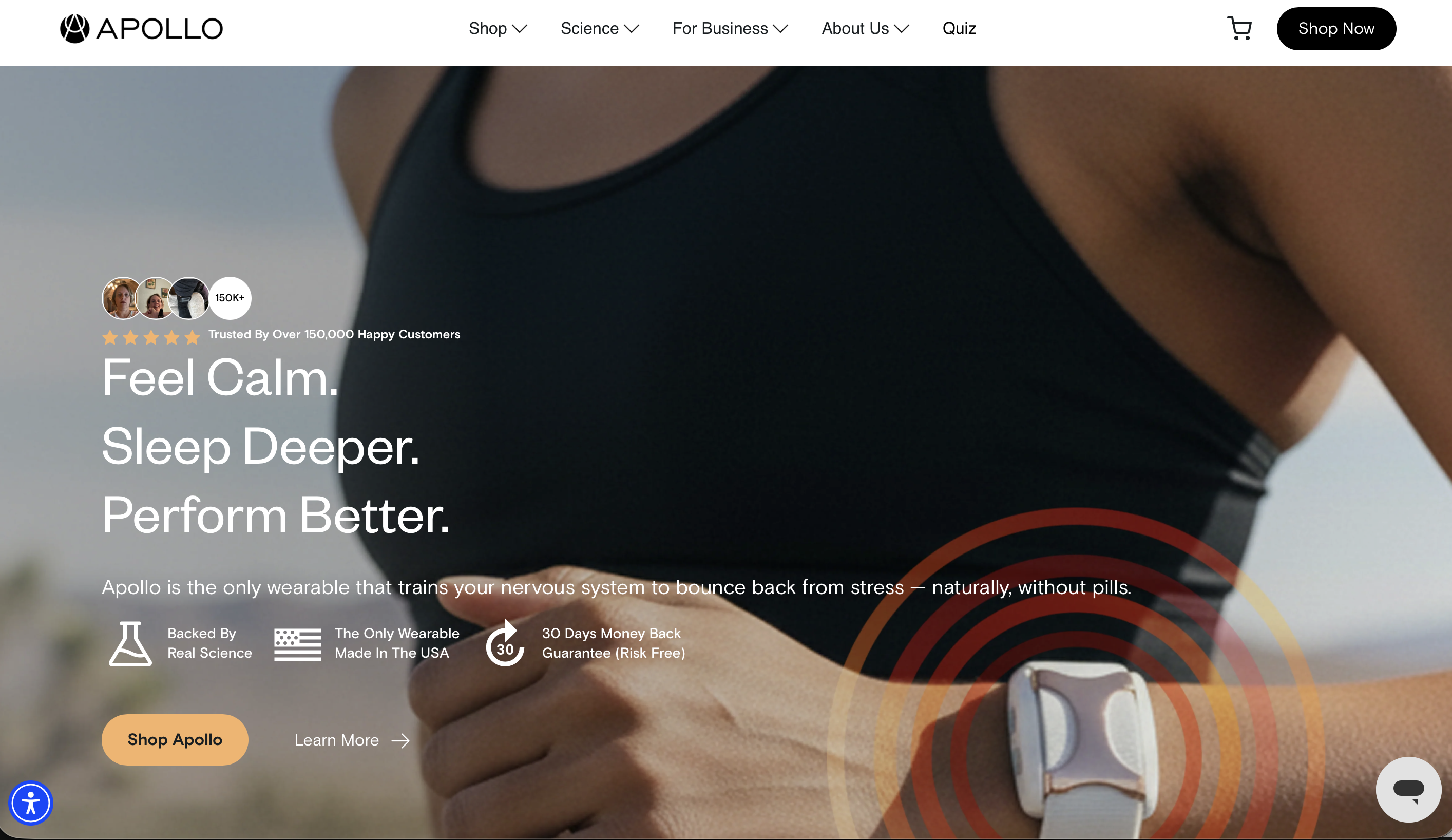
Apollo Neuro is a wrist-worn device that delivers low-frequency vibration to the body to influence vagal tone and autonomic state through a different pathway than electrical stimulation. At €399 with no prescription required, it is the primary alternative for those who prefer wrist-worn continuous wear or want a non-electrical option.
Limitation: The vibrational frequency mechanism, while plausible, has a thinner research base than direct electrical VNS. Effects may take longer to establish, and session length is typically 30 to 60 minutes versus Pulsetto's 4-minute format.
Best for: Those who prefer wrist-worn continuous wear, those who want a non-electrical option, and people who find neck-placed devices uncomfortable.
If a chronically elevated stress response is your primary sleep barrier, Pulsetto's 4-minute cervical VNS session before bed is designed to address that directly. CE certified, hands-free, and used by 100,000+ people. Try Pulsetto
Sound, Light, and Circadian Rhythm Tools
Light is the primary zeitgeber (circadian timekeeper) for the human body. Evening blue light delays melatonin onset. Morning bright light advances the circadian clock and improves sleep timing consistency. Sound environment affects sleep continuity, particularly for light sleepers in noisy settings. Products in this category target circadian alignment and sleep maintenance rather than sleep onset arousal, which means they address a different barrier than the ANS regulation tools above.
Hatch Restore 3
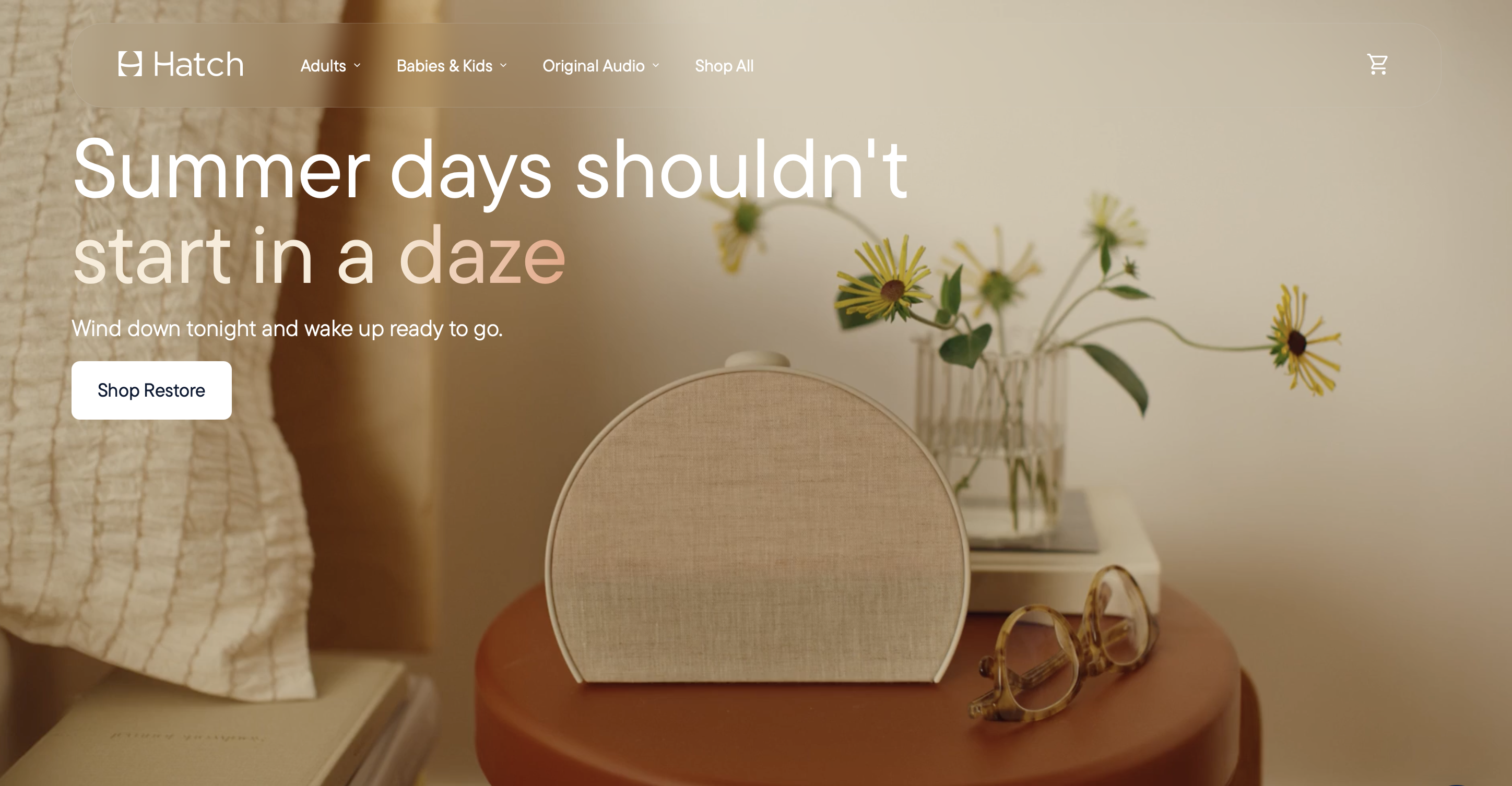
The Hatch Restore 3 is a bedside device combining a sunrise alarm, adjustable warm-toned reading light, and a curated sleep sound library in one unit at $169.99. The sunrise simulation gradually increases light in the 30 minutes before the alarm time, supporting a lower-cortisol waking pattern, while evening warm-tone lighting reduces the blue light exposure that delays melatonin.
Limitation: Full access to the sleep content library requires a subscription. Without it, the device functions as a light and sound machine but loses the program-guided wind-down feature.
Best for: Anyone whose primary issue is inconsistent wake time, difficulty winding down, or morning grogginess.
Soundcore Sleep A20
The Soundcore Sleep A20 earbuds are designed specifically for side sleepers, with a flat, low-profile design that masks external noise without creating the pressure discomfort of standard earbuds during overnight wear.
Limitation: Some users report discomfort during longer sleep periods. Fit is personal and worth evaluating during a return-eligible trial.
Best for: Light sleepers in noisy environments, people in shared bedrooms, and anyone whose primary disruption is environmental sound rather than internal arousal.
Philips SmartSleep Wake-Up Light
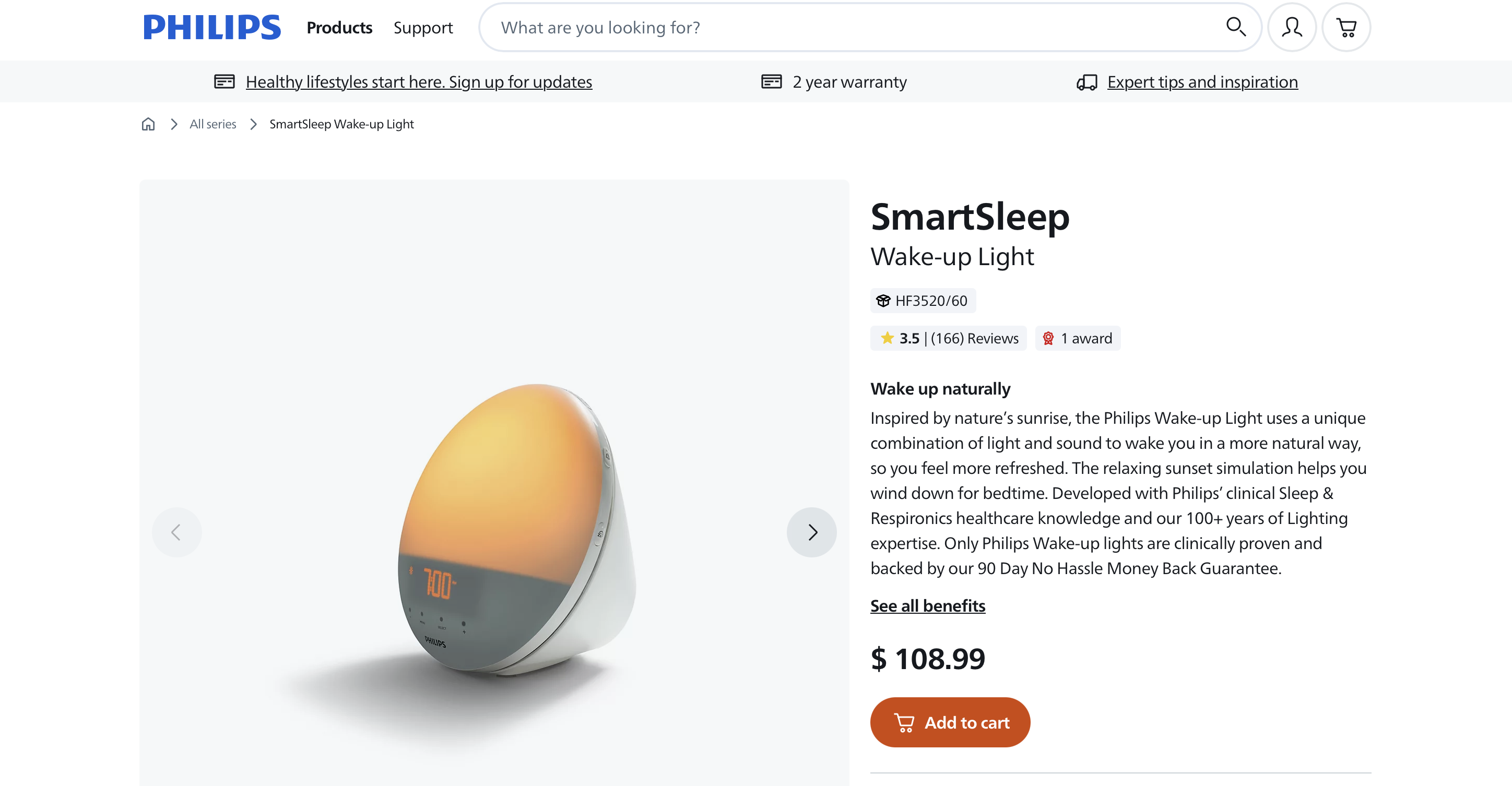
The Philips SmartSleep Wake-Up Light delivers a gradual sunrise simulation and sunset fade at $108.99, with documented light therapy effects for circadian alignment. It is the most accessible dedicated light therapy sleep product in the category.
Limitation: No sound masking capability. It addresses light-based circadian issues only and should be combined with another product if sound is also a disruption factor.
Best for: Those whose primary issue is waking unrefreshed or difficulty rising in the morning, particularly in winter or low-light environments.
Sleep Routine and Wind-Down Tools
Sleep hygiene research consistently shows that a predictable pre-sleep routine reduces sleep onset latency more reliably than any single product. The mechanism is conditioned arousal reduction: the brain learns to associate a consistent sequence of cues with sleep, lowering cognitive arousal before sleep begins. A 2022 study in Brain Sciences (Wu et al.) found that combining VNS with consistent behavioural interventions improved both sleep quality and effective treatment rate in primary insomnia, underscoring that routine and physiological support work best together. Products in this category support the routine rather than replacing it.
Gravity Weighted Blanket
Weighted blankets use deep pressure stimulation to activate the parasympathetic nervous system and produce a calming effect before and during sleep. Options from 15 to 25 lbs are available, with most adults finding 10% of body weight a reasonable starting point.
Limitation: Not suitable for hot sleepers without a cooling cover, as the added weight retains body heat and may raise discomfort for those already running warm.
Best for: Those with anxiety-driven sleep onset difficulty, restless sleepers, and anyone who finds physical pressure more reliably calming than audio or behavioral tools.
Moonbird

The Moonbird is a handheld device that expands and contracts in the hand to guide breathing rhythm through physical sensation rather than audio instruction. Paced breathing with extended exhalations directly stimulates vagal tone and reduces sympathetic arousal, making it one of the more evidence-adjacent passive-looking tools in this category.
Honest limitation: Moonbird requires active participation during use. It is not a passive product and works best for people who are willing to dedicate 5 to 10 minutes to paced breathing as a deliberate routine step.
Best for: Those who want a tactile breathwork guide rather than an audio app, and people who find audio instructions distracting rather than calming.
Magnesium Glycinate Supplement
Magnesium glycinate is widely available under $30 and has supporting research for sleep quality improvement. A 2022 systematic review published in Biological Trace Element Research (Arab et al.) confirmed that magnesium plays a role in sleep regulation through multiple mechanisms including GABA receptor activity and melatonin production, with the systematic literature supporting its use for adults with suboptimal intake.
Limitation: Effects are mild in people with normal magnesium levels. The benefit is most reliable in adults with suspected dietary deficiency, and it is not a substitute for addressing behavioral or environmental sleep barriers.
Best for: Anyone who suspects dietary magnesium deficiency may be a contributing factor, and those looking for a low-cost, low-risk supplementary step alongside other sleep interventions.
How to Build a Sleep Stack Without Overspending
The most common mistake when building a sleep product stack is buying multiple products simultaneously. Without isolating variables, it is impossible to know what is working. The principle: measure first, intervene second. Change one variable at a time.
Free to $50: Sleep Cycle (free sleep tracking), a consistent wake time, and blackout curtains. This combination addresses the most common sleep barriers before spending anything significant and is the right starting point for most people.
$50 to $200: Add a white noise machine or the Soundcore Sleep A20 earbuds for noise management, a weighted blanket for wind-down support, or magnesium glycinate if dietary deficiency is suspected. These are the best sleep products for adults who want meaningful additions without a large investment.
$200 to $400: A dedicated HRV tracker (Oura Ring 5) for reliable baseline data, or a nervous system regulation device (Pulsetto or Apollo Neuro) if the free tracker data confirms stress and arousal are the primary barrier. These sleeping gadgets for adults with confirmed stress-related sleep difficulty offer the most evidence-backed intervention layer at this price range.
$400 and above: Eight Sleep Pod 5 if temperature is confirmed as the barrier, or a Hatch Restore 3 and Oura Ring combination for light management and tracking together. These are best sleep products for insomnia situations where lower-cost interventions have not produced sufficient improvement.
Key principle: adding multiple sleep products in the same week makes it impossible to know what is working. Change one variable at a time.
Frequently Asked Questions
What is the most effective sleep product?
No single product is most effective for all sleepers because effectiveness depends entirely on the root cause. For temperature-driven disruption, active climate control products have the strongest evidence. For stress and autonomic arousal, nervous system regulation tools like vagus nerve stimulation have peer-reviewed support. For circadian misalignment, light therapy is the most direct intervention. The most effective sleep product is always the one that matches the actual barrier.
What products actually help with insomnia?
For clinical insomnia lasting 3 or more months, app-based CBT-I programs have the strongest evidence base. For sub-clinical sleep difficulty driven by stress or arousal, weighted blankets, breathwork tools, and vagus nerve stimulation devices have supporting research. Magnesium glycinate supplements show mild effects in adults with suspected deficiency. These should be used as stress and arousal management tools, not as insomnia treatments.
Are vagus nerve stimulation devices worth it for sleep?
Research is building. A 2025 study in Sleep Medicine (Yeom et al.) confirmed that taVNS improved sleep quality specifically in people with chronic insomnia disorder. Devices like Pulsetto are general wellness tools, not medical devices. Contraindications include pacemakers, implantable cardiac devices, epilepsy, and pregnancy. People have reviewed Pulsetto quite highly: see what users report about Pulsetto before purchasing.
What is the best budget sleep product?
The Sleep Cycle app (free tier) combined with a consistent wake time and blackout curtains addresses the most common sleep barriers at minimal cost. Magnesium glycinate supplements under $30 are the best evidence-backed supplement option for adults with suspected deficiency. These two combined form the highest-return starting point before any paid product investment.
Are sleep products safe to use together?
Most passive sleep products including bedding, sound machines, and eye masks can be combined without concern. For active devices, change one variable at a time to isolate what is actually working. Anyone with a pacemaker, implantable cardiac device, epilepsy, or pregnancy should consult a physician before using any electrical stimulation device including VNS devices.
Ready to Fix Your Sleep at the Root?
If the data from your sleep tracker points to stress and nervous system arousal as your primary sleep barrier, that is the category where Pulsetto fits. Four minutes of cervical vagus nerve stimulation before bed, CE certified, used by 100,000+ people worldwide. Shop Pulsetto
Scientific Research
[1] Transcutaneous Auricular Vagus Nerve Stimulation for Chronic Insomnia Disorder (Zhang et al., 2024, JAMA Network Open, 46 citations)
[2] Transcutaneous Auricular Vagus Nerve Stimulation in Insomnia: A Systematic Review and Meta-Analysis (de Oliveira et al., 2025, Neuromodulation, 9 citations)
[3] Transcutaneous auricular vagus nerve stimulation (taVNS) improves sleep quality in chronic insomnia disorder (Yeom et al., 2025, Sleep Medicine, 6 citations)
[4] A two-week course of transcutaneous vagal nerve stimulation improves global sleep (Jackowska et al., 2022, Autonomic Neuroscience, 29 citations)
[5] Transcutaneous Vagus Nerve Stimulation Could Improve the Effective Rate on the Quality of Sleep in the Treatment of Primary Insomnia (Wu et al., 2022, Brain Sciences, 37 citations)
[6] Effects of thermal environment on sleep and circadian rhythm (Okamoto-Mizuno & Mizuno, 2012, Journal of Physiological Anthropology)
[7] The Role of Magnesium in Sleep Health: a Systematic Review of Available Literature (Arab et al., 2022, Biological Trace Element Research)