How to Pick a Sleep App (and Why Most People Choose Wrong)
Most people download whichever sleep app they have seen advertised without asking whether it matches their actual sleep barrier. The result is a meditation app for someone who needs CBT-I, or a sound library for someone whose problem is a chronically elevated stress response that audio content cannot reach.
Three questions to ask before choosing:
What is the primary barrier? Falling asleep, staying asleep, waking unrefreshed, or waking too early each point to different causes and different tools.
Do you need passive help or active intervention? Passive tools like sound and story apps work for many people who just need a mental off-ramp. Active interventions like CBT-I or vagus nerve stimulation address the underlying physiological or behavioral mechanism.
Do you want data or relief? Tracking apps reveal patterns. Intervention apps address them. Both have a role, but they are not interchangeable.
The five categories below each address a distinct sleep barrier. One may be all you need. Most people find that starting with four to six weeks of sleep tracking before adding any active intervention produces better outcomes than choosing by intuition alone.
Best Apps for Falling Asleep Faster
Sleep-onset difficulty is the most common sleep complaint. Apps that help here work by reducing cognitive arousal through sound, guided content, or narrative engagement, giving the mind something absorbing enough to displace anxious thought loops without stimulating the prefrontal cortex toward wakefulness.
Calm
Calm is the most recognized sleep app in the
category, built around sleep stories narrated by well-known voices, guided meditations, breathing exercises, and an extensive nature sounds library. The sleep stories in particular are designed to be engaging enough to redirect a wandering mind without being stimulating enough to delay sleep, and many users report falling asleep before the story finishes.
It covers multiple sleep barriers in one interface: sound for immediate onset, meditation for pre-sleep anxiety, and music for ongoing ambient coverage. The sleep stories are the most distinctive feature relative to other apps in the category.
At $69.99 per year, Calm is one of the more expensive sleep apps. The free tier is limited, making it difficult to evaluate before committing.
Best for: People who respond to narrative distraction as a sleep onset tool, those who want a broad sleep content library in one app.
BetterSleep
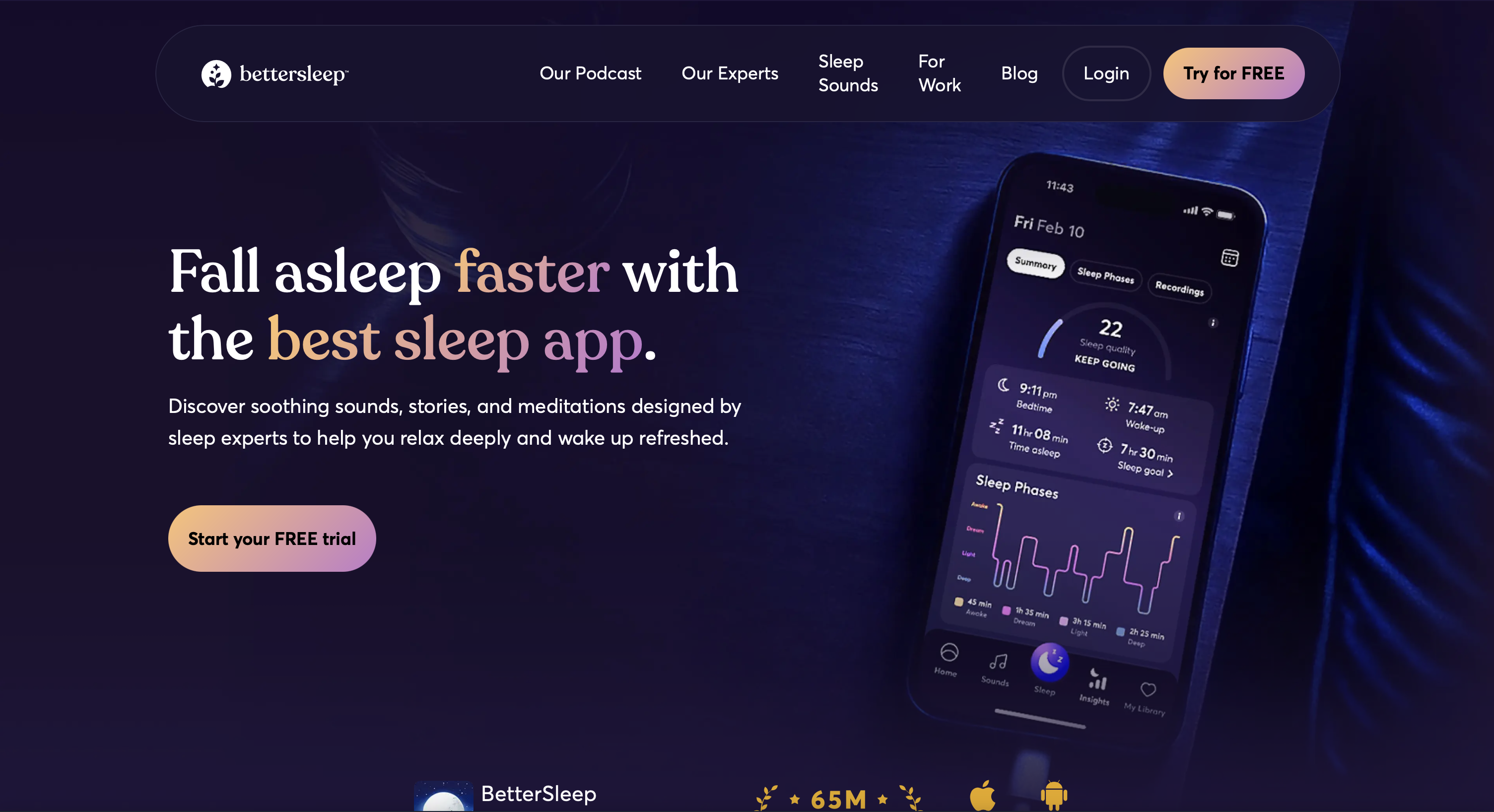
BetterSleep offers the largest free soundscape library in the category, covering white noise, brown noise, ASMR, rainfall, fan sounds, binaural beats, and hundreds of environment mixes. The mixing feature lets users layer sounds to create a custom sleep environment rather than being limited to preset tracks.
The free tier is generous relative to most competitors, making it a strong starting point for people who are not yet sure whether sound-based sleep support will work for them.
Full features including guided meditations and sleep stories require a premium subscription. The app's primary strength is sound, not structured sleep content.
Best for: Budget-conscious users, people who already know sound helps them sleep and want the widest possible selection.
Insight Timer
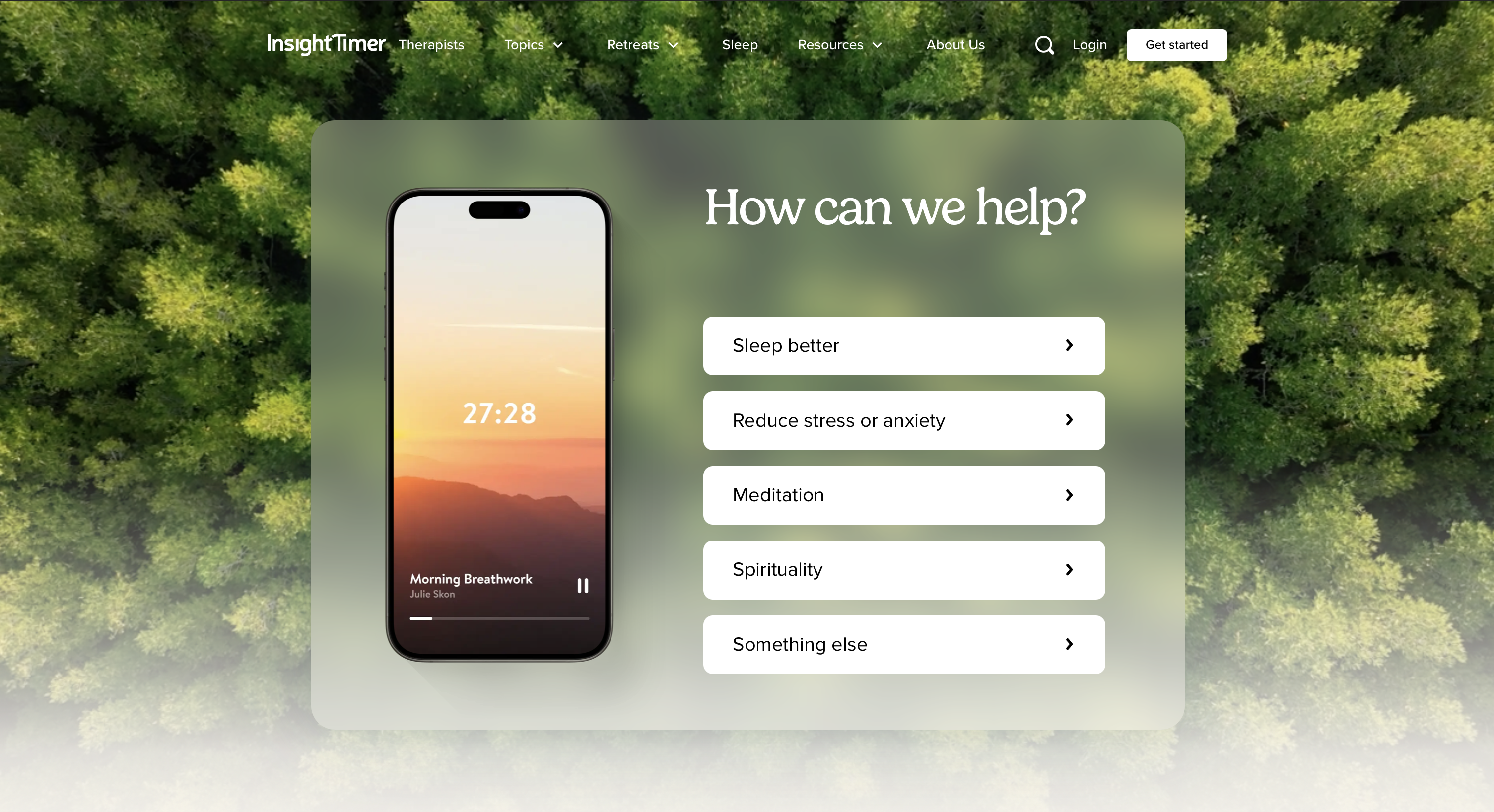
Insight Timer has the largest free meditation library of any app in this category, with content from thousands of independent teachers across guided sleep meditations, yoga nidra sessions, body scans, and breathing exercises. The range of content styles and voices is wider than any curated platform offers.
However, quality is inconsistent across content creators. A Headspace-style curated experience it is not, and finding reliably effective sleep content requires some navigation.
Best for: People who want the widest possible free meditation library and do not mind exploring to find what works for them.
Best Apps for Tracking Your Sleep
Sleep tracking apps use phone sensors or paired wearables to estimate sleep stages, awakenings, and nightly patterns. The value is not in any single night's data but in the trend across weeks, which reveals how specific behaviors (alcohol timing, late meals, exercise, screen exposure) affect your sleep quality in ways that are invisible without measurement.
Sleep Cycle
Sleep Cycle uses the phone microphone or accelerometer to detect sleep stages and trigger a smart alarm within a 30-minute window when the user is in light sleep, producing a less groggy waking experience than a fixed alarm cutting through deep sleep. It has 4.3 stars from over 216,000 Google Play reviews, making it the most reviewed free sleep tracking app in the category.
The free tier includes the core smart alarm and basic sleep trend data. Long-term tracking reveals patterns across weeks and months that help identify which lifestyle factors most affect individual sleep quality.
Accuracy depends on the phone remaining on the mattress throughout the night. Restless sleepers or those who share a bed with a partner may get inconsistent data from movement interference.
Best for: People who want a free baseline sleep tracking tool and a smarter morning wake experience.
SleepScore
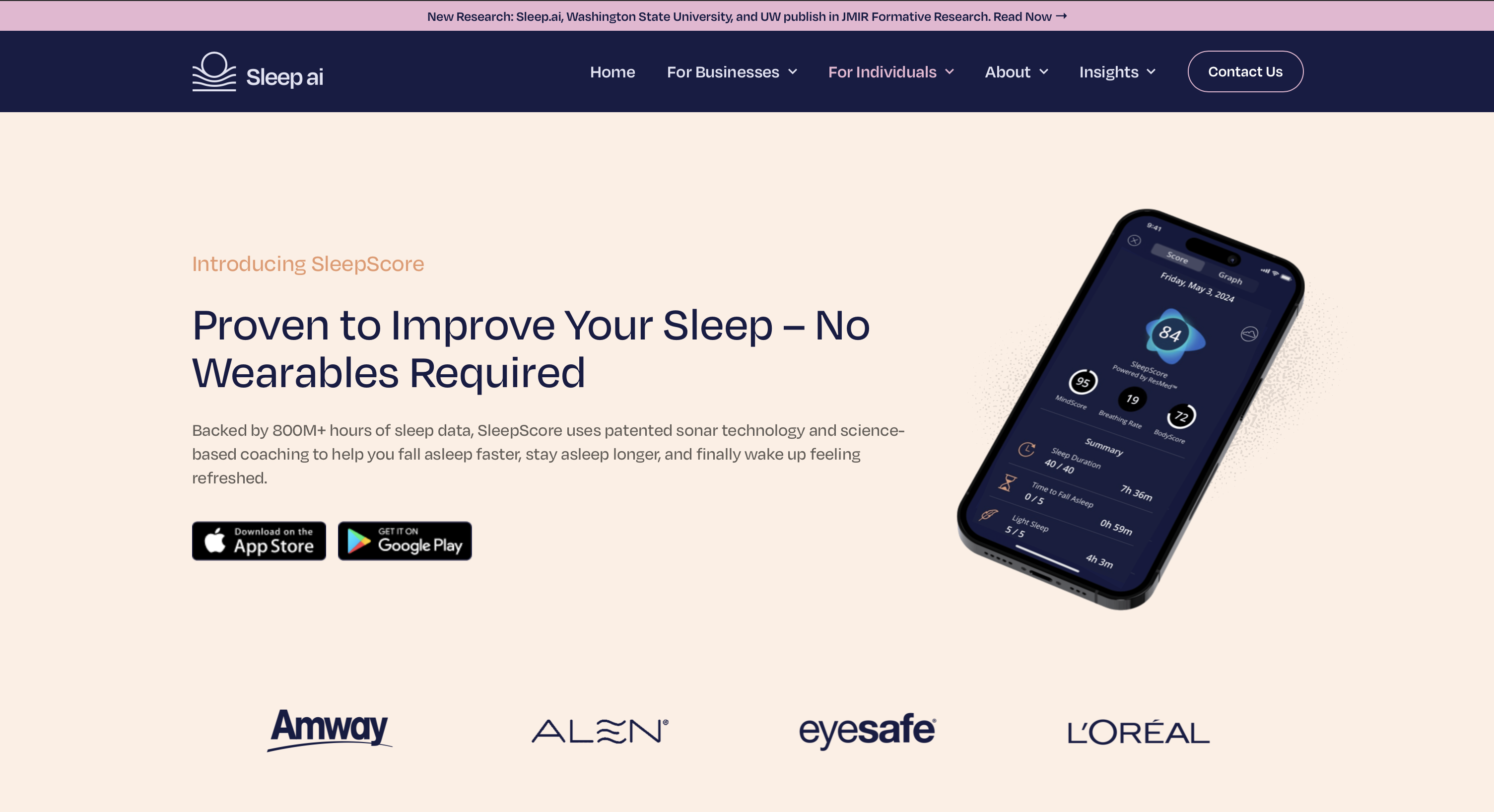
SleepScore uses the phone microphone only, requiring no physical contact with the bed, to estimate sleep stages through sonar-based breathing detection. The app adds environment coaching alongside sleep data, noting temperature, light, and sound conditions alongside sleep quality scores.
Full nightly reports and behavioral coaching require the premium tier. The microphone-only tracking method is convenient but less accurate than wearable-based approaches.
Best for: People who want sleep tracking without placing their phone on the mattress, those interested in how their bedroom environment affects their sleep.
RISE Science
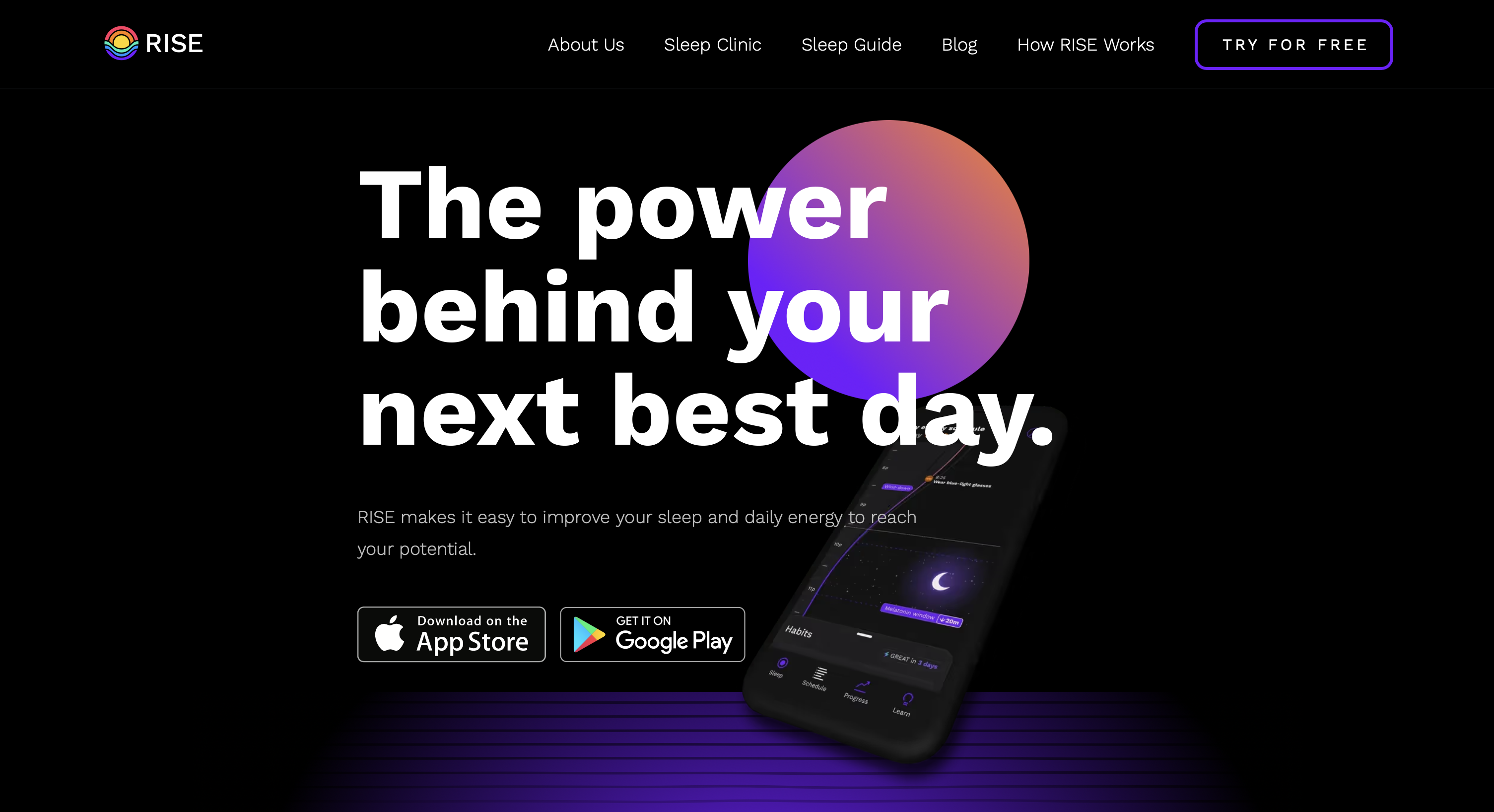
RISE Science tracks sleep debt accumulated across the last 14 nights and maps circadian timing to identify personal energy peaks and low points throughout the day. Rather than focusing on last night's sleep, it orients the user toward what their body actually needs across the week given current sleep debt.
There is no meaningful free tier after the initial trial period. For users who find the sleep debt framing useful, the ongoing subscription cost is the main friction point.
Best for: People who want to understand sleep as a cumulative variable across the week rather than a night-by-night report card, anyone trying to optimize energy and cognitive performance through circadian alignment.
Best Apps for Quieting a Racing Mind
A racing mind before bed is not primarily a sleep problem. It is an autonomic nervous system problem. When the sympathetic nervous system stays elevated into the evening, cortisol remains high, heart rate stays up, and sleep onset is delayed or disrupted regardless of how comfortable the bedroom is. Interventions that directly modulate the ANS, shifting the body from sympathetic to parasympathetic dominance, address the root cause rather than masking it with audio. A 2022 study in Brain Sciences (Wu et al.) found that transcutaneous VNS improved both sleep quality and effective treatment rate in people with primary insomnia, supporting the case for direct nervous system intervention over content-based approaches alone.
Pulsetto
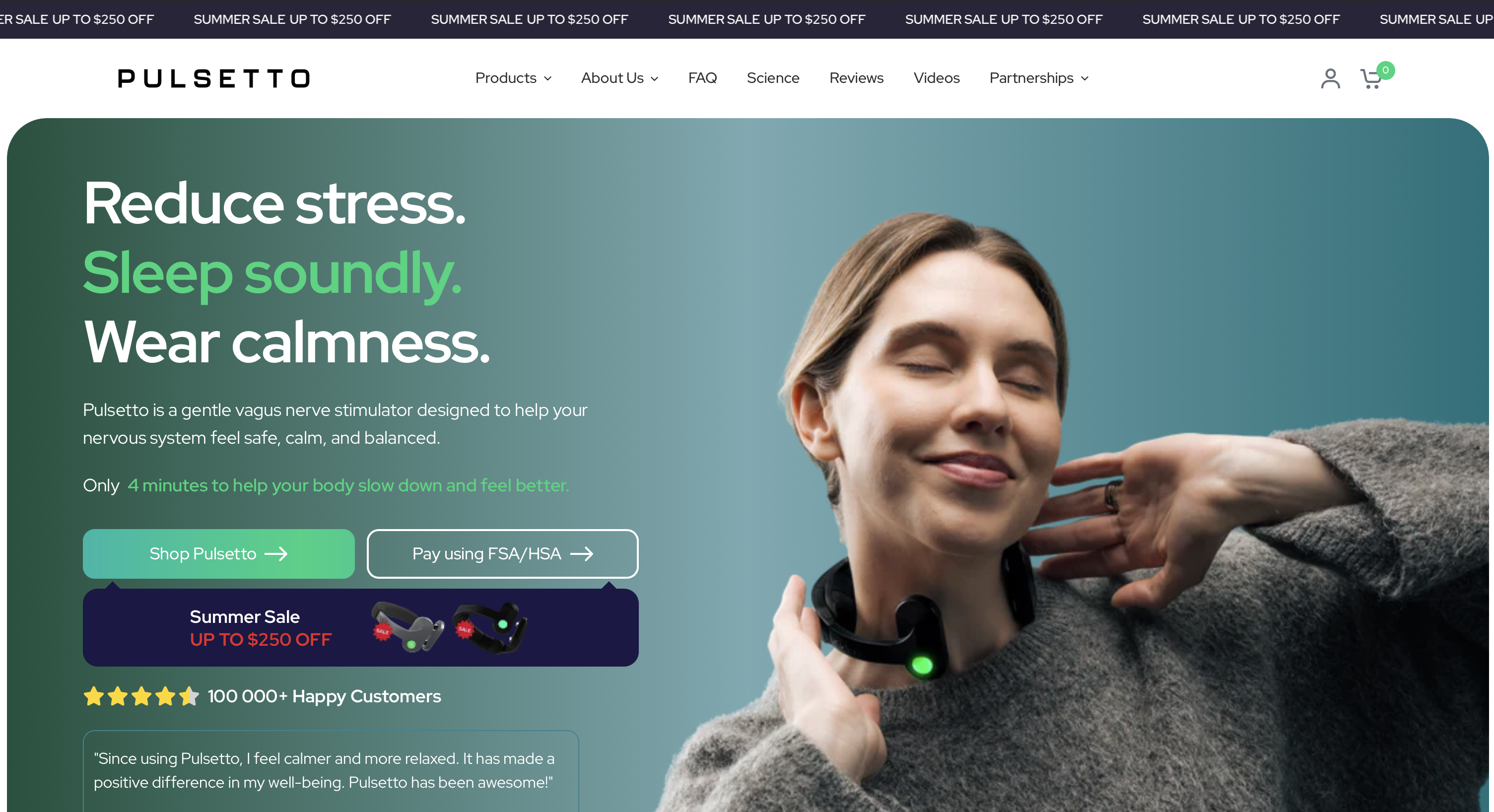
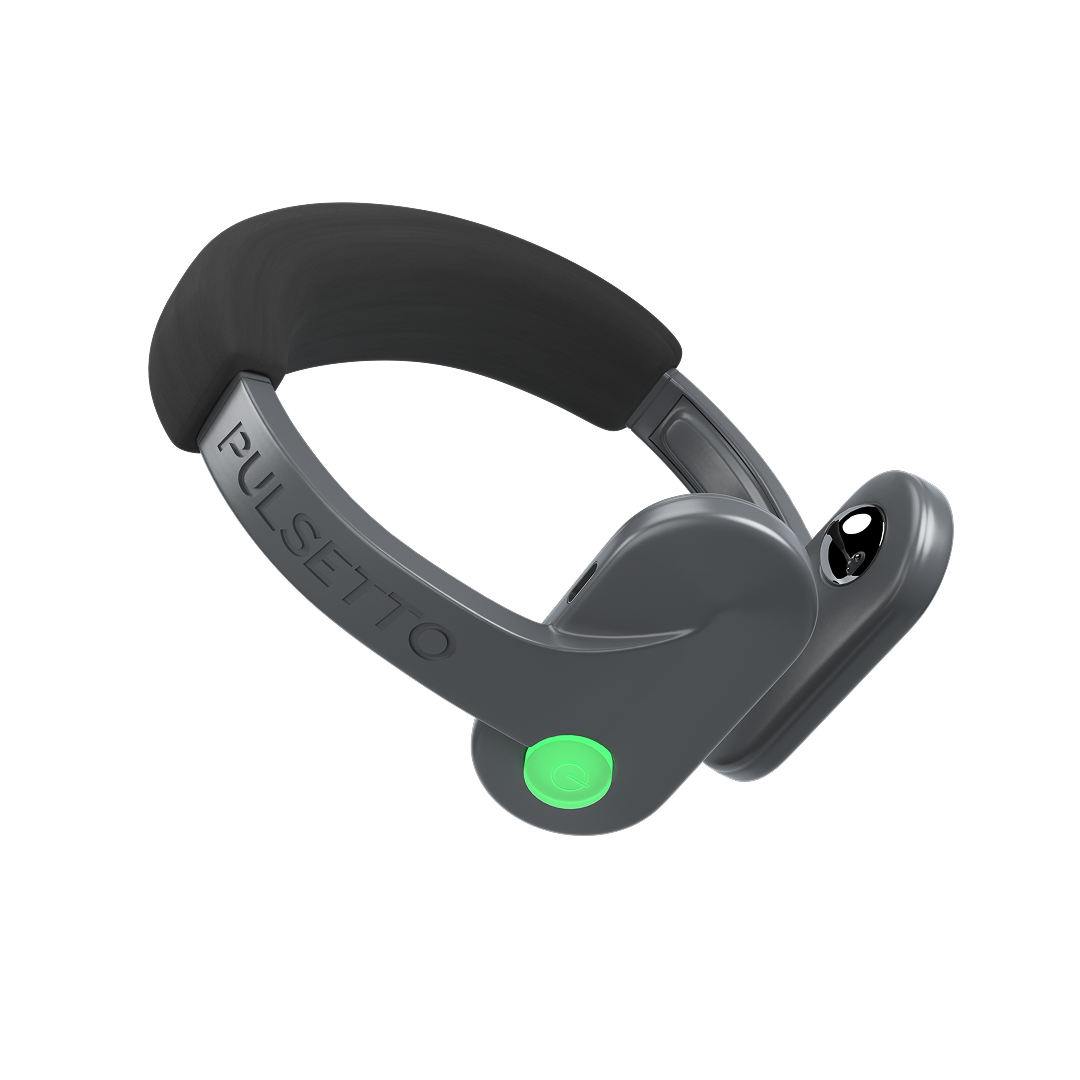
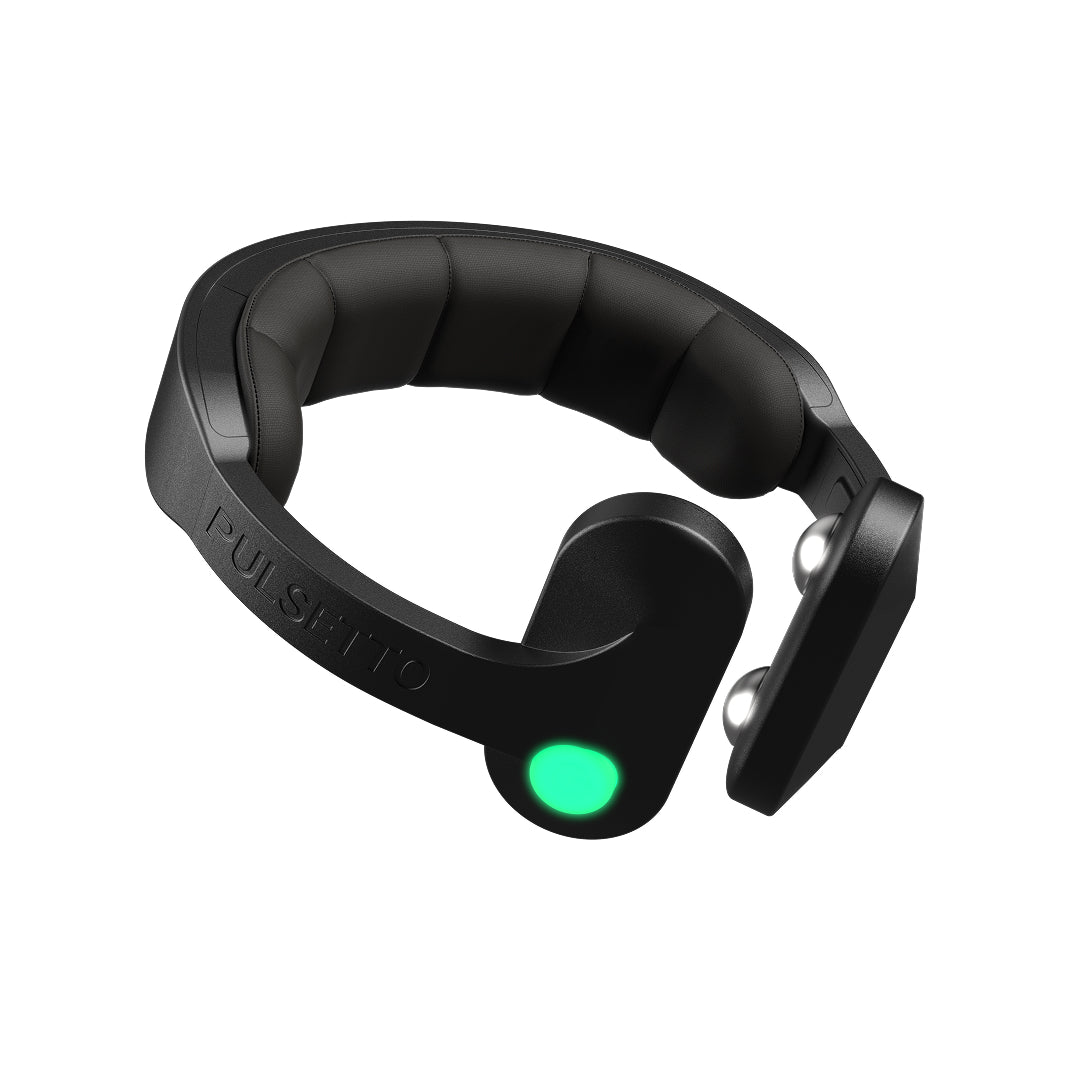
Pulsetto is a cervical vagus nerve stimulation device paired with an app offering programs for stress, anxiety, sleep, and burnout, plus guided meditations and breathwork. Pulsetto applies vagus nerve stimulation for anxiety at the physiological level: gentle electrical stimulation through the skin of the neck activates the parasympathetic nervous system directly, producing measurable shifts in heart rate and cortisol that sleep-focused audio cannot replicate. Pulsetto is CE certified for general wellness use. Contraindications include pacemakers, implantable cardiac devices, epilepsy, and pregnancy.
The evidence for vagus nerve stimulation for stress and sleep is well-supported. A randomized clinical trial published in JAMA Network Open (Zhang et al., 2024) found that transcutaneous auricular VNS produced a 4.2-point greater reduction in Pittsburgh Sleep Quality Index scores versus sham over 8 weeks, with benefits sustained at 20 weeks. A 2025 meta-analysis across 6 trials and 336 patients (de Oliveira et al., Neuromodulation) confirmed statistically significant improvements in both sleep quality and insomnia severity. In Pulsetto's own randomized open-label pilot study (n=40, 4 weeks), PSQI sleep scores improved by 41.0% in the bilateral group.
Best for: People whose primary sleep barrier is a chronically elevated stress response or racing thoughts that audio-based tools have not adequately addressed.
Disclaimer: Pulsetto is a general wellness product and is not intended to diagnose, treat, cure, or prevent any disease or medical condition.
Headspace
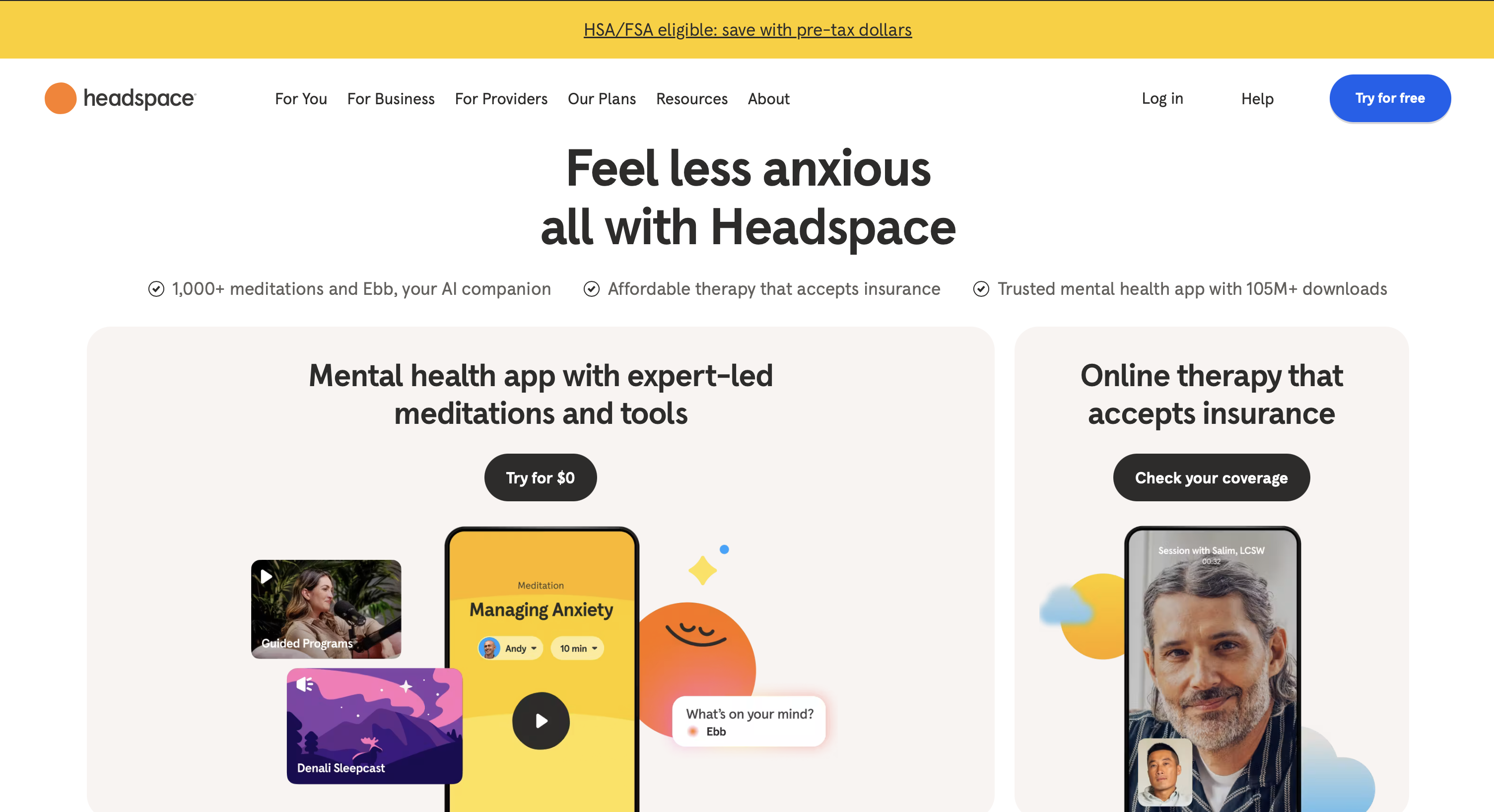
Headspace is built around structured meditation courses and guided breathwork sessions, with a dedicated sleep section covering wind-down meditations, sleep casts, and sleepmix soundscapes. The sleep course in particular takes users through a progressive relaxation sequence designed to reduce pre-sleep cognitive arousal.
Headspace works at the attentional level, redirecting the mind rather than directly modulating the nervous system. For people whose sleep anxiety has a strong physiological component, its impact may plateau where a tool like Pulsetto would continue to produce results.
Best for: People with mild to moderate pre-sleep anxiety who want a structured meditation approach, those who have not yet tried app-based sleep content.
Best Apps for Chronic Insomnia
Chronic insomnia, defined as difficulty falling or staying asleep at least three nights per week for three or more months, is a clinical condition. The American Academy of Sleep Medicine recommends CBT-I (cognitive behavioral therapy for insomnia) as the first-line treatment, ahead of medication. App-based CBT-I delivers the same structured protocol as in-person therapy at a fraction of the cost and with significantly better access.
Sleepio
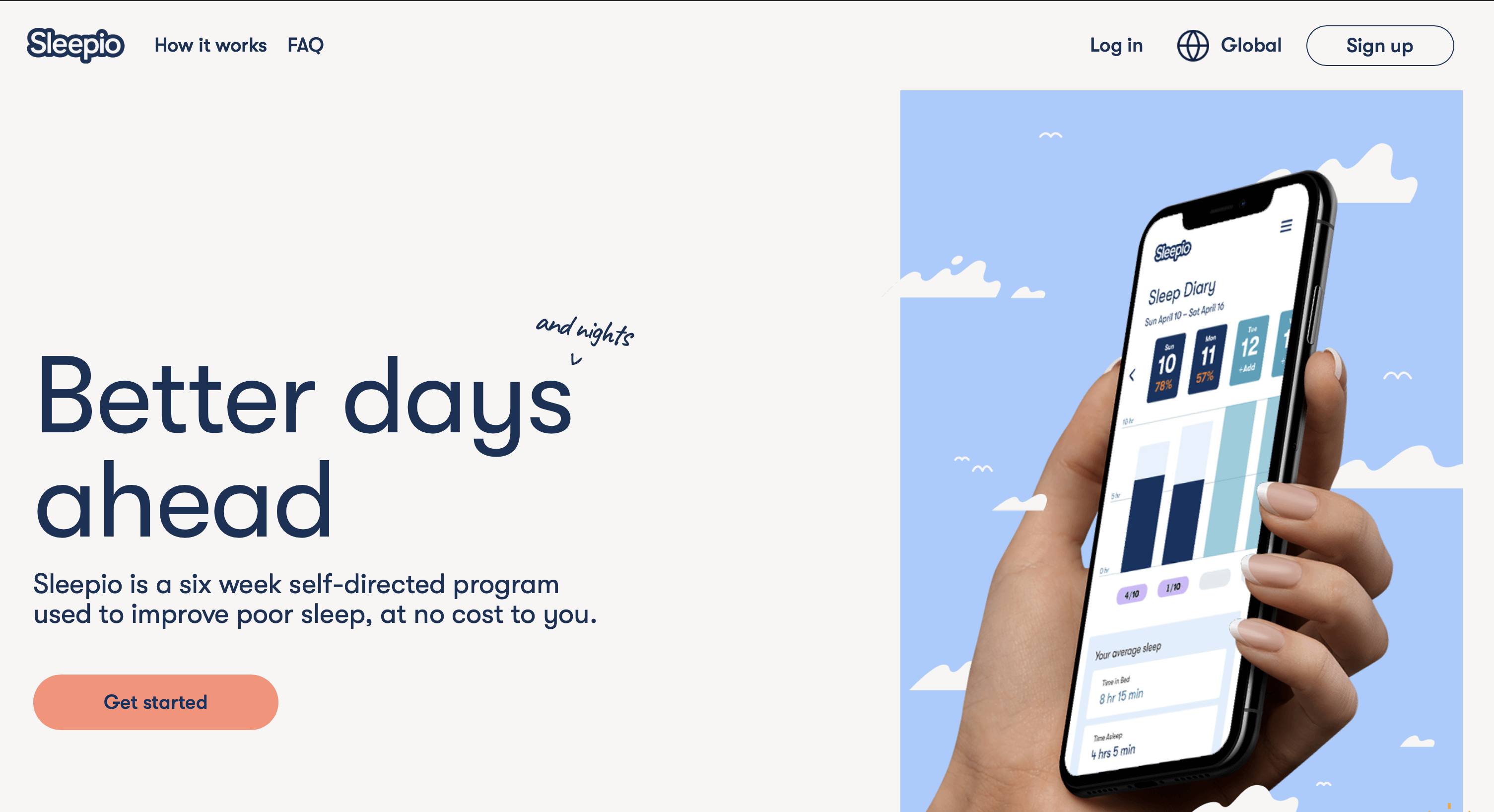
Sleepio is the most clinically validated app-based CBT-I program available to consumers. Its six-week personalized program works through the core CBT-I components: sleep restriction, stimulus control, cognitive restructuring, and sleep hygiene. The program adapts based on weekly sleep diary data and delivers the protocol through a virtual therapist interface.
Sleepio has regulatory clearance in both the US and UK and is covered by many NHS trusts and US employers as part of digital therapeutics programs. The clinical trial evidence behind it is stronger than any other consumer sleep app in any category.
The six-week protocol requires sustained engagement. The subscription cost is significant without employer coverage. And CBT-I sleep restriction can cause short-term worsening of sleep before improvement, which some users find difficult to persist through.
Best for: Adults with chronic insomnia who want the most evidence-backed non-medication approach available without an in-person therapist.
CBT-i Coach
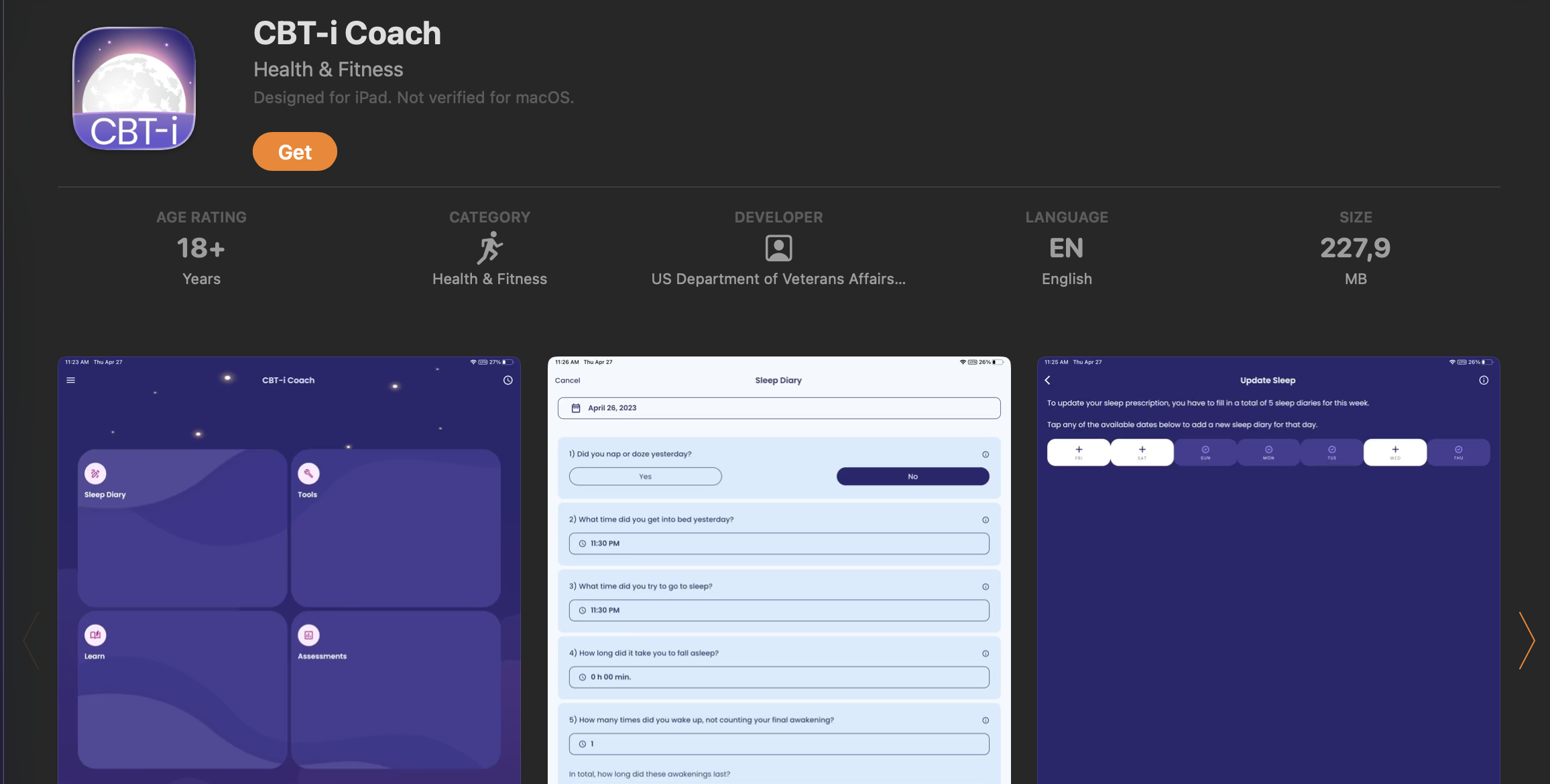
CBT-i Coach was developed by Stanford University, the VA, and the DoD as a free companion tool for CBT-I programs. It provides sleep logs, sleep restriction scheduling, stimulus control guidance, and psychoeducation drawn from the same evidence base as clinical CBT-I programs.
It is designed as a companion to in-person or telehealth CBT-I, not a fully standalone replacement. It offers less personalization and no progress coaching compared to Sleepio. Users without a clinical context to anchor the protocol may find it harder to follow consistently.
Best for: People working with a sleep therapist or physician who want a free, clinically grounded app to support their program, those who want to try CBT-I principles without a subscription cost.
If insomnia has lasted more than three months or is significantly affecting daily function, these apps work best alongside a healthcare provider's guidance rather than as a standalone first step.
Best Apps for Improving Sleep Habits
Sleep hygiene apps focus on the behavioral and timing inputs that determine sleep quality: sleep debt accumulation, circadian alignment, pre-sleep routines, and environmental factors. They are not acute interventions but tools for building more consistent sleep patterns over weeks.
RISE Science
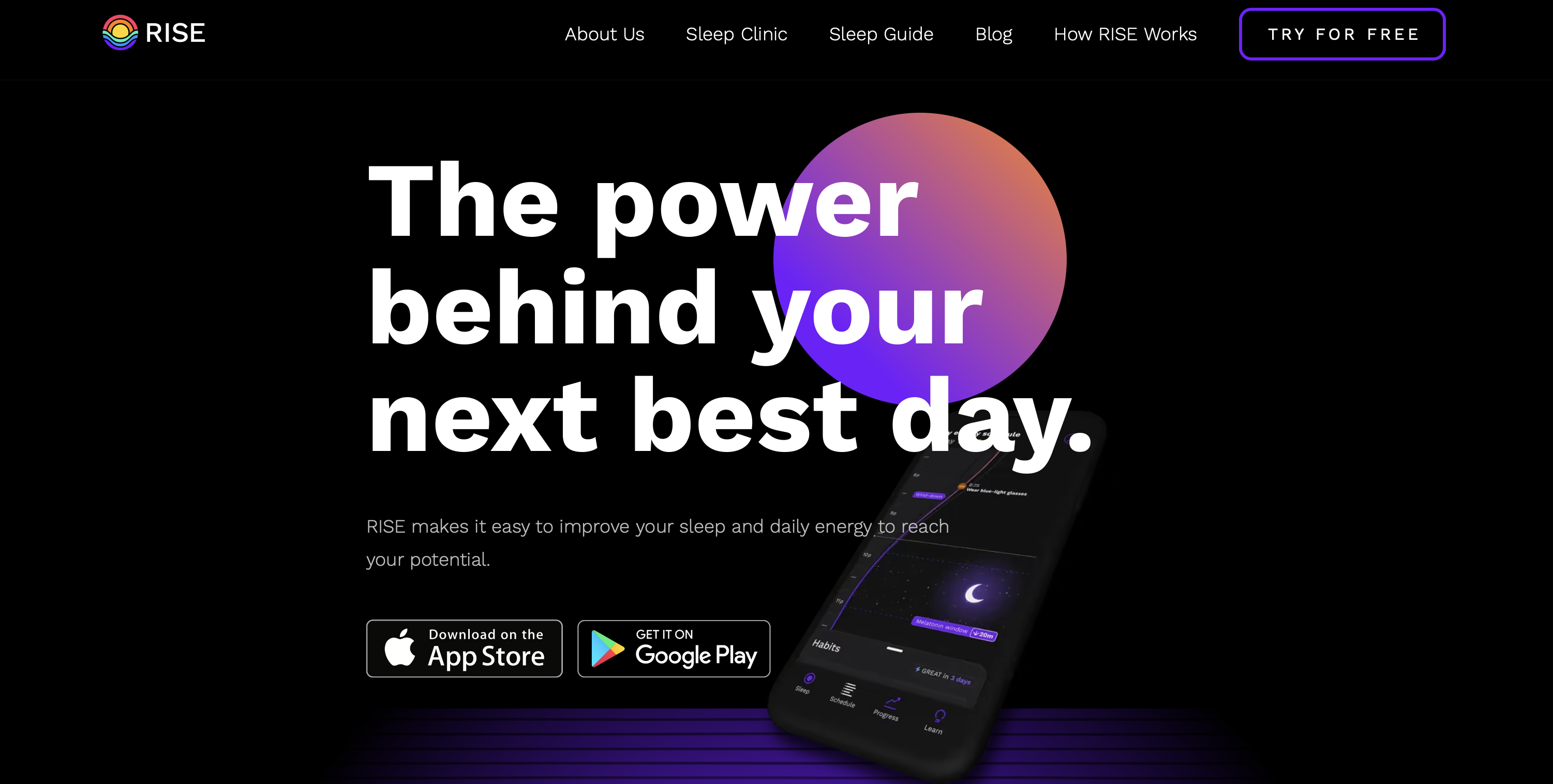
RISE Science tracks the sleep debt accumulated over the past two weeks and models the user's circadian rhythm to identify optimal sleep and wake windows, energy peak times, and the cost of each hour of sleep lost. The framing around cumulative sleep debt is distinctive: rather than treating each night as a fresh start, RISE shows how a week of short sleep compounds into reduced cognitive performance, and what consistent sleep would require to address it.
It is one of the best free sleep apps to trial before committing, though the free tier is limited after the initial period.
Best for: People who want to understand sleep as a weekly variable rather than a nightly event, those trying to optimize performance through better circadian alignment.
SleepScore
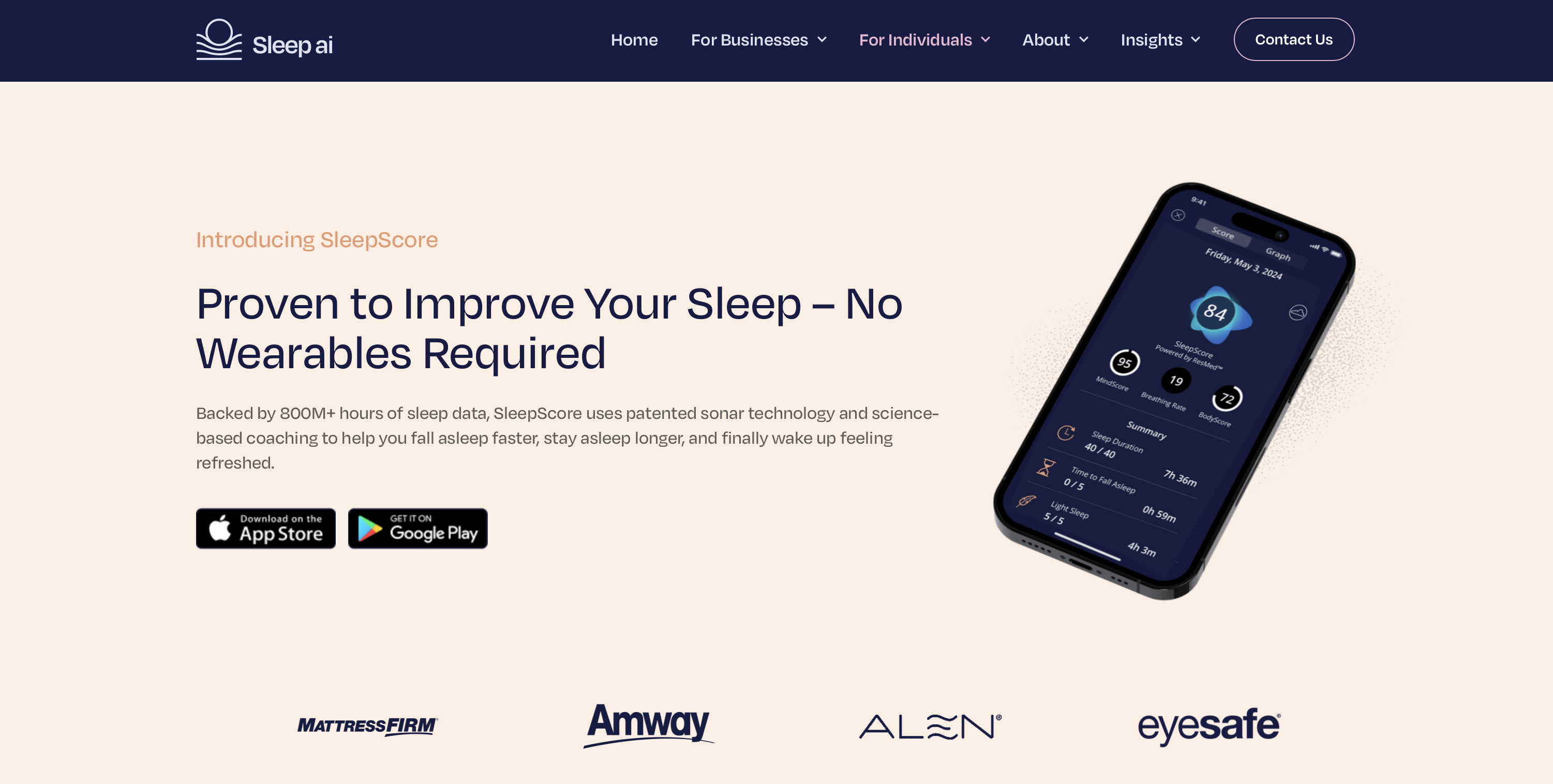
SleepScore combines its phone-based sleep tracking with behavioral coaching, connecting sleep quality scores with environmental data and lifestyle inputs to generate personalized recommendations. The coaching layer is more directive than most tracking apps, pointing to specific behaviors rather than simply reporting data.
The free tier includes basic sleep tracking and some coaching features, making it one of the more accessible options for users who want behavioral guidance without committing to a subscription.
One limitation would be that the phone microphone-based tracking is less accurate than wearable-based systems, particularly for detecting specific sleep stage transitions. The coaching recommendations are useful but not as personalized as a human sleep coach or a CBT-I program.
Best for: People who want tracking plus behavioral coaching in a single free-tier-accessible app, those interested in how their environment connects to their sleep quality.
When an App Is Not Enough
Three signals that an app-based approach will not be sufficient on its own:
Insomnia lasting three or more months. This crosses the clinical threshold for chronic insomnia disorder. CBT-I apps like Sleepio are an appropriate first step, but a healthcare provider's assessment is warranted, particularly to rule out contributing factors.
Snoring, gasping, or excessive daytime sleepiness. These are the primary indicators of sleep apnea, a condition that requires a sleep study and clinical diagnosis. No sleep app addresses sleep apnea, and leaving it unmanaged carries significant cardiovascular risk.
Severe anxiety or mood disorder affecting sleep. Where a clinical mental health condition is the primary driver, professional support is the appropriate starting point rather than a consumer app.
For people whose primary barrier is a chronically elevated stress response that app-based meditation is not addressing, non-invasive nervous system support tools like vagus nerve stimulation are worth exploring as a complement to sleep hygiene work.
A two-week randomized trial by Jackowska et al. (2022, Autonomic Neuroscience) found that transcutaneous vagal nerve stimulation improved global sleep outcomes in community-dwelling adults, supporting the case for consistent daily use rather than occasional intervention. Those who want to see how others have incorporated it can browse what users report about Pulsetto before adding it to a sleep routine.
If a racing mind is your primary sleep barrier, Pulsetto's 4-minute vagus nerve stimulation session before bed is designed to shift your nervous system toward parasympathetic mode. CE certified, used by 100,000+ people. Try Pulsetto
How to Choose the Right Sleep App for You
The decision comes back to the three questions from the introduction: what is the barrier, do you need passive help or active intervention, and do you want data or relief?
Quick match:
-
Falling asleep: Calm or BetterSleep for audio and story-based onset support
-
Staying asleep or waking unrefreshed: Sleep Cycle or SleepScore for four to six weeks of baseline tracking before adding any active intervention
-
Racing thoughts or pre-sleep anxiety: Headspace for mild cognitive anxiety; Pulsetto for anxiety with a strong physiological component that content alone is not reaching
-
Chronic insomnia lasting 3+ months: Sleepio for the full CBT-I protocol, or CBTI Coach as a free companion to clinical support
-
Optimising consistency and circadian alignment: RISE Science for sleep debt and energy management
Note that all apps listed are available on both iOS and Android unless specifically stated otherwise. Get four to six weeks of tracking data before adding an active intervention. The data will tell you where the problem actually is.
Frequently Asked Questions
What is the number 1 sleep app?
There is no single best sleep app because the best depends entirely on your sleep barrier. Calm is the strongest option for guided sleep content and stories. Sleepio is the strongest option for clinical insomnia requiring CBT-I. Sleep Cycle is the strongest free option for tracking sleep patterns. The right answer is the one that matches the specific reason you are not sleeping well.
Are sleep apps actually effective?
It depends on the category. CBT-I apps like Sleepio have strong clinical evidence and regulatory clearance. Meditation and sound apps help many users fall asleep faster by reducing cognitive arousal, though evidence is less rigorous. Sleep tracking apps are most effective when used to identify behavioral patterns over weeks rather than as nightly report cards. The consistent pattern across all categories: results require consistent use, not one-off sessions.
What is the best free sleep app?
CBTI Coach is the strongest free sleep app for people with chronic insomnia, developed by Stanford, the VA, and the DoD with clinical grounding. Insight Timer is the best free option for meditation and guided relaxation content. Sleep Cycle offers the most useful free sleep tracking, including the smart alarm feature. All three are available without payment.
Can vagus nerve stimulation improve sleep?
Research supports it as a complementary tool. A 2025 study in Sleep Medicine (Yeom et al.) found that taVNS improved sleep quality specifically in chronic insomnia disorder. The broader evidence base, including a 2024 JAMA Network Open RCT and a 2025 meta-analysis of 6 trials, is covered in the Pulsetto section above. Devices like Pulsetto offer non-invasive cervical VNS as a general wellness tool. Pulsetto is not a medical device. Contraindications include pacemakers, implantable cardiac devices, epilepsy, and pregnancy.
What sleep app works best for anxiety?
For mild pre-sleep anxiety driven primarily by cognitive patterns, Headspace and Calm offer the most structured content. For anxiety with a stronger physiological component, where the nervous system stays elevated despite behavioral approaches, Pulsetto addresses the autonomic state directly through vagus nerve stimulation rather than through attention or content. Clinical anxiety affecting sleep quality requires professional support alongside any app-based tool.
Find the Right Sleep Tool for Your Barrier
Sleep apps do best when matched to the specific barrier. A sound library helps with onset. A CBT-I program helps with chronic insomnia. A VNS device helps with a nervous system that will not stand down. If the racing-mind category is yours, Pulsetto's cervical stimulation addresses the ANS state that makes sleep difficult before it can begin. CE certified, hands-free, backed by growing clinical evidence. Shop Pulsetto
Scientific Research
[1] Transcutaneous Auricular Vagus Nerve Stimulation for Chronic Insomnia Disorder (Zhang et al., 2024, JAMA Network Open, 46 citations)
[2] Transcutaneous Auricular Vagus Nerve Stimulation in Insomnia: A Systematic Review and Meta-Analysis (de Oliveira et al., 2025, Neuromodulation, 9 citations)
[3] Transcutaneous auricular vagus nerve stimulation (taVNS) improves sleep quality in chronic insomnia disorder (Yeom et al., 2025, Sleep Medicine, 6 citations)
[4] A two-week course of transcutaneous vagal nerve stimulation improves global sleep (Jackowska et al., 2022, Autonomic Neuroscience, 29 citations)
[5] Transcutaneous Vagus Nerve Stimulation Could Improve the Effective Rate on the Quality of Sleep in the Treatment of Primary Insomnia (Wu et al., 2022, Brain Sciences, 37 citations)