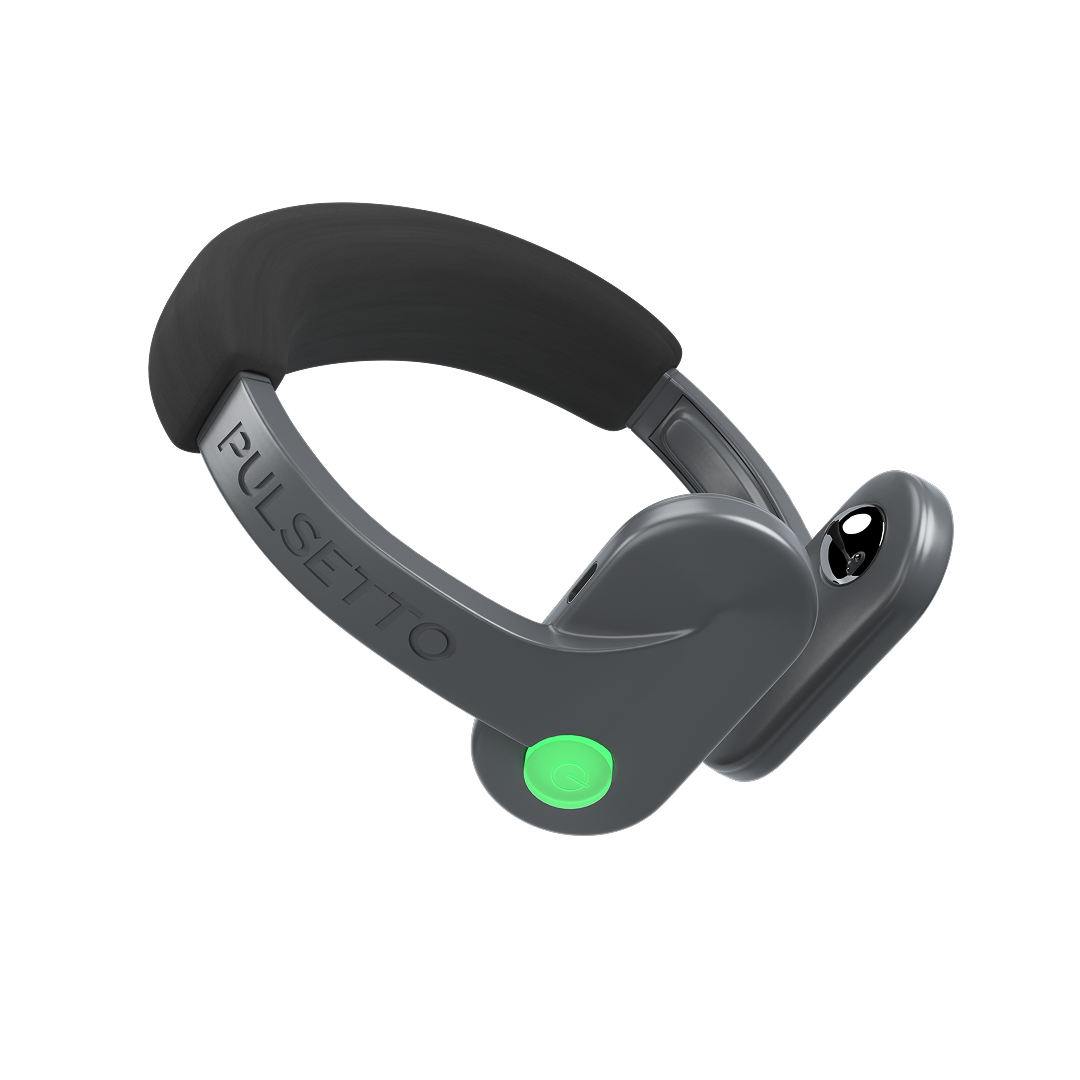
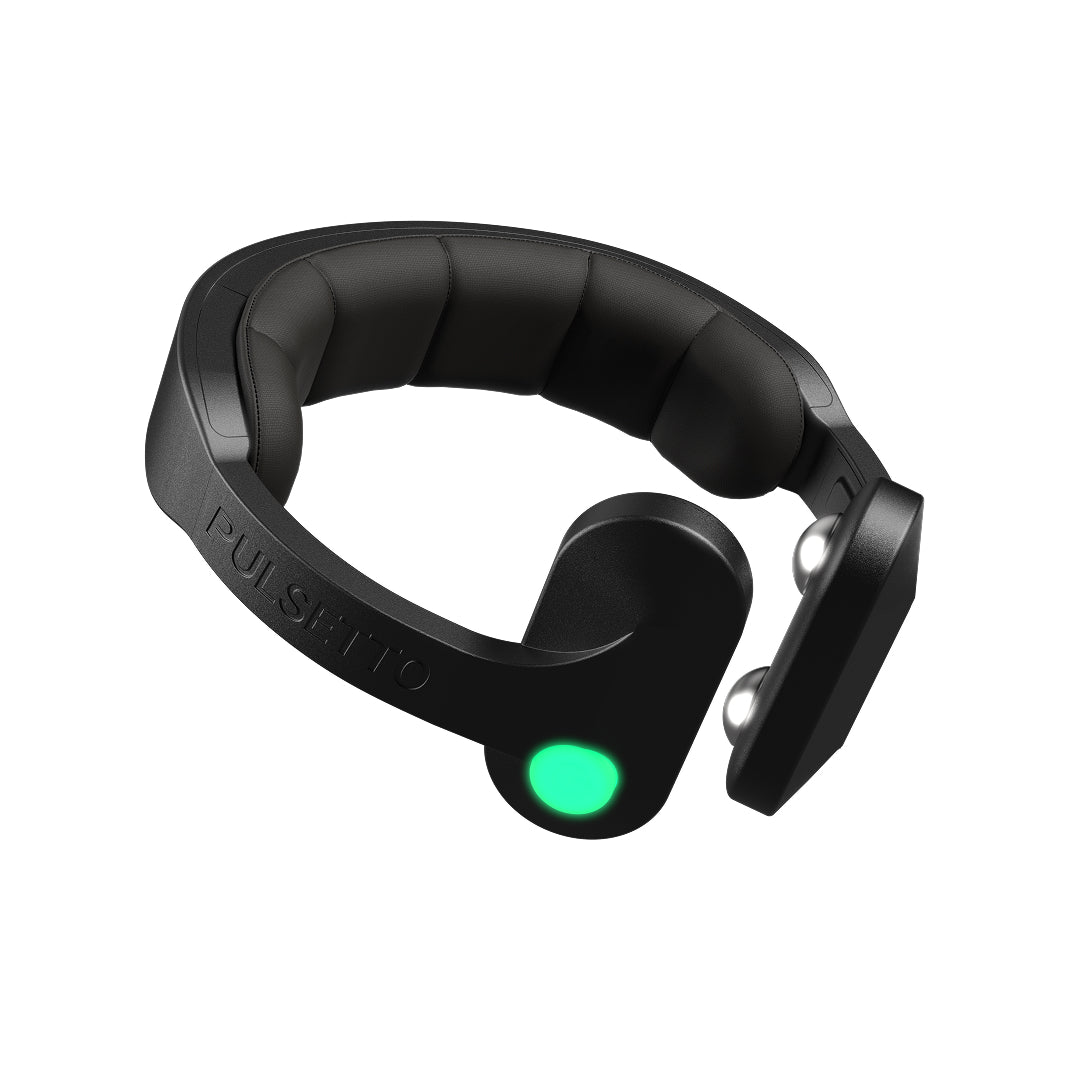
Wearable Vagus Nerve Stimulation Devices
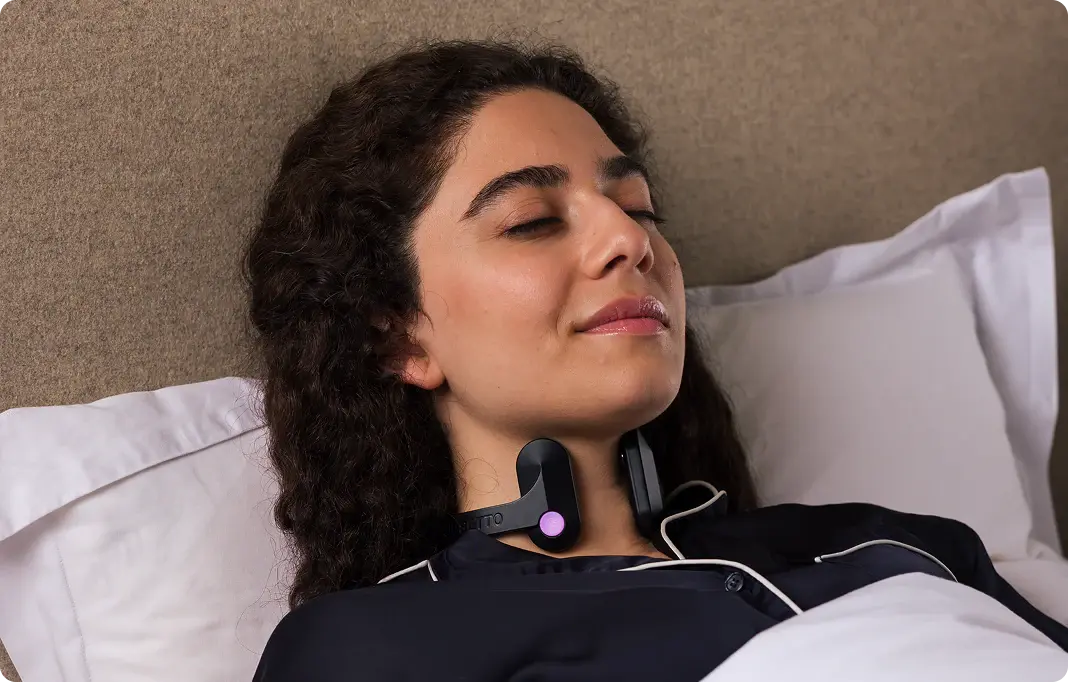
While traditional sensory tools offer external comfort, wearable vagus nerve stimulation (VNS) devices are designed to target the body's internal stress response system directly. These represent a more active category of calming devices for anxiety.
The vagus nerve is the main component of your parasympathetic nervous system, the system responsible for the "rest and digest" response. By providing gentle, non-invasive stimulation, devices like the Pulsetto vagus nerve stimulator signal to your brain that it is time to slow down. We find that this physiological approach is especially helpful because the vagus nerve and stress are deeply linked; if you can calm the nerve, the mind often follows. To learn more about how this works, you can explore our non-invasive vagus nerve stimulation guide for a deeper look at the science of relaxation.
Weighted Blankets
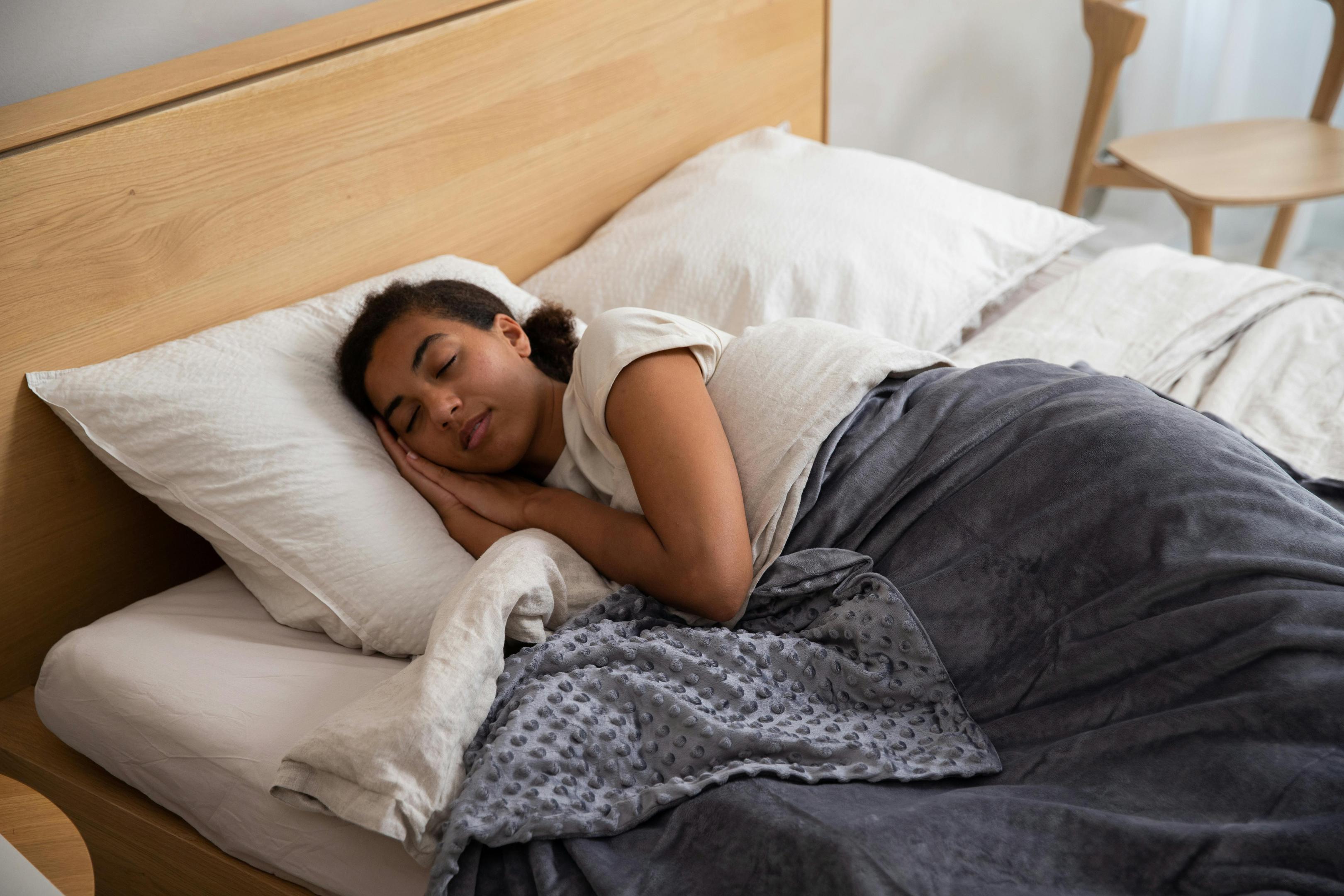
One of the most popular forms of sensory soothing is the weighted blanket. These use "deep pressure stimulation," which mimics the feeling of a firm hug or being swaddled. We see many people use these in the evening to help create a sense of safety and physical grounding.
-
How they help: The weight encourages the body to release serotonin and melatonin while reducing cortisol.
-
Best for: Unwinding after a long day or improving sleep quality when your mind is racing.
-
Safety: Ensure the blanket is roughly 10% of your body weight for the best results.
Fidget Toys and Tactile Tools
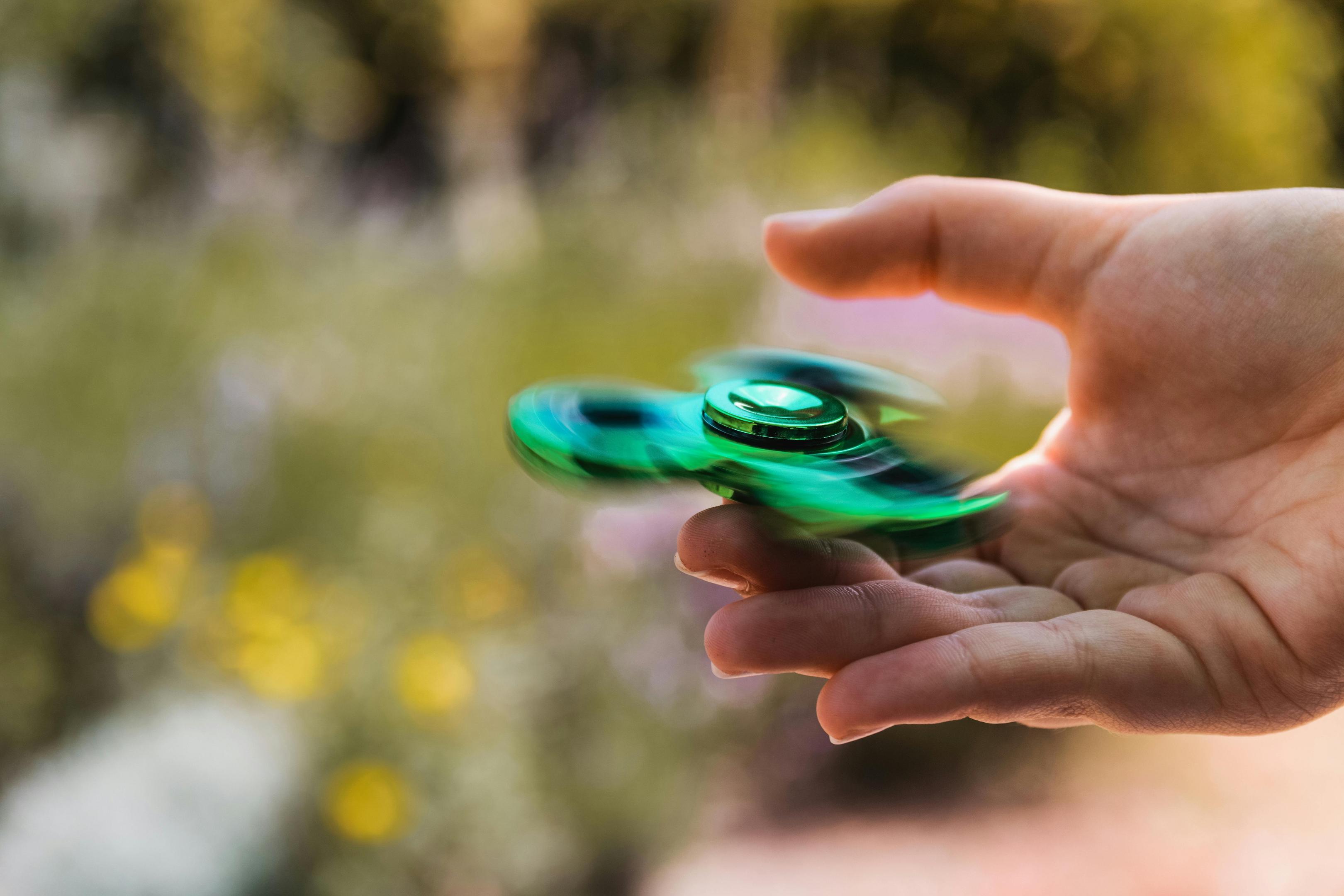
It’s a common misconception that fidgeting is a sign of distraction. For many, repetitive hand movements are essential sensory tools for anxiety that help improve focus. Engaging with sensory items for adults with anxiety (like high-quality metal fidget cubes, textured stones, or professional-grade putty) provides a physical outlet for restless energy.
Tactile engagement can redirect the "buzz" of anxiety into a controlled, rhythmic motion. This is particularly useful during high-pressure tasks or long meetings where you need to remain stationary but feel internally agitated.
Noise-Canceling Headphones and Calming Audio
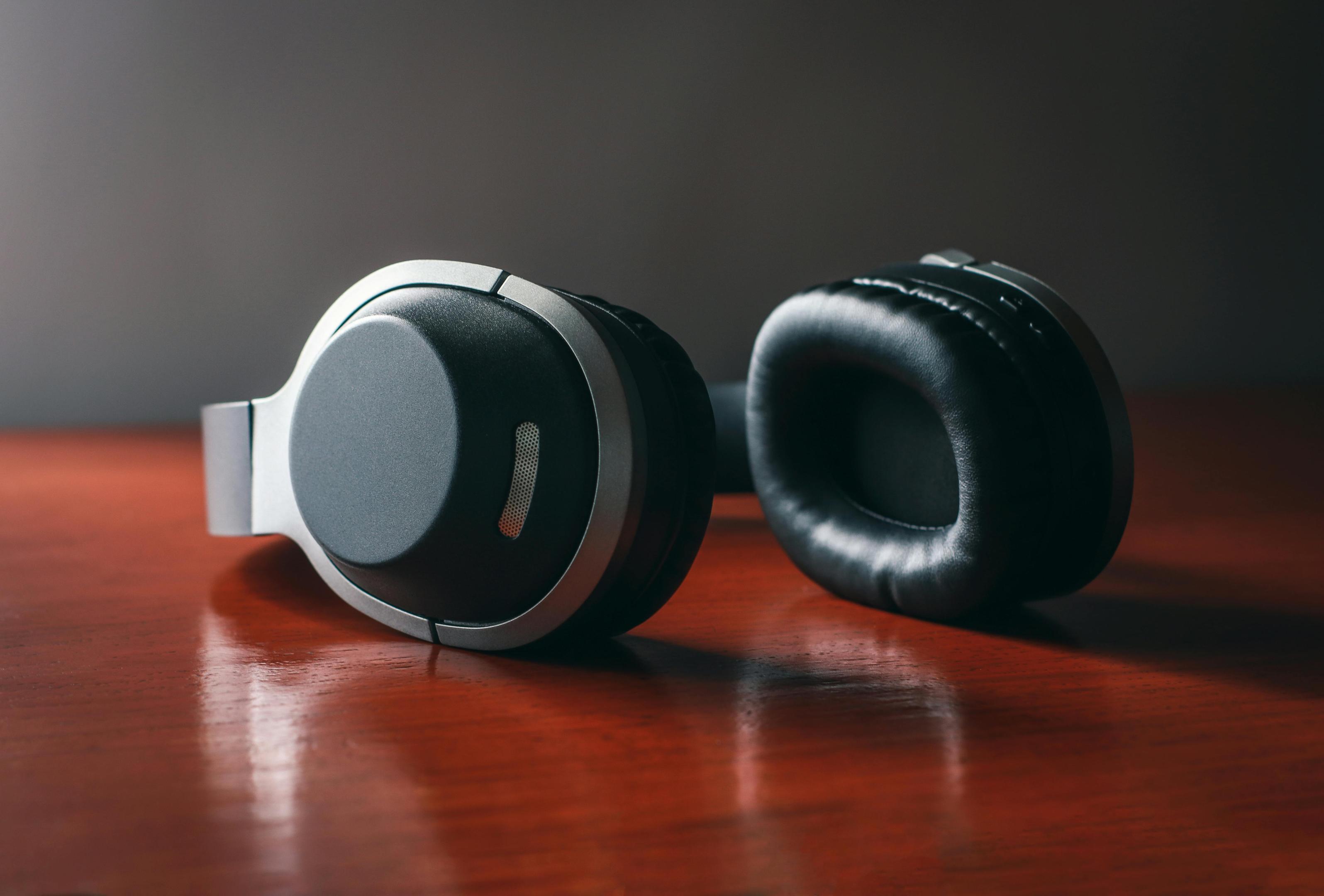
Sensory overload is a significant trigger for workplace and social stress. Calming devices for anxiety that manage sound are essential for protecting your mental space. High-quality noise-canceling headphones allow you to create a "portable sanctuary."
When you combine silence with sensory soothing audio, such as white noise, binaural beats, or nature sounds, you give your brain a consistent, predictable environment. This reduction in environmental stimulation can prevent the "overload" that often leads to a spike in anxiety.
Aromatherapy and Sensory Scents
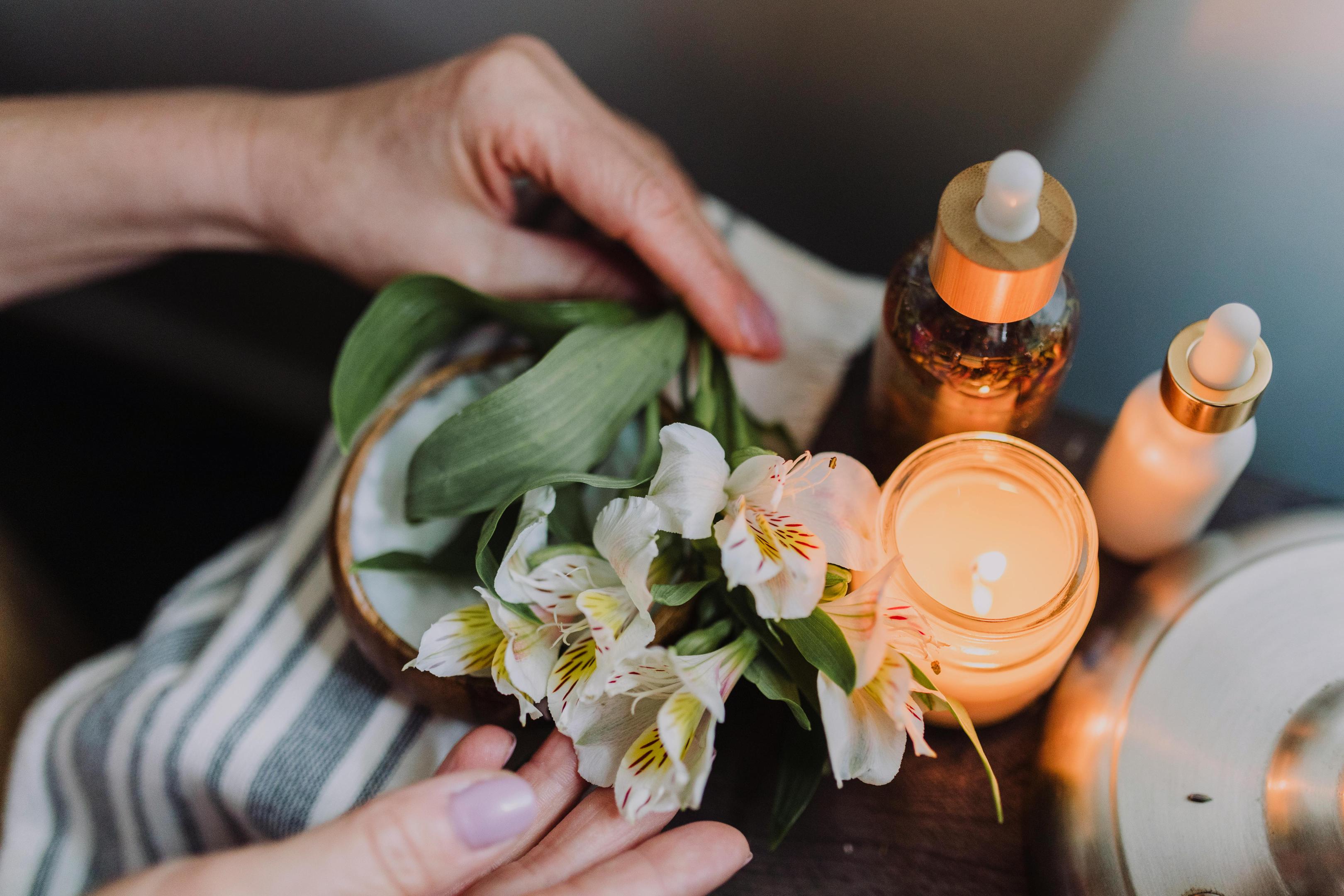
Our sense of smell has a direct, fast-acting connection to the limbic system, the part of the brain that processes emotions. While not a medical "cure," aromatherapy is one of the most accessible calming devices for anxiety routines.
-
Lavender: Widely used for its calming and sleep-inducing associations.
-
Chamomile: Often used to create a soothing, "cozy" atmosphere.
-
Citrus: Can help ground the senses and improve mental clarity during a panic spike.
Heated and Cooling Sensory Products
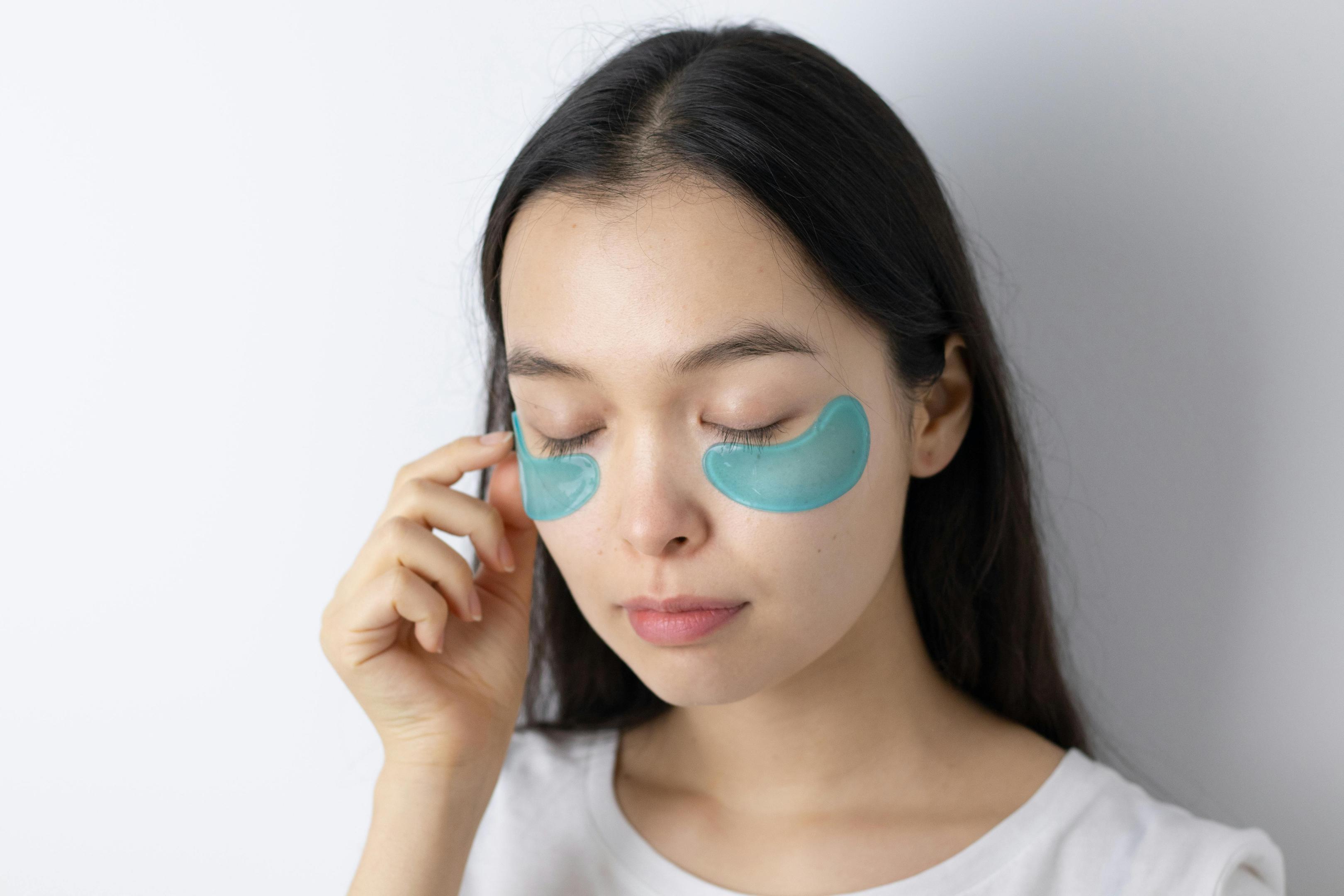
Temperature is a powerful but underused tool for sensory soothing. Extreme temperature shifts like an ice-cold eye mask or a warm weighted neck wrap can "shock" the nervous system into a different state, effectively breaking a loop of anxious thoughts.
We often suggest cooling eye masks for those who experience physical "heat" during stress, or heating pads for those who hold sensory tools for anxiety related tension in their shoulders and back. These physical sensations provide an immediate, undeniable focal point for the brain.
Breathing Devices and Guided Relaxation Tools
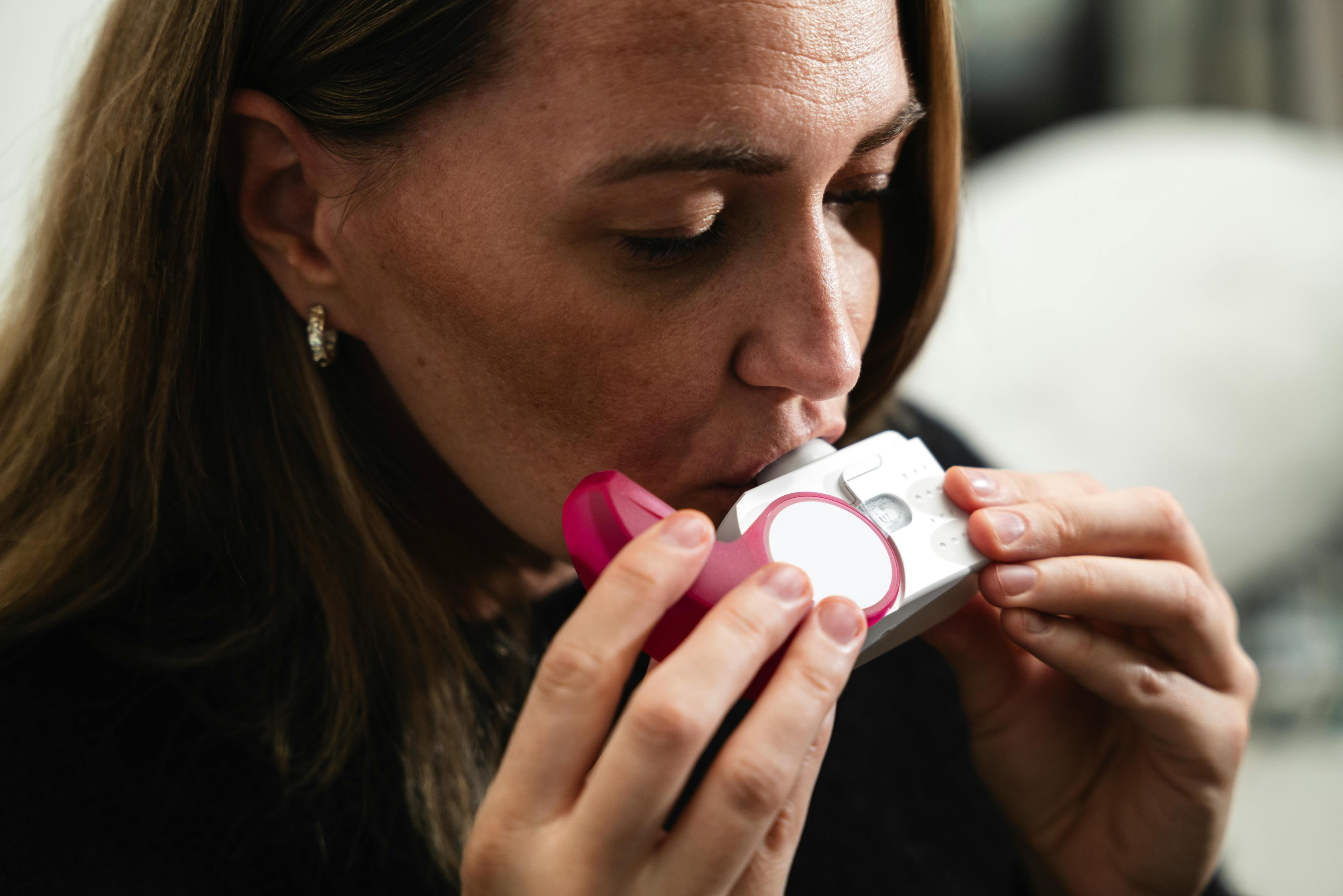
Breathing is the only part of our autonomic nervous system that we can control. Specialized calming devices for anxiety that guide your breath such as glowing pendants that pulse at a specific rhythm help you maintain a slow, steady pace.
These sensory items for adults with anxiety are excellent for building mindfulness habits. By following a guided rhythm, you ensure your exhales are longer than your inhales, which is a primary trigger for parasympathetic activation.
Wearable Relaxation Gadgets
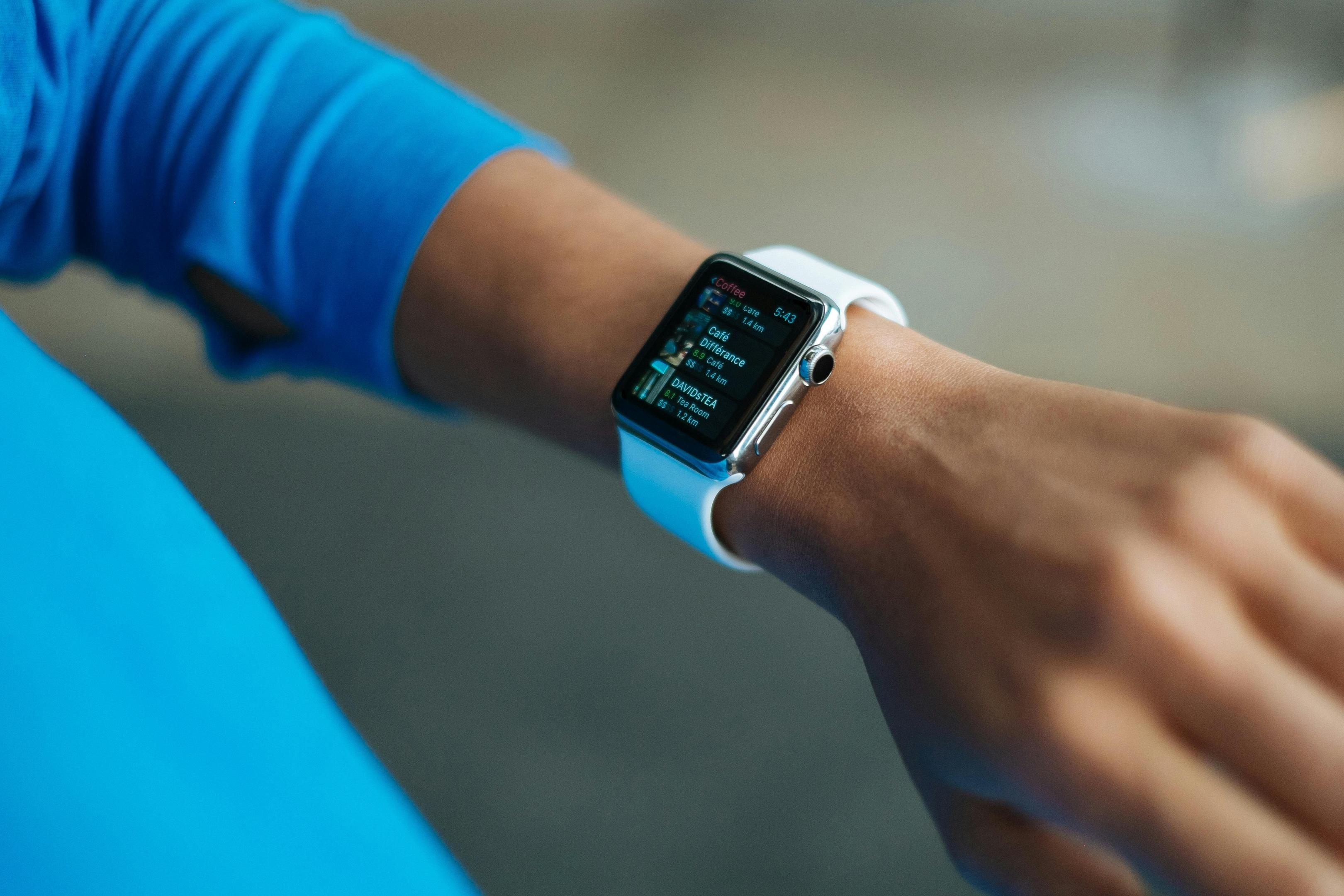
In our experience, many users prefer modern relaxation devices and gadgets because they fit seamlessly into a busy daily routine. Unlike a weighted blanket, which stays at home, wearable tools provide on-the-go support. These devices often offer structured calming sessions via an app, making them a reliable companion for travel or a hectic office.
How to Choose the Right Sensory Tool for Anxiety
The "best" sensory tools for anxiety are entirely personal. What feels grounding to one person might feel restrictive or irritating to another. To find what works for you, we recommend asking a few questions:
-
Where do I feel stress? If it’s in your chest/heart, a weighted item or breathing tool might be best. If it’s in your head/thoughts, noise-canceling audio might be the winner.
-
Do I prefer active or passive support? Do you want something to "do" (fidgeting) or something to "receive" (VNS stimulation)?
-
Is it portable? If your anxiety happens mostly at work, you'll need sensory items for adults with anxiety that are discreet and easy to carry.
Are Sensory Tools Effective for Anxiety?
While calming devices for anxiety are not a replacement for professional mental health support, they are highly effective "first responders." By providing sensory soothing, these tools help lower your baseline stress levels, making it easier to engage with other healthy routines like exercise or therapy.
Science supports the idea that sensory regulation can quiet the amygdala, the brain's fear center. However, it is important to maintain balanced expectations; these tools work best when used consistently to build resilience over time.
Ready to Find a Calming Tool That Works for You?
You don't have to manage stress through willpower alone. Exploring modern sensory tools for anxiety is a compassionate way to support your body's natural need for balance. Whether you start with a simple fidget tool or decide to try an innovative next-step like vagus nerve stimulation, taking that first step toward active nervous system support can make all the difference.
Sensory Tools for Anxiety FAQs
Do sensory tools really help with anxiety?
Yes. They provide a physical "anchor" that helps ground the nervous system, reducing the intensity of the "fight-or-flight" response.
How do calming devices for anxiety work?
They work by engaging the senses to distract the brain from anxious loops and, in the case of VNS devices, by physically stimulating the parasympathetic nervous system.
Are wearable anxiety devices safe to use?
Most non-invasive wearables are very safe for healthy adults. However, if you have a medical implant like a pacemaker, always consult your doctor first.
What is vagus nerve stimulation for anxiety?
It is a method of using gentle electrical or manual signals to activate the vagus nerve, which tells your body it is safe to rest and relax.
Can sensory soothing tools help with panic attacks?
They can be very grounding during a panic attack, especially temperature-based tools (like ice) or deep pressure, which help pull the brain's focus back to the physical present.