(Limited time) Get Pulsetto for 42% off
CLAIM MY DISCOUNT
Published By Alexandra Pierce, MD | Psychology • Last update: Jan 5 • 💬 5 • 👁 1,027,809 • ⏱ 5 min

It was Sunday night around 8.
My laptop was open on the coffee table — Slack on one side, my Monday calendar on the other.
Seven back-to-back meetings.
Three follow-ups I hadn’t finished.
And a to-do list that already felt like a losing game.
I was sitting there, jaw tight, scrolling between tabs, when my partner walked in and asked,
“Hey, do you want pasta or stir fry?”
And I snapped.
“I don’t care — just figure it out. I’m already doing everything else.”
The words came out sharp. Too loud. The kind of tone that makes the room go cold.
He paused, didn’t say anything, just nodded and walked out of the room.
And I sat there — heart pounding, ears ringing, instantly ashamed.
I got up, shut the bathroom door behind me, and sank to the cold tile floor. Head in my hands. Eyes burning.
And I cried.
Not a few tears — the kind of full-body cry you can’t hold back, like the pressure inside you finally had nowhere else to go.

This wasn’t just about dinner. Or Monday. Or even work.
That night broke something open.
I wasn’t crying because of my partner. I was crying because I felt like a stranger in my own skin.
Snapping like that? That wasn’t me.
But for months, I’d been walking around like a loaded spring. Even when I wasn’t working, I felt like I was — chest tight, breath shallow, always halfway to the next fire I had to put out.
Sundays were the worst.
The dread crept in around 4 p.m. By 6, I was already checking my calendar, reviewing notes, and mentally rehearsing Monday’s meetings like they were happening that night.
By 9, I was wide awake — overthinking, overplanning, under breathing.
And now it was spilling out of me. Into my body. Into my relationship. Into everything.
I didn’t know what to do next.
I called my sister that night. She listened, told me to breathe, and said maybe I just needed a break.
So I called in sick Monday morning. I booked a massage that day, hoping it would help.
And it did — for a few hours. The masseuse said my shoulders were like bricks. She recommended magnesium.
I started taking it that week. I kept waiting for a shift.
But even after several days, I still felt wired. Still shallow breathing. Still waking up tense.
After another rough Sunday, I booked a therapy consultation.
That was hard for me — I’d never done therapy. I didn’t think I “needed it.” I didn’t think I was the kind of person who needed help.
But I went.
She listened. She was kind. She suggested I try breathwork — something called 4-7-8 breathing — and daily meditation.
She also said, just to be safe, it might be worth checking in with my GP to rule out anything physical — hormone levels, thyroid, cortisol. Just to cover all the bases.
A couple days later, I went to see my GP.
She took my blood pressure (it was a bit high), checked my pulse, listened to my breathing. Shallow.
She pressed the stethoscope to my chest and tilted her head slightly — “mhmm,” she said softly.

After hearing about my sleep issues, anxiety, and tension, she said stress might be playing a bigger role than I thought.
Then she sent me for some blood work, just to rule things out.
A few days later, she called me back with the results.
“Your cortisol levels are quite high,” she said.
“You’re not imagining it. Your body is running in survival mode.”
That one line hit me hard: “You’re not imagining it.”
Because that’s exactly what I’d been wondering. Was I just not handling life well? Was I weak? Lazy?
Turns out, I wasn’t any of those things.
My nervous system had just been stuck in “fight-or-flight” for so long, it didn’t know how to calm down.
I tried everything to calm down. Nothing stuck.
I kept doing everything I’d been told — magnesium, breathwork, meditation, cutting caffeine.
But still, I felt wired most days. On edge. Like my body hadn’t gotten the message.
I even tried meditating with a crystal on my chest because someone on TikTok swore it helped.
But every night, my body still felt like it was bracing for impact — like the stress was always simmering just under the surface, waiting to overflow.
One night, lying in bed with my heart racing again, I went on Google and searched:
“How do I stop feeling anxious before work?”
I found a Reddit thread with hundreds of comments. People describing the exact same feeling — wired but exhausted, anxious but doing everything “right.”
And buried in one of the replies, someone wrote:
“What helped me was vagus nerve stimulation. Nothing worked until I calmed my nervous system directly.”
I’d never heard of it. But those five words stuck with me: “Calmed my nervous system directly.”
That one Reddit comment changed everything.
I couldn’t stop thinking about it.
I started reading everything I could. Turns out, the vagus nerve is the control center for your body’s calm.
It runs from your brain all the way down your neck and into your chest and gut.
When it’s active, your body slows down — heart rate drops, breathing deepens, and your nervous system lets go.
There are ways to activate it — deep breathing, cold showers, meditation — and I’d tried most of them.
But the more I read, the more I realized: some people, especially those who’ve been stuck in stress for too long, need something stronger. Something that breaks the cycle.
That’s when vagus nerve stimulation stood out.

That’s when I found Pulsetto.
In that same Reddit thread, someone mentioned a wearable that stimulates the vagus nerve gently. No pills. No breathwork. No mental gymnastics.
It was called Pulsetto.
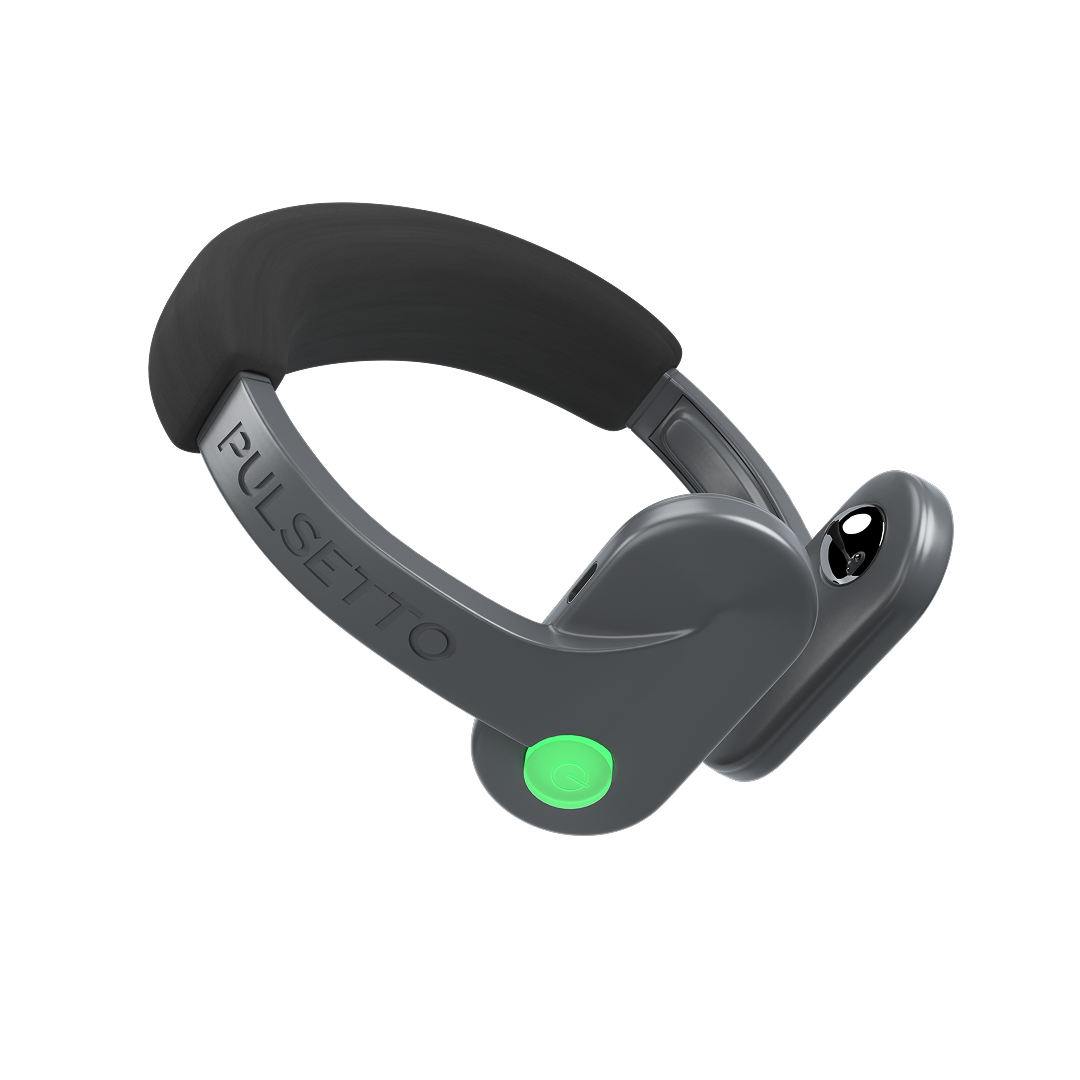
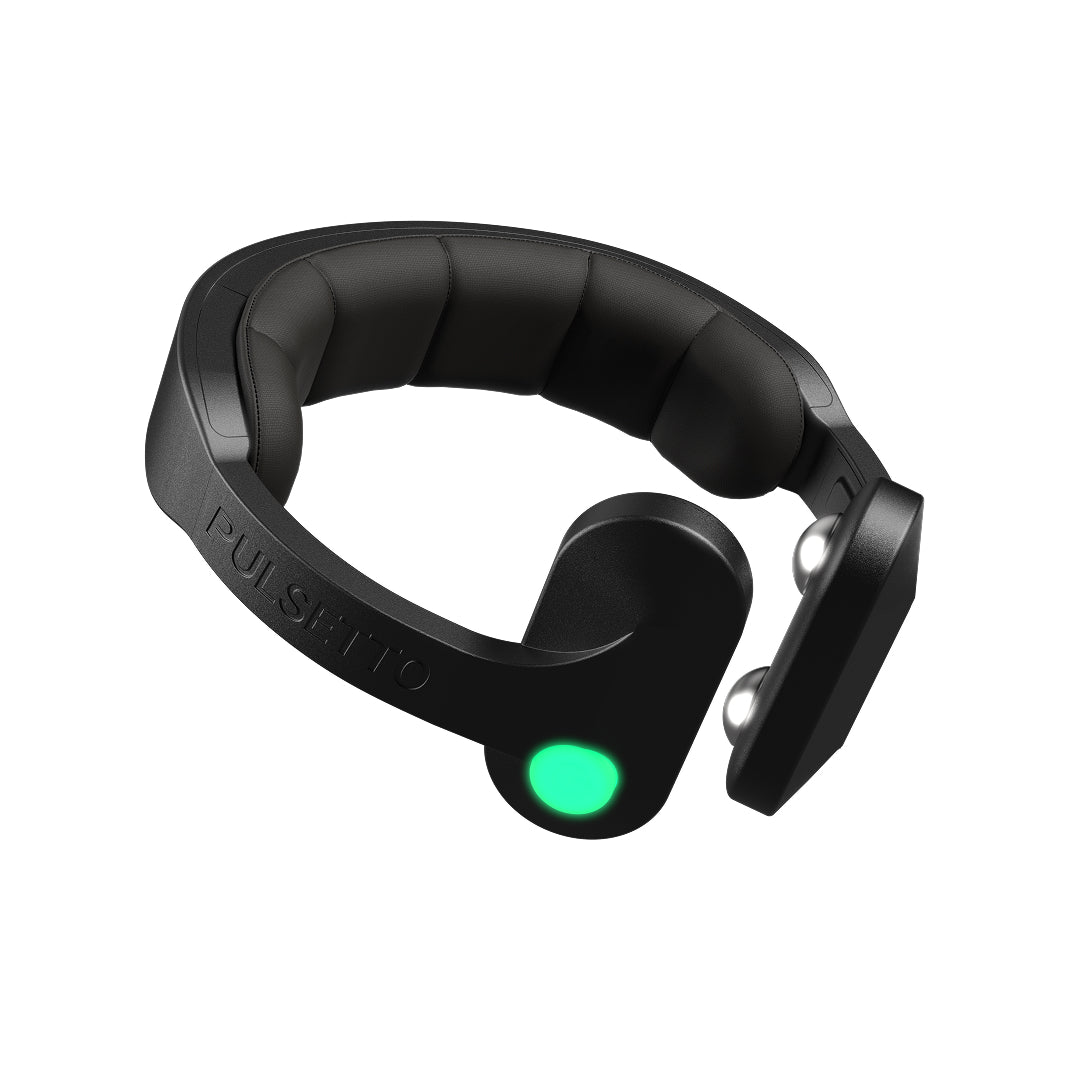
It looked simple: a soft neckband that sends calming electrical signals to your vagus nerve.
You wear it for just 4 minutes, and it tells your body, “Hey, you’re safe. You can let go now.”
I stared at the page for a while. No way it could be this easy.
But at that point, I had tried everything else — and since they offered a 30-day money-back guarantee, I figured if it didn’t do anything within a week, I’d just send it back.
So I ordered it.

The first night I tried Pulsetto… I felt an immediate sense of calm, like I was back in my childhood bedroom with the rain tapping the windows.
It was another Sunday night. The calendar still looked the same. The meetings were still there.
But something about those 4 quiet minutes — neckband on, eyes closed — shifted me.
Pulsetto didn’t knock me out. It didn’t numb me.
It just made everything… quieter.
My breath slowed. My thoughts softened. And my body didn’t feel like it was gripping the edge of a cliff anymore.
It became my reset button.
I started using Pulsetto every day — sometimes after work, sometimes when I felt tension rising, sometimes right before bed when my mind refused to shut up.
Each time, it worked the same: no trying, no “Am I doing this right?”
Just calm.
And then came the proof.
My cortisol dropped 52%.
About a month later, I got another blood test — same lab, same doctor. New numbers.
My cortisol had dropped from 472 nmol/L to 226 nmol/L.
When she saw the results, my doctor said, “Well, this is good news. Was it the magnesium?”
But little did she know… it was something entirely different.
Because by then, I had already felt the change. This just made it real.
Now, I show up differently.

I still have moments. Stress hasn’t disappeared — but it doesn’t control me anymore.
I don’t snap over dinner the way I used to. I haven’t cried on the bathroom floor since that night.
And Sunday nights? They don’t feel like a countdown to collapse. They feel manageable. Even calm, sometimes.
Pulsetto hasn’t made my stress vanish. It’s helped me handle it — before it handles me.
Work is still work. But I have a tool now — a real one. Not another bandaid or app or supplement that takes weeks to maybe help.
Just 4 minutes. Around my neck. And my nervous system gets the message.
What if you didn’t have to wait for a breakdown?
You don’t need to snap at your partner or cry on the bathroom floor to know something’s off.
If Sunday nights feel heavy…
If your mind won’t stop spinning when you lie down…
If it’s hard to focus, or hard to feel like yourself —
You’re not broken. Your nervous system just needs help coming down from high alert.
Pulsetto gave me that. No effort. No pressure. Just calm — when I needed it most.
It helped me focus during the day. And shut off at night. Maybe it will help you too?
Try it without risk
Results may vary due to personal features