Morning Habits (On Waking)
The habits you build into the first 30 minutes after waking set the biological tone for the night ahead.
Wake at the same time every day, including weekends. Consistent wake time anchors the circadian clock more reliably than any other single habit in a good sleep hygiene routine.
Get bright light within 30 minutes of waking. Morning light suppresses residual melatonin and sets the circadian clock so melatonin begins rising at the right time that evening.
Skip the snooze button. Fragmented sleep between snooze alarms does not produce restorative rest and leaves you groggier than waking on the first alarm.
Daytime Habits
What happens during the day shapes how easily sleep arrives that night. These four habits have the strongest evidence for protecting sleep quality.
Stop caffeine by 2 PM. Caffeine blocks adenosine receptors and has a half-life of 5 to 7 hours, meaning an afternoon coffee still has half its effect at 9 to 10 PM, directly degrading sleep hygiene habits built into the rest of your evening.
Nap for 20 minutes maximum, before 3 PM. Longer or later naps eat into the homeostatic sleep pressure needed to fall asleep at bedtime.
Exercise most days, finishing at least 3 hours before bed. A randomized controlled trial by Rayward et al. (2020, Annals of Behavioral Medicine) found that a combined physical activity and sleep hygiene intervention significantly improved PSQI scores at both 3 and 6 months. Late intense exercise raises core temperature and delays sleep onset, which is why timing matters as much as the exercise itself.
Avoid alcohol as a sleep aid. Alcohol induces drowsiness by suppressing REM sleep, then causes fragmented sleep and night sweats as it metabolizes in the second half of the night.
Evening Habits (2 to 3 Hours Before Bed)
The evening window is where most sleep hygiene checklists focus, and for good reason: this is when the circadian system is most sensitive to the inputs that either accelerate or delay melatonin release.
Dim indoor lighting 1 to 2 hours before bed. Bright light suppresses melatonin via the retinohypothalamic tract; switch to warm-toned bulbs or use night mode on devices to protect this sleep hygiene routine step.
Finish eating at least 3 hours before bed. Digestion raises core body temperature and metabolic activity, both of which oppose the temperature drop needed for sleep onset.
Stop mentally stimulating activity after 9 PM. Work emails, social media, and news maintain cortisol levels; gradual cognitive wind-down is more effective than an abrupt screen-off switch.
Avoid strenuous exercise after 8 PM. Core temperature peaks after intense exercise and takes 4 to 6 hours to drop; light stretching is fine and will not interfere.
Wind-Down Routine (30 to 60 Minutes Before Bed)
A wind-down routine is not optional for people with chronic sleep difficulty. This bedtime routine checklist signals to the nervous system that the day is over and sleep is approaching.
Power down screens 30 to 60 minutes before bed. Blue light delays melatonin, and the cognitive engagement from scrolling or email keeps the prefrontal cortex active when it needs to be winding down, undermining even an otherwise well-followed sleep hygiene routine.
Lower bedroom temperature to 65 to 68 F (18 to 20 C). Core body temperature must drop 1 to 2 degrees for sleep onset to occur; a cool room accelerates this process passively.
Use a calming practice, consistently. Breathwork (4-count inhale, 6-count exhale), a body scan, or gentle stretching all shift the autonomic nervous system toward parasympathetic dominance. For people whose primary barrier is a chronically elevated stress response, vagus nerve stimulation for sleep can support that same shift through a direct physiological route rather than an attentional one.
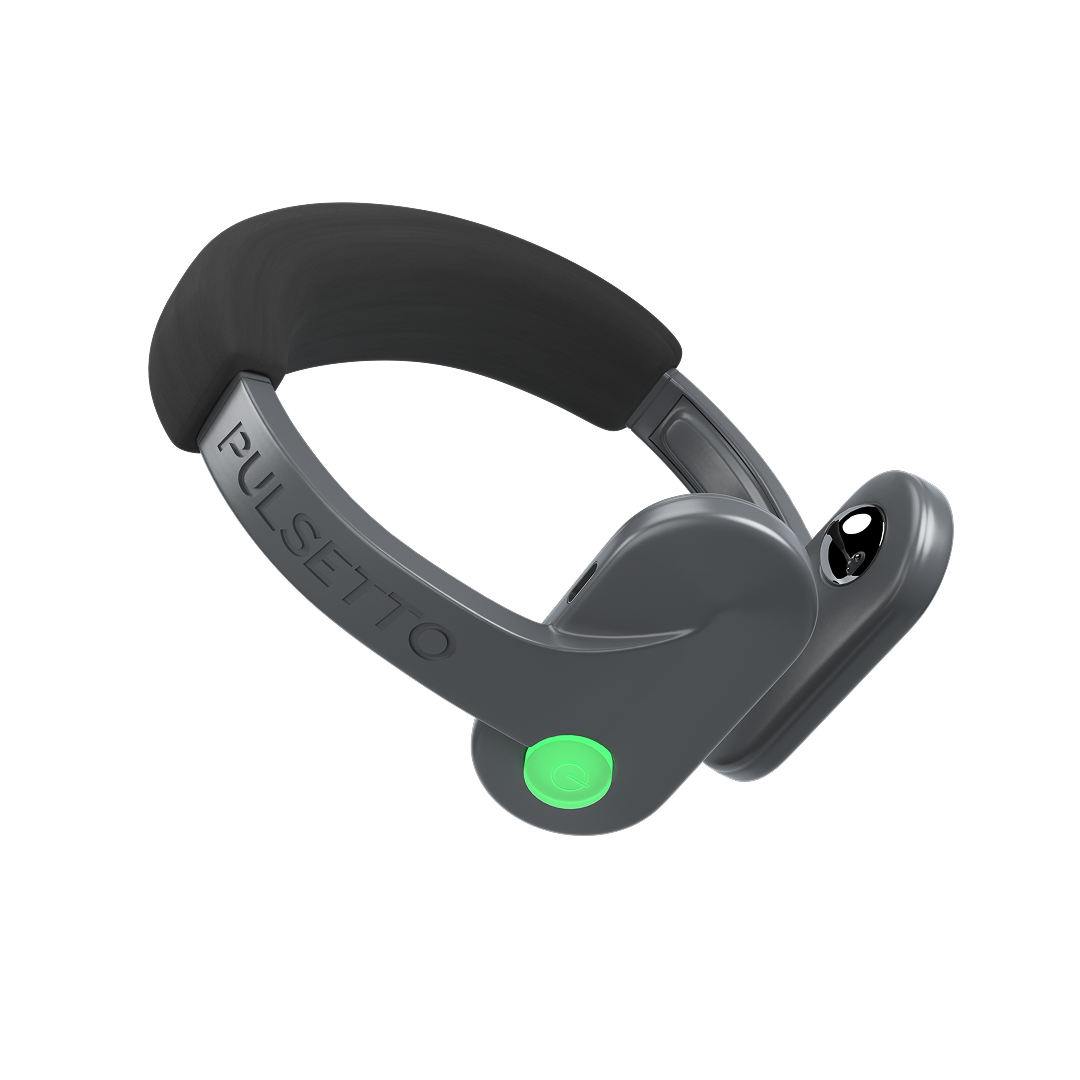
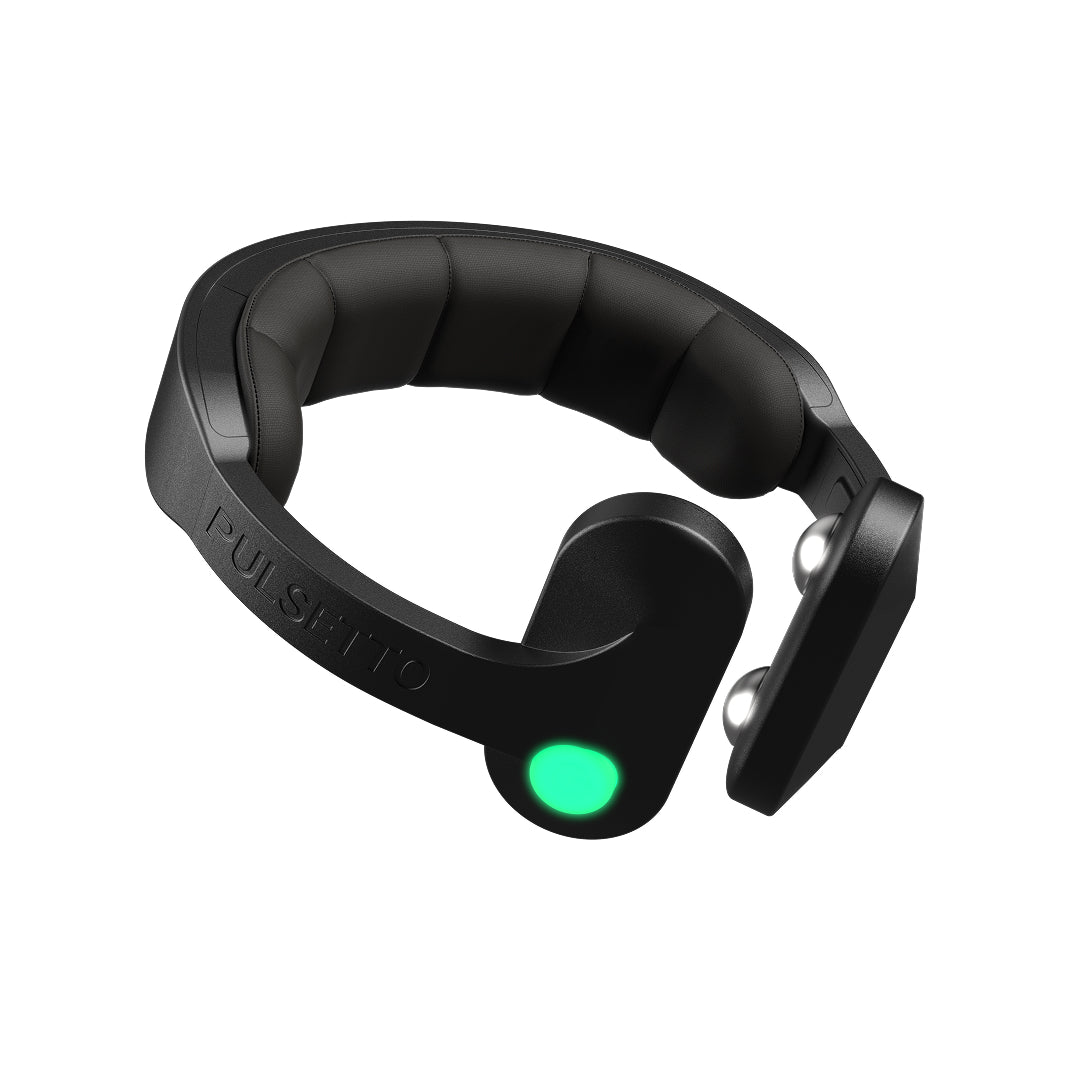
Pulsetto applies this through a bilateral cervical vagus nerve stimulation device, CE certified for general wellness, delivering 4-minute hands-free sessions before bed. In Pulsetto's own randomized open-label pilot study (n=40, 4 weeks), that approach produced a 41.0% improvement in PSQI sleep scores in the bilateral group.
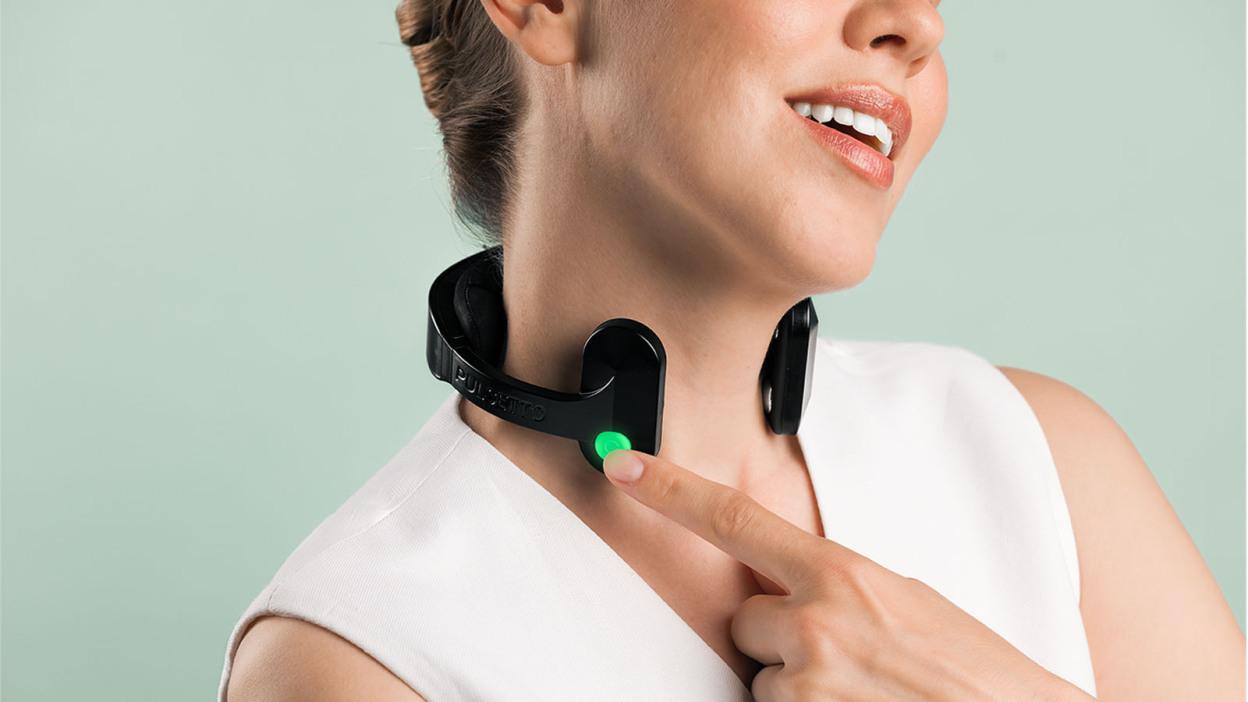
The peer-reviewed evidence points in the same direction: a 2024 randomized clinical trial in JAMA Network Open (Zhang et al.) found transcutaneous VNS produced a 4.2-point greater reduction in PSQI scores versus sham at 8 weeks, sustained at 20 weeks. Pulsetto is a general wellness product and is not intended to diagnose, treat, cure, or prevent any disease or medical condition.
If a racing mind or chronic stress is making the wind-down part of your checklist the hardest to stick to, Pulsetto's 4-minute cervical vagus nerve stimulation session is designed to support parasympathetic activation directly.
CE certified, hands-free, 100,000+ users.Try Pulsetto today.
Bedroom Environment
The bedroom itself is a sleep signal. These three habits protect that signal.
Use the bed for sleep only. Working or watching TV in bed trains the brain to associate the mattress with alertness; within 2 to 3 weeks of bed-only use, lying down becomes a conditioned sleepiness trigger, which is one of the most reliable items on any good sleep hygiene checklist.
Make the room as dark as possible. Any light reaching the retina, even through closed eyelids, can suppress melatonin; use blackout curtains, a sleep mask, and cover any standby LEDs.
If still awake after 20 minutes, get up. Lying awake in bed builds a wakefulness association; move to dim light, do something quiet, and return only when sleepy.
Frequently Asked Questions
What is the most important sleep hygiene habit?
Consistent wake time every day, including weekends. It anchors the circadian clock more effectively than any other single habit in a sleep hygiene routine. An inconsistent wake time undermines most other sleep hygiene efforts regardless of how carefully the rest of the checklist is followed.
What is the 10-3-2-1-0 sleep rule?
A timing mnemonic: 10 hours before bed, cut caffeine. 3 hours before, stop eating and alcohol. 2 hours before, stop work. 1 hour before, stop screens. 0 times to hit snooze. It is a simplified memory aid, not a clinical protocol. Individual chronotype and caffeine metabolism affect the exact cutoffs for each person.
Can vagus nerve stimulation improve sleep quality?
Research supports it as a complementary tool. A 2024 randomized clinical trial in JAMA Network Open (Zhang et al.) found transcutaneous VNS produced significantly greater improvements in sleep quality versus sham at 8 weeks, with benefits sustained at 20 weeks. Devices like Pulsetto are general wellness tools, not medical devices. Contraindications include pacemakers, implantable devices, epilepsy, and pregnancy. In what Pulsetto users report, pairing the device with a consistent wind-down routine is a common theme.
The checklist above addresses the behavioral and environmental inputs that regulate sleep. For people whose wind-down barrier is a nervous system that stays switched on despite the right habits, Pulsetto's 4-minute vagus nerve stimulation session supports the parasympathetic shift directly.
CE certified, hands-free, 100,000+ users worldwide. Shop Pulsetto today.
Scientific Research
-
Efficacy of an m-Health Physical Activity and Sleep Intervention to Improve Sleep Quality in Middle-Aged Adults: The Refresh Study Randomized Controlled Trial (Rayward et al., 2020, Annals of Behavioral Medicine, 29 citations)
-
Transcutaneous Auricular Vagus Nerve Stimulation for Chronic Insomnia Disorder (Zhang et al., 2024, JAMA Network Open, 46 citations)
-
Transcutaneous Auricular Vagus Nerve Stimulation in Insomnia: A Systematic Review and Meta-Analysis (de Oliveira et al., 2025, Neuromodulation, 9 citations)
-
Adaptation of a sleep hygiene intervention for individuals with poor sleep and their companions: Results of a randomized controlled pilot trial (Mindlis et al., 2024, Translational Behavioral Medicine, 2 citations)
-
The effect of sleep hygiene education on sleep quality and blood pressure in patients with essential hypertension (Tutu et al., 2025, Family Practice, 0 citations)