Why Workplace Stress Makes Relaxation Tools Essential
Chronic workplace stress keeps the body in a state of constant high alert, which can lead to office burnout, poor sleep quality, and decreased cognitive performance. From a scientific perspective, this is a failure of nervous system regulation. When we stay in "fight or flight" mode for eight hours a day, our prefrontal cortex (the part of the brain responsible for focus and decision-making) begins to shut down.
Studies show that even short stress recovery breaks can significantly improve cognitive output. We find that professionals who use relaxation tools during their workdays report higher levels of resilience and fewer physical symptoms of tension, such as headaches or neck pain.
Traditional Office Relaxation Items That Still Work
While high-tech solutions are evolving, many low-tech office relaxation items remain staples for a reason. These calming office accessories and desk stress relief tools focus on sensory comfort and physical ergonomics, which are the foundations of a healthy workspace.
Stress Balls and Fidget Tools
Tactile stimulation is a powerful way to ground yourself during a stressful meeting. Using stress relief desk items like heavy-duty stress balls or office fidget tools provides a repetitive motion that helps release built-up physical tension and can actually improve concentration on high-pressure tasks.
Aromatherapy and Calming Scents
Our sense of smell has a direct line to the brain's emotional center. In our experience, creating a calming office environment with scents like lavender, peppermint, or eucalyptus can immediately shift your mood. Many modern office relaxation ideas include using waterless diffusers that are subtle enough for shared workspaces.
Ergonomic Comfort Items
Physical discomfort is often the silent driver of workplace stress. We see a direct connection between poor posture and increased cortisol levels. Utilizing ergonomic office wellness tools like lumbar supports, footrests, or office comfort products prevents the tension buildup that makes a long workday feel unbearable.
High-Tech Office Relaxation Devices for Modern Professionals
While traditional accessories provide a great baseline, we are seeing a major shift toward advanced wellness technologies designed specifically for active stress management. Transitioning into high-tech stress relief tools allows busy professionals to relax in office environments with a level of precision that was previously only available in clinical settings. We believe that biohacking office wellness and nervous system recovery tools represent the next generation of workplace wellness products, moving beyond simple comfort to directly influence your physiological state.
In our experience, these devices are essential for high-performers who need to reset their bodies quickly between intense tasks. For instance, many of our colleagues find that using the best electrical massager for just five minutes can significantly reduce the shoulder and neck tension that often leads to afternoon headaches and decreased focus.
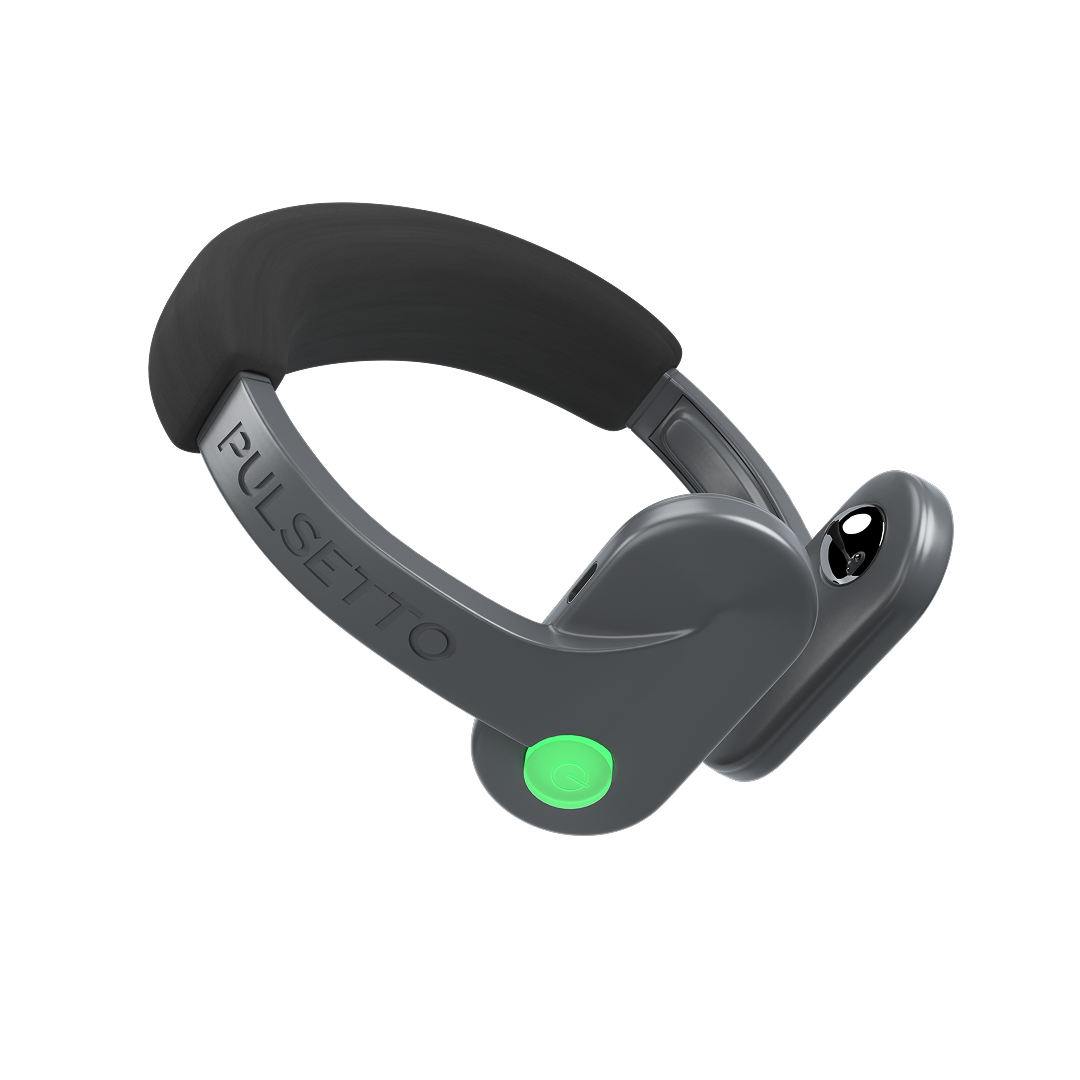
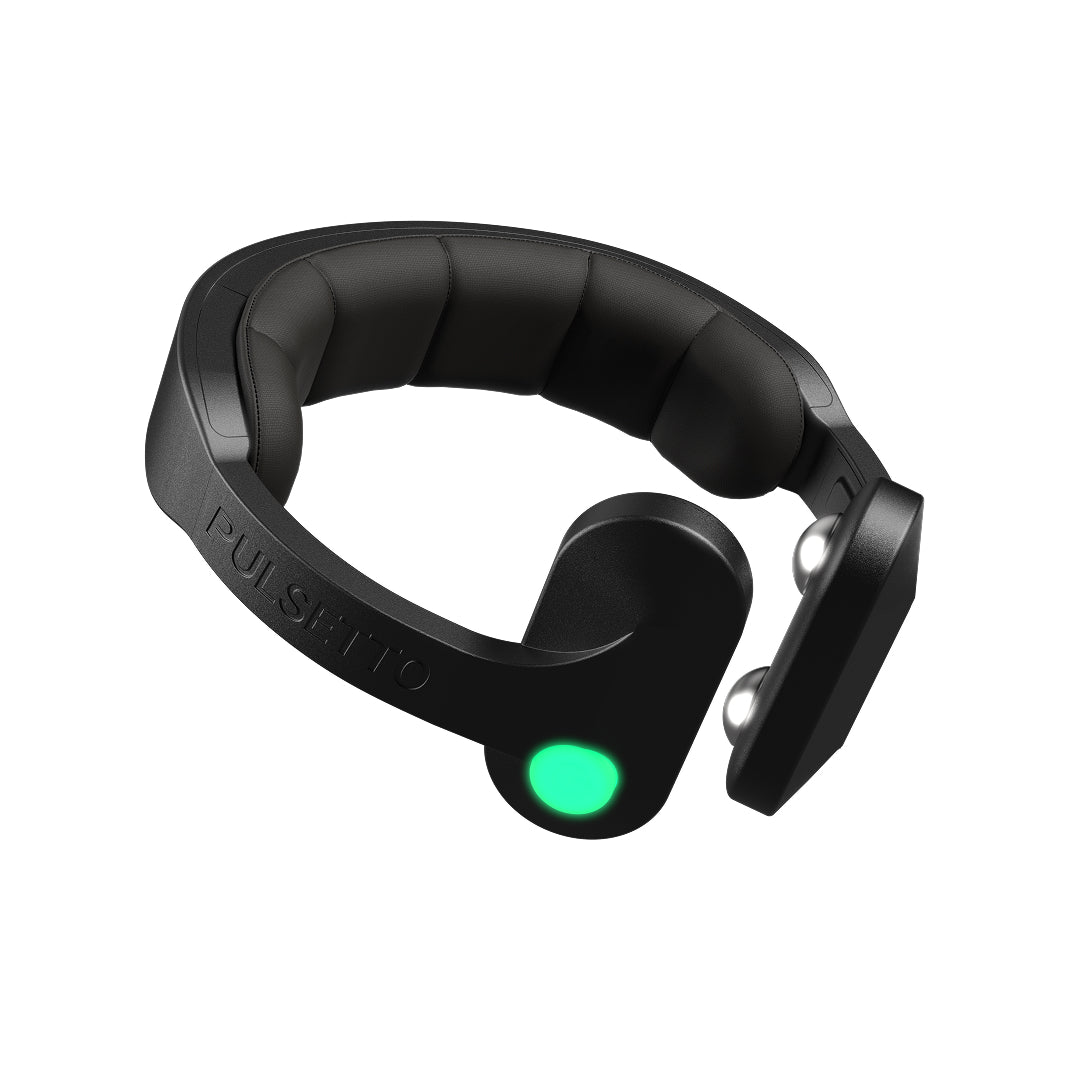
Wearable Recovery Devices (Pulsetto)
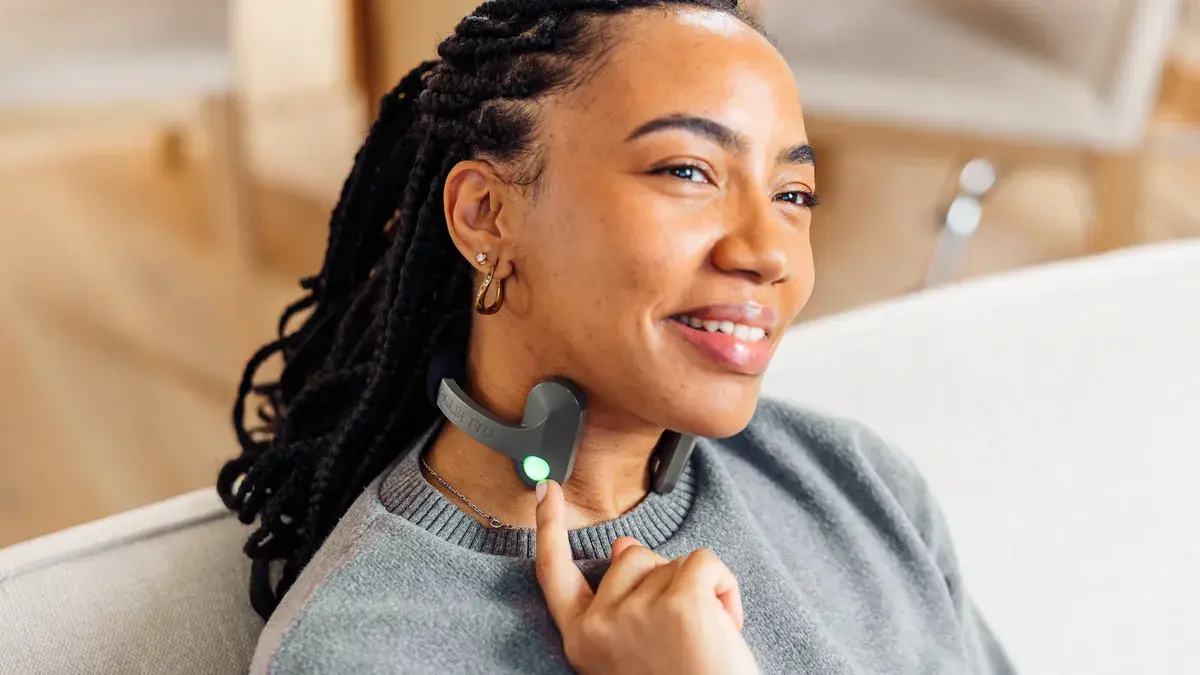
Modern office wellness technology has made it possible to carry a "stress reset" button in your laptop bag. A wearable stress relief device like the Pulsetto vagus nerve stimulator is designed for portability and convenience. It pairs with a smartphone app offering targeted programs that deliver a physiological reset in 4-10 minutes. The hands-free neckband design lets you run these sessions directly at your desk while you work. These devices allow users to recover faster during short breaks, making them ideal for busy professionals who don't have an hour for a yoga class.
How Vagus Nerve Stimulation Supports Relaxation
The vagus nerve is the "superhighway" of the parasympathetic nervous system. By using non-invasive vagus nerve stimulation, you can help your body shift out of a stress state and into a calmer, more restorative one. In an office environment, this stress regulation is a game-changer, allowing you to manually trigger a relaxation response even in the middle of a demanding workday.
Comparing Passive Relaxation Tools vs. Active Stress Recovery Technology
In our experience, effective office stress management requires a mix of environmental support and direct physiological intervention. We often distinguish between passive tools, which improve your surroundings, and active relaxation devices, which interact directly with your biology. While a desk plant or a calming scent is pleasant, stress recovery tools like vagus nerve stimulators provide a level of immediacy and effectiveness that a candle simply cannot match. For instance, comparing Nurosym vs Pulsetto shows how active technology offers portable, long-term stress management support by training your nervous system to stay resilient under pressure.
|
Feature
|
Passive Tools (Plants, Scent, Ergonomics)
|
Active Technology (VNS, Massagers, CES)
|
|
Primary Goal
|
Sensory comfort and distraction
|
Nervous system recovery
|
|
Immediacy
|
Subtle, builds over time
|
Rapid, often felt in minutes
|
|
Mechanism
|
Indirect (Environmental)
|
Direct (Physiological)
|
|
Best For
|
Long-term workplace atmosphere
|
Immediate stress reset device needs
|
Passive Relaxation Methods
We see office calming tools like soft lighting, ambient soundscapes, and ergonomic cushions as essential "passive" supports. These methods provide passive stress relief by reducing the number of external stressors hitting your senses. While they are excellent for maintaining a steady baseline of comfort, they are often indirect and may not be enough to stop an acute stress response once it has already started.
Active Nervous System Regulation
Active interventions focus on nervous system recovery by directly targeting the body's stress-response pathways. A stress reset device does more than just make your office feel better; it physically changes the signals traveling between your heart and brain. This direct approach allows for much faster recovery during a short work break, making active tools a superior choice for modern, high-stakes work environments.
How to Create a Relaxing Office Environment
Building a calming workspace isn't just about the items on your desk; it requires a holistic office wellness setup. In our experience, we see productivity spike when you remove sensory friction from your immediate surroundings. We suggest prioritizing natural light where possible, or at least swapping harsh fluorescents for warm-toned lamps that mimic a sunset.
To truly relax in office settings, you must also master your digital wellness habits. We find that muting non-essential notifications during deep-work blocks is the most effective way to prevent constant cortisol spikes. Additionally, consider these adjustments:
-
Posture and Movement: Use a standing desk or an ergonomic chair to keep your spine neutral, and set a timer for movement breaks every hour.
-
Air Quality and Hydration: Keep a large water bottle on your desk and add a small plant or a HEPA filter to improve the air quality in your immediate vicinity.
-
Noise Reduction: High-quality noise-canceling headphones are essential for maintaining a mental "bubble" in a hectic environment.
Best Relaxation Habits for Busy Professionals
Consistency is the secret to quick office stress relief. We recommend building tiny recovery windows into your calendar, especially between back-to-back meetings. Our favorite workday relaxation tips include the "20-20-20 rule": every 20 minutes, look at something 20 feet away for 20 seconds to reset your visual system.
Before jumping into a high-stakes call, try a two-minute box breathing session or a quick neck stretch. We see in our teams that these micro-habits prevent stress from accumulating, ensuring you finish your day with mental energy rather than just surviving it.
Are Biohacking Devices Worth It for Office Stress?
In our experience, the move toward biohacking stress relief is driven by one thing: efficiency. Wearable wellness devices are becoming essential office recovery tools because they allow you to address the physiological symptoms of a deadline without needing to leave your chair. We find that the convenience of a five-minute session often outweighs the effort of a long meditation when you’re mid-sprint.
However, the value of these devices depends heavily on their scientific backing and ease of use. While the best vagus nerve stimulator provides a measurable physiological reset, a poorly designed gadget with a clunky user experience will just become another piece of desk clutter. In our teams, we see that the most successful users are those who integrate these tools into their daily workflow as a preventive measure, rather than waiting for full-blown burnout to hit. Ultimately, these devices are worth the investment if you prioritize evidence-based hardware that fits seamlessly into your workday.
Upgrade Your Office Stress Recovery Routine
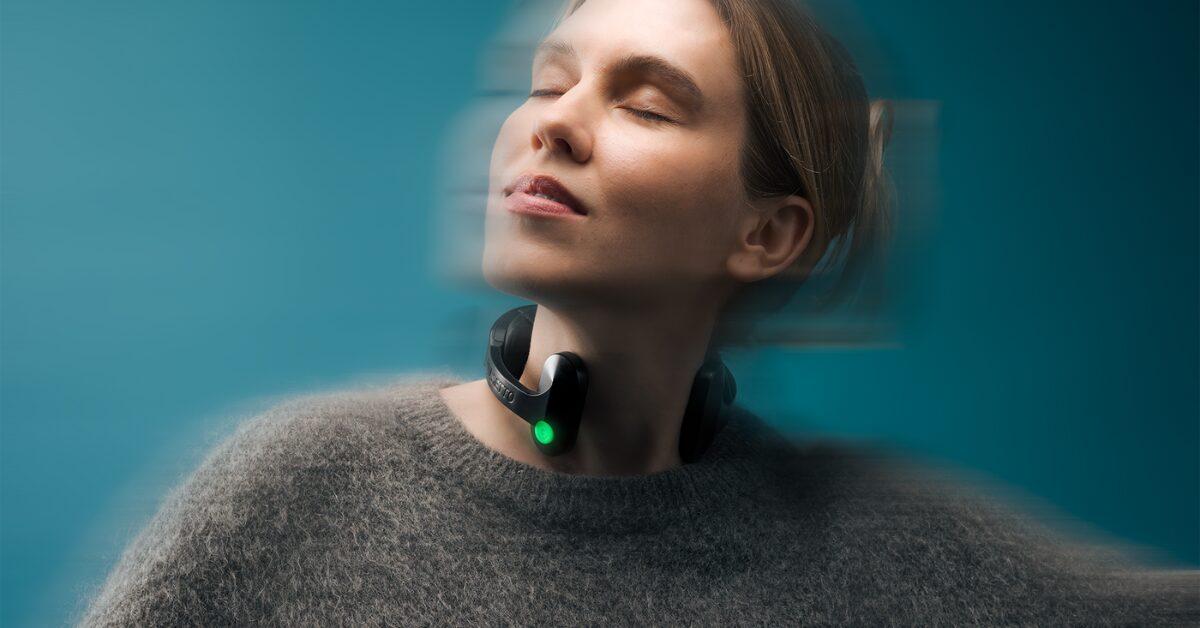
While traditional stress relief items for the office like cushions and plants provide a helpful foundation, we believe the modern mental load requires a more proactive approach. Traditional desk accessories are often passive, but to truly relax in office environments where the pace is relentless, you need a solution that works as hard as you do. We see a significant shift toward wearable stress relief technology as the most practical and time-efficient way for busy professionals to protect their focus and prevent burnout. By integrating a Pulsetto vagus nerve stimulator into your daily workflow, you can actively manage your biology to ensure you finish your workday with clarity and energy.
Office Relaxation Items FAQs
Do office relaxation items actually improve productivity?
We see a direct link between a calm nervous system and sharper cognitive focus. When you reduce the physical noise of stress, your brain has more energy for high-level decision-making. Lowering your cortisol levels prevents the mid-afternoon "brain fog" that usually kills momentum.
What is the best desk accessory for reducing stress?
In our experience, a layered approach works best. High-quality ergonomic support prevents physical pain from triggering stress, while an active recovery tool provides the mental reset you need. This combination turns your workspace from a source of tension into a recovery zone.
Are wearable stress relief devices safe for office use?
Yes, certified non-invasive devices are very safe for a standard work environment. We always suggest choosing tools with clear FCC or CE safety marks. These devices fit into a normal workday without causing distraction or side effects for you or your colleagues.
What are some quick ways to reduce workplace anxiety?
We recommend a three-step reset that takes less than five minutes. First, stand up and move away from your screen. Second, perform four rounds of box breathing. Finally, use a vagus nerve stimulation wearable to manually signal your body to exit the "fight-or-flight" state.
Can office wellness tools help prevent burnout?
They are a vital line of defense. While they do not solve a heavy workload, they prevent daily stress from accumulating into long-term exhaustion. We see that professionals who prioritize micro-recovery habits stay resilient far longer than those who try to "push through" without support.