What "Stress Capacity" Actually Means
"Stress capacity" sounds like a metaphor, but it has a real name in the physiology literature: allostatic load. Allostatic load is the cumulative burden that chronic stress and life demands place on your body's regulatory systems, cardiovascular, metabolic, immune, and neuroendocrine, as they keep adjusting to keep you stable. A systematic review of 267 studies defines allostatic overload as the point where environmental demands exceed an individual's ability to cope, and consistently links higher allostatic load to worse health outcomes across both clinical and general populations [1]. Increasing your stress capacity, in physiological terms, means widening the gap between your current demands and that overload point, either by raising the ceiling or by clearing the load faster once a demand has passed. The three levers below do exactly that, through three different mechanisms.
The Three Levers That Widen Your Capacity
Lever 1: Physical Conditioning
Cardiorespiratory fitness changes how your body responds to a stressor before the stressor even happens. A systematic review of studies using the Trier Social Stress Test, a standardized laboratory stress protocol, found that people with higher fitness levels showed measurably smaller cortisol and heart-rate spikes in response to the same stressor compared with less-fit participants [2]. This is the "raise the ceiling" lever: fitness doesn't make stressors disappear, it changes how much of a physiological reaction the same stressor provokes. Consistent aerobic activity, even moderate amounts, most weeks is the input; the effect builds over months, not days.
Lever 2: Deliberate Recovery Practice

Capacity isn't only about how big your reaction is, it's also about how quickly you come back down afterward. A meta-analysis of 24 controlled studies found that slow, paced breathing combined with heart rate variability feedback produces a large reduction in self-reported stress and anxiety, one of the biggest effect sizes of any non-drug intervention studied for this purpose [4]. This is the "clear the load faster" lever, it acts directly on the parasympathetic nervous system's ability to shut the stress response back off, rather than waiting for it to fade on its own.
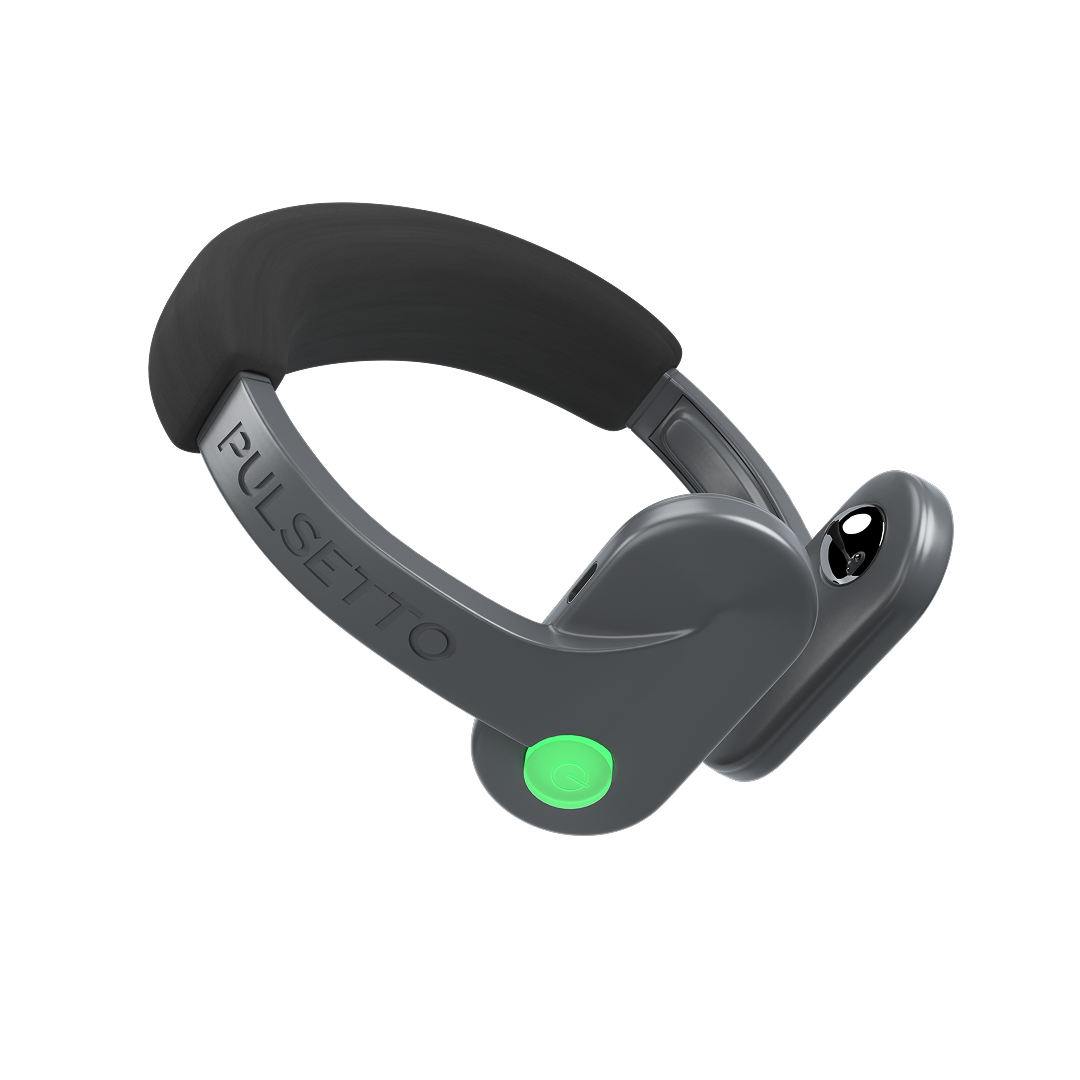
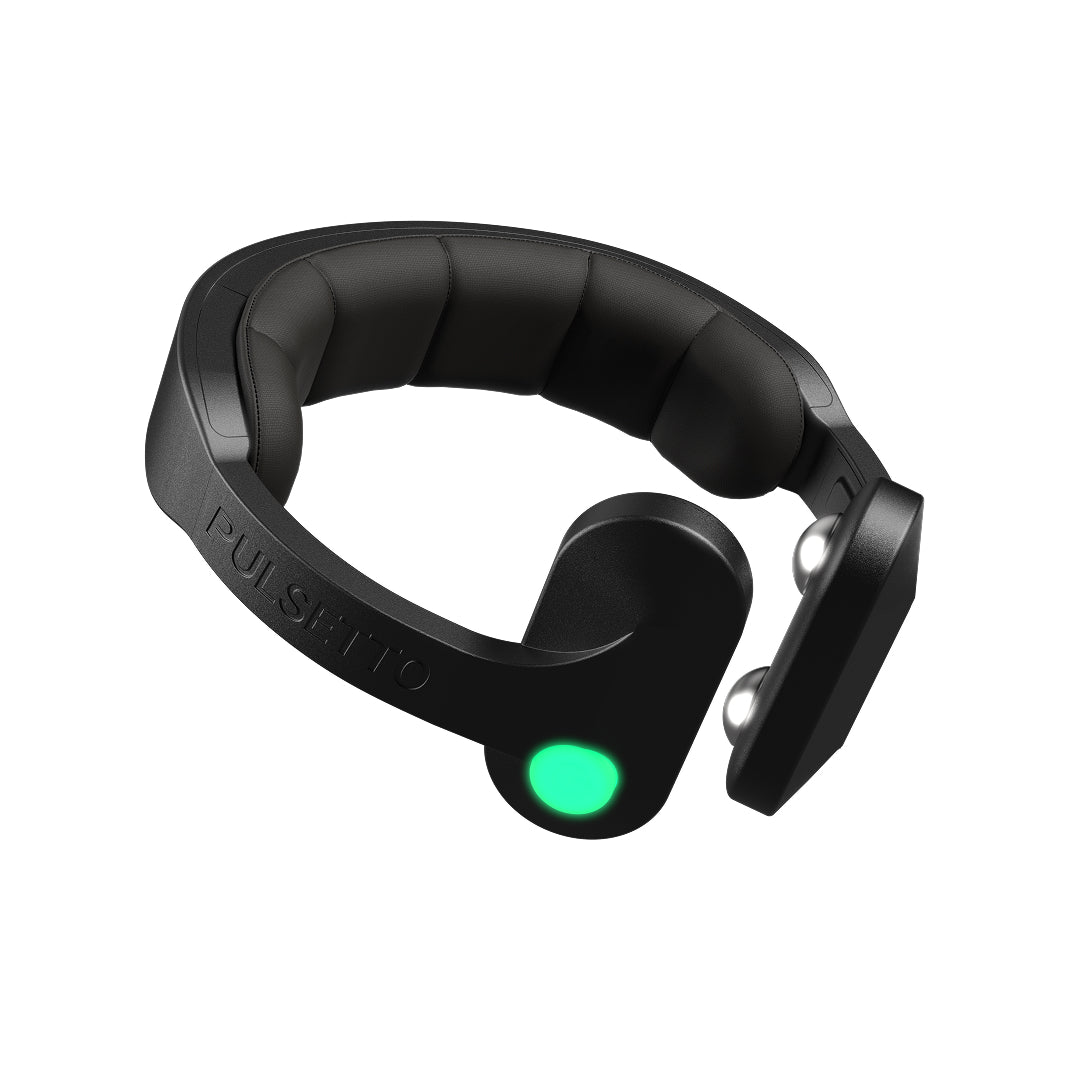
Widening this particular lever doesn't require mastering a breathing technique first. Pulsetto delivers a similar parasympathetic nudge through a neck-worn device that stimulates the vagus nerve on both sides at once, in sessions short enough to fit into a break between meetings rather than a dedicated relaxation ritual. In Pulsetto's own randomized open-label pilot study of 40 adults over 4 weeks, the bilateral approach reduced hair cortisol, a marker of accumulated chronic stress rather than a single day's spike, by 47.5%, against 31.4% for unilateral stimulation, alongside a 45.3% drop in GAD-7 anxiety scores and a 41.0% improvement in PSQI sleep-quality scores.
The practical edge is consistency: a fixed session length and no technique to second-guess, which is what actually determines whether this lever becomes a daily habit or gets abandoned after a week.
Disclaimer: Pulsetto is a general wellness product and is not intended to diagnose, treat, cure, or prevent any disease or medical condition.
Lever 3: Cognitive Buffering

The same objective stressor can cost very different amounts of capacity depending on how it's interpreted. Cognitive reappraisal, catching a stressful interpretation of a situation and consciously reconsidering it, has one of the largest evidence bases of any resilience-related habit. A meta-analysis spanning nearly 30,000 people across 64 independent samples found a strong, consistent correlation between habitually using cognitive reappraisal and measured personal resilience, holding up across age groups and cultures [5]. This lever doesn't reduce the number of stressors you face, it reduces what each one draws down from your capacity.
The One Thing That Quietly Drains It
Isolation does the opposite of what a supportive relationship does. A placebo-controlled study found that having a supportive person present before a standardized stress test suppressed the body's cortisol response compared with facing the same stressor alone, with the effect strongest when the interaction was warm and trusted rather than transactional [6].
Read the other direction, facing repeated stressors without that buffer, consistently, over time, is exactly the pattern that drives allostatic load upward: demand after demand with no recovery input to offset it [1]. None of the three levers above will fully offset a life that's chronically short on both recovery and connection; they widen the gap, they don't eliminate the need to actually close it sometimes.
Capacity Is Trainable, Not Fixed
A scoping review of interventions specifically targeting allostatic load found that several produced a measurable reduction in the biological load score in as little as seven weeks [3]. That's a genuinely useful number to hold onto: stress capacity isn't a trait you were born with, it's closer to a fitness level, one that responds to consistent input on a timeline of weeks, not a single good day or a single bad one. Expecting a felt difference by day three or four is the most common reason people abandon a lever before it's had time to work.
A Simple Way to Track Whether Your Capacity Is Growing
You don't need a lab to get a rough read on this. Resting heart rate variability, tracked over weeks rather than day to day, tends to trend upward as recovery capacity improves and downward during stretches of accumulating, unrecovered stress. It's an imperfect proxy, not a diagnostic number, but it's genuinely more useful watched as a multi-week trend than as a single morning's reading. Pairing that trend with a simple weekly note of how quickly you felt like yourself again after a hard day is enough to notice real movement without needing a formal assessment.
When to Get Professional Guidance First

These three levers are safe for essentially everyone in their basic form, moderate aerobic activity, breathing exercises, and reframing a thought all carry minimal risk. The exception is layering in an electrical vagus nerve stimulation device for the recovery lever: anyone with a pacemaker or other implantable device, epilepsy or a seizure disorder, or who is pregnant should get medical guidance before using one, along with anyone with an active cardiac arrhythmia, a recent neck or throat injury or surgery, or a carotid artery condition. More broadly, if demands are consistently exceeding your capacity despite weeks of consistent effort on these levers, or if that shows up as persistent low mood, hopelessness, or thoughts of self-harm, that's a signal to talk to a doctor or mental health professional rather than treating it as a lever-selection problem.
Start Today
Pick one lever, physical conditioning, a recovery practice, or cognitive reappraisal, and apply it once today rather than trying to widen your capacity on all three fronts at once. If the recovery lever is where you want to begin, Pulsetto is a hands-free vagus nerve stimulator built for it: 4-minute sessions, with an app that displays HRV and sleep data pulled from whatever tracker you already use. Start your first session, or see what real users say first.
Frequently Asked Questions
Is stress capacity the same thing as resilience?
They're closely related but not identical. Resilience usually describes how well you adapt and recover after a stressor has already happened. Stress capacity, in the allostatic load sense used here, is closer to the size of the buffer you have available before a given demand tips into overload in the first place.
Can stress capacity actually decrease over time?
Yes. Chronic stress without adequate recovery is exactly the pattern that increases allostatic load, effectively shrinking the buffer, which is why the levers above are framed as ongoing inputs rather than a one-time fix.
Is it safe to add a vagus nerve stimulation device to the recovery lever?
For most healthy adults, yes, but anyone with a pacemaker or other implantable device, epilepsy, or who is pregnant should get medical guidance first, along with anyone with an active cardiac arrhythmia, a recent neck or throat injury or surgery, or a carotid artery condition.
How long before I'd actually notice a difference?
Give any single lever at least several weeks. Research on interventions targeting the underlying biology has shown measurable change in as little as seven weeks, which is a more realistic timeline to judge against than a few days.
Scientific Research
[1] Allostatic Load and Its Impact on Health: A Systematic Review (Guidi et al., 2020, Psychotherapy and Psychosomatics, 974 citations)
[2] Influence of Regular Physical Activity and Fitness on Stress Reactivity as Measured with the Trier Social Stress Test Protocol: A Systematic Review (Mücke et al., 2018, Sports Medicine, 172 citations)
[3] A scoping review of interventions targeting allostatic load (Rosemberg et al., 2020, Stress, 43 citations)
[4] The effect of heart rate variability biofeedback training on stress and anxiety: a meta-analysis (Goessl et al., 2017, Psychological Medicine, 497 citations)
[5] A meta-analysis of cognitive reappraisal and personal resilience (Stover et al., 2024, Clinical Psychology Review, 65 citations)
[6] Social support and oxytocin interact to suppress cortisol and subjective responses to psychosocial stress (Heinrichs et al., 2003, Biological Psychiatry, 1985 citations)