Bryan Johnson's Daily Routine: Decoding the Blueprint Protocol
Bryan Johnson's Daily Routine: Decoding the Blueprint Protocol
The Bryan Johnson daily routine has become the most documented longevity experiment on the internet, and for good reason. The tech entrepreneur runs his body like a measured system, tracking dozens of biomarkers, eating a fixed plant-based diet of around 1,977 calories, sleeping on a rigid schedule, and following a morning protocol that he says takes about four hours and 46 minutes. Below we decode what he actually does, step by step, based only on what he has published himself and what reputable outlets have reported. We also explain where heart rate variability (HRV) and nervous-system regulation fit into a measurement-driven routine like his, and how a general wellness tool such as Pulsetto can support that side of the picture for readers building their own habits.
A quick note before we start, because it matters for accuracy: Bryan Johnson is not a Pulsetto customer or endorser, and nothing here should be read as a claim that he uses or recommends the device. This is a breakdown of his publicly documented routine, with Pulsetto presented separately as one option for readers interested in the HRV and nervous-system side of a longevity routine.
Pulsetto is a general wellness product and is not intended to diagnose, treat, cure, or prevent any disease or medical condition.
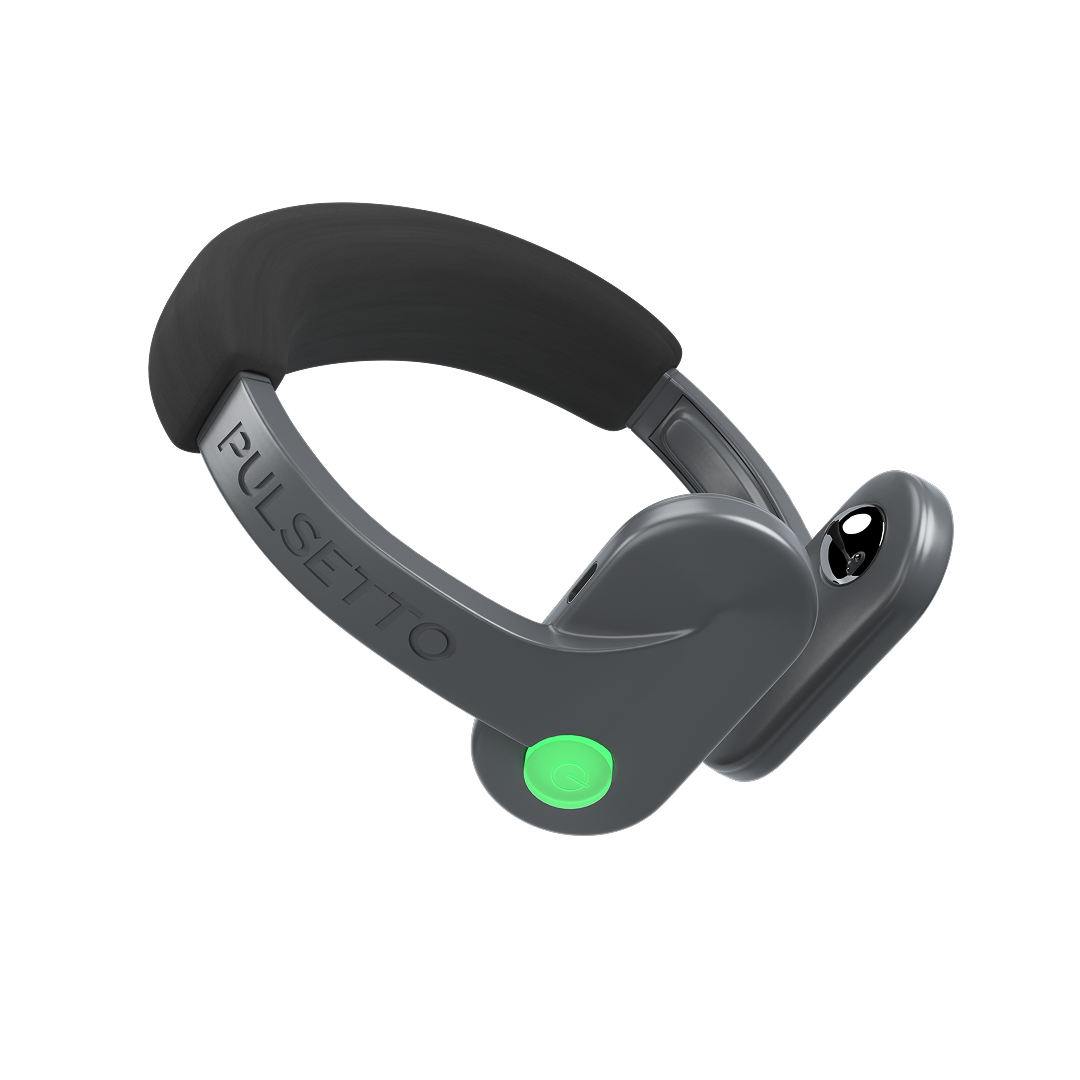
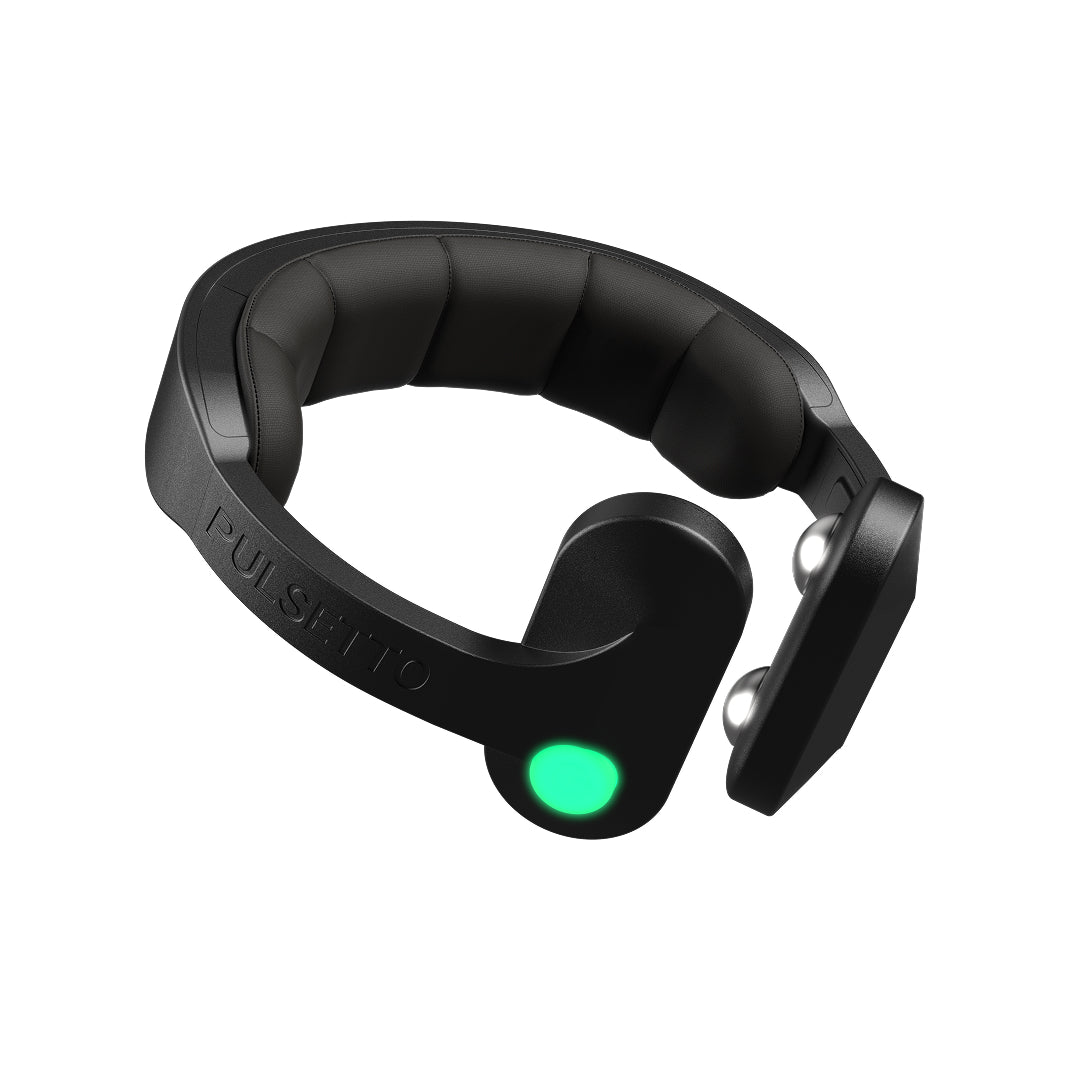
Try Pulsetto. If the part of Bryan Johnson's routine that interests you most is the nervous-system and HRV piece, Pulsetto is a hands-free vagus nerve stimulation device designed to help you wind down in around four minutes a day. The companion app tracks HRV and sleep and requires no subscription for core use.
Who is Bryan Johnson and what is Project Blueprint?
Bryan Johnson is the entrepreneur who founded the payments company Braintree, which he sold to PayPal in 2013 for around 800 million dollars. After years of poor sleep, weight gain, and burnout, he redirected his attention and a large annual budget toward a single question: how slowly can a human body be made to age when every input is measured and optimized?
The answer became Project Blueprint, a protocol he says he runs with a team of physicians and specialists. The defining idea is simple to state and hard to live by. Johnson does not trust how he feels. He trusts data. He measures sleep stages, glucose, blood pressure, body weight, HRV, and a long list of blood and imaging markers, then adjusts diet, exercise, supplements, and light exposure to move those numbers. His own framing is that "the data is the signal," and that you cannot feel your blood pressure or your HRV, so you have to measure them.
That measurement-first mindset is what makes his routine interesting to people far outside the longevity world. You do not need a seven-figure budget to borrow the structure: consistent sleep, a controlled diet, daily movement, morning light, and a few tracked metrics. The sections below lay out the routine in detail, then look at where HRV and vagus nerve tools fit a build like this.
Rated 4.5/5 by 20,137+ Customers
Pulsetto vagus nerve stimulator: feel calmer and sleep better in just 4 minutes a day
Experience immediate relaxation with the Pulsetto vagus nerve stimulator.
Sit back, close your eyes, and immerse yourself in the soothing Pulsetto experience, designed to gently promote a state of calmness and well-being.
Best Value Deal!
FREE WORLDWIDE SHIPPING
Select your device:
Pulsetto Lite vs Pulsetto FIT
Which one is right for you?
PULSETTO FIT
PULSETTO LITE
Dual-technology, hands-free stimulation
Yes
Yes
New wave-like stimulation (more engaging)
Yes
No
Battery life
Up to 12 days (20% longer)
Up to 10 days
Fits all necks for consistent stimulation
Yes
No
Stays secure no matter what you're doing
Yes
No
Great for sharing (adjusts to any neck size)
Yes
No
Free lifetime wireless updates
Yes
No
Premium all-black design with medical-grade materials
Best if you wear size S or smaller tops. Only with FIT
New stimulation that rises and falls, which feels more fun (coming July–Aug 2025). Only with FIT
20% longer battery life for fewer recharges. Only with FIT
Free lifetime Pulsetto App with 5 expert-designed programs for Stress, Anxiety, and More.
One 60g gel tube (can be used up to a month), USB-C charging cable, user guide included
Extra gift: Pulsetto Premium Free Trial. 3 extra stimulations, 11 unique guided meditations, 54 breathing exercises, 1200 positive affirmations, and more.
$296/$546
Bryan Johnson's Daily Routine: Decoding the Blueprint Protocol
Bryan Johnson's daily routine at a glance
Here is the documented shape of his day, drawn from his own published morning routine and protocol pages. Timings are approximate and his protocol changes over time, but this reflects the structure he has shared.
Around 60 to 90 minutes, zone 2 cardio plus resistance
Post-workout
Sauna and red/near-infrared light
Around 20 minutes sauna, about 6 minutes light
Late morning
First meal: Super Veggie, then Nutty Pudding
Plant-based, finished early
Midday
Caffeine cutoff
No caffeine after midday
Afternoon
Deep, phone-free work blocks
Companies and protocol work
Around 7:00-8:00 PM
Wind-down begins
Dim lights, red bulbs, blue-light glasses
8:30 PM
In bed
Targets around 8 to 8.5 hours of sleep
Sleep: the routine's number-one priority
Johnson is unusually direct about ranking sleep above everything else in his protocol. He targets around eight to eight and a half hours per night, goes to bed close to 8:30 PM, and wakes near 5:00 AM without an alarm. Consistency is the point. He keeps the same bedtime and wake time every day, including weekends, because a stable circadian rhythm is what makes the rest of the routine work.
His published sleep checklist is worth borrowing, because none of it requires special equipment. He aims for 7.5 or more hours of sleep, finishes eating at least four hours before bed, avoids caffeine for roughly six hours before bed, avoids heavy exercise in the hours before sleep, keeps the bedroom dark and cool, and avoids blue light and screens for one to two hours before sleep. He has also publicly noted that a single night of four-hour sleep can meaningfully reduce insulin sensitivity the next day, which is the kind of measured cause-and-effect that drives his decisions.
Tracking closes the loop. He uses a smart ring and other sensors to log sleep stages, resting heart rate, and HRV overnight, then reads those numbers in the morning. This is where a longevity routine and nervous-system regulation start to overlap, because overnight HRV is one of the clearest windows into how well the body recovered. We come back to that below.
Diet: the 1,977-calorie plant-based plan
Johnson eats a fixed, plant-forward diet built to hit precise nutrient targets rather than to satisfy cravings. The figure most people remember is the calorie count: he has reported eating around 1,977 calories per day, a deliberate, modest caloric restriction relative to what a man his size would typically eat. The diet is essentially vegan, low in salt and added sugar, and eaten inside a compressed daytime window, with his final meal early in the afternoon and nothing close to bedtime.
Two dishes anchor the plan and show up across his published material:
Super Veggie. A large serving of vegetables and legumes, commonly built around broccoli, cauliflower, mushrooms, black or red lentils, hemp seeds, and a generous pour of high-polyphenol extra virgin olive oil. It is the savory base of his eating day.
Nutty Pudding. A blended bowl of nuts, berries, seeds, and a protein source, sometimes with cocoa or pomegranate. It supplies fats, polyphenols, and protein in a fixed recipe.
Around these, he adds a "Longevity" protein and a daily olive oil dose, and he drinks his blended Longevity Mix earlier in the morning. The whole pattern is repeatable on purpose. Eating the same optimized meals removes daily decisions and keeps the inputs measurable, which is the same logic he applies to sleep and exercise. For readers, the transferable idea is not the exact recipe but the principle: a consistent, mostly plant-based diet, eaten earlier in the day, with the last meal well before bed.
Morning routine: roughly four hours and 46 minutes
Johnson has said his full morning protocol now runs about four hours and 46 minutes, down from longer versions in the past. It is dense, and most readers will only adopt a fraction of it, but the sequence is informative. After waking around 5:00 AM he moves through oral hygiene, then early-morning measurements taken before any food: body weight, blood pressure, HRV, and glucose.
Light comes next. He sits in front of a roughly 10,000-lux light for about six minutes to anchor his circadian rhythm, wears a red-light laser cap for hair for another six, and does about six minutes of breathwork or meditation. Then comes pre-workout nutrition, the Longevity Mix with creatine and a microbiome powder plus a stack of capsules, followed by exercise. After training he uses a sauna for around 20 minutes with a cooling protocol, then about six minutes of whole-body red and near-infrared light. His first real meal, Super Veggie followed by Nutty Pudding, lands in the late morning.
The breathwork and light-exposure pieces are the parts most directly tied to nervous-system regulation. Slow, deliberate breathing is one of the best-studied ways to shift the body toward a calmer, parasympathetic state, and morning light exposure helps set the circadian timing that governs sleep and recovery. You can read more about the underlying biology in this guide to activating the parasympathetic nervous system.
Exercise: zone 2 cardio plus resistance
Johnson trains roughly an hour most days, and his published morning protocol describes a longer block of around 90 minutes that mixes cardio, strength, balance, and stretching, with higher-intensity intervals a couple of times per week. The two pillars are familiar to anyone following current longevity and fitness science: zone 2 cardio and resistance training.
Zone 2 refers to steady, conversational-intensity aerobic work, the kind that builds mitochondrial and cardiovascular base without heavy fatigue. Resistance training preserves muscle and bone, which matters more with each passing decade. He rotates focus across the week, lower body and upper body strength on separate days, a dedicated zone 2 day, full-body compound work, mobility, and outdoor activity on weekends, with an active recovery day built in. He monitors heart rate during training to keep each session in its intended zone rather than guessing at effort.
The takeaway for a normal schedule is that you do not need 90 minutes. A few resistance sessions and a couple of easy aerobic sessions per week capture most of the benefit, and tracking heart rate (or HRV trends over weeks) tells you whether you are recovering or digging a hole.
Supplements and the large daily stack
Johnson takes a large number of pills and powders each day. Reporting has put the count at dozens to around 90 or more supplements daily, depending on the protocol version, alongside a few physician-supervised compounds. His own materials describe a core that includes the Longevity Mix, essential softgels covering omega-3s and vitamins D3 and K2, creatine, a daily high-polyphenol olive oil dose, and a range of targeted nutrients.
Two points keep this section honest. First, the exact stack changes frequently and is overseen by his medical team, so it is not a template to copy pill for pill. Second, a large supplement stack is the most expensive and least transferable part of his routine, and arguably the part with the least settled evidence. The structural lessons, consistent sleep, controlled diet, daily movement, morning light, are cheaper, better supported, and available to anyone. If you take one thing from this section, let it be that supplements sit on top of those fundamentals rather than replacing them.
Biomarker measurement, including HRV
Measurement is the engine of the whole routine. Johnson tracks an unusually wide panel: sleep stages, resting heart rate, HRV, continuous glucose, blood pressure, body weight, plus periodic blood panels and imaging. He reads the daily numbers each morning and treats them as the feedback that tells him whether yesterday's inputs worked.
HRV deserves a closer look because it is one of the few daily metrics that reflects nervous-system state directly. HRV is the beat-to-beat variation in the timing between heartbeats, and it is the clearest non-invasive window into the balance between the body's stress-and-go (sympathetic) and rest-and-recover (parasympathetic) branches. Higher HRV generally tracks with better recovery and a more flexible, responsive nervous system, while HRV tends to fall under stress and poor sleep. In a meta-analysis of stress and HRV, Kim and colleagues found that psychological stress is reliably associated with reduced HRV, and Shaffer and colleagues provide the standard reference for what HRV metrics mean and what healthy ranges look like [1][2].
This is exactly why a longevity routine that measures HRV is, in part, a nervous-system routine. If you want to understand the metric Johnson reads every morning, this explainer on why HRV matters is a good starting point, and the companion HRV chart by age and gender puts your own numbers in context.
Light exposure, red light, and evening screen habits
Light bookends Johnson's day. In the morning he gets bright light into his eyes early to anchor his circadian clock, and he uses red and near-infrared light on his body and scalp as part of his recovery and skin protocol. The evidence base here is mixed by application, but photobiomodulation has been studied for exercise recovery and tissue effects, with Leal-Junior and colleagues reporting benefits for performance and recovery markers in a meta-analysis [3].
The evening is where the routine gets strict, and where most readers can copy him for free. He starts winding down an hour or more before bed, dims the lights, switches to red-wavelength bulbs, and wears blue-light-blocking glasses. Screens go off, the bedroom is kept cool and dark, and there is no eating close to bedtime. These habits protect melatonin release and sleep quality, which then shows up the next morning in his HRV and sleep-stage data. The lesson is that the cheap inputs, dark room, cool room, no late screens, no late meals, are doing a lot of the heavy lifting.
Try Pulsetto. A calm-down ritual before bed is one of the most copyable parts of this routine. Pulsetto's sessions target the vagus nerve at the neck to help shift you toward a parasympathetic, rest-and-recover state, and the app's guided breathing and HRV tracking give you a number to watch over time.
Where HRV and the vagus nerve fit a measurement-driven routine
If HRV is the metric, the vagus nerve is the lever. The vagus nerve is the main parasympathetic pathway in the body and the primary "brake" that slows the heart between beats. The more active that brake, the more beat-to-beat variation you tend to see, which is why vagal tone and HRV are so closely linked. A routine that wants to raise HRV is, in practice, a routine that wants to strengthen parasympathetic activity and reduce the share of the day spent in a stressed, sympathetic-dominant state. For the underlying anatomy, this overview of the vagus nerve's core functions is a useful companion.
There are several well-studied ways to nudge that balance, and they map neatly onto parts of Johnson's routine:
Slow breathing and HRV biofeedback. Deliberate slow breathing is one of the most direct ways to raise HRV in the moment, and structured HRV biofeedback has a solid evidence base for reducing stress and anxiety. Lehrer and colleagues found HRV biofeedback improved emotional and physical health markers, and Goessl and colleagues reported meaningful reductions in stress and anxiety in a meta-analysis [4][5]. Johnson's daily breathwork sits squarely in this category.
Meditation and breathwork. Beyond formal biofeedback, meditation shows moderate evidence for anxiety and stress, per Goyal and colleagues, and a meta-analysis of breathwork by Fincham and colleagues found reductions in stress and mental-health symptoms [6][7].
Wearable tracking. The smart rings and sensors Johnson relies on are validated enough to be useful. Research shows consumer wearables can track HRV and even stage sleep from it with reasonable accuracy, as in the work of Topalidis and colleagues, and that wearable activity trackers can increase physical activity participation [8][9].
Vagus nerve stimulation. Non-invasive vagus nerve stimulation (nVNS), delivered at the neck or ear, has been studied as a more direct way to engage the parasympathetic system. Several trials and reviews report effects on vagally mediated HRV markers and on the stress response, though effects vary by protocol and tend to build with consistent use. Forte and Geng and colleagues reported HRV effects from auricular stimulation in healthy adults, Soltani and colleagues reviewed effects on HRV and baroreflex sensitivity, and Gurel and colleagues quantified reductions in the sympathetic stress response with cervical stimulation [10][11][12][13][14].
This is the slot a tool like Pulsetto fills in a routine modeled on Johnson's. It is not a longevity supplement and it is not a substitute for sleep, diet, or exercise. It is a nervous-system regulation device aimed at the HRV and stress side of the picture, the same side Johnson tracks every morning. We look at the specifics next, and at how it compares with other tools.
Pulsetto: a general nervous-system and HRV tool that fits this kind of routine
To be clear once more, Bryan Johnson has not endorsed Pulsetto, and we are not suggesting he uses it. Pulsetto is presented here for readers who want to build the nervous-system piece of a measurement-driven routine on their own.
Pulsetto is a non-invasive cervical vagus nerve stimulation wearable. It sits around the neck and delivers gentle bilateral electrical stimulation to the vagus nerve in sessions of around four minutes, hands-free, so you can use it while doing something else. That is a meaningfully different design from ear-clip and earbud devices, and from handheld units you have to hold in place. The free lifetime app includes programs for stress, sleep, burnout, pain, and anxiety, plus HRV and sleep tracking and guided breathing, and core use does not require a subscription.
On evidence, Pulsetto is honest about scope. In Pulsetto's own randomized open-label pilot study (n=40, 4 weeks), participants reported a 55.9% reduction in depressive symptoms (PHQ-9), a 45.3% reduction in anxiety symptoms (GAD-7), and a 41.0% improvement in sleep quality (PSQI). Bilateral stimulation reduced the chronic-stress biomarker hair cortisol by 47.5%, compared with 31.4% for unilateral stimulation. That pilot sits alongside the broader peer-reviewed nVNS and taVNS literature cited throughout this article, which supports effects on HRV markers, the stress response, and sleep while noting that results vary by protocol and build with use.
Practical details: Pulsetto comes in two models, the Pulsetto Lite and the Pulsetto FIT, priced at around 269 dollars and 296 dollars respectively (roughly 249 to 269 euros; prices change). It is CE and FCC certified, made in Lithuania, and classed as a general wellness device. It is not a TENS unit, which targets muscles for pain rather than the vagus nerve for autonomic balance. You can read the Pulsetto pilot data and ongoing trials directly, or browse independent Pulsetto reviews.
Strengths: hands-free neck design, short four-minute sessions, a free app with HRV and sleep tracking and no required subscription, EU manufacturing with CE certification, and its own pilot study plus the wider nVNS literature.
Limitations: it is one input among many, not a longevity program; nVNS effects vary by person and protocol and build over weeks rather than overnight; and it addresses the HRV and stress side of a routine, not diet, training, or sleep duration, which you still have to handle yourself.
How Pulsetto compares with other nervous-system tools
If you are assembling the HRV and stress side of your own routine, Pulsetto is the option we would put first, but it is not the only one. Here is an honest read on the main alternatives. None of these is linked, by policy, and prices are approximate and change.
Nurosym (Parasym Health) is an electrical ear-clip device with a controller and no app, using sessions of around 30 minutes at a price near 699 euros. It is a good fit for readers who want the deepest external published evidence base and do not mind a premium price and a longer session.
Neuvana Xen is an earbud-style auricular device that syncs stimulation to music, priced around 399 to 449 dollars, with sessions commonly 10 to 30 minutes. It is a good fit for people who want to combine ear stimulation with music listening.
Vagustim is a bilateral auricular (both ears) device with an app, often priced around 390 dollars after discounts. It is a good fit for a lower-cost, app-controlled ear device, though it is newer with fewer reviews and some users report mild ear discomfort.
Sensate rests on the chest and uses infrasonic vibration rather than electrical stimulation, around 300 dollars, with roughly 10-minute lie-down sessions. It is a good fit for a meditation-style relaxation ritual rather than direct nerve stimulation.
Apollo Neuro is a wrist or ankle haptic-vibration wearable, around 349 dollars. It is a good fit for a discreet wearable, though it is not electrical vagus nerve stimulation in the same sense.
Truvaga and Hoolest VeRelief are handheld cervical devices held in place for short sessions, roughly 199 to 499 dollars depending on model, mainly relevant for US readers who prefer a handheld format. gammaCore Sapphire is the prescription cervical option, obtained through a clinician rather than bought directly.
How to borrow Johnson's routine without the budget
You do not need a seven-figure budget or 90 supplements to apply the useful parts of this routine. The structure is the valuable bit, and most of it is free or cheap.
1. Fix your sleep schedule first. Same bedtime, same wake time, every day. Dark, cool room, no screens for an hour before bed, last meal well before sleep.
2. Get morning light early. A few minutes of bright light soon after waking helps anchor your circadian rhythm.
3. Eat mostly plants, earlier in the day. You do not need his exact recipes, just a consistent, mostly plant-based pattern with the last meal well before bed.
4. Move most days. A couple of resistance sessions and a couple of easy zone 2 sessions per week capture most of the benefit.
5. Track a few metrics, including HRV. Pick one wearable and watch the trend over weeks, not single days.
6. Add a daily down-regulation habit. Breathwork, slow breathing, or an nVNS session can support the parasympathetic side that HRV reflects.
Direct vagus nerve stimulation is not suitable for everyone. Do not use a device like Pulsetto, and consult a doctor where indicated, if any of the following apply to you:
A pacemaker
Any implanted electrical medical device
Epilepsy or a seizure disorder
Pregnancy
Cardiac arrhythmia or a serious cardiovascular condition (consult a doctor first)
Recent neck or throat surgery (consult a doctor first)
Carotid artery conditions
When in doubt, speak with a qualified clinician before starting. You can also review Pulsetto's own contraindications guidance for more detail.
Frequently asked questions
What is Bryan Johnson's daily routine?
Bryan Johnson follows Project Blueprint, a measured anti-aging protocol. He wakes around 5:00 AM, takes early-morning measurements (weight, blood pressure, HRV, glucose), gets bright light, does breathwork, exercises for around 60 to 90 minutes mixing zone 2 cardio and resistance, uses sauna and red-light therapy, and eats a fixed plant-based diet of about 1,977 calories finished early in the day. His evenings are strict about dim light and screens, and he is in bed by 8:30 PM. He has said the full morning protocol takes about four hours and 46 minutes.
How many calories does Bryan Johnson eat?
He has reported eating around 1,977 calories per day on a fixed, mostly vegan diet that is low in salt and added sugar. The meals are built around his Super Veggie dish (vegetables, legumes, olive oil) and Nutty Pudding (nuts, berries, seeds, protein), plus a Longevity protein and a daily olive oil dose. He eats inside a compressed daytime window and finishes his last meal well before bed.
Does Bryan Johnson use a vagus nerve stimulator?
His routine centers on tracking metrics like HRV and on breathwork, but a specific consumer vagus nerve stimulator device is not part of his publicly confirmed core protocol, and we will not claim he uses one. Vagus nerve and HRV tools are, however, a recognized way to support the parasympathetic, rest-and-recover side that HRV reflects. For readers building that part of a routine themselves, a non-invasive option such as Pulsetto is one choice, clearly separate from anything Bryan Johnson has endorsed.
How many hours does Bryan Johnson sleep?
He targets around eight to eight and a half hours per night and treats sleep as his single highest priority. He keeps a consistent schedule, in bed near 8:30 PM and awake near 5:00 AM, and follows a checklist that includes 7.5 or more hours of sleep, no caffeine for about six hours before bed, no heavy exercise close to bedtime, a dark and cool room, and no screens one to two hours before sleep.
Does Bryan Johnson eat meat?
No. His Blueprint diet is essentially vegan and plant-based, built around vegetables, legumes, nuts, seeds, berries, and high-polyphenol olive oil, with no meat. The diet is engineered to hit specific nutrient targets rather than chosen for taste, and it is eaten in a compressed window earlier in the day.
What supplements does Bryan Johnson take?
He takes a large daily stack, reported at dozens up to around 90 or more supplements depending on the protocol version, plus a few physician-supervised compounds. The published core includes his Longevity Mix, essential softgels with omega-3s and vitamins D3 and K2, creatine, and a daily olive oil dose, among other targeted nutrients. The stack changes often and is overseen by his medical team, so it is not a template to copy directly.
How does HRV fit into a longevity routine like this?
HRV, the beat-to-beat variation in heart rate, is one of the clearest non-invasive windows into nervous-system balance, and it tends to fall under stress and poor sleep [1][2]. A routine that measures HRV every morning is partly a nervous-system routine, because the things that raise HRV (good sleep, recovery, slow breathing, reduced stress load) are the same things longevity protocols target. Tools that support the parasympathetic side, from breathwork to HRV biofeedback to non-invasive vagus nerve stimulation, sit on that part of the picture.
Can I follow Bryan Johnson's routine on a normal budget?
Yes, in structure if not in scale. The expensive parts (a large supplement stack, advanced testing) are the least transferable. The high-value, low-cost parts are very copyable: a fixed sleep schedule, morning light, a mostly plant-based diet eaten earlier in the day, regular resistance and zone 2 exercise, a strict evening wind-down, and tracking a few metrics including HRV. A single wearable and a daily down-regulation habit cover most of the nervous-system side.
Scientific research
Pulsetto is a general wellness product and is not intended to diagnose, treat, cure, or prevent any disease or medical condition. The studies below were identified via the Consensus and PubMed databases, are indexed in PubMed, and are linked directly by DOI so readers can verify each claim at the source. They support the general physiology discussed here, HRV as a window into nervous-system balance, the role of breathwork and biofeedback, and the effects of non-invasive vagus nerve stimulation, and they are separate from any claim about Bryan Johnson's personal routine.