The best biohacking devices in 2026, by category

Biohacking equipment is a broad field, and no single gadget covers every goal. The practical way to read the 2026 market is by category, then by the specific job you want done. Below are the categories with the most peer-reviewed support, with concrete, mainstream examples named so you can recognize them on a shelf or in a review. For a wider look at the field, see our roundup of the top biohacking gadgets.
A handful of names come up again and again in 2026: smart rings such as the Oura Ring, screenless straps such as WHOOP, multisensor watches from Apple, Garmin, and Samsung, continuous glucose monitors built on the Abbott and Dexcom sensors, metabolic trackers like Lumen, EEG meditation headbands like Muse, red-light panels, and vagus nerve stimulators.
Wearables and HRV trackers
Wearables are the entry point for most people. Smart rings, fitness watches, chest straps, and other wearable biohacking devices track steps, heart rate, sleep, and increasingly heart rate variability (HRV), the beat-to-beat variation in your heartbeat. Common examples include the Oura Ring and other smart rings worn 24/7, screenless recovery straps such as WHOOP, mainstream wrist wearables from Apple, Garmin, Fitbit, and Samsung, and dedicated HRV chest straps like the Polar H10 that athletes use for higher-fidelity readings.
HRV is one of the most useful numbers a biohacker can follow, because it reflects the balance of the autonomic nervous system and tends to fall under stress [1]. A higher, more stable HRV is generally associated with better recovery and resilience.
Wearables do more than measure. In a systematic review and meta-analysis, consumer activity trackers significantly increased daily steps and moderate-to-vigorous activity compared with no tracker [4], and a separate meta-analysis published in JAMA Network Open found similar gains in people managing cardiometabolic conditions [5].
Some people take the next step with HRV biofeedback, a guided slow-breathing practice that nudges HRV upward in real time. Across dozens of trials, HRV biofeedback produced a large reduction in self-reported stress and anxiety [3] and improved a range of emotional, physical, and performance outcomes [2]. If HRV is your main target, our guide to the best HRV device compares how trackers and trainers differ.
HRV and stress-tracking wearables
For people whose goal is everyday stress, a sub-category of wearables now focuses on stress detection and stress scores. These tools read HRV, resting heart rate, electrodermal activity, or skin temperature and translate them into a daily stress or "body battery" reading. Mainstream examples include Garmin's stress tracking, the Fitbit stress management score, the Apple Watch mindfulness and heart features, the Oura daytime stress metric, and the Whoop strain and recovery scores. Standalone biofeedback gadgets that pair a sensor with a breathing exercise round out the group.
The science behind this category is well established. HRV is a validated autonomic biomarker, and a large meta-analysis confirmed that it reliably falls during stress and recovers as stress lifts [1]. That is why a stress-tracking wearable is genuinely useful: it gives you an objective signal instead of a guess. The honest limitation is that tracking alone changes little. A number tells you that stress is high; it does not lower it. That is where an intervention device earns its place, which is why the strongest stress setups pair a tracker with something that acts on the nervous system. Our roundup of the best wearable device for stress relief covers that pairing in depth.
Sleep and circadian devices
Sleep is the foundation most biohackers optimize first, and the device options split into trackers and interventions. On the tracking side, smart rings, sleep-focused watches, and under-mattress sensors stage your night into light, deep, and REM sleep and report a sleep score. On the intervention side, the category includes light-based circadian tools (sunrise alarm lamps, blue-light-blocking glasses, daytime bright-light lamps), temperature devices such as cooling mattress pads, white-noise and smart-audio devices, and nervous-system tools that calm you before bed.
Circadian timing matters because light is the master clock for sleep. Getting bright light early and dimming it late helps align the body's rhythm, which is the logic behind sunrise lamps and blue-light glasses. For the intervention side, the most transferable evidence points to calming the autonomic nervous system before sleep. Randomized trials of non-invasive vagus nerve stimulation reported clinically meaningful improvements in sleep quality [13], and a 2025 meta-analysis pooled gains in sleep quality and insomnia severity with minimal side effects [14]. A further double-blind, randomized, sham-controlled trial found that auricular stimulation improved sleep quality versus sham [16]. If sleep is your priority, our guide to the best device for sleep walks through the options, and vagus nerve stimulation sleep devices sit at the intersection of calming and tracking.
Nervous-system and vagus nerve stimulation devices
This is the category that turns HRV from a number you watch into one you can train. Non-invasive vagus nerve stimulation (nVNS) devices send gentle electrical pulses through the skin to the vagus nerve, the main highway of the parasympathetic ("rest and digest") nervous system. Neck-worn (cervical) and ear-worn (auricular) devices both aim to recruit vagal fibers without anything implanted [7]. This is also the area where the most interest in AI-powered stimulation sits in 2026, with apps that adapt programs to your tracked HRV and sleep data.
The research signal here is strong for the goals biohackers care about:
Stress. In a double-blind, randomized, sham-controlled trial, cervical nVNS reduced the body's sympathetic ("fight or flight") response to stress, including a lower heart rate [8]. Similar effects appear in healthy adults using wearable sensors [9], and a separate controlled study quantified acute physiological changes during cervical stimulation under stress [17].
HRV and vagal tone. Controlled trials report that stimulation can raise HRV markers such as RMSSD and high-frequency power [10][11], and a systematic review found favorable HRV changes across most studies, varying with how stimulation is delivered [12].
Sleep. A randomized clinical trial in JAMA Network Open found a clinically meaningful improvement in sleep quality that held over a 20-week follow-up [13], a 2025 meta-analysis pooled improvements in sleep quality and insomnia severity with minimal side effects [14], and an additional sham-controlled trial confirmed better sleep quality with auricular stimulation [16].
Mood and perceived stress. Community trials report reduced perceived stress and subthreshold affective symptoms after several weeks of stimulation [18].
This is where Pulsetto sits, and why it earns its own section below. For a fuller comparison of the category, see our roundup of the best vagus nerve stimulation devices and the broader best neurostimulation devices.
Cognitive, focus, and brain-fog wearables, plus meditation tech
A growing slice of the market targets the brain directly, for focus, calm, meditation, and the foggy-headed feeling many people chase away in the afternoon. The clearest mainstream example is the EEG meditation headband, such as Muse, which reads brainwave activity and gives real-time audio feedback to help you settle into a focused, meditative state. Other entries include light-and-sound "mind machines," smart sleep-and-relaxation goggles that combine gentle warmth, compression, and biometric feedback, and apps that pair breathing with neurofeedback.
The honest framing for brain fog is that it is usually a symptom of something upstream: poor sleep, high stress, blood-sugar swings, or autonomic imbalance. The best wearable for brain fog is often the one that fixes the upstream cause, which is why a sleep tracker, a glucose monitor, or a nervous-system device frequently does more for mental clarity than a dedicated "focus" gadget. As wearable technology for meditation, EEG headbands have a real use case for people who want measurable feedback on their practice, and slow guided breathing (which raises HRV) is the cheapest, best-evidenced focus and calm intervention of all [15].
Metabolic and glucose-tracking devices
Metabolic biohacking has moved from a niche to a headline category. Continuous glucose monitors (CGMs), built on sensors such as the Abbott FreeStyle Libre and Dexcom platforms and resold through several biohacking-focused apps, let non-diabetic users see how specific foods, exercise, and sleep affect their blood sugar in real time. Metabolic breath trackers like Lumen estimate whether your body is burning fat or carbohydrate. These tools shine at one thing: turning an invisible signal into an obvious cause-and-effect loop, which is the core of the biohacking method. They pair naturally with a wearable, since glucose stability, sleep, and stress all influence one another.
Light, recovery, and photobiomodulation devices
Red and near-infrared light panels, often called photobiomodulation or low-level light therapy, are popular for skin, recovery, and performance. Typical examples are full-body panels combining 660nm red and 850nm near-infrared light, smaller targeted panels, and LED face masks. The evidence is most developed in sport: a systematic review with meta-analysis found that light therapy applied before or after exercise improved muscular performance and accelerated recovery, with red and infrared wavelengths showing the most consistent results [6]. Effects depend heavily on dose and timing, so device specifications matter more here than in most categories.
This bucket also includes the wider recovery toolkit: percussion massagers, cold-plunge and sauna setups, compression boots, and grounding mats. They are useful complements, but they sit downstream of the nervous-system and sleep work that drives recovery in the first place.
Screenless and minimal wearables
A meaningful 2026 trend is the move toward screenless, minimal wearables. Many people who track their biology do not want another screen pulling their attention. Smart rings are the obvious example: they tuck the sensor onto a finger with no display, syncing to an app you check on your own terms. Screenless recovery straps follow the same logic, putting the data in an app rather than on your wrist. Pulsetto fits this philosophy too: the device itself has no screen and sits quietly on the neck, while the app holds the programs, the HRV trend, and the sleep data. For anyone trying to biohack without adding digital noise, a screenless band for biohacking keeps the measurement without the constant glance.
Try Pulsetto: A hands-free vagus nerve stimulator with a free app for HRV and sleep tracking. Compare the Pulsetto FIT model built for everyday wear.
Why the vagus nerve is the highest-leverage biohack
If you map the goals people buy biohacking devices for, most of them converge on one system. Sleep, stress resilience, recovery, and HRV are all downstream of autonomic balance, the tug-of-war between the sympathetic and parasympathetic branches of the nervous system. HRV is the window into that balance, which is exactly why it drops under stress and why biohackers track it so closely [1].
The vagus nerve is the lever. It carries the parasympathetic signals that slow the heart, deepen breathing, and shift the body toward recovery. Engaging it, whether through breathing or direct stimulation, is associated with lower sympathetic stress reactivity [8][9], higher HRV [10][12], and better sleep [13][14]. That is a lot of biohacking goals reached through a single, well-studied pathway, and it is why a vagus nerve device is one of the most efficient additions to a routine. To go deeper on the biology, see our vagus nerve anatomy and core functions explainer.
Biohacking wearables for recovery
Recovery is where wearables and nervous-system devices come together most clearly, and it is one of the most searched reasons people buy biohacking gear. Recovery is not a single number; it is the picture you get from three signals: HRV, sleep, and readiness.
HRV reflects how well your autonomic nervous system has returned to a parasympathetic, recovered state. A morning HRV that is trending up usually means you have absorbed yesterday's training and stress.
Sleep is when most physical recovery happens. Sleep-staging wearables show whether you are getting enough deep and REM sleep, not just enough hours.
Readiness or recovery scores combine these inputs into a single daily reading, which is why smart rings and recovery straps lead this niche. Examples include the Oura readiness score and the WHOOP recovery score.
The reason recovery is a strong fit for a biohacking wearable plus a nervous-system device is mechanistic. Recovery is fundamentally a parasympathetic process, and HRV is its biomarker [1]. A tracker tells you where your recovery stands; a vagus nerve device gives you a direct way to push the autonomic system toward the recovered state, with trials showing higher HRV and lower sympathetic reactivity after stimulation [8][10][12]. That pairing, measure with a wearable and intervene with stimulation, is the most evidence-aligned recovery stack you can build at home. Our guide to the best nervous system regulation device covers the intervention side in detail.
Why Pulsetto FIT X is a standout nervous-system biohacking device

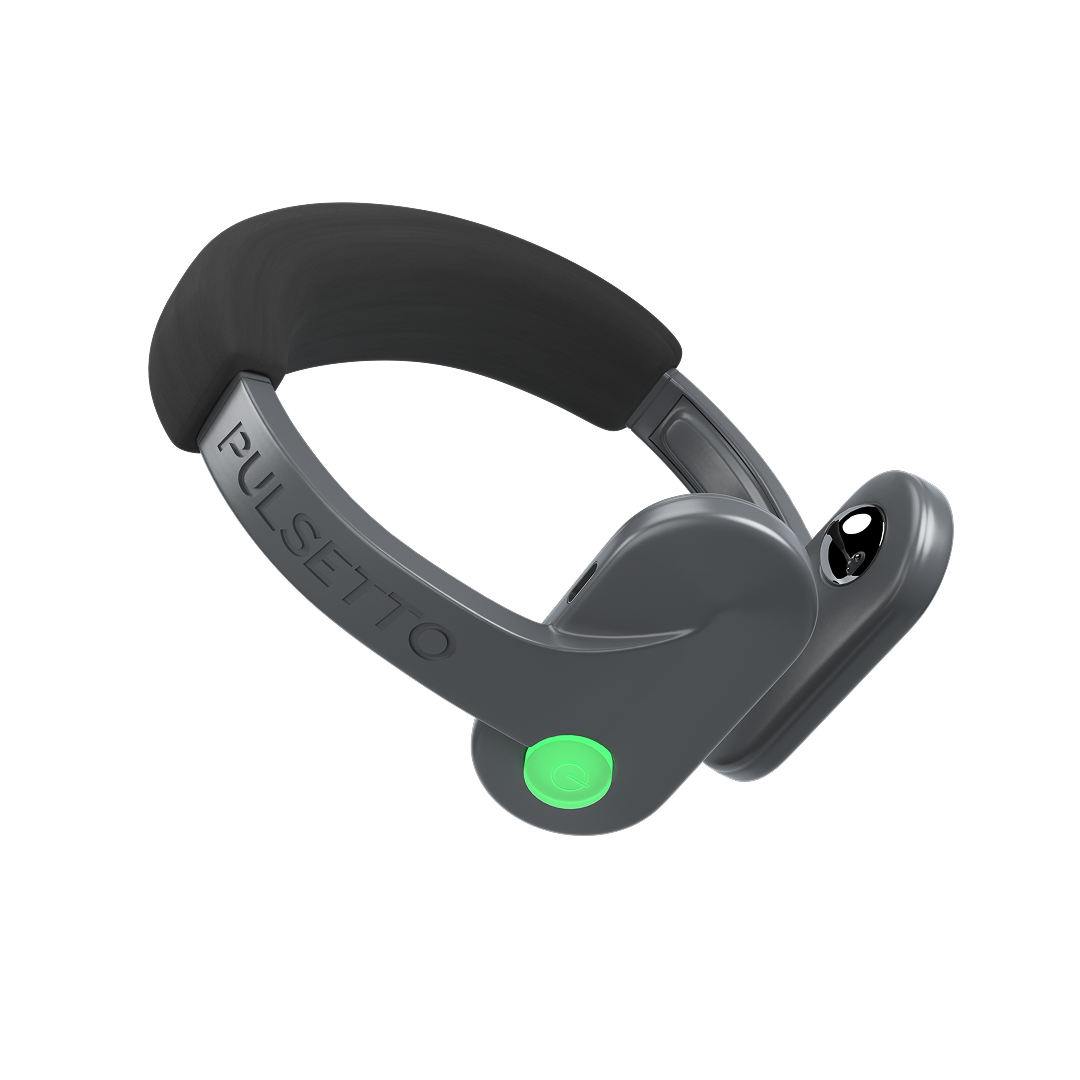
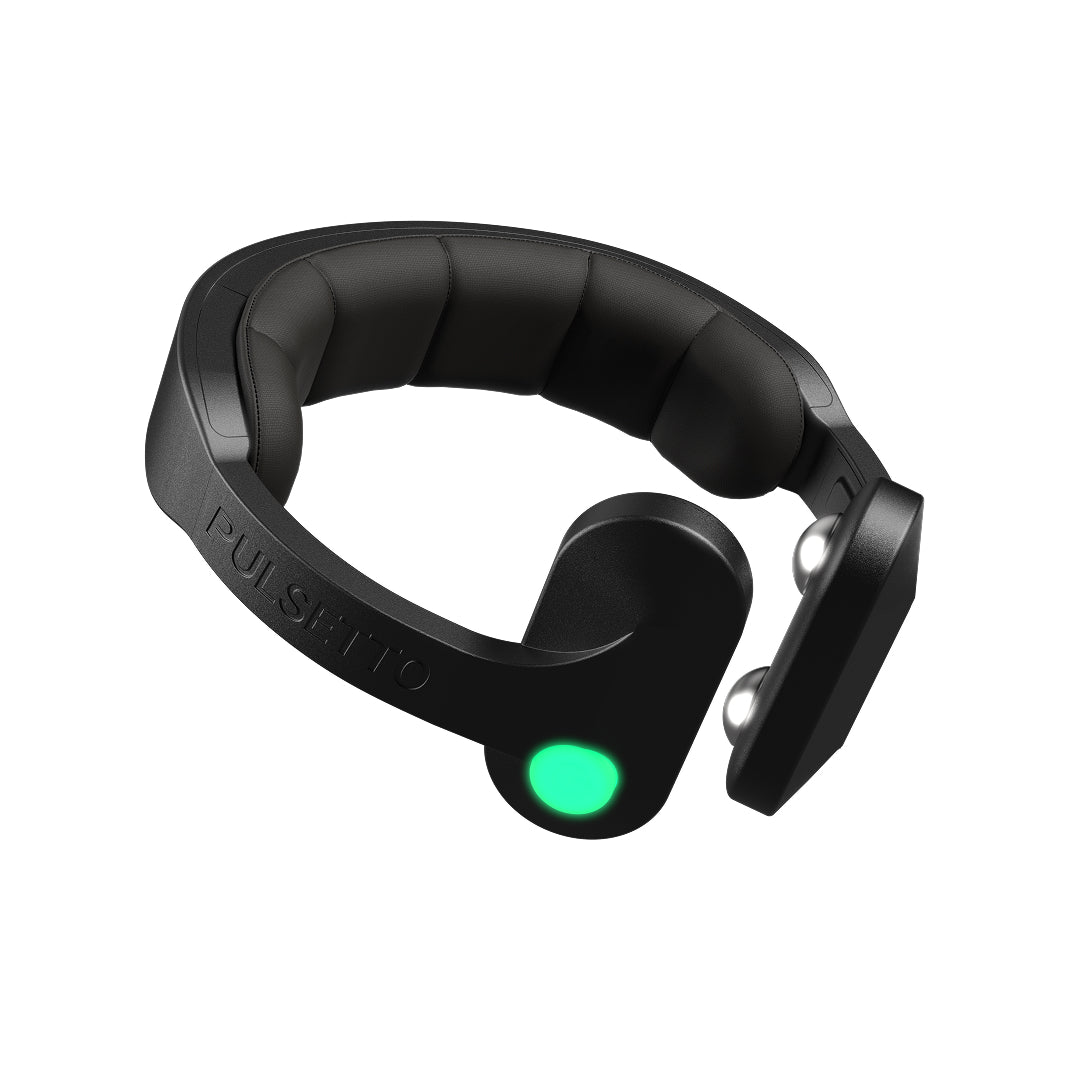
The Pulsetto bilateral neck stimulator is a hands-free, non-invasive device built around bilateral cervical stimulation for general wellness use. It is designed to help your nervous system feel calm, balanced, and ready for rest, and it fits the measure-and-improve loop that defines good biohacking. Here is what stands out.
Bilateral, hands-free design. Pulsetto stimulates both sides of the neck at once and stays in place on its own, so a session fits around working, reading, or winding down for sleep. Most other consumer stimulators are handheld (you hold them to your neck) or clip to a single ear.
Four-minute sessions. Short enough to repeat daily, which is what makes any biohack actually stick.
Built-in tracking and breathing. The Free Lifetime app tier includes five programs (Stress, Sleep, Burnout, Pain, Anxiety) plus HRV and sleep tracking and guided breathing, so you can measure your baseline and watch it respond. The Premium tier adds more programs, guided meditations, and affirmations. Combining stimulation with slow guided breathing is shown to raise HRV further than either alone [15].
Its own clinical data. In Pulsetto's own randomized open-label pilot study (n=40, 4 weeks), participants reported a 55.9% reduction in depressive symptoms (PHQ-9), a 45.3% reduction in anxiety symptoms (GAD-7), and a 41.0% improvement in sleep quality (PSQI). Bilateral stimulation reduced the chronic-stress biomarker hair cortisol by 47.5%, compared with 31.4% for unilateral stimulation.
A deeper evidence base. Beyond its pilot study, you can review the clinical science behind Pulsetto and its ongoing vagus nerve stimulation clinical trials with named institutional partners.
Built for daily life. Two device options (Pulsetto Lite and Pulsetto FIT), long battery life between charges, and a simple setup with conductive gel and a USB-C cable.
Pulsetto is CE certified and FCC certified and is designed as a general wellness device for everyday calm, better sleep, and stress resilience. At approximately $269 it sits below premium app-free ear stimulators like Nurosym (approx. $700 to $750) and app-controlled ear devices like Vagustim (approx. $390), while adding hands-free neck placement and a free tracking app. Prices are approximate and change over time.
What’s new in Pulsetto FIT X
FIT X is the current generation of the Pulsetto platform, and the changes are mostly about removing the variables the earlier device left to the user. Intensity adapts while the session runs instead of being set once at the start. Intelligent contact sensing checks electrode contact rather than leaving it to guesswork. The electrodes are angled to form an X across the neck, creating a crossed field that reaches both vagus nerve pathways instead of one side at a time. Vibro-tactile feedback confirms the device is responding, and offline mode plus improved battery life remove the two most common reasons people skip a session.
Adaptive stimulation that adjusts to you while the session runs
Intelligent contact sensing, so quality does not depend on manual tuning
X-shape electrode design creating a crossed field across both vagus nerve pathways
Advanced stimulation profiles for different goals and situations
Vibro-tactile feedback, offline mode and improved battery life
Deeper app integration, with progress tracked over time
What does the X mean? Two things. First, geometry: the electrodes are angled so they form an X across the neck. Second, multiplication. FIT X is not a cosmetic refresh of Pulsetto FIT but the next generation of the same platform. Pulsetto FIT and Lite remain available as lower-cost entry points.
How Pulsetto FIT X compares with other nervous-system devices
You will see a few names repeatedly in this category. Here is honest framing on where each fits, with no links to competitor sites.
Truvaga is a handheld cervical stimulator. It is a good fit for someone who wants a simple, well-known handheld device and does not mind holding it to the neck during a session.
Nurosym is a single-ear clip that delivers direct electrical auricular stimulation and carries the deepest published evidence base in the consumer category. It works for people who want the strongest external clinical record and a simple app-free device, and who will pay a premium (approx. $700 to $750).
Vagustim delivers bilateral auricular stimulation through both ears with an app for adjusting parameters. It is a good fit for someone wanting a lower-cost, app-controlled ear device who does not mind a thinner independent review history; some users report mild ear discomfort.
Amofit S uses non-contact electromagnetic stimulation worn on the chest, at a low price (approx. $248 single). It works for people who want an inexpensive, contactless device and are comfortable with a mechanism that has less independent peer-reviewed support than direct electrical stimulation.
Pulsetto's differentiators in this set are neck placement, fully hands-free wear (both sides at once), four-minute sessions, the free app with HRV and sleep tracking, and a price below Nurosym and Vagustim. See the full best neck stimulator device comparison for detail.
Advantages of Pulsetto:
Building an integrated biohacking stack: wearable, app, and recovery device
The biggest gap in most people's biohacking is not the hardware; it is the lack of an integrated ecosystem where measurement and intervention talk to each other. Buying a tracker from one company, an app from another, and a recovery gadget from a third leaves you with three dashboards and no feedback loop. The companies and stacks that deliver the most value combine three layers:
1. A wearable that measures the signals you care about (HRV, sleep, readiness, glucose, or stress).
2. An app that interprets the data, shows trends, and guides what to do next.
3. A recovery or intervention device that acts on the signal, so the number you track has something to respond to.
A practical, evidence-aligned beginner stack looks like this: one wearable for tracking (a smart ring or a stress-tracking watch), guided slow breathing (free, and the best-evidenced single habit) [15], and one nervous-system device that closes the loop on stress, sleep, and recovery. Pulsetto is built to be the third layer and to carry part of the second: the device delivers the intervention, and the free lifetime app handles HRV tracking, sleep tracking, guided breathing, and five targeted programs in one place. That means a beginner can measure a baseline, run a four-minute session, and watch HRV and sleep respond, without paying for a separate tracking subscription.
For people who want the most complete single-vendor experience, the value of an integrated wearable-plus-app-plus-recovery setup is consistency: one place to look, one routine to follow, and a measurement that actually feeds the intervention. That is the loop the rest of this guide keeps coming back to, because it is what separates a drawer of gadgets from a system that works.
Build your stack around calm. Read real Pulsetto reviews to see how people fit a four-minute session into daily life.
How to choose a biohacking device
The category is broad, so start from your goal and work backward. Each criterion below maps to a practical question about whether a device will earn its place in your routine.
Criterion |
What to look for |
Start with a goal |
Pick one target first, such as sleep, stress, recovery, focus, or activity. The best device is the one matched to that goal, not the one with the most features. |
Measure and intervene |
Devices that both track a signal and act on it close the feedback loop. Pulsetto pairs four-minute stimulation sessions with in-app HRV and sleep tracking. |
Evidence base |
Favor a device whose mechanism is backed by peer-reviewed research and that has been clinically tested. |
Ease and consistency |
A biohack only works if you use it. Hands-free, short sessions beat elaborate protocols you abandon. |
App and guidance |
Guided programs, breathing, and trend tracking help you stay consistent and interpret your data. A free app tier avoids stacking subscriptions. |
Screenless or minimal |
If you want less digital noise, a screenless ring, strap, or neck device keeps the data without another display to check. |
Safety and certifications |
Check safety certifications such as CE and FCC, and review the contraindications before use. |
Comfort and battery |
Adjustable intensity, a comfortable fit, and battery life that supports daily use. |
For a structured walk-through of matching a device to a specific goal, our guide to the best biohacking technology and our vagus nerve stimulation ultimate guide both go deeper.
Safety and contraindications
Most biohacking devices are low-risk for healthy adults, but anything that delivers electrical stimulation deserves care. Do not use Pulsetto, or any nVNS device, if you:
Have a pacemaker or any implanted electrical medical device.
Have epilepsy or a seizure disorder.
Are pregnant.
Have a known heart condition or carotid issue, unless your doctor has approved use.
Have had recent neck or throat surgery, unless a doctor approves.
If you are managing a medical condition or taking medication, talk with your healthcare provider before starting. Reported side effects of non-invasive vagus nerve stimulation are usually minor and local, such as light tingling or mild skin irritation at the electrode site [13][14]. Stop and seek advice if you experience dizziness, an irregular heartbeat, or any unusual symptoms. You can review the full contraindications of using Pulsetto before you start.
Pulsetto is a general wellness product and is not intended to diagnose, treat, cure, or prevent any disease or medical condition.
Frequently asked questions
What are the best biohacking wearables for recovery?
Recovery is best read from three signals: HRV, sleep quality, and a daily readiness or recovery score. Smart rings and screenless recovery straps lead here because they combine all three, with examples like the Oura readiness score and the WHOOP recovery score. Because recovery is a parasympathetic process and HRV is its biomarker [1], the strongest recovery setup pairs a tracking wearable with a nervous-system device, such as a vagus nerve stimulator, that can push the autonomic system toward a recovered state [8][12].
Do biohacking devices actually work?
Many do when matched to a clear goal. Wearable activity trackers are shown to increase physical activity [4][5], HRV biofeedback reduces stress and anxiety [2][3], non-invasive vagus nerve stimulation supports calmer stress responses and better sleep [8][13], and light therapy can aid muscle recovery [6]. Results depend on consistent use and choosing a device suited to your goal, rather than buying the gadget with the most features.
What is the best biohacking wearable for stress and sleep?
For stress and sleep specifically, a nervous-system device is a strong choice because both goals run through autonomic balance, as covered in our roundup of biohacking tools for stress and sleep. A hands-free vagus nerve stimulator like Pulsetto targets that pathway in four-minute sessions and tracks HRV and sleep in the same app, which closes the measure-and-improve loop. Many people add a smart ring or stress-tracking watch alongside it for the tracking layer.
How much do biohacking devices cost?
Prices vary widely by category and change over time. Smart rings and fitness watches typically run from roughly $200 to $400, sometimes with a subscription. Continuous glucose monitor programs are usually a monthly cost. Red-light panels range from under $200 for small units to several thousand for full-body panels. Among consumer vagus nerve stimulators, Pulsetto is approximately $269, below premium ear devices like Nurosym (approx. $700 to $750) and app-controlled ear devices like Vagustim (approx. $390); contactless options like Amofit S start near $248. All figures are approximate.
What biohacking devices help with brain fog or focus?
Brain fog is usually a symptom of something upstream, such as poor sleep, high stress, or autonomic imbalance, so the most effective device is often the one that fixes the cause: a sleep tracker, a glucose monitor, or a nervous-system tool. For focus and meditation specifically, EEG headbands like Muse give real-time feedback on your mental state, and slow guided breathing remains the cheapest, best-evidenced way to steady attention and raise HRV [15].
What should a beginner's biohacking stack include?
Start simple. A practical beginner stack is one wearable for tracking (a smart ring or a stress-tracking watch), guided slow breathing (free and well-evidenced) [15], and one nervous-system device that closes the loop on stress, sleep, and recovery. Use it consistently for a few weeks before adding anything else. You can also learn more about Pulsetto and its mission, and a device like Pulsetto can serve as both the intervention and, through its free app, the tracking layer.
Is a vagus nerve stimulator safe to use?
For most healthy adults, non-invasive vagus nerve stimulation is well tolerated, with published trials reporting mostly minor, short-lived effects such as light tingling at the electrode site [13][14]. Pulsetto is CE certified and FCC certified and designed for general wellness use. Review the contraindications above, and if you have a medical condition or an implanted device, check with your healthcare provider first.
Scientific research
The mechanisms behind these biohacking devices are supported by peer-reviewed research. Pulsetto is a general wellness product and is not intended to diagnose, treat, cure, or prevent any disease or medical condition. The studies below were identified via the Consensus and PubMed databases. Each title links directly to the published paper by its DOI, and all studies are indexed in PubMed.
[1] Stress and Heart Rate Variability: A Meta-Analysis and Review of the Literature (Kim et al., 2018, Psychiatry Investigation. PMID: 29486547)
[2] Heart Rate Variability Biofeedback Improves Emotional and Physical Health and Performance: A Systematic Review and Meta Analysis (Lehrer et al., 2020, Applied Psychophysiology and Biofeedback. PMID: 32385728)
[3] The effect of heart rate variability biofeedback training on stress and anxiety: a meta-analysis (Goessl et al., 2017, Psychological Medicine. PMID: 28478782)
[4] Consumer-Based Wearable Activity Trackers Increase Physical Activity Participation: Systematic Review and Meta-Analysis (Brickwood et al., 2019, JMIR mHealth and uHealth. PMID: 30977740)
[5] Interventions Using Wearable Physical Activity Trackers Among Adults With Cardiometabolic Conditions: A Systematic Review and Meta-analysis (Hodkinson et al., 2021, JAMA Network Open. PMID: 34283229)
[6] Effect of phototherapy (low-level laser therapy and light-emitting diode therapy) on exercise performance and markers of exercise recovery: a systematic review with meta-analysis (Leal-Junior et al., 2013, Lasers in Medical Science. PMID: 24249354)
[7] Critical Review of Transcutaneous Vagus Nerve Stimulation: Challenges for Translation to Clinical Practice (Yap et al., 2020, Frontiers in Neuroscience. PMID: 32410932)
[8] Transcutaneous cervical vagal nerve stimulation reduces sympathetic responses to stress in posttraumatic stress disorder: A double-blind, randomized, sham-controlled trial (Gurel et al., 2020, Neurobiology of Stress. PMID: 33344717)
[9] Transcutaneous auricular Vagus Nerve Stimulation and Median Nerve Stimulation reduce acute stress in young healthy adults: a single-blind sham-controlled crossover study (Sanchez-Perez et al., 2023, Frontiers in Neuroscience. PMID: 37746156)
[10] The effect of transcutaneous auricular vagus nerve stimulation on HRV in healthy young people (Geng et al., 2022, PLoS ONE. PMID: 35143576)
[11] Ear your heart: transcutaneous auricular vagus nerve stimulation on heart rate variability in healthy young participants (Forte et al., 2022, PeerJ. PMID: 36438582)
[12] A systematic review of the effects of transcutaneous auricular vagus nerve stimulation on baroreflex sensitivity and heart rate variability in healthy subjects (Soltani et al., 2023, Clinical Autonomic Research. PMID: 37119426)
[13] Transcutaneous Auricular Vagus Nerve Stimulation for Chronic Insomnia Disorder: A Randomized Clinical Trial (Zhang et al., 2024, JAMA Network Open. PMID: 39680406)
[14] Transcutaneous Auricular Vagus Nerve Stimulation in Insomnia: A Systematic Review and Meta-Analysis (de Oliveira et al., 2025, Neuromodulation. PMID: 40323248)
[15] Modulating Heart Rate Variability through Deep Breathing Exercises and Transcutaneous Auricular Vagus Nerve Stimulation (Jensen et al., 2022, Sensors. PMID: 36298234)
[16] Transcutaneous auricular vagus nerve stimulation (taVNS) improves sleep quality in chronic insomnia disorder: A double-blind, randomized, sham-controlled trial (Yeom et al., 2025, Sleep Medicine. PMID: 40398066)
[17] Quantifying acute physiological biomarkers of transcutaneous cervical vagal nerve stimulation in the context of psychological stress (Gurel et al., 2019, Brain Stimulation. PMID: 31439323)
[18] Effects of transcutaneous vagus nerve stimulation on subthreshold affective symptoms and perceived stress: a single-blinded randomized trial in community-dwelling adults (Jackowska et al., 2025, Biological Psychology. PMID: 41290087)
Is Pulsetto FIT X different from Pulsetto FIT?
Yes. FIT X is the next generation of the same platform rather than a redesign. It adds adaptive stimulation that adjusts to you during the session, intelligent contact sensing, X-shape electrodes that target both vagus nerve pathways, advanced stimulation profiles, vibro-tactile feedback, improved battery life and a more stable Bluetooth connection. Pulsetto FIT and Lite remain available as lower-cost entry points.
Train your nervous system. Build your stress resilience. Pulsetto FIT X combines adaptive stimulation, guided protocols and measurable progress in one connected Stress Fitness system. Meet Pulsetto FIT X.