Best Vagus Nerve Stimulation Devices for Sleep Compared
The consumer VNS market has grown considerably. Those weighing the best vagus nerve stimulator options across use cases beyond sleep will find pricing and feature differences worth examining before deciding. Below is a focused comparison of the leading devices evaluated specifically for sleep support.
|
Feature
|
Pulsetto
|
Nurosym
|
Apollo Neuro
|
Truvaga Plus
|
Sensate
|
|
Price
|
$269
|
€700
(Nuropod in the US, $900)
|
$368
|
$499
|
$279
|
|
Stimulation method
|
Bilateral cervical (electrical)
|
Auricular (electrical)
|
Vibration (wrist)
|
Cervical (handheld electrical)
|
Infrasonic (chest)
|
|
Session length
|
4-10 min
|
Up to 30 min
|
Continuous wear
|
2 min
|
10-30 min
|
|
Sleep Program
|
Yes
|
Yes
|
Yes
|
Yes
|
Yes
|
|
Hands-free
|
Yes
|
Yes (ear clip)
|
Yes
|
No
|
Yes
|
|
App guided
|
Yes
|
Yes
|
Yes
|
Yes
|
Yes
|
|
CE certified
|
No
|
Yes
|
No
|
No
|
Yes
|
|
Prescription required
|
No
|
No
|
No
|
No
|
No
|
Pulsetto
Best for: Sleep-focused wellness users, VNS beginners, daily routine builders.
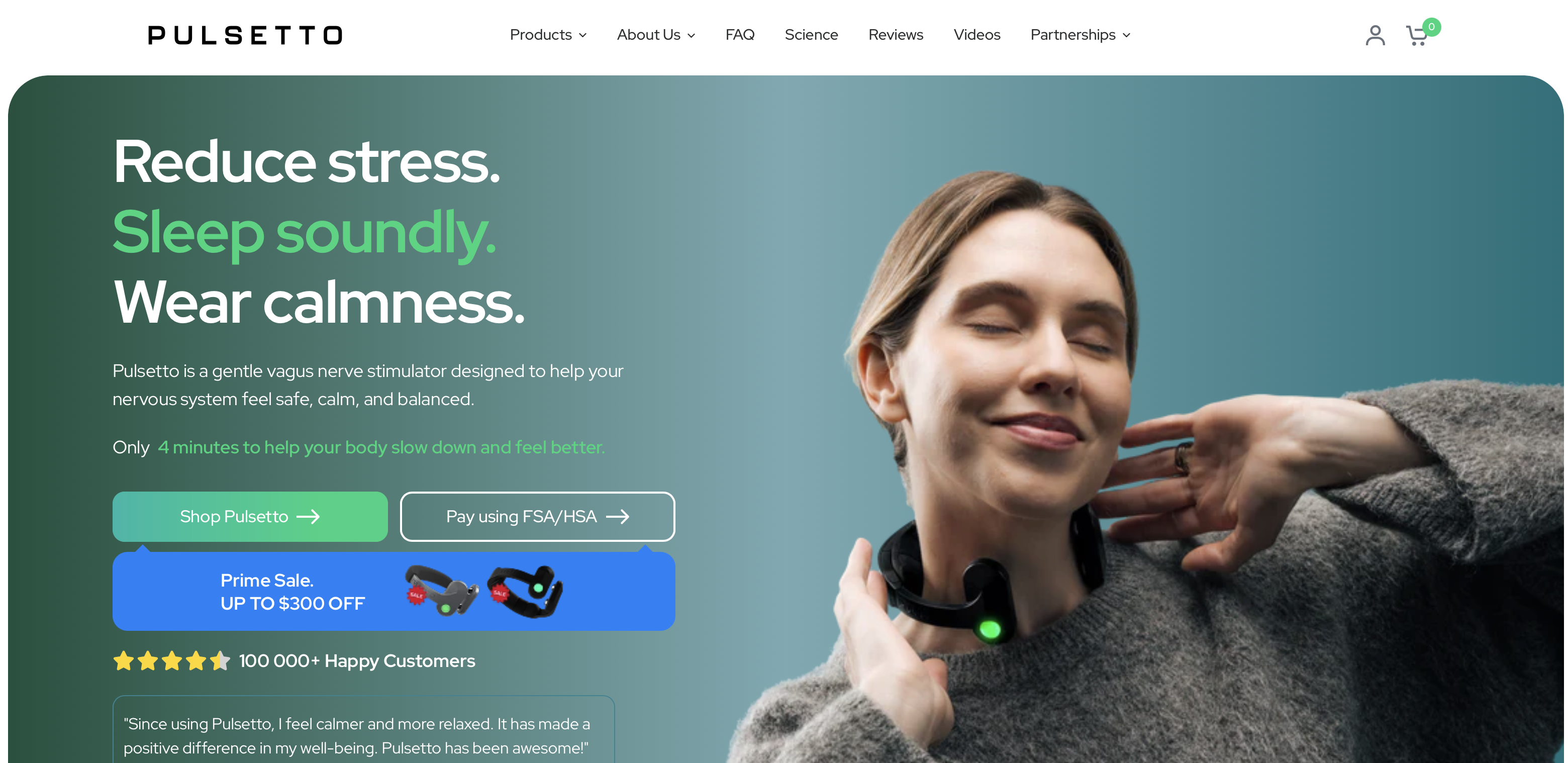
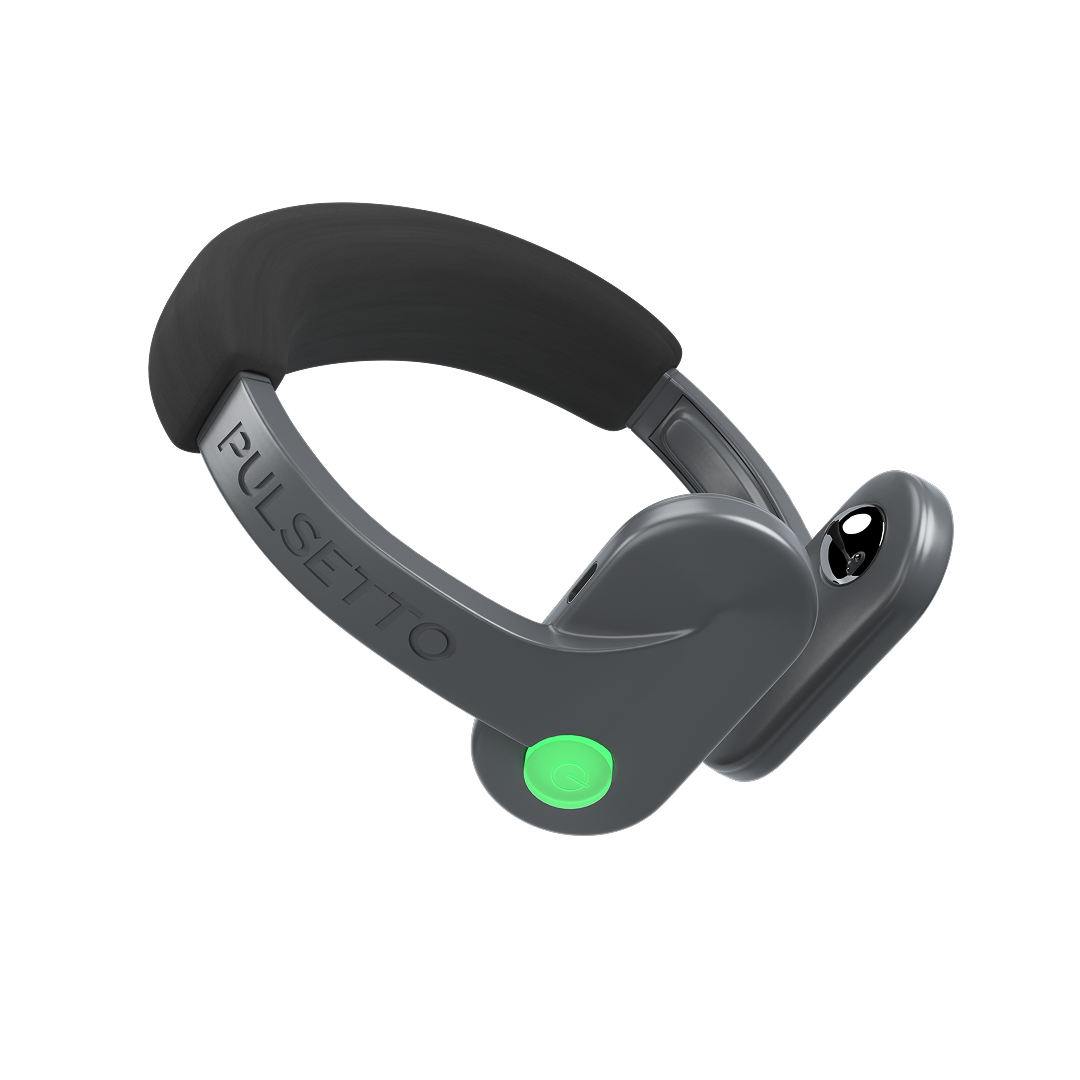
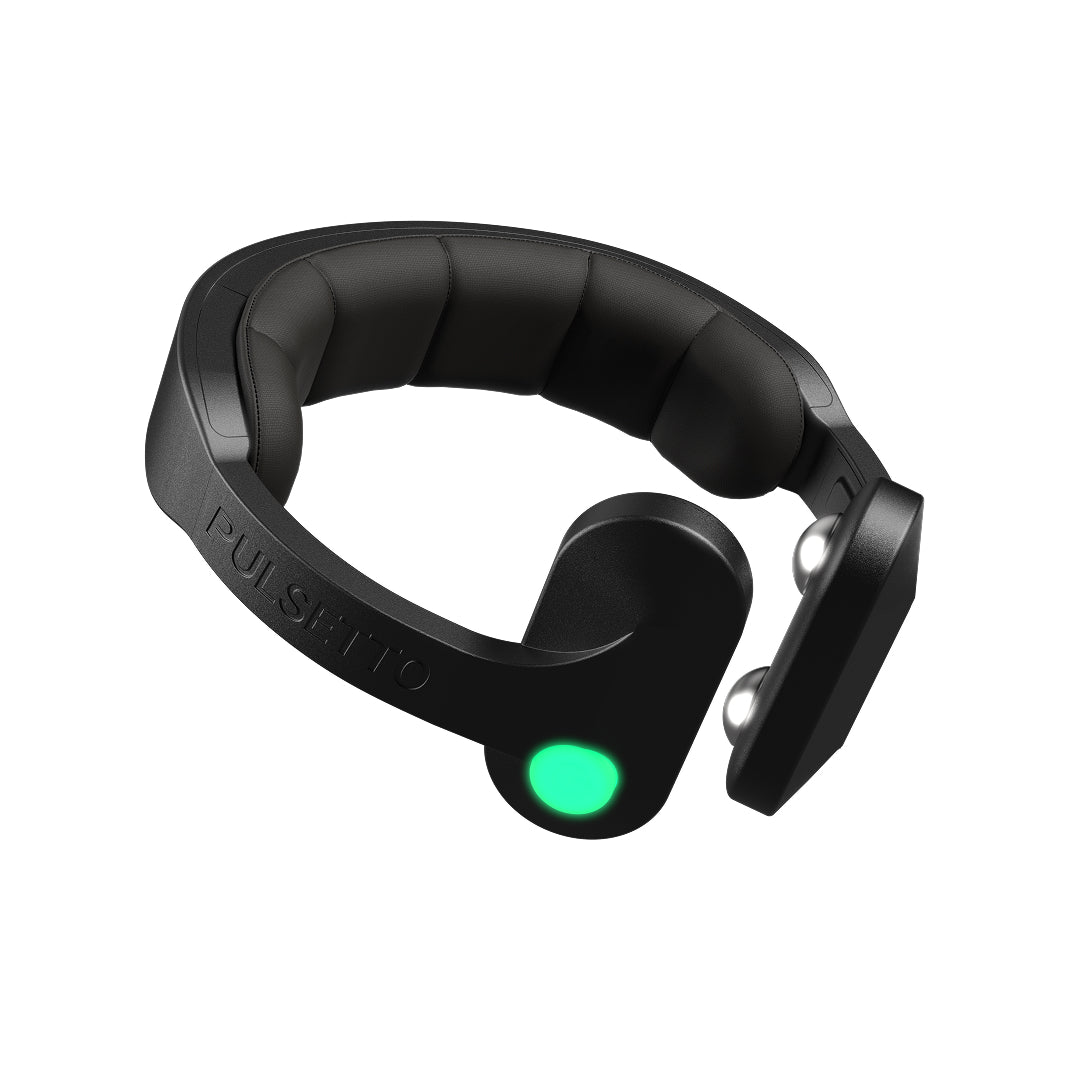
Pulsetto is a wearable vagus nerve device that wraps around the back of the neck and delivers bilateral cervical stimulation through two electrode pads, targeting both sides of the vagus nerve simultaneously through the skin. Unlike handheld devices that require active effort during a session, Pulsetto is hands-free: once placed and paired to the app, it runs automatically while the user sits or lies still, making it a natural fit for the final minutes of a wind-down routine.
As a vagus nerve stimulator for sleep with its own clinical data, Pulsetto is not relying solely on broader VNS research. In Pulsetto's own randomized open-label pilot study (n=40, 4 weeks), PSQI sleep scores improved by 41.0% in the bilateral group, suggesting that consistent pre-sleep sessions produce measurable effects on sleep quality over time.
Most Pulsetto review content and user feedback echoes the same theme: it is the device people actually continue using. The short session, guided app, comfortable neck wear, and price starting from approximately $269 for the Lite model all remove the friction that causes most wellness tech to be abandoned after a few weeks. For anyone new to VNS, those factors make it the most accessible entry point in the category.
Nurosym
Best for: Research-driven buyers, clinical-minded users, those with budget flexibility
Nurosym, manufactured by Parasym, uses a different stimulation approach. Instead of cervical contact, it clips to the outer ear and delivers transcutaneous auricular VNS (taVNS), targeting the auricular branch of the vagus nerve. Parasym cites involvement in 50+ peer-reviewed studies and positions Nurosym as a clinically aligned device aimed at users who prioritize research backing above all else.
For sleep specifically, Nurosym supports nervous system calming and autonomic regulation through longer sessions, typically up to 30 minutes, which more closely match the duration used in clinical trial protocols. The tradeoff is price: Nurosym retails from €700, significantly above Pulsetto's entry point. If you're in the US, you can get Nuropod for $900. The app experience is also reported as less consumer-friendly compared to Pulsetto's guided program structure.
The Nurosym vs Pulsetto choice ultimately comes down to clinical positioning versus daily practicality. Nurosym is the stronger research-backed option for buyers who want clinical positioning and are comfortable with the cost. Pulsetto is the stronger choice for daily usability, affordability, and sleep-specific app guidance.
Other Popular VNS Devices
Several other devices occupy space in the broader wearable wellness category.
Apollo Neuro ($368) uses vibration rather than electrical stimulation, making it more of a touch-therapy device than a direct VNS tool. It is worn on the wrist or ankle and supports continuous wear throughout the day or overnight. It has sleep modes and a strong user following, but it operates through a different physiological mechanism than cervical or auricular electrical stimulation.
Truvaga Plus ($499) is a handheld cervical electrical VNS device, the closest consumer equivalent to the clinical gammaCore device. Its sessions are 2 minutes and must be held manually against the neck, making it less convenient as a pre-sleep ritual compared to hands-free options.
Sensate ($279) uses infrasonic vibration delivered through a chest-placed device, targeting relaxation through bone conduction rather than direct nerve stimulation. It is well-regarded for its calming effect and accessible price, but it does not deliver direct vagus nerve electrical stimulation.
Each device has a place in the market. For sleep-focused VNS specifically, the hands-free format, short session time, and dedicated sleep program make Pulsetto the most practical daily option at its price point.
What to Look for in the Best Vagus Nerve Stimulation Device for Sleep
Choosing the best VNS device means evaluating several factors beyond price. The features that matter most for sleep use differ from those that matter for focus or daytime stress management.
Non-Invasive vs Implanted VNS Devices
All consumer devices reviewed here are non-invasive, meaning no surgery, implant, or prescription is required. This distinguishes them from clinical implanted VNS systems used in hospitals for epilepsy and treatment-resistant depression. Non-invasive vagus nerve stimulation via wearable VNS devices is a separate consumer wellness category: accessible, reversible, and designed for home use. No consumer device in this category is FDA-approved for treating medical conditions, which is an important distinction from the clinical implanted systems.
Why Bilateral Cervical Stimulation Matters
The vagus nerve runs down both sides of the neck. Bilateral cervical stimulation targets both pathways simultaneously, which may produce a stronger parasympathetic response than unilateral or auricular stimulation alone. Pulsetto's bilateral electrode design is one of its distinguishing features in the consumer market. The vagus nerve stimulation device category includes both unilateral and bilateral approaches, and for sleep onset specifically, activating the calming response as fully as possible before bed is the practical goal.
Comfort, Session Length, and Ease of Use
For sleep support, the most important practical factors are:
-
Session length. Shorter sessions (4 minutes) are easier to maintain nightly than 20 or 30-minute protocols. Consistency matters more than duration for wellness-level outcomes.
-
Hands-free use. A device that can be worn without being held allows users to relax fully during the session rather than actively managing the device.
-
App guidance. A structured sleep or relaxation program removes decision fatigue at bedtime, when cognitive load should be minimal.
-
Comfort. Any device worn at night must be comfortable against the skin. Neck-worn devices should be lightweight; gel requirements should be minimal.
Pulsetto scores well on all four. The 4-minute session, hands-free neck wear, guided sleep program, and lightweight design each reduce friction in making VNS a consistent nightly habit.
How Vagus Nerve Stimulation May Help Improve Sleep
The science behind VNS for sleep starts with one question: why does the body refuse to switch off at night? For most people who struggle to fall asleep or stay asleep, the answer is an elevated sympathetic response. Cortisol remains high, heart rate stays up, and the brain continues processing at a level incompatible with sleep onset. VNS targets this state directly, stimulating the vagus nerve to activate the parasympathetic shift the body needs to initiate sleep.
That mechanism translates into measurable outcomes in clinical research. A 2024 randomized clinical trial published in JAMA Network Open found that transcutaneous VNS produced a 4.2-point greater reduction in PSQI sleep scores versus sham at 8 weeks, with benefits sustained at 20 weeks (Zhang et al., 2024). A 2025 systematic review and meta-analysis in Neuromodulation confirmed the pattern across multiple trials, finding that non-invasive VNS was consistently associated with meaningful improvements in sleep quality (de Oliveira et al., 2025). The two sections below explain the physiological mechanisms behind those results.
The Link Between Stress and Poor Sleep
Chronic stress disrupts sleep by keeping cortisol elevated into the evening, suppressing melatonin release, and shortening REM sleep and slow-wave deep sleep stages. The result is a cycle in which poor sleep increases stress reactivity, which further degrades sleep quality. Nervous system regulation breaks this cycle by addressing the physiological cause rather than masking the symptom. Lower cortisol and improved heart rate variability (HRV) in the evening are direct markers of parasympathetic activation and are associated with faster sleep onset and longer deep sleep duration.
Why the Vagus Nerve Matters for Relaxation
The vagus nerve is the primary carrier of parasympathetic signals from the brainstem to the heart, lungs, and digestive system. When vagal tone is high, heart rate slows, breathing deepens, and the body moves toward the rest-and-digest state. When vagal tone is low, as it often is in people with chronic stress or anxiety, the body stays closer to fight-or-flight even at rest. Non-invasive vagus nerve stimulation in healthy adults has been shown to significantly increase HRV and reduce sympathetic nerve activity (Clancy et al., Brain Stimulation, 2014), the same autonomic shift that pre-sleep relaxation routines attempt to create through breathing and mindfulness alone.
Can Vagus Nerve Stimulation Replace Traditional Sleep Aids?
VNS devices are best understood as a complement to broader sleep hygiene, not a replacement for behavioral change or medical treatment. Compared to common alternatives, the differences are meaningful.
-
Melatonin supplements address the timing signal but do not reduce physiological arousal.
-
Sleep meditation apps work through attention and breathing, without direct autonomic stimulation.
-
White noise machines reduce environmental disruption but do not address underlying nervous system arousal.
-
Pharmaceutical sleep aids carry dependency risks and often suppress REM sleep, which VNS does not.
VNS works at the physiological level of nervous system activation, which makes it most valuable for people whose sleep difficulty is driven by chronic stress or anxiety rather than by environmental or behavioral factors alone. Those also looking for the best electrical massager as a complementary relaxation tool alongside VNS will find the two approaches target different pathways and can be used together without conflict.
Combining VNS With Healthy Sleep Habits
For best results, VNS sessions work best within a structured wind-down routine:
-
Dim lights 60 to 90 minutes before bed to support melatonin release.
-
Stop screens 30 minutes before bed to reduce cognitive arousal.
-
Run a Pulsetto session during the final 10 minutes of wind-down, in a quiet space.
-
Keep a consistent bedtime to reinforce the circadian rhythm.
-
Avoid caffeine after 2 PM to prevent adenosine receptor blockade into the evening.
The combination of VNS and consistent sleep hygiene addresses both the physiological and behavioral inputs that determine sleep quality.
Is Pulsetto the Best Vagus Nerve Stimulation Device for Sleep?
For most buyers, yes. Pulsetto combines the features that matter most for sleep use: bilateral cervical stimulation, a dedicated sleep program, a 4-minute hands-free session format, and the most accessible price point in the electrical VNS category.
That said, the best vagus nerve stimulation device for sleep depends on what the user values. Buyers who want the strongest clinical research backing and are comfortable with a significantly higher price will find Nurosym the stronger choice. Buyers who prefer vibration over electrical stimulation will find Apollo Neuro or Sensate better suited. And buyers who want a clinical handheld device most closely modeled on gammaCore may prefer Truvaga Plus.
For the majority, Pulsetto's combination of wearable sleep technology, low session friction, app-guided programs, and accessible pricing makes it the most practical entry point into VNS for sleep in 2026.
Disclaimer: Pulsetto is a general wellness device and is not intended to diagnose, treat, cure, or prevent any disease or medical condition.
Ready to Improve Your Sleep Naturally?
A racing mind and a nervous system that stays switched on at night are not personality traits. They are physiological states that can be directly supported with the right tools. Pulsetto's 4-minute bilateral VNS session is designed to shift the body away from fight-or-flight and into the parasympathetic state where sleep becomes possible. CE certified, hands-free, and backed by a growing evidence base, it is one of the most practical vagus nerve stimulators for sleep available to consumers today.
Whether you are dealing with stress-driven insomnia, poor sleep quality, or simply want to improve your sleep recovery, Pulsetto fits directly into a nightly routine as a drug-free, low-effort nervous system support tool.
Best Vagus Nerve Stimulation Device for Sleep FAQs
Can vagus nerve stimulation help with insomnia?
Research suggests VNS may support sleep quality for people whose insomnia is linked to stress, anxiety, or nervous system dysregulation. A 2024 randomized trial in JAMA Network Open found transcutaneous VNS produced significantly greater improvements in sleep quality versus sham at 8 weeks, sustained at 20 weeks. It is not a medical treatment for clinical insomnia, but as a general wellness support tool it may help reduce the physiological arousal that makes sleep difficult.
How long does it take for a VNS device to improve sleep?
Most users report noticeable effects within two to four weeks of consistent daily use. Some notice a calmer feeling or reduced tension within the first few sessions. The research evidence for VNS sleep benefits is built on 8-week protocols, so setting a four to eight-week consistency target is a reasonable baseline expectation.
Are non-invasive vagus nerve stimulators safe to use daily?
Yes, for most people. Consumer devices like Pulsetto are designed for daily use and are well-tolerated. People with pacemakers, implantable cardiac devices, epilepsy, or who are pregnant should consult a physician before using any electrical stimulation device.
What makes Pulsetto different from other VNS devices?
Pulsetto is the only hands-free bilateral cervical VNS device at its price point. It simultaneously stimulates both sides of the vagus nerve, uses a guided app with a dedicated sleep program, and runs a complete session in 4 minutes. Most competing devices either require manual holding, use auricular stimulation only, or cost significantly more for comparable functionality.
Can vagus nerve stimulation lower stress before bed?
Yes. The primary mechanism is parasympathetic activation: VNS directly stimulates the vagus nerve, which carries the body's rest-and-digest signal. This slows heart rate, reduces cortisol, and lowers the physiological arousal that keeps people awake. Used consistently as part of an evening wind-down routine, VNS sessions can support the stress recovery needed for sleep onset.
Do VNS devices require a prescription?
No consumer VNS device covered in this guide requires a prescription. Pulsetto, Nurosym, Apollo Neuro, Truvaga, and Sensate are all available for direct purchase. Clinical implanted VNS systems used in hospitals do require a prescription, but these are entirely separate from consumer wearables.
Is bilateral vagus nerve stimulation better for relaxation?
Bilateral cervical stimulation targets both branches of the vagus nerve simultaneously, which may produce a stronger or more balanced parasympathetic response than unilateral approaches. Most consumer cervical VNS devices use unilateral stimulation. Pulsetto's bilateral design is a distinguishing feature that supports more complete nervous system calming, which is particularly relevant for pre-sleep use when the goal is full parasympathetic activation rather than targeted intervention.