What "Recovering from Stress" Actually Means
Most stress advice focuses on the spike itself, how to prevent it, blunt it, or reframe it before it happens. Recovery is a different problem: it's what your body does in the minutes, hours, and days after a stressor has already passed, the process of coming back down from an activated sympathetic state to a resting, parasympathetic one. A scoping review synthesizing 291 studies on post-stress heart rate variability recovery found this return-to-baseline process is measurably linked to resilience, attentional control, and habitual cognitive reappraisal, while a blunted, slow recovery is linked to depression and emotion dysregulation [1]. In other words, two people can have the exact same reaction to a stressful meeting and still differ enormously in how fast they actually come back down afterward, and that recovery speed itself responds to training.
Speed Your Breathing-Based Recovery

The fastest lever for accelerating recovery is extending your exhale relative to your inhale right after a stressor passes, five or six breaths per minute with the out-breath noticeably longer than the in-breath. A systematic review and meta-analysis covering 223 studies found that voluntary slow breathing increased vagally mediated heart rate variability, the physiological marker of parasympathetic recovery, both while breathing this way and immediately after a single session [2]. This makes it the most immediate tool on this list: something you can do at your desk, in a parked car, or anywhere else the stressor just happened, with no equipment and no waiting period before it starts working.
Speed Your Recovery with Cold Exposure
Where breathing works in the moment, cold exposure trains the underlying reactivation mechanism itself. A meta-analysis of 17 studies on physical post-exercise recovery techniques found that cold water immersion produced the largest effect on parasympathetic reactivation, measured through vagally mediated heart rate variability, of any technique tested, a moderate-to-large effect (Hedges' g = 0.75) compared with no measurable benefit for some other common recovery methods [3]. That research was conducted on physical, exercise-induced fatigue rather than psychological stress specifically, so the honest read is that cold exposure reliably trains the parasympathetic reactivation machinery itself, evidence that a short cold-water finish to a shower, done consistently, is training the same recovery system a stressful day calls on.
Speed Your Long-Term Recovery Capacity Through Movement
The techniques above work in a single session, but consistent physical activity changes your baseline recovery capacity over time. A systematic review and meta-analysis found that physical activity programs were an effective strategy for lowering cortisol levels and improving sleep quality, two of the clearest markers of how well the body is recovering overall, not just after any one stressor [4]. The included trials were predominantly people with breast cancer and included few male participants, so the finding shouldn't be generalized as a guarantee for every population, but the mechanism, physical activity supporting better cortisol regulation and sleep, is a reasonable basis for treating regular movement as a recovery investment rather than only a fitness one.
Speed Your Nervous System's Reset: Vagus Nerve Stimulation

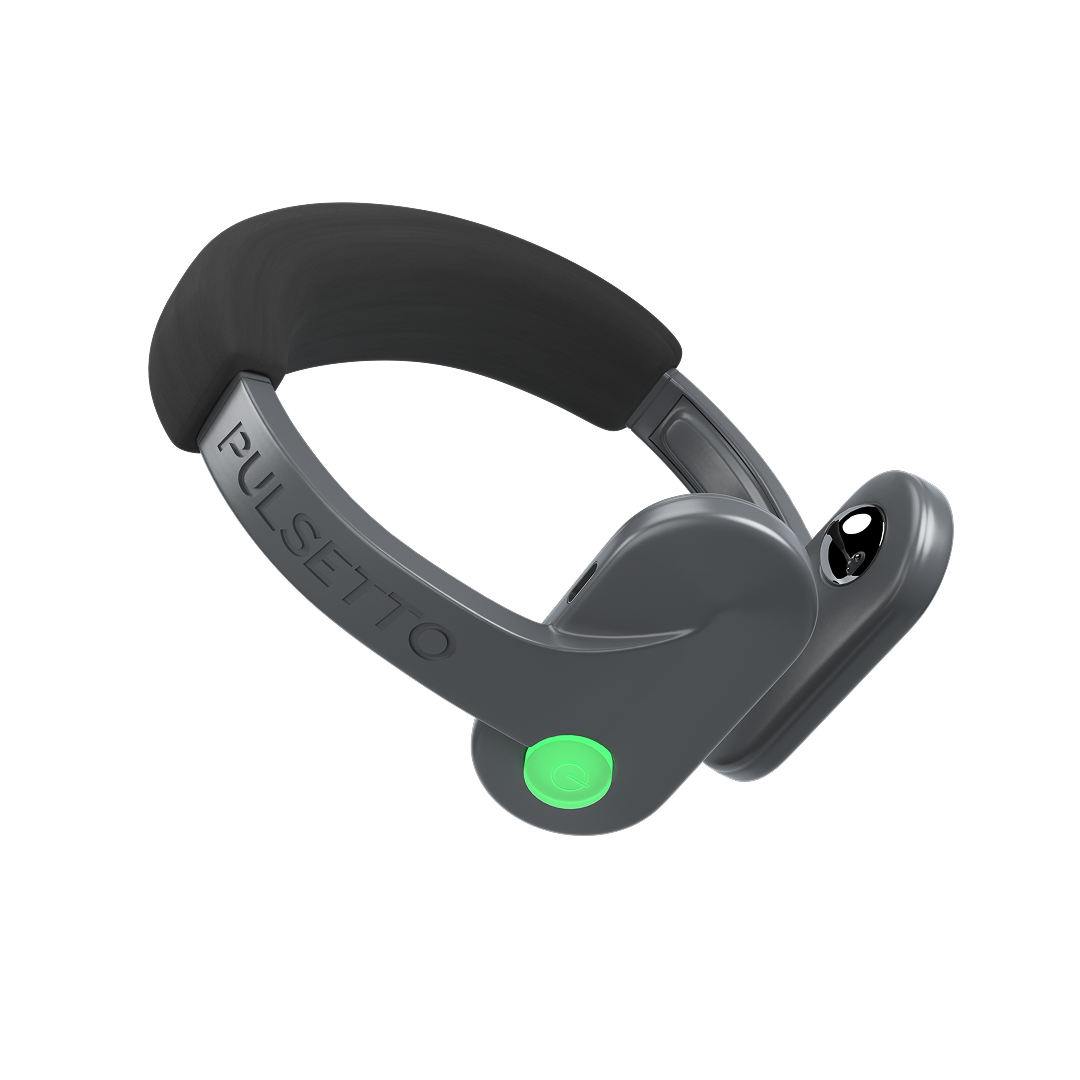
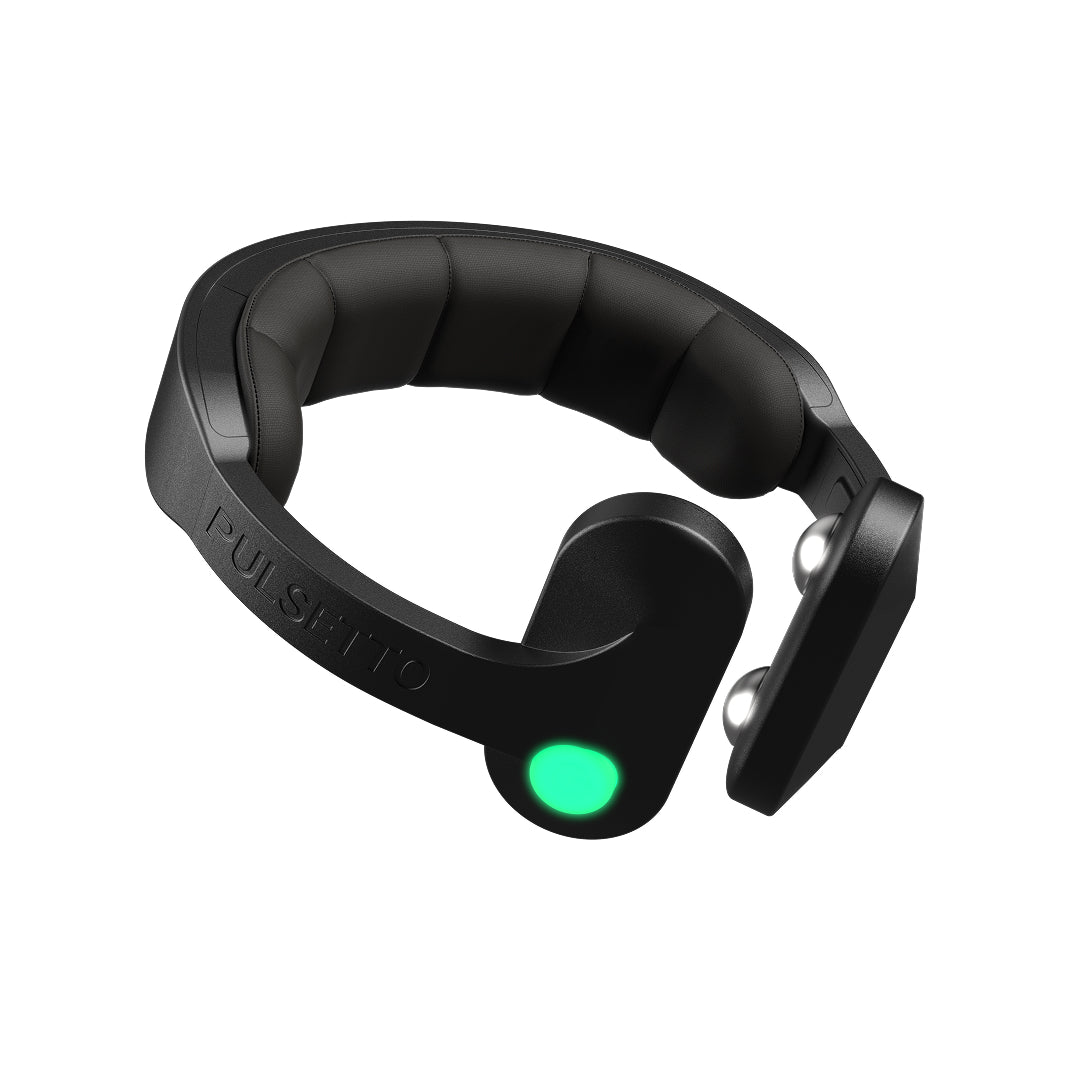
Everything above asks you to actively do something, breathe a certain way, tolerate cold water, keep up a movement habit. A device like Pulsetto speeds the same parasympathetic reactivation process directly: it delivers bilateral cervical stimulation in a 4 to 10 minute session, hands-free, positioned specifically as a recovery tool for the window right after a stressful stretch rather than something you build up over weeks.
Pulsetto tested that approach in a randomized, open-label pilot study of 40 adults over 4 weeks, comparing bilateral against unilateral cervical stimulation. Participants reported a 45.3% reduction in anxiety symptoms (GAD-7) from baseline at the 4-week mark, and on the biomarker side, hair cortisol, a marker of chronic stress exposure that reflects how well the body has been recovering over time, fell 47.5% in the bilateral group compared with 31.4% in the unilateral group.
Because it acts on the recovery process directly rather than asking for a technique to be practiced correctly, it tends to work best as a dedicated recovery window, a few minutes right after a genuinely draining day, rather than something layered onto an already-busy schedule alongside every other practice on this page.
Disclaimer: Pulsetto is a general wellness product and is not intended to diagnose, treat, cure, or prevent any disease or medical condition.
When to Get Professional Guidance First
Breathing and movement carry no special risk for a healthy adult, though cold exposure specifically warrants a check with a physician for anyone with an existing cardiovascular condition before making it a regular habit. Vagus nerve stimulation carries its own specific contraindications: anyone with a pacemaker or other implantable device, epilepsy or a seizure disorder, or who is pregnant should get medical guidance first, along with anyone with an active cardiac arrhythmia, a recent neck or throat injury or surgery, or a carotid artery condition [5].
Putting Recovery Into Practice
The window right after a stressor is when these techniques matter most, not a scheduled time of day. A simple sequence: as soon as you notice the stressor has passed, spend two to five minutes on extended-exhale breathing to get the fastest possible drop. If you're home and it's been a genuinely draining stretch, a cold-water finish to your next shower or a vagus nerve stimulation session adds a deeper reset on top of that. Movement doesn't need to happen in that immediate window at all, it's the piece that raises your baseline recovery capacity over weeks, so it belongs in your regular routine rather than reserved for the moment right after something stressful happens.
Try Pulsetto
If the breathing and cold-water techniques above are ones you keep meaning to get to but don't, that gap is exactly what a hands-free option solves. The Pulsetto vagus nerve stimulator delivers the same parasympathetic reset in a session you just sit through. See what it's actually like for other people first: read real user reviews.
Frequently Asked Questions
How is recovering from stress different from managing stress?
Managing or preventing stress is about what happens before or during a stressor, reducing how intense the reaction is in the first place. Recovery is specifically about the period after a stressor ends: how fast your body returns from an activated state back to baseline. Both are trainable, but they respond to different techniques.
How long does stress recovery actually take?
It depends on the stressor and the person, but the breathing technique described above can produce a measurable shift within the same session. Cold exposure and movement build recovery capacity over weeks of consistent practice rather than in a single use, similar to any other trainable physiological system.
Do I need to do a recovery practice after every stressful moment?
No. The techniques here are most useful after a stressor that actually left you activated, a hard conversation, a demanding deadline, not every small daily friction. Trying to run a recovery protocol after every minor irritation adds more effort than it returns.
Is vagus nerve stimulation necessary to recover from stress?
No. It's one option for the same recovery process that extended-exhale breathing and cold exposure also train, and it works well specifically because it doesn't require getting a technique right. Someone using breathing and movement consistently is already training the recovery system this article describes.
Scientific Research
[1] Cardiac vagal recovery following acute psychological stress in human adults: A scoping review (Roddick et al., 2025, Neuroscience and Biobehavioral Reviews, 10 citations)
[2] Effects of voluntary slow breathing on heart rate and heart rate variability: A systematic review and a meta-analysis(Laborde et al., 2022, Neuroscience and Biobehavioral Reviews, 225 citations)
[3] Influence of physical post-exercise recovery techniques on vagally-mediated heart rate variability: A systematic review and meta-analysis (Laborde et al., 2023, Clinical Physiology and Functional Imaging, 15 citations)
[4] The effects of physical activity on cortisol and sleep: A systematic review and meta-analysis (De Nys et al., 2022, Psychoneuroendocrinology, 233 citations)
[5] Safety and tolerability of transcutaneous vagus nerve stimulation in humans: a systematic review (Redgrave et al., 2018, Brain Stimulation, 215 citations)