What Stress Resilience Actually Measures
Two physiological systems do most of the work. The hypothalamic-pituitary-adrenal (HPA) axis releases cortisol in response to a perceived threat, and how quickly that cortisol returns to baseline after the threat passes says more about resilience than how high it spikes in the first place. The second is the autonomic nervous system, specifically vagal tone, the resting activity of the vagus nerve that applies the parasympathetic "brake" after a sympathetic "gas pedal" response. Heart rate variability, the beat-to-beat variation in the time between heartbeats, is the standard non-invasive proxy for vagal tone: higher HRV generally means a more flexible, faster-recovering stress response.
Both systems are trainable. That's the throughline connecting the six pillars below: none of them are about avoiding stress. They're about improving how fast the body's own systems recover from it.
The Six Evidence-Based Pillars of Stress Resilience

1. Sleep quality, not just sleep duration
Sleep is the pillar with the clearest mechanistic link to the HPA axis. A systematic review of human sleep-and-cortisol studies found that both objective and self-reported declines in sleep quality sensitize the HPA axis, producing a larger cortisol response to the exact same laboratory stressor. Normal night-to-night variation in how long someone slept didn't produce the same effect, quality mattered more than quantity within a normal range, though the review also notes that excessive daytime sleepiness is linked to a blunted rather than exaggerated cortisol response, a different and arguably worse pattern of dysregulation [1]. The practical takeaway is that a night of restless, fragmented sleep primes the body to overreact to the next day's stressors, independent of how many hours were logged.
2. Exercise, dosed correctly
Exercise lowers cortisol, but the relationship isn't linear. A 2025 network meta-analysis pooling 44 randomized trials in adults with psychological distress found exercise produced a moderate overall reduction in cortisol, with slower, mind-body forms like yoga producing the largest effect, followed by qigong and multi-component routines. High-intensity interval training trended toward raising cortisol rather than lowering it, though not to a statistically significant degree. The dose-response relationship followed an inverted U: benefit increased with weekly volume up to roughly 530 MET-minutes a week, a research unit combining intensity and duration, after which more exercise stopped adding benefit [2]. More and harder isn't automatically better for this particular outcome.
3. Social connection as a physiological buffer
Social support isn't just emotionally comforting, it measurably blunts the body's stress hormone response. In a placebo-controlled laboratory study, healthy men who had a supportive friend present before a standardized public-speaking-and-math stress test showed suppressed cortisol responses compared to men who faced the same test alone, and the calming effect was strongest when social support was combined with oxytocin, the hormone involved in bonding and attachment [3]. The effect appears tied to the presence of a trusted person specifically, not just distraction or company in general.
4. Cognitive reappraisal: changing the interpretation, not the event
Reframing a stressful situation, telling yourself that a nervous feeling before a presentation means the body is preparing to perform rather than that something is wrong, is one of the more heavily studied emotion-regulation strategies, and one of the few with a genuinely large evidence base behind it. A meta-analysis spanning nearly 30,000 people across 64 independent samples found a strong, consistent correlation (r = 0.47) between habitually using cognitive reappraisal and measured personal resilience, holding up across age groups, cultures, and study designs [4]. It's worth being precise about what this shows: it's a correlational body of evidence, people who reappraise more also measure as more resilient, rather than a stack of trials proving that training someone to reappraise causes their resilience to rise. The consistency across 64 independent samples is still unusually strong for a psychological construct.
5. Mindfulness and slow breathing
Mindfulness-based stress reduction and simple relaxation training both change measurable stress biology, not just self-reported calm. A meta-analysis of 58 randomized trials covering more than 3,500 people found that structured stress-management interventions lowered cortisol relative to control conditions, with mindfulness and meditation programs and basic relaxation training producing the strongest effects among the intervention types compared, ahead of broader mind-body therapies and talk-therapy-based approaches [5]. The common mechanical thread across the mindfulness and relaxation interventions in that dataset is slow, extended exhalation, a breathing pattern that directly stimulates the vagus nerve and nudges the autonomic nervous system out of a sympathetic-dominant state.
6. Direct nervous-system training

The first five pillars work on stress resilience indirectly, through behavior that eventually shows up in HPA-axis and vagal-tone measurements. A newer category works on the vagal side of that equation more directly: heart rate variability biofeedback, which trains a person to breathe at their personal resonance frequency, close to six breaths a minute for most adults, while watching real-time heart rate feedback, and electrical or vibrotactile vagus nerve stimulation devices, which apply an external signal to the vagus nerve rather than relying on breath pacing alone. A meta-analysis of 58 controlled heart rate variability biofeedback studies found small-to-moderate improvements across a range of outcomes, with the strongest effects for anxiety, depression, and anger, evidence that direct autonomic training produces real, replicable results rather than a placebo-level effect [6].
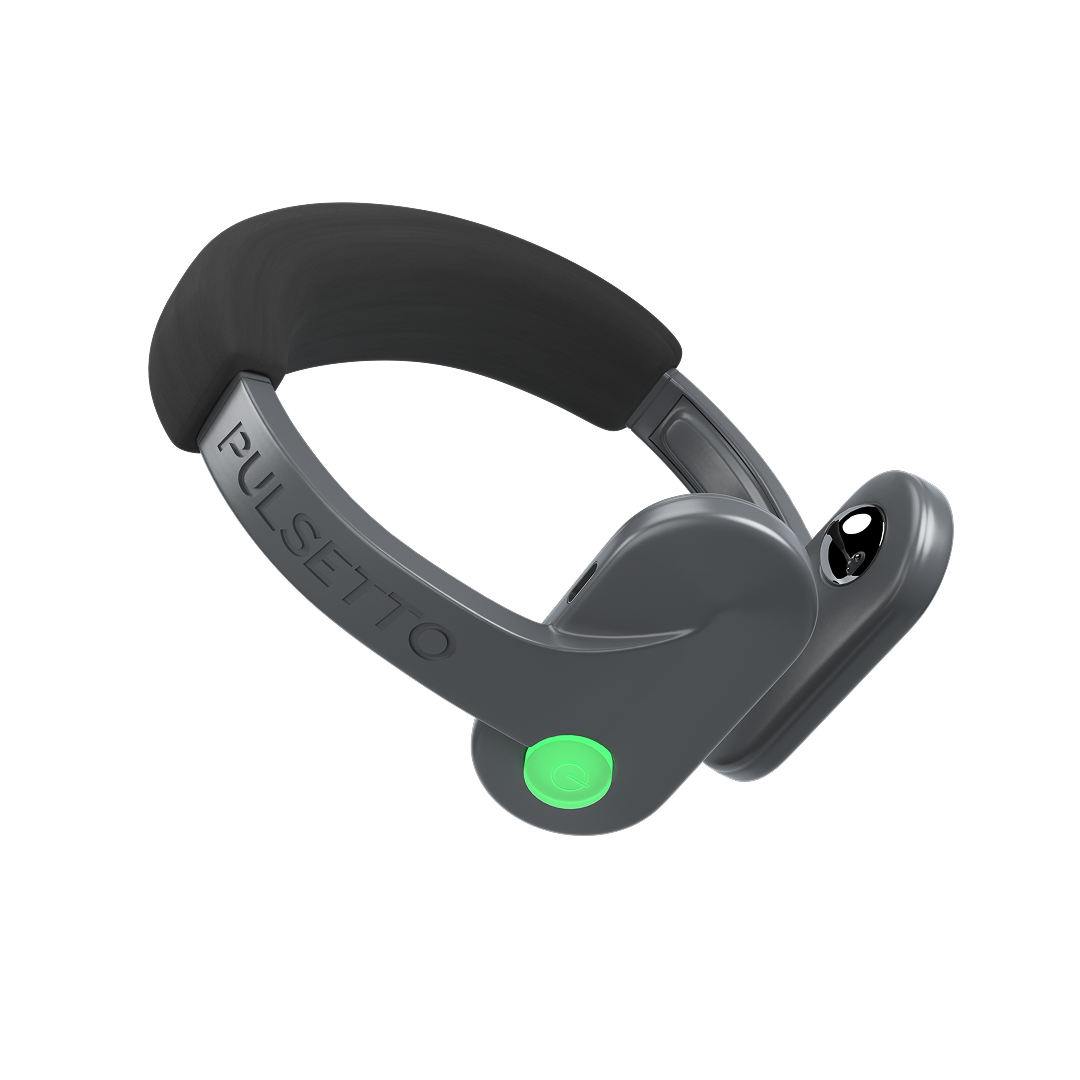
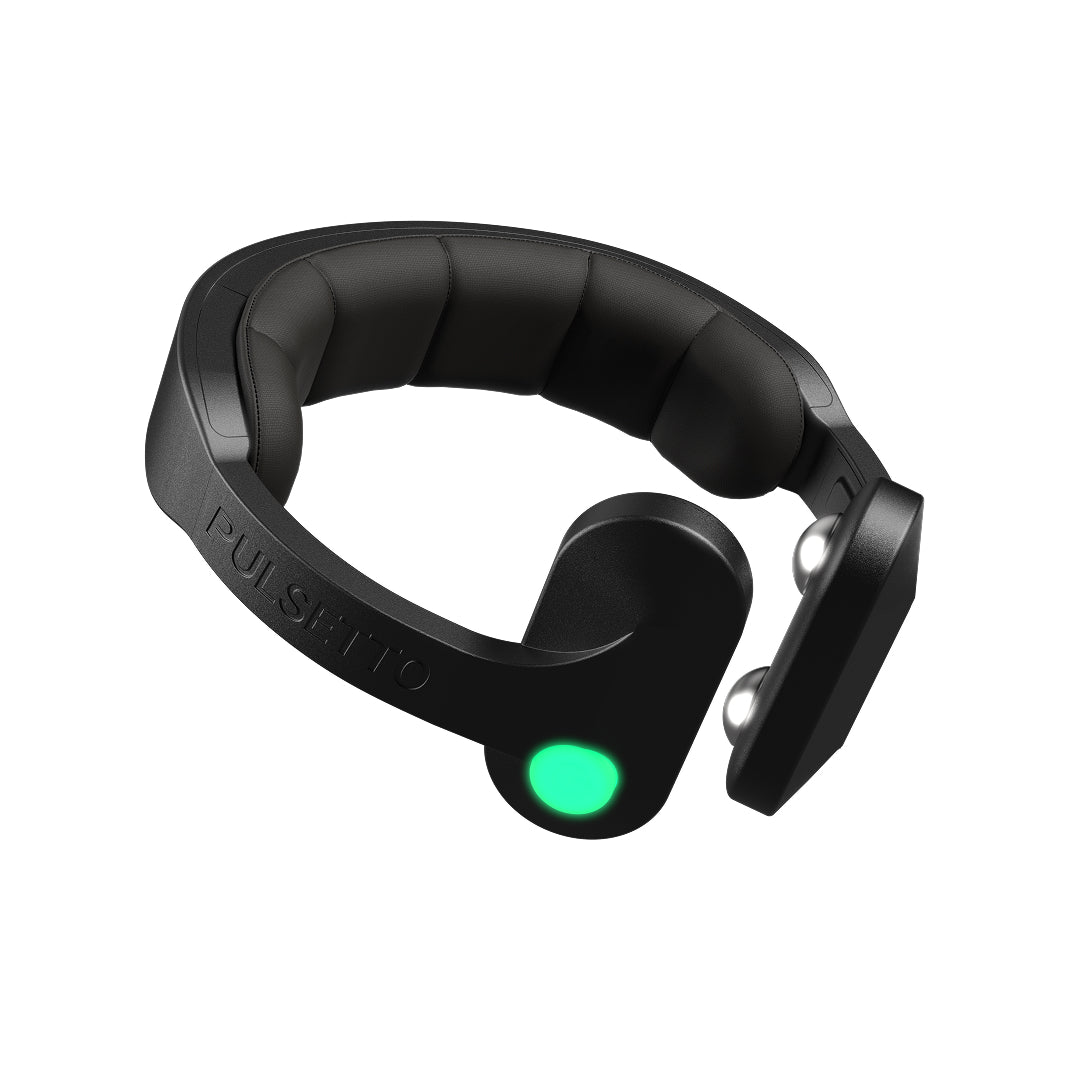
Pulsetto is a general wellness product built around this direct-training approach: a hands-free vagus nerve stimulator that delivers bilateral cervical stimulation in 4-minute sessions. In its own randomized open-label pilot study of 40 adults over 4 weeks, comparing bilateral to unilateral cervical stimulation, participants' PHQ-9 depressive-symptom scores fell 55.9%, GAD-7 anxiety scores fell 45.3%, PSQI sleep-quality scores improved 41.0%, and hair cortisol, a marker of chronic rather than momentary stress, dropped 47.5% in the bilateral group against 31.4% in the unilateral group.
Someone deciding between an indirect and a direct approach to this sixth pillar doesn't have to choose only one. HRV biofeedback and vagus nerve stimulation are additions to the first five pillars, not replacements for them. Sleep debt and social isolation will blunt the benefit of any nervous-system-training device.
Disclaimer: Pulsetto is a general wellness product and is not intended to diagnose, treat, cure, or prevent any disease or medical condition.
Putting the Six Pillars Together: A Practical Weekly Routine
None of the six pillars require an overhaul. A realistic weekly routine draws a little from each: consistent sleep and wake times most nights, since quality matters more than raw hours; three to five sessions of moderate activity such as brisk walking, cycling, or yoga rather than daily maximal-intensity training; one deliberate check-in with a friend or partner during a stressful week rather than defaulting to isolation; a habit of naming a stress-inducing thought and reframing it in the moment rather than suppressing it; five to ten minutes of slow, paced breathing, roughly six breaths a minute, done consistently rather than only during a crisis; and, for the sixth pillar, a short daily session with a vagus nerve stimulator or HRV biofeedback tool for anyone who wants a direct, trackable addition to the other five.
The research behind every pillar above measured weeks of repeated practice, four to twenty weeks depending on the study, not a single session. The honest expectation is gradual, measurable change over a month or two, not an immediate shift.
Who Should Be Careful, and When to Get Professional Help
Building stress resilience through the behaviors above is broadly safe for most healthy adults, but a few groups should get individualized guidance first. Anyone with a pacemaker or other implantable medical device, epilepsy or a seizure disorder, or who is pregnant should not use an electrical vagus nerve stimulation device without medical guidance. Anyone with an active cardiac arrhythmia, a recent neck or throat injury or surgery, or a carotid artery condition should consult a physician before starting one. These contraindications apply specifically to electrical nervous-system-training devices, not to the first five pillars, sleep, exercise, social connection, reappraisal, and mindfulness, which carry no comparable device-specific risk, though anyone starting a new exercise program with an existing cardiovascular condition should check with a doctor first as a general precaution.
Building stress resilience is not a substitute for professional care. Persistent sleep problems, a stress response that doesn't recover between stressors over a period of weeks, or stress accompanied by persistent low mood, hopelessness, or thoughts of self-harm are reasons to talk to a doctor or mental health professional rather than relying on the pillars in this guide alone..
Start Building Stress Resilience Today
Start your first session with Pulsetto’s vagus nerve stimulator, or begin with something free: sleep consistency and five minutes of slow breathing are the easiest starting points among the six pillars above. Give whichever one you pick three weeks before judging whether it's working.
Frequently Asked Questions
Can stress resilience actually be measured, or is it just a mindset?
It's measurable. Researchers quantify it through HPA-axis markers like cortisol reactivity and recovery, and through heart rate variability, a proxy for vagal tone and how quickly the parasympathetic nervous system re-engages after a stressor. Mindset plays a role, but the underlying capacity shows up in blood, saliva, and heart-rhythm data, not just in how someone describes feeling.
How long does it take to build stress resilience?
The studies behind the six pillars in this guide range from 4 to 20 weeks of consistent practice before measuring a change, with most landing around 6 to 8 weeks. There's no single-session fix in the research; a night of good sleep or one workout won't shift the baseline, though both are still worth doing.
Is it safe to use a vagus nerve stimulation device for stress resilience?
For most healthy adults, yes, but a few groups should get medical guidance first: anyone with a pacemaker or other implantable device, epilepsy, or who is pregnant, and anyone with an active cardiac arrhythmia, a recent neck or throat injury or surgery, or a carotid artery condition should consult a physician before starting.
What's the difference between managing stress and building stress resilience?
Managing stress is reactive, a technique used in the moment a stressor hits. Building resilience is the underlying capacity that determines how big that moment's response is and how fast it fades afterward. The six pillars in this guide target the underlying capacity rather than in-the-moment coping.
Does exercise always lower stress hormones?
Not automatically. Dose matters: moderate, consistent activity, especially slower mind-body forms like yoga, lowered cortisol in the research reviewed above, while very high-intensity training trended in the opposite direction. More exercise isn't a guaranteed path to more resilience.
Scientific research
[1] The influence of sleep on human hypothalamic-pituitary-adrenal (HPA) axis reactivity: A systematic review (van Dalfsen et al., 2017, Sleep Medicine Reviews, 263 citations)
[2] The Optimal Exercise Modality and Dose for Cortisol Reduction in Psychological Distress: A Systematic Review and Network Meta-Analysis (Li et al., 2025, Sports, 7 citations)
[3] Social support and oxytocin interact to suppress cortisol and subjective responses to psychosocial stress (Heinrichs et al., 2003, Biological Psychiatry, 1985 citations)
[4] A meta-analysis of cognitive reappraisal and personal resilience (Stover et al., 2024, Clinical Psychology Review, 65 citations)
[5] Effectiveness of stress management interventions to change cortisol levels: a systematic review and meta-analysis(Rogerson et al., 2023, Psychoneuroendocrinology, 66 citations)
[6] Heart Rate Variability Biofeedback Improves Emotional and Physical Health and Performance: A Systematic Review and Meta-Analysis (Lehrer et al., 2020, Applied Psychophysiology and Biofeedback, 368 citations)