What "Stress Endurance" Actually Means

Physical endurance isn't built by attempting your hardest possible effort on day one, it's built through a training program: progressively harder sessions, each followed by enough recovery to adapt before the next one. Stress endurance follows the same logic, and it has an actual clinical training method behind it: stress inoculation training (SIT), which was originally developed for high-stakes professions like the military and emergency response and has since been validated across a much wider range of everyday-stress applications. A meta-analysis pooling 37 studies and more than 1,800 participants found stress inoculation training produced a strong reduction in performance anxiety, a moderate reduction in state anxiety, and a moderate improvement in performance under stress, with no meaningful drop-off when the training was delivered by less experienced trainers or in ordinary group settings rather than clinical ones [1]. SIT breaks into three phases. Building stress endurance means working through all three, not just picking the one that sounds most appealing.
Phase 1: Understand Your Stress Response
The first phase of stress inoculation training is education, and its entire job is to remove surprise. A racing heart, shallow breathing, tunnel focus, a mind that goes blank mid-sentence, these are predictable, known physiological events, not signs that something has gone wrong. An athlete who knows what a lactate-threshold effort or the day-two soreness after a hard session actually feels like doesn't misread those sensations as an injury. The same reframe applies here: once you know exactly what your body does under stress, that response stops registering as an emergency and starts registering as data.
A useful first exercise is genuinely can be after your next demanding stretch, write down or say out loud exactly what happened in your body, in order, so you recognize the pattern next time instead of reacting to it as new information.
Phase 2: Build Your Recovery and Coping Toolkit
The middle phase of stress inoculation training is skill rehearsal, practicing specific coping tools in low-stakes moments so they're already familiar by the time you need them under real pressure, the same reason an athlete rehearses pacing strategy in training rather than improvising it mid-race. Two things belong in this toolkit with real evidence behind them.
The first is a belief, not a technique: simply believing you're capable of coping with a stressor is itself a meaningful, measurable predictor of how resilient you turn out to be. One study measured students' academic self-efficacy before exposing them to an adverse scenario and found it significantly predicted their resilience afterward, explaining roughly a quarter of the variance in how well they coped with a personal setback [2]. Believing you can handle what's coming isn't just a nice attitude, it's doing real predictive work.
The second is an actual recovery skill you can call on. A meta-analysis of 24 controlled studies found that paced breathing combined with heart rate variability feedback produces a large reduction in self-reported stress and anxiety, one of the biggest effect sizes recorded for any non-drug intervention studied for this purpose [3]. This is the toolkit skill that closes out a stress response instead of leaving it to fade on its own.

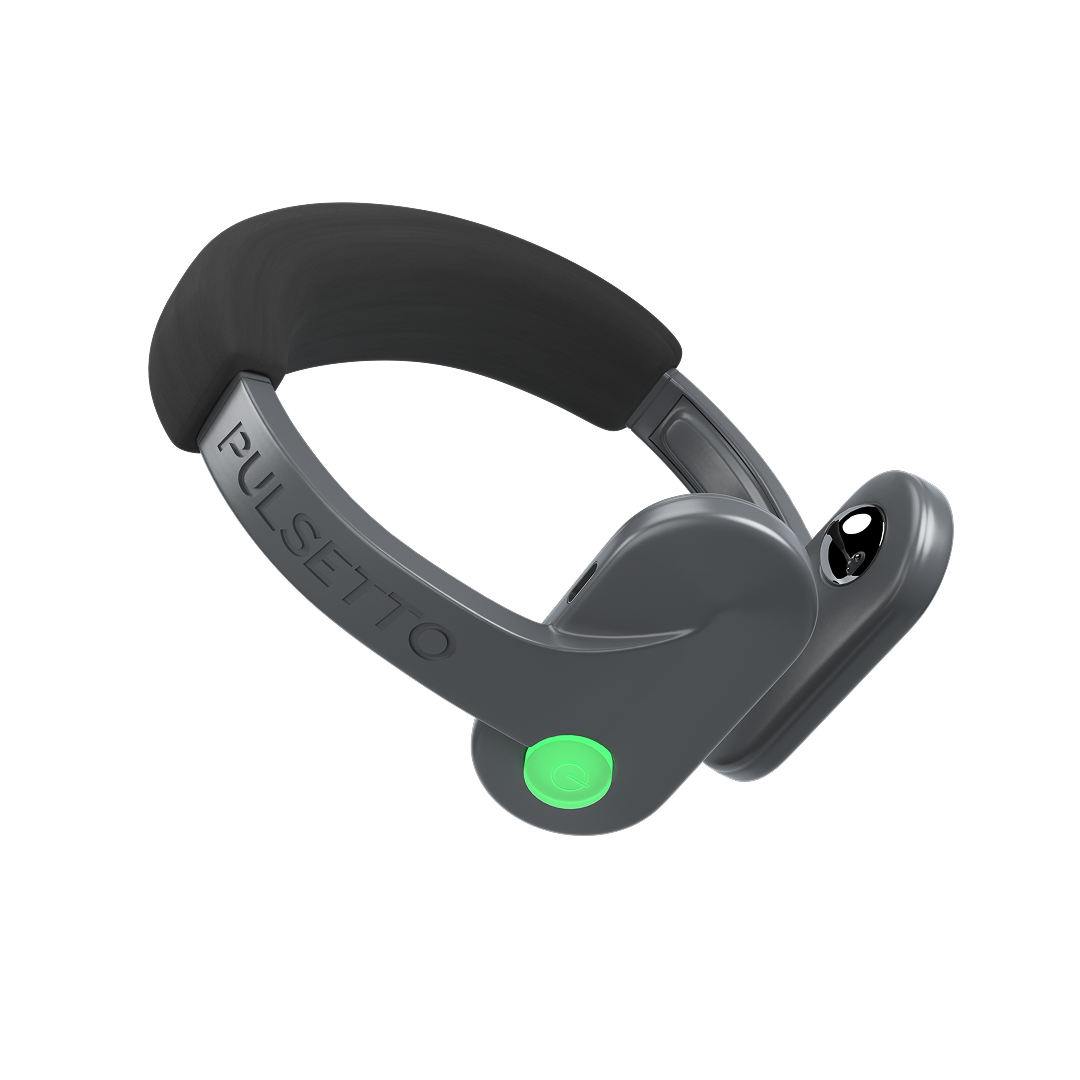
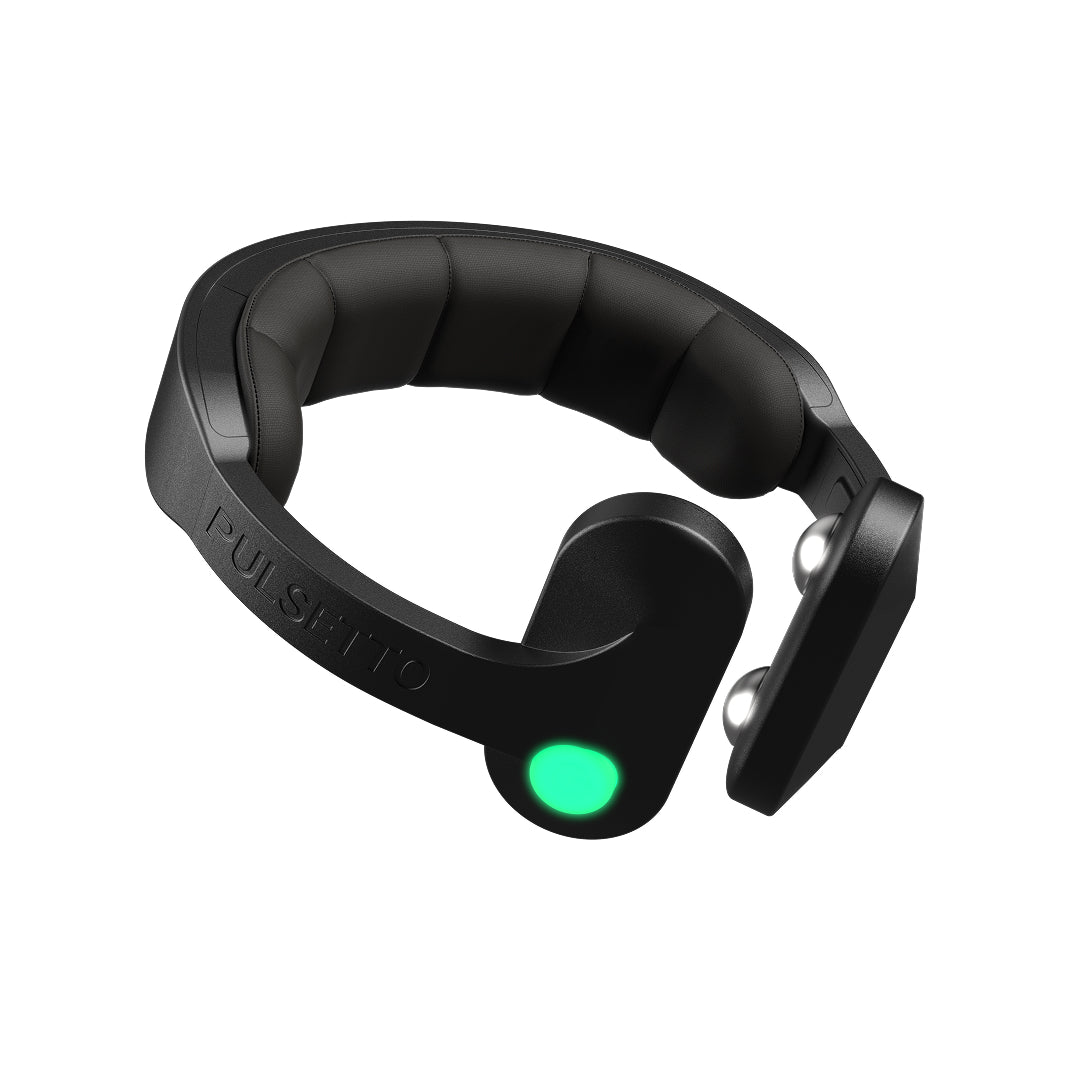
Phase 2 doesn't require every toolkit entry to take weeks of practice to get right. Pulsetto is a neck-worn vagus nerve stimulator you can add to the toolkit and start using in your very first practice rep rather than building up to it, a fixed few minutes that stimulates the vagus nerve on both sides of the neck at once.
In Pulsetto's own randomized, open-label pilot study, 40 adults saw PHQ-9 depressive-symptom scores drop 55.9% over four weeks; on hair cortisone, another biomarker of accumulated stress, bilateral stimulation produced a 63.2% reduction compared with 36.2% for one-sided stimulation. What it adds to a stress-endurance toolkit is a recovery rep with no technique to get wrong and no rehearsal period before it starts working.
Disclaimer: Pulsetto is a general wellness product and is not intended to diagnose, treat, cure, or prevent any disease or medical condition.
Phase 3: Apply and Progress Through Graduated Practice
The final phase is where the training actually gets tested. Applying what you've rehearsed in real situations, starting with manageable ones and working up, the same progression logic as building from short, easy intervals to longer, harder ones in a training block.
What separates a rep that builds endurance from one that just happens to you is what you do immediately afterward. A model describing how resilience gets strengthened by stressor exposure proposes that a specific reflective process, noticing your initial reaction, identifying what triggered it, reappraising it, evaluating how you responded, and considering what you'd do differently, measurably builds the coping resources, coping-skill usage, and resilient beliefs available for the next stressor [4].
The same research notes this works best after moderate stress specifically: too mild a stressor gives you nothing to reflect on, and true overwhelm short-circuits the reflection process entirely. In practice, that means treating the five minutes after a hard stretch as part of the training, not dead time: what actually happened, what you reached for, what you'd reach for next time.
When to Get Professional Guidance First
Phases 1 and 2's education and belief-building work are safe for essentially everyone, and paced breathing carries minimal risk for almost anyone. The exception is adding an electrical vagus nerve stimulation device to the recovery toolkit: anyone with a pacemaker or other implantable device, epilepsy or a seizure disorder, or who is pregnant should get medical guidance before using one, along with anyone with an active cardiac arrhythmia, a recent neck or throat injury or surgery, or a carotid artery condition, contraindications consistent with the broader safety literature on transcutaneous vagus nerve stimulation [5].
More broadly, if a "rep" never actually resolves, if the reflection step in Phase 3 keeps turning up the same unprocessed distress with no forward movement, that's not a training-program problem, that's a signal to bring in a doctor or mental health professional, especially if it shows up as persistent low mood, hopelessness, or thoughts of self-harm.
Try Pulsetto
Pulsetto is a hands-free vagus nerve stimulator built for the recovery rep in a stress-endurance toolkit, a fixed few minutes with nothing to rehearse first. Start your first session with the Pulsetto vagus nerve stimulator, or see what real users say first.
Frequently Asked Questions
How long does it take to build stress endurance?
Treat it like a training block rather than a single event. The underlying skills, recognizing your stress response, rehearsing recovery tools, and reflecting after real stressors, compound over weeks of consistent reps rather than producing a felt difference after one hard week.
Do I need to seek out extra stress to build endurance?
No. Stress inoculation training works with the demanding situations already in your life, applying the three phases to them, rather than requiring you to manufacture new hardship. The goal is a trained response to what's already happening, not a bigger pile of stressors.
Is it safe to add a vagus nerve stimulation device to the recovery toolkit?
For most healthy adults, yes, but anyone with a pacemaker or other implantable device, epilepsy, or who is pregnant should get medical guidance first, along with anyone with an active cardiac arrhythmia, a recent neck or throat injury or surgery, or a carotid artery condition.
What's the difference between stress endurance and stress capacity?
They're closely related but describe different things. Capacity is closer to the total buffer you have before a demand tips into overload. Endurance is the trained ability to move through repeated, real stressors and recover well between them, built the same way physical endurance is built, through structured reps rather than raw tolerance.
Scientific Research
[1] The Effect of Stress Inoculation Training on Anxiety and Performance (Saunders, Driskell, Hall & Salas, 1996, Journal of Occupational Health Psychology, 276 citations)
[2] Resilience Building in Students: The Role of Academic Self-Efficacy (Cassidy, 2015, Frontiers in Psychology, 487 citations)
[3] The effect of heart rate variability biofeedback training on stress and anxiety: a meta-analysis (Goessl et al., 2017, Psychological Medicine, 497 citations)
[4] How resilience is strengthened by exposure to stressors: the systematic self-reflection model of resilience strengthening (Crane, Searle, Kangas & Nwiran, 2018, Anxiety, Stress, & Coping, 204 citations)
[5] Safety and tolerability of transcutaneous vagus nerve stimulation in humans: a systematic review (Redgrave et al., 2018, Brain Stimulation, 215 citations)