Morning: Anchor Your Cortisol Rhythm With Light

Cortisol is supposed to spike in the first 30 to 45 minutes after waking, called the cortisol awakening response, a burst that helps mobilize the body for the day's demands and even helps process the previous day's stress. A controlled study found that exposure to 800 lux of light shortly after waking increased this morning cortisol surge by roughly 35% compared to darkness, while the same light exposure in the evening had no effect at all [1]. Practically, that means opening the blinds, stepping outside, or turning on a bright light in the first few minutes after waking is a genuine lever on your morning stress-hormone rhythm, not just a mood trick. It costs nothing and takes less time than making coffee.
Midday: Take a Movement Break Before the Afternoon Slump
A meta-analysis of 103 studies and over 4,600 participants found that a single bout of exercise reliably improves mood and reduces anxiety and depressive symptoms within 30 minutes [2]. It doesn't need to be a workout: a walk around the block or a few flights of stairs mid-morning or early afternoon, before stress has a chance to compound through the rest of the day, does the job. This step overlaps with a full daily stress fitness routine, but the version that matters for resilience specifically is smaller and less structured: one break, placed before you need it, not after you're already depleted.
Midday: Reframe One Stressful Thought
Cognitive reappraisal, catching a stressful interpretation of a situation and consciously reframing it, is one of the more heavily studied resilience-building habits, and one of the few with a genuinely large evidence base behind it. A meta-analysis spanning nearly 30,000 people across 64 independent samples found a strong, consistent correlation between habitually using cognitive reappraisal and measured personal resilience, holding up across age groups and cultures [3]. In practice, this means picking one moment a day, a frustrating email, a delay, a tense conversation, and deliberately asking "what's another way to read this" before reacting. It's a habit built through repetition on ordinary days, not something to attempt for the first time during a genuinely hard one.
Afternoon: Write Down One Thing That Went Right
A two-week daily-diary study found that people who wrote down something they felt grateful for each day showed a weaker link between how stressful their day was and how much that stress affected their well-being, compared to people who didn't, the stress still happened, but it did less damage [4]. This doesn't require a journal or a ritual: one sentence, a specific thing rather than a vague category, done at roughly the same point each day, like right before closing your laptop, is enough for the habit to form.
Evening: Protect One Real Connection
Social support measurably blunts the body's stress hormone response, not just how someone feels about a stressful day. A placebo-controlled study found that having a supportive person present before a standardized stress test suppressed cortisol responses compared to facing the same stressor alone, with the effect strongest when paired with a warm, trusted interaction rather than a transactional one [5]. One genuine check-in a day, a call, a real conversation instead of a text, counts more toward resilience than a longer list of shallower ones.
Evening: End With a Deliberate Down-Regulation Practice

Most of the day's stress response gets triggered and left running. A deliberate down-regulation practice in the evening, a few minutes of slow paced breathing, heart rate variability biofeedback, or a vagus nerve stimulation device, gives the parasympathetic side of the nervous system a direct nudge to actually turn the response off rather than letting it fade on its own overnight. A meta-analysis of 58 controlled heart rate variability biofeedback studies found small-to-moderate improvements across anxiety, depression, and anger [6], evidence that this kind of direct training does something measurable, not just something that feels relaxing in the moment.
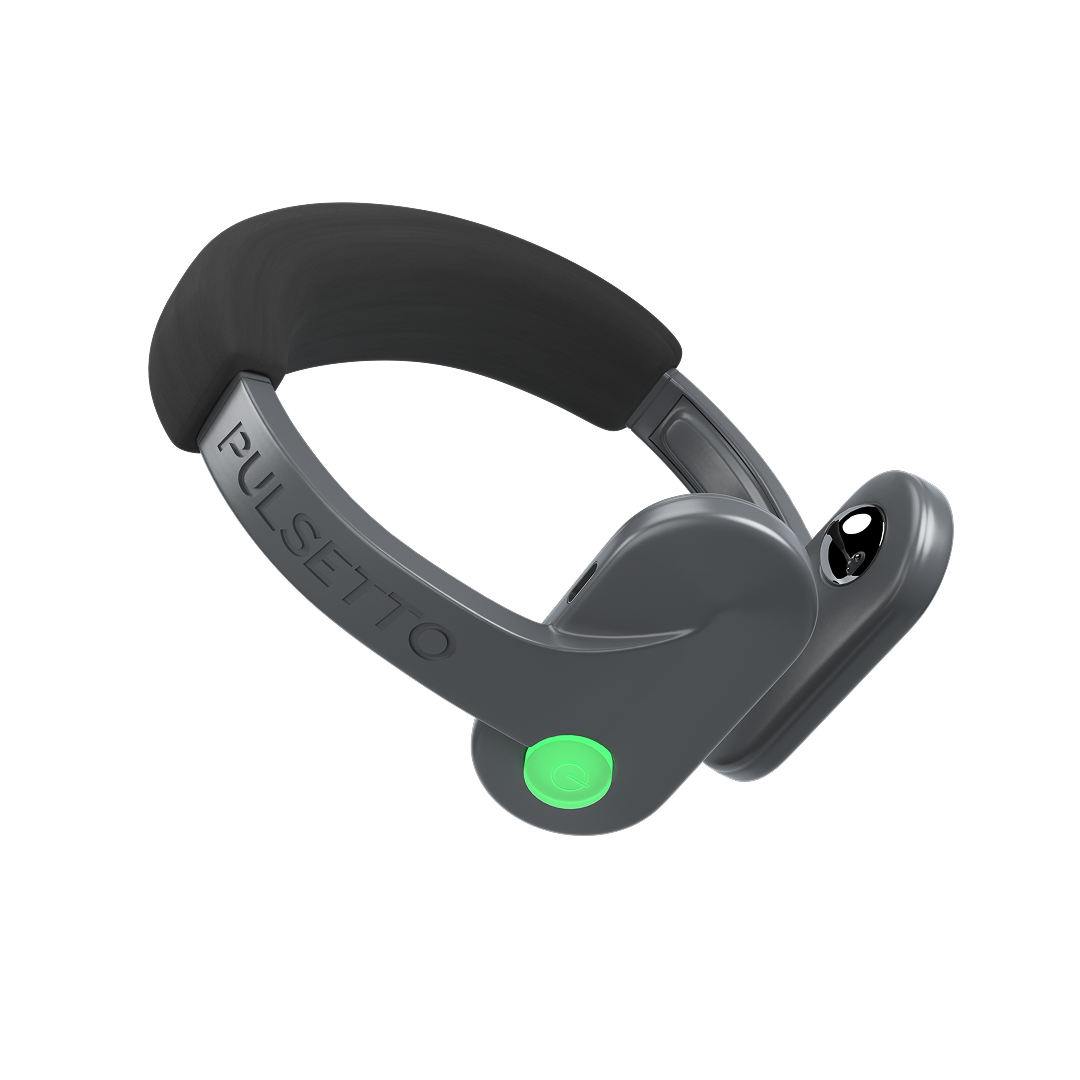
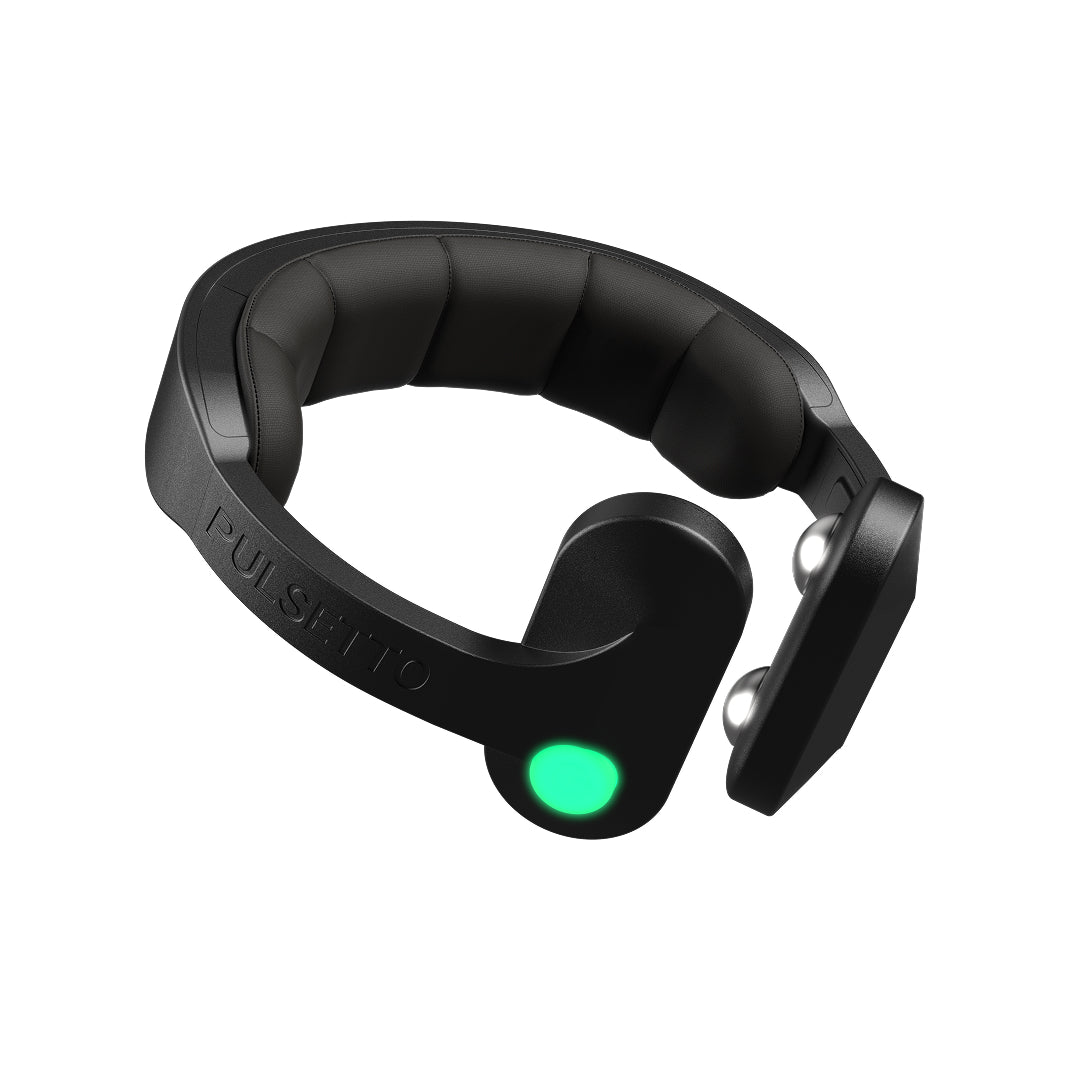
Pulsetto is one example built for this slot specifically: a hands-free device worn around the neck that delivers bilateral cervical vagus nerve stimulation, both sides of the neck at once, in 4-minute sessions short enough to fit into an evening wind-down without becoming its own chore. In Pulsetto's own randomized open-label pilot study of 40 adults over 4 weeks, the bilateral approach reduced hair cortisol, a marker of accumulated chronic stress rather than a single day's spike, by 47.5%, against 31.4% for unilateral stimulation, alongside a 45.3% drop in GAD-7 anxiety scores and a 41.0% improvement in PSQI sleep-quality scores. The app also displays HRV and sleep trends from whatever tracker is already part of your routine, so the evening session and the daily habits above show up on the same dashboard rather than scattered across apps.
Disclaimer: Pulsetto is a general wellness product and is not intended to diagnose, treat, cure, or prevent any disease or medical condition.
A Sample Day
-
Morning, within 10 minutes of waking: open the blinds or step outside for a few minutes before checking your phone.
-
Late morning or early afternoon: a 10 to 15 minute walk, ideally before the point in the day stress usually peaks.
-
Sometime midday: catch one stressful thought and consciously reframe it, out loud or in your head.
-
Late afternoon: write down one specific thing that went right that day, one sentence is enough.
-
Evening: one real check-in with a person you trust, not a group chat glance.
-
Before bed: 4 to 5 minutes of slow breathing or a nervous-system-recovery device, done at roughly the same time each night.
When to Get Professional Guidance First

These six habits are safe for essentially everyone, they're behavioral, not physical exertion or a medical intervention. The one exception is the evening down-regulation step if it involves an electrical vagus nerve stimulation device: anyone with a pacemaker or other implantable device, epilepsy or a seizure disorder, or who is pregnant should get medical guidance before using one, along with anyone with an active cardiac arrhythmia, a recent neck or throat injury or surgery, or a carotid artery condition. More broadly, if daily stress isn't easing despite consistent habits over several weeks, or comes with persistent low mood, hopelessness, or thoughts of self-harm, that's a signal to talk to a doctor or mental health professional rather than relying on a habit checklist alone.
Try Pulsetto
Pulsetto is a hands-free vagus nerve stimulator built for the evening wind-down step above: 4-minute sessions, with an app that displays HRV and sleep data pulled from whatever tracker you already use. Start your first session with the Pulsetto vagus nerve stimulator, or see what real users say first.

Frequently Asked Questions
Do I need to do all six habits every day?
No. Starting with one or two and building from there works better than attempting all six and abandoning the whole list after a difficult week. Attach each new habit to something you already do daily so it doesn't need its own separate reminder.
How is this different from exercising for stress?
Exercise is one input among six here. This checklist adds light exposure, cognitive reframing, gratitude, social connection, and evening down-regulation alongside movement, since resilience is built by more than one lever, and the habits that don't involve exercise are often the easiest to start with.
Is it safe to add a vagus nerve stimulation device to the evening routine?
For most healthy adults, yes, but anyone with a pacemaker or other implantable device, epilepsy, or who is pregnant should get medical guidance first, along with anyone with an active cardiac arrhythmia, a recent neck or throat injury or surgery, or a carotid artery condition.
How long before these habits actually build resilience?
Most of the research behind these habits measured effects over two to eight weeks of consistent practice, not a single day. A hard day right after starting isn't evidence the habits aren't working, it's a reason to keep going through the next few weeks before judging.
Scientific research
[1] Light affects morning salivary cortisol in humans (Scheer & Buijs, 1999, The Journal of Clinical Endocrinology & Metabolism, 297 citations)
[2] Affective Responses to Acute Exercise: A Meta-Analysis of the Potential Beneficial Effects of a Single Bout of Exercise on General Mood, Anxiety, and Depressive Symptoms (Weinstein et al., 2024, Psychosomatic Medicine, 21 citations)
[3] A meta-analysis of cognitive reappraisal and personal resilience (Stover et al., 2024, Clinical Psychology Review, 65 citations)
[4] Counting One's Blessings Can Reduce the Impact of Daily Stress (Krejtz et al., 2016, Journal of Happiness Studies, 68 citations)
[5] Social support and oxytocin interact to suppress cortisol and subjective responses to psychosocial stress (Heinrichs et al., 2003, Biological Psychiatry, 1985 citations)
[6] Heart Rate Variability Biofeedback Improves Emotional and Physical Health and Performance: A Systematic Review and Meta-Analysis (Lehrer et al., 2020, Applied Psychophysiology and Biofeedback, 368 citations)