Step 1: Pick Your Anchor Time and Protect It

The single biggest lever in a routine that survives past week two is doing it at the same time of day, not the specific hour itself. Research does show a modest edge for consistent morning activity: a systematic review of exercise-timing studies found that long-term morning exercise tended to lower the cortisol awakening response and improve sleep quality, while short-term evening exercise didn't damage sleep quality but did shift some circadian markers [1]. That's a reason to choose mornings if your schedule is flexible, not a reason to abandon an evening routine that you'll actually keep. An inconsistent "whenever I have energy" approach is the version most likely to disappear within a month.
Step 2: Start With a Dose You'll Actually Repeat
The standard guidance of 150 minutes of moderate activity a week is a reasonable target, but it's also the reason a lot of routines never start: it sounds like a schedule only someone with an hour of free time a day can keep. A scoping review of "exercise snacks," brief, intermittent bouts of activity spread across the day rather than one continuous session, found they're feasible, safe, and linked to real improvements in cardiorespiratory fitness even in people who were previously inactive [2]. Practically, that means three separate 5-minute walks or stair sessions count, and starting there beats waiting for a day with a free 30-minute block that may not come.
Step 3: Give It Six Weeks Before You Judge It
Most people abandon a new routine because it still feels effortful after a week or two and they read that as evidence it isn't working. A longitudinal study of new gym members found that exercising at least four times a week for six weeks was the minimum needed for the behavior to start feeling automatic rather than like a decision made from scratch each time [3]. Six weeks of four sessions is a specific, checkable target, not an indefinite "keep trying." If it still feels like a chore at week seven despite hitting that frequency, the activity itself, not your willpower, is probably the thing to change.
Step 4: Stack a Recovery Practice on Top of the Movement
Movement and nervous-system recovery aren't competing options, they compound. A meta-analysis of over 4,600 participants across 103 studies found a single bout of exercise reliably improves mood, and reduces anxiety and depressive symptoms measured within 30 minutes afterward [4]. Adding a short, deliberate down-regulation practice right after movement, a few minutes of slow paced breathing, heart rate variability biofeedback, or a vagus nerve stimulation device, gives the parasympathetic side of the nervous system a direct nudge on top of that. A meta-analysis of 58 controlled heart rate variability biofeedback studies found small-to-moderate improvements across anxiety, depression, and anger [5], evidence that this kind of direct training adds something real rather than just feeling relaxing in the moment.
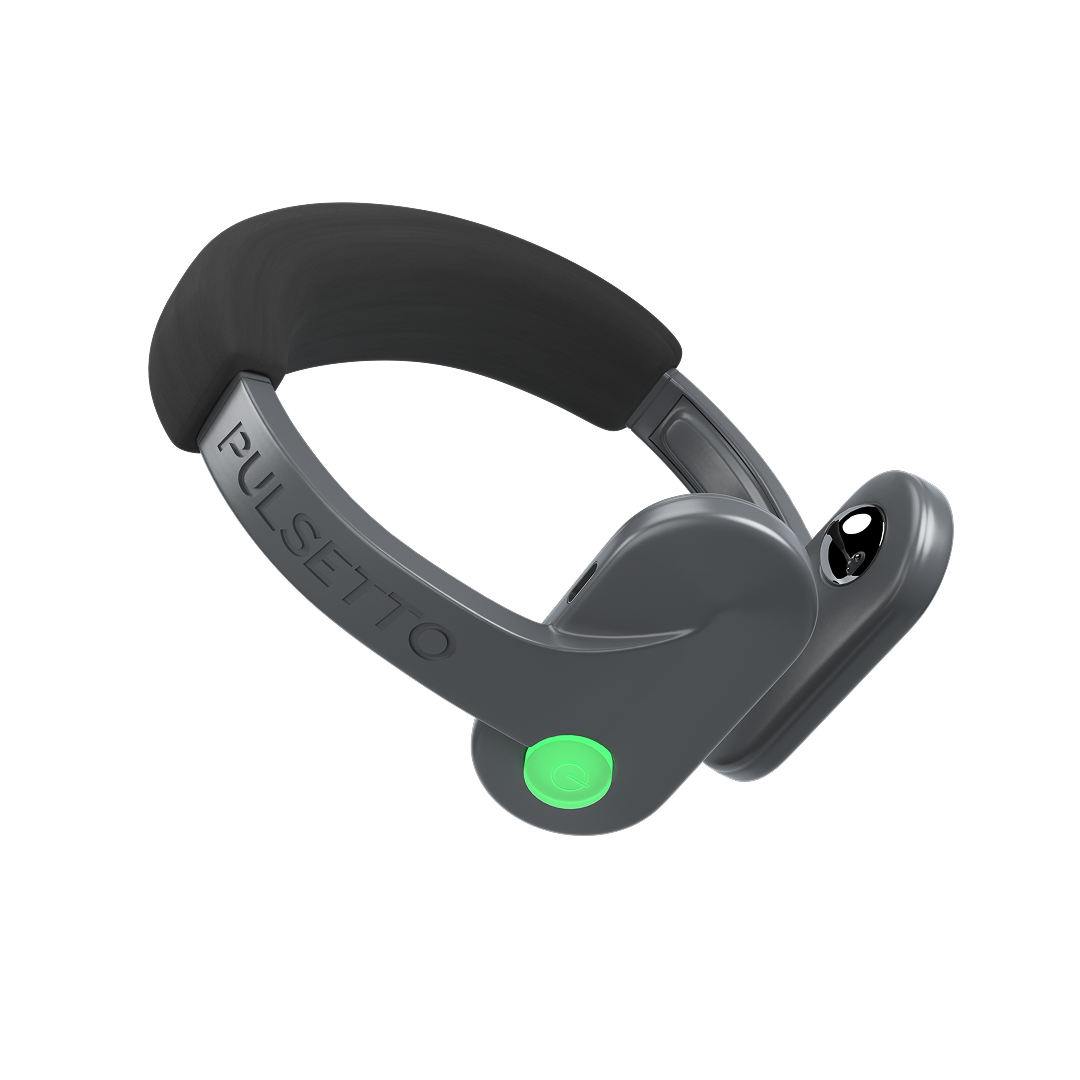
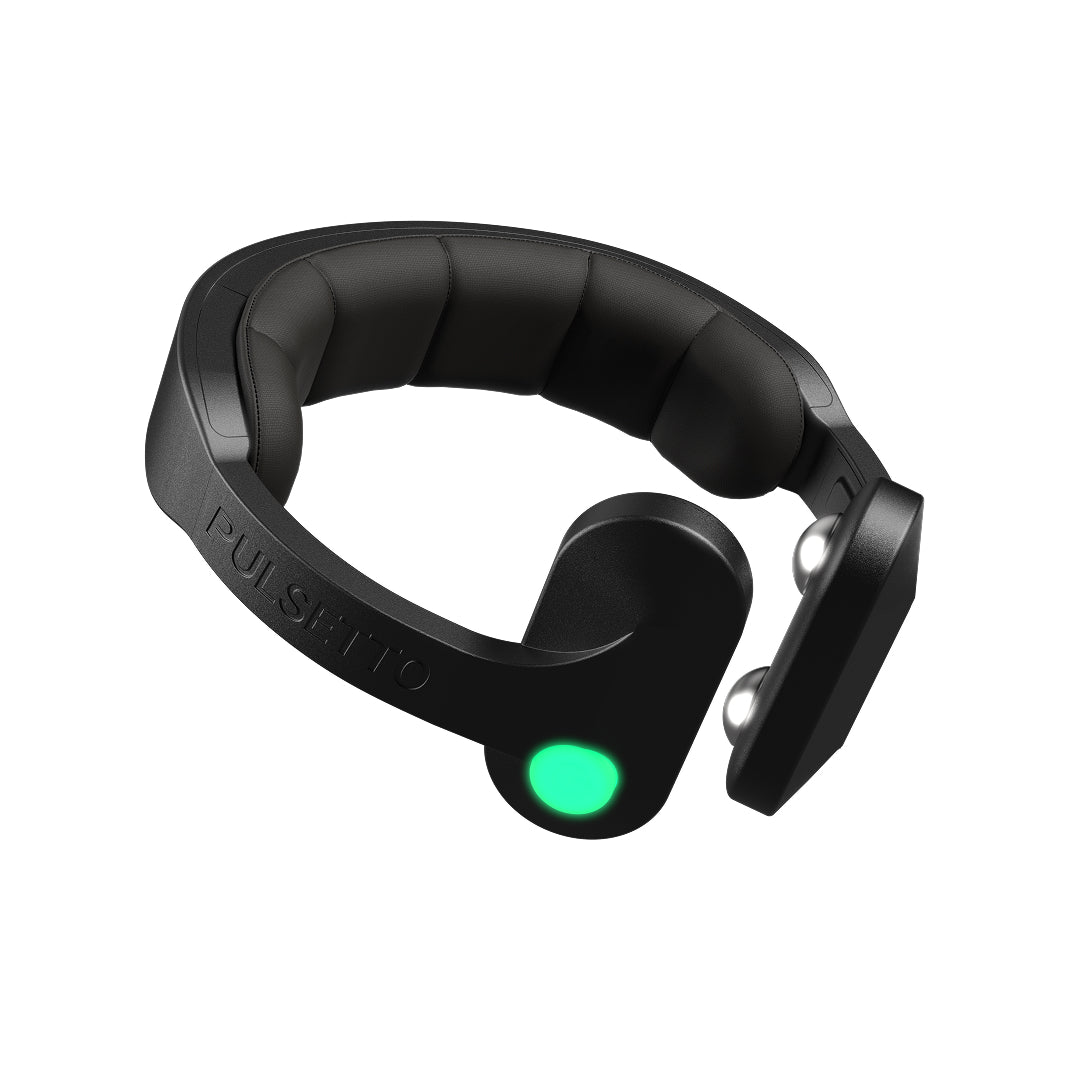
Pulsetto is one example built for exactly this slot. It's a hands-free device worn around the neck that delivers bilateral cervical vagus nerve stimulation, both sides at once, in 4-minute sessions, short enough to fit right after a workout or a walk without turning recovery into its own separate time commitment.

In Pulsetto's own randomized open-label pilot study of 40 adults over 4 weeks, the bilateral approach outperformed unilateral stimulation on every measured outcome, including a 47.5% drop in hair cortisol against 31.4% for unilateral, a chronic-stress marker that reflects weeks of accumulated recovery rather than a single session.
The companion app also displays HRV and sleep trends pulled from whatever tracker is already part of the routine, alongside the stimulation sessions, useful for Step 5 below: one place to check whether the recovery habit is actually changing anything, instead of switching between apps.
Disclaimer: Pulsetto is a general wellness product and is not intended to diagnose, treat, cure, or prevent any disease or medical condition.
Step 5: Track One Number So You Know It's Working
A single-workout mood boost fades within a day; what a routine is actually supposed to change is the underlying rhythm. A meta-analysis of physical activity and cortisol regulation found habitual activity is associated with a steeper, healthier diurnal cortisol slope, the pattern of cortisol dropping across the day the way it's supposed to, rather than staying flat [6], though the same analysis found no consistent change in the cortisol awakening response specifically. That's a two-to-four-week signal, not a same-day one. Pick one thing to track weekly, a 1-to-10 stress rating at the same time each evening, or resting HRV from whatever wearable you already use, and look at the trend line after a month rather than judging any single day.
A Sample Week
A realistic starting week doesn't need to look impressive, it needs to be repeatable:
-
Monday, Wednesday, Friday: 15 to 20 minutes of brisk walking, cycling, or a bodyweight circuit at the same time of day, followed by 4 to 5 minutes of slow breathing or a nervous-system-recovery device.
-
Tuesday, Thursday: three 3-to-5 minute movement snacks spread through the day, a walk around the block, a flight of stairs a few times, on days when a full session isn't realistic.
-
Saturday or Sunday: one longer session, 30 to 45 minutes, of whatever activity is genuinely enjoyable, since enjoyment is one of the stronger predictors of whether a routine survives past the first month.
One rest day with no scheduled activity, since the goal is a sustainable weekly pattern, not a streak that breaks the first time life interferes.
When to Get Professional Guidance First

Most adults can start a walking-based routine without medical clearance, but a few groups should check with a doctor first: anyone with a diagnosed heart condition, anyone who hasn't exercised in a long time and plans to jump straight into vigorous activity, and anyone managing a chronic condition that activity could affect. If the recovery step includes an electrical vagus nerve stimulation device, additional groups should get medical guidance before using one: anyone with a pacemaker or other implantable device, epilepsy or a seizure disorder, anyone who is pregnant, and anyone with an active cardiac arrhythmia, a recent neck or throat injury or surgery, or a carotid artery condition.
Start Today
Pick your anchor time for tomorrow right now, before closing this page, since a routine planned "sometime this week" reliably becomes a routine planned never. Start your first session with the Pulsetto vagus nerve stimulator if a device-based recovery step is part of your plan, or just put a 15-minute walk on tomorrow's calendar and stack the rest of these steps on afterward.
Frequently Asked Questions
How long until a stress fitness routine feels automatic?
Research on new gym members found four sessions a week for six weeks was the minimum for exercise to start feeling automatic rather than like a decision each time. Broader habit research puts the full range anywhere from about two months to eight months depending on the person and the behavior, so six weeks is a reasonable first checkpoint, not a guarantee.
Is morning or evening better for a stress fitness routine?
Morning has a slight edge for long-term cortisol rhythm and sleep quality, but the research on this is modest, and evening exercise doesn't meaningfully hurt sleep in the short term. Picking the time you'll actually protect matters more than picking the theoretically optimal one.
What if I only have 5 minutes some days?
Use them. Short "exercise snack" bouts spread across the day are a real, evidence-backed strategy, not a consolation prize, and they're specifically useful for the days a full session isn't realistic.
Is it safe to add a vagus nerve stimulation device to this routine?
For most healthy adults, yes, but anyone with a pacemaker or other implantable device, epilepsy, or who is pregnant should get medical guidance first, along with anyone with an active cardiac arrhythmia, a recent neck or throat injury or surgery, or a carotid artery condition.
Do I need to hit 150 minutes a week to see benefits?
No. That figure is a general target for overall health, not a minimum threshold below which nothing happens. Shorter, more frequent bouts produce measurable benefits and are more realistic for most people just starting out.
Scientific research
[1] Effects of exercise timing and intensity on physiological circadian rhythm and sleep quality: a systematic review (Kim et al., 2023, Physical Activity and Nutrition, 58 citations)
[2] Exercise Snacks and Other Forms of Intermittent Physical Activity for Improving Health in Adults and Older Adults: A Scoping Review (Jones et al., 2024, Sports Medicine, 72 citations)
[3] Exercise habit formation in new gym members: a longitudinal study (Kaushal & Rhodes, 2015, Journal of Behavioral Medicine, 256 citations)
[4] Affective Responses to Acute Exercise: A Meta-Analysis of the Potential Beneficial Effects of a Single Bout of Exercise on General Mood, Anxiety, and Depressive Symptoms (Weinstein et al., 2024, Psychosomatic Medicine, 21 citations)
[5] Heart Rate Variability Biofeedback Improves Emotional and Physical Health and Performance: A Systematic Review and Meta-Analysis (Lehrer et al., 2020, Applied Psychophysiology and Biofeedback, 368 citations)
[6] Physical Activity and Cortisol Regulation: A Meta-Analysis (Moyers et al., 2023, Biological Psychology, 66 citations)