Key Takeaways
-
Vagus nerve stimulation (Pulsetto): A 4-minute daily nVNS session for ANS regulation and stress support, backed by the body of nVNS research and Pulsetto's own n=40 pilot study data. CE certified, hands-free, 100,000+ users.
-
HRV and sleep tracking (Oura Ring, WHOOP 5.0, Apple Watch Series 10): HRV is the most actionable biometric most users have never systematically tracked. Consistent measurement across four to six weeks reveals patterns that single-night snapshots miss entirely.
-
Sleep environment (Eight Sleep Pod, Hatch Restore 2): Temperature regulation and light-based circadian signaling are the two highest-leverage passive interventions for sleep quality. Together they address both sides of the sleep onset problem without medication.
-
Red light therapy (Joovv Go 2.0, Mito PRO Series): Photobiomodulation has a substantial research base for mitochondrial function and muscle recovery, but results require consistent 15 to 20 minute daily sessions and vary meaningfully by application distance and skin type.
-
Metabolic tracking (Levels, Dexcom Stelo): Continuous glucose monitors reveal real-time blood sugar responses to food, stress, and sleep that no static test captures. Most useful for people who want to understand their metabolic responses, not for those who already manage blood sugar medically.
HRV and Sleep Trackers
HRV (heart rate variability) is the beat-to-beat variation in the time between heartbeats, and it is the most actionable metric any HRV tracker produces. Most biohacking wearables now capture it passively. High HRV indicates a nervous system that can shift fluidly between activation and recovery. Low HRV indicates chronic sympathetic dominance: the body stuck in a lower-gear stress state that degrades sleep, slows recovery, and raises long-term cardiovascular risk.
A 2025 review published in Medicine International (Gitler et al.) confirmed that non-invasive vagal neuromodulation approaches, including HRV biofeedback, produce meaningful cardiovascular and autonomic regulation benefits in regular users, reinforcing why improving HRV is one of the most evidence-backed targets in the category.
Oura Ring (Gen 5)
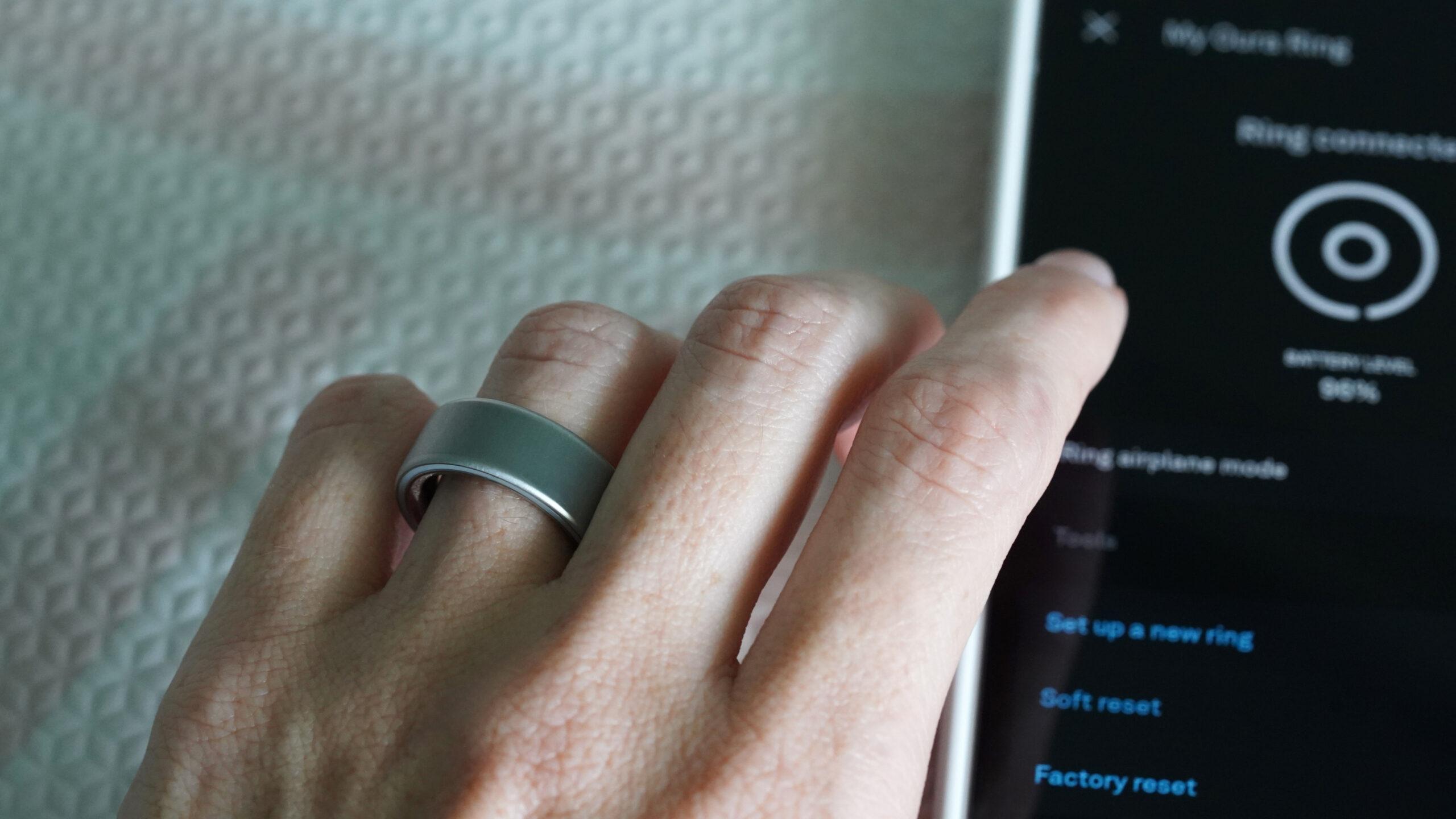
The Oura Ring is the most accurate consumer sleep tracker currently available in ring form, using a combination of PPG (photoplethysmography), accelerometer, and temperature sensors to generate nightly Readiness, Sleep, and Activity scores.
Its particular strength is trend data across weeks: the ring detects illness onset, hormonal cycle patterns, and alcohol's effect on sleep architecture consistently and without user input. The Sleep Score disaggregates into component metrics (REM, deep sleep, latency, efficiency) rather than delivering a single summary number.
Oura's sleep stage accuracy is adequate but not clinical-grade. Cross-referencing with PSG (polysomnography) studies shows consistent discrepancies in light sleep and wake detection. Treat the trends as directionally reliable, not the individual metrics as precise.
Best for: People who want passive, low-friction baseline data over months rather than real-time coaching.
WHOOP 5.0
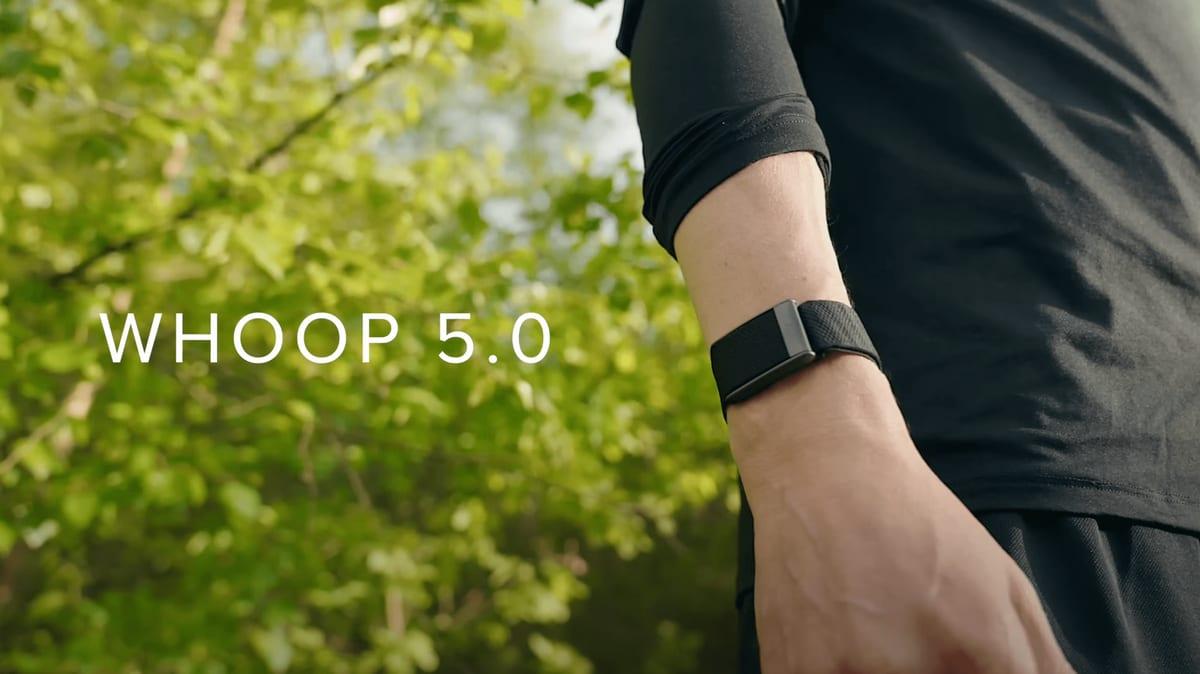
WHOOP combines continuous HRV measurement with a Recovery score that integrates sleep quality, sleep debt, and strain history to give a daily readiness recommendation. Its coaching layer is more directive than Oura's: WHOOP tells you explicitly whether today is a day to push or recover based on your biometric history.
The subscription model (from $199/year for the One tier, with the device included) has no upfront hardware cost separate from the membership, which makes the entry barrier lower. HRV data is captured in the 4 to 5 AM period when the nervous system is at its most stable baseline, making it more comparable day-to-day than wrist-worn measurements taken during active periods.
However, the coaching recommendations can feel prescriptive in ways that create performance anxiety around recovery metrics, particularly for people who are already anxious about sleep. Using it as data input rather than instruction is worth intentionally cultivating.
Best for: Athletes, people with demanding training loads, and anyone who responds well to structured daily guidance rather than raw data.
Apple Watch Series 10
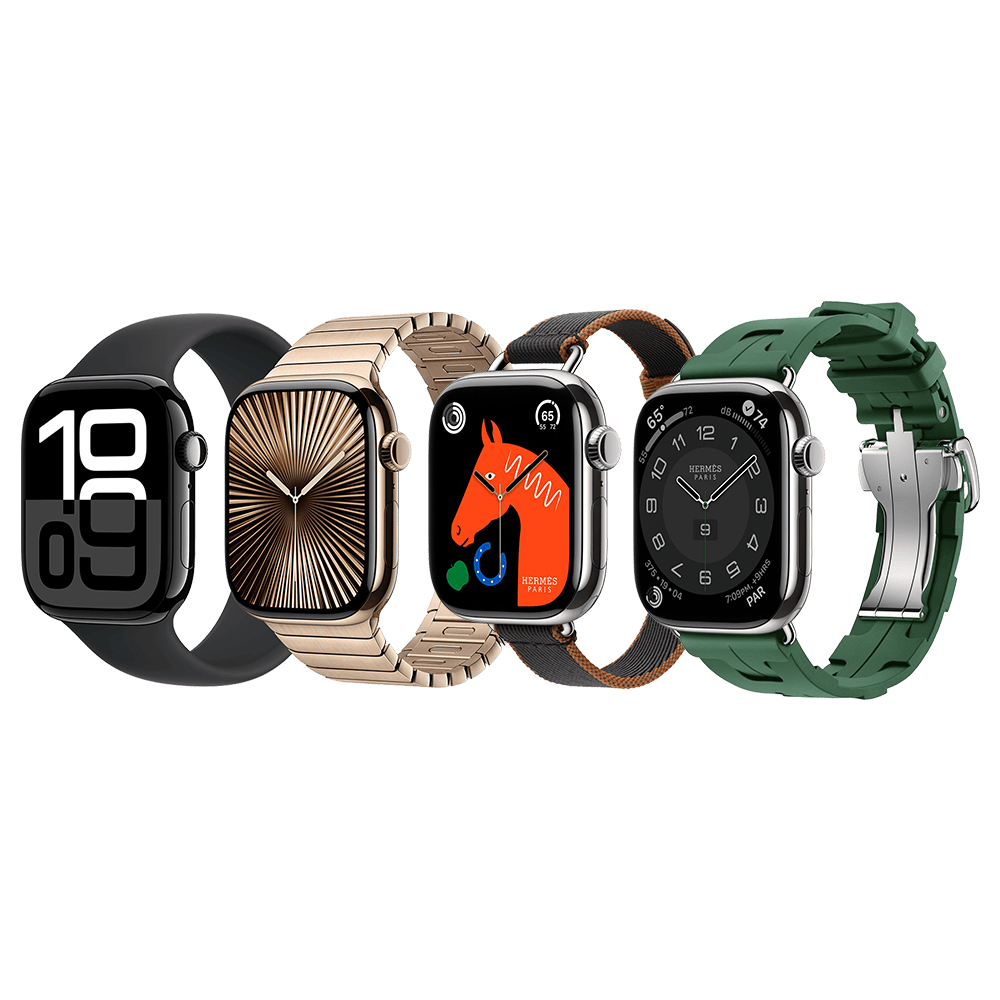
The Apple Watch Series 10 delivers HRV measurement through the Health app alongside ECG, blood oxygen, crash detection, sleep staging, and a broad fitness tracking suite. It is the most accessible HRV-tracking biohacking wearable on this list, suitable for users who want one device across multiple health domains without a dedicated tracker.
Its HRV data is less granular than WHOOP or Oura's, where measurements occur during specific periods rather than continuously, but the Health app's longitudinal trends are meaningful enough for most users.
The sleep tracking experience requires the watch to be charged daily, which competes with overnight wear. Users often find the wear-to-charge tradeoff the primary friction point for consistent sleep data.
Best for: People who want a single primary wearable covering fitness, health, and HRV without maintaining multiple devices.
Stress and Autonomic Nervous System Regulation
The autonomic nervous system controls the stress response, heart rate, digestion, immune activity, and sleep quality. Chronic sympathetic dominance, where the body stays in alert mode well past the point where the stressor has passed, drops HRV, degrades sleep quality, increases cortisol output, and slows physical and cognitive recovery.
Vagus nerve biohacking through devices like cervical nVNS stimulators and vibrational wearables aims to actively shift the body toward parasympathetic dominance rather than waiting for behavioral change to achieve that shift over time.
Pulsetto
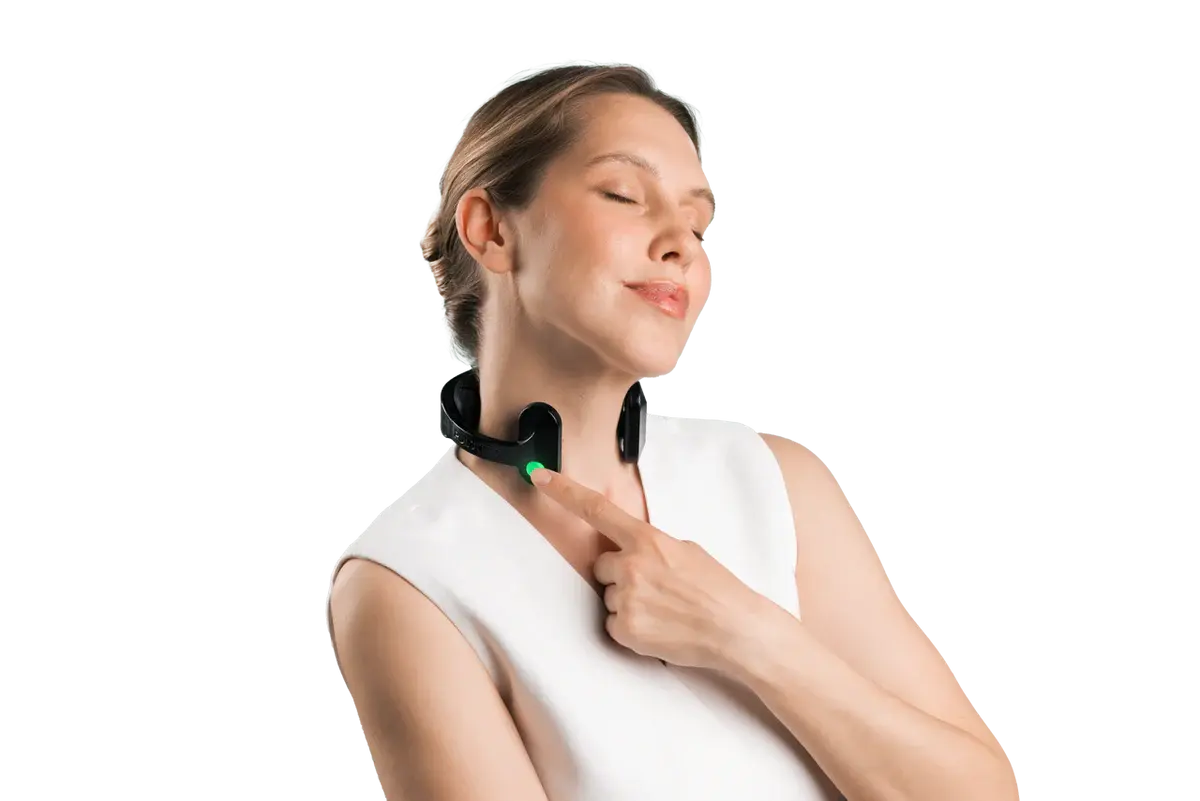
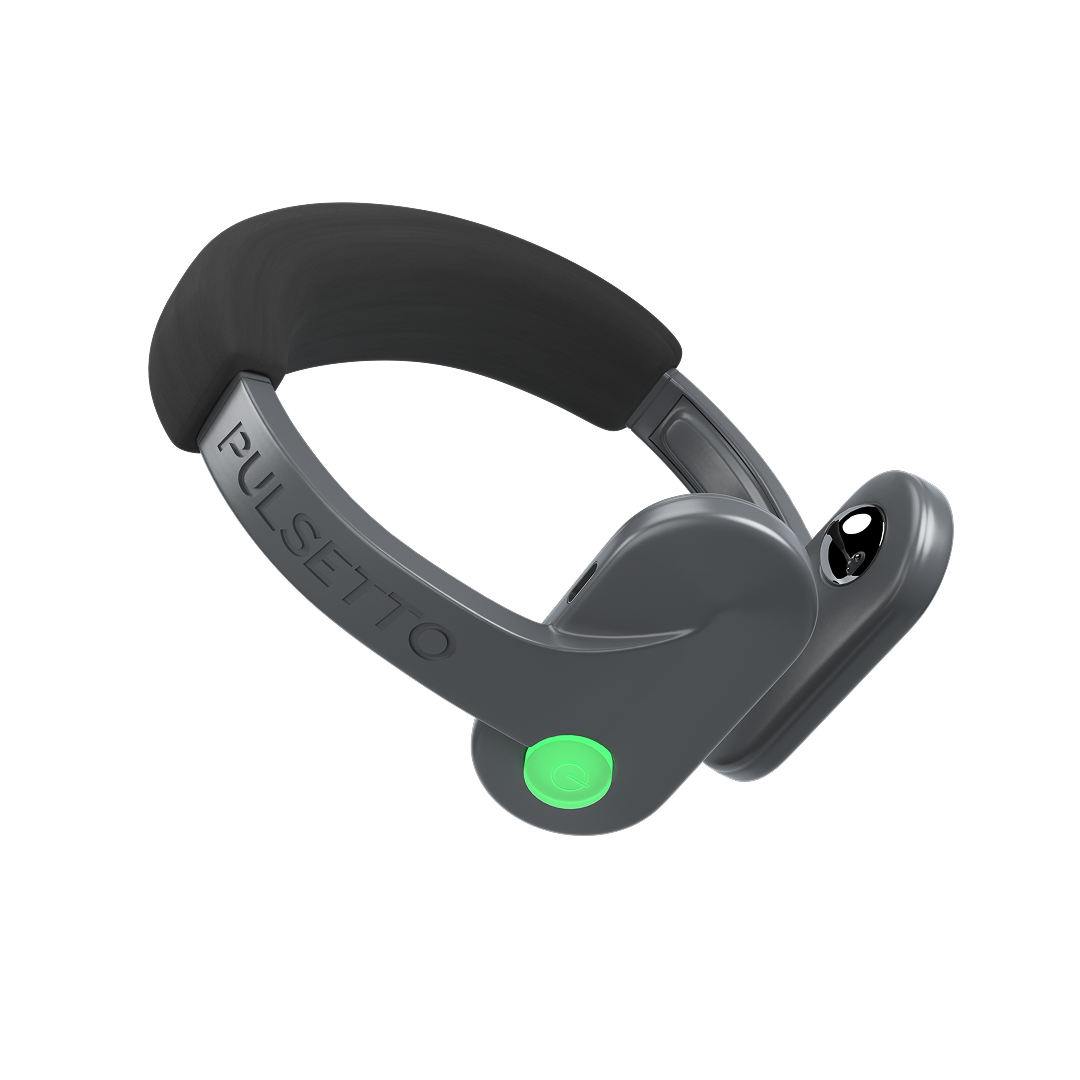
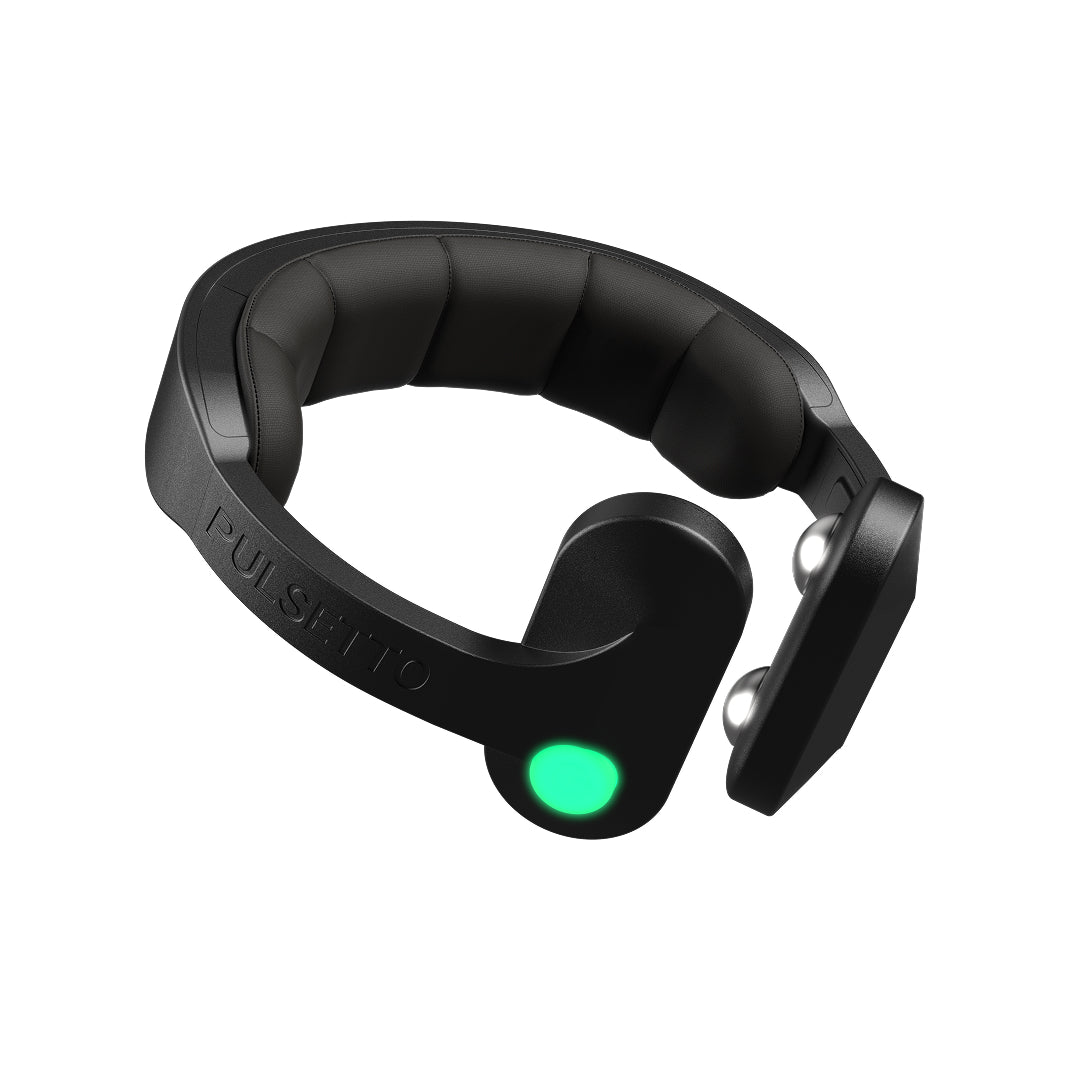
Pulsetto is a bilateral cervical vagus nerve stimulation device, CE certified for general wellness use, delivering hands-free transcutaneous nVNS sessions through electrodes placed on the neck. The bilateral design simultaneously targets both branches of the vagus nerve, the primary parasympathetic highway from the brainstem to the body's major organ systems. As a vagus nerve biohacking tool, it operates at the autonomic level rather than the behavioral one.
Session effectiveness depends on consistent gel application and correct electrode placement. Early sessions require a short setup learning curve, and the gel requirement adds minor friction to daily use.
The scientific basis for vagus nerve stimulation to reduce stress is well-established. A study by Clancy et al. (2014, Brain Stimulation) found that non-invasive vagus nerve stimulation significantly increased HRV and reduced sympathetic nerve activity in healthy adults. De Smet et al. (2023, Psychophysiology) found that taVNS significantly reduced perseverative thinking after psychosocial stress, with effects continuing beyond the stimulation period itself, a finding with direct implications for stress-driven rumination and anxiety. A 2025 preprint by Ha et al. (medRxiv) found that transcutaneous cervical VNS produced measurable improvements in both HRV and stress regulation markers, adding to the mechanism evidence for the cervical stimulation approach Pulsetto uses.
The case for vagus nerve stimulation for anxiety through a consistent daily protocol is supported by both mechanism research and consumer-level evidence, making it one of the most evidence-grounded biohacking for anxiety approaches currently accessible without a prescription.
In Pulsetto's own randomized open-label pilot study (n=40, 4 weeks), PHQ-9 depression scores improved by 55.9% and GAD-7 anxiety scores improved by 45.3% in the bilateral group. The sleep connection is also supported externally: a 2024 study in Biomedicine and Pharmacotherapy (Sai Ma et al.)found that preventive noninvasive vagal nerve stimulation reduced insufficient sleep-induced depression by improving autonomic nervous system function, linking vagal tone directly to both sleep quality and mood outcomes.
Best for: People pursuing biohacking stress relief through a physiological rather than behavioral route, those exploring biohacking for anxiety with a strong nervous system component, and anyone whose HRV is consistently low despite adequate sleep.
Disclaimer: Pulsetto is a general wellness product and is not intended to diagnose, treat, cure, or prevent any disease or medical condition.
Apollo Neuro
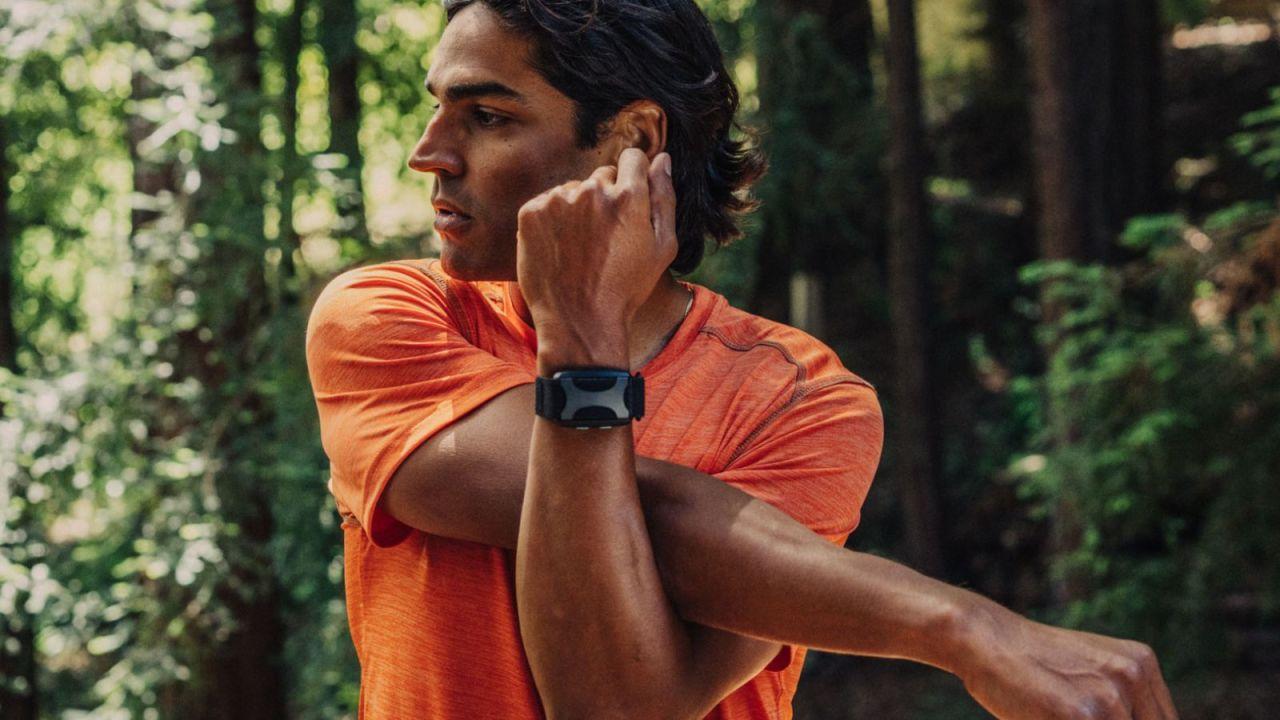
Apollo Neuro is a wrist-worn device that delivers low-frequency vibration to the body to influence vagal tone and autonomic state. It uses a different mechanism from electrical VNS: rather than stimulating the vagus nerve directly through skin electrodes, it delivers vibrational frequency patterns intended to shift HRV and nervous system state through sensory input. Several small studies show improvements in HRV metrics with consistent use.
The vibrational frequency mechanism, while plausible, has a thinner research base than electrical transcutaneous VNS. Session length is also longer than Pulsetto's, typically 30 to 60 minutes for measurable effect, which affects daily adherence.
Best for: People who prefer wrist-worn continuous wear over a neck-placed session device, and those who prefer non-electrical stimulation.
Sleep Environment Devices
Sleep quality is the highest-leverage biohack available, not because it is the most exciting, but because every other physiological system depends on it. For anyone serious about sleep biohacking devices, temperature and light are the two environmental inputs with the most consistent documented effect on sleep architecture. Both are now addressable at accessible price points, making biohacking for sleep far more practical than it was five years ago.
Eight Sleep Pod 5
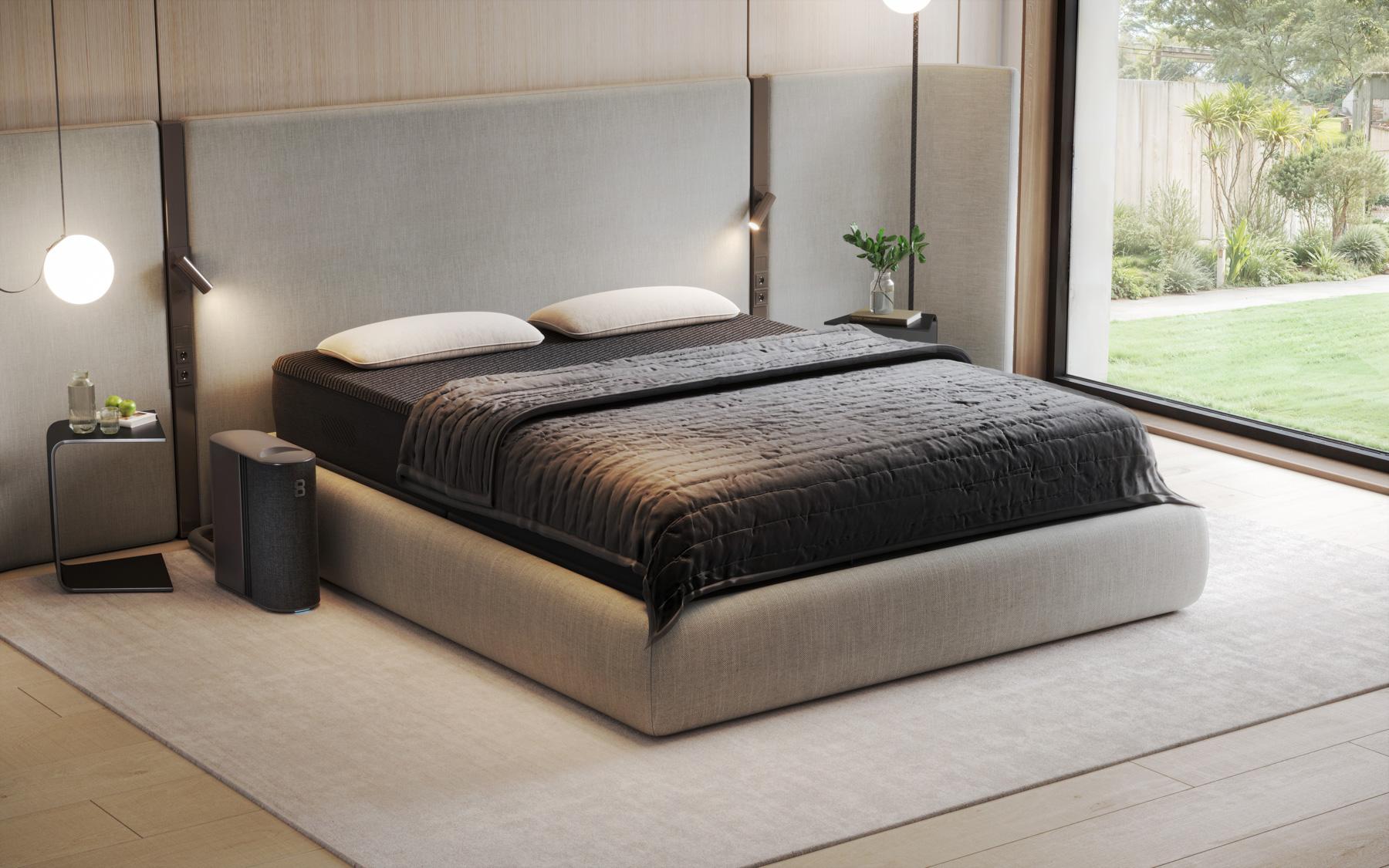
The Eight Sleep Pod 5 uses water-based active cooling and heating to regulate mattress surface temperature through the night, automatically adjusting based on sleep stage. Core body temperature must drop by one to two degrees for sleep onset to occur, and the Pod supports this passively without any behavioral change required. The dual-zone design allows partners with different thermal preferences to use separate temperature profiles on the same mattress.
At approximately $2,549-$2,949 for the base system plus an ongoing subscription for sleep coaching features, Eight Sleep Pod is the most expensive device in this guide and should be evaluated only after lower-cost sleep interventions have been tried first.
Best for: Hot sleepers, people with frequent nighttime waking, and those who have already addressed behavioral sleep hygiene without sufficient improvement.
Hatch Restore 3
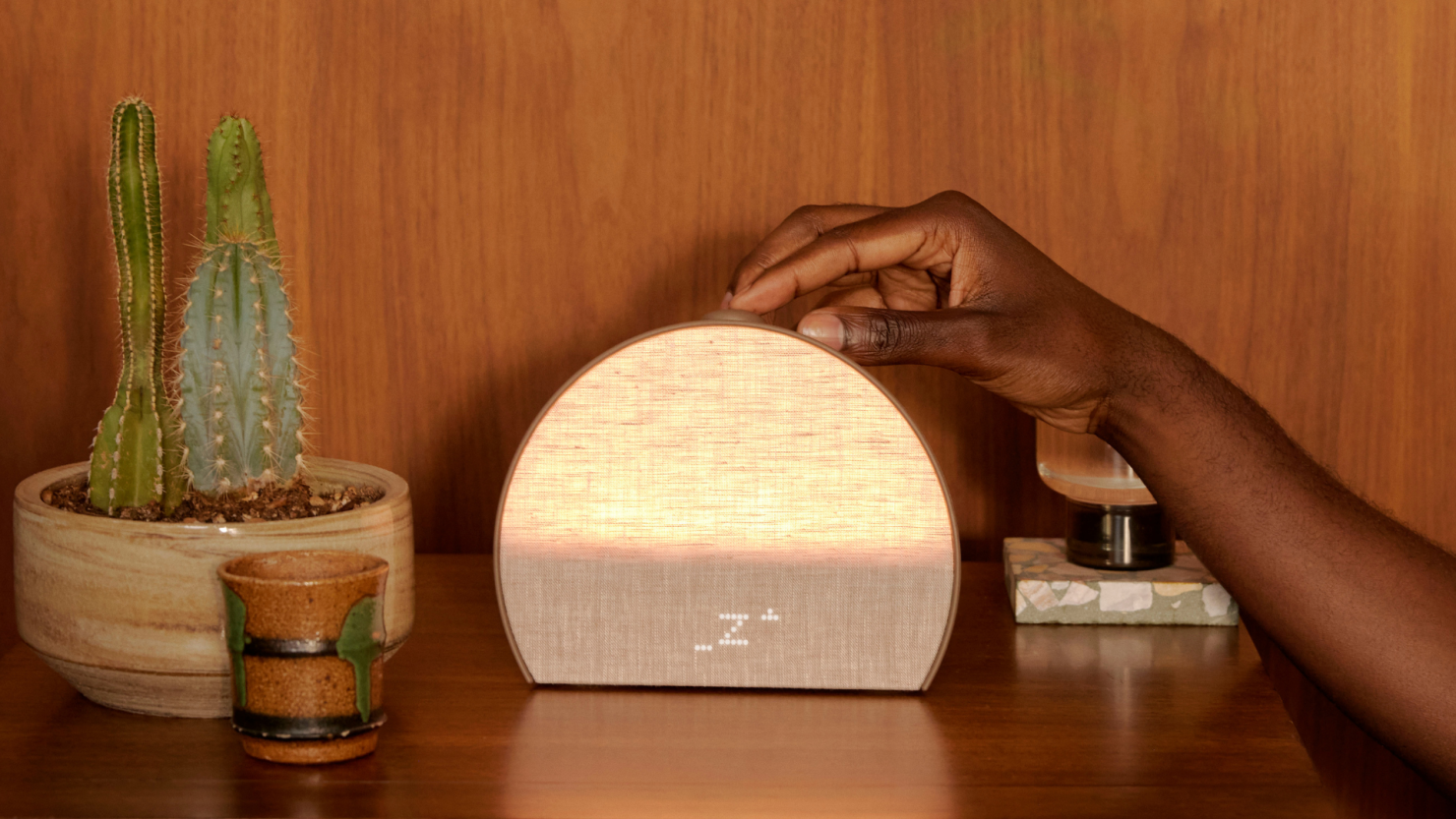
The Hatch Restore 3 combines a sunrise alarm, adjustable warm-toned reading light, and curated sleep sounds in a single bedside unit for $169.99. The sunrise simulation gradually increases light 30 minutes before the alarm time, supporting a lower-cortisol wake pattern than abrupt alarm sounds, while evening warm-tone lighting reduces the blue light exposure that suppresses melatonin.
The Hatch does not collect sleep data or adapt to your physiology. Its value is in circadian signal consistency, not measurement, which makes it a passive environmental tool rather than a tracking device.
Best for: Anyone looking for a high-value-per-dollar entry point into biohacking for sleep, particularly people who are not yet ready to invest in a full tracking system.
Red Light Therapy Panels
Red and near-infrared light in the 630 to 850nm wavelength range has a substantial research base for mitochondrial support and physical recovery. Red light therapy biohacking has grown significantly as the research base has matured and home panel prices have dropped.
The mechanism (photobiomodulation via cytochrome c oxidase in the mitochondrial electron transport chain) is well-understood at the cellular level, and a quality photobiomodulation device used consistently is associated with improvements in muscle recovery time, skin quality, and inflammation markers.
Joovv Go 2.0
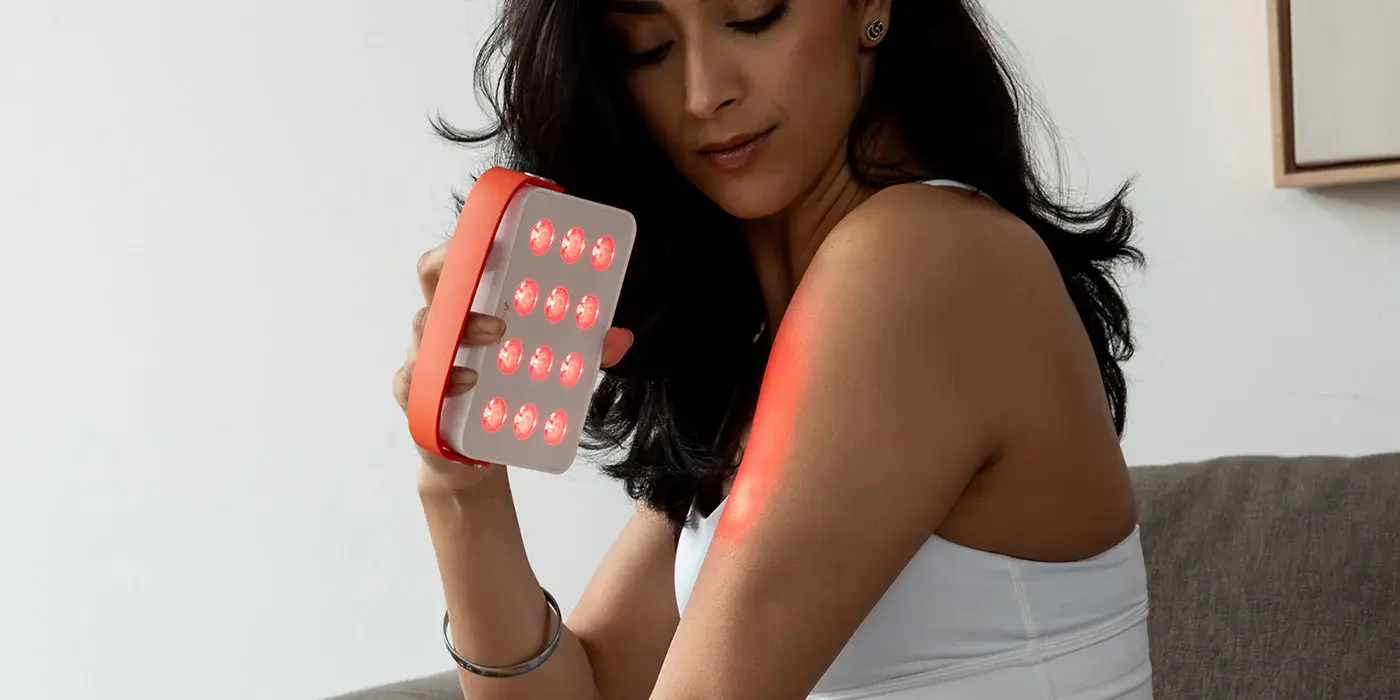
The Joovv Go 2.0 is a portable red light therapy panel delivering both 660nm red and 850nm near-infrared wavelengths in a panel small enough to be used on specific body areas during a 10 to 20 minute daily session. At $549, it is the most accessible dedicated red light device from a well-established manufacturer.
Joovv panels are third-party tested for irradiance, which matters significantly for therapeutic dose delivery. Many cheaper panels underdeliver on actual output despite similar marketing claims.
Portable panels cover a limited surface area. Users wanting full-body treatment need either extended session times rotating exposure, or a significantly more expensive full-panel system.
Best for: Recovery-focused users targeting specific muscle groups, skin applications, and anyone wanting a research-backed entry point to photobiomodulation.
Mito PRO Series
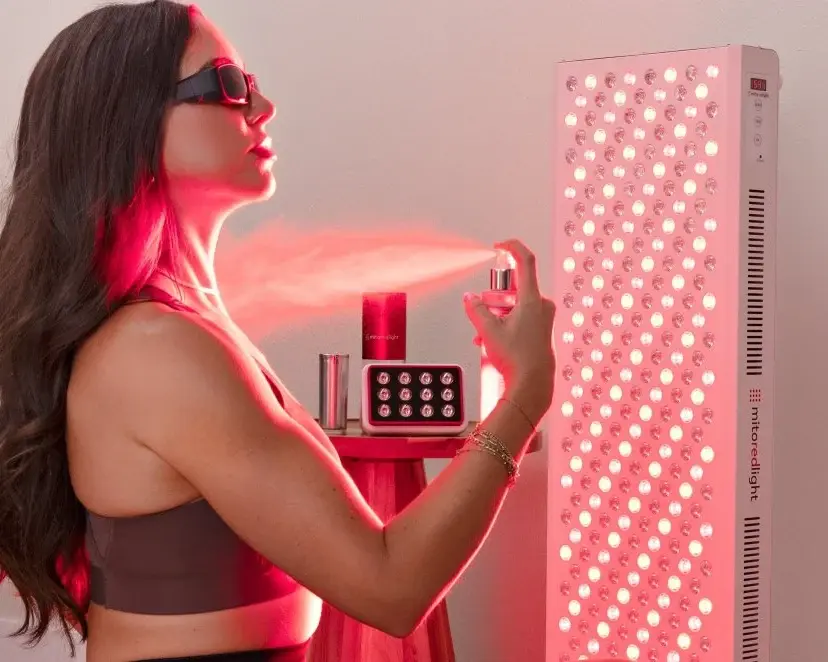
The Mito PRO Series offers a modular design allowing users to start with a single panel and expand over time. The panels are available in multiple sizes at comparable price points to Joovv and cover a wider surface area per session in the mid-range configurations.
As with all red light therapy, results vary considerably based on skin type, distance from the panel, and consistency of use. Users who do not maintain the 6 to 12 inch optimal distance significantly reduce effective dose delivery.
Best for: Users who want a scalable red light setup that can grow from a focused spot treatment to a more complete body coverage over time.
Metabolic and Glucose Tracking
CGM biohacking has moved out of the clinic and into the consumer wellness space. Continuous glucose monitors were designed for people managing diabetes but have become one of the most revealing metabolic biohacking devices available, measuring interstitial glucose every few minutes around the clock and showing in real time how specific foods, meal timing, stress, exercise, and sleep quality each affect blood sugar in ways that a standard fasting glucose test misses entirely.
Levels
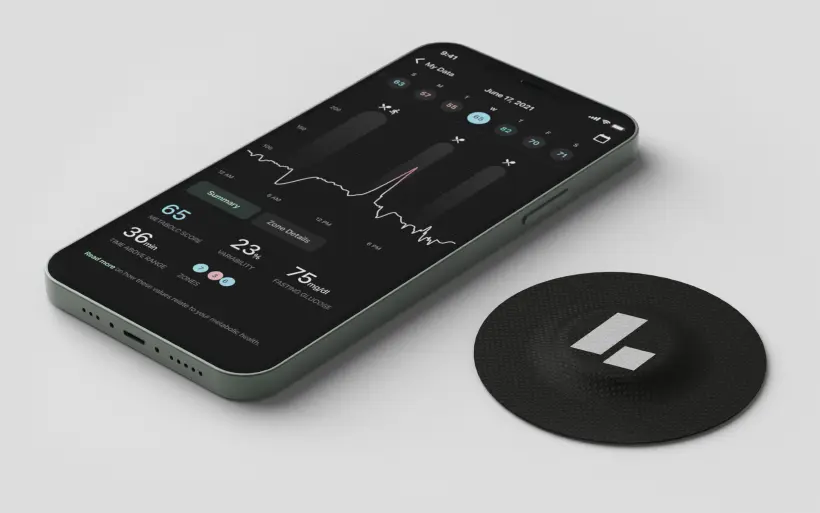
Levels pairs a CGM sensor with a coaching app that contextualizes glucose data: showing metabolic scores for meals, identifying individual trigger foods, and connecting glucose patterns to sleep and activity data from connected wearables. At $15-$167 per month including the coaching subscription, it is the premium CGM experience.
The coaching layer is valuable for people who want interpretation support, but the cost is significant for ongoing use. Most users gain their most actionable insights in the first one to three months of use, after which a break and retest period is often more cost-effective than continuous monitoring.
Best for: People who want structured guidance interpreting their metabolic data and a comprehensive view of lifestyle inputs and glucose outputs.
Dexcom Stelo
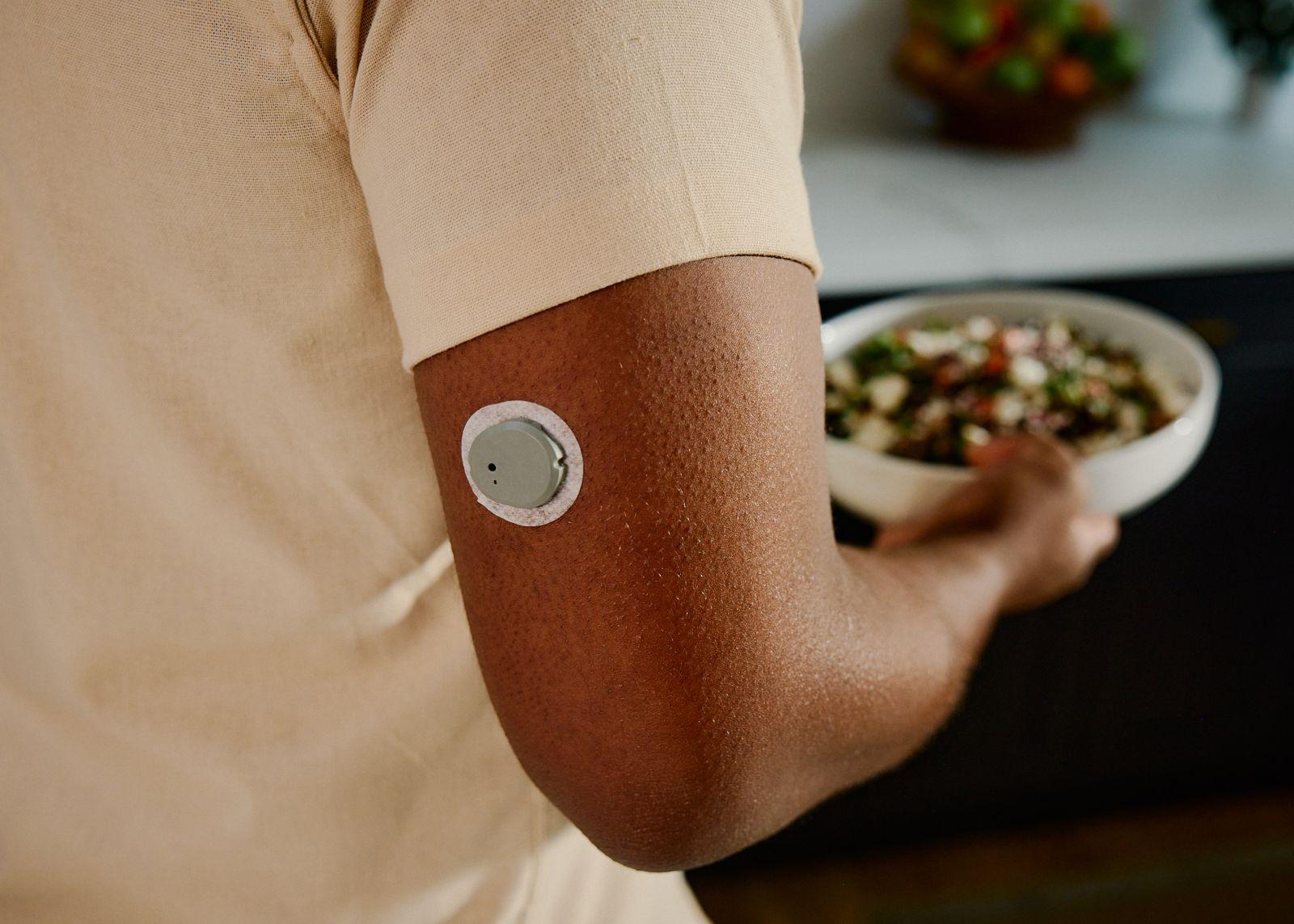
The Dexcom Stelo is the first over-the-counter CGM approved for people without diabetes, available at approximately $89 per month without a prescription. It provides real-time glucose data with a straightforward companion app and significantly lower cost than medically supervised CGM systems.
CGM data without coaching context can create anxiety for users who do not have a framework for interpreting glucose variability. Spikes after carbohydrate-heavy meals are normal and expected; without context, they can be misread as pathological. Tracking obsession is a genuine risk for people prone to health anxiety.
Best for: People who want to understand their metabolic responses to food and lifestyle without committing to a high-cost coaching subscription.
How to Build a Biohacking Stack Without Overspending
The most common mistake when assembling the best biohacking devices into a stack is buying multiple tools simultaneously and changing multiple variables at once. Without isolating variables, it is impossible to know which intervention is producing which result. This is especially true for beginners: the best biohacking devices for beginners are not necessarily the most advanced ones, but the ones that produce clear, actionable data from a single intervention.
The principle: measure first, intervene second. Change one variable at a time.
Under $200: Start with a mainstream HRV-tracking wearable like an existing Apple Watch, a Fitbit, or the Hatch Restore 2 for sleep environment. Establish four to six weeks of baseline data before adding any intervention device.
$200 to $400: A dedicated HRV tracker like WHOOP or the Oura Ring, or an ANS regulation device like Pulsetto or Apollo Neuro. Choose based on whether measurement or direct intervention is the higher priority given your baseline data.
$400 to $1,000: A red light therapy panel (Joovv Go 2.0) or a CGM trial (Levels or Dexcom Stelo for one to three months). Both produce their most actionable insights in a defined trial period.
$1,000 and above: The Eight Sleep Pod, only after behavioral sleep hygiene and sleep environment basics are in place. It amplifies an already-functional sleep routine rather than replacing one.
A practical two-device starting stack for most people: one HRV tracker for baseline measurement, and one targeted intervention device matched to where the baseline data shows the most room for improvement.
Pulsetto's hands-free cervical stimulation takes 4 minutes per session and is designed to fit into any daily routine. CE certified and used by 100,000+ people. Try Pulsetto
Frequently Asked Questions
What is the best biohacking device for beginners?
Start with a mainstream HRV-tracking wearable: an existing Apple Watch works, as does an Oura Ring or WHOOP. Use it for four to six weeks without changing anything else. The baseline data will show where your metrics are weakest: sleep quality, recovery scores, or HRV. Choose your first intervention device based on what the data reveals rather than what sounds most appealing.
Is vagus nerve stimulation a biohacking device?
Yes. Non-invasive VNS devices like Pulsetto target the parasympathetic nervous system directly, and peer-reviewed research shows they can improve HRV and reduce sympathetic nervous system activity. Pulsetto is CE certified for general wellness use and is not a medical device or treatment for any condition. Contraindications include pacemakers, implantable cardiac devices, epilepsy, and pregnancy. Those who want to understand real-world use patterns can read what users report about Pulsetto before purchasing. Pulsetto is a general wellness product and is not intended to diagnose, treat, cure, or prevent any disease or medical condition.
Do biohacking devices actually work?
It depends on the category and your approach. Trackers produce data you act on; their value is proportional to how systematically you use that data to adjust behavior. Intervention devices like red light panels and VNS devices have cumulative effects that develop over weeks, not days, and require consistent daily protocols. The most common reason biohacking devices fail to produce results is changing multiple variables simultaneously, which makes it impossible to attribute any effect to any specific tool.
What biohacking devices are worth the money?
Devices that change daily behavior through measurable feedback tend to have the highest ROI: HRV trackers that reveal the actual effect of sleep, alcohol, and stress on your nervous system. Intervention devices with a clear physiological mechanism and a realistic daily protocol, such as cervical VNS and red light therapy at correct distance, also deliver value when used consistently. Passive comfort products with no measurement component and no documented mechanism are the category most likely to underdeliver.
Are biohacking devices safe?
Most consumer biohacking devices are CE or FCC certified for general wellness use and are designed for home use without clinical supervision. Electrical stimulation devices have specific contraindications: pacemakers, implantable cardiac devices, epilepsy, and pregnancy all require physician consultation before use. CGMs are safe for most users but should be used with caution by people prone to health anxiety. When in doubt about any device's suitability for a specific health condition, consult a physician before starting.
Ready to Add the ANS Regulation Layer?
The ANS regulation layer is where most biohacking stacks have a gap. Tracking and environment devices address inputs; VNS devices address the physiological state that determines how the body processes those inputs. For stress-driven sleep problems, chronic low HRV, and nervous systems that stay in high gear, Pulsetto's cervical nVNS sessions are designed to close that gap. CE certified, hands-free, backed by a growing body of nVNS research. Shop Pulsetto
Scientific Research
Non-invasive vagus nerve stimulation in healthy humans reduces sympathetic nerve activity (Clancy et al., 2014, Brain Stimulation, 459 citations)
Effects of non-invasive vagus nerve stimulation on cognitive and autonomic correlates of perseverative cognition (De Smet et al., 2023, Psychophysiology, 19 citations)
Effects of tcVNS and Multimodal Stimulation on Heart Rate Variability and Stress Regulation (Ha et al., 2025, 2 citations)
Harnessing non-invasive vagal neuromodulation: HRV biofeedback and SSP for cardiovascular and autonomic regulation (Gitler et al., 2025, Medicine International, 13 citations)
Preventive noninvasive vagal nerve stimulation reduces insufficient sleep-induced depression (Sai Ma et al., 2024, Biomedicine and Pharmacotherapy, 22 citations)