7 Best Neurofeedback Devices to Use at Home
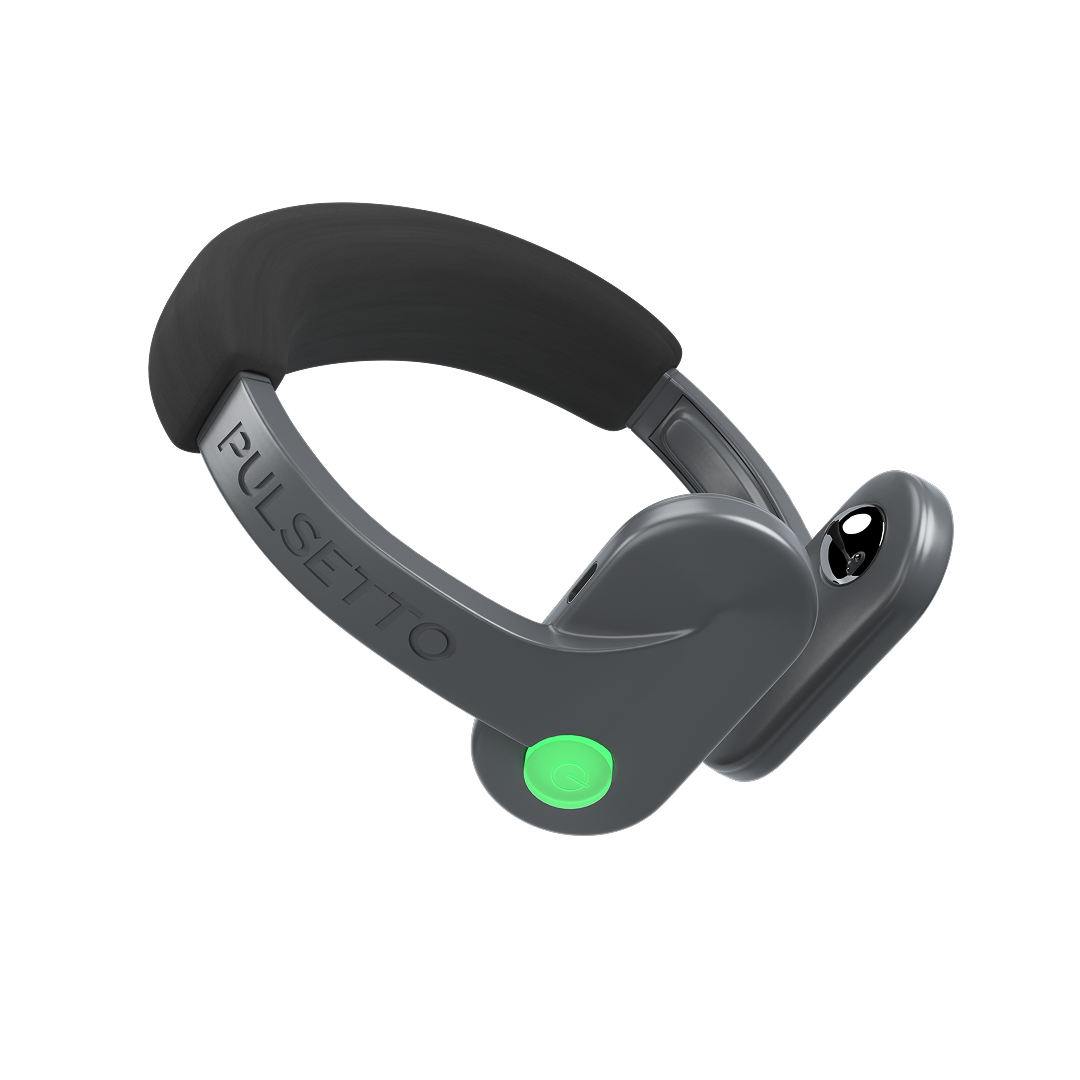
1. Pulsetto
Best for: Nervous system regulation and stress reduction through wearable vagus nerve stimulation.
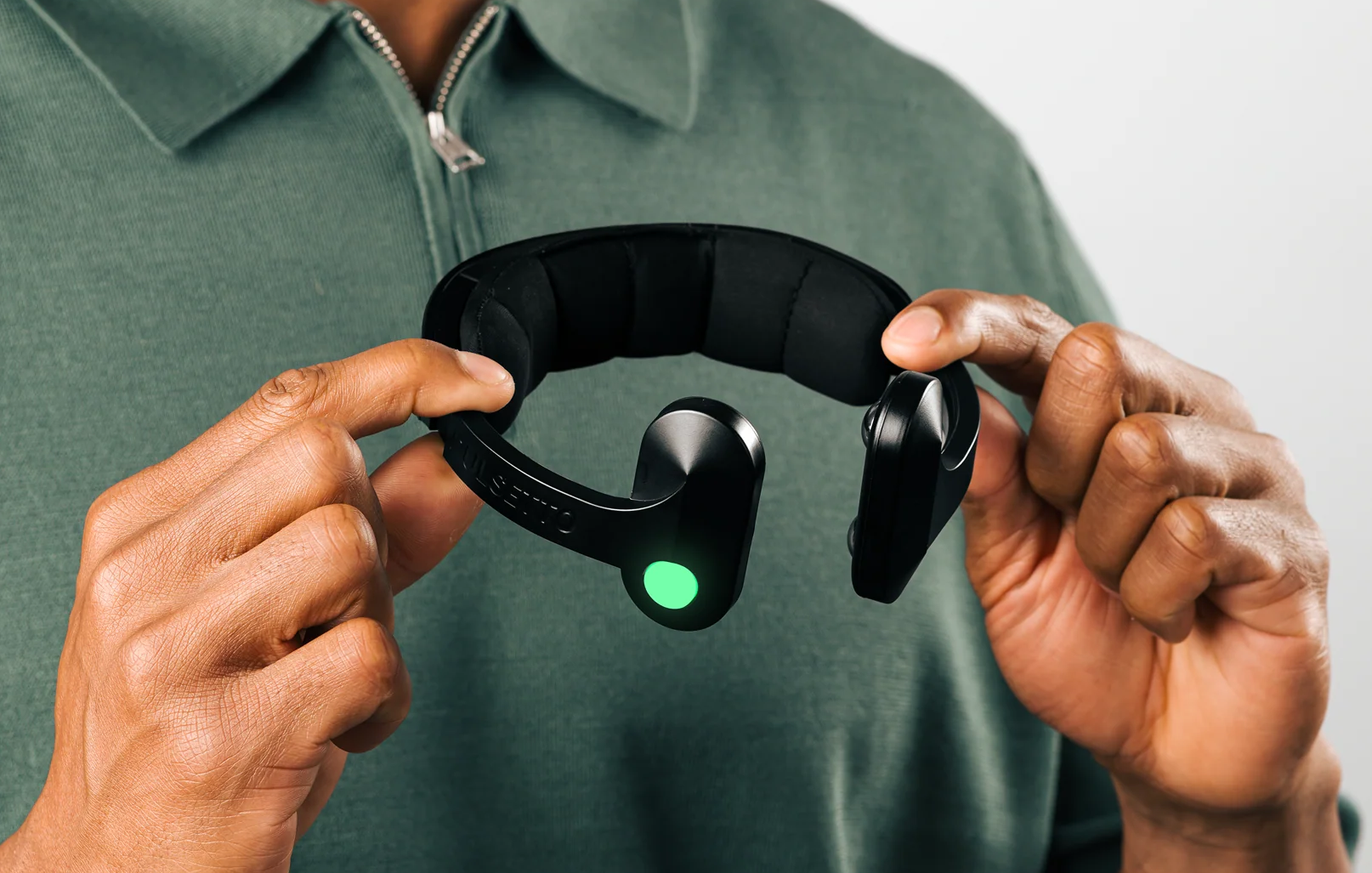
It is important to be upfront about what Pulsetto is and what it is not. Pulsetto is not an EEG-based neurofeedback device. It does not read brainwaves directly. What it does is influence brain state through a different pathway: vagus nerve stimulation that activates the parasympathetic nervous system, shifting the body and mind out of fight-or-flight and into rest-and-digest mode. For users whose primary goal is stress relief, nervous system balance, and improved sleep rather than raw brainwave training, this distinction matters less than it might sound. The end result, a calmer, more regulated mental state, is the same thing most people are seeking when they search for neurofeedback at home.
Worn around the neck, Pulsetto delivers app-controlled sessions of four to ten minutes. Understanding vagus nerve massage helps clarify why it produces effects on mental clarity and emotional regulation that users often describe as similar to meditation or breathwork, but faster and less effort-dependent. Intensity is adjustable, the sensation is a mild tingling at the neck, and the companion app includes programs targeting stress, anxiety, sleep, and burnout. The price point and ease of use make it the most accessible entry point into home nervous system training, requiring no technical background, no sensor calibration, and no subscription beyond the free app tier.
As a neurofeedback device for home use adjacent to traditional EEG systems, Pulsetto fills a gap for users who want daily, consistent nervous system regulation without a learning curve. Consulting your healthcare provider before use is recommended if you have low blood pressure or cardiac conditions.
Pros: Hands-free, highly portable, no calibration, immediate usability
Limitations: Not EEG-based, does not provide brainwave data or visual feedback loops
Ideal For: High-stress professionals, frequent travelers, poor sleepers, anyone wanting a practical daily nervous system tool
2. Muse S (Gen 2)
Best for: Meditation-focused EEG neurofeedback at home.
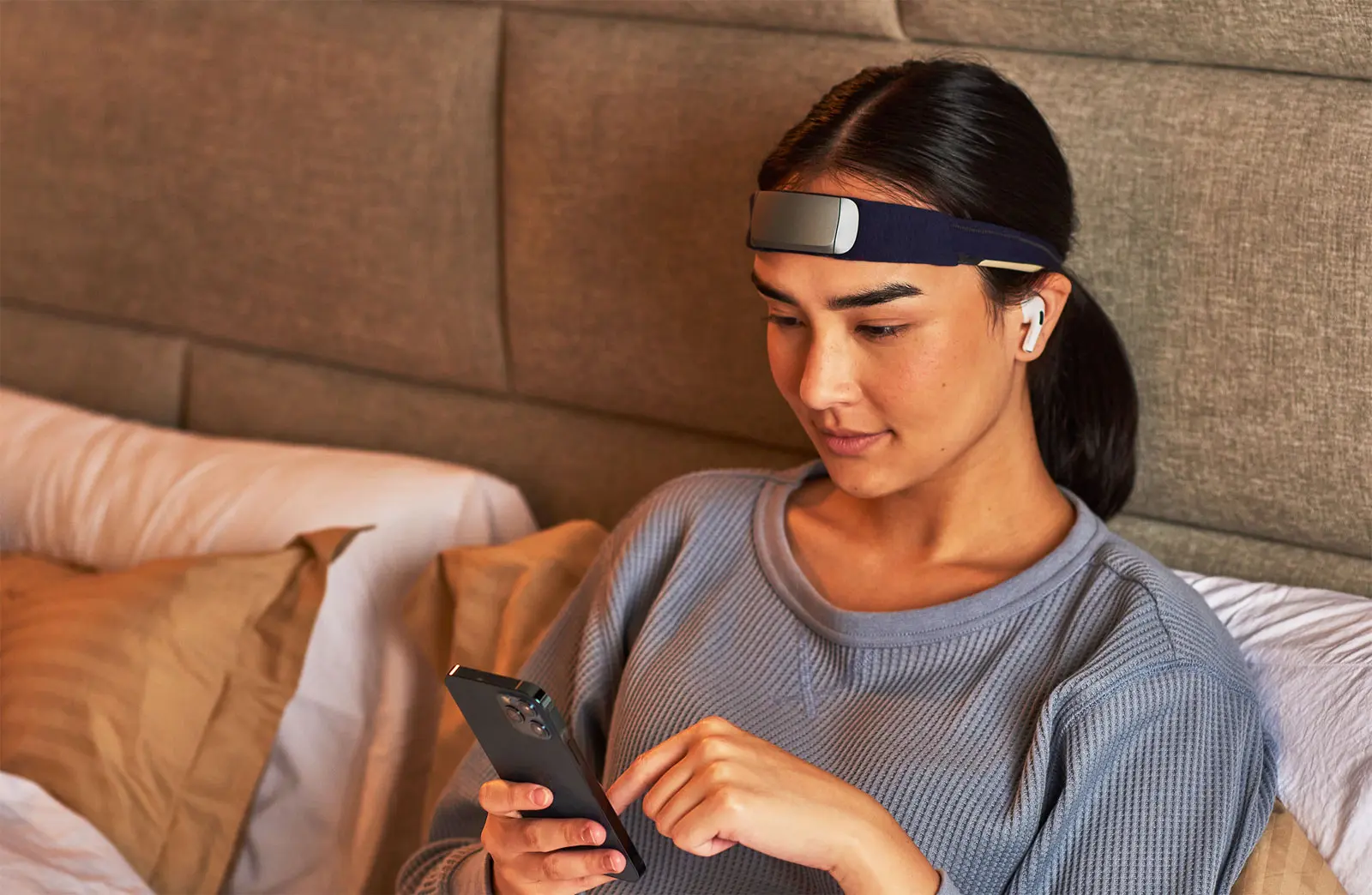
The Muse S is the most recognized consumer home neurofeedback device on this list. It uses a soft, headband-style form factor fitted with EEG sensors that read frontal lobe brainwave activity in real time. The companion app translates this activity into audio feedback during meditation sessions: the calmer your brain, the quieter the soundscape. When mental activity spikes, you hear weather or ambient noise intensify, prompting a return to focus.
Muse devices are designed to improve meditation practices and track cognitive performance over time. The Gen 2 adds sleep tracking, monitoring brain activity, heart rate, and breathing through the night to give users insight into sleep quality alongside their waking meditation sessions. The data visualization in the app provides session-by-session progress tracking, which appeals to users who are motivated by measurable improvement.
The main limitation is that effective use requires consistent meditation practice. Users who sit down occasionally will see inconsistent results. Neurofeedback training at home with Muse rewards habit-based engagement rather than sporadic sessions.
Pros: Well-designed app, sleep tracking, real EEG feedback, strong community and research base
Limitations: Requires meditation commitment, limited to frontal EEG channels, premium price
Ideal For: Dedicated meditators, mindfulness practitioners, sleep-focused users
3. NeuroSky MindWave Mobile 2
Best for: Entry-level brainwave monitoring and cognitive training experiments.
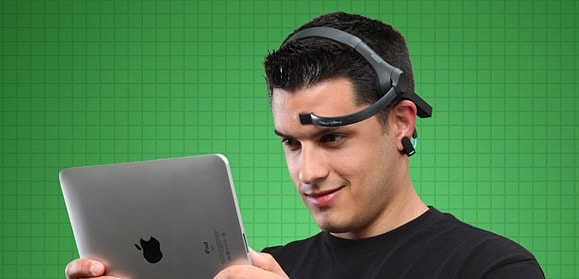
The NeuroSky MindWave Mobile 2 is an affordable neurofeedback equipment. It uses a single-sensor EEG design positioned on the forehead to detect attention and meditation states, translating this into real-time data through a range of compatible apps. The signal resolution is lower than multi-channel systems, which limits the depth of analysis available, but for introductory use the data is sufficient and informative.
The MindWave Mobile is a budget-friendly device offering a simple, single-sensor EEG design that integrates with third-party apps for cognitive games, attention training, and basic brainwave monitoring. It is well suited to beginners and to developers who want to experiment with EEG data at low cost. Signal accuracy and channel depth are the natural trade-offs at this price point. For users whose primary interest is casual cognitive exploration rather than structured neurofeedback protocols, it delivers solid value.
Pros: Very affordable, Bluetooth connected, wide app compatibility, low barrier to entry
Limitations: Single sensor, lower signal resolution, limited clinical applicability
Ideal For: Beginners, developers, budget-conscious users wanting introductory EEG experimentation
4. Myndlift (with EEG Headset)
Best for: Structured ADHD-focused neurofeedback programs at home with professional oversight.
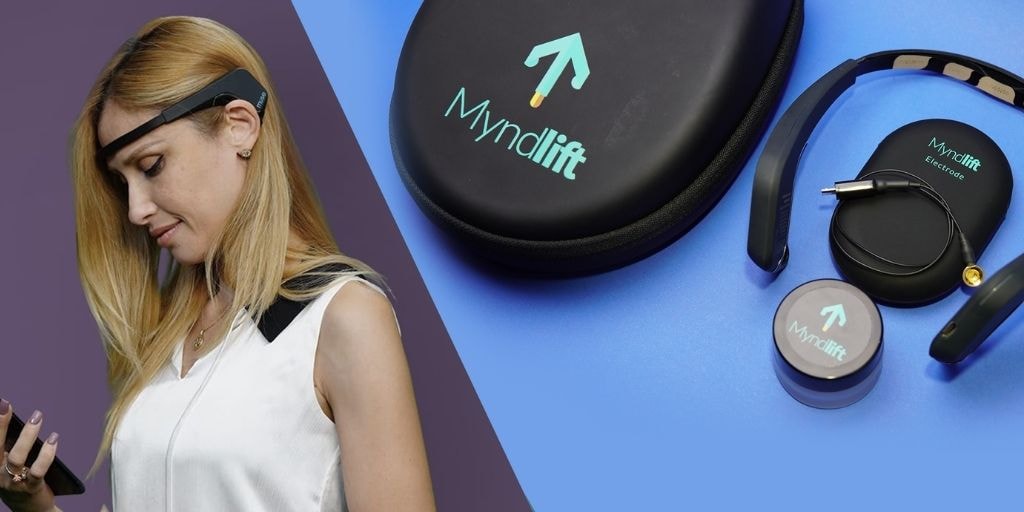
Myndlift is a home neurofeedback training platform that bridges the gap between consumer wellness apps and clinical neurofeedback therapy. It requires a compatible EEG headset, typically the Muse or a similar device, and pairs it with clinician-guided protocols delivered remotely. Myndlift offers personalized neurofeedback protocols designed by human experts, making it suitable for both individual and professional contexts. This structured approach sets it apart from self-guided tools like NeuroSky or Muse used independently.
Neurofeedback can assist in the management of ADHD and anxiety, and Myndlift is specifically built around these use cases. The platform provides session reports, progress tracking, and remote oversight from qualified practitioners who adjust protocols based on individual response. This is a meaningful advantage over self-directed home neurofeedback, where users are essentially guessing at the right training parameters. Professional systems like Myndlift are designed for long-term neuroplastic changes and symptom management rather than casual wellness improvement.
The trade-offs are cost and commitment. Myndlift runs on a subscription model, requires EEG hardware investment, and demands consistent engagement to show results. It is the most clinically serious neurofeedback home device on this list, which is both its greatest strength and its highest barrier to entry.
Pros: Clinician oversight, personalized protocols, strong ADHD and anxiety evidence base, structured progression
Limitations: Subscription cost, requires EEG hardware, high time commitment, not self-guided
Ideal For: Adults with ADHD, anxiety management needs, or those seeking clinically structured home neurofeedback training
5. BrainBit EEG Headset
Best for: Multi-channel EEG tracking for advanced home neurofeedback systems.
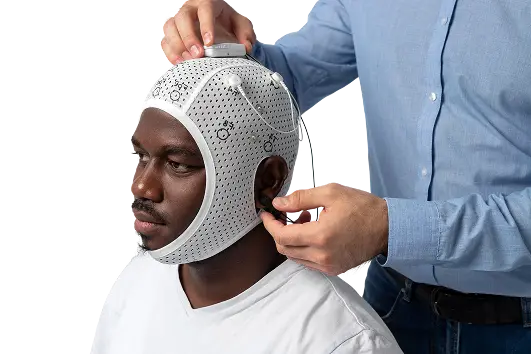
The BrainBit is a four-channel EEG headset designed for users who want more signal depth than single-sensor consumer devices provide, without committing to research-grade systems like Emotiv. Four electrodes positioned across the scalp capture broader cortical activity than frontal-only sensors, giving a more complete picture of the brain's state during training, rest, or cognitive tasks.
The headset comes with SDK access, which makes it developer-friendly and suitable for users who want to build custom neurofeedback training environments or integrate the data with third-party software. It is not a plug-and-play device for general consumers. Without prior knowledge of EEG concepts or software integration, setup and interpretation can be frustrating. Devices that combine multiple modalities and sensor placements offer a broader view of brain function and possibly higher effectiveness, and the BrainBit sits meaningfully above single-sensor options on both counts.
For tech-savvy individuals, biohackers, or developers who want to experiment with multi-channel EEG data without paying professional neurofeedback equipment pricing, the BrainBit offers a compelling middle ground.
Pros: Four-channel EEG, SDK access, higher signal resolution than consumer devices
Limitations: Requires technical knowledge, not beginner-friendly, limited consumer app ecosystem
Ideal For: Developers, biohackers, and technically confident users wanting advanced EEG experimentation
6. Emotiv EPOC X
Best for: Advanced brain-computer interface and research-grade neurofeedback.
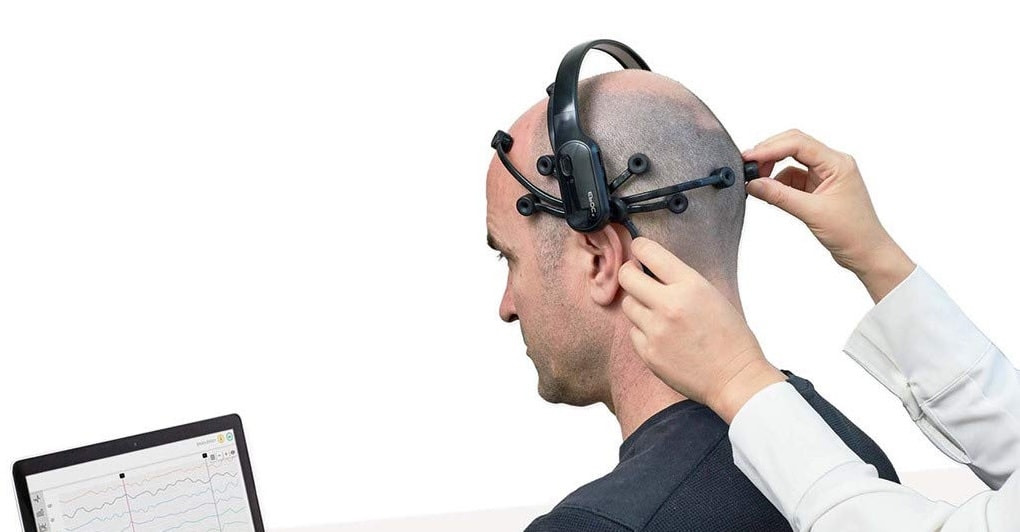
The Emotiv EPOC X is a powerful neurofeedback system. Its 14-channel electrode array covers a broad range of cortical areas, capturing detailed brainwave data that supports genuine cognitive research, advanced brain-computer interface applications, and in-depth performance monitoring. During a neurofeedback session, users receive visual or auditory feedback based on their brainwave activity, which helps them learn to self-regulate their mental states, and the EPOC X provides more data dimensions for that feedback than any other consumer device.
The professional software suite includes tools for mental command training, facial expression recognition, performance metrics, and detailed spectral analysis. Researchers and serious biohackers use it for protocol development, academic study, and longitudinal cognitive tracking. The price is significantly higher than any other device on this list, and the learning curve is steep. Setup requires time, familiarity with EEG concepts, and patience with a complex software environment.
For users who want the depth of a research system without the full cost of clinical neurofeedback equipment, the EPOC X is the ceiling of accessible at-home capability.
Pros: 14-channel EEG, professional software, research-grade data, broad cortical coverage
Limitations: Expensive, steeper learning curve, requires significant technical engagement
Ideal For: Researchers, cognitive scientists, advanced biohackers, users building brain-computer interface applications
7. FocusCalm
Best for: Simplified neurofeedback training for stress and focus improvement.
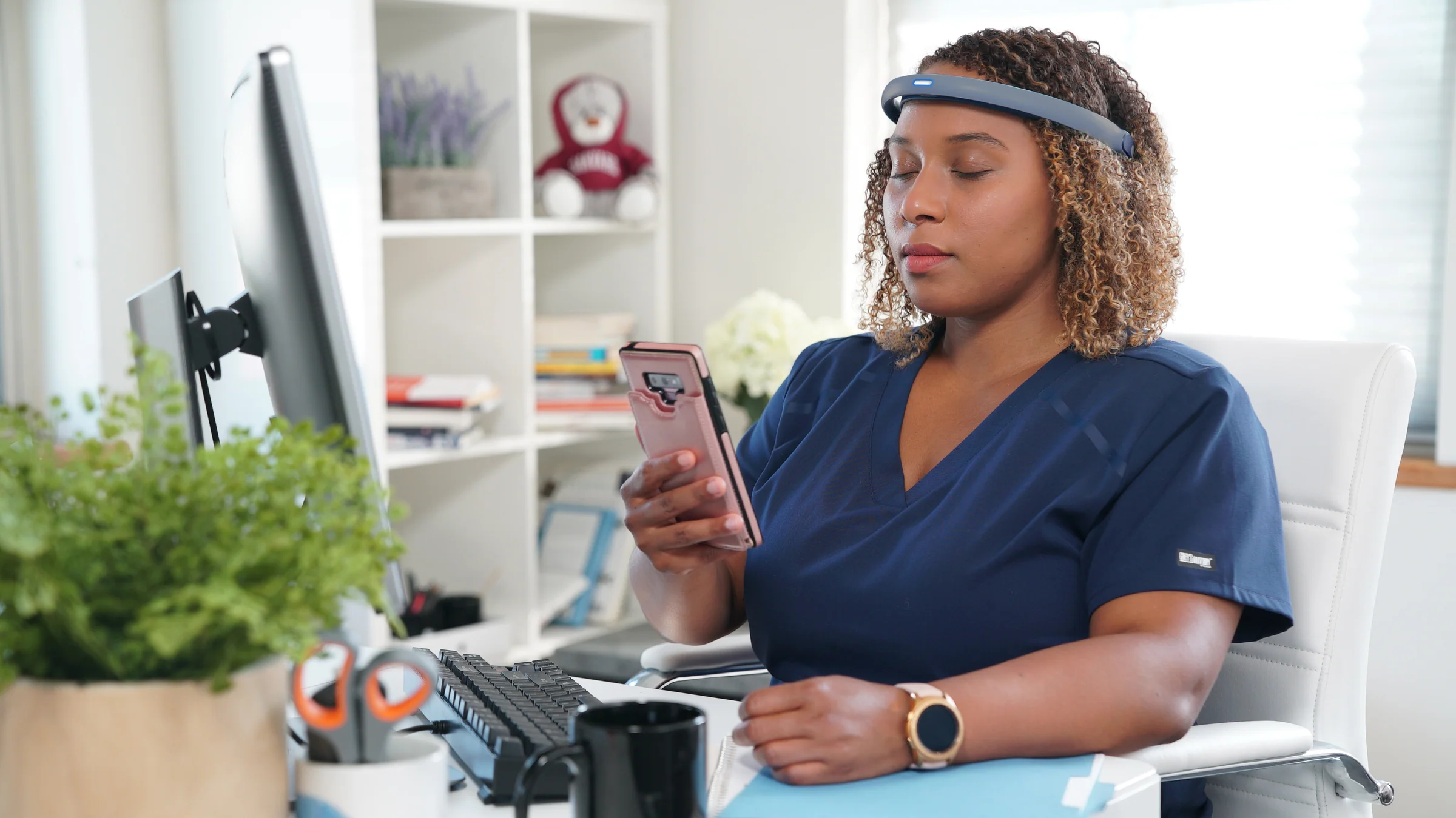
FocusCalm offers a price-friendly way to engage in brain training with guided meditations and gamified sessions, making it one of the most accessible EEG-based options for general wellness users. The headband design is comfortable for extended wear, and the companion app delivers session scores, focus metrics, and a stress index derived from real-time brainwave data. Gamified training sessions make the process more engaging than traditional meditation instruction, particularly for users who struggle with unguided practice.
FocusCalm sits between NeuroSky and Muse in terms of capability and price. It offers more structure and feedback depth than NeuroSky while remaining less demanding in terms of meditation discipline than Muse. The training approach is goal-oriented rather than open-ended: sessions are built around specific focus or calm targets, and the app tracks improvement toward those targets over time. This makes it well suited to users who want clear progress markers rather than raw data.
Neurofeedback has shown significant strength in helping those on the autism spectrum develop self-regulation, and FocusCalm's gamified, low-pressure format is particularly well adapted to this population in informal, non-clinical settings.
Pros: Affordable, gamified sessions, clear progress tracking, beginner-friendly
Limitations: Less clinical depth than Myndlift, lower signal complexity than multi-channel systems
Ideal For: General wellness users, focus improvers, those wanting structured but non-clinical brain training
How to Choose the Right Neurofeedback Device for Your Goals
Choosing the right neurofeedback device starts with defining your primary goal. The best home neurofeedback devices vary widely in modality, structure, and technical depth, so aligning the tool with your objective prevents wasted time and frustration.
For stress and anxiety, nervous system stimulation is often the most practical starting point. A device like Pulsetto supports parasympathetic activation without EEG setup or calibration. It fits daily routines and pairs well with complementary stress relief tools if broader recovery support is needed.
For meditation and mindfulness training, EEG-based systems such as Muse S or FocusCalm provide real-time brainwave feedback. These devices reward calm and focused states during sessions. If you want measurable meditation progress, they are among the best home neurofeedback devices for structured practice and can complement other tools for meditation.
For ADHD-focused structured programs, Myndlift offers clinician-guided home protocols within a defined neurofeedback system. For research-grade data depth and experimentation, Emotiv and BrainBit provide multi-channel EEG tracking. For budget experimentation, NeuroSky offers a simpler entry point.
EEG-based neurofeedback reads brainwaves and trains self-regulation through operant conditioning. Brain-computer interface systems expand this into software control, while vagus nerve stimulation influences brain state indirectly by activating the autonomic nervous system.
Neurofeedback at Home vs Clinical Neurofeedback
Clinical neurofeedback conducted by a trained practitioner differs from home neurofeedback training in four meaningful ways: equipment precision, session supervision, protocol personalization, and cost. Clinical systems use professional-grade multi-channel EEG setups with electrode gel for optimal signal fidelity, paired with proprietary software that clinicians have spent years learning to interpret and apply. A single clinical session typically costs between 100 and 250 dollars, and recommended treatment courses often run to 20 to 40 sessions.
Home neurofeedback devices trade some of this precision and oversight for convenience and cost. A well-chosen home neurofeedback device delivers real, measurable benefits for general wellness, stress management, focus, and sleep when used consistently. Using neurofeedback devices effectively requires establishing a consistent training routine and tracking progress, which is something a clinical setting provides automatically but home users must build intentionally.
The realistic expectation for home neurofeedback is incremental improvement over weeks and months rather than dramatic change over individual sessions. For users with clinical needs, including diagnosed ADHD, significant anxiety disorders, or post-traumatic symptoms, home devices are a useful complement to professional treatment rather than a replacement for it. For general wellness goals, best home neurofeedback devices used daily with structured intention deliver value that compounds meaningfully over time.
Improve Your Brain Training With the Right Neurofeedback Device
The best neurofeedback devices are the ones you use consistently and work the best for you, not the ones with the most channels or the most expensive price tag. A daily five-minute session with Pulsetto or Muse will compound into meaningful nervous system and cognitive change over weeks. An Emotiv EPOC X used twice and then shelved delivers nothing. Consistency matters more than complexity at every stage of brain training.
The most sensible approach is to start simple, build the habit, and upgrade systems only when the current tool is genuinely limiting your progress. Most users never need to move beyond an accessible, well-matched home neurofeedback device. Those who do, typically because they are chasing clinical outcomes or research-grade data, will know when they have outgrown their entry-level tool.
Next steps:
-
Define your primary goal clearly: stress relief, focus improvement, ADHD support, or sleep regulation
-
Choose a device that matches your technical comfort level and daily routine
-
Start with short sessions of five to fifteen minutes and prioritize consistency over duration
-
Track changes in stress, focus, or sleep quality over two to three weeks
-
Adjust intensity or consider upgrading systems once your current tool no longer meets your progress needs
For those whose primary goal is daily stress regulation, better sleep, and a calmer nervous system without a technical learning curve, Pulsetto is the most practical starting point on this list.
FAQs: Best Neurofeedback Devices
What are the best neurofeedback devices for home use?
The best neurofeedback devices depend on your goal. For stress regulation, Pulsetto offers simple nervous system support. For EEG-based meditation training, Muse S and FocusCalm are established consumer options. For structured ADHD-focused programs, Myndlift provides clinician-guided protocols. NeuroSky MindWave Mobile 2 remains a budget entry point.
Can you do neurofeedback at home?
Yes. Neurofeedback at home is possible using consumer EEG headsets such as Muse, NeuroSky, and FocusCalm, which provide real-time brainwave feedback. Structured platforms like Myndlift add remote oversight. Vagus nerve devices influence brain state without EEG sensors, offering a simpler home training option.
What is the difference between a neurofeedback system and a vagus nerve device?
A neurofeedback system uses EEG sensors to read brainwave activity and provide feedback that trains self-regulation through operant conditioning. A vagus nerve device stimulates the parasympathetic nervous system to influence brain state indirectly. Both aim to support regulation, but through different mechanisms.
Are home neurofeedback devices effective?
Home neurofeedback devices can support focus, stress management, and self-regulation when used consistently. Research suggests neurofeedback may assist in ADHD and anxiety management. Effectiveness depends on realistic expectations, regular sessions, and selecting the right device for your specific goal.