The Main Signs Your Headache Could Be a Cluster Headache

Identifying a cluster headache involves looking at a specific pattern of physical symptoms and behaviors. While a qualified doctor must always confirm your diagnosis, a practical checklist of symptoms can help you determine if your pain fits the profile. Paying close attention to how these attacks impact your rest can also provide valuable data when evaluating your overall sleep health and utilizing consumer sleep technology.
Severe Pain Around One Eye
The pain of a cluster headache is rarely a dull ache. Instead, it is typically described as a sharp, burning, stabbing, or piercing sensation. It almost always centers around one eye, one temple, or the immediate side of the face, remaining locked to that specific area for the duration of the attack.
Symptoms on the Same Side as the Pain
Unlike tension headaches or general stress headaches, cluster headaches trigger autonomic symptoms that occur only on the side of the head experiencing the pain. You might experience a heavily watery or red eye, a runny or blocked nostril, localized facial sweating, swelling around the eyelid, or a temporary drooping of the eyelid on the affected side.
Attacks That Come in Repeating Cycles
The naming of this condition comes from its cyclical nature. The headaches often occur daily, or even several times a day, during a specific "cluster period." This cycle can last anywhere from a few weeks to several months before disappearing entirely for weeks, months, or years at a time.
Restlessness Instead of Wanting to Lie Still
This is one of the easiest ways to distinguish a cluster headache from other types. While someone dealing with a classic migraine usually seeks out a dark, quiet room to lie perfectly still, a person experiencing a cluster headache often experiences intense restlessness. They may pace the floor, rock back and forth, or feel completely unable to sit still during the peak of the pain.
How Long Do Cluster Headaches Last?
One defining feature of a cluster attack is its duration. While a migraine can drag on for days, a cluster headache is usually brief but incredibly explosive. Medical sources typically describe a single attack as lasting anywhere from 15 minutes to 3 hours from start to finish.
Cluster Periods vs Single Headache Attacks
It is helpful to separate a single attack from the broader cluster cycle. For example, an individual attack might spike rapidly and resolve in under three hours, but the overarching cluster period (the window of time where attacks happen repeatedly) can persist for several weeks or months.
Why Nighttime Attacks Are Common
Cluster headaches are deeply tied to the body's internal biological clock, often striking at predictable times during a 24-hour cycle. It is incredibly common for an attack to wake a person from a sound sleep, typically a few hours after drifting off. Keeping track of these disruptions can help you understand how your nervous system behaves during different stages of rest.
Cluster Headache vs Migraine vs Tension Headache
To help you compare your symptoms without self-diagnosing, look at how different headache types behave. If your symptoms are entirely new, exceptionally severe, or changing over time, you should always seek a formal medical evaluation.
|
Headache Type
|
Pain Location
|
Main Characteristics
|
Behavioral Response
|
|
Cluster
|
Strictly one-sided (around the eye)
|
Sharp, stabbing, with eye/nasal watering
|
Extreme restlessness, pacing
|
|
Migraine
|
Often one-sided (widespread)
|
Throbbing, with nausea and light sensitivity
|
Desires a dark room, stays still
|
|
Tension
|
Both sides (band-like)
|
Dull, pressing, muscle tightness
|
Can usually continue daily tasks
|
Cluster Headache vs Migraine
While both conditions can be completely disabling, they behave quite differently. Migraines often last much longer (4 to 72 hours), are frequently accompanied by nausea and extreme sensitivity to light or sound, and cause people to seek quiet isolation. Cluster headaches are shorter, cause intense physical restlessness, and feature distinct eye and nasal watering. For those exploring non-pharmaceutical options for distinct neurological events, researching vagus nerve stimulation for headache relief can offer deeper educational insight into how neuromodulation is studied for chronic cranial pain.
Cluster Headache vs Tension Headache
Tension headaches are the most common type of headache, usually causing a dull, pressing sensation that feels like a tight band wrapped around both sides of the head. They are rarely severe enough to stop your day completely and lack the intense, one-sided eye pain or facial symptoms that define a cluster attack.
Cluster Headache vs Sinus Headache
Because cluster headaches cause a blocked or runny nose alongside pressure around the eyes, they are frequently mistaken for sinus pain. The key clue lies in the severity and timing: a sinus headache features a steady, dull ache accompanied by a fever or thick nasal discharge, whereas a cluster headache presents as an agonizing, sudden pain that arrives in strict cyclical patterns.
When to Seek Medical Help for a Possible Cluster Headache
Safety should always be your top priority when dealing with severe cranial pain. We advise readers that any new, extreme, or unusual headaches require professional medical advice.
Symptoms That Need Urgent Care
Please seek immediate or urgent medical attention if you experience any of the following red flags:
-
A sudden, explosive headache that peaks within seconds (often called a "thunderclap" headache).
-
Headaches accompanied by a high fever, stiff neck, confusion, or difficulty speaking.
-
Numbness, weakness, or paralysis on one side of your face or body.
-
Head pain that starts directly after a physical head injury.
-
A dramatic, unexplained change in your usual headache pattern.
What a Doctor May Ask You
When you meet with a clinician, they will want to map your symptoms carefully. Expect questions about the exact location of the pain, how long a single attack lasts, how many times a day the pain returns, and whether you notice a watery eye or a blocked nose. They will also review your sleep patterns, stress levels, any medications you have already tried, and your family history.
Why a Headache Diary Can Help
We highly recommend keeping a precise log of your symptoms before your appointment. Document the exact start and end time of your pain, the severity scale, and any physical changes you notice in your face. It is also helpful to track your sleep duration, stress levels, alcohol intake, and any potential triggers to give your doctor a clear picture of your condition.
What Treatments Are Commonly Used for Cluster Headaches?
ecause cluster headache pain escalates with extreme speed, standard over-the-counter painkillers are often too slow to provide relief. Medical treatment is strictly clinician-led and typically focuses on two distinct areas: stopping an active attack and preventing future ones.
Fast-Acting Acute Treatments
Acute care aims to stop an attack the moment it starts. Doctors frequently prescribe high-flow oxygen therapies delivered through a specialized face mask or fast-acting triptan medications. We encourage you to discuss these rapid-response options with a healthcare provider to find what is safe for you.
Preventive Treatments During Cluster Periods
Preventive treatments are introduced to reduce the overall frequency and intensity of the attacks throughout the duration of a cluster cycle. These are managed closely by a specialist and may include specific prescription medications designed to calm the nervous system during a known cluster window.
Why Regular Painkillers Often Are Not Enough
Standard oral painkillers usually take 30 to 60 minutes to absorb into the bloodstream, whereas a cluster headache often reaches its maximum intensity within minutes. Relying solely on standard tablets can lead to frustration, prompting many to look into alternative paths like vagus nerve stimulation for pain management to understand how electrical nerve signaling impacts pain pathways. Never alter or stop your medication routine without direct medical advice.
Where Vagus Nerve Stimulation Fits Into Headache Support

The vagus nerve serves as a critical pathway for regulating inflammation, pain signaling, and parasympathetic activity within the body. In recent years, non-invasive vagus nerve stimulation (nVNS) has emerged as an area of great interest for headache researchers. While specific clinical claims, regulatory approvals, and device classifications vary across the globe, understanding the basic mechanics of a vagus nerve stimulation device can clarify how this technology interacts with the nervous system.
What Non-Invasive VNS Means
Unlike legacy medical procedures that required a surgical implant to access the nerve, non-invasive VNS utilizes external stimulation. These consumer-friendly devices are placed against the skin, typically around the neck or ear area, to deliver gentle electrical signals safely through the skin without any incisions.
Why People Look for Non-Drug Options
Because severe headaches can cause an urgent desire for relief, many individuals search for non-pharmaceutical methods to support their overall well-being. These options provide a sense of autonomy for users wanting to build better daily resilience, though it is vital to remember that medical diagnosis and emergency care must always come first.
Important Note About Pulsetto
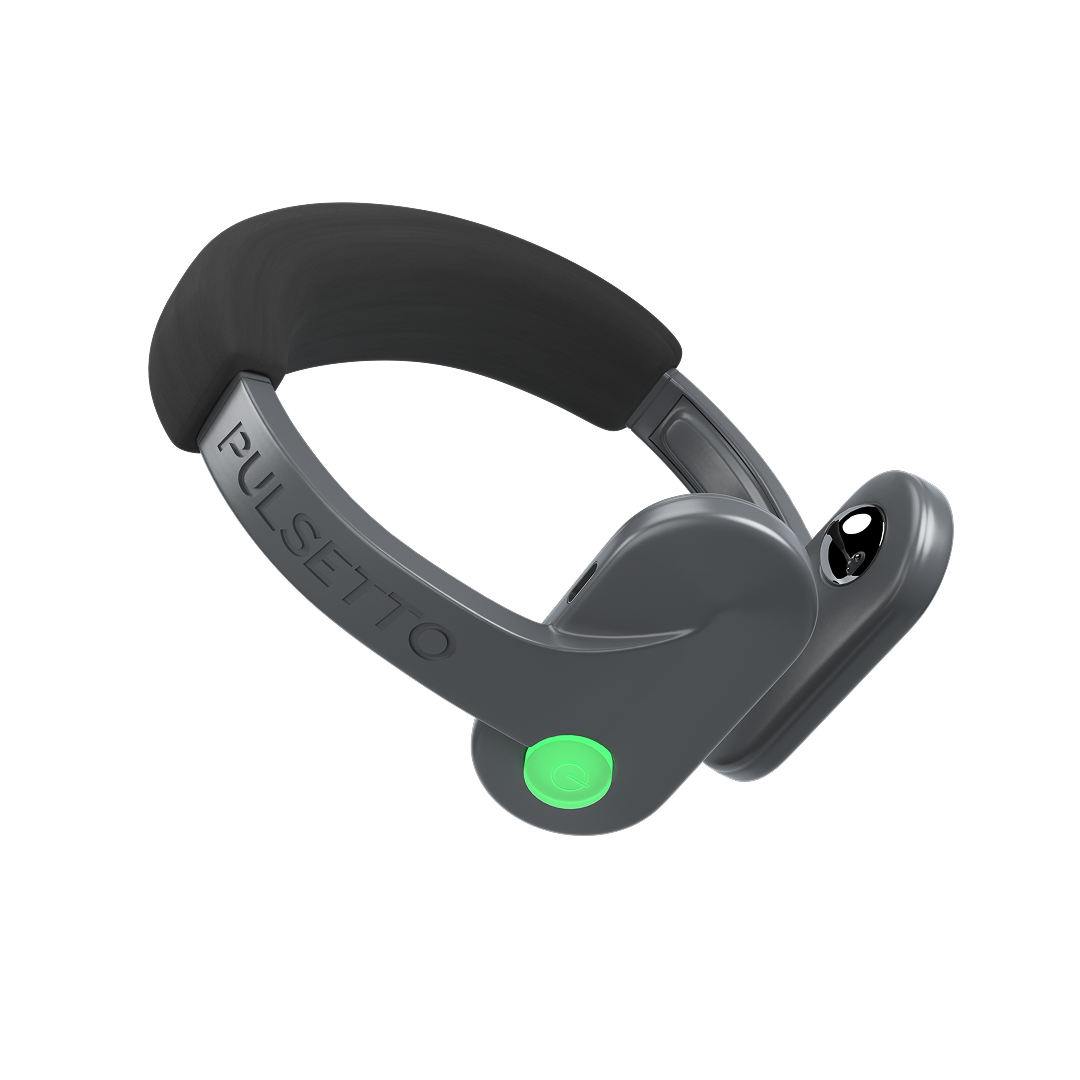
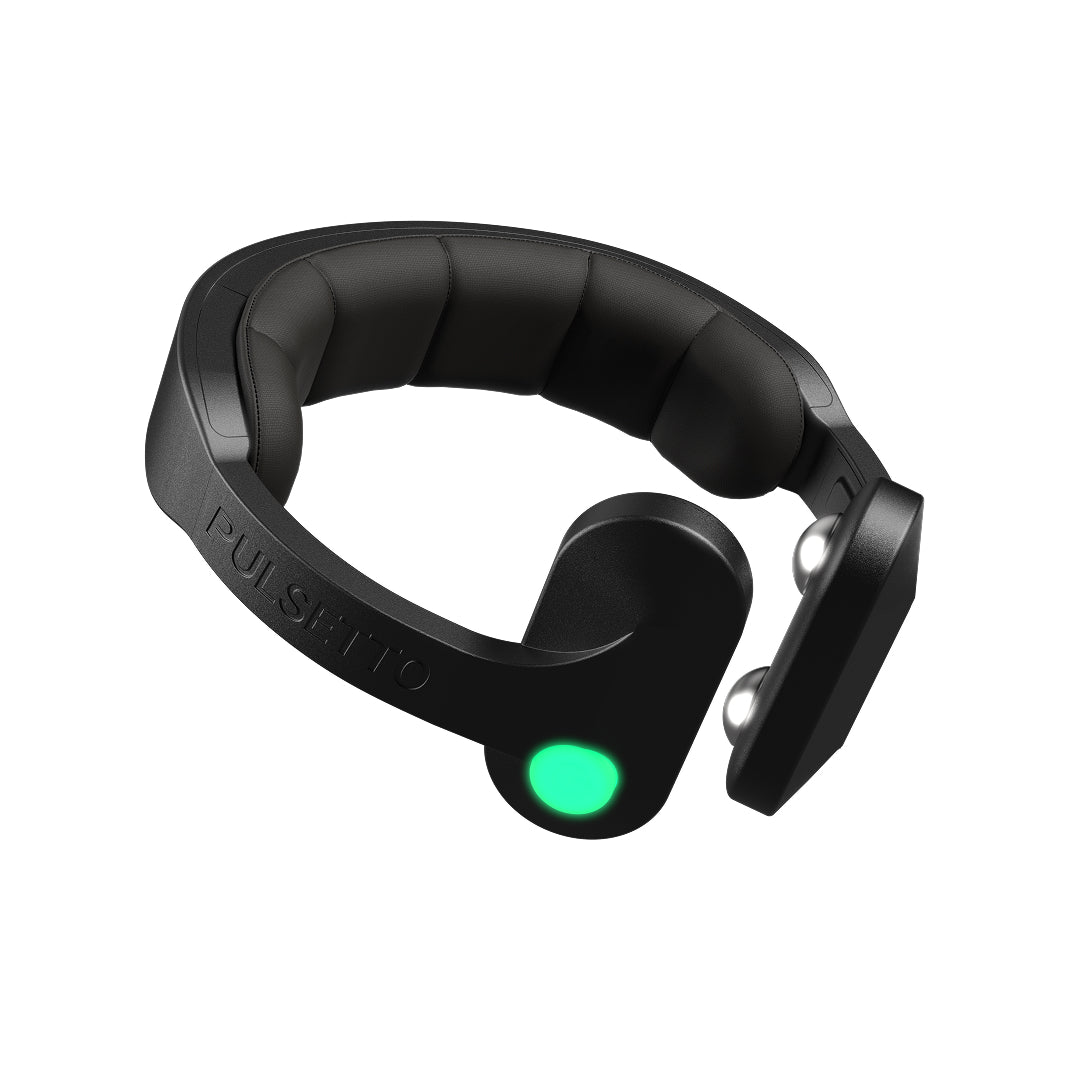
It is important to clearly understand that Pulsetto is positioned strictly as a wellness device for stress relief, relaxation, and sleep support. It is not a certified medical treatment for cluster headaches, migraines, or any other clinical disorder. While we can look at the broader science of how VNS influences the autonomic nervous system, Pulsetto should never be used to replace a doctor's treatment plan for diagnosed headache conditions.
Can Sleep, Stress, and Routine Affect Cluster Headaches?
While everyday lifestyle factors are not the root cause of cluster headaches, your daily environment plays a massive role in your overall nervous system balance. Maintaining a stable routine can support your body's natural resilience during high-stress periods.
-
Alcohol Use: During a known cluster period, even small amounts of alcohol can instantly trigger an attack. Most specialists recommend avoiding it entirely until the cycle ends.
-
Routine Disruptions: Sudden changes to your daily schedule, extreme stress loads, or shifting time zones can agitate a sensitive nervous system.
-
Stress Management: While relaxation techniques will not cure a structural headache, keeping your baseline stress low prevents your body from remaining in a permanent state of hyper-arousal.
Why Sleep Patterns Matter
Because cluster headaches frequently align with specific daily rhythms, disruptions to your sleep-wake cycle can be a major factor in your well-being. We suggest tracking your sleep timing alongside your headache log to see if shifting your rest habits correlates with a more stable, rested state.
Stress Support and Nervous System Balance
Prioritizing a calm, regulated mind supports your body’s general health. Many people like to look through real user experiences with Pulsetto to see how others have utilized non-invasive technology to improve their daily relaxation, manage work-related tension, and cultivate better nighttime habits.
What to Track Before Talking to a Doctor
To make your next medical appointment as useful as possible, gather clear, structured data about your pain patterns. We suggest keeping a simple notebook by your bed or using a tracking app to note these specific details:
Attack Timing
Record the exact start time and end time of every single headache. Note how many times the pain returns over a 24-hour period, and specifically document if the headache wakes you up from sleep in the middle of the night.
Pain Location and Side
Note the exact location of the sensation. Is the pain always located on one side of your face? Does it consistently center around the exact same eye or temple, or does it shift between the left and right sides?
Eye, Nose, and Face Symptoms
Keep a checklist of autonomic symptoms that appear during the peak of the pain. Mark down whether you experience tearing, bloodshot eyes, a blocked or runny nose, forehead sweating, localized swelling, or a heavy eyelid.
Triggers and Relief Attempts
Write down anything you consumed or experienced before the attack, such as alcohol, sudden weather shifts, or changes to your sleep habits. Additionally, list any medications, triptans, oxygen therapies, or non-drug wellness tools you used under medical guidance, noting what helped and what did not.
Explore Nervous System Support With Pulsetto

Navigating severe head pain requires a careful, coordinated approach with a medical professional. While clinical conditions need direct specialist care, supporting your everyday well-being through modern sleep technology can be an empowering way to improve your lifestyle. For friends or family members looking to build better evening routines, wellness devices make excellent sleep tech gifts that encourage healthy relaxation habits.
If you are looking for thoughtful gifts to improve sleep and manage daily stress naturally, exploring a non-invasive wellness device can be a wonderful path forward. Discover how the Pulsetto device can fit into your relaxation routine by visiting our wellness library today, and remember to always prioritize a professional medical evaluation for any severe head pain.
Cluster Headache FAQs
How long does a cluster headache attack usually last?
A single attack is typically short but intense, lasting anywhere from 15 minutes to 3 hours, though they can recur multiple times throughout a single day.
Can cluster headaches wake you up at night?
Yes, they are highly tied to your circadian rhythm and frequently strike a few hours after you fall asleep, often waking you up at the exact same time each night.
Are cluster headaches dangerous?
While the pain is extraordinarily severe, cluster headaches themselves are not inherently life-threatening. However, because intense head pain can sometimes mimic other serious neurological conditions, a professional medical diagnosis is essential.
When should I go to the doctor for a severe one-sided headache?
You should schedule an appointment with a doctor as soon as you notice a pattern of intense, one-sided head pain. If the headache is sudden, explosive, or accompanied by a fever, confusion, or neck stiffness, seek emergency care immediately.
Can vagus nerve stimulation help with cluster headaches?
Clinical studies have explored specific medical-grade nVNS devices for treating cluster headaches. However, consumer wellness devices like Pulsetto are not certified for medical treatments and are intended only for general stress relief and relaxation.
Why do cluster headaches happen in cycles?
Researchers believe cluster headaches are linked to the hypothalamus, the area of the brain that manages your internal biological clock, causing the attacks to arrive in highly predictable daily and seasonal patterns.