What Are Theta Brain Waves?
Brain waves are patterns of electrical activity generated by neurons as they communicate. They are measured in cycles per second, or Hertz (Hz), and can be observed through a technique called EEG, which detects the brain's subtle electrical signals from the scalp. Theta brain waves are slower than alpha and beta waves and tend to appear during relaxed, inward-focused states rather than during active, outward thinking.
What Frequency Are Theta Waves?
Theta brain waves are generally described as falling in the 4 to 8 Hz range. Some sources draw the boundaries slightly differently, but the core idea is consistent across the literature: these are slow waves that sit between the deep rhythms of sleep and the lighter rhythms of relaxed wakefulness.
When Do Theta Brain Waves Naturally Occur?
Theta waves tend to appear in predictable situations. Light sleep and the moments just before drifting off are classic theta states, as is deep meditation. Daydreaming, long showers, and relaxed creative work, where ideas seem to arrive without effort, are also common contexts where theta brain waves naturally emerge.
Theta Brain Waves vs. Other Brain Waves

Brain waves exist on a spectrum. Delta waves are the slowest and are linked with deep, dreamless sleep. Alpha waves are a step faster and are associated with relaxed alertness, like the calm after a walk. Beta waves dominate during active thinking, problem-solving, and stress responses. Gamma waves are the fastest and are connected with high-level cognitive processing.
Theta brain waves sit between delta and alpha. Understanding this spectrum helps explain why chronic stress can feel so draining: sustained beta dominance keeps the brain in a high-effort mode with very little downshift time, which is exactly where theta activity would otherwise provide relief.
Why Balance Matters More Than Maximizing Theta
A healthy brain shifts between wave states depending on what the moment demands. You need beta to focus, alpha to unwind, delta to recover in deep sleep, and theta to process emotions and access creative insight. Staying in a theta state continuously would make clear-headed focus and practical thinking difficult.
People with neurological conditions or mental health diagnoses should speak with a qualified professional before starting brainwave-focused tools or protocols.
Theta Waves Benefits: Why People Want to Increase Them
Interest in theta waves benefits has grown alongside broader interest in mindfulness, sleep quality, and mental recovery. Theta brain waves are associated with some of the most restorative experiences the mind can have, from deep calm to creative breakthroughs to smoother sleep. These benefits are not guaranteed for every person, but the patterns appear consistently enough in research to make theta-supporting habits worth exploring.
Deep Relaxation and Stress Relief
Theta states are often associated with reduced mental chatter and a quieter body. When the brain slows toward theta, the nervous system tends to shift from sympathetic activation toward a more parasympathetic, rest-and-digest mode. One of the clearest theta waves benefits is simply that things feel less urgent and the body gets a chance to recover from accumulated stress.
Creativity and Intuitive Thinking
Relaxed, inward-focused states may make it easier to access new ideas and unexpected connections. This is why creative insights so often arrive in the shower, on a morning walk, or in the moments before falling asleep. Exploring theta waves benefits for creativity is less about trying harder and more about stepping back enough to let the mind make its own associations.
Sleep Support
Theta brain waves naturally appear during the transition from wakefulness into sleep, making the pre-sleep window an important target for anyone who wants to improve rest quality. Habits that reduce stimulation in the evening help the brain arrive at this transition more easily. If you are also looking for the best technology to improve sleep quality, combining it with these evening habits tends to produce the most consistent results.
Emotional Processing
Calm, meditative states may support the kind of quiet reflection that helps people process feelings and build emotional awareness. When the brain is not occupied with reactive, beta-dominant thinking, there is more space for grounded emotional responses. These are gentle effects and are not a substitute for professional mental health support.
How to Increase Theta Brain Waves Naturally
Most natural methods for supporting theta brain waves work by reducing sensory input, slowing the breath, and giving the mind permission to stop solving problems. The practices below require no special equipment and can be built into existing daily habits.
Practice Slow, Breath-Focused Meditation
Sit comfortably, close your eyes, and breathe slowly. When thoughts arise, notice them and gently return attention to the breath without judgment. Beginners can start with four to five minutes and build gradually from there. Consistent short sessions tend to produce more lasting shifts in theta brain waves than occasional long ones.
Use Slow Breathing to Calm the Nervous System
Slow, exhale-focused breathing sends a direct physiological signal that the body is safe. Inhaling for four counts and exhaling for six activates the parasympathetic nervous system, reducing stress arousal and creating the physical conditions where theta brain waves are more likely to emerge. This can be done anywhere and begins taking effect within a few minutes.
Listen to Binaural Beats or Gentle Soundscapes
Binaural beats work by playing slightly different audio frequencies in each ear. The brain perceives the difference as a single pulsing tone, and when that tone falls in the theta range, it may gently encourage slower brainwave activity. These tracks work best as a support tool paired with meditation or a wind-down routine, rather than as a standalone method for increasing theta brain waves.
Create a Low-Stimulation Evening Routine
Dimming lights an hour before bed, reducing screen time, listening to calm music, and taking a warm shower are all simple ways to reduce the sensory input that keeps the brain in a more active state. A consistent sleep schedule adds further signal to the body that rest is approaching. If you are also comparing the most reliable sleep tech brands to add to this routine, pairing any device with a low-stimulation wind-down gives it the best conditions to work in.
How Vagus Nerve Stimulation May Support Theta Brain Waves
The vagus nerve is the longest cranial nerve in the body and acts as the primary pathway of the parasympathetic nervous system. When it is activated, heart rate slows, breathing deepens, and the body moves toward a calm, rest-and-digest state. Non-invasive vagus nerve stimulation may help reduce stress arousal and create the physiological conditions where theta brain waves are more likely to appear.
The Link Between the Vagus Nerve and Relaxation
The vagus nerve connects the brainstem to the heart, lungs, and digestive system, helping coordinate the body's recovery response after stress. When vagal tone is higher, the body tends to feel calmer and more settled. This connection between vagal activation and the conditions needed for theta brain waves makes nervous system regulation a useful foundation for anyone trying to access deeper relaxation.
Why Stress Makes Theta States Harder to Reach
Chronic stress keeps the nervous system in a high-alert mode, which suppresses the slower brainwave states linked with rest and recovery. People carrying a high baseline stress load often find meditation frustrating precisely because the body is primed to stay vigilant. Supporting the nervous system directly tends to be more effective than simply trying harder to relax. If you are also exploring VNS to reduce anxiety, addressing this layer first tends to make calming practices noticeably more accessible.
How Pulsetto Fits Into a Theta-Supporting Routine
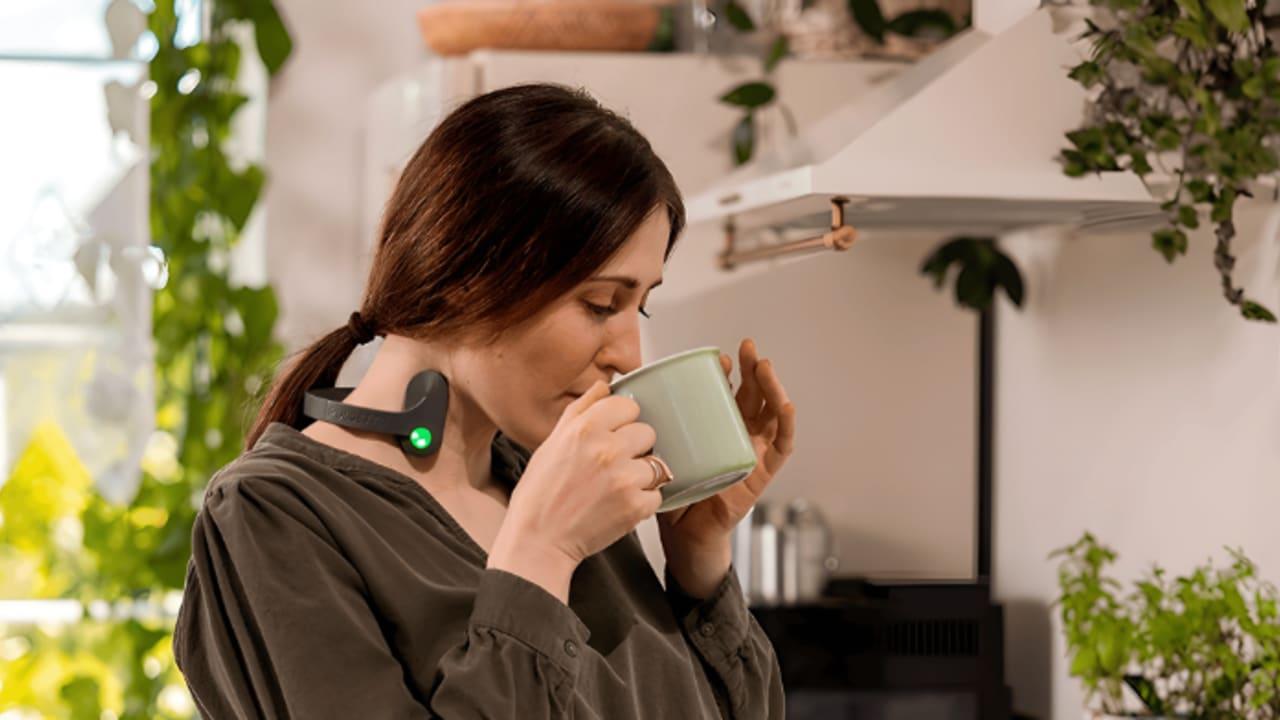
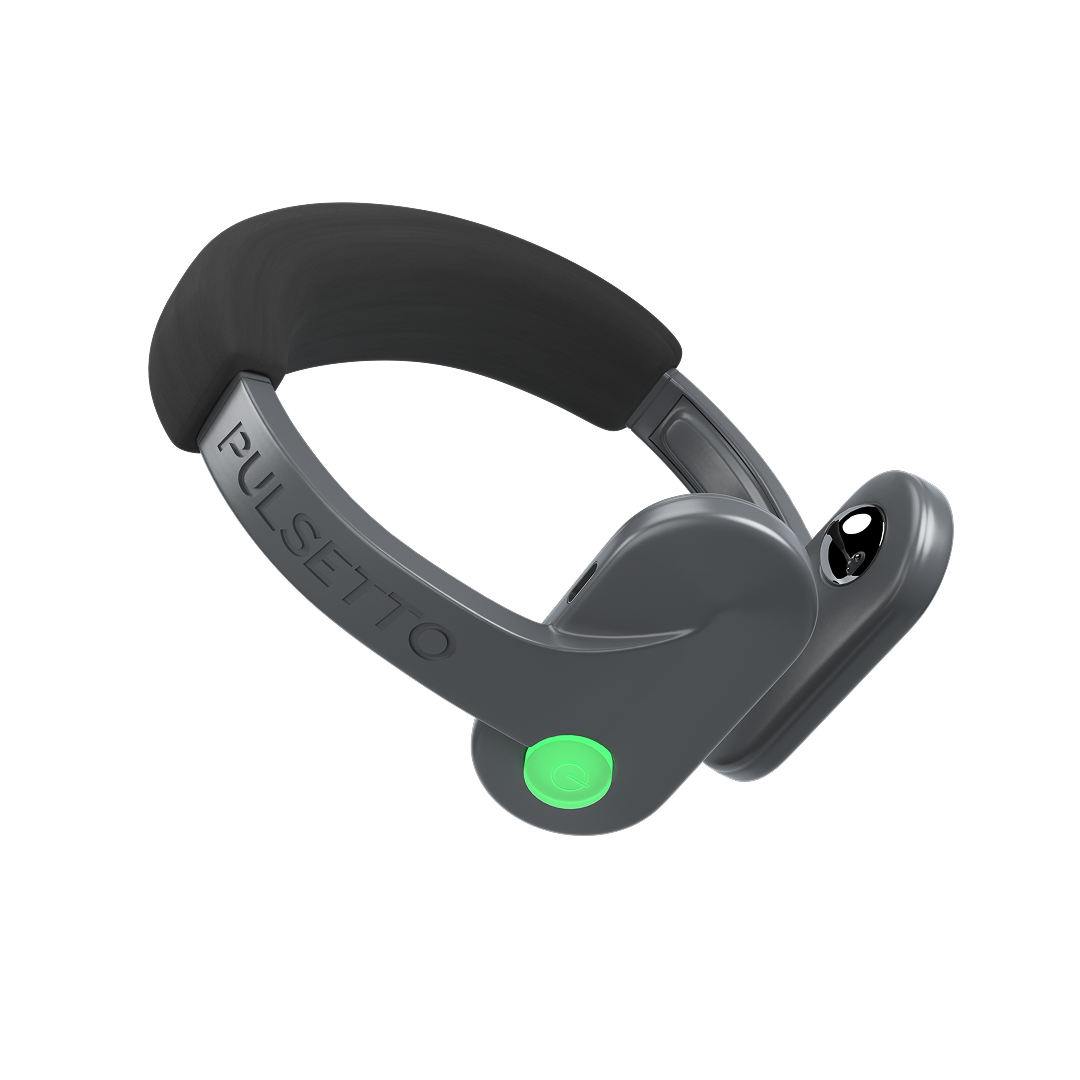
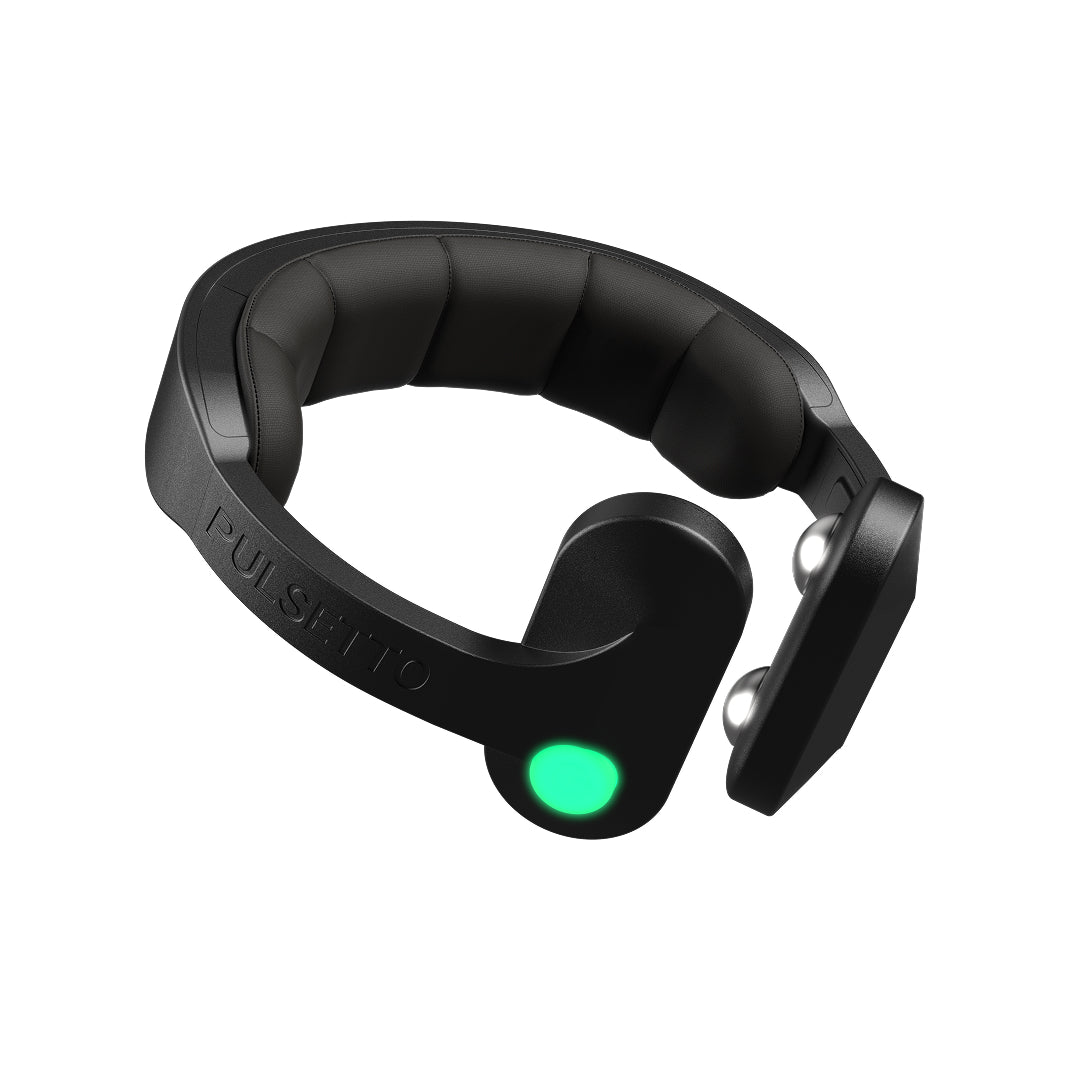
Pulsetto uses non-invasive electrical pulses on the neck area to support vagus nerve stimulation through guided app programs. For people who struggle to reach calm states through meditation alone, it may help create the relaxed conditions associated with theta brain waves and the broader theta waves benefits linked to rest and emotional recovery. It does not force any particular brainwave state; it supports the nervous system conditions that make those states more reachable.
If you are curious about what Pulsetto users report and their reviews, many describe incorporating it into a consistent evening routine alongside the habits above.
A Simple Daily Routine to Encourage Theta Brain Waves
The routine below is designed to be realistic, not strict. Pick the elements that fit your schedule and build gradually. Consistent low-effort habits produce more lasting results than intense, occasional sessions.
Morning: Start With Calm Attention
Before checking your phone, spend three to five minutes breathing slowly, stretching, or sitting quietly. This brief window helps the brain ease into wakefulness without immediately triggering high beta activity. Starting the day with some calm sets a baseline that makes theta brain waves easier to access later.
Midday: Use a Short Reset
A five-minute break using breathwork, a brief meditation, or a short walk outdoors can interrupt stress buildup before it accumulates into the afternoon. The goal is not a full theta state but a partial reset that supports nervous system recovery and keeps theta brain waves more accessible as the day continues.
Evening: Prepare the Brain for Sleep
Dim your lights, set your phone down, and use calming audio or a short relaxation practice before bed. Theta brain waves naturally appear during the wake-to-sleep transition, so the evening is the most important window for encouraging them. The lower the stimulation going into that transition, the more easily the brain can make the shift.
How to Know If Your Theta-Supporting Routine Is Working
Most people will not have access to an EEG to measure theta brain waves directly at home. The practical signals to look for are easier relaxation, shorter time falling asleep, lower perceived stress across the day, and a general sense of mental recovery after rest periods. Tracking these patterns over two to four weeks gives a clearer picture than trying to assess results after a single session.
Track Relaxation, Sleep, and Mood
Keep a short daily journal for two to four weeks. After each practice, note your stress level, how quickly you felt calm, your sleep quality the previous night, and your overall mood. Over time, patterns will emerge that show which theta waves benefits are showing up most consistently and which habits are contributing most.
Use Wearables Carefully
Consumer wearables, including sleep trackers and HRV monitors, can offer useful trends about recovery and nervous system balance. They are not clinical diagnostic tools, and theta brain waves readings from consumer devices in particular should be treated as general indicators rather than precise data. Look for patterns across weeks rather than placing too much weight on any single reading.
Ready to Reach a Deeper State of Calm?
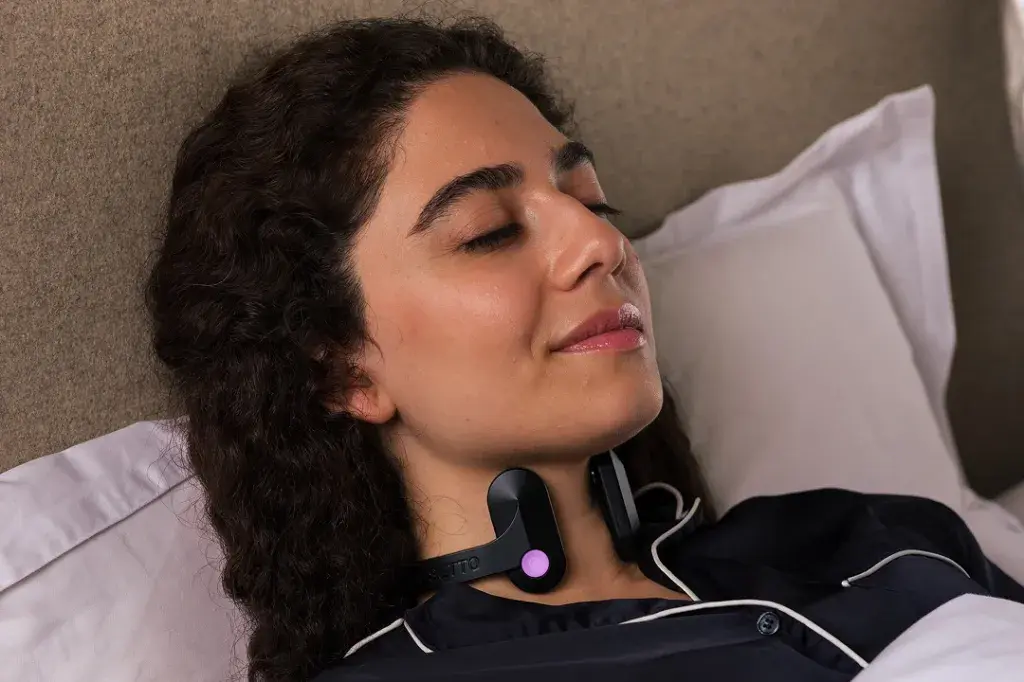
Building a quieter nervous system baseline takes consistency, not willpower. Combining the natural habits above with a tool designed to support parasympathetic activation may help you reach calmer states more reliably, whether that means easing into meditation, winding down before sleep, or recovering from a demanding day.
Pulsetto is a general wellness device and is not intended to diagnose, treat, cure, or prevent any disease or medical condition. For people drawn to the theta brain waves and theta waves benefits covered in this article, it offers a practical, drug-free starting point for experiencing that calmer state more consistently.
Theta Brain Waves FAQs
What do theta brain waves feel like?
People often describe theta states as a gentle, drifting sensation, similar to the feeling just before falling asleep or the quiet calm that settles in during deep meditation. Thoughts become less linear and more associative. It is a relaxed but not unconscious state, and many people find it feels effortless rather than forced.
Can meditation increase theta brain waves?
Regular meditation is one of the most well-studied ways to support theta brain waves. Research on experienced meditators shows higher theta activity during and after practice, and beginners can see meaningful shifts with consistent sessions over several weeks. Short daily practice tends to produce better results than occasional longer sessions.
Do theta brain waves help with sleep?
Theta brain waves naturally appear during the transition from wakefulness to sleep, so habits that encourage theta activity in the evening may support smoother sleep onset. They are particularly linked with the lighter sleep stages and the period just before deeper sleep begins, making them relevant for anyone who struggles to switch off at bedtime.
Are too many theta brain waves bad?
In most everyday contexts, no. However, if theta activity were to dominate during tasks that require alert focus, such as driving or detailed work, performance and safety could be affected. A balanced brain moves fluidly between states, and the goal is to access theta brain waves when they are useful, not to maintain them continuously.
How long does it take to increase theta brain waves?
It varies by person and practice. Some people notice shifts in relaxation quality within a few sessions of consistent meditation or breathwork. Building a reliable theta-supporting habit usually takes several weeks of regular practice before the theta waves benefits become consistent and predictable.
Can you measure theta brain waves at home?
Consumer EEG headsets exist and can give a general sense of brainwave activity, but they are not clinical-grade tools. They may be useful for building awareness and spotting broad patterns, but should not be treated as precise diagnostic measurements of theta brain waves.