What Is Deep Sleep?
In sleep science, deep sleep is defined as the deepest stage of non-REM sleep, also known as N3 sleep or slow-wave sleep. During this stage, your body undergoes distinct physiological changes: your breathing slows, your heart rate drops, your brainwaves slow down to large delta waves, and your muscles completely relax. This allows the body to shift its energy away from mental processing and toward physical repair. Deep sleep tends to happen more heavily during the first half of the night, making early evening relaxation essential.
Why Deep Sleep Matters
Securing enough slow-wave sleep is vital if you want to improve deep sleep and overall sleep quality. This highly restorative sleep stage is responsible for:
-
Physical Repair: Cellular rebuilding and tissue growth occur during N3.
-
Immune Support: Sleep medicine sources consistently link slow-wave sleep with robust immune function and defense.
-
Memory Consolidation: The brain processes and organizes short-term information into long-term memory.
-
Hormone Balance: Crucial hormones, including human growth hormone, are regulated and released.
How Much Deep Sleep Do Adults Need?
The exact amount of deep sleep a person needs varies based on age, health, lifestyle, and overall sleep duration. According to the Cleveland Clinic, deep sleep and REM sleep each make up about 25% of total sleep in many healthy adults. It is normal for your deep sleep percentage to naturally decrease as you age. When tracking your sleep stages with consumer wearables, it is best to view the data as a general guide rather than obsessing over an exact daily how much deep sleep number, as commercial trackers look at trends rather than perfect medical data.
Why You May Not Be Getting Enough Deep Sleep
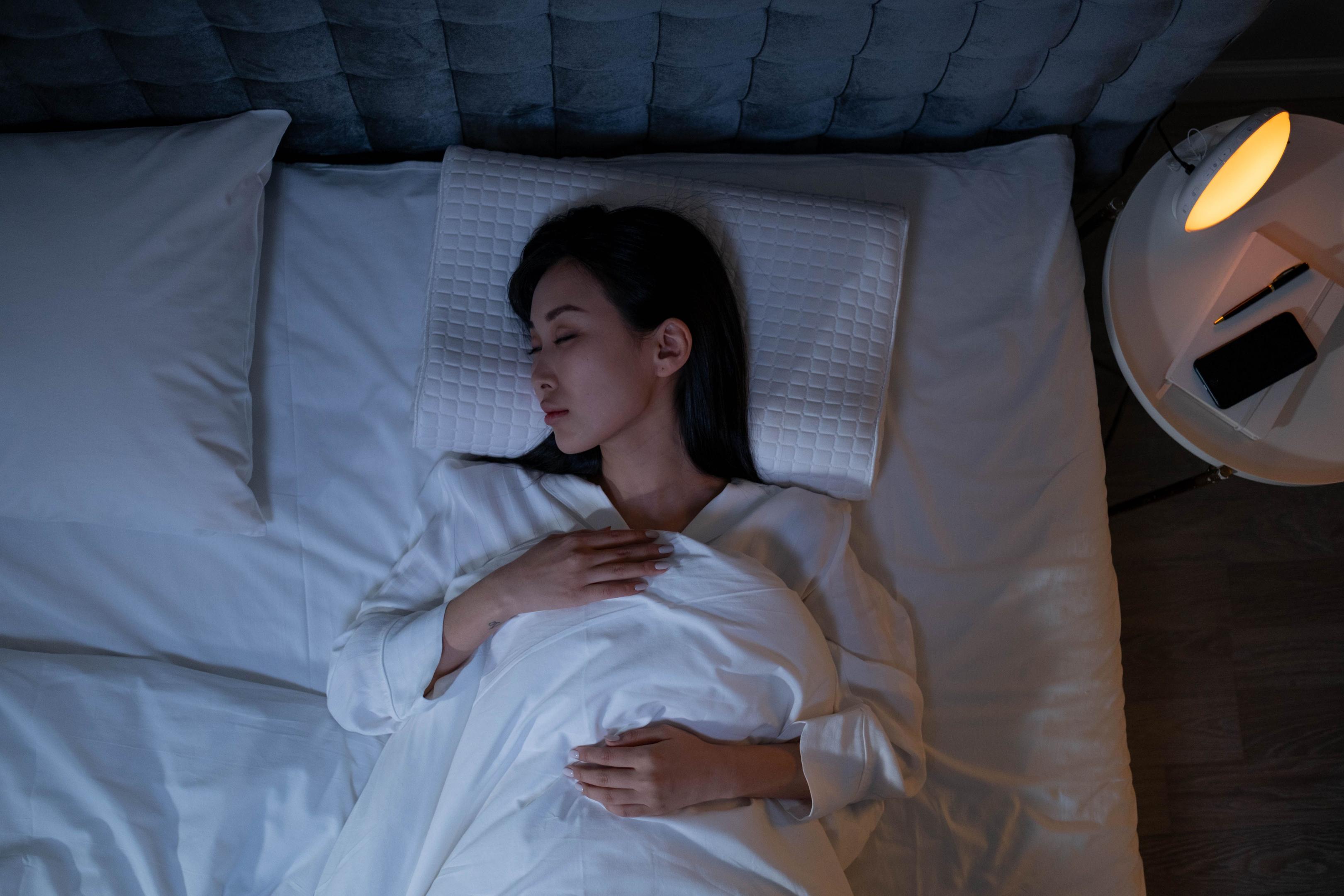
Experiencing poor deep sleep is usually a clear sign that your body is encountering too much sleep disruption to sustain calm, uninterrupted rest. Identifying why you are missing out is the first step toward learning how to improve deep sleep.
Stress and an Overactive Nervous System
When you carry high mental loads, anxiety, or emotional tension into the evening, your nervous system stays locked in an active "fight-or-flight" mode. This state of hyper-arousal makes it incredibly difficult for the body to relax enough to settle into deep sleep. If you find that late-night work or racing thoughts are blocking your rest, exploring options like VNS to reduce anxiety can help you understand how to naturally calm your baseline stress before bed.
Irregular Sleep and Wake Times
Your circadian rhythm thrives on predictability. If your sleep schedule shifts dramatically between workdays and weekends, your internal biological clock cannot accurately predict when to release sleep hormones, directly reducing your deep sleep efficiency.
Alcohol, Caffeine, and Late Meals
While alcohol and deep sleep are often misunderstood because a drink can make you feel drowsy, alcohol actually fragments your sleep architecture later in the night, cutting your restorative rest short. Similarly, caffeine and sleep are a poor mix; caffeine can stay active in your system for hours, keeping your brain alert. Eating heavy meals right before bed also hurts sleep quality by forcing your body to focus on digestion rather than repair.
Heat, Light, Noise, and Screens
Your sleep environment plays a massive role in better sleep. A room that is too warm prevents your core body temperature from dropping, which is a required trigger for deep rest. Furthermore, blue light exposure from evening screen use tricks the brain into thinking it is still daytime, delaying your natural sleep cycle.
Sleep Disorders or Medical Issues
If you practice good habits but still experience poor sleep quality, an underlying issue may be present. Chronic snoring, gasping for air, restless legs, physical pain, or long-term insomnia require professional evaluation. The Cleveland Clinic advises speaking with a healthcare provider if you suspect sleep disorders like sleep apnea or are experiencing medication side effects.
How to Increase Deep Sleep Naturally
To discover how to increase deep sleep, you must implement habits that work together to protect your night. Here are ten practical ways to learn how to get more deep sleep naturally.
1. Keep a Consistent Sleep Schedule
Training your circadian rhythm requires waking up at the exact same time every day, even on weekends. This consistency anchors your internal clock and helps you how to improve deep sleep by making your sleep cycles more predictable.
2. Get Morning Light
Step outside into natural morning light within 30 minutes of waking up. This signals your brain to stop producing melatonin and sets a natural timer for the hormone to release later that evening, reinforcing your circadian rhythm for better deep sleep.
3. Exercise During the Day
Engaging in regular, moderate exercise and sleep studies show that daytime movement increases your body's "sleep pressure" (the homeostatic drive to sleep). Aim to complete workouts earlier in the day, as intense late-night exercise can be too stimulating for some people's sleep quality.
4. Build a Calming Bedtime Routine
Your bedtime routine should signal safety to your body. Dedicate the hour before bed to low-stimulation activities like dimming the lights, gentle stretching, or reading. This is also the ideal time to try a vagus nerve stimulation device to physically prepare your body for rest. Many people who want to improve their deep sleep read through what Pulsetto users report and their reviews to see how adding neurotechnology to their routine improves relaxation before bed and helps quiet a racing mind.
5. Cool, Darken, and Quiet Your Bedroom
The Cleveland Clinic recommends keeping your sleep environment cool, dark, and quiet. Use blackout curtains, an eye mask, or earplugs to remove external disturbances. A cave-like room ensures better sleep quality by protecting you from mid-night wake-ups that interrupt your deep sleep.
6. Stop Caffeine Earlier
Because caffeine blocks adenosine receptors (the chemicals that make you feel tired), establishing a strict cut-off time by early afternoon is essential. Cutting off stimulants early ensures your brain waves can slow down naturally, which is the baseline requirement if you want to find out how to get more deep sleep without interference.
7. Limit Alcohol Before Bed
While many people think a nightcap helps them unwind, the reality is that alcohol and deep sleep simply are not good friends. To preserve your sleep quality, avoid drinking within 3 to 4 hours of bedtime. Cutting it out early ensures your brain can complete its natural, unbroken slow-wave cycles instead of being waking up constantly as the alcohol clears your system.
8. Avoid Heavy Late Meals
Keep your nighttime routine light by finishing large dinners at least three hours before bed. If you need an evening snack, choose something small and easy to digest to protect your sleep quality and avoid physical discomfort.
9. Reduce Screen Stimulation at Night
Incorporate a screen curfew at least one hour before bed. The truth is that heavy screen time and sleep quality just don't mix. Putting your devices away early allows your brain to unwind without the blue light and mental alerts that disrupt your bedtime routine and delay deep sleep.
10. Track Patterns, Not Just One Night
Use sleep tracking tools to look for broad trends over 2 to 3 weeks rather than stressing over a single night's data. Documenting your caffeine use, stress levels, and sleep quality helps you learn to improve deep sleep based on your specific lifestyle patterns.
How Nervous System Regulation Helps You Get More Deep Sleep
To understand how to get more deep sleep, you have to understand how your nervous system manages rest. Your body operates on two main branches: the sympathetic nervous system ("fight-or-flight") and the parasympathetic nervous system ("rest-and-digest"). Deep, slow-wave sleep can only happen when the body feels safe enough to completely disengage its alert mode.
The Link Between Stress, HRV, and Sleep Quality
Heart Rate Variability (HRV) is a primary physiological indicator of how well your body manages stress and sleep. A higher nighttime HRV means your parasympathetic system is actively leading your sleep recovery. Peer-reviewed neuroscientific research published in Frontiers in Neuroscience has found that specific parameters of vagus nerve stimulation can have a direct impact on autonomic metrics like HRV. It is important to distinguish this clinical VNS research from consumer wellness use; while clinical settings use high-intensity devices for targeted pathologies, consumer wellness tools like Pulsetto apply these same underlying principles at a lower intensity to help users wind down manually at home.
Why Relaxation Before Bed Is More Than a Mindset
True relaxation before bed requires calming both your thoughts and your physical body. Practices like slow-exhale breathwork, progressive muscle relaxation, and non-invasive VNS work from the "body up" to signal the brain that it is safe to enter deep sleep.
Where Pulsetto Fits Into a Deep Sleep Routine
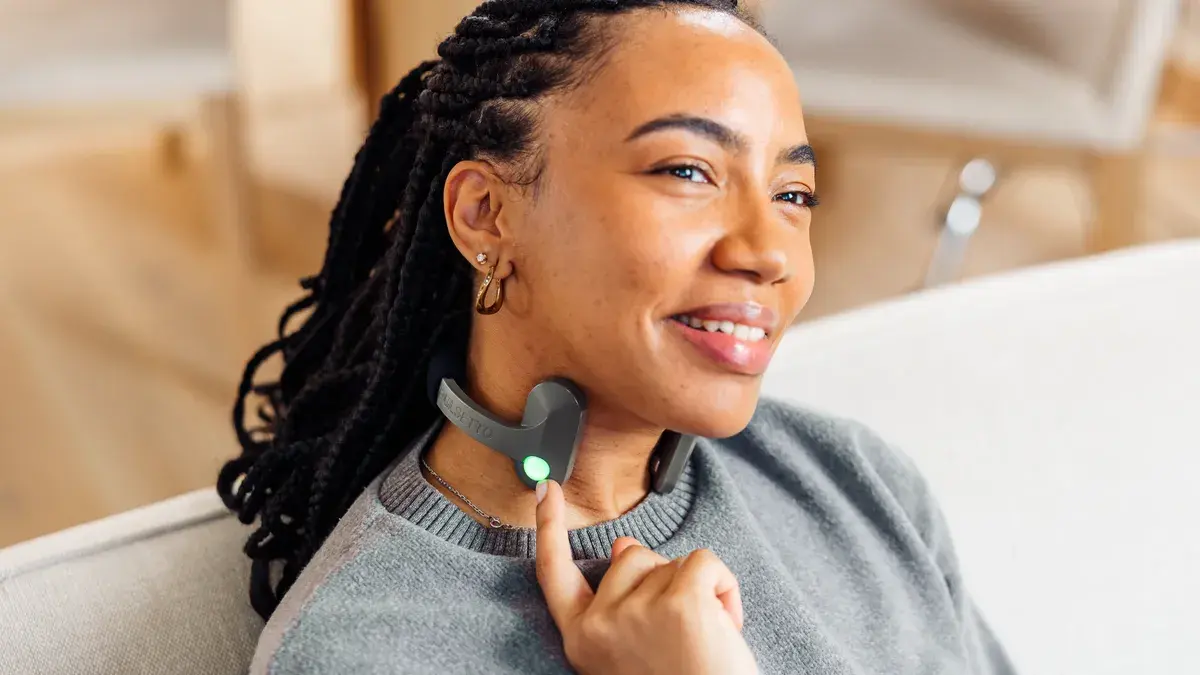
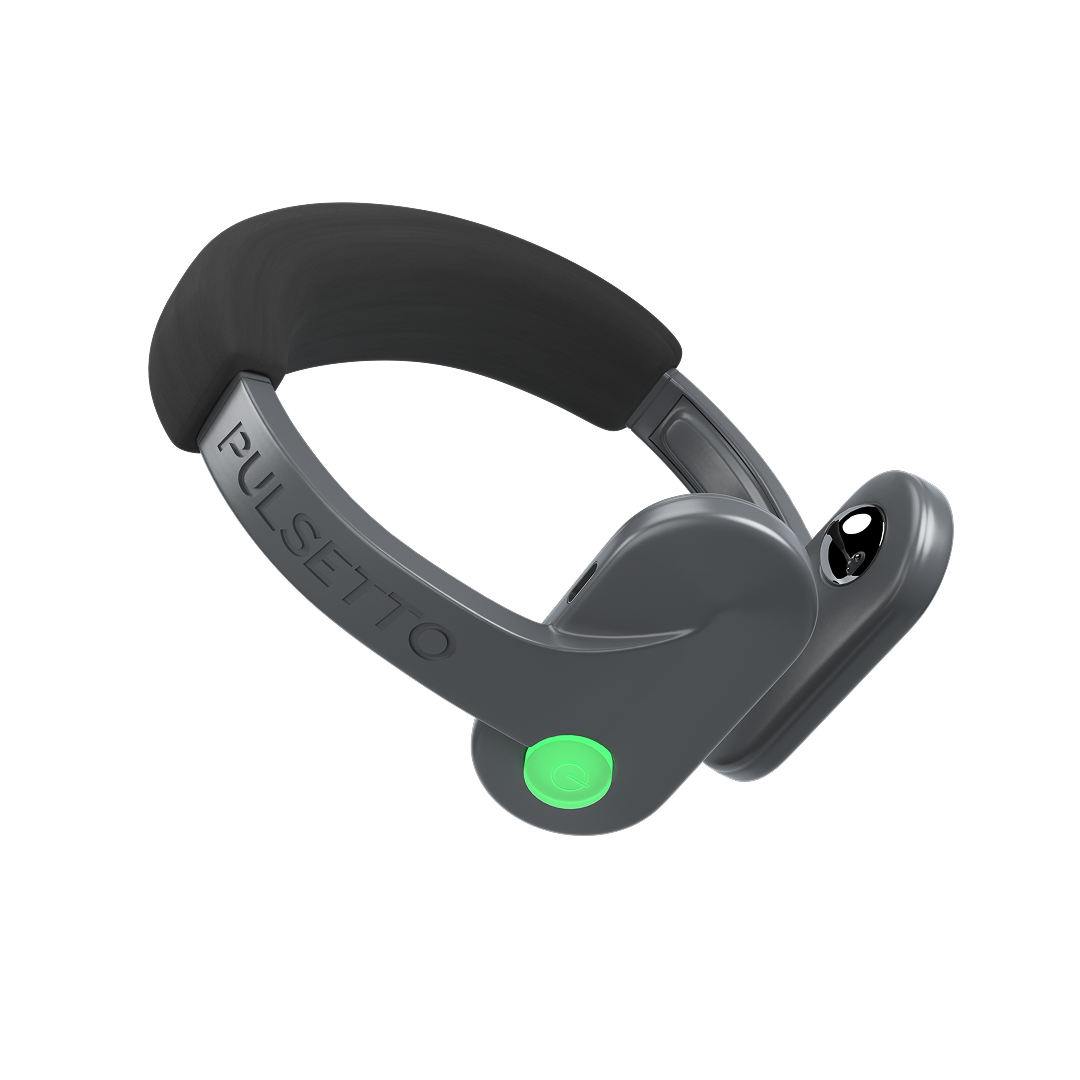
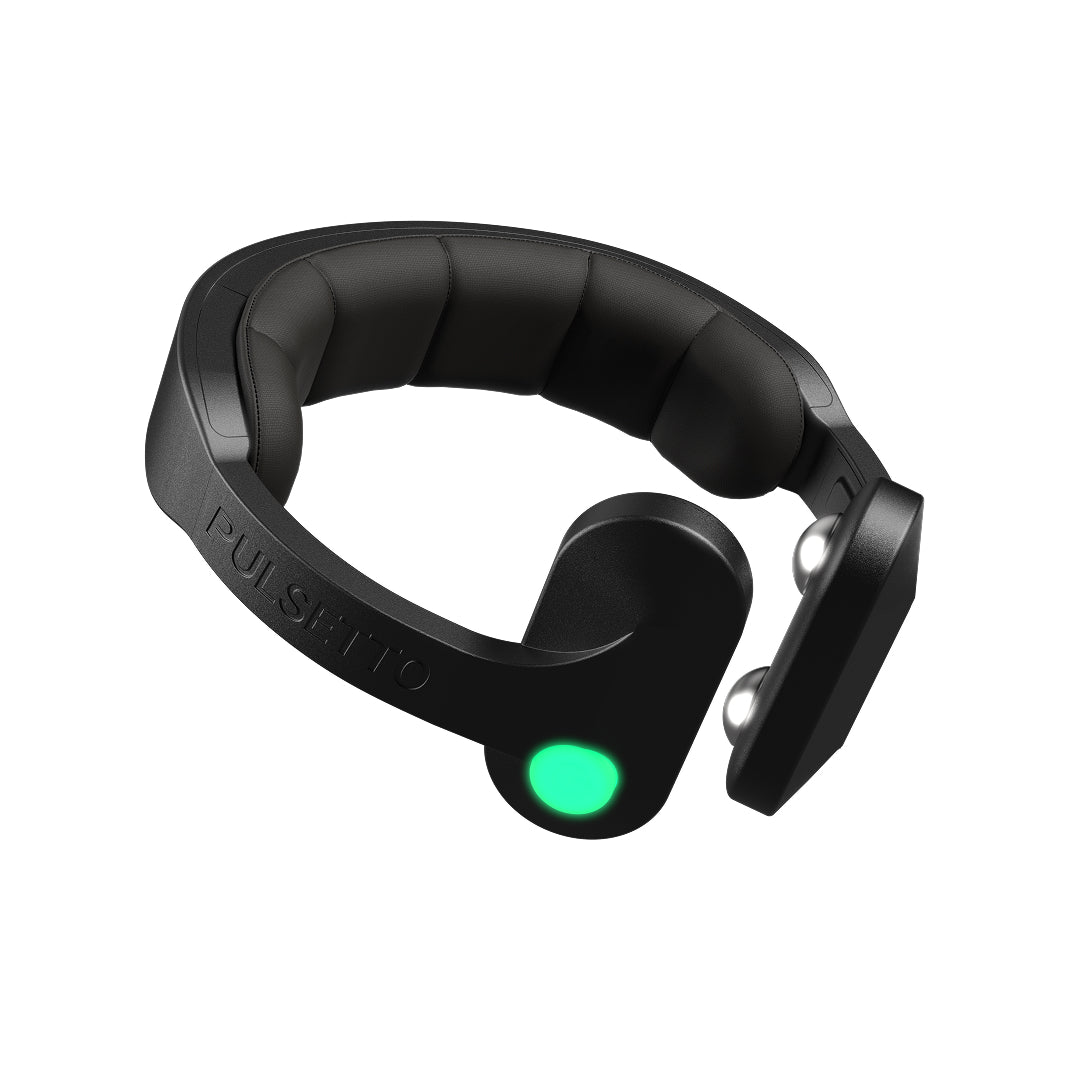
Pulsetto is a wearable neck device that utilizes mild, non-invasive electrical pulses to stimulate the vagus nerve. By acting as a pre-bed wellness tool, it is designed to help you improve deep sleep by encouraging your body to shift into a calm, parasympathetic state. With dedicated app programs for stress, anxiety, and sleep, it provides a practical way to support your overall sleep quality before you drift off.
A Simple Night Routine to Improve Deep Sleep
To minimize decision fatigue, follow this realistic evening timeline. This practical blueprint will show you exactly how to improve deep sleep by using a simple step-by-step routine, giving your nervous system the tools it needs when you are trying to figure out how to get more deep sleep every night.
-
2–3 Hours Before Bed: Finish your last large meal, wrap up heavy work tasks, and limit alcohol intake to protect your sleep quality.
-
60 Minutes Before Bed: Dim the household lights, initiate a screen curfew, and transition into a relaxing sleep routine like reading or taking a warm shower to prepare for deep sleep.
-
20 Minutes Before Bed: Engage your nervous system directly. Spend this time doing slow breathwork, light stretching, or running a sleep-focused program on your Pulsetto device to maximize your vagus nerve stimulation and pre-bed relaxation.
-
During the Night: If you wake up at night, keep your environment completely dark. Avoid checking your smartphone, and if you cannot fall back asleep, practice a quiet, low-light calming activity until you feel drowsy.
What to Do If Your Deep Sleep Still Does Not Improve
When simple habit changes aren't enough to correct poor sleep quality, it is time to evaluate your sleep health more closely to figure out how to increase deep sleep.
Look for Signs of a Sleep Disorder
If you experience loud snoring, gasping for air, morning headaches, chronic daytime fatigue, or long-term insomnia, you should avoid self-diagnosis. These symptoms often point to a formal sleep disorder like sleep apnea and require professional clinical guidance.
Review Medication, Stress, and Health Factors
Many factors influence your sleep health and deep sleep architecture. Chronic pain, mental health challenges like depression, and certain prescription medications can alter your sleep quality. Always consult your physician before changing or stopping any medication.
Compare Sleep Tools Carefully
When looking for the right sleep technology to improve sleep quality, choose sleep tools that assist with behavior change rather than just tracking data. Look for devices that offer comfort, ease of use, credible wellness claims, and transparent user feedback. For a broader look at what is available, you can read about the best technology to improve sleep quality or compare the most reliable sleep tech brands to find an option that integrates seamlessly into your life.
Ready to Sleep Deeper With a Calmer Nervous System?
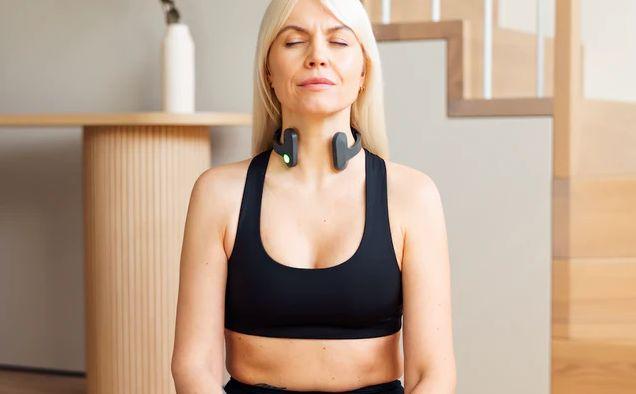
Reclaiming your nighttime recovery starts with a regulated nervous system. If you already practice the foundations of good sleep hygiene but still struggle to wake up rested, focusing on your autonomic balance is the natural next step. By using vagus nerve stimulation to support your pre-bed relaxation routine, you can build a consistent, simple habit that encourages a state of deep calm. If you want to understand how to increase deep sleep organically, consistency is key. Discover how prioritizing your autonomic health can help you improve deep sleep by exploring Pulsetto's wellness solutions today.
How to Increase Deep Sleep FAQs
These answers cover the most common questions people ask when trying to discover how to get more deep sleep safely.
What is the fastest way to increase deep sleep?
There is no instant fix, but keeping a perfectly consistent wake time, optimizing your bedroom temperature, and lowering your heart rate before bed are the fastest ways to support slow-wave sleep.
Can you force your body to get more deep sleep?
No, you cannot force it directly. You can only optimize your sleep environment and your nervous system state so your body feels safe enough to enter deep sleep naturally.
Why am I getting very little deep sleep?
Common causes include high stress, drinking alcohol close to bedtime, consuming late caffeine, sleeping in a room that is too warm, or dealing with an underlying sleep disorder.
Does stress reduce deep sleep?
Yes. High stress keeps your sympathetic nervous system active, keeping your body in a state of alert that blocks the transition into deep N3 sleep cycles.
Can vagus nerve stimulation help with deep sleep?
VNS helps activate the parasympathetic nervous system, which lowers your heart rate and cortisol levels, creating the ideal physical conditions for restorative sleep.
What foods help improve deep sleep?
Light evening snacks containing magnesium or tryptophan (like almonds, kiwis, or tart cherry juice) can support your body's natural relaxation pathways.
Does exercise increase deep sleep?
Yes. Regular daytime exercise increases your homeostatic sleep drive, meaning your body requires deeper, more restorative sleep stages to recover physically.
Why do I wake up tired even after 8 hours of sleep?
This often happens if your sleep is fragmented by environmental disturbances, stress, alcohol, or an undiagnosed sleep disorder, preventing you from spending enough continuous time in deep sleep.