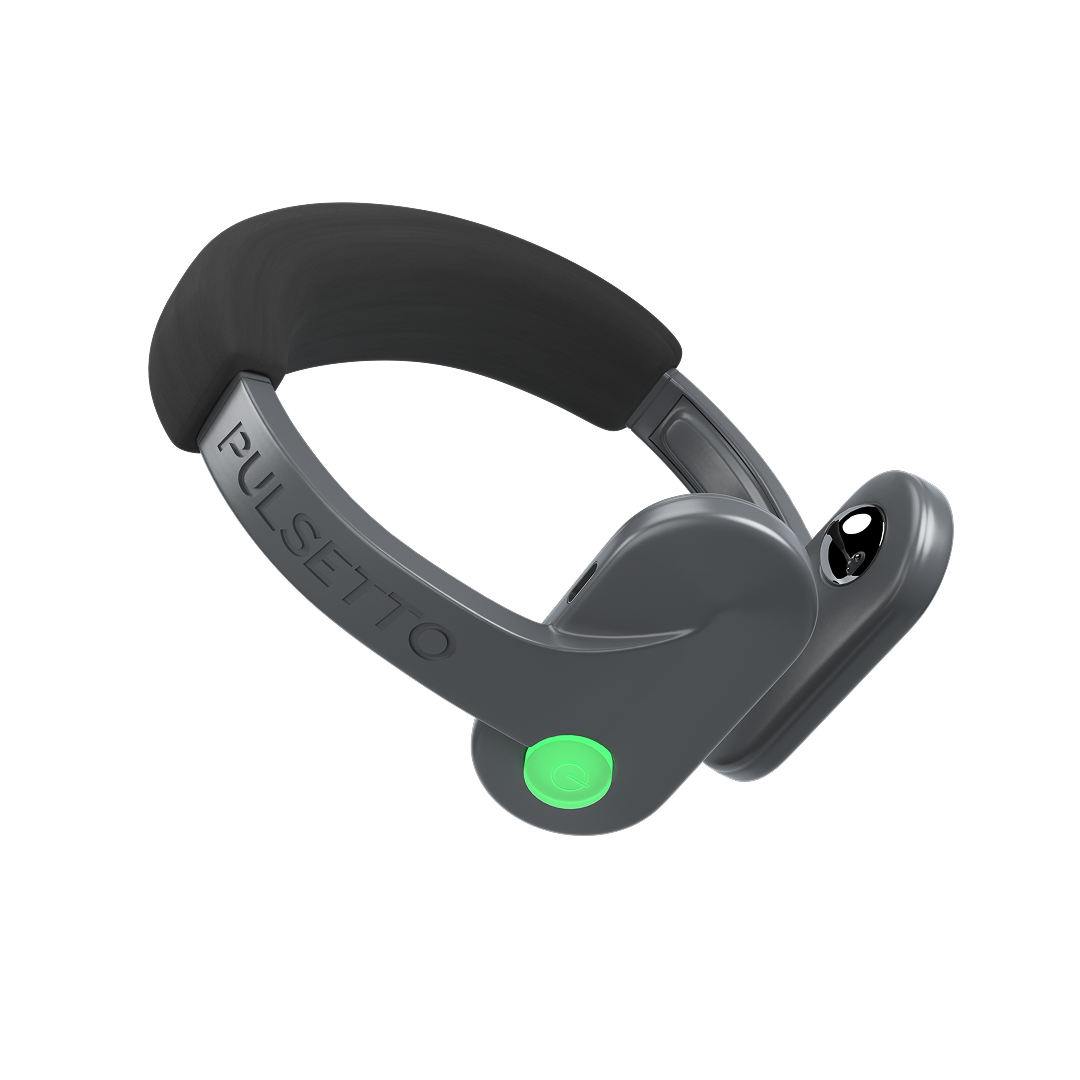
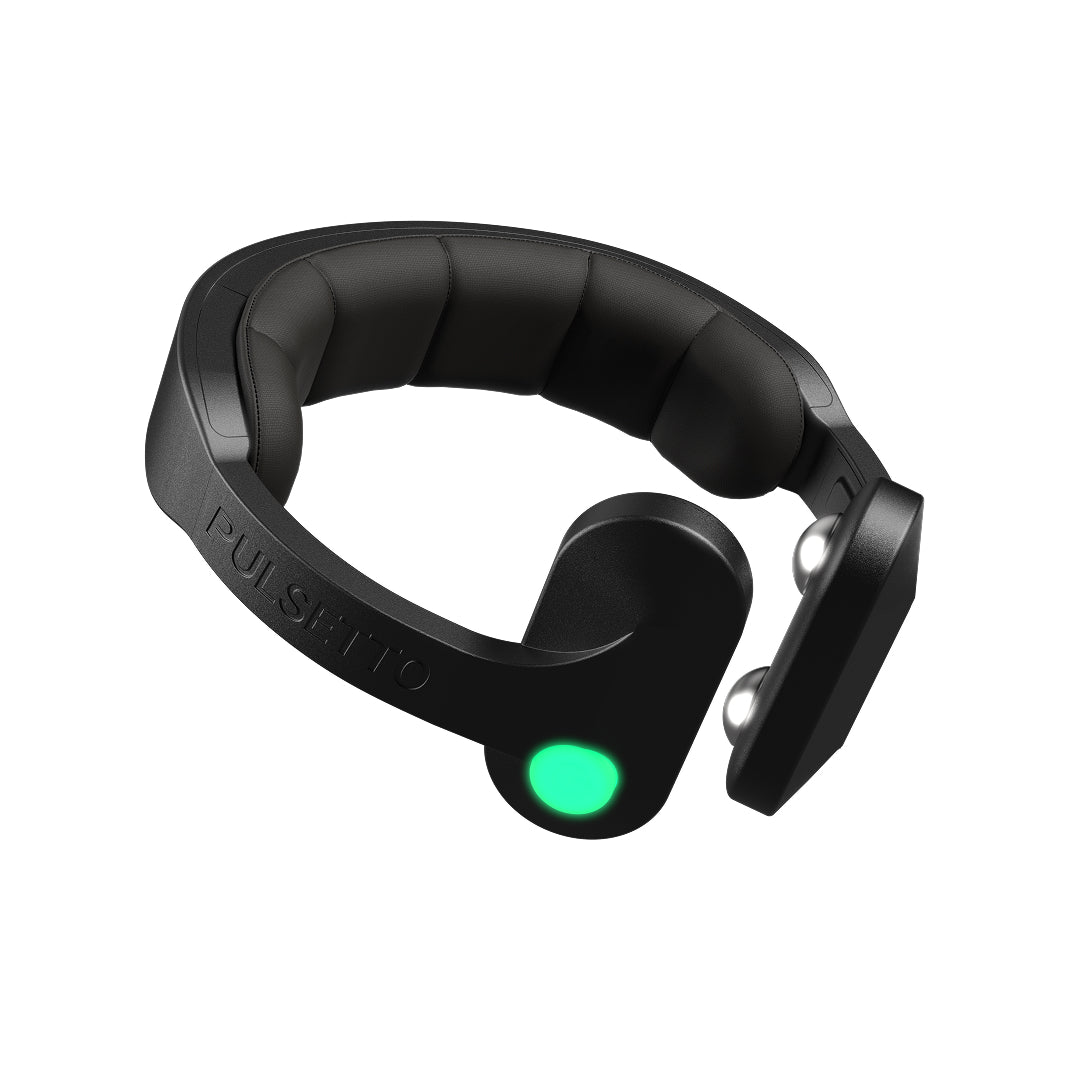
Pulsetto Vagus Nerve Stimulation Device
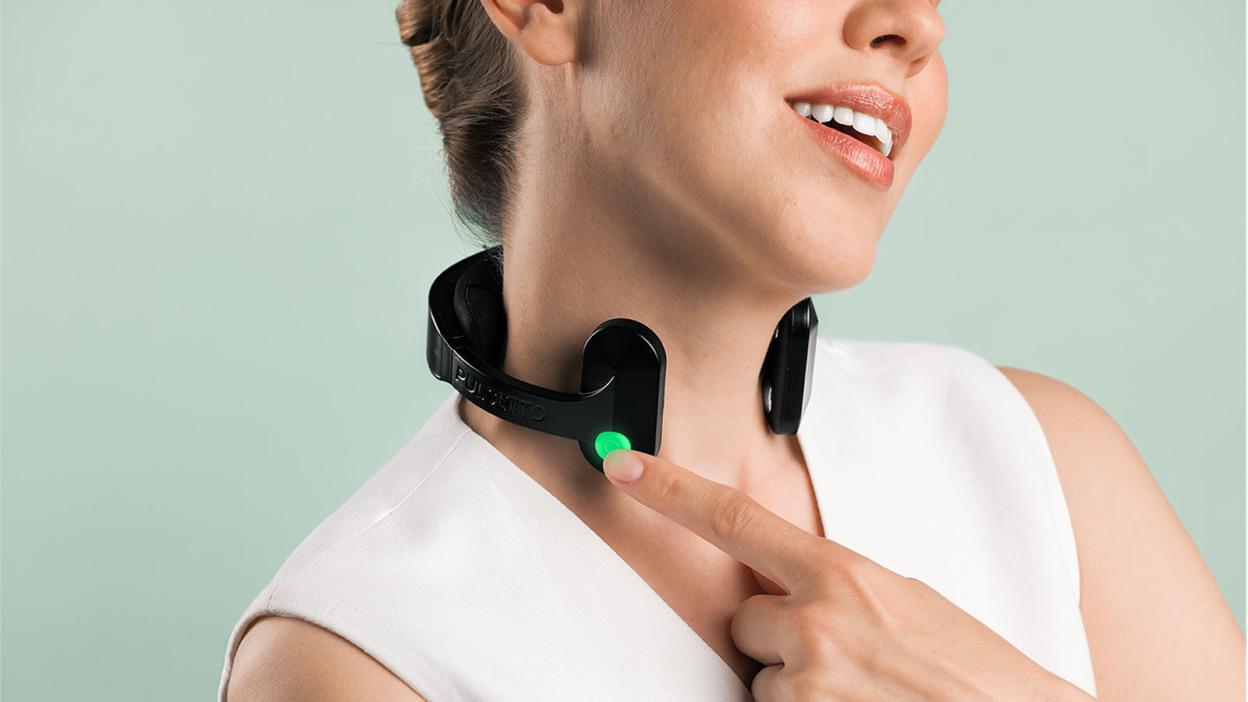
Anxiety has two layers: the cognitive loop and the body that is running it. Most anxiety tools address the first. The Pulsetto vagus nerve stimulator addresses the second.
When anxiety is active, the autonomic nervous system is in sympathetic mode: adrenaline up, heart rate elevated, muscles primed, digestion paused. That state does not respond well to reasoning or distraction. What it responds to is a direct signal from the parasympathetic nervous system that the threat has passed. Non-invasive vagus nerve stimulation delivers that signal electrically through the skin of the neck, producing measurable changes in heart rate variability and cortisol within minutes.
The difference this makes is most visible in situations where cognitive tools have stopped working:
-
Chronic low-grade anxiety that sits beneath the surface regardless of mindset practice
-
Physical anxiety symptoms like chest tightness or a racing heart that breathing alone cannot resolve
-
The kind of mental exhaustion where the body is too activated to absorb any instruction to relax
Pulsetto is hands-free, CE certified for general wellness use, and runs a complete session in minutes. As one of the best tools for anxiety that operates at the physiological level, it reaches the part of the stress response that most anxiety tools are not designed to touch.
Weighted Blankets for Deep Pressure Stimulation
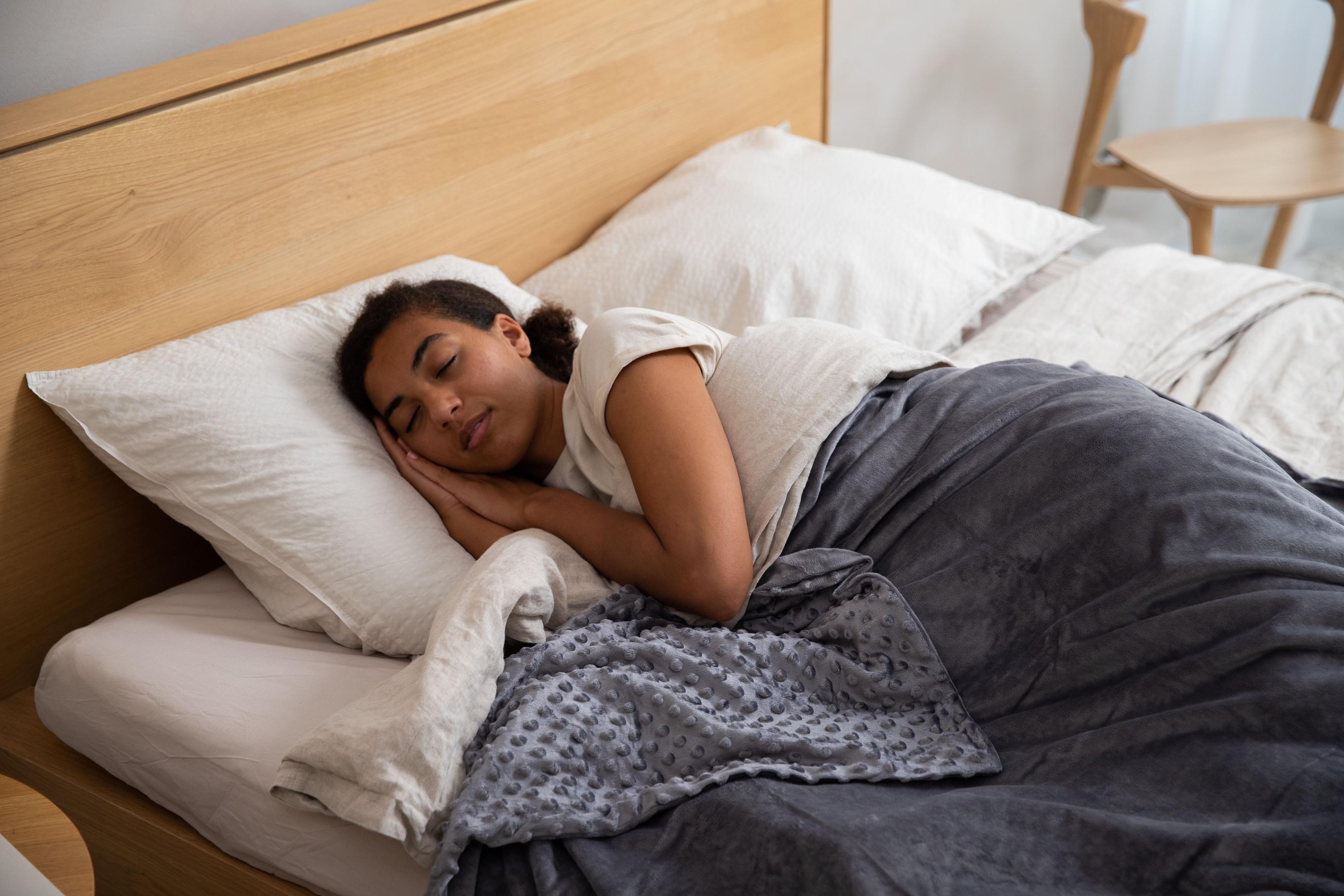
Weighted blankets deliver deep pressure stimulation, a form of sensory input that activates the parasympathetic nervous system and may reduce the physical restlessness and tension that accompany nighttime anxiety. The firm, even compression mimics a grounding hold, creating a sense of physical containment that many anxious individuals find calming.
They work best for people whose anxiety peaks in the hours before sleep, who experience physical restlessness when lying still, or who respond well to tactile comfort. As anxiety relief tools go, weighted blankets are passive but effective for the right profile. Weighted blankets pair naturally with other accessories for better rest as part of a consistent calming routine for anxiety-driven sleep difficulty.
Guided Breathing Devices for Fast Calm
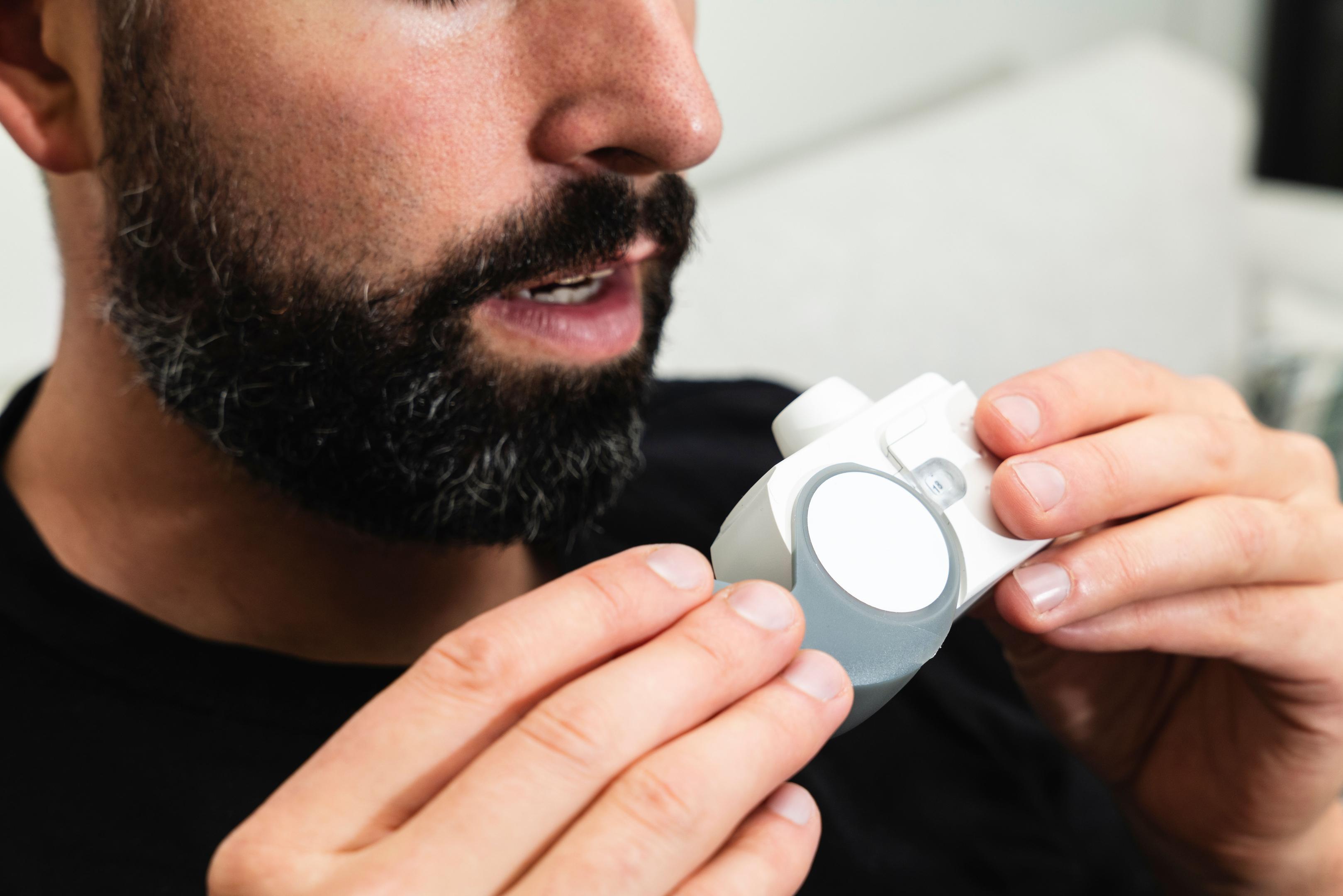
Breathing devices guide users through slow, paced breathing patterns that directly regulate the stress response. Extending the exhalation beyond the inhalation stimulates the vagus nerve and increases HRV, producing a measurable shift in autonomic state within minutes.
These are among the most useful anxiety tools for acute situations: a panic symptom arriving during a commute, cortisol spiking before a difficult conversation, or a workday spiral that a short breathing session can interrupt. They require no app, no device setup, and no prior practice to use effectively in the moment.
Meditation Apps for Managing Racing Thoughts
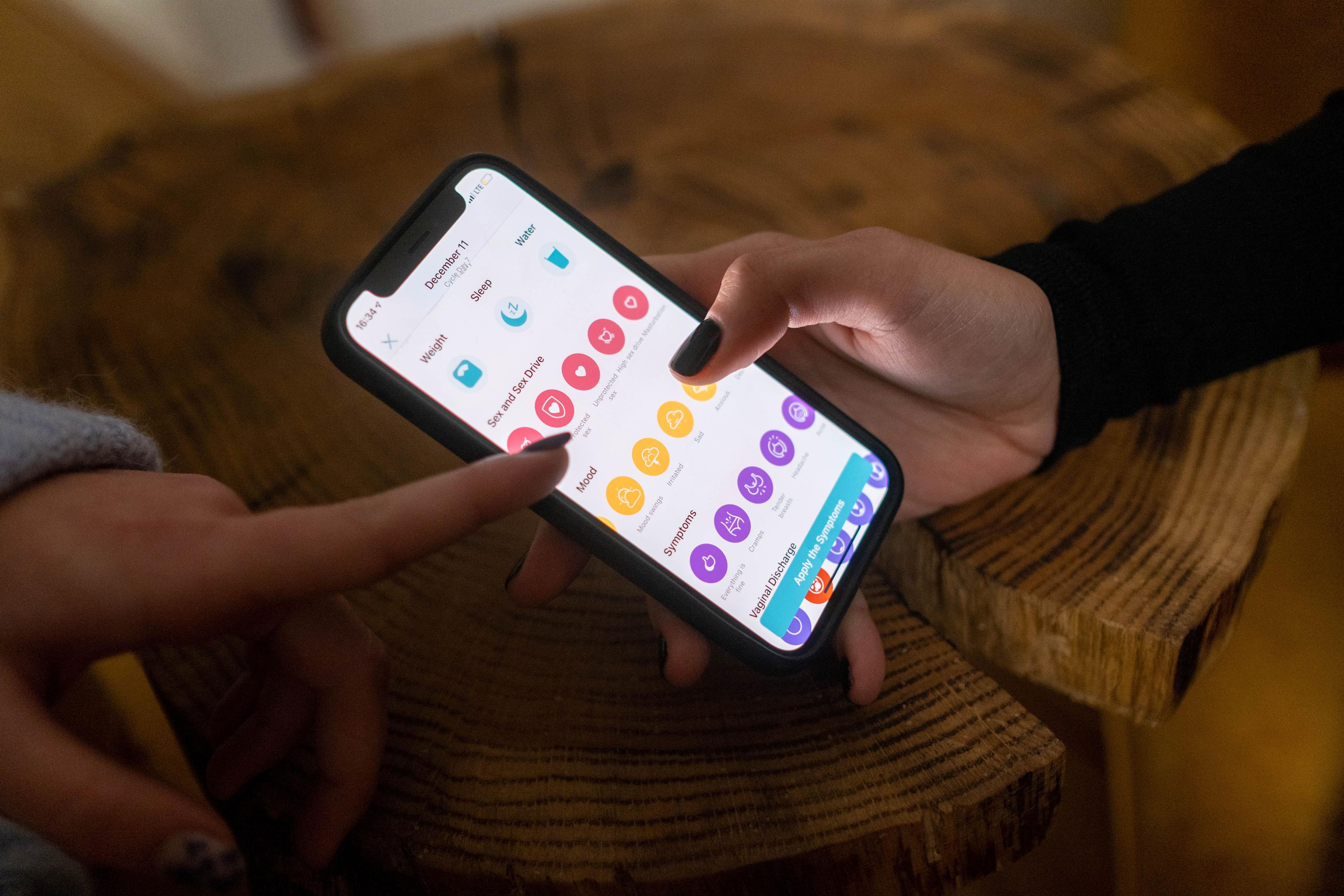
Meditation apps address anxiety at the cognitive level, helping users interrupt ruminative thought patterns through guided sessions, body scans, grounding exercises, and sleep meditations. The best anxiety tools for adults who struggle with racing thoughts or catastrophic thinking often include a daily mindfulness practice, and apps lower the barrier to starting one.
Among the best meditation tools for managing racing thoughts, apps stand out for accessibility: a five-minute guided session before bed or during a lunch break requires no equipment and builds cumulative skill over time. The limitation is that meditation apps work at the attentional level and are less effective for people whose anxiety has a strong physiological component, where autonomic regulation tools provide the missing layer.
White Noise Machines for Nighttime Anxiety
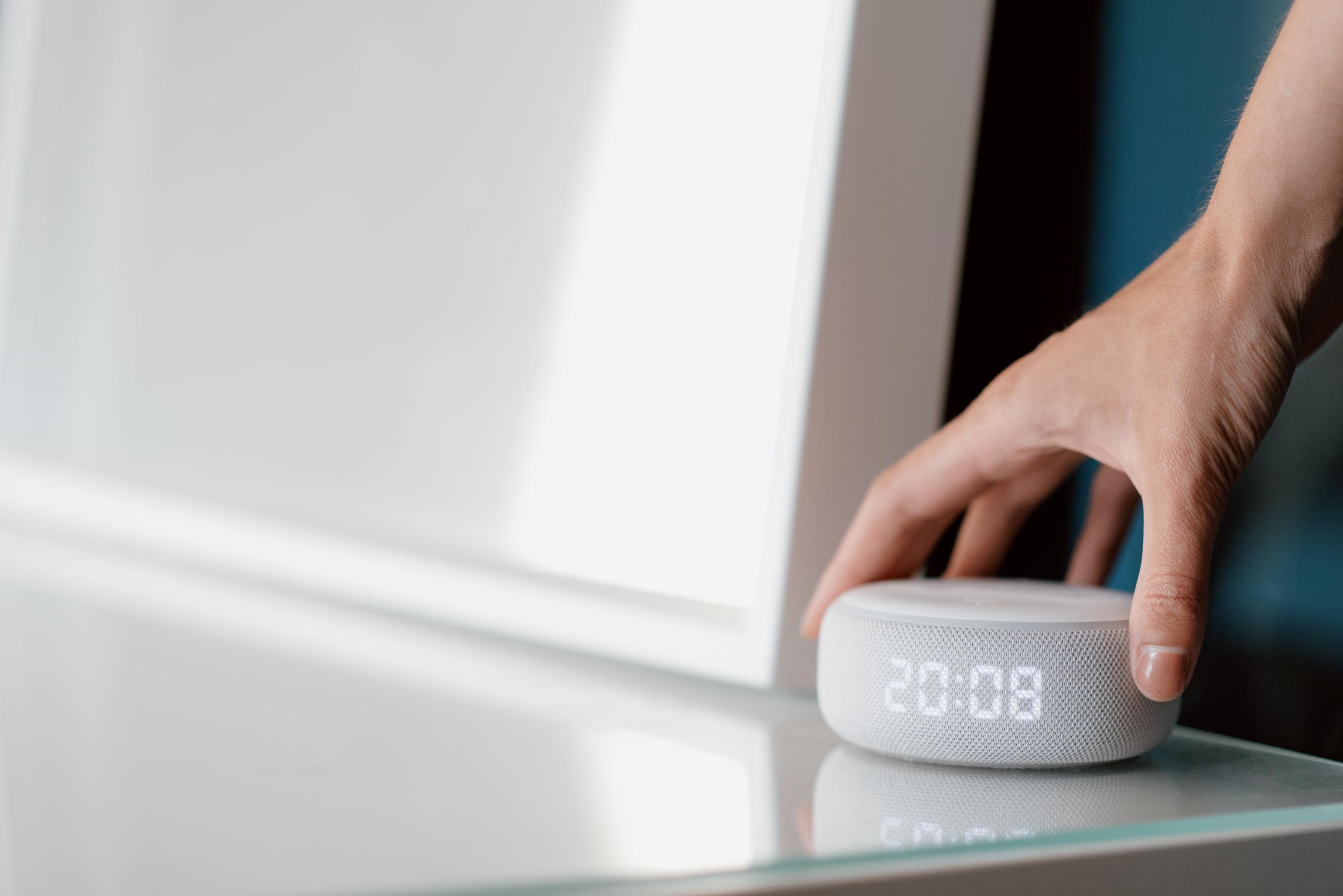
Nighttime is when anxiety frequently intensifies: the absence of daytime distraction leaves the mind to revisit worries, and an inconsistent or noisy sleep environment makes it harder to wind down. White noise machines create a consistent acoustic layer that masks irregular sounds and reduces the environmental stimulation that can keep an anxious nervous system alert.
As anxiety relief tools for sleep, they work best as part of a broader wind-down routine. Brown noise and pink noise variants are often preferred by people who find white noise too sharp, as they carry a lower-frequency emphasis that some find more naturally soothing.
Acupressure Mats for Full-Body Relaxation
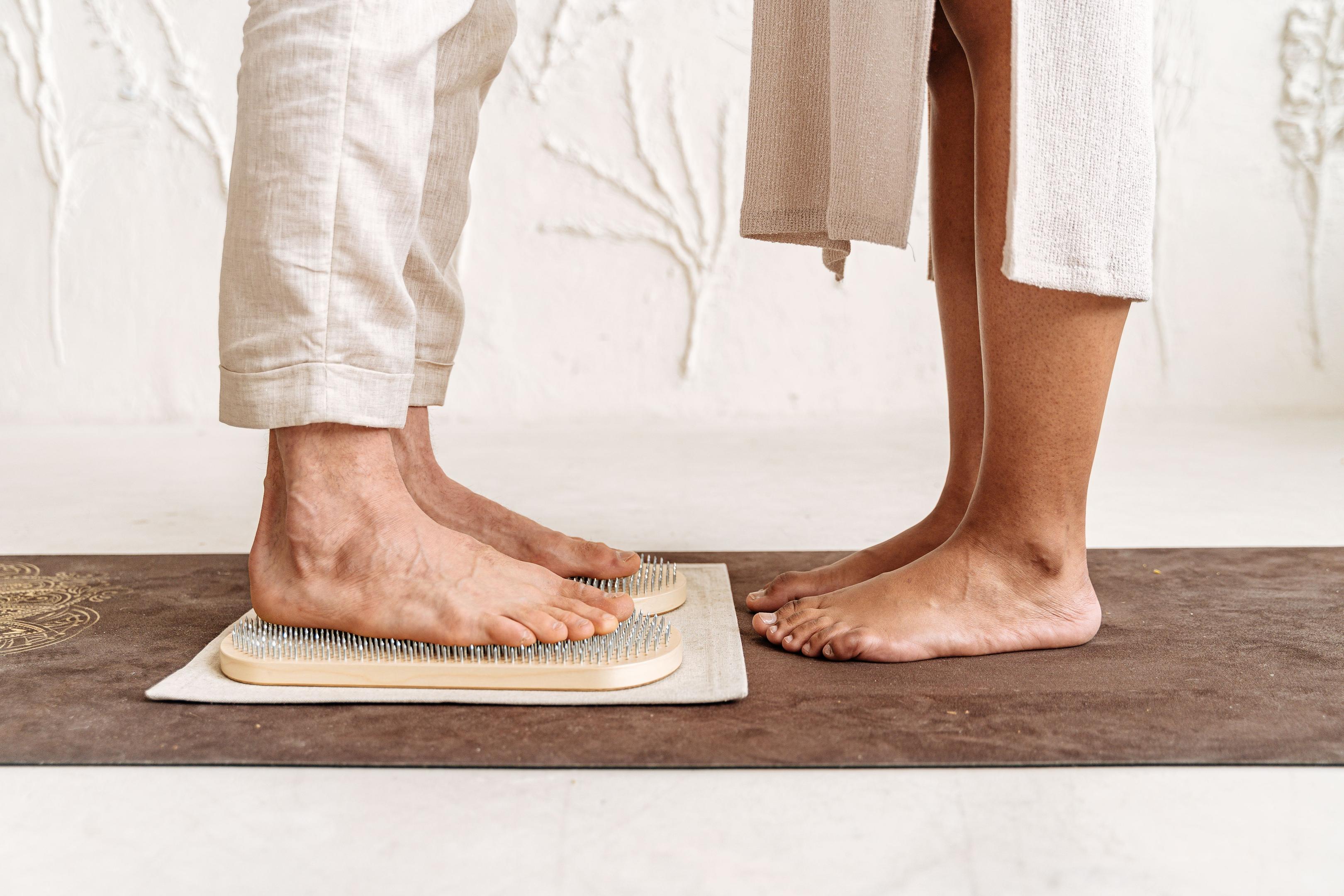
Acupressure mats use thousands of small pressure points across a firm surface to create a sustained sensory input that may prompt the body to release tension and shift toward a more relaxed state. Users typically lie on the mat for 10 to 20 minutes, during which the initial discomfort gives way to warmth, relaxation, and in some cases a mild endorphin response.
As anxiety tools they address the physical tension that chronic stress accumulates in the back, shoulders, and neck. They do not directly regulate the nervous system but provide sensory engagement that many people find calming, particularly as a wind-down tool before sleep.
Electric Neck and Shoulder Massagers for Stress Tension
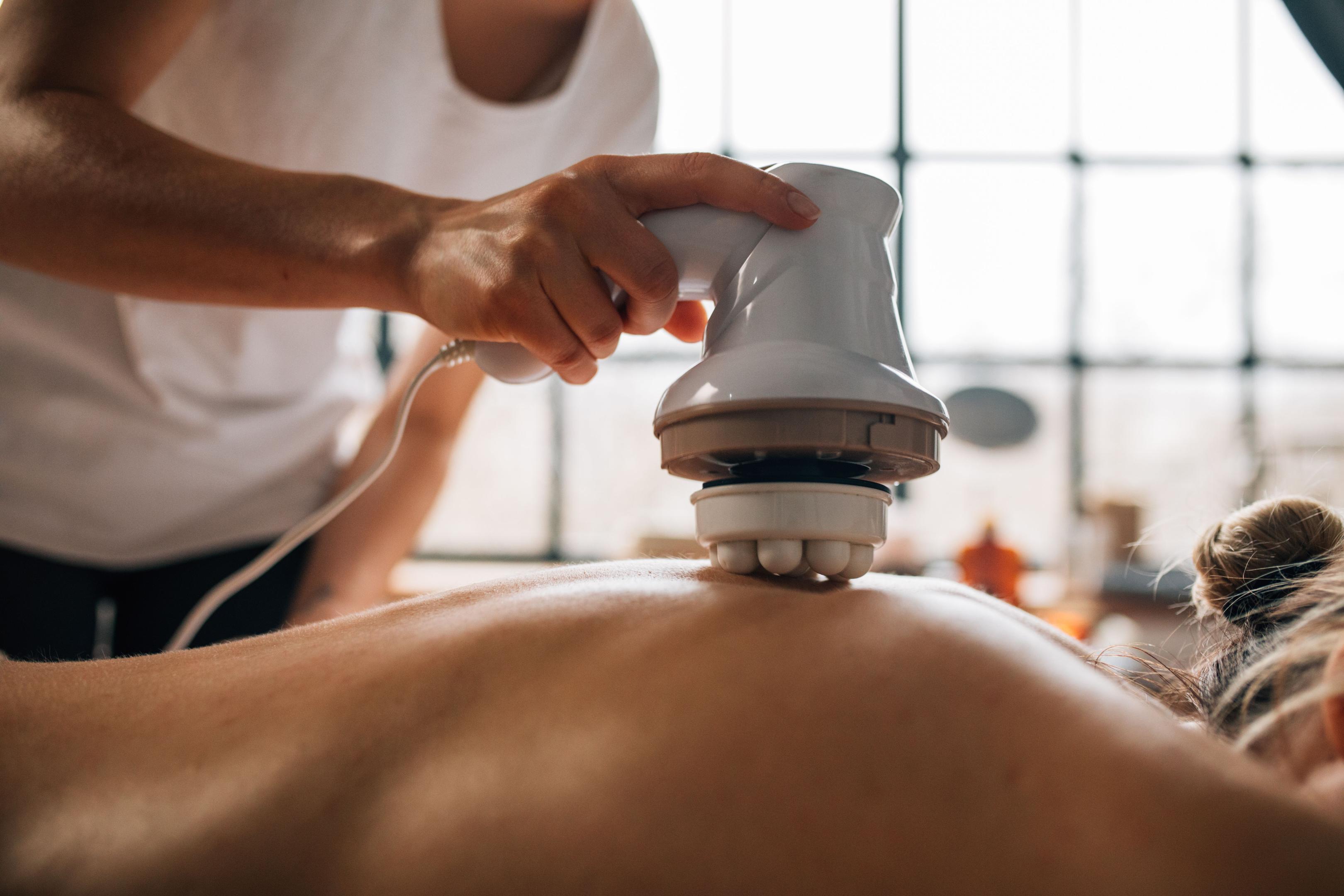
Anxiety and chronic stress frequently manifest as physical tightness in the neck, shoulders, and upper back. This tension is self-reinforcing: muscular tightness increases physical discomfort, which heightens the sense of stress, which maintains the tension. Electric massage tools interrupt this loop by providing direct myofascial relief.
Those also looking for the best electrical massager for shoulder and neck tension will find it addresses the same stress-held muscle groups that most anxiety sufferers accumulate tension in over time. As anxiety relief tools, electric massagers work best when the physical manifestation of stress is the primary complaint.
Sleep Masks Designed for Sensory Reduction
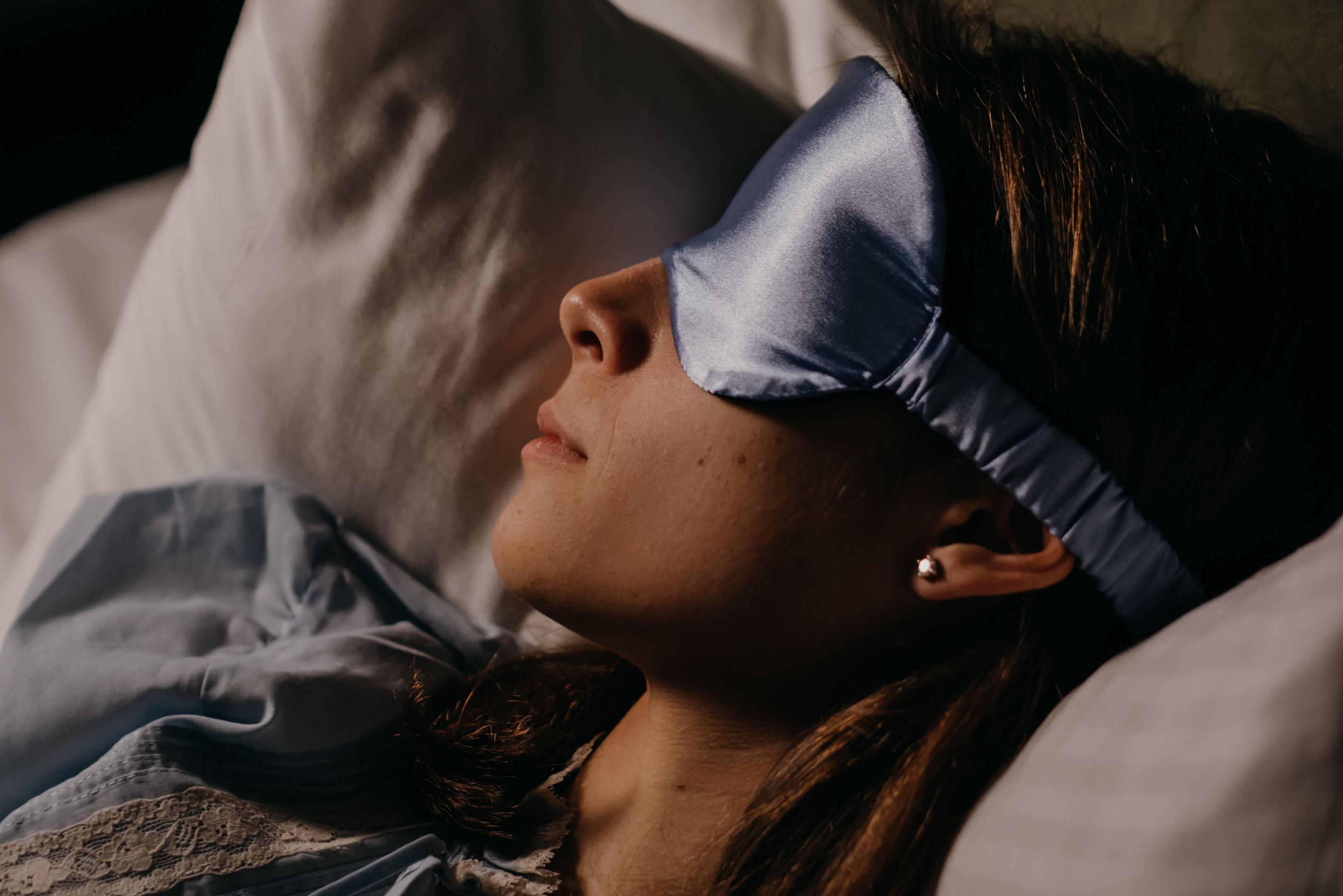
Light exposure suppresses melatonin and maintains a level of environmental alertness that works against sleep for anxious individuals. Even ambient light from a standby LED or early morning sun through curtains can be enough to delay sleep onset or reduce sleep depth.
Sleep masks eliminate this variable completely. Contoured designs avoid eyelid pressure, and models with integrated audio add guided sleep content or ambient sound for people whose anxiety requires both light blocking and mental occupation before sleep arrives. As accessories for better rest, they are among the simplest high-return additions to a sleep routine for anxious adults.
Anxiety Journals for Trigger Tracking and Reflection
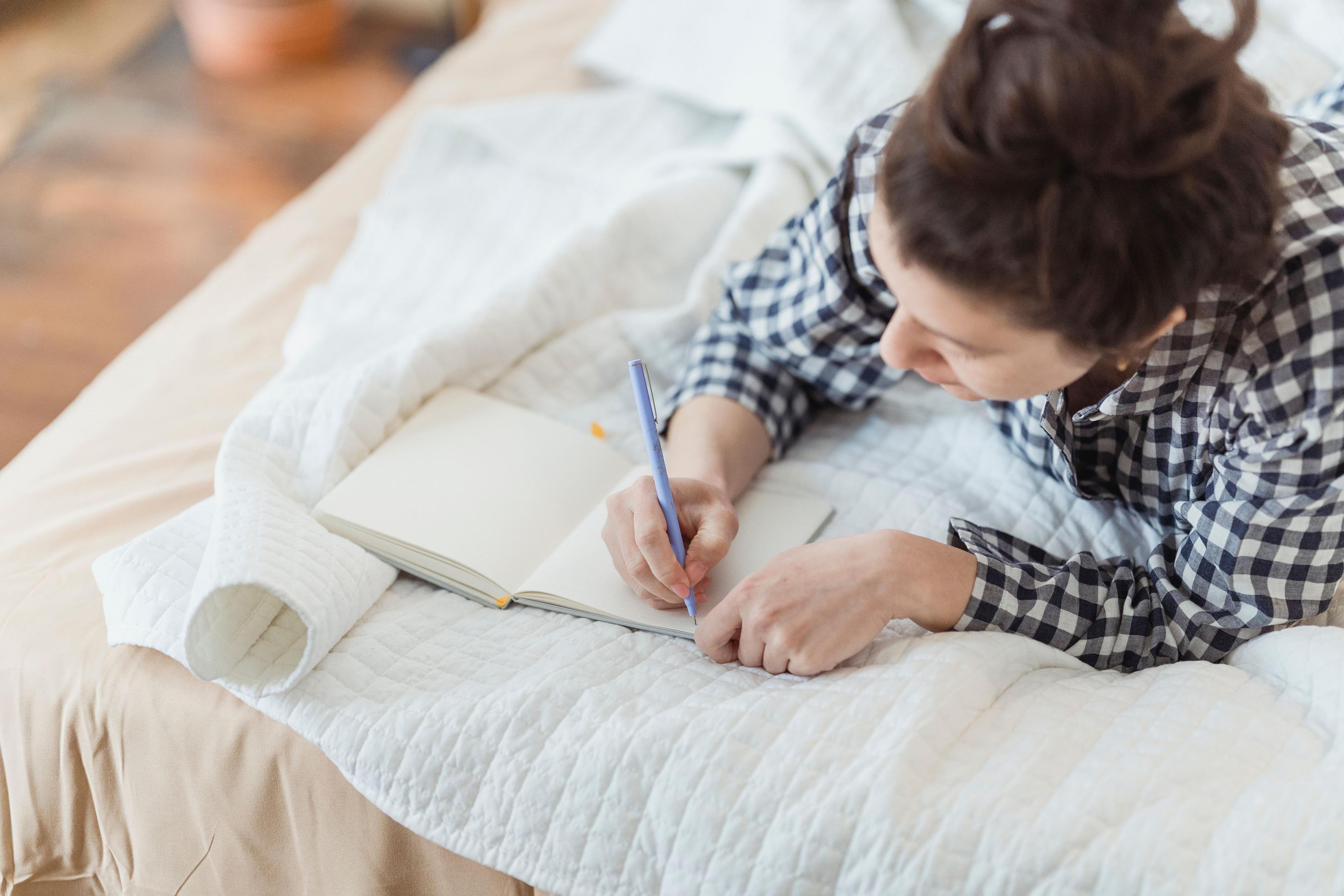
Anxiety journals help users move from passive experience to active understanding of their anxiety patterns. Structured prompts guide readers to identify specific triggers, note the time and context of anxiety episodes, and track which coping strategies are producing results. Over time, this data reveals patterns that would otherwise remain invisible.
As best anxiety tools for adults who want to build long-term self-awareness rather than manage symptoms in the moment, journals provide a foundation. They work best alongside physiological tools rather than as a standalone strategy, as self-reflection does not directly regulate the body's stress state.
Wearable Stress Tracking Devices for Nervous System Awareness
Wearable stress trackers and recovery devices help users understand what they cannot feel in real time: how their nervous system is actually responding to daily demands. By monitoring HRV, resting heart rate, sleep stages, and recovery scores, these devices reveal patterns that are invisible without data, the correlation between a late dinner and poor sleep quality, the HRV drop that precedes a high-anxiety day, or the week-on-week trend showing stress is accumulating faster than the body is recovering.
That awareness is valuable. But awareness and regulation are different things. Stress tracking devices tell you what is happening to the nervous system. VNS devices influence what happens to it. As one of the most proactive anxiety relief tools in the wearable category, vagus nerve stimulation devices intervene directly rather than reporting after the fact, which is why they are increasingly positioned alongside trackers rather than as alternatives.
For people exploring both categories as best tools for anxiety management, the comparison most relevant to an anxiety use case is the Nurosym vs Pulsetto question: auricular versus cervical, and clinical positioning versus daily consumer usability. Readers researching the best vagus nerve stimulator options will find the anxiety-specific case makes a strong argument for cervical stimulation.
How to Choose the Right Anxiety Relief Tool
The right anxiety relief tool depends on whether anxiety is primarily physical, cognitive, or environmental, and at what point in the day it peaks.
If anxiety is physically rooted: A vagus nerve stimulation device, breathing trainer, or weighted blanket addresses the nervous system state directly rather than managing symptoms at the surface.
If anxiety is thought-driven: Meditation apps, anxiety journals, and structured breathwork help interrupt ruminative patterns and build cognitive regulation skills over time.
If anxiety peaks at night: White noise machines, weighted blankets, sleep masks, and a pre-sleep VNS session address both the environment and the physiological state that makes sleep difficult.
If anxiety accumulates physically: Acupressure mats and electric massagers release the muscular tension that chronic stress builds into the body over time.
The strongest anxiety management toolkit combines one physiological regulation tool with one sensory or environmental tool and one behavioral tool. Starting with what is most relevant to your specific symptom pattern produces faster results than building a comprehensive set at once.
Looking for Faster Relief From Stress and Anxiety?
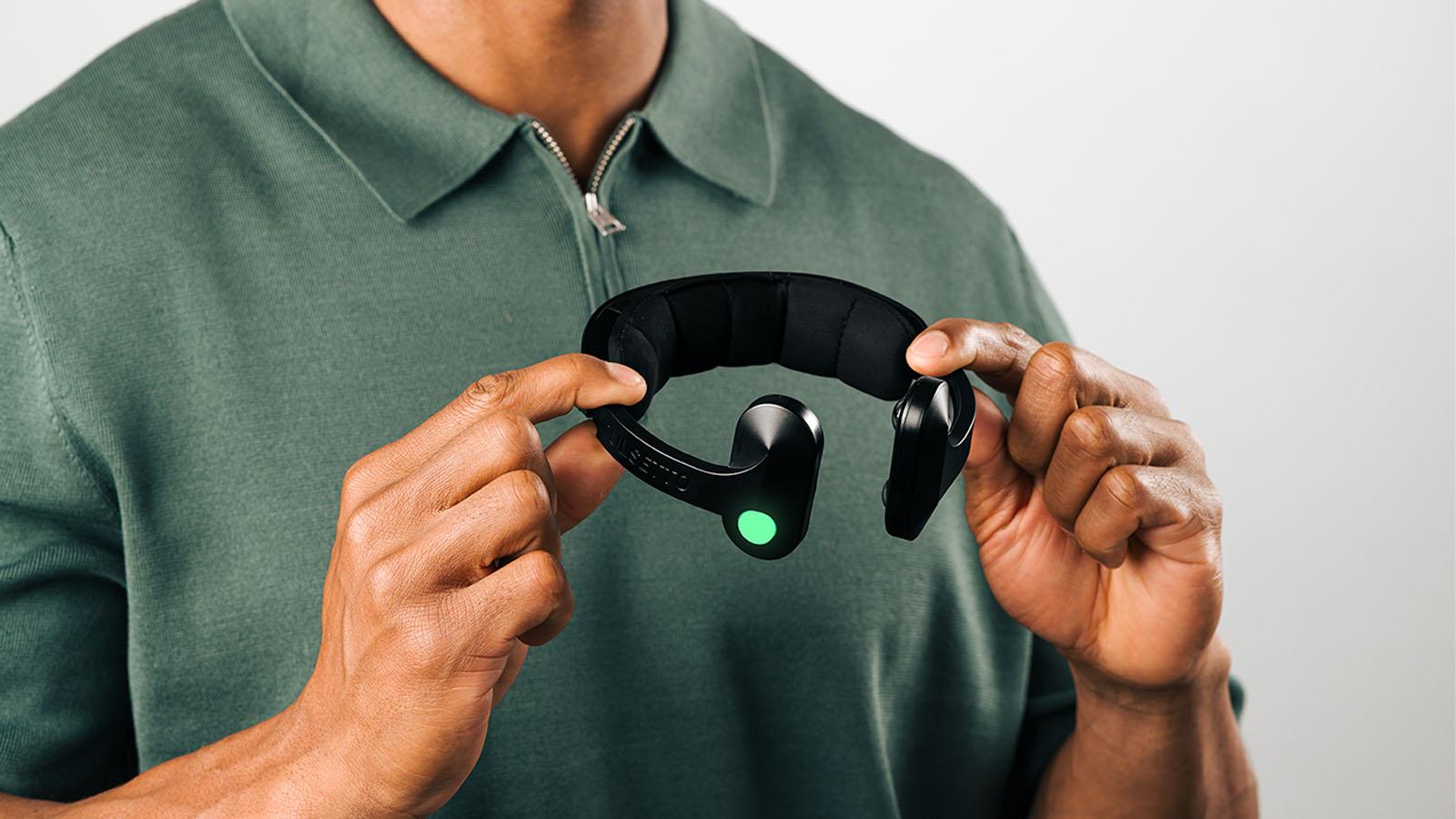
Managing anxiety at the nervous system level, rather than only through behavioral strategies, is where the best tools for anxiety show their most consistent results. The Pulsetto vagus nerve stimulator is designed for exactly this: direct parasympathetic activation in a short, hands-free session that fits into any routine without adding complexity.
For people whose anxiety has resisted mindfulness apps, breathing exercises, and lifestyle changes, addressing the physiological layer is often the missing piece. CE certified for general wellness use, backed by growing clinical interest in non-invasive vagus nerve stimulation for anxiety and stress relief, and designed for daily use, Pulsetto represents the most advanced anxiety relief tool currently accessible to consumers without a prescription.
Best Tools for Anxiety FAQs
Do vagus nerve stimulation devices help with anxiety?
Research supports non-invasive VNS as a tool for reducing physiological stress responses. The vagus nerve is the primary parasympathetic pathway, and stimulating it directly lowers heart rate, reduces cortisol, and shifts the autonomic nervous system from sympathetic to parasympathetic mode. These are the same physiological changes that meditation and breathwork produce through behavioral means, achieved here through direct nerve stimulation. Devices like Pulsetto are CE certified for general wellness use and are not medical devices or treatments for anxiety disorders.
What is the best wearable tool for anxiety relief?
The most effective wearable anxiety tools are those that influence the autonomic nervous system directly rather than providing biofeedback alone. Cervical VNS devices like Pulsetto activate the parasympathetic nervous system through gentle electrical stimulation, producing a measurable physiological shift. Wearables that only track stress without actively influencing it provide awareness but not regulation.
Can anxiety tools improve sleep quality?
Yes, through different mechanisms. Vagus nerve stimulation devices lower cortisol and reduce physiological arousal, supporting sleep onset. Weighted blankets activate the parasympathetic system through deep pressure, reducing physical restlessness. White noise machines reduce environmental stimulation. Sleep masks remove light-based melatonin suppression. The most effective approach for anxiety-driven sleep difficulty combines a physiological regulation tool with one or two environmental tools.
Are breathing devices helpful for panic symptoms?
Yes, and they are among the fastest-acting non-medication interventions for acute anxiety. Slowing the breath and extending the exhalation directly stimulates the vagus nerve and shifts the autonomic balance away from the fight-or-flight response. This works within minutes, requires no setup, and can be applied during the panic episode itself. Breathing devices that provide a visual or haptic guide make the technique more accessible for people who struggle to pace their own breath during high-anxiety moments.
Which anxiety tools are best for adults with chronic stress?
Chronic stress requires tools that address accumulation rather than acute episodes. The most effective combination is a daily vagus nerve stimulation session for baseline autonomic regulation, a consistent sleep routine supported by weighted blankets or white noise, and a journal or app for tracking patterns and building awareness. Electric massagers and acupressure mats address the physical tension that chronic stress deposits in the body. The goal is reducing baseline nervous system arousal over time rather than only managing individual stress spikes.